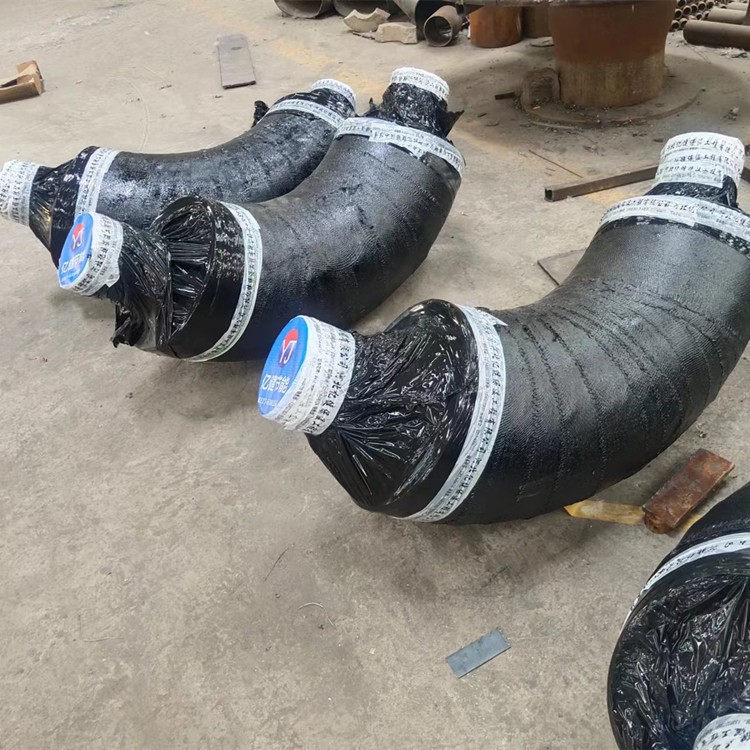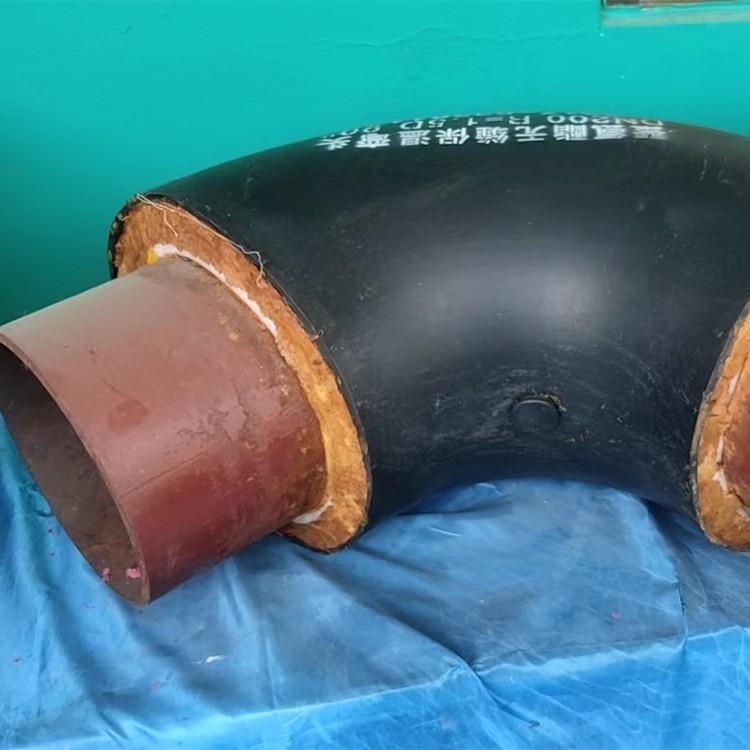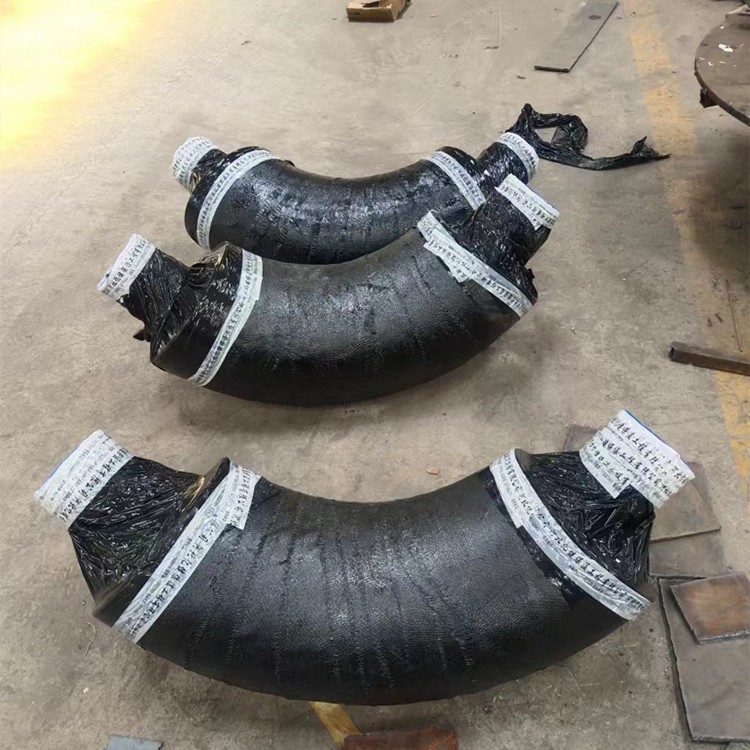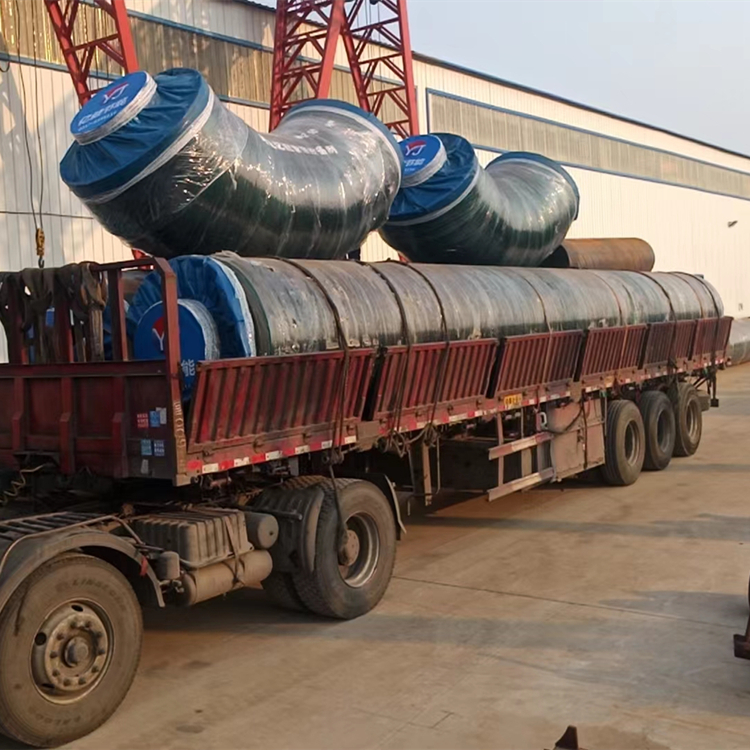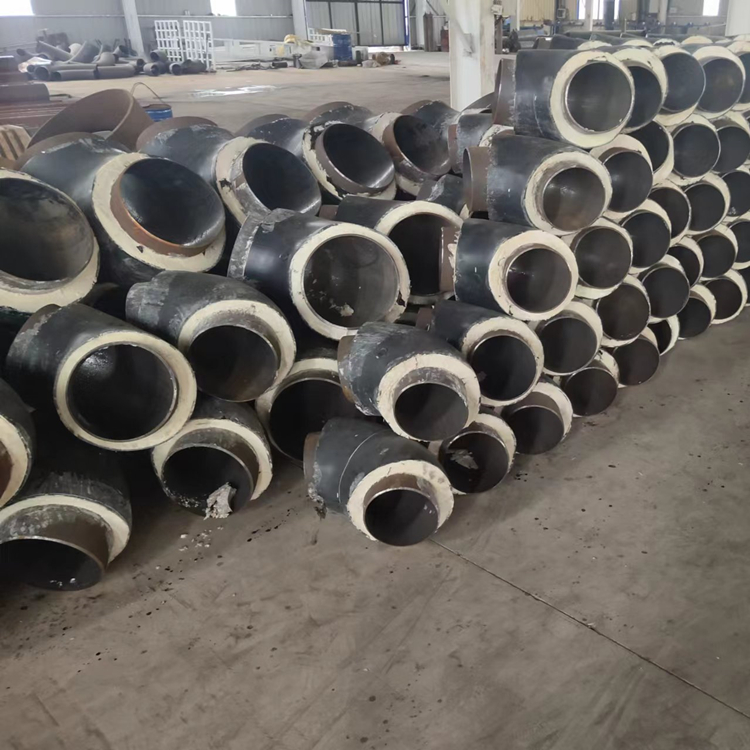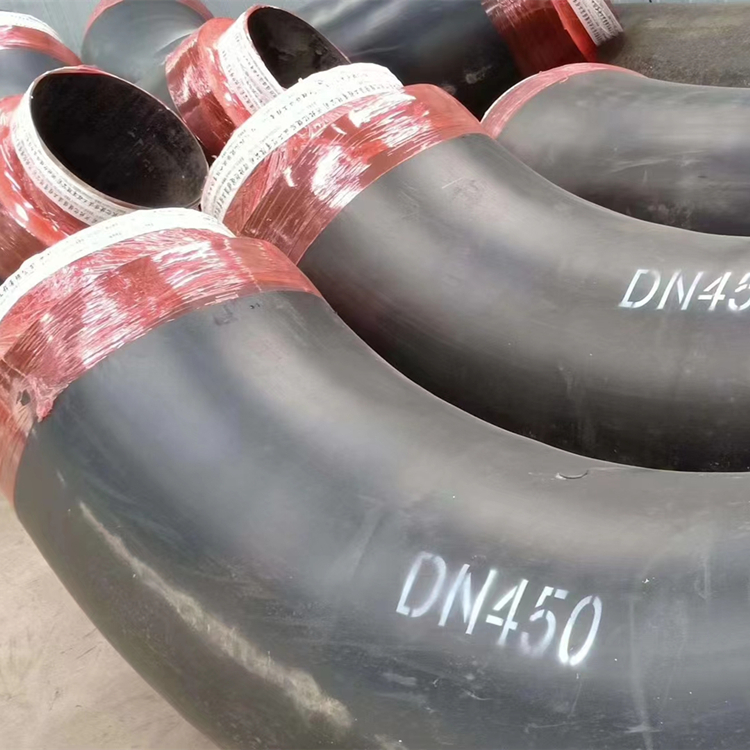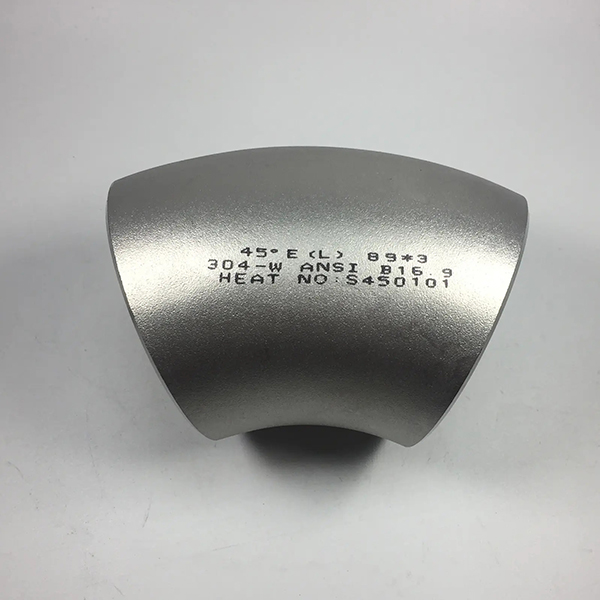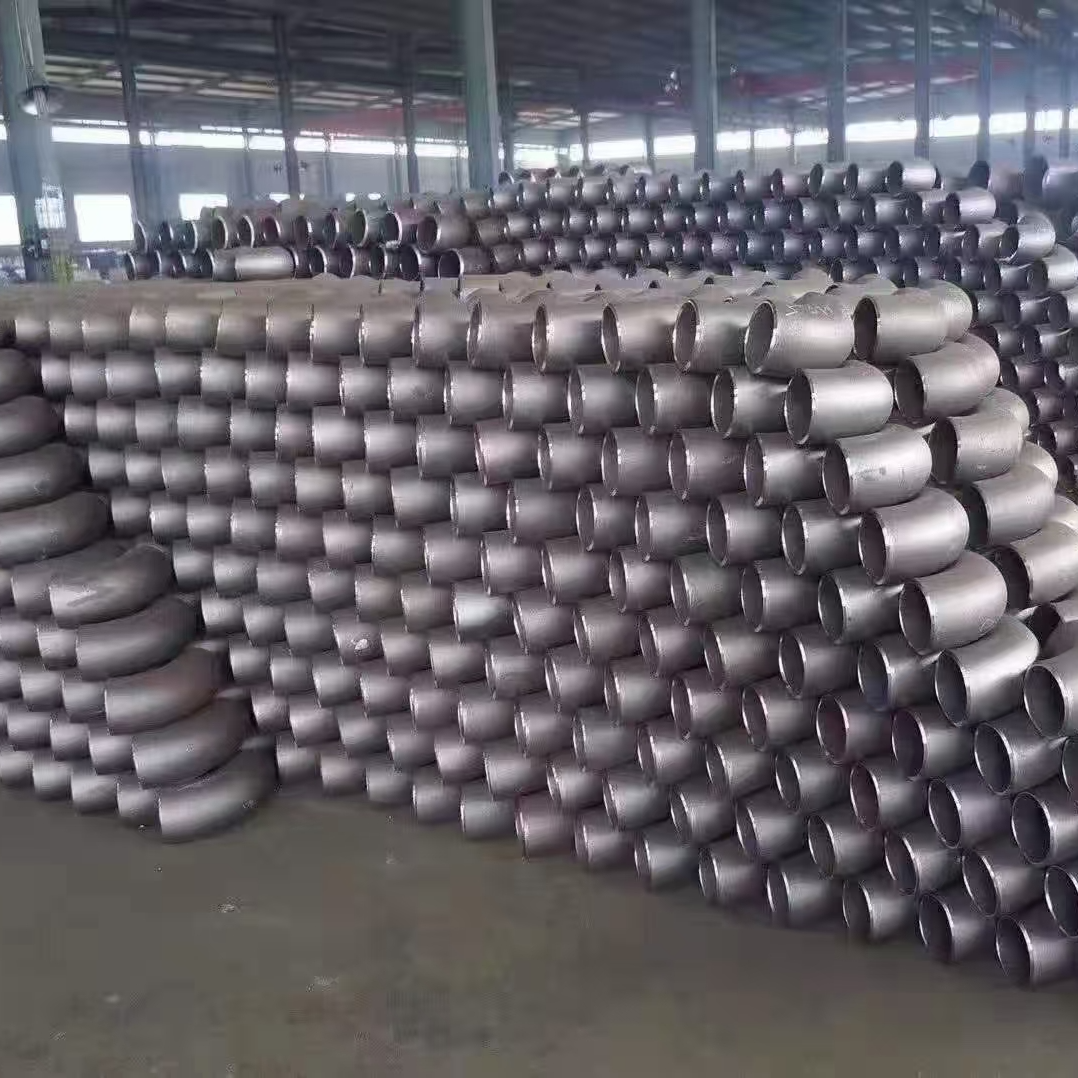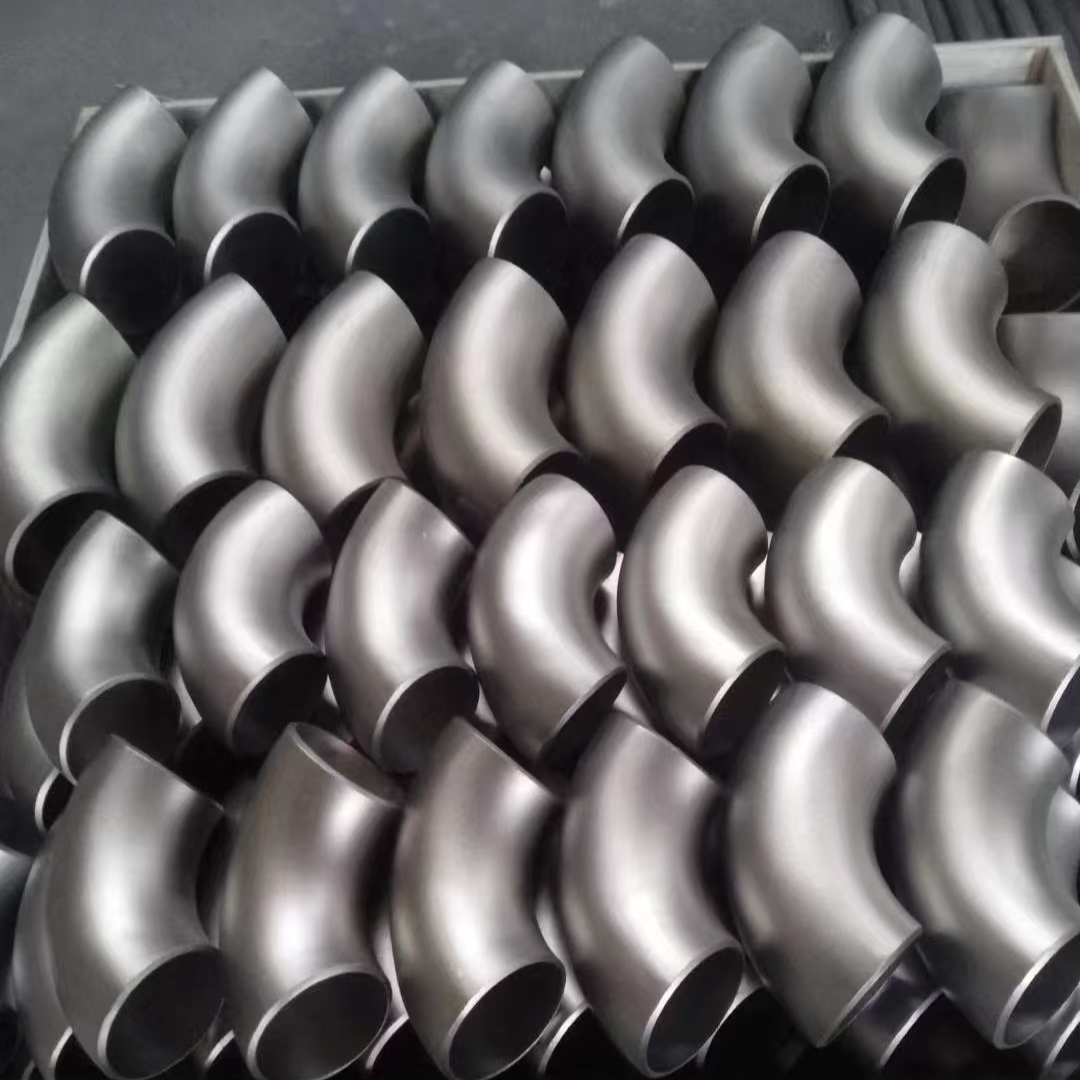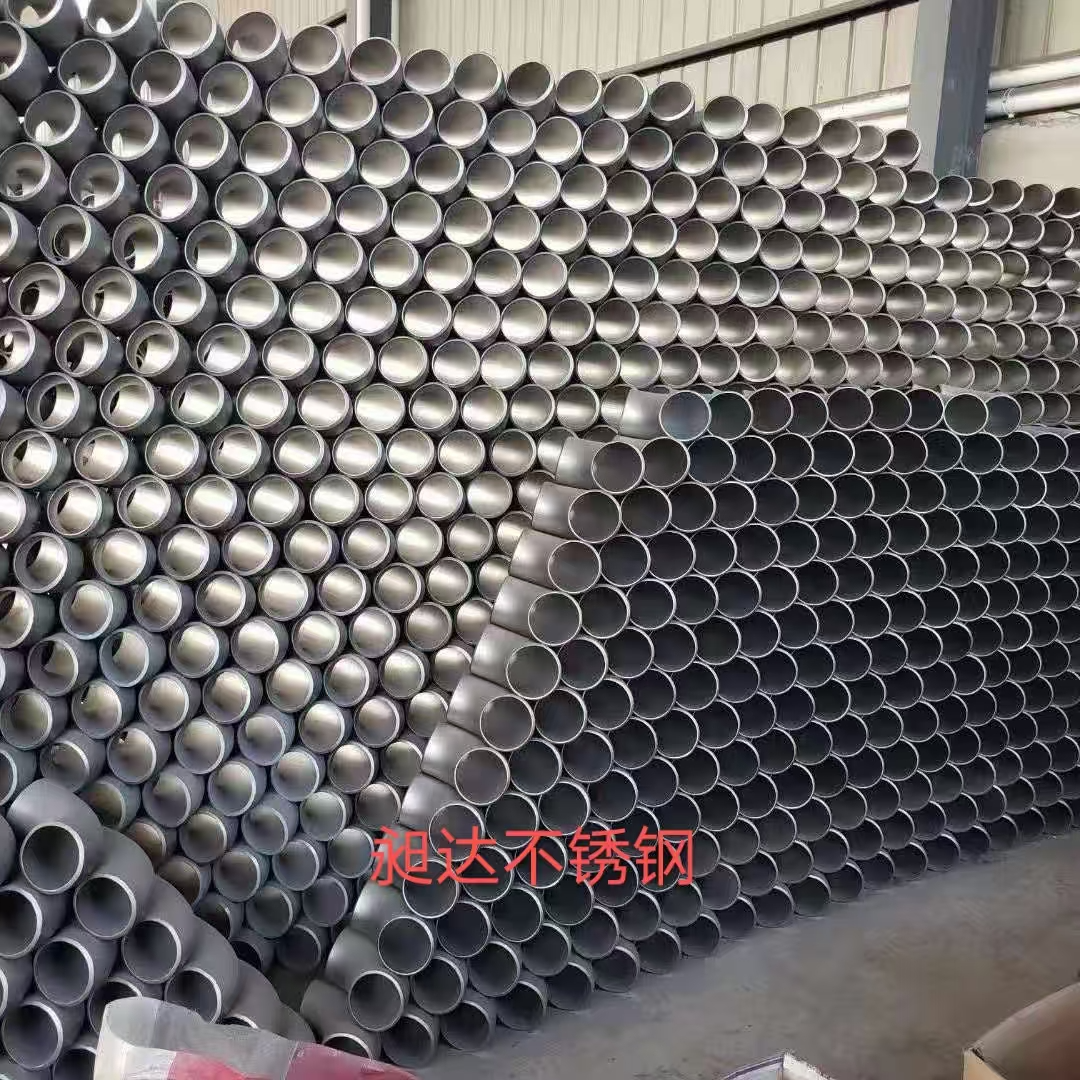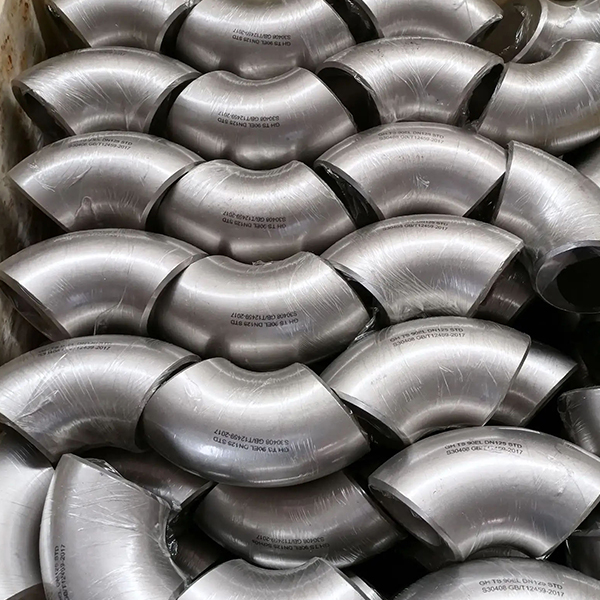

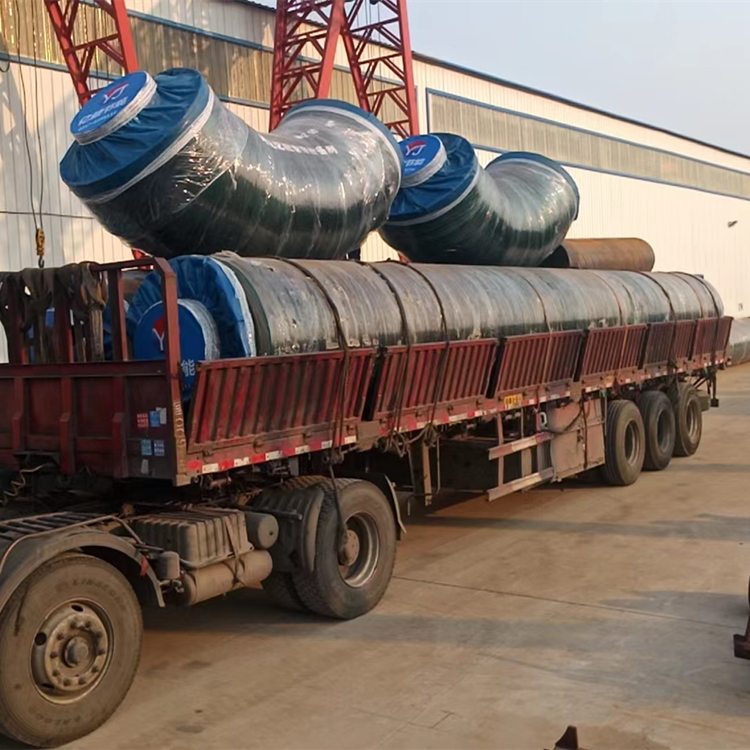

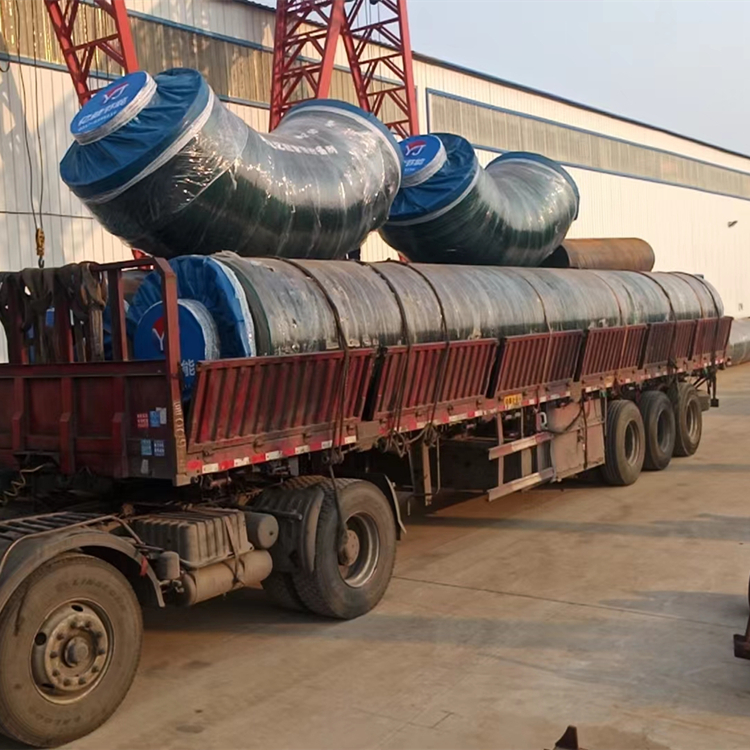
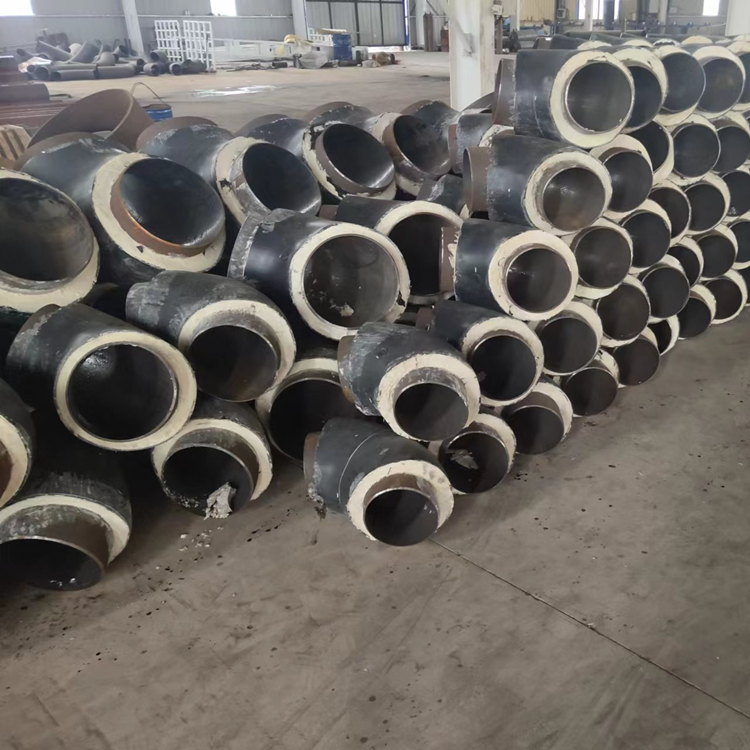
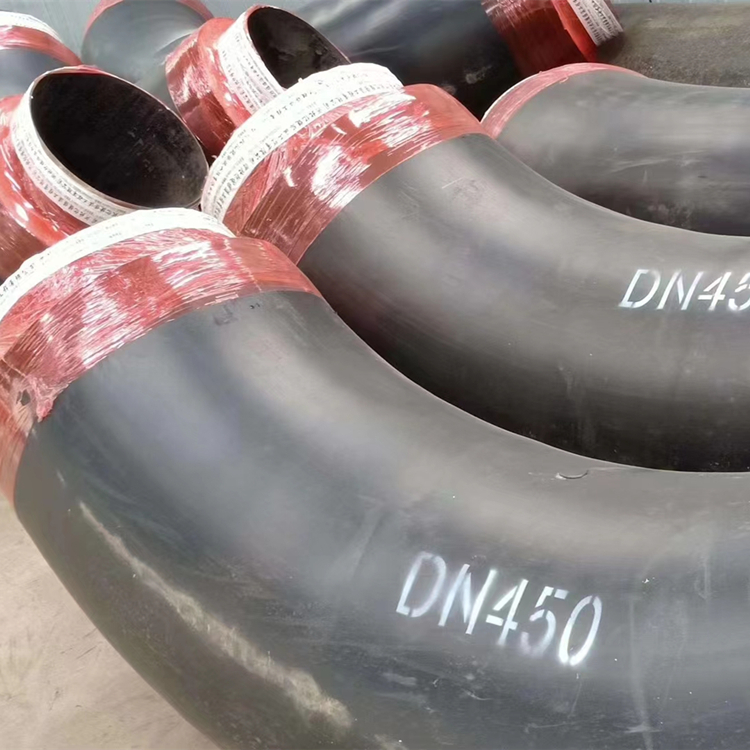


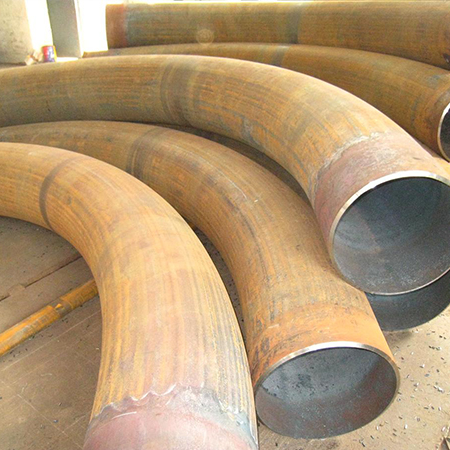
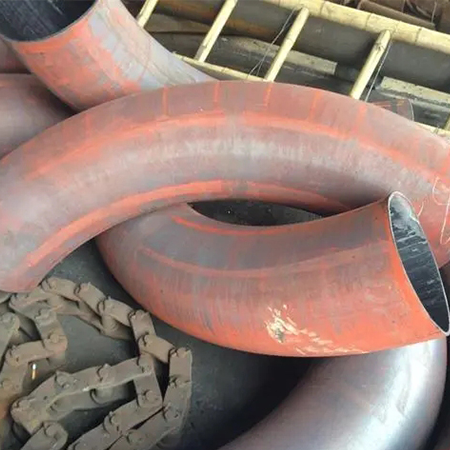
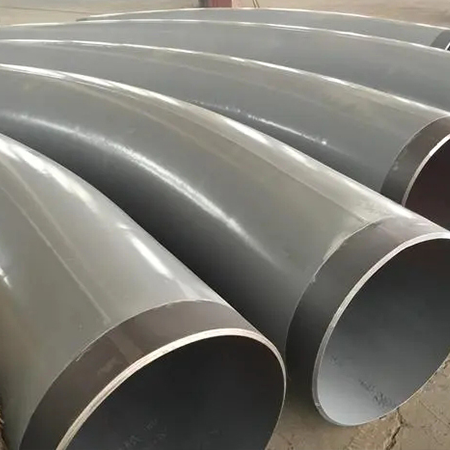
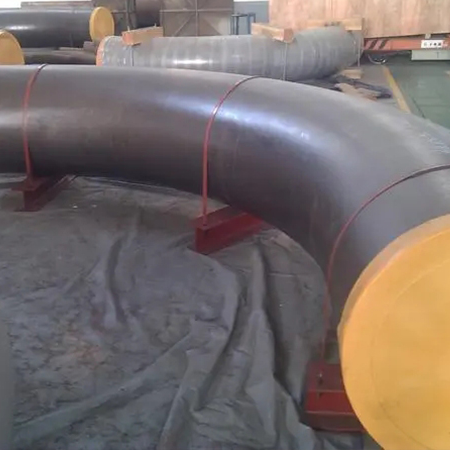
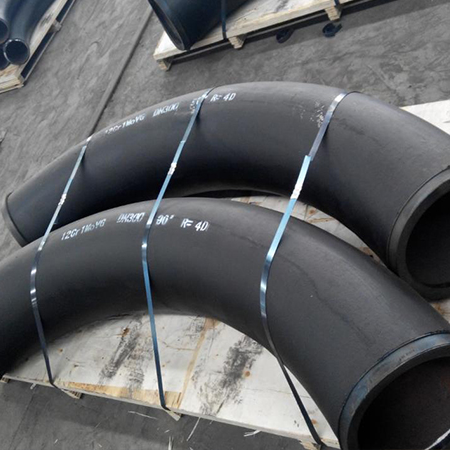





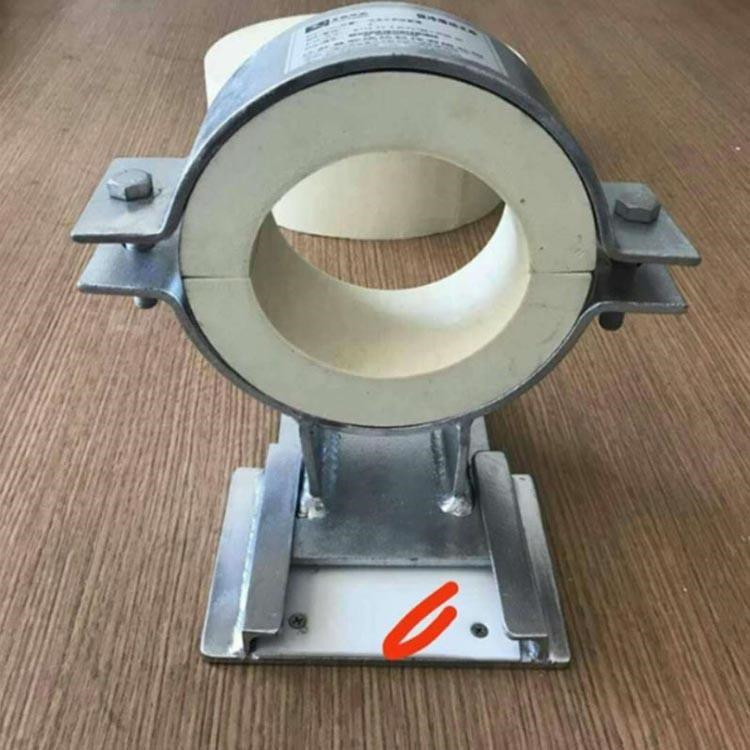
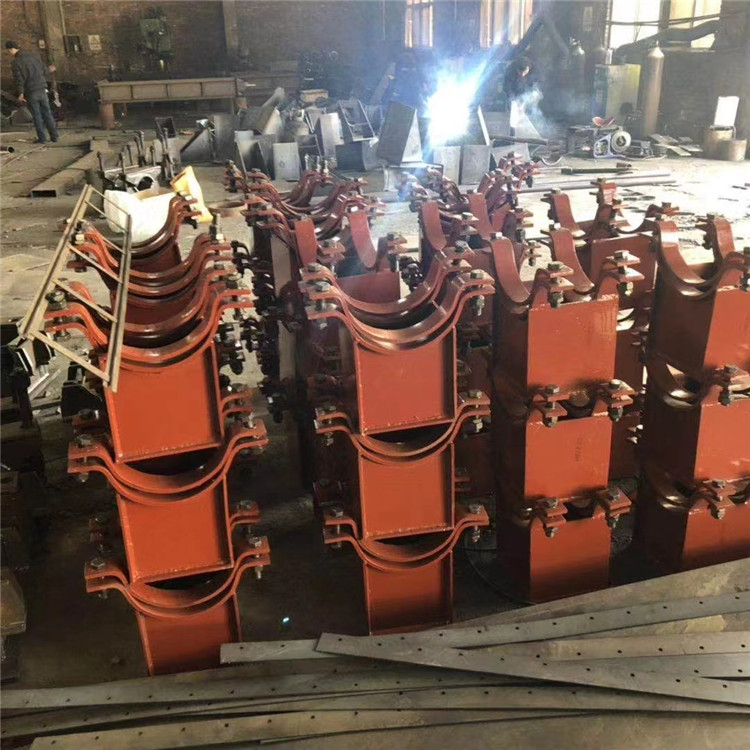
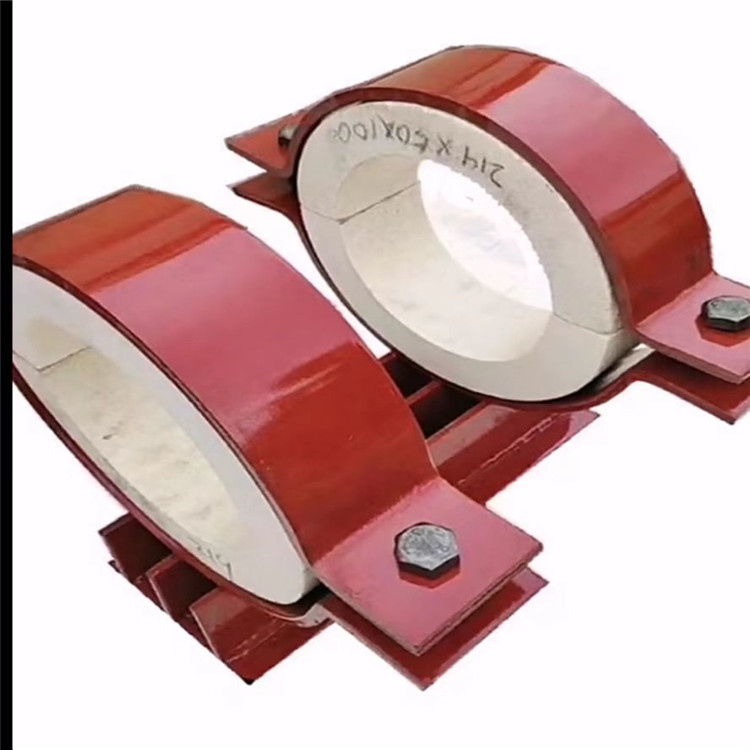
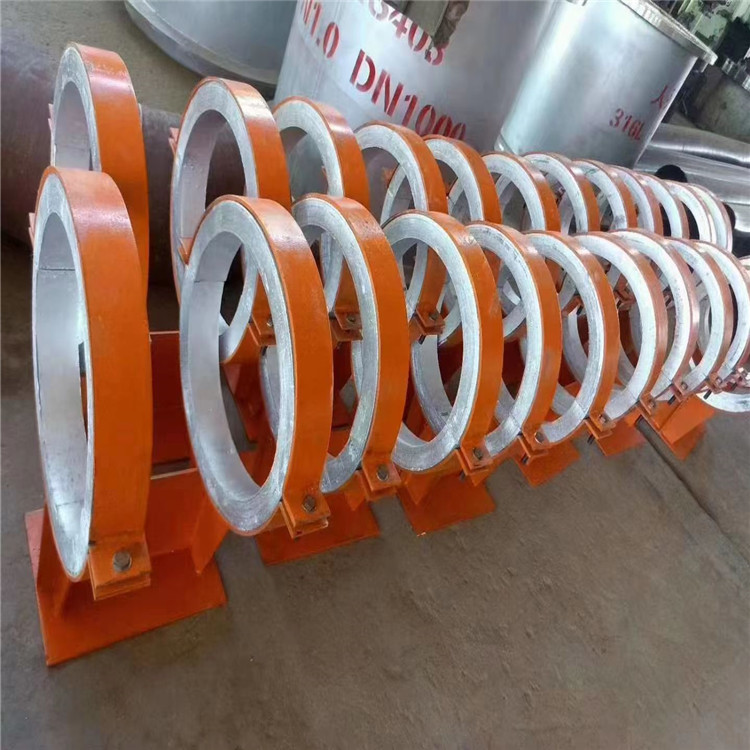
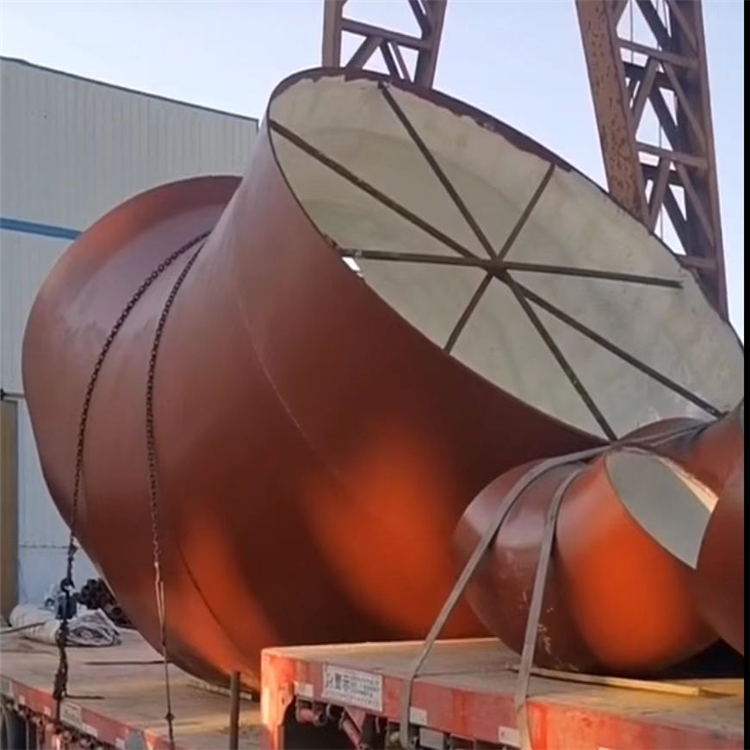
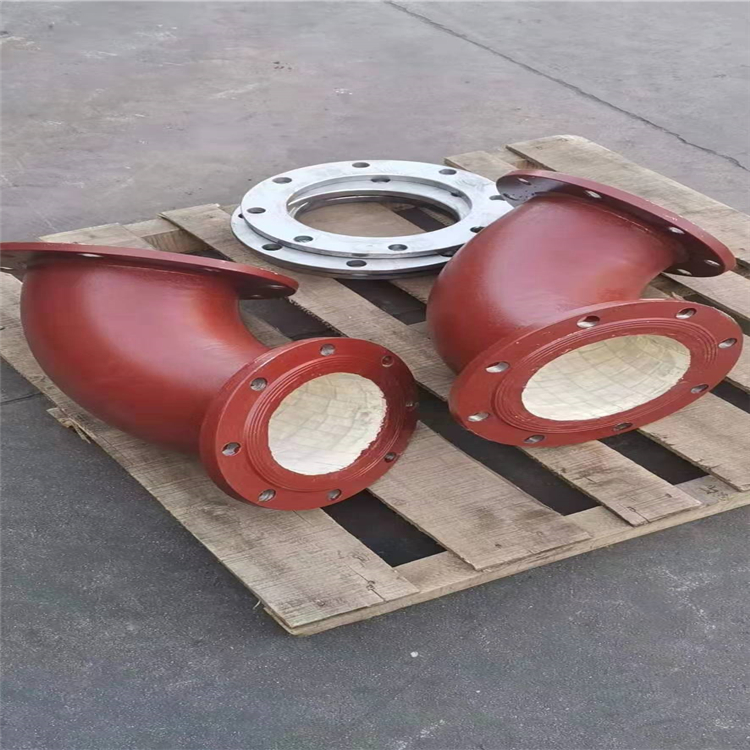
Insulated elbows are a type of thermal insulation pipe fittings, composed of a high-density polyethylene jacket, polyurethane foam insulation, and a tightly bonded inner working steel pipe. Insulated elbows are primarily used for the redirection of insulated straight pipes, commonly paired with insulated pipelines. They are designed to compensate during the pipeline design phase of thermal insulation projects, ensuring adequate insulation properties at the elbow sections. Standard elbow angles: 30 degrees, 45 degrees, 60 degrees, 90 degrees.
Insulated elbows are widely used in pipeline networks for the transportation of liquids and gases, in insulation projects for chemical pipelines, oil and chemical industries, district heating networks, central air conditioning ventilation pipelines, and municipal engineering pipeline bends. Insulated pipes (including elbows, tees, and crosses) are high-performance, safe, and cost-effective pre-insulated buried pipes. They effectively address issues such as insulation for heating, cooling, power, and chemical pipeline projects, including insulation of elbows, sliding lubrication, waterproofing and anticorrosion of exposed pipe ends, and bends.
Insulating elbow structure:
High-Density Polyethylene Coating: The high-density polyethylene pipe protects elbows from corrosive substances and plant corrosion, extending the service life of pipe fittings. It supports the working pipe and can withstand certain external loads, ensuring the normal operation of the working pipe.
2. Polyurethane Foam Layer: Withstanding high temperatures, ensuring medium temperature, maintaining the outer sheath surface at normal temperature, insulating the inner working pipes, and preventing the foam from carbonization.
3. Working钢管: Ensures the normal flow of conveying medium.
Construction Notice:
1. Avoid soaking in groundwater and rainwater during construction. If the end is accidentally soaked, dry it before connecting the outer sheath.
2. Tubing should be stored on a flat surface, neatly stacked, with a stacking height of less than 1.5 meters.
3. Pipe materials must be lifted and placed with care, avoiding collisions and throws. Do not use steel wire rope for direct lifting of the pipe body.
4. Insulation and anti-corrosion layers should be kept away from direct flame contact. For on-site installation, follow the following procedure: excavation of pipe trench - base treatment (drainage, sand bedding) - laying pipes - steel pipe welding - inspection (hydrostatic test) - installation (pressure test) - foaming - sealing foam holes. Personnel can be dispatched to the construction site for the insulation work of joints, including the installation of the joint sleeve, connection and sealing of the joint sleeve to the main pipe, and foaming work at the joint site. However, this does not include the welding of the steel pipe sections at the joint.