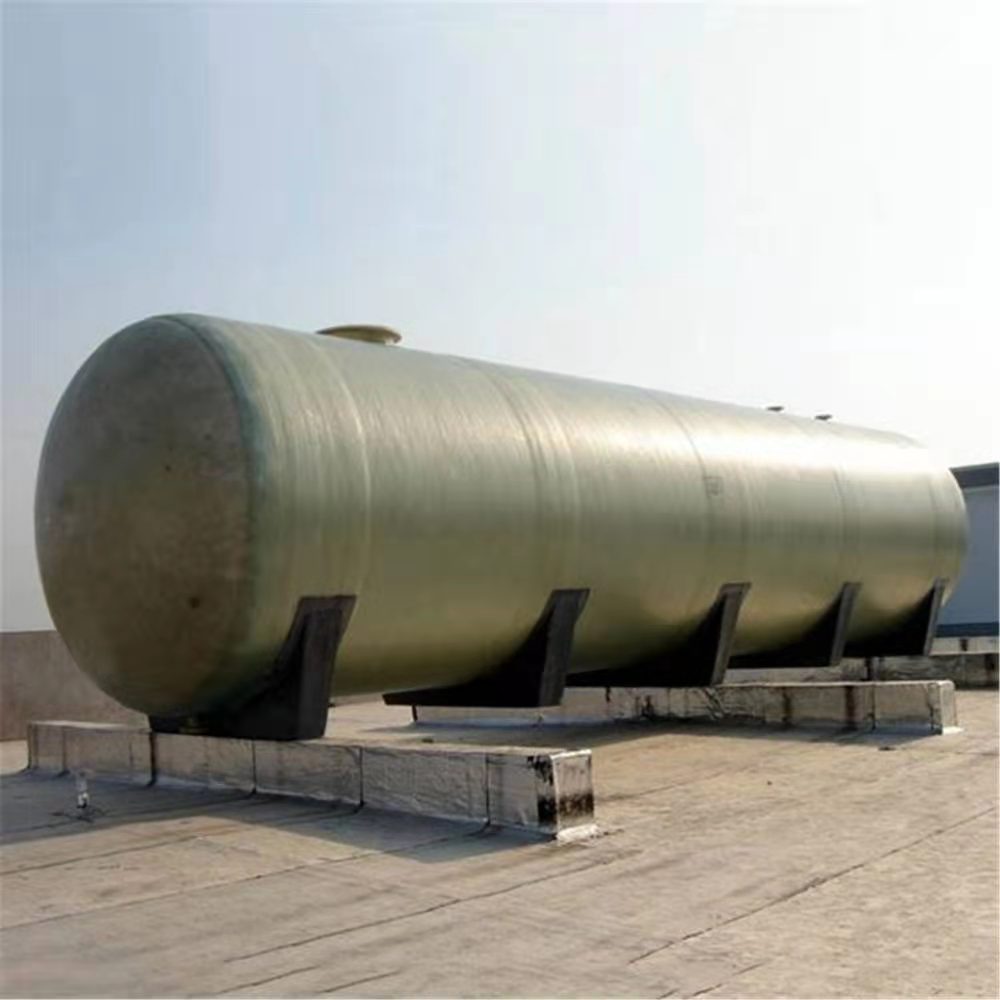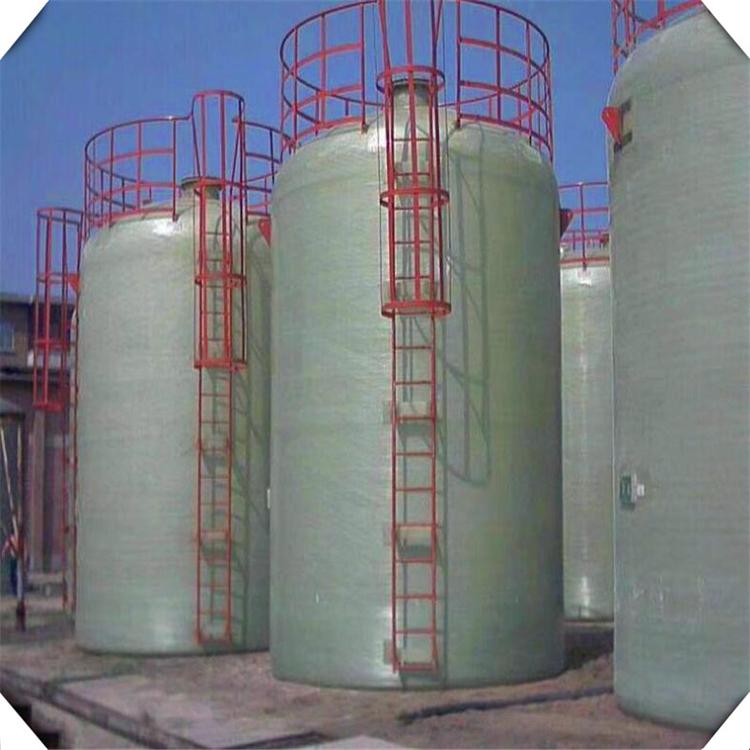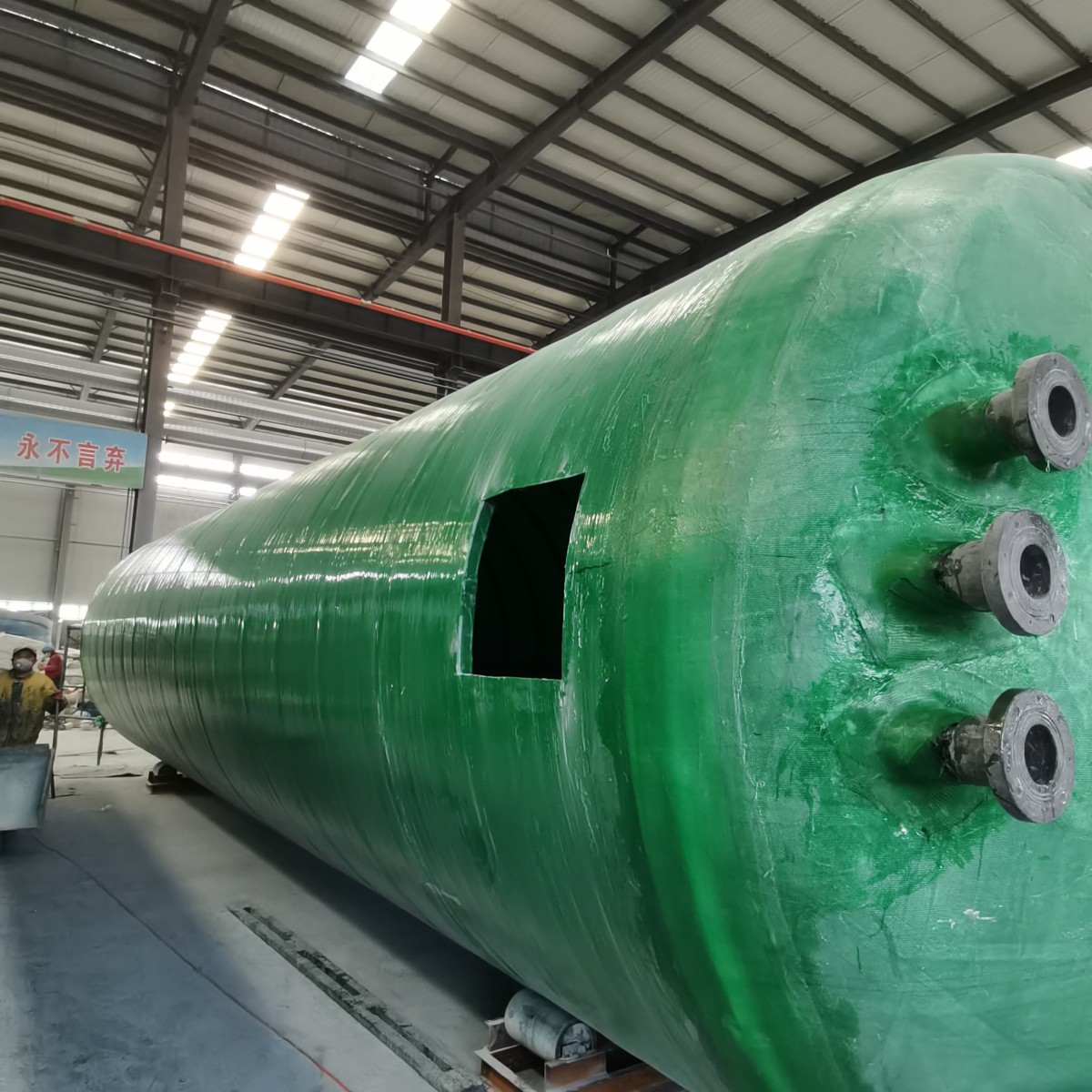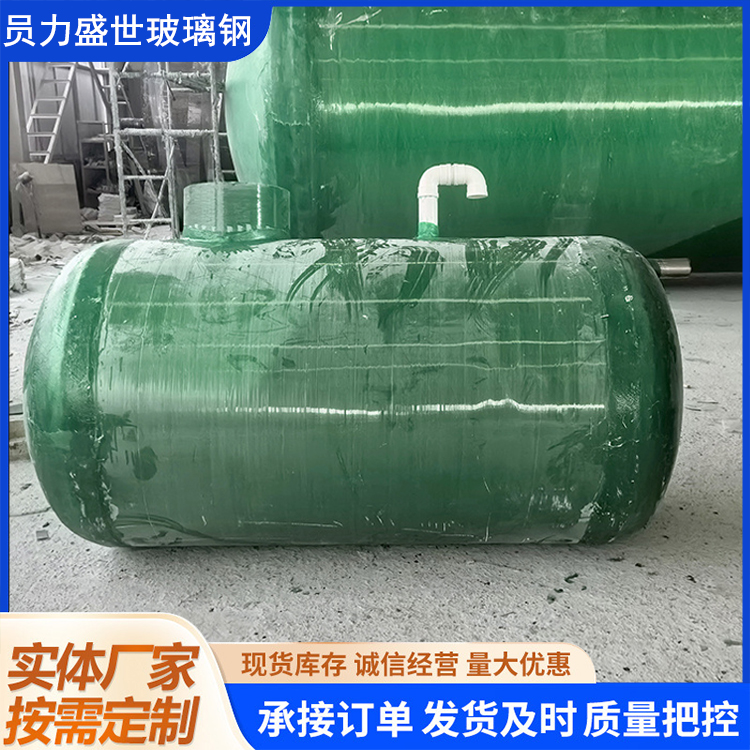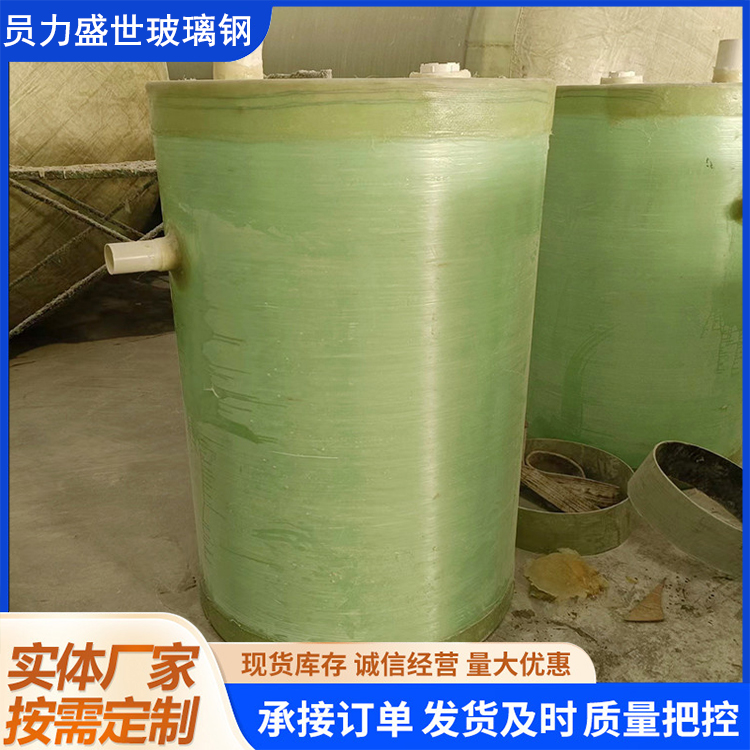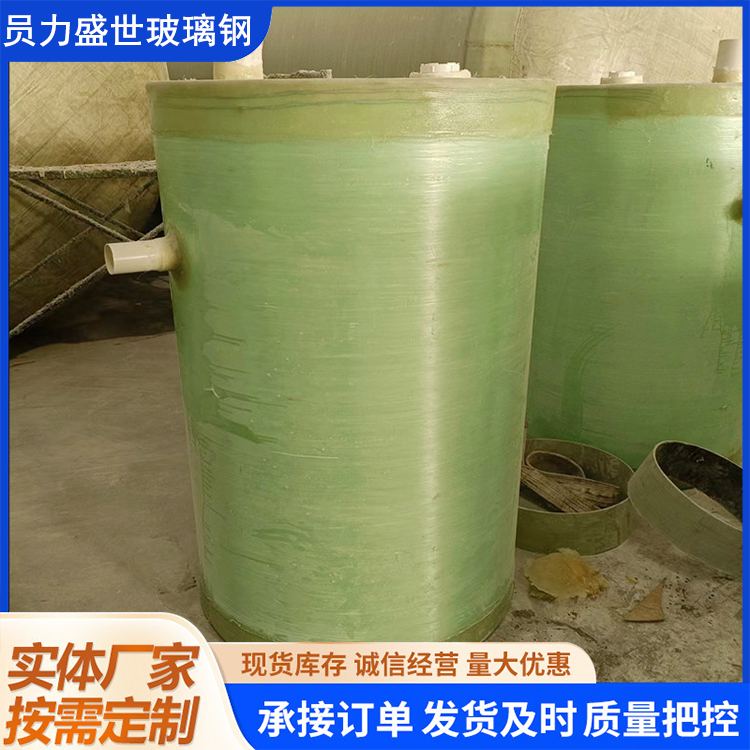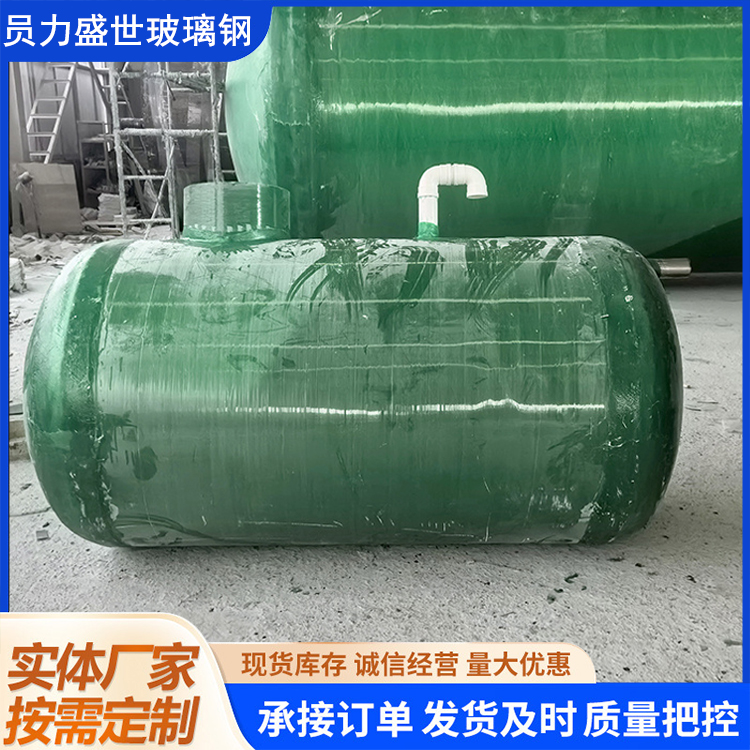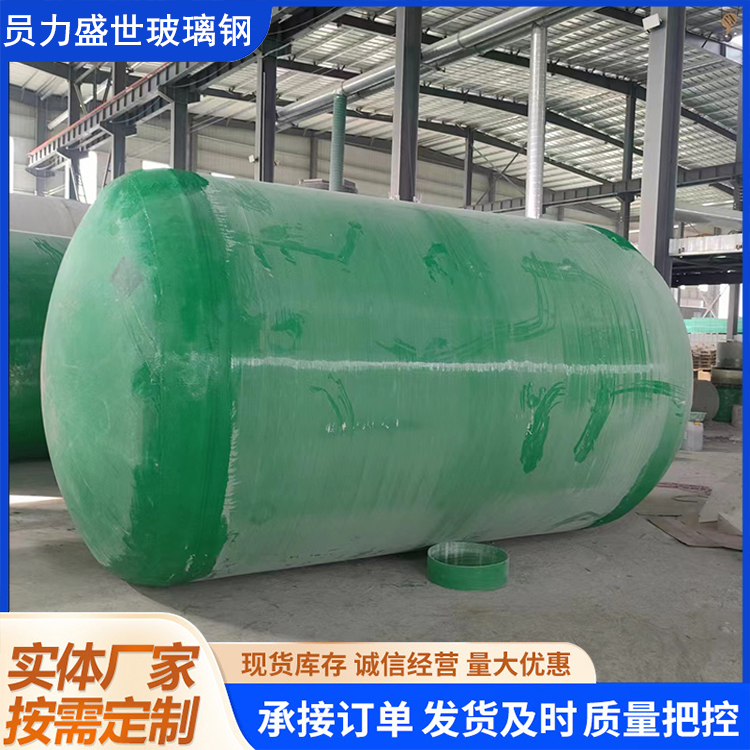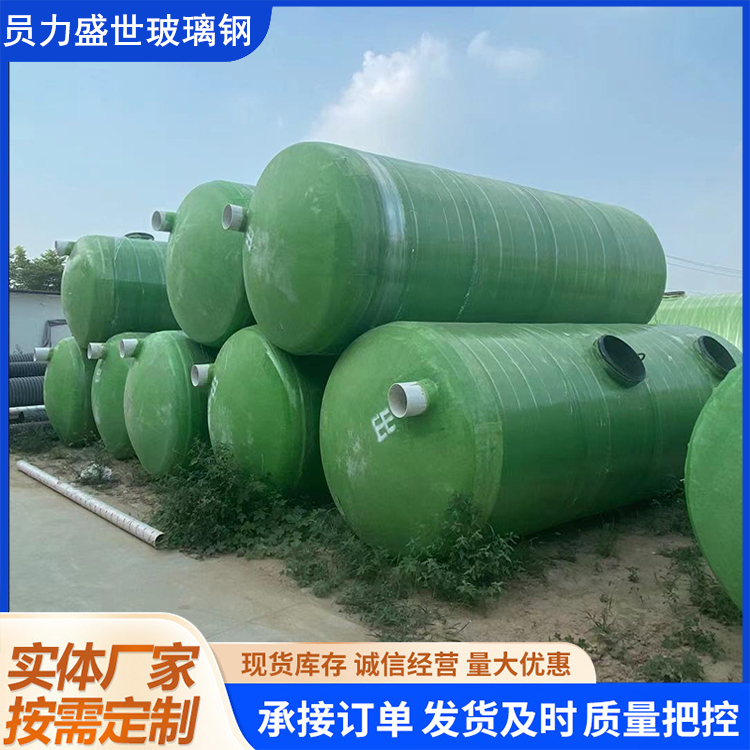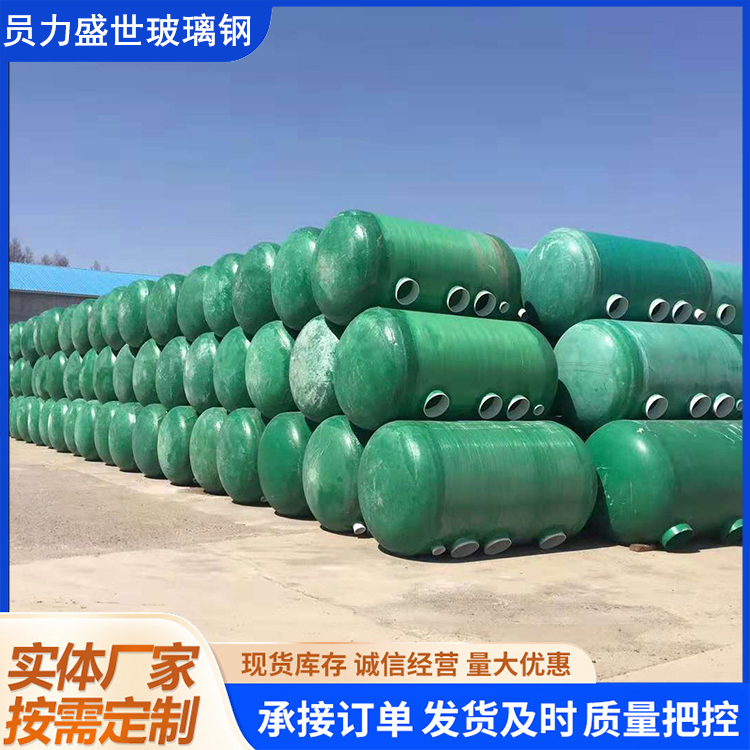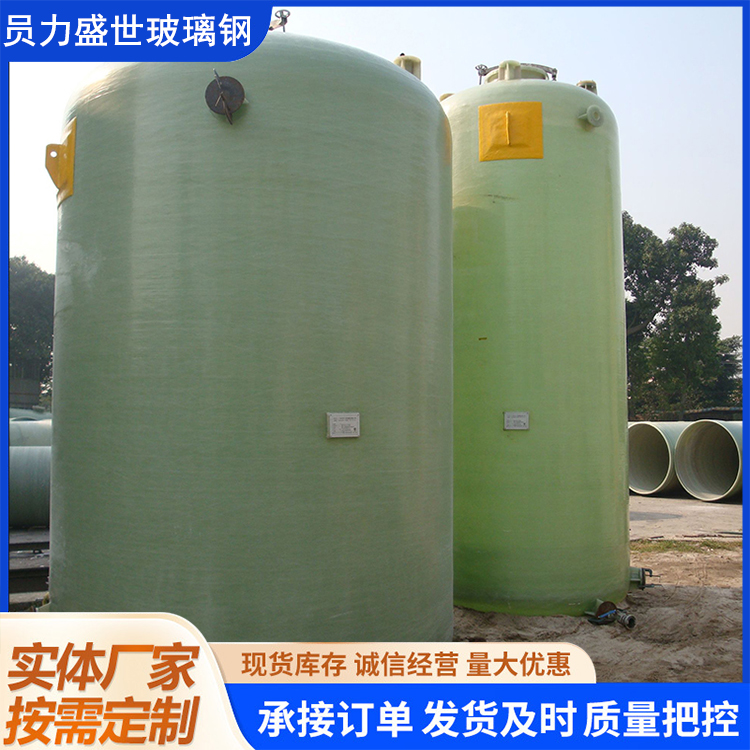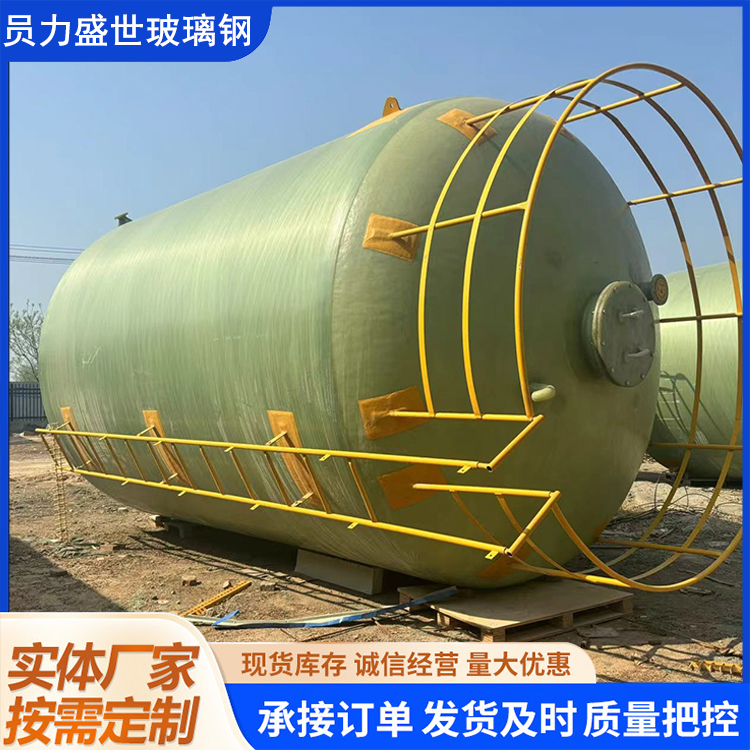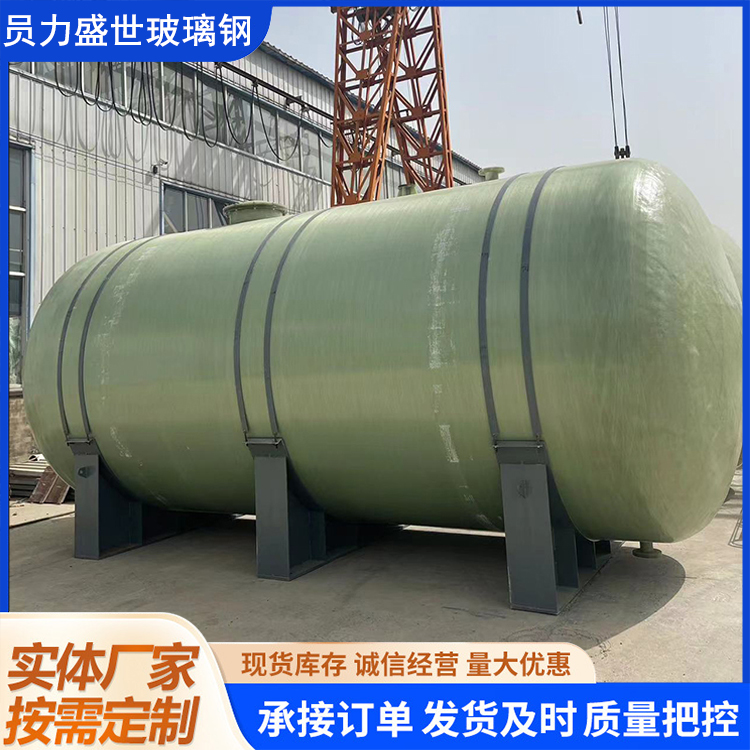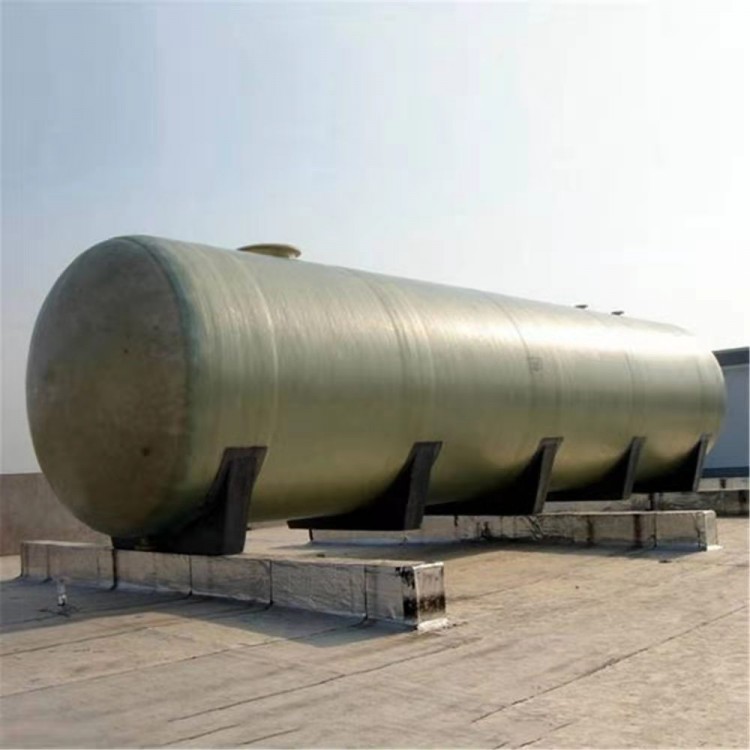

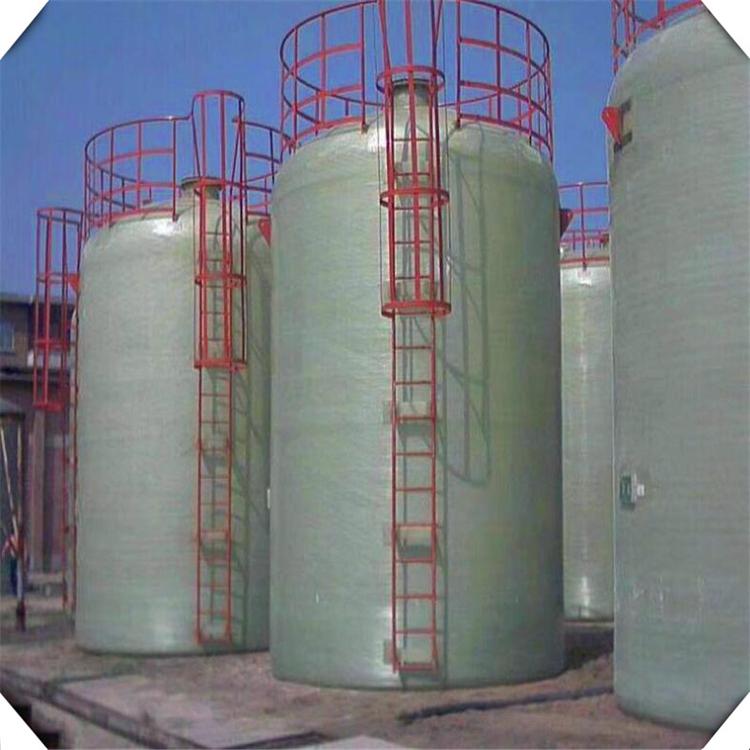
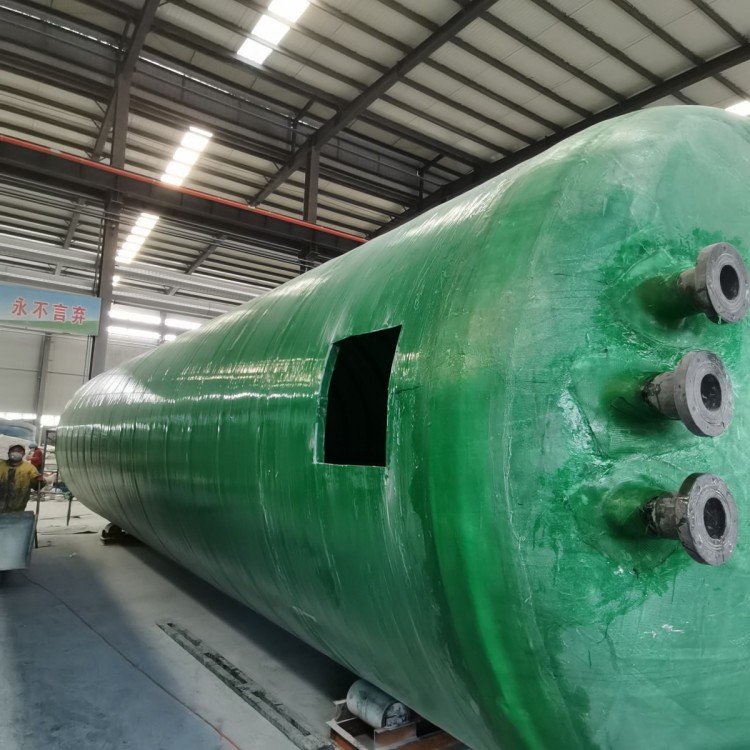


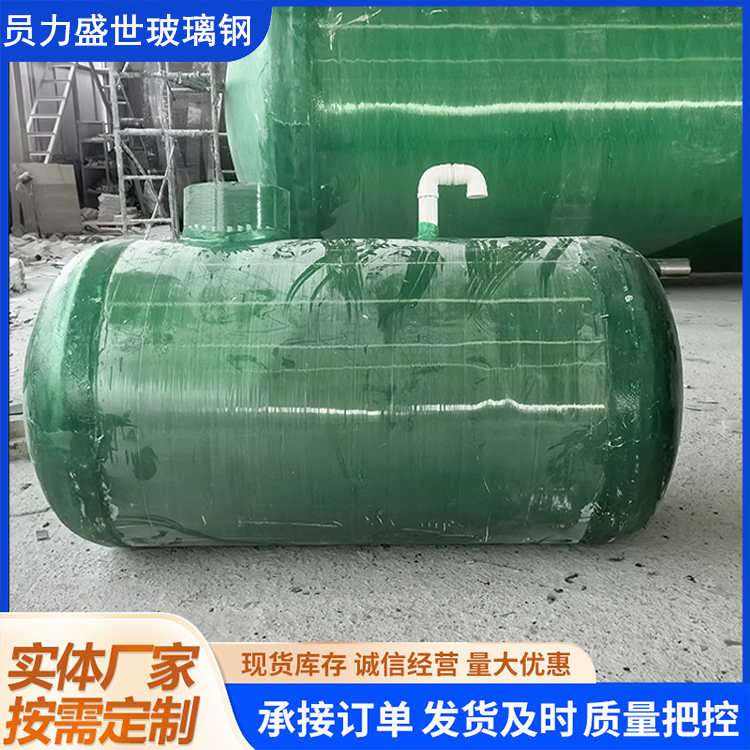
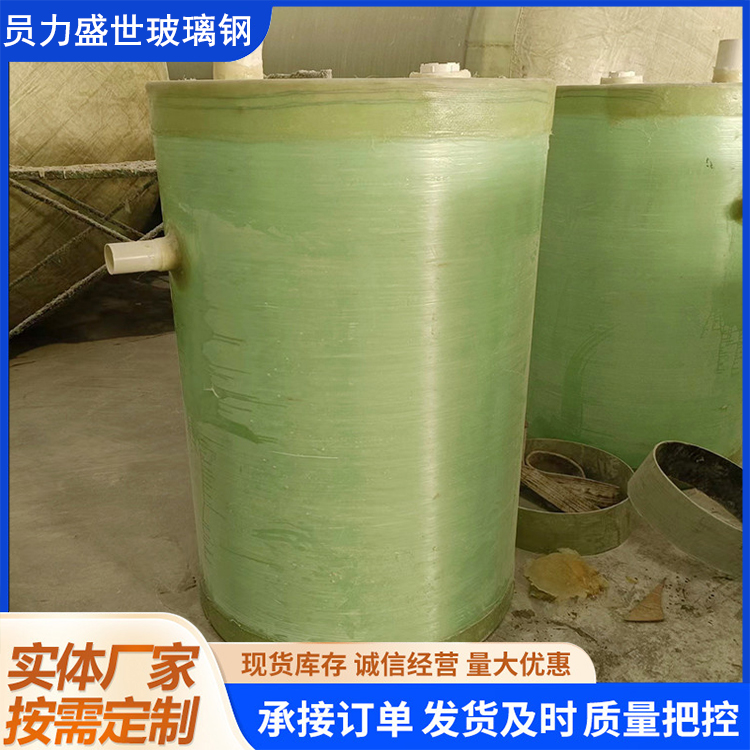

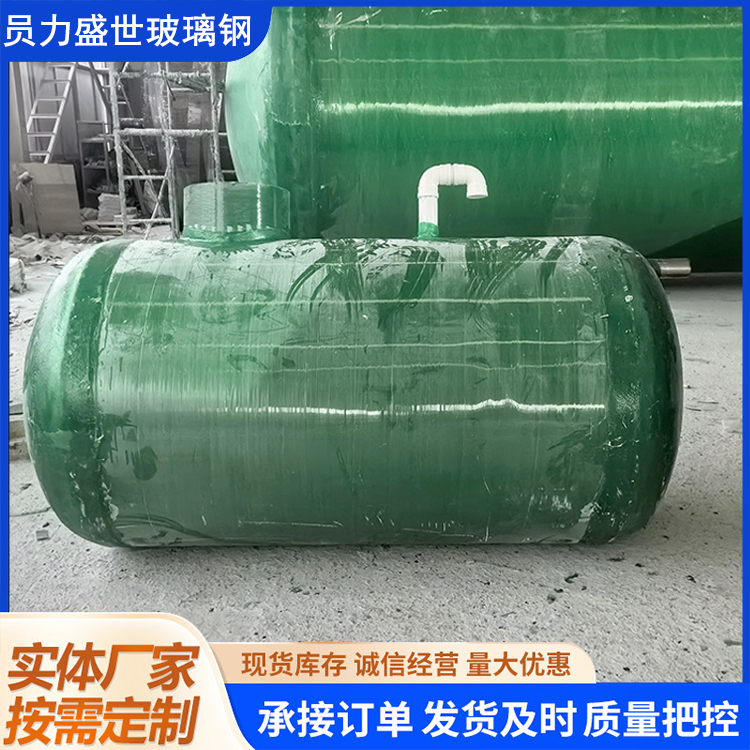
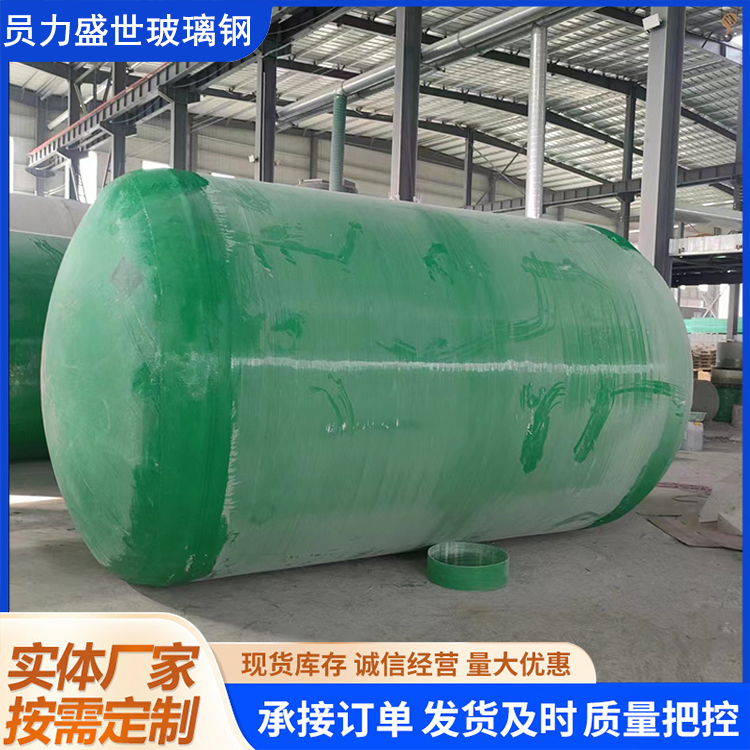






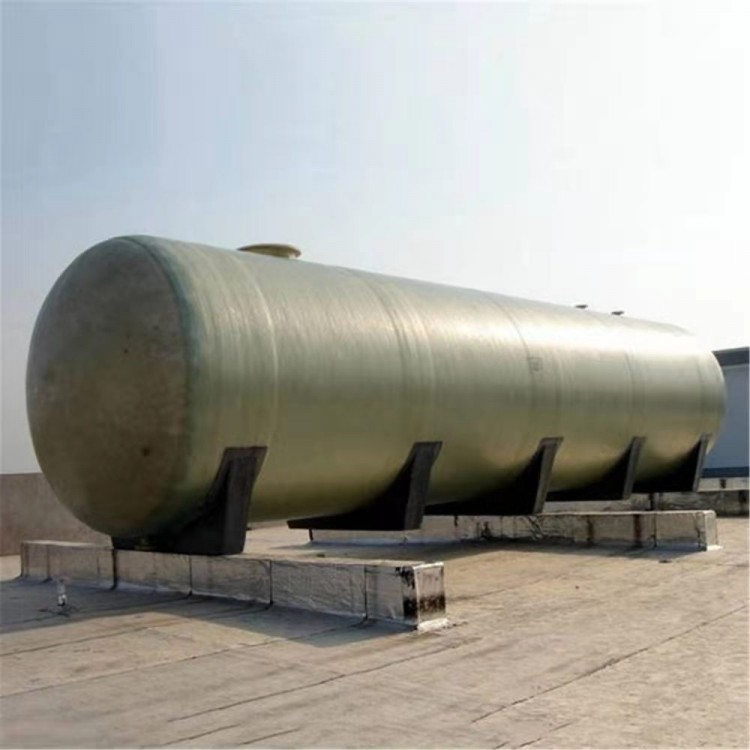
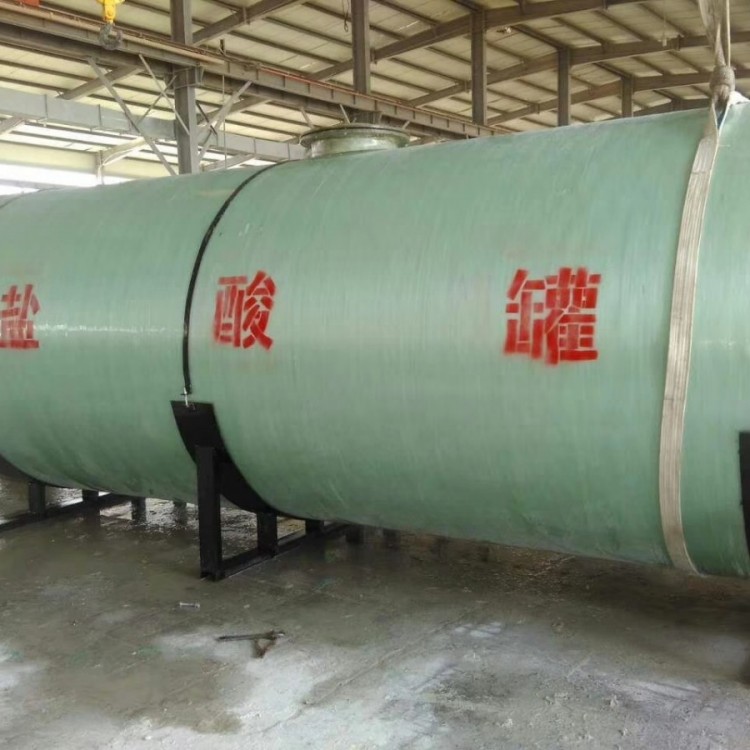
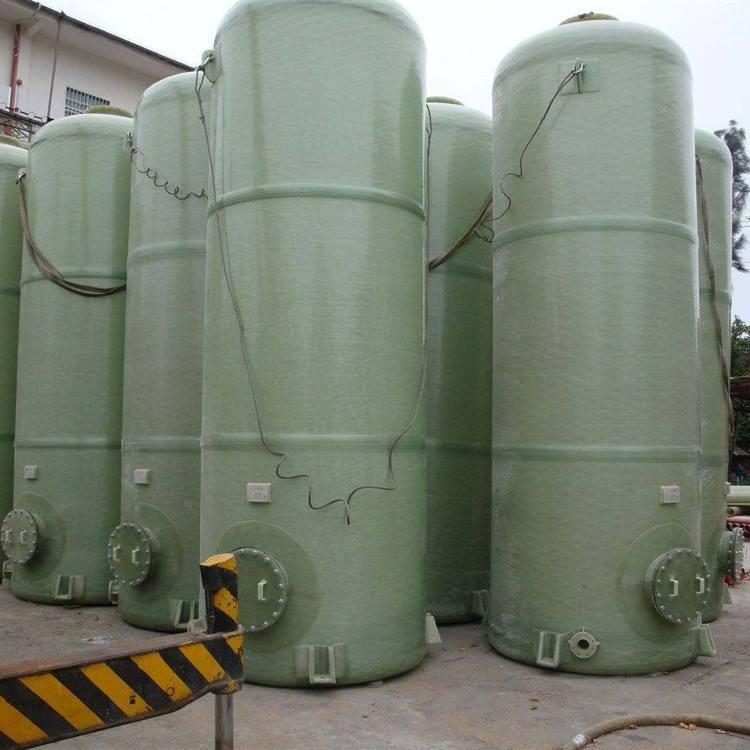
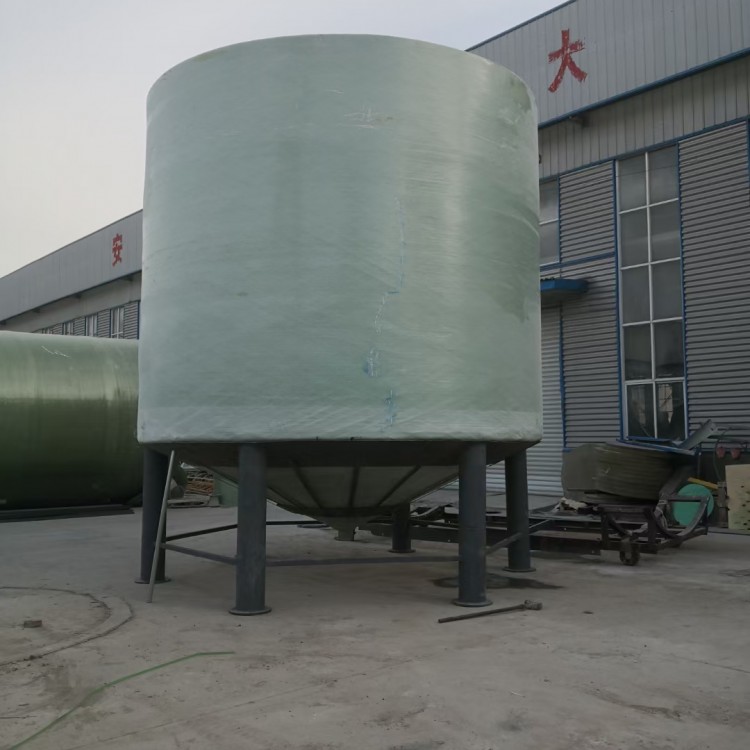
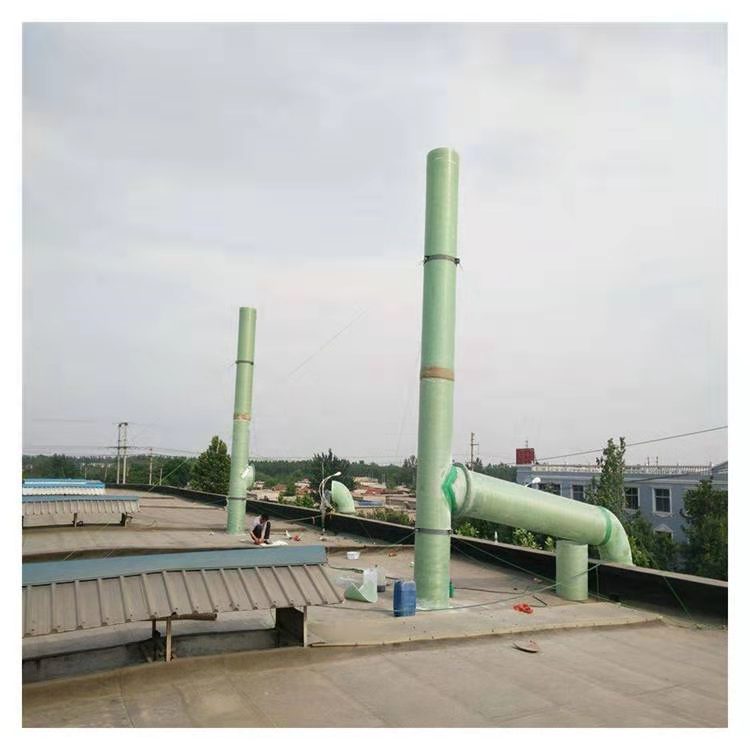
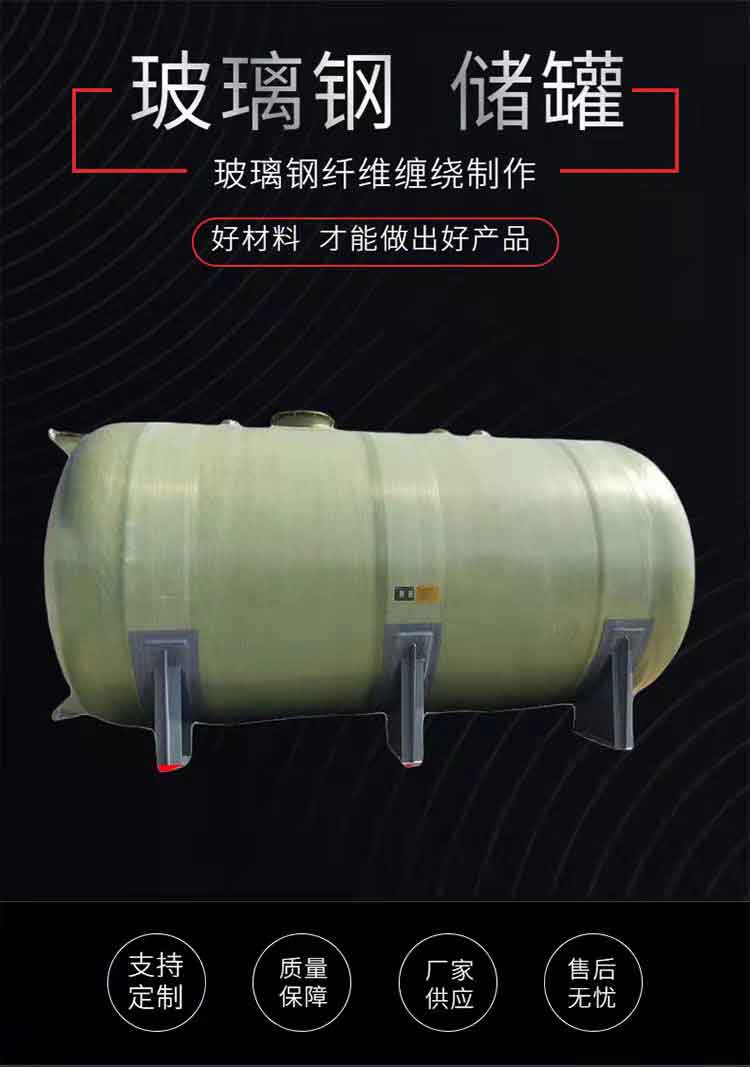
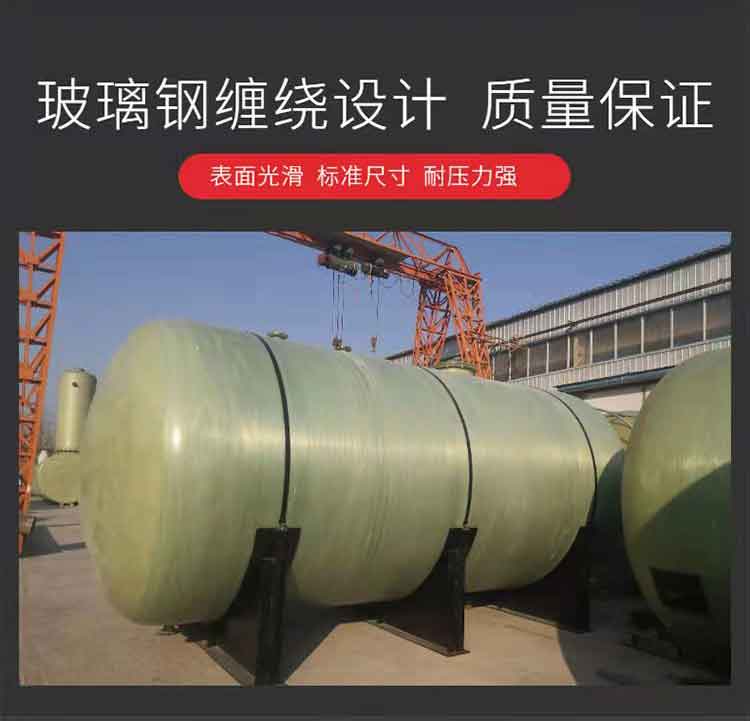
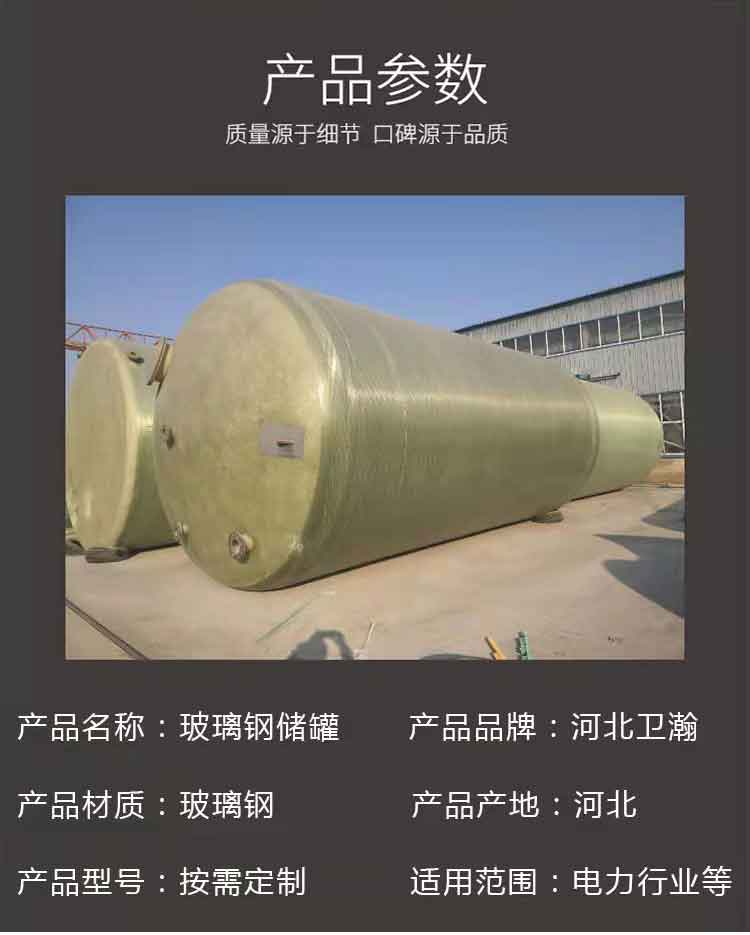
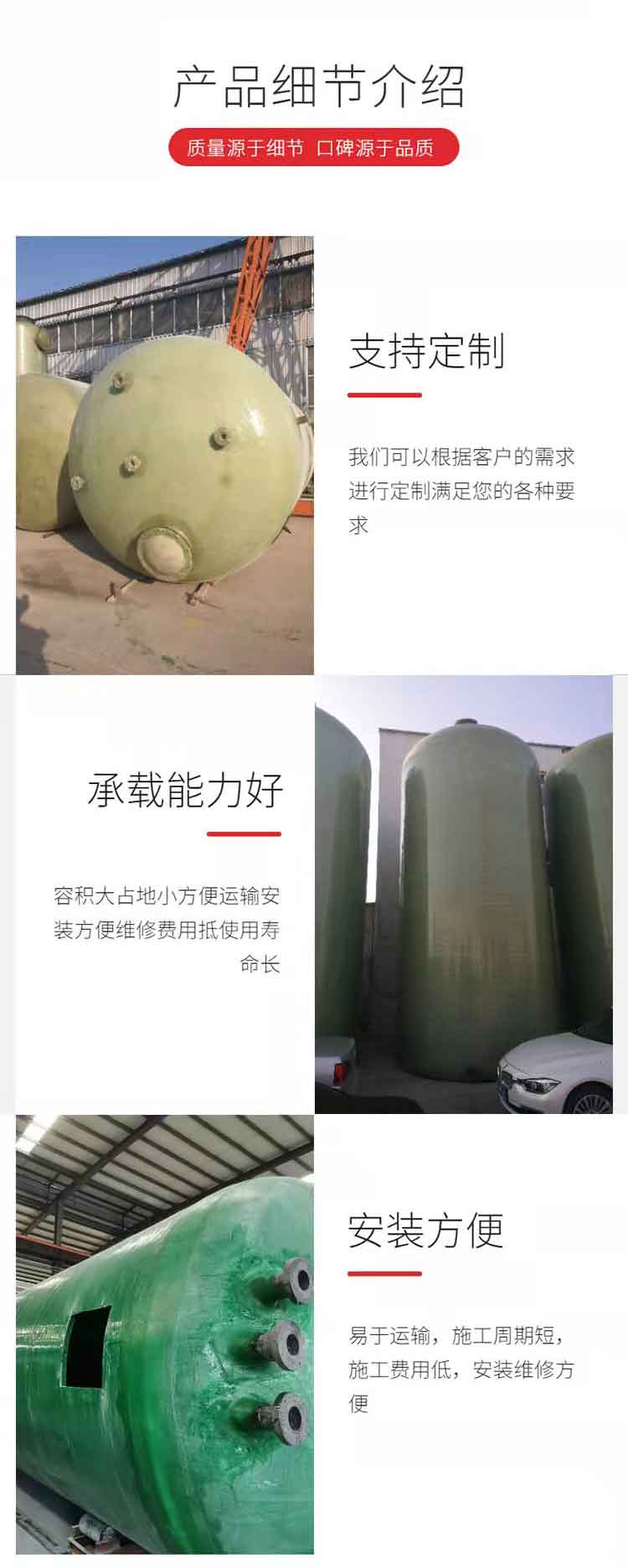
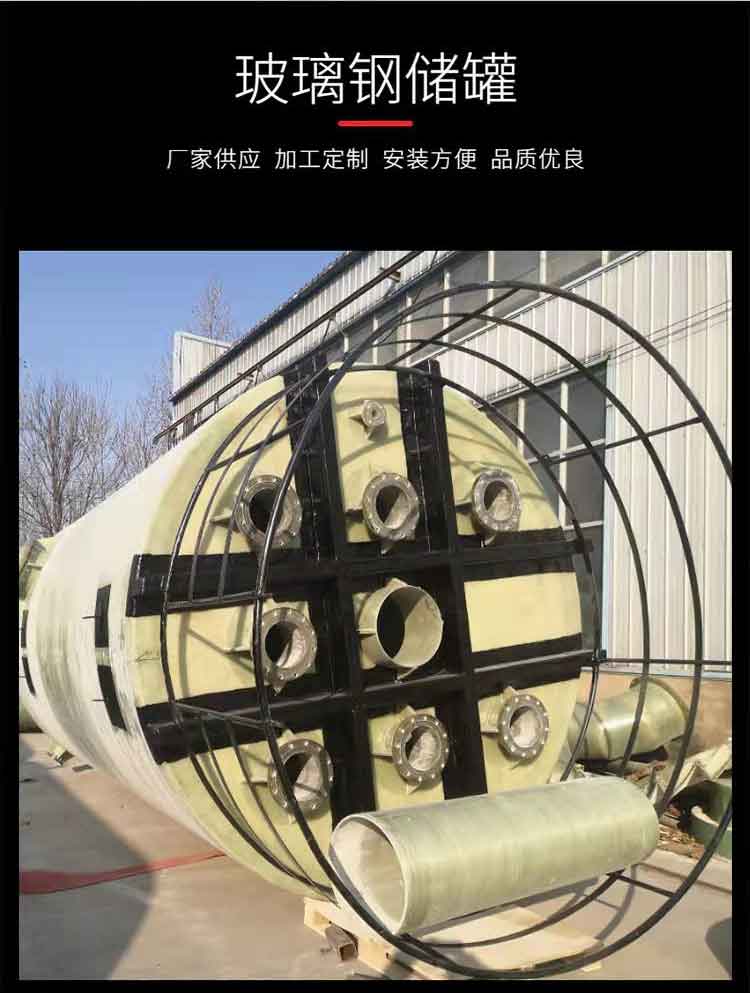



Fiberglass storage tanks are a type of fiberglass product, primarily reinforced with glass fibers and bonded with resins, manufactured through computer-controlled winding machines. These tanks are known for their corrosion resistance, high strength, lightweight, and long lifespan. Due to their flexibility in design and strong processability, they can be adapted for various industries such as chemicals, environmental protection, and food processing, gradually replacing most of the market domains previously occupied by carbon steel and stainless steel.
Fiberglass Storage Tank Features:
(1) High strength with light weight: Relative density is between 1.5~2.0, only 1/4~1/5 of carbon steel, yet the tensile strength is close to, or even exceeds, carbon steel, with specific strength comparable to alloy steel. Therefore, it is highly effective in applications requiring weight reduction, such as spacecraft, high-pressure vessels, and other products where self-weight needs to be minimized. Some epoxy FRP can achieve tensile, bending, and compressive strengths of over 400 MPa.
(2) Excellent Corrosion Resistance: FRP is a good corrosion-resistant material, offering resistance to atmospheric conditions, water, and general concentrations of acids, bases, salts, as well as various oils and solvents. It has been applied in all aspects of chemical corrosion prevention and is replacing carbon steel, stainless steel, wood, non-ferrous metals, and other materials.
(3) Excellent electrical properties: An excellent insulating material, used for producing insulators. Maintains good dielectric properties under high frequencies. Good microwave permeability, widely used in radar antenna covers.
(4) Excellent thermal properties: The thermal conductivity of FRP is low, at 1.25~1.67 kJ/(m·h·K) at room temperature, which is only 1/100~1/1000 of metal, making it an excellent insulating material. Under very high temperatures, it is an ideal thermal protective and ablation-resistant material, capable of protecting spacecraft from the erosive force of high-speed gases at temperatures above 2000°C.
How do fiberglass storage tanks perform? Fiberglass storage tanks are a type of new composite material, and due to their use of glass fiber as the adhesive, they offer excellent performance during use. Their corrosion resistance and high strength have earned them market recognition.
Fiberglass storage tanks are primarily used in both residential and industrial settings in the chemical, environmental protection, and food industries. Their lightweight yet high-strength nature has earned them widespread acclaim from users. When selecting and utilizing fiberglass storage tanks, transportation and placement are extremely convenient. They not only significantly save time and energy but also boast a long service life, effectively reducing capital investment and delivering greater benefits to users.