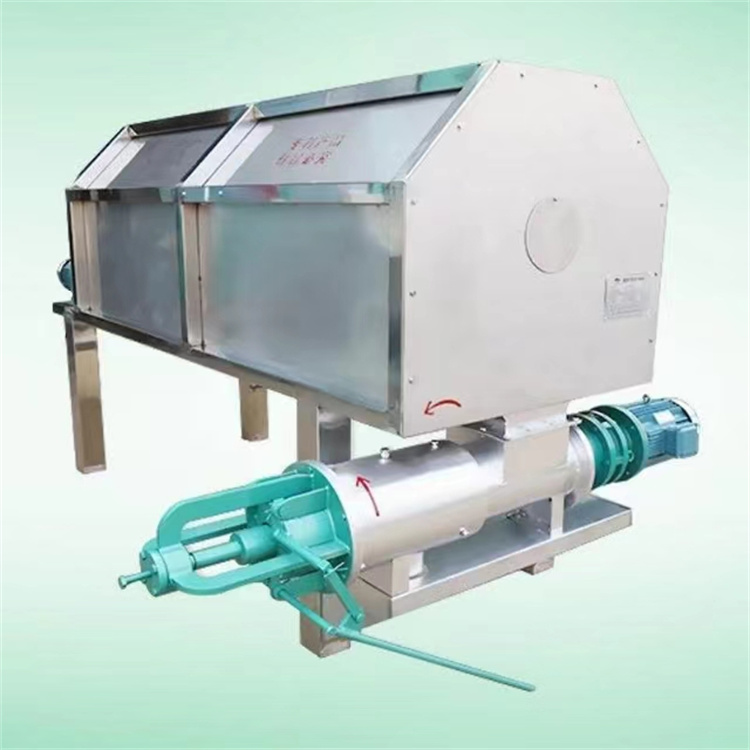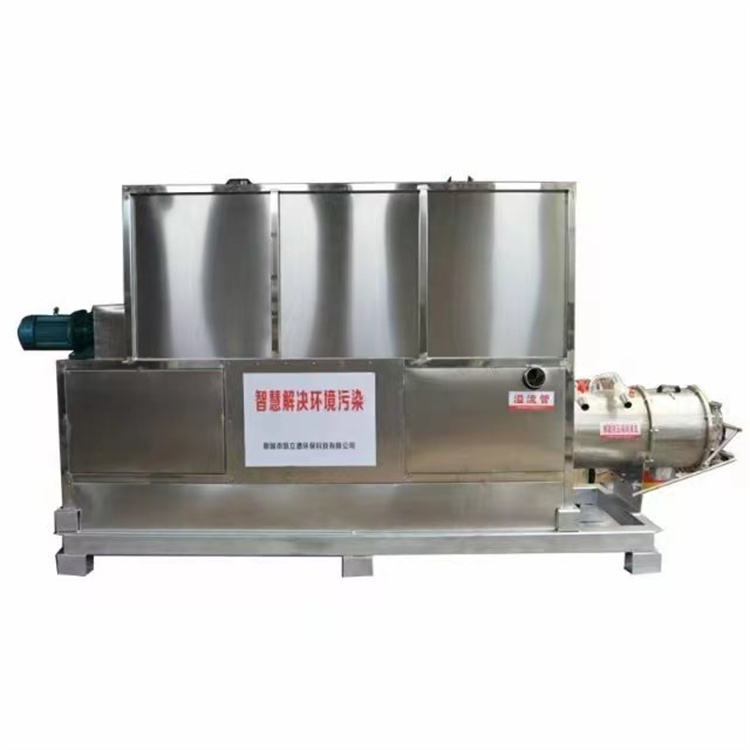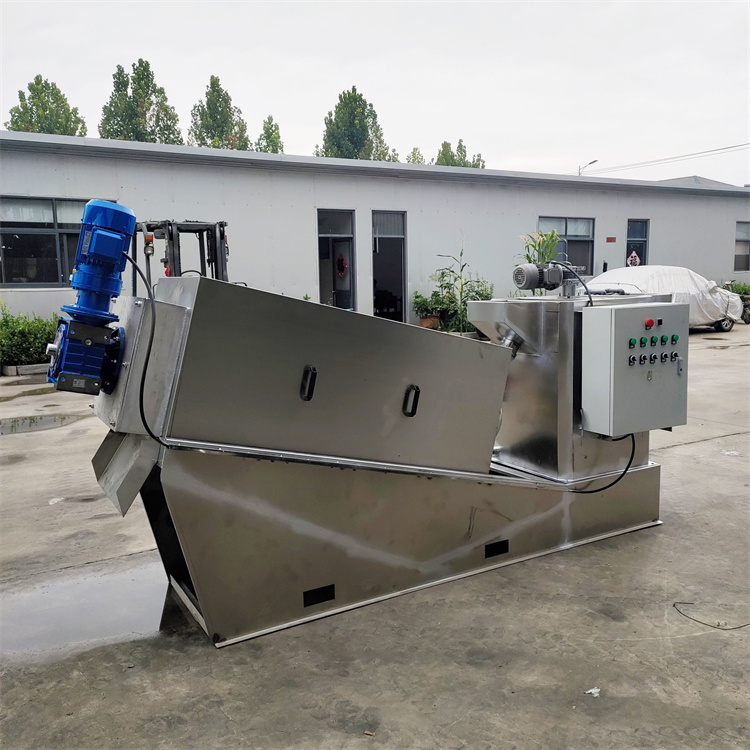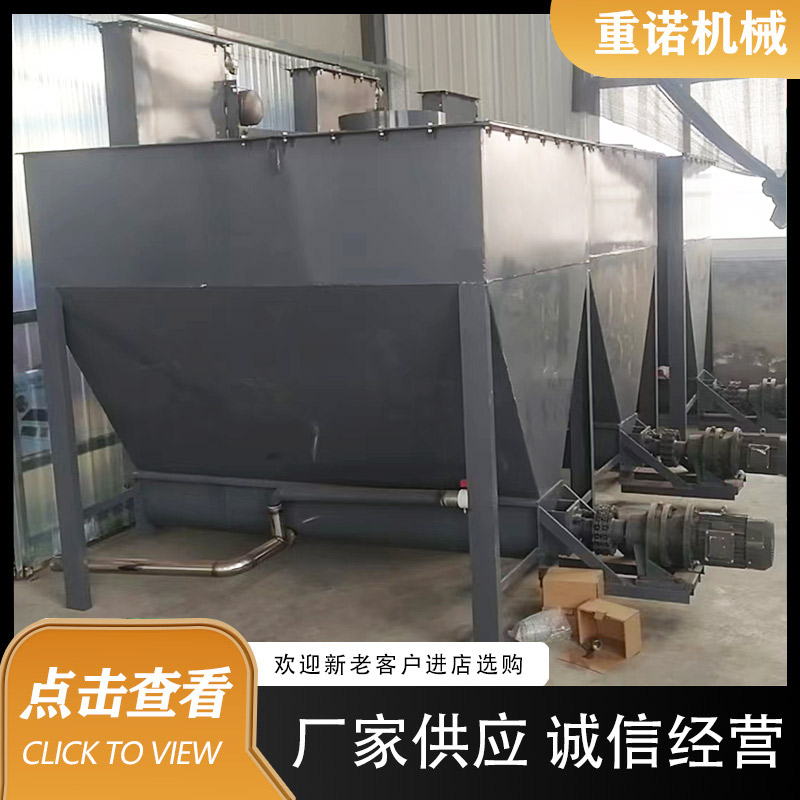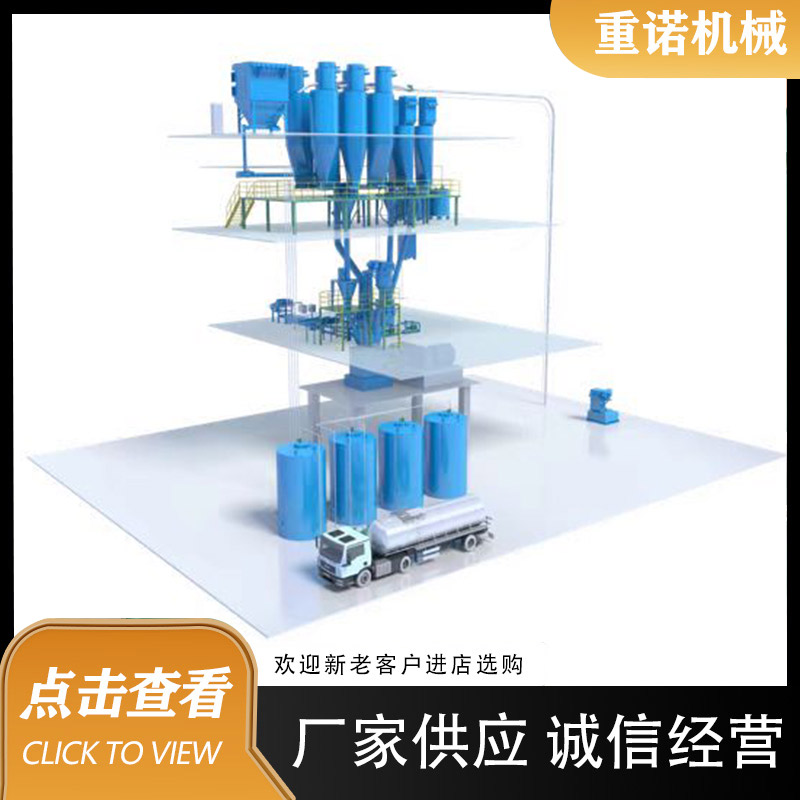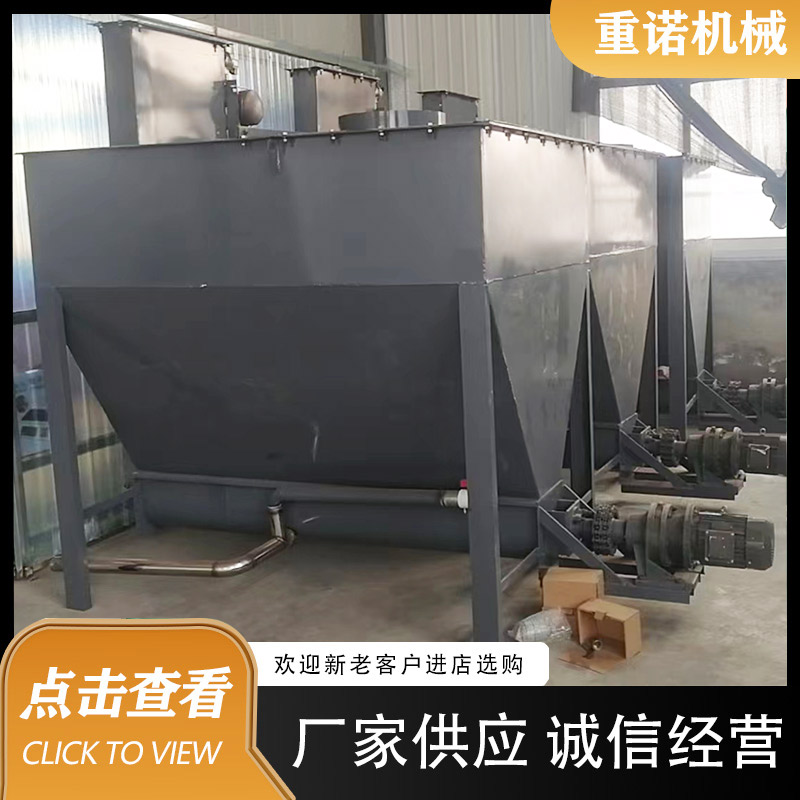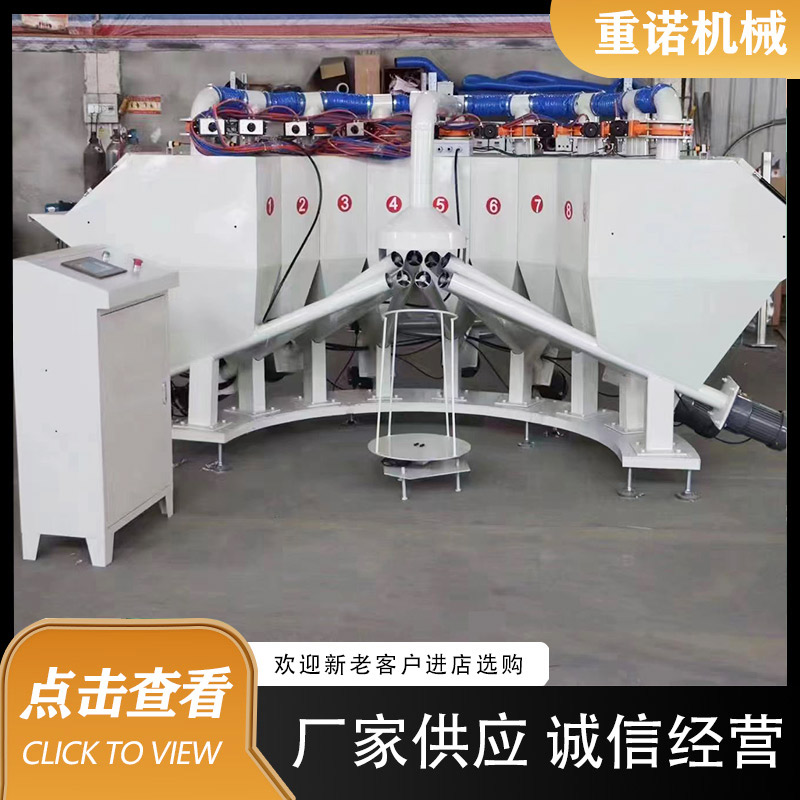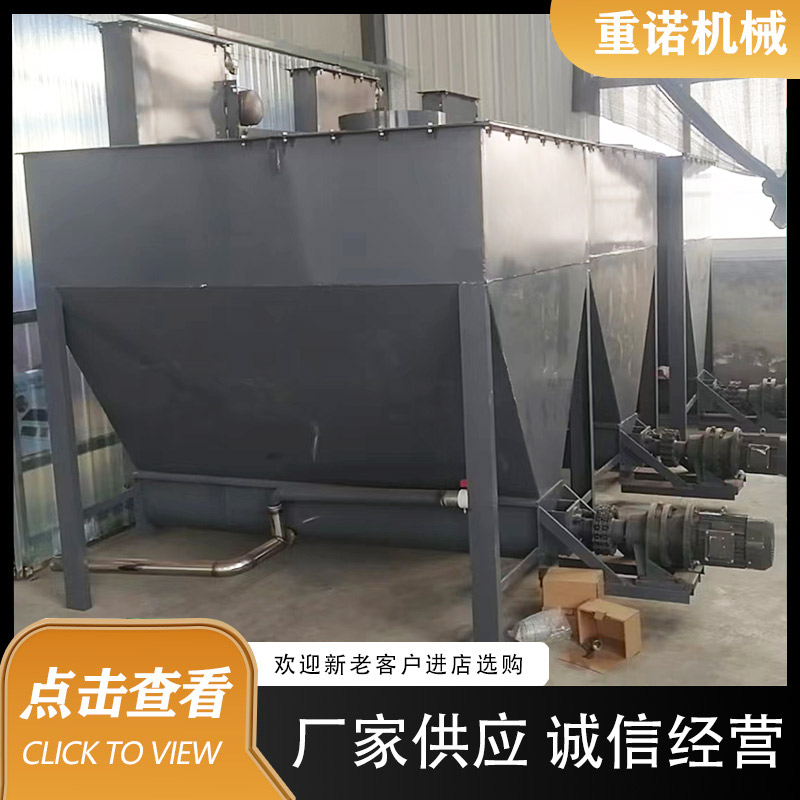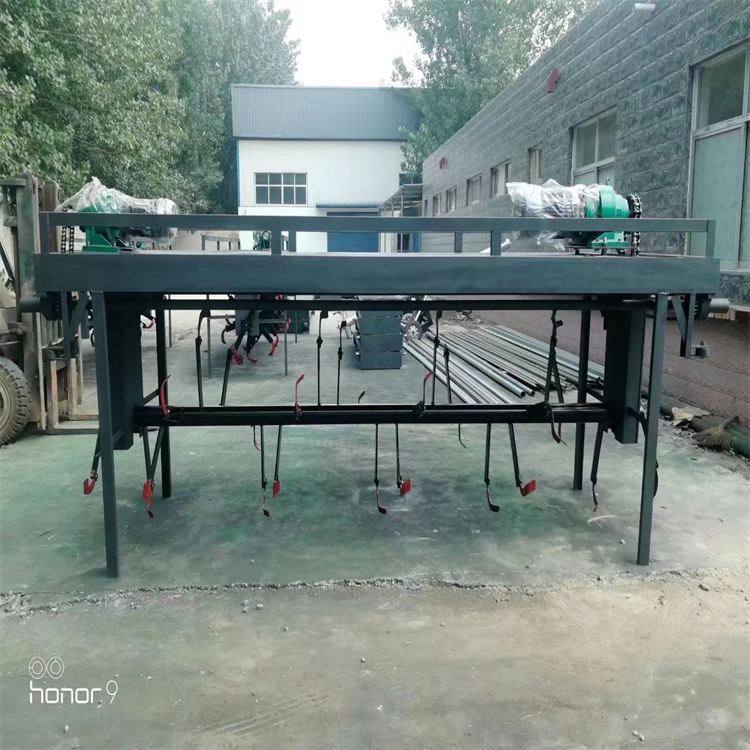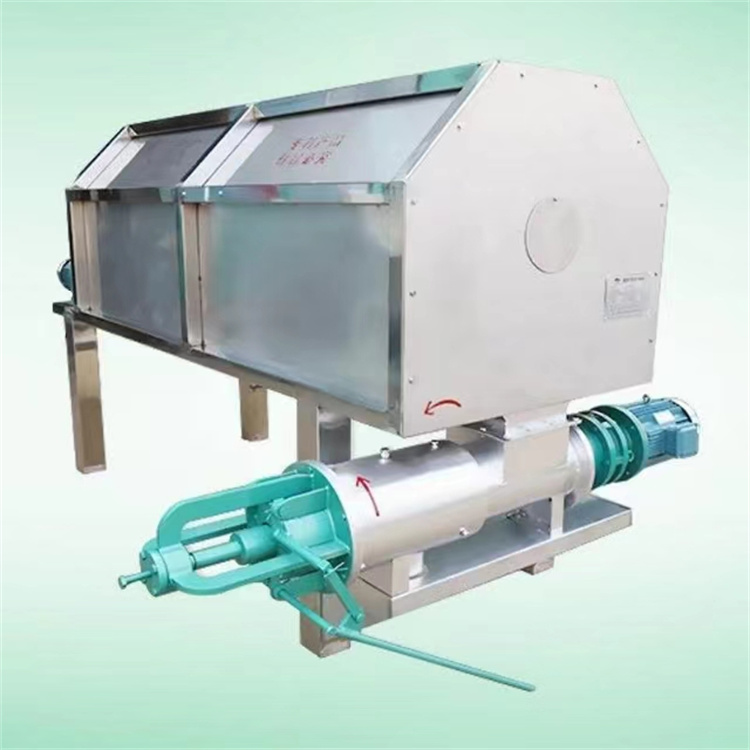

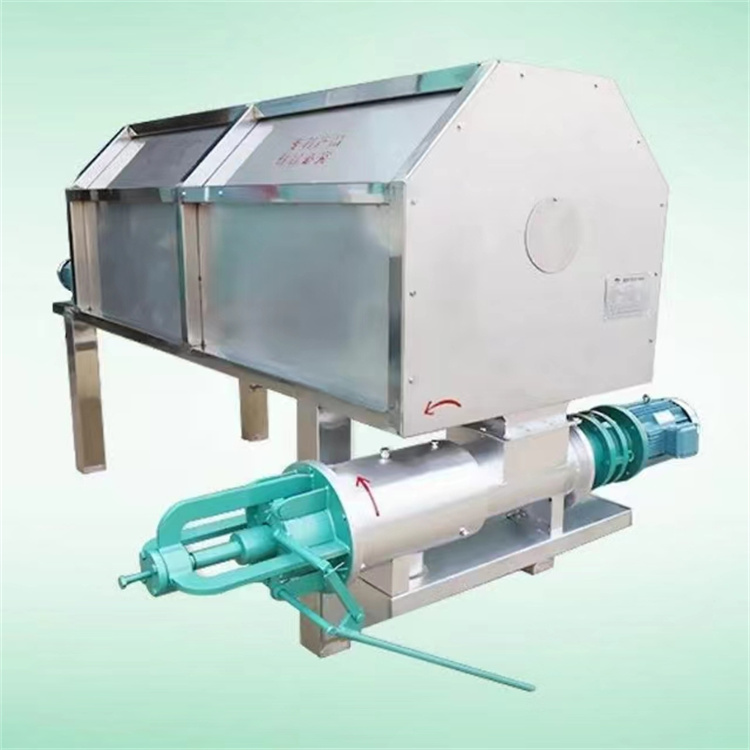
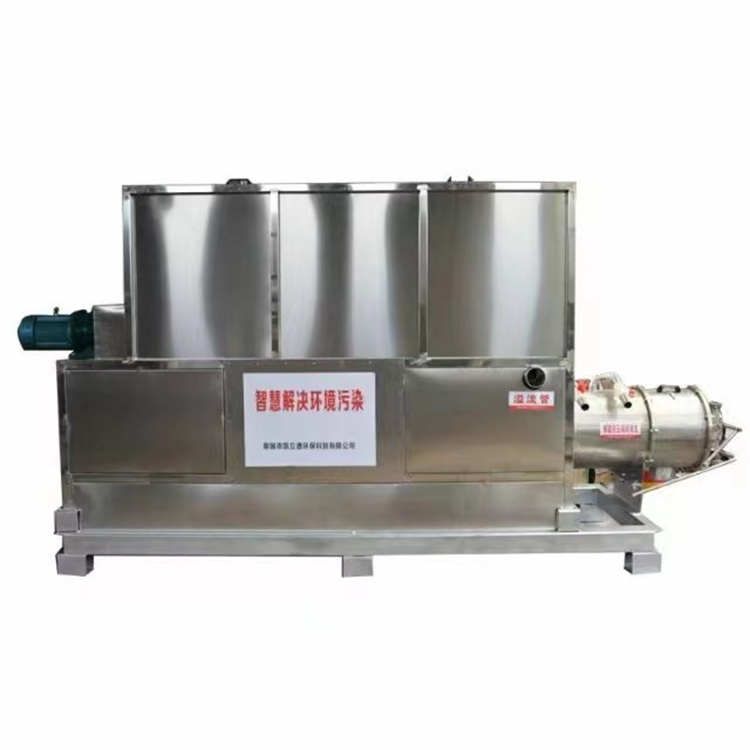
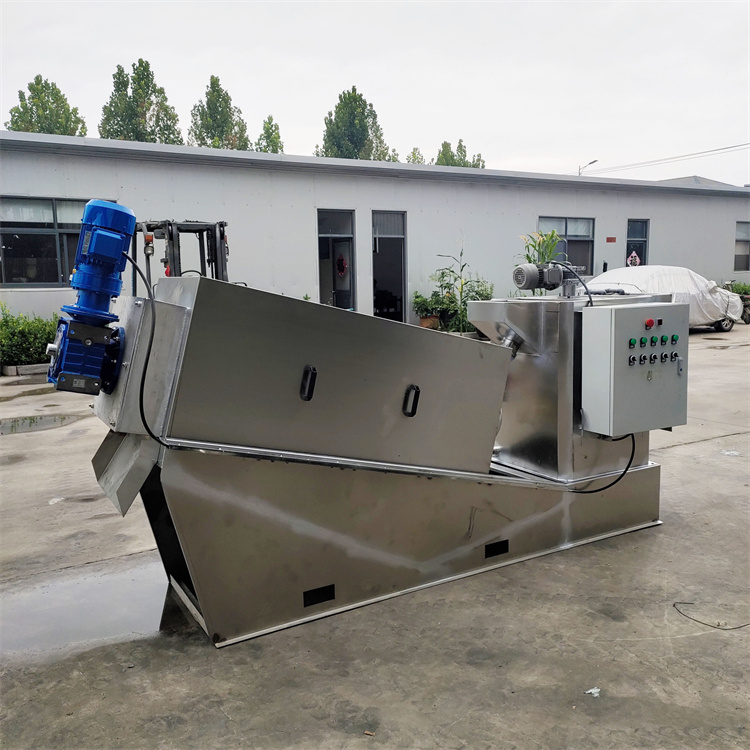


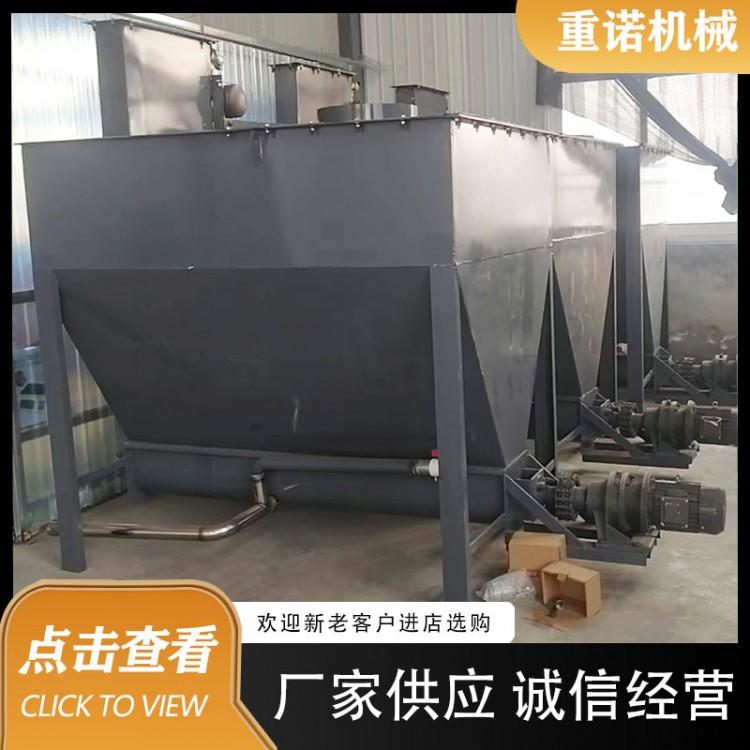
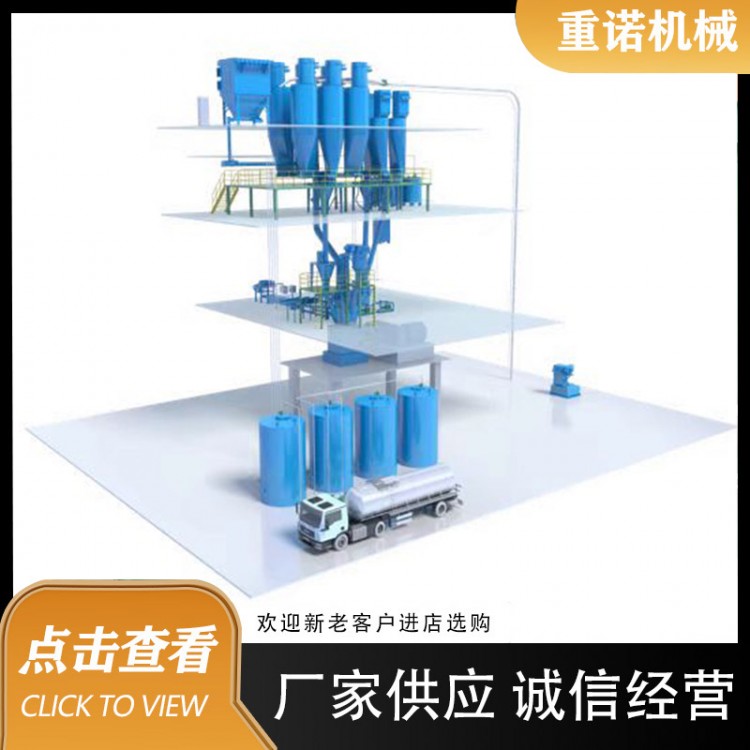
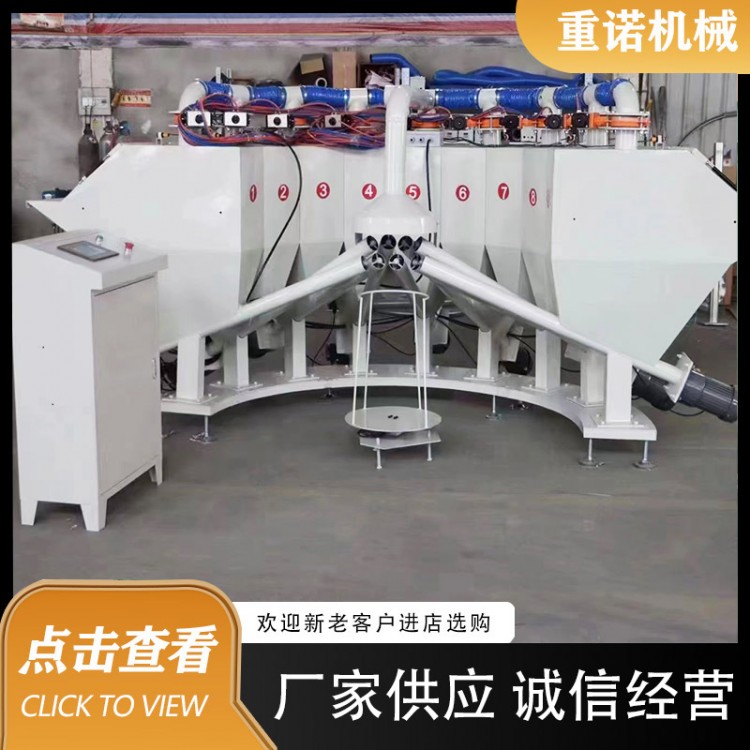
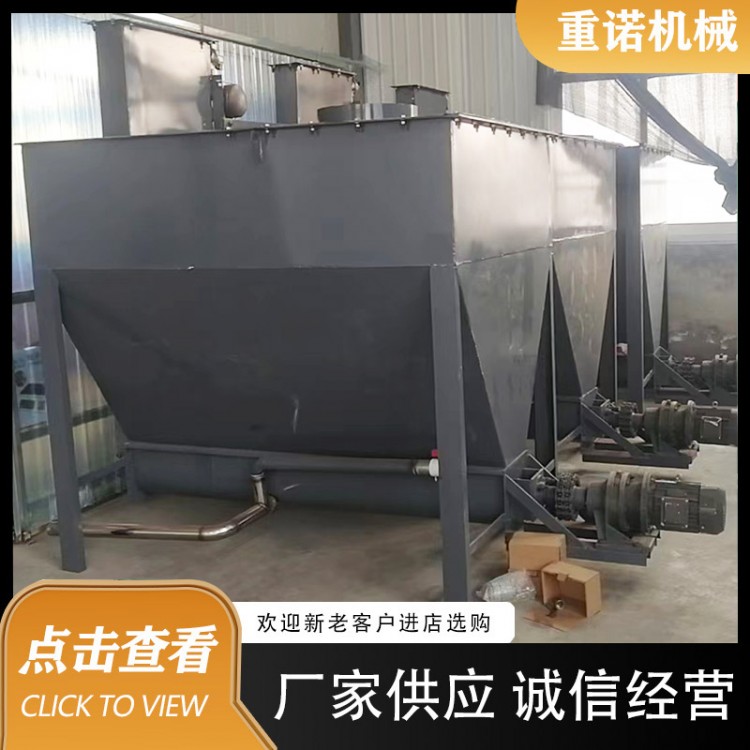





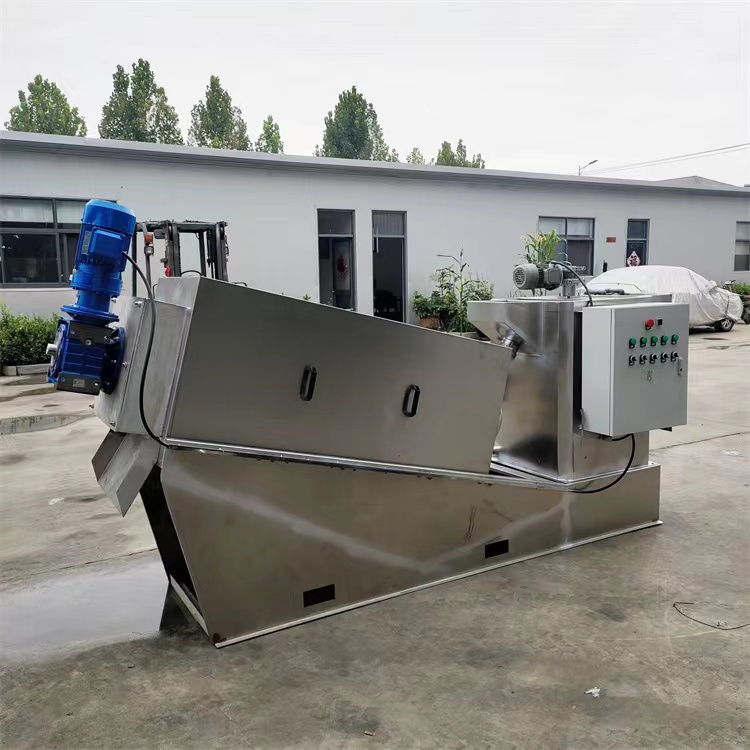
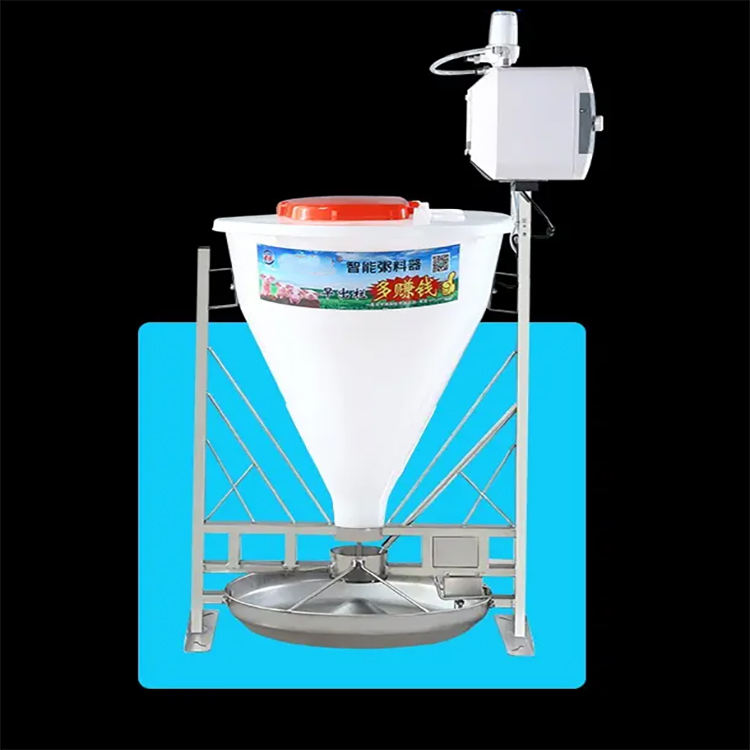
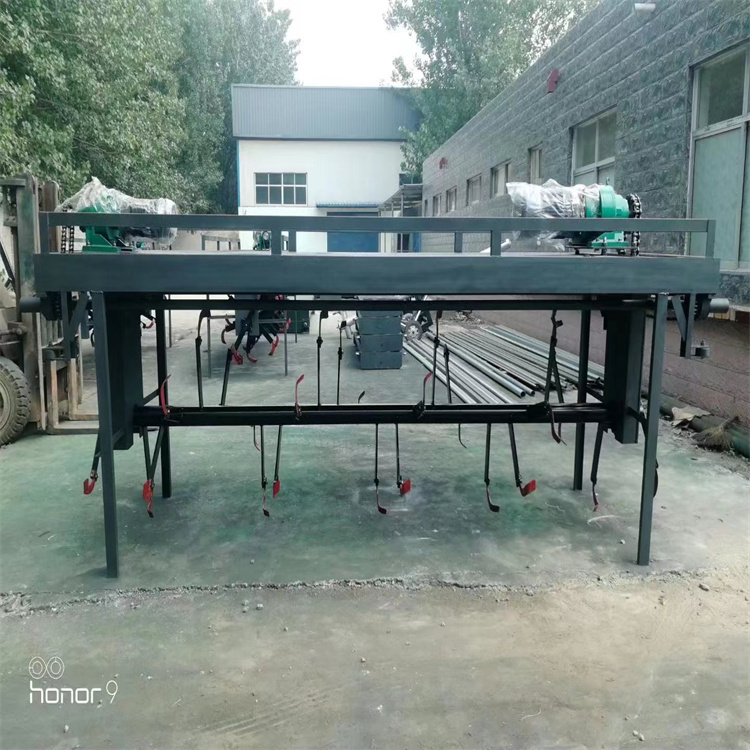

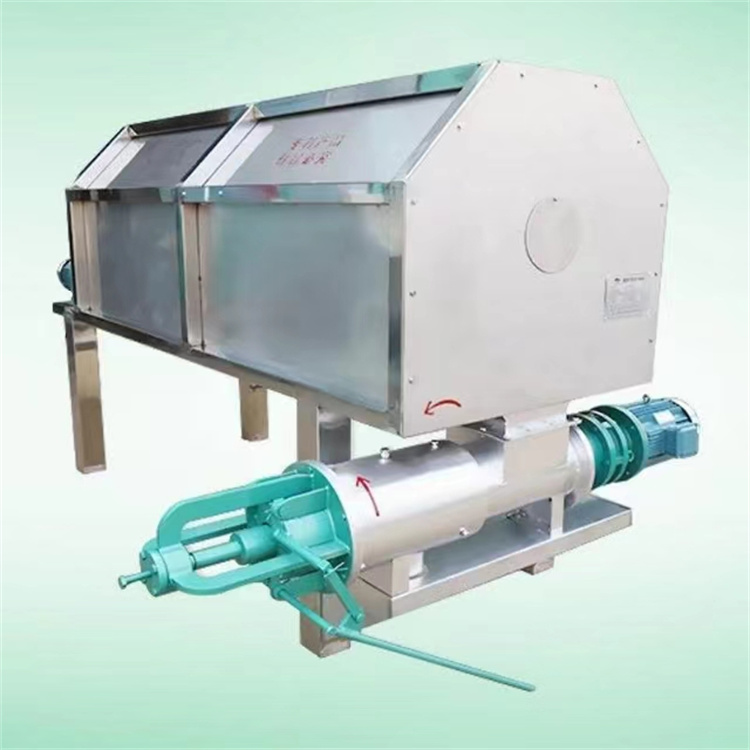
More and more people are acknowledging the convenience brought by the pig manure processing machine, truly saving a lot of trouble. It essentially says goodbye to the environmental pollution caused by feces, and can also turn waste into treasure.
As environmental protection efforts intensify, more and more pig farms are constructing biogas and biochemical pools to handle pig manure and urine. However, the raw materials entering the biogas pool are not separated by dry and wet sections. The practical application shows that the simultaneous shaping effect of the effluent is not ideal. The untreated manure and urine entering the biogas pool greatly interfere with its load-bearing and treatment capabilities. According to some preliminary research, the effluent from pig manure dewatering machines, after solid-liquid separation, produces 6-8 times more gas than directly entering the biogas pool. Due to long-term use, the biogas pool accumulates a lot of sludge, causing blockages and reducing its volume, rendering the pool unusable and shortening its lifespan. Cleaning the biogas pool is both labor-intensive and extremely unsafe, while also increasing expenses.Therefore, conducting solid-liquid separation before the pig manure water enters the biogas digester can both address the issue of accumulated pig manure in the digester, significantly enhancing its load-bearing and treatment capacity; it can also greatly reduce the total area required for constructing biogas and biochemical digesters, while simultaneously saving on the project investment for environmental protection equipment and land resource utilization.