













Product Introduction:
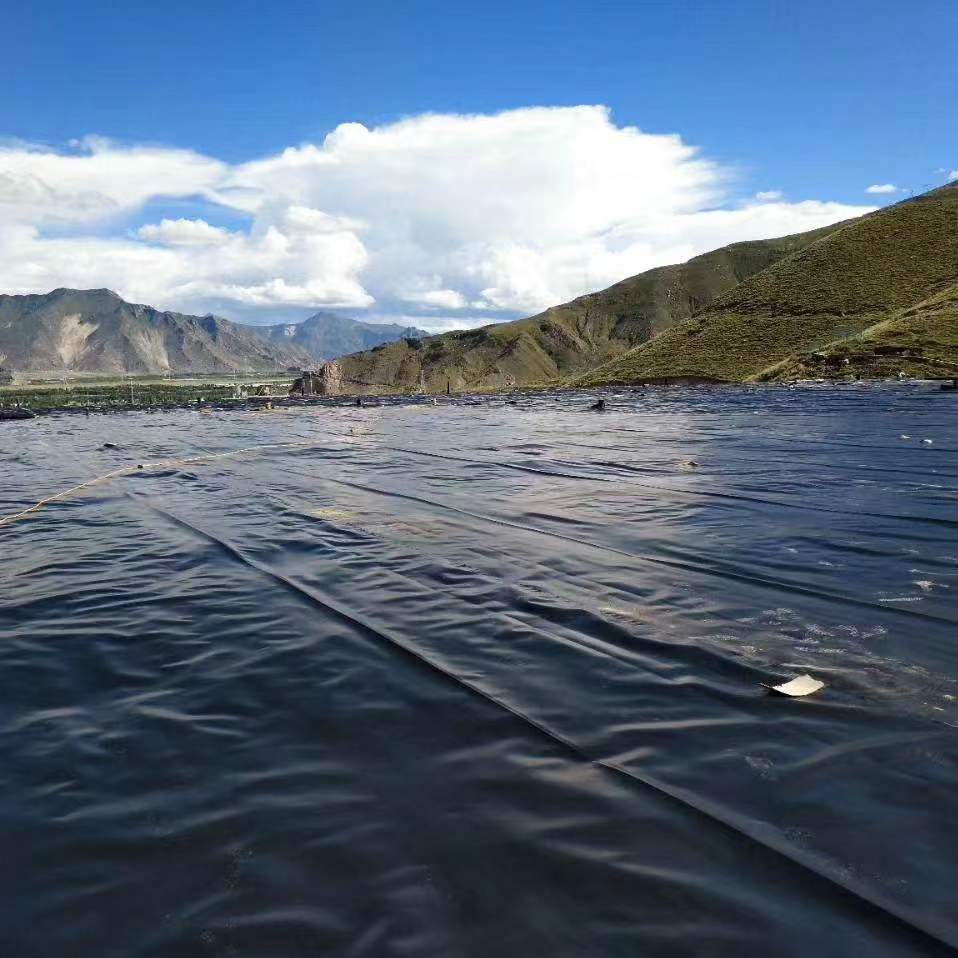
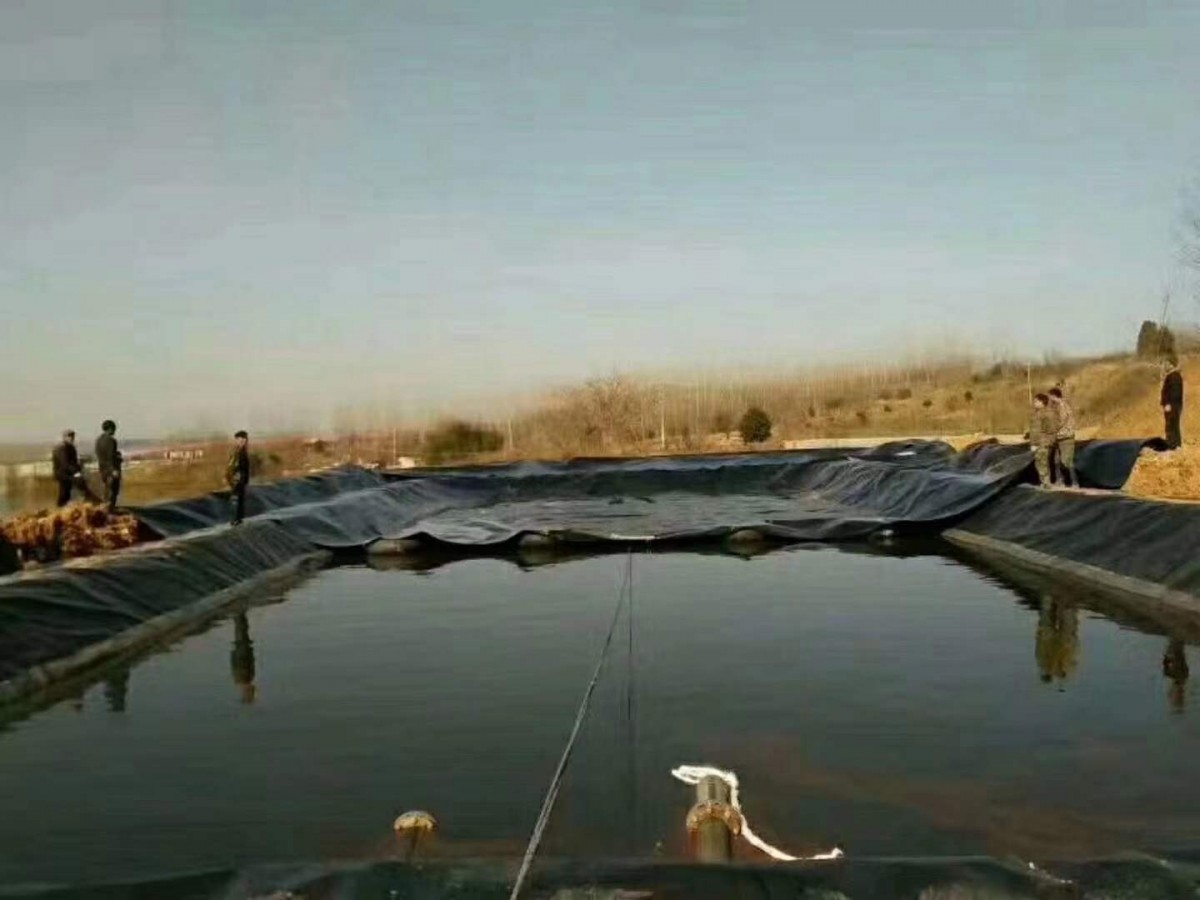
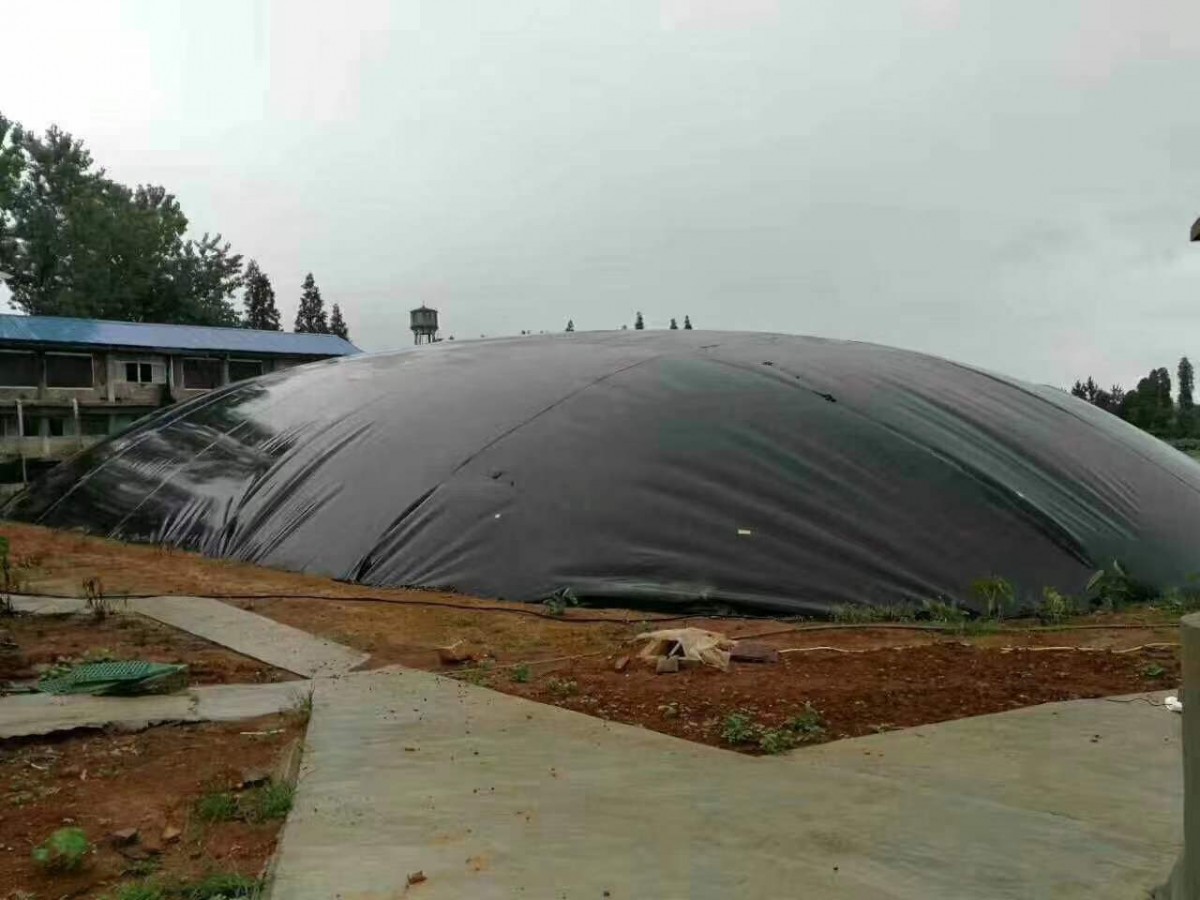
HDPE GeomembraneIt is a type of geosynthetic material. The application of geosynthetic materials originated in the 1950s. In China, the domestic geomembrane was one of the projects in the 1985 plan. HDPE geomembrane is a waterproof and barrier material produced from (medium to) high-density polyethylene resin (with a density of 0.94g/cm3 or above).
Performance Features:
1. Free of chemical additives and not heat-treated, it is a type of building material.
2. Offers excellent mechanical properties, good permeability, and resistance to corrosion and aging.
3. Features a robust anti-submersion and corrosion-resistant structure, with a fluffy texture and excellent drainage capabilities.
4. Excellent coefficient of friction and tensile strength, with geosynthetic reinforcement properties.
5. Features include isolation, anti-filtering, drainage, protection, stabilization, and reinforcement.
6. Adaptable to uneven subgrades, resistant to construction force damage, and with minimal creep.
7. Good overall continuity, lightweight, and easy to install.
8. Suitable for permeable materials, it offers excellent anti-filtration and isolation properties, strong puncture resistance, and thus provides great protective performance.
Application:
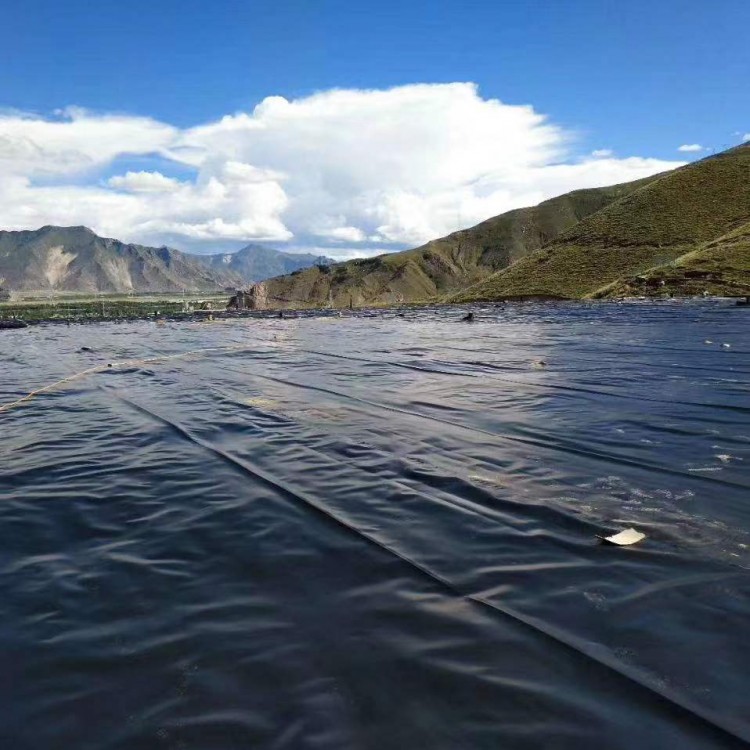
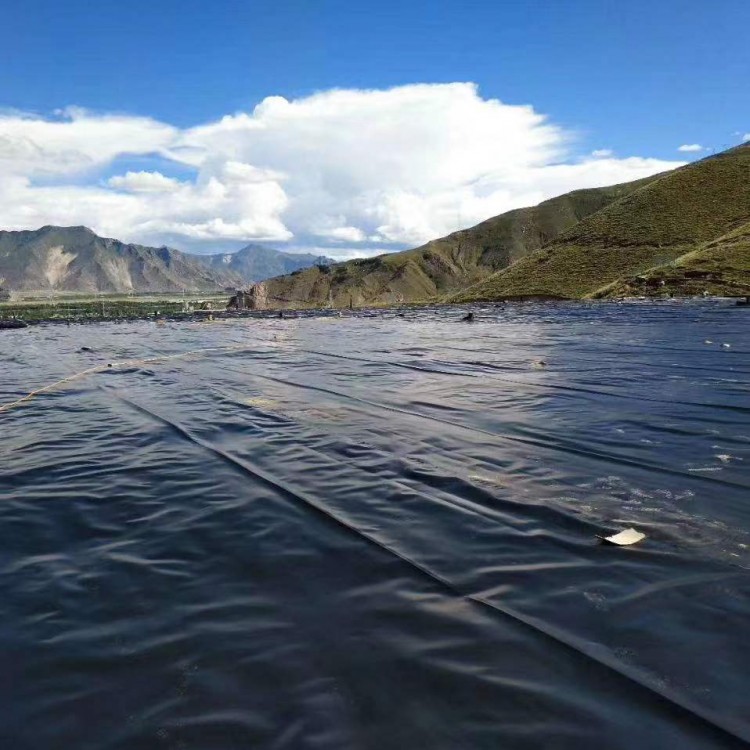
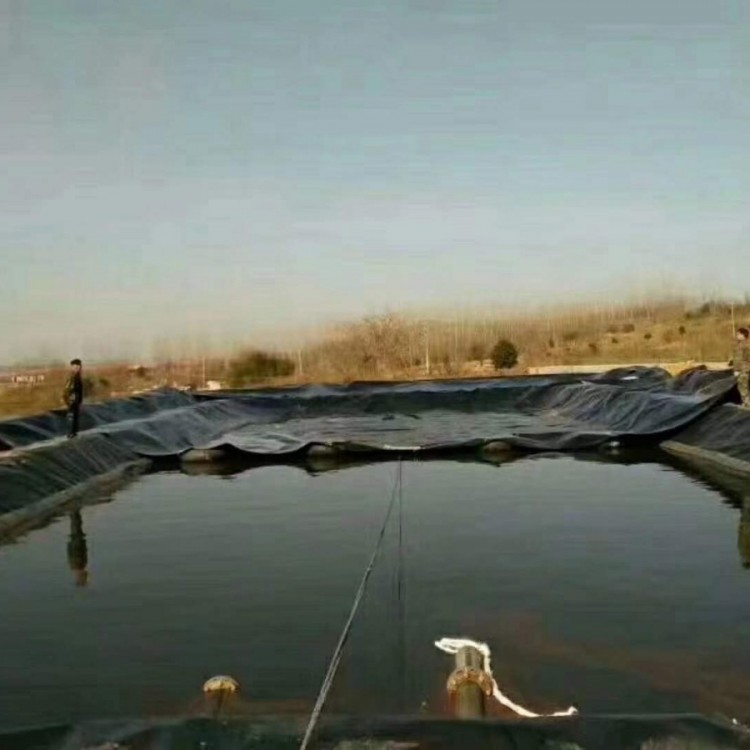
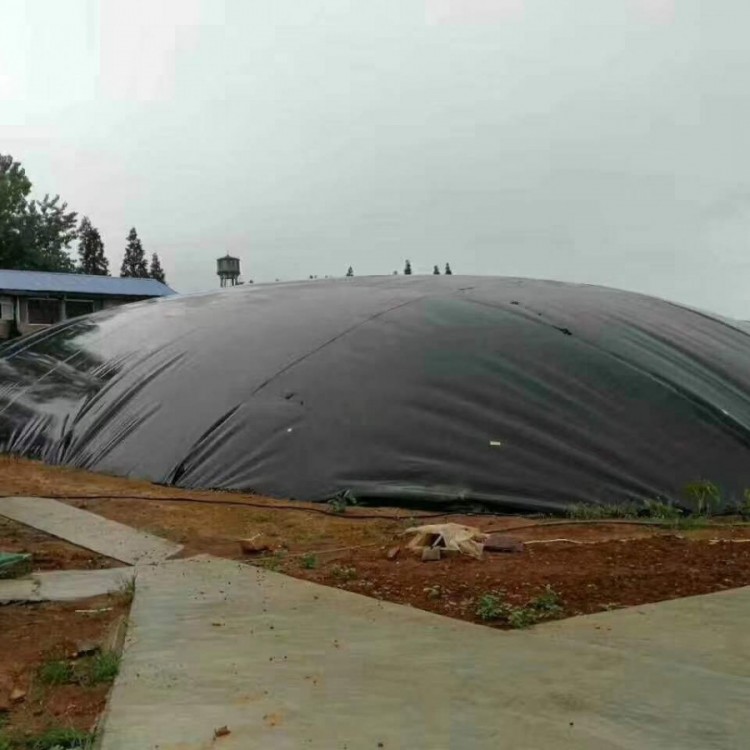
Primarily used in projects involving waste landfill, wastewater treatment, water conservancy, agriculture, transportation, high-speed rail, tunnels, airports, buildings, and landscape engineering, for waterproofing and leakage prevention.
Construction Plan Specifications:
Do not drag or pull the geomembrane roughly during transportation; avoid sharp objects piercing it.
1. Extend from the bottom to the top, do not pull too tight, and leave a 1.50% allowance for potential local sinking and stretching. Considering the actual conditions of this project, the slope is laid from top to bottom.
2. The vertical joints between adjacent panels should not align on a single horizontal line; they should be staggered by more than 1 meter.
3. Vertical joints should be located at least 1.50m above the dam foot and bend corners, and should be set on a flat surface.
4. Slope first, then the bottom of the field.
5. During slope laying, the direction of the membrane should generally be parallel to the steep slope line.
Product Specifications:
0.3mm to 3mm, width 1m to 8m, length as per customer's request.