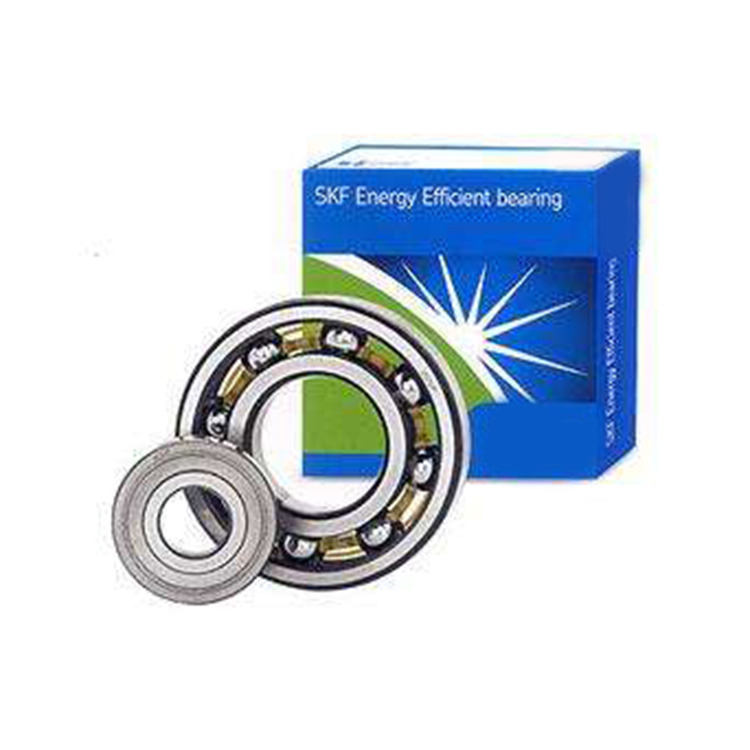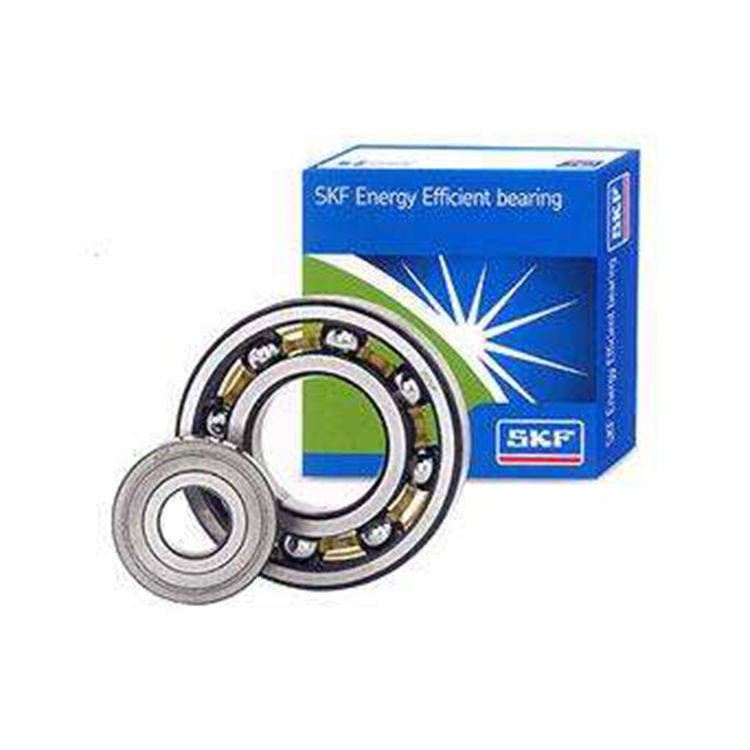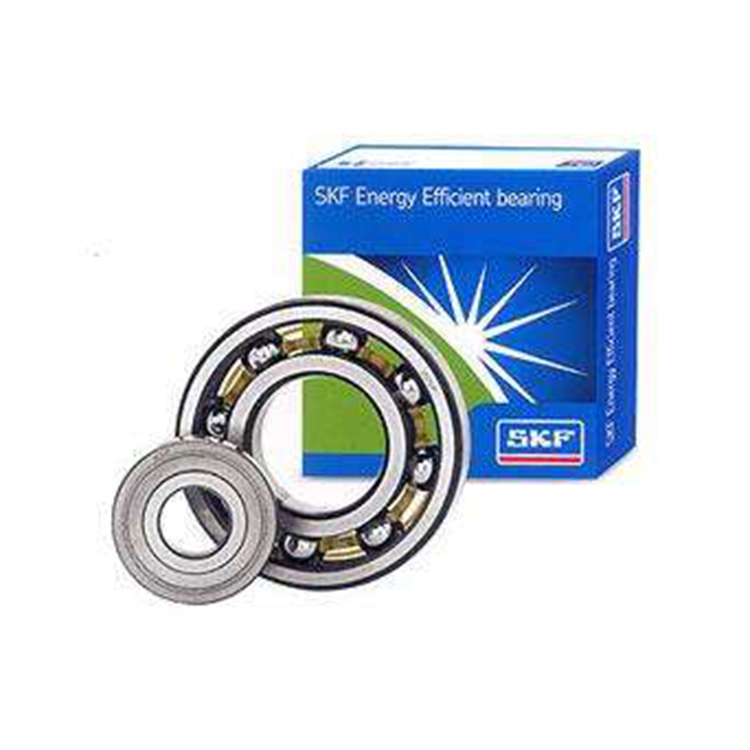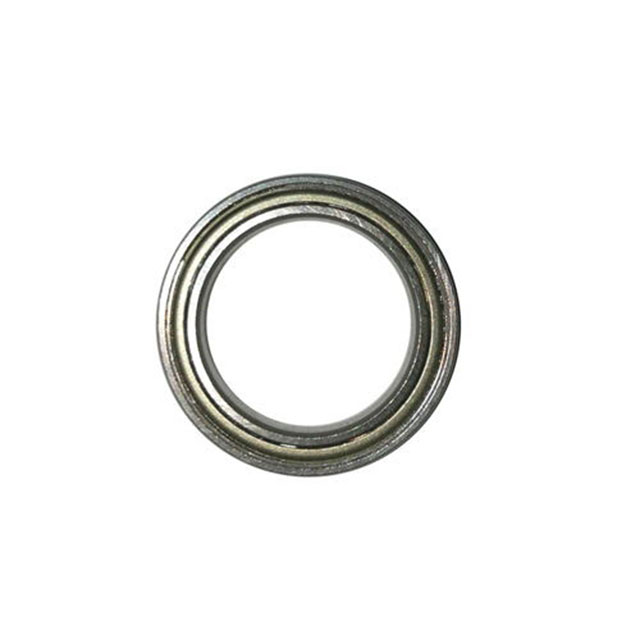

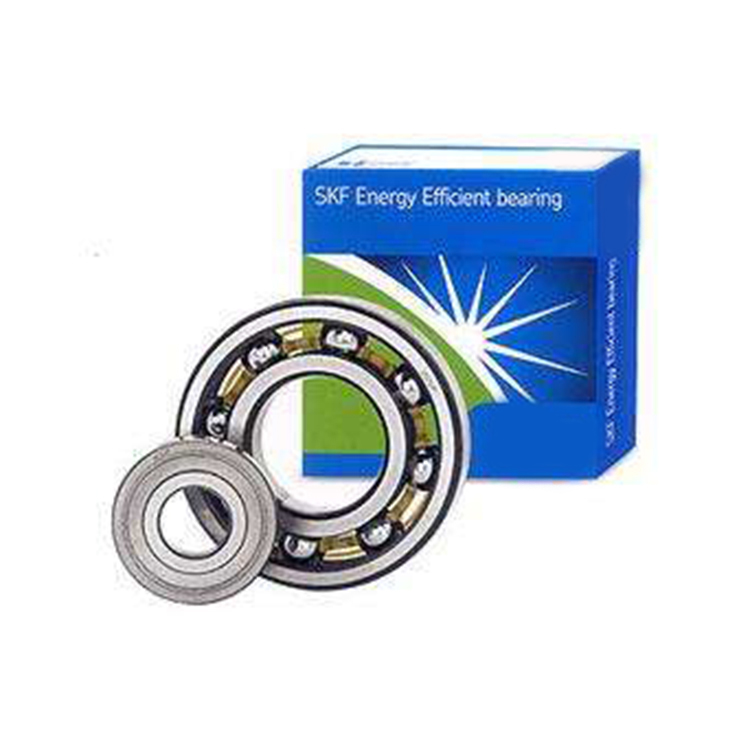

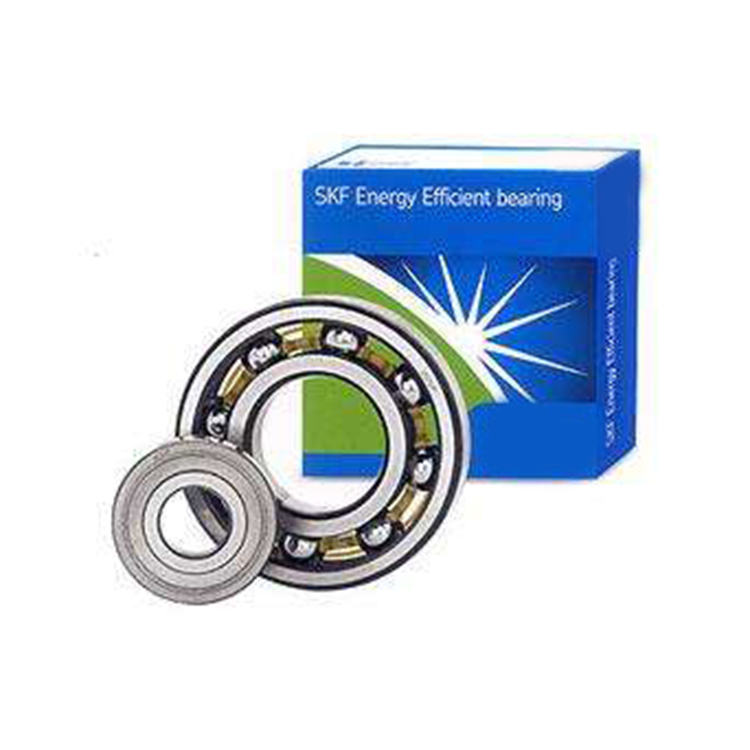
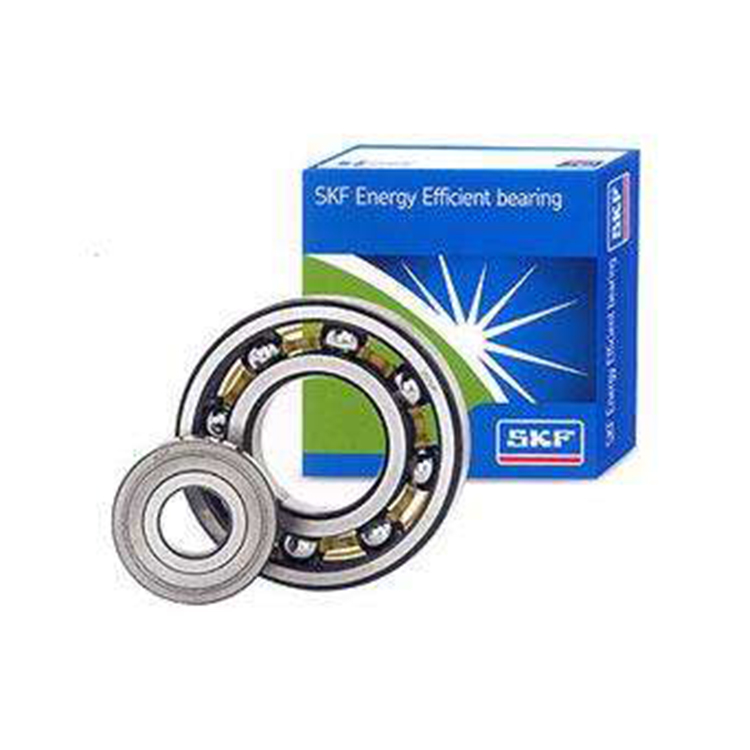


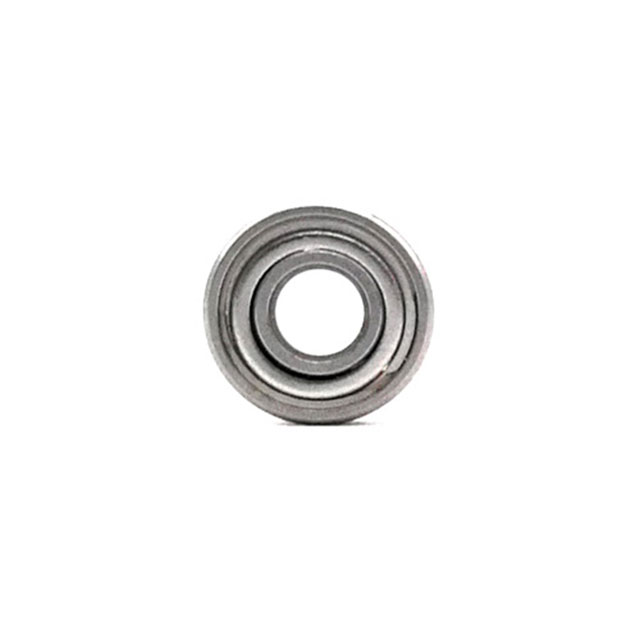
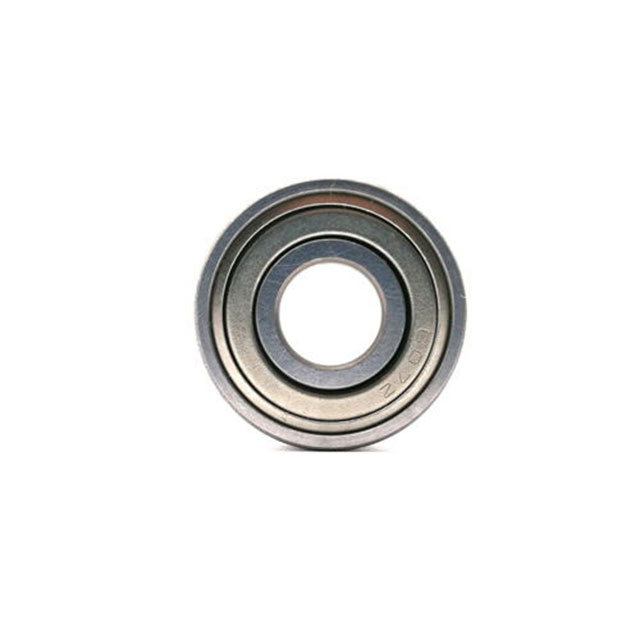






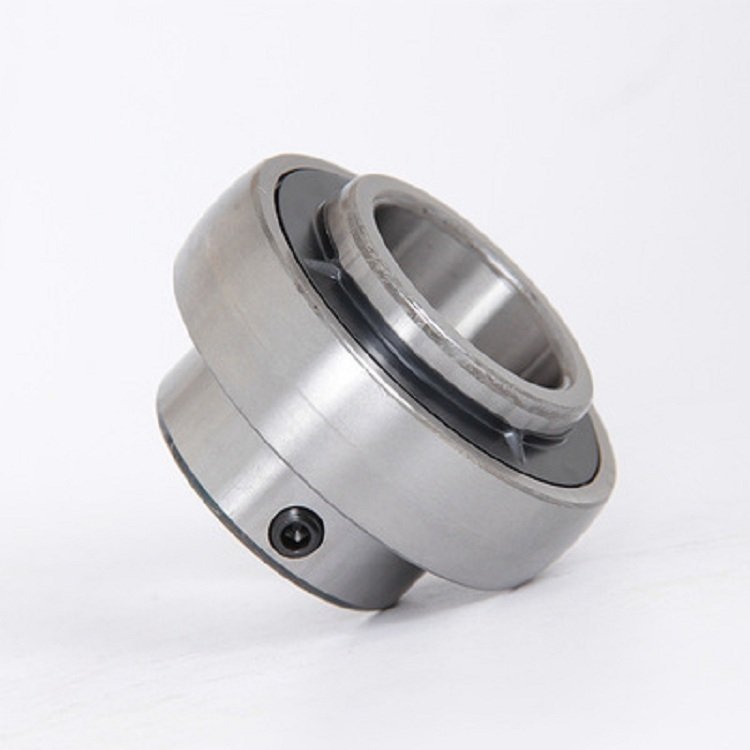


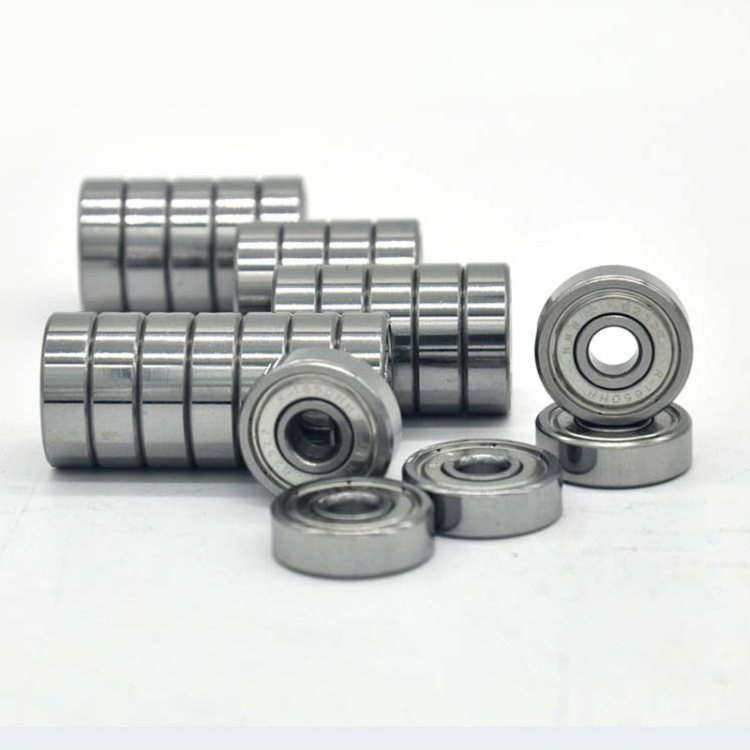
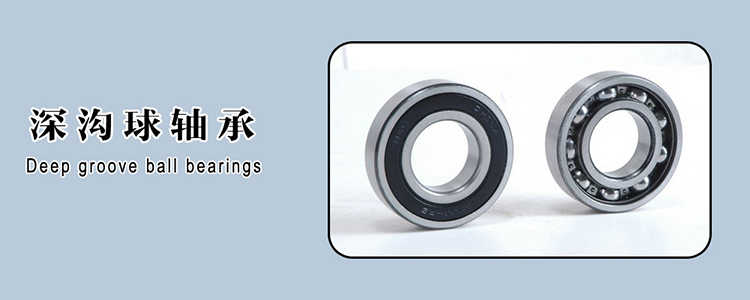
Deep groove ball bearing
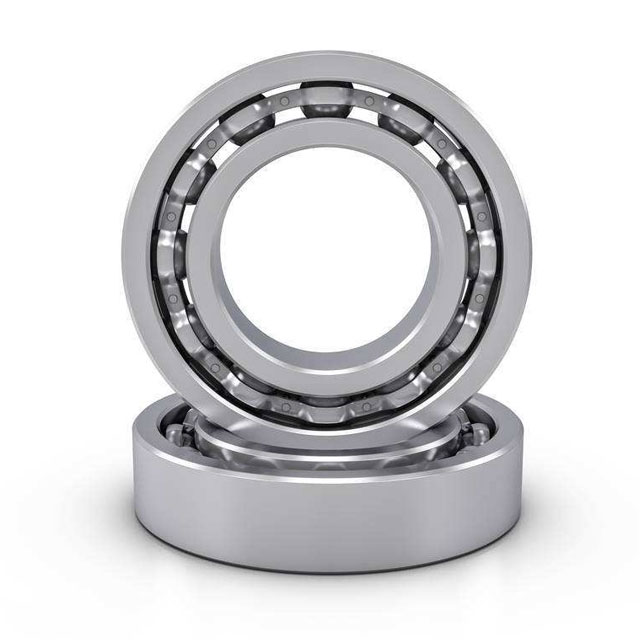
Deep groove ball bearings primarily bear radial loads and can also withstand both radial and axial loads simultaneously. If the deep groove ball bearing has a larger radial clearance, it exhibits angular contact performance.
Product Introduction:
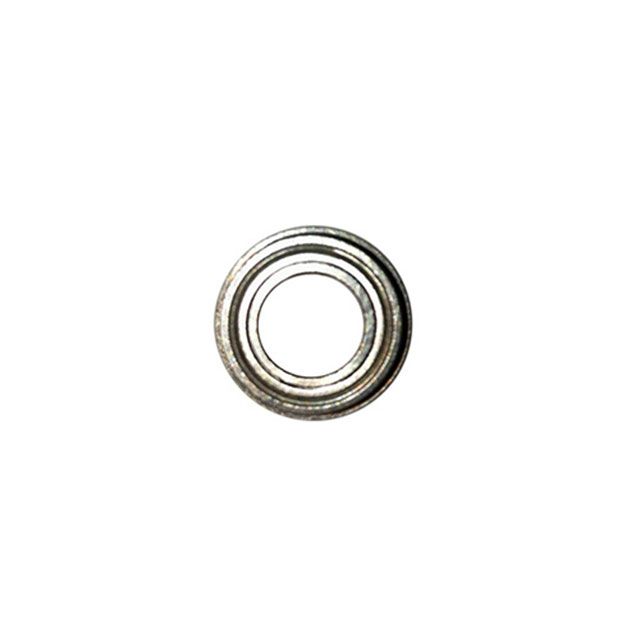
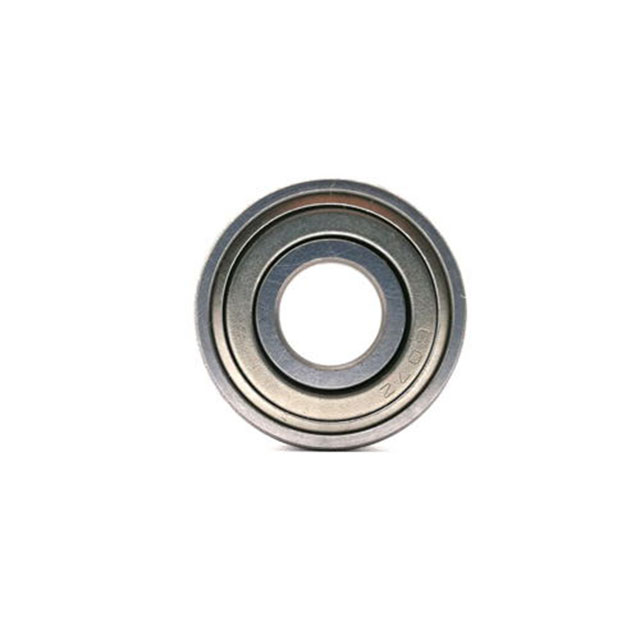
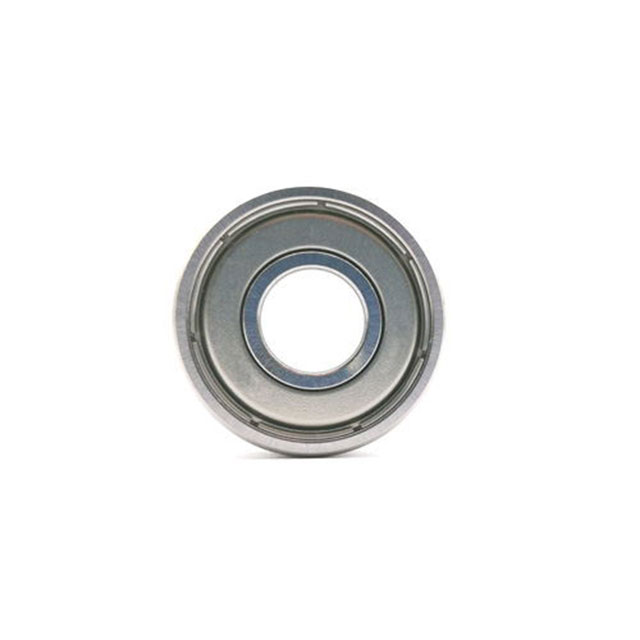
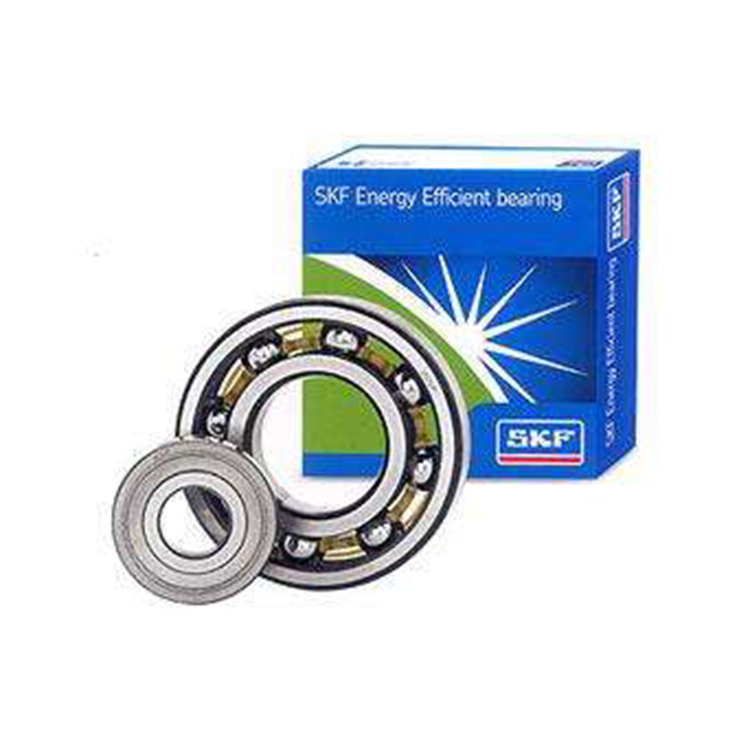
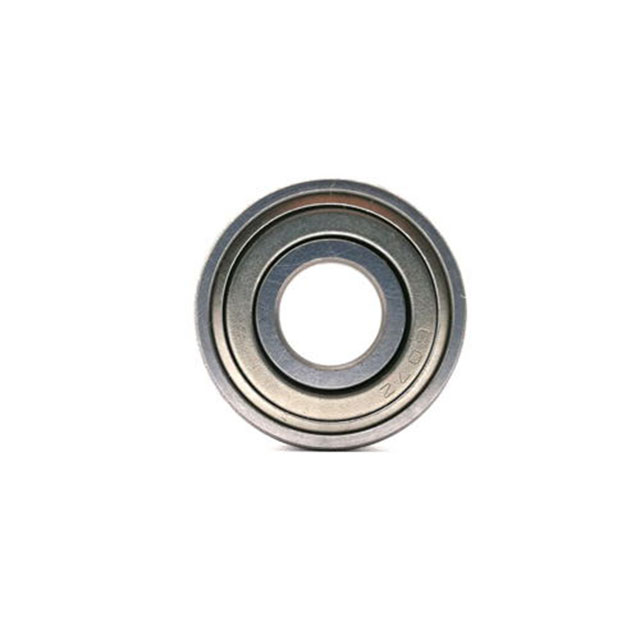
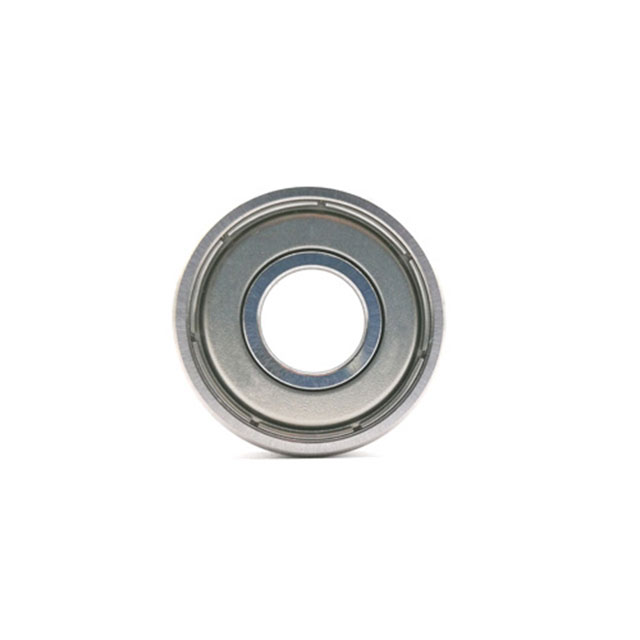
The deep groove ball bearing has a simple structure, making it easier to achieve high manufacturing precision compared to other types. This facilitates series production in large quantities, resulting in lower production costs and widespread use. In addition to the basic type, there are various modified structures, such as deep groove ball bearings with dust covers, deep groove ball bearings with rubber sealing rings, deep groove ball bearings with locking grooves, deep groove ball bearings with ball insertion notches for high load capacity, and double-row deep groove ball bearings.
Deep groove ball bearings are representative rolling bearings with wide applications. They are suitable for high-speed, even extremely high-speed operation, and are highly durable, requiring minimal maintenance. These bearings have a low friction coefficient, high maximum speed, simple structure, low manufacturing cost, and are easy to achieve high manufacturing precision. The size range and form vary greatly, and they are used in precision instruments, low-noise motors, automobiles, motorcycles, and general machinery industries, making them a widely used type of bearing in the mechanical industry. They primarily bear radial loads and can also withstand a certain amount of axial loads. Increasing the radial clearance allows for greater axial load-bearing capacity, and when subjected to pure radial forces, the contact angle is zero. With the presence of an axial force, the contact angle is greater than zero. Generally, stamped wave retainers, turned solid retainers, or occasionally nylon retainers are used. After the deep groove ball bearings are mounted on the shaft, within the bearing's axial clearance range, they can limit the axial displacement of the shaft or housing in both directions, enabling bidirectional axial positioning. Additionally, these bearings have some self-aligning capability; they can still function normally when inclined 2′ to 10′ relative to the housing bore, although this may affect the bearing's lifespan. The retainers for deep groove ball bearings are typically stamped wave retainers made of steel plate, while large bearings often use turned solid metal retainers.
Deep groove ball bearings are commonly used rolling bearings. They feature a simple structure and are easy to use. Primarily designed to withstand radial loads, they also exhibit certain features of angular contact ball bearings when the radial clearance of the bearing is increased, allowing them to bear combined radial and axial loads. They can also bear pure axial loads when high-speed operation is required and thrust ball bearings are not suitable. Compared to other types of bearings with the same deep groove ball bearing specifications, these bearings have a lower friction coefficient and a higher maximum speed. However, they are not shock-resistant and are not suitable for bearing heavy loads.
Tolerance
Standard deep groove ball bearings are of general grade and fully comply with GB307.1.
Clearance
Standard deep groove ball bearings feature C2, standard (CN), C3, C4, and C5 internal clearances, all conforming to GB4604.
Retaining Rack
Deep groove ball bearings typically use steel stamping retainers or brass solid retainers. For outer diameters less than 400mm, steel stamping retainers are used without a suffix code, while for outer diameters greater than 400mm, brass solid retainers are more commonly used without a suffix code.
Applied
Deep groove ball bearings are used in gearboxes, instruments and meters, motors, household appliances, internal combustion engines, vehicles, agricultural machinery, construction equipment, engineering machinery, roller skates, yo-yos, and more.