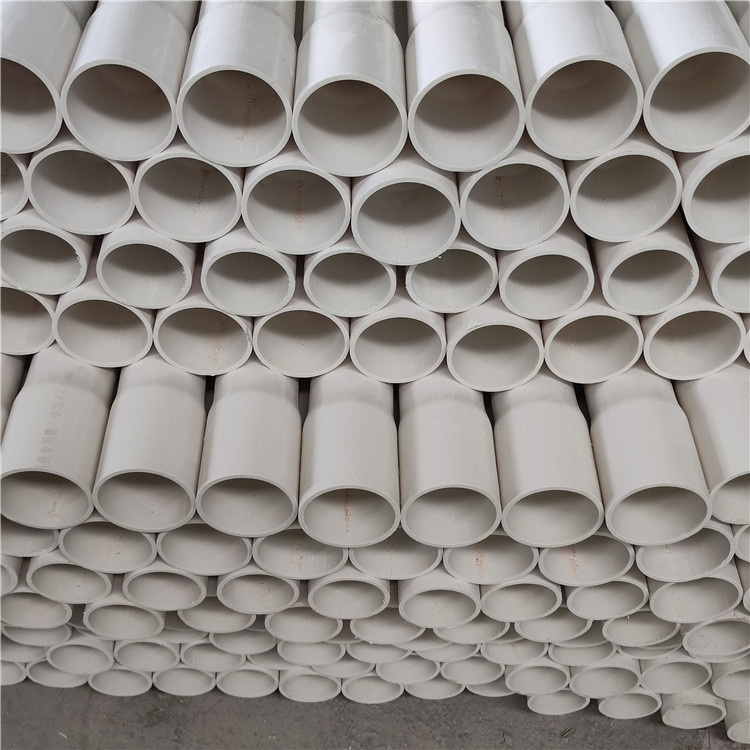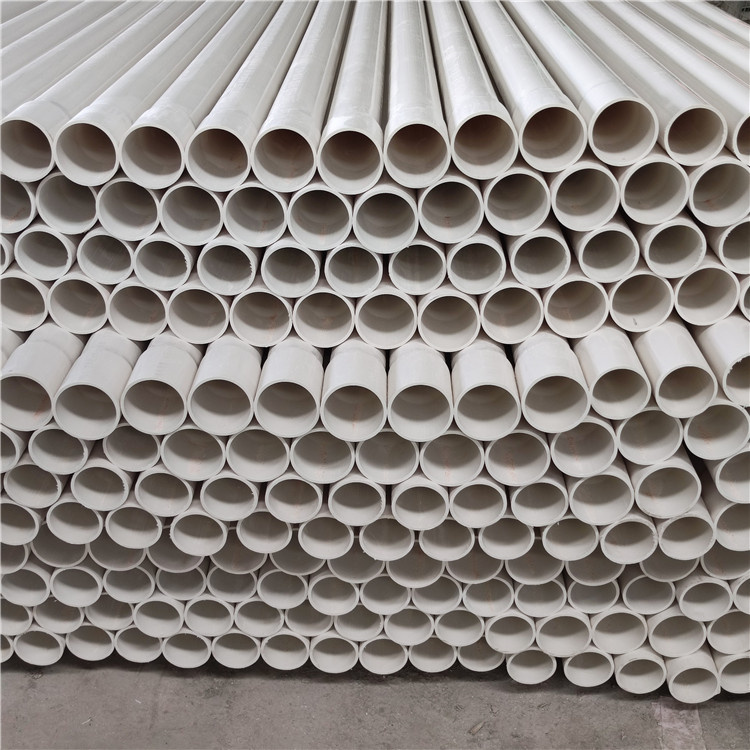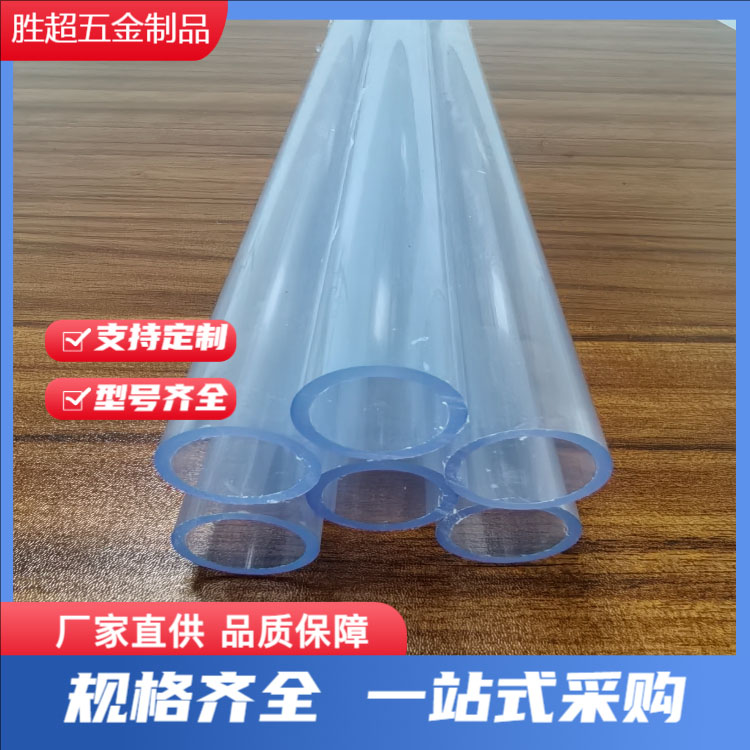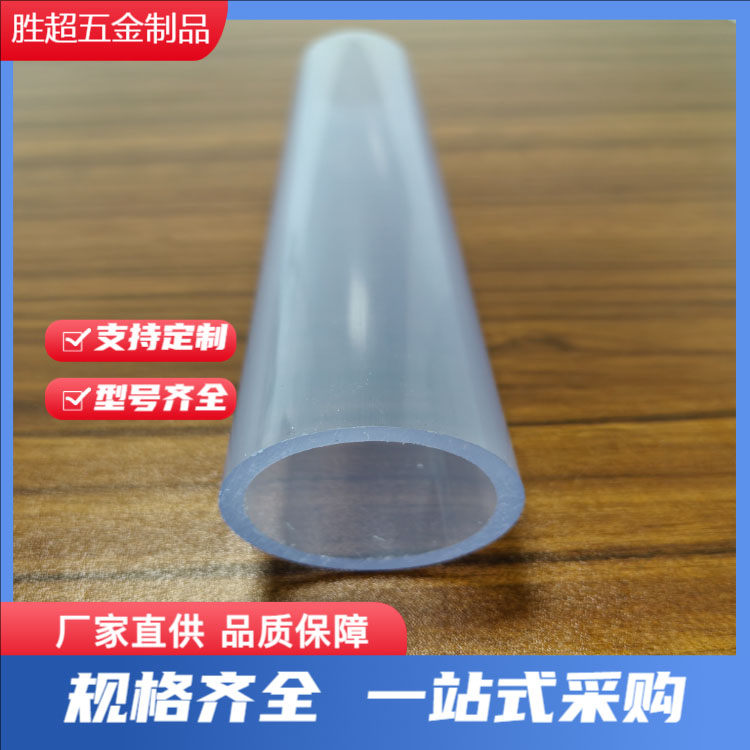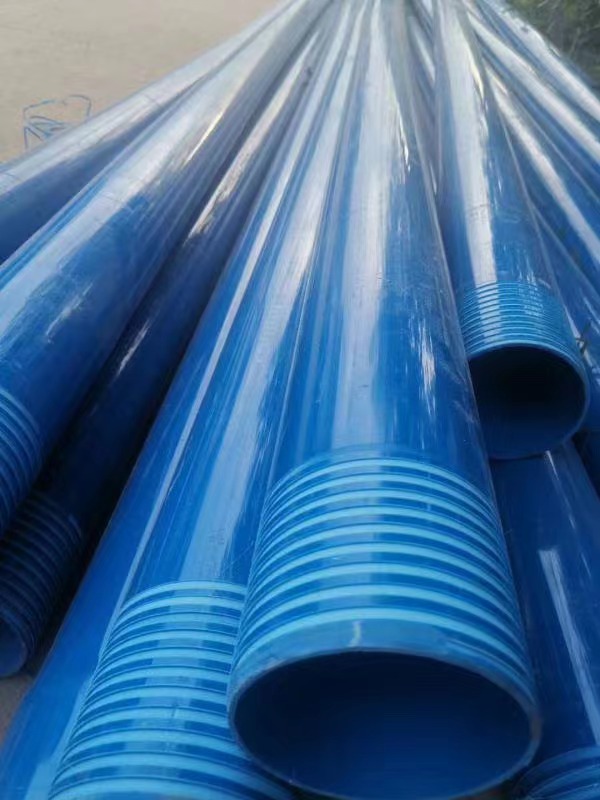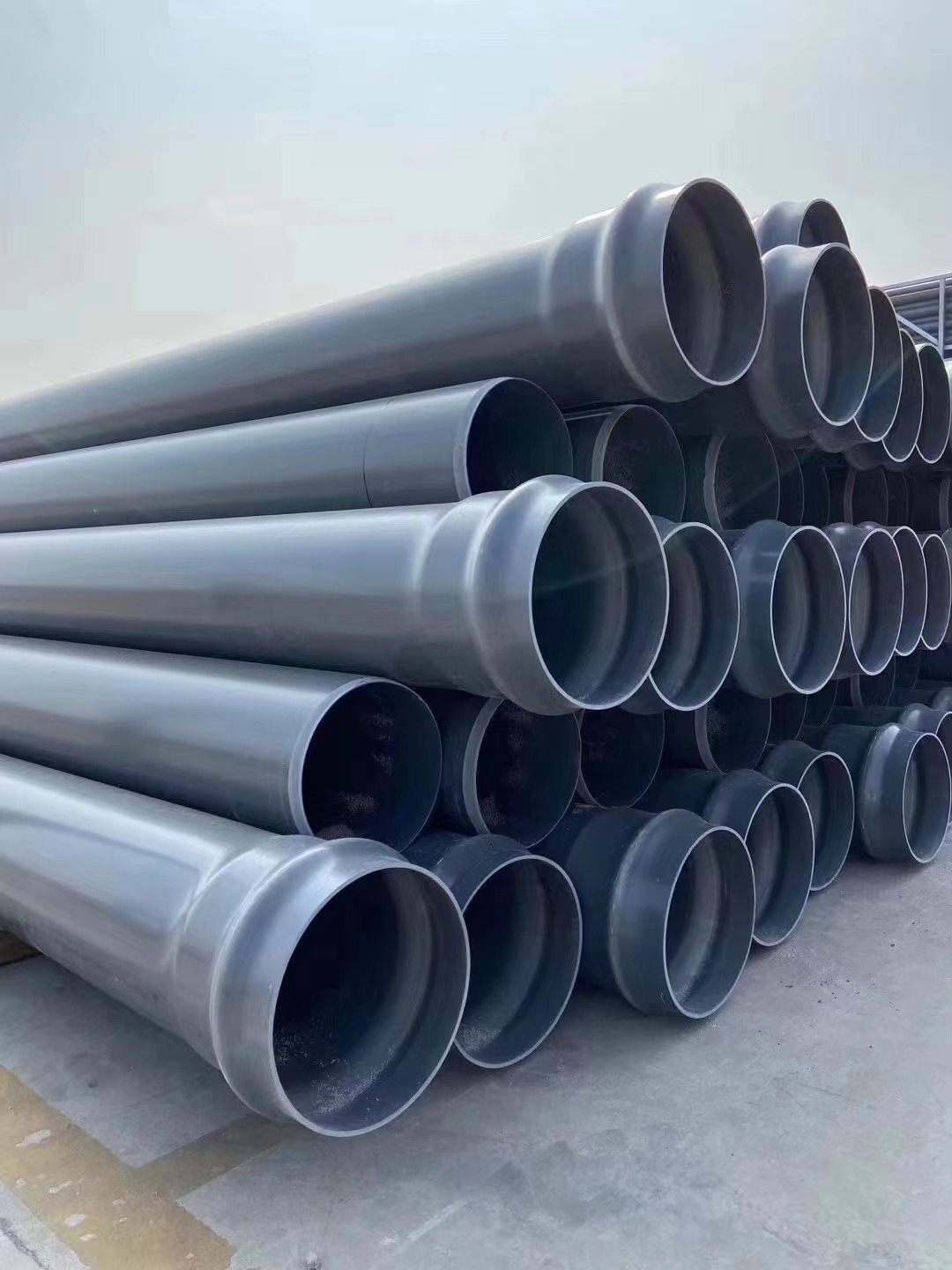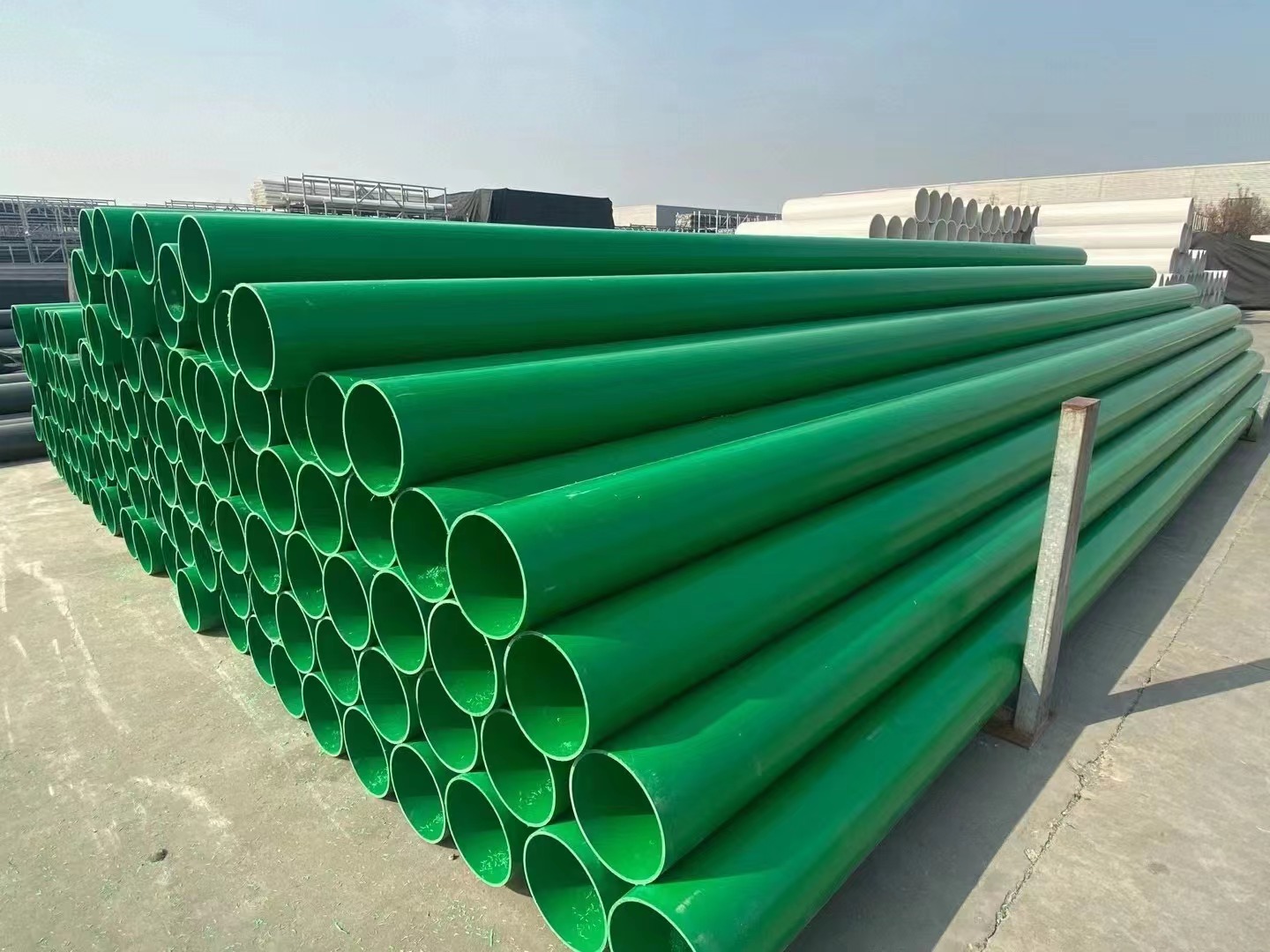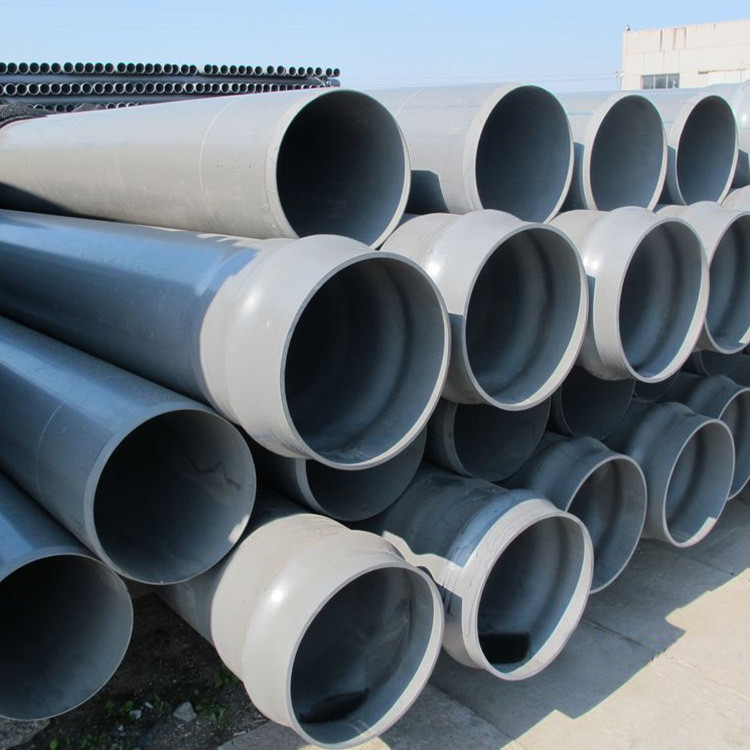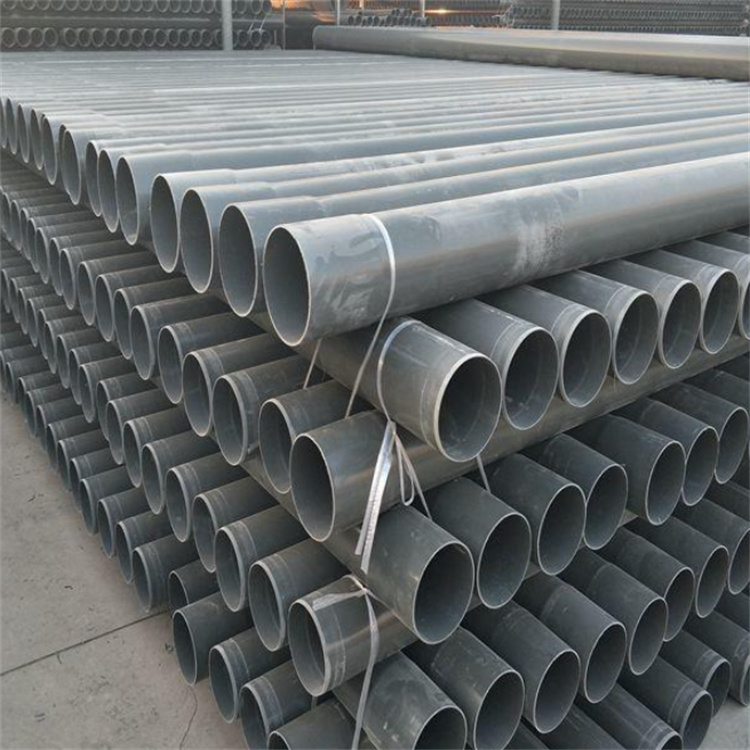



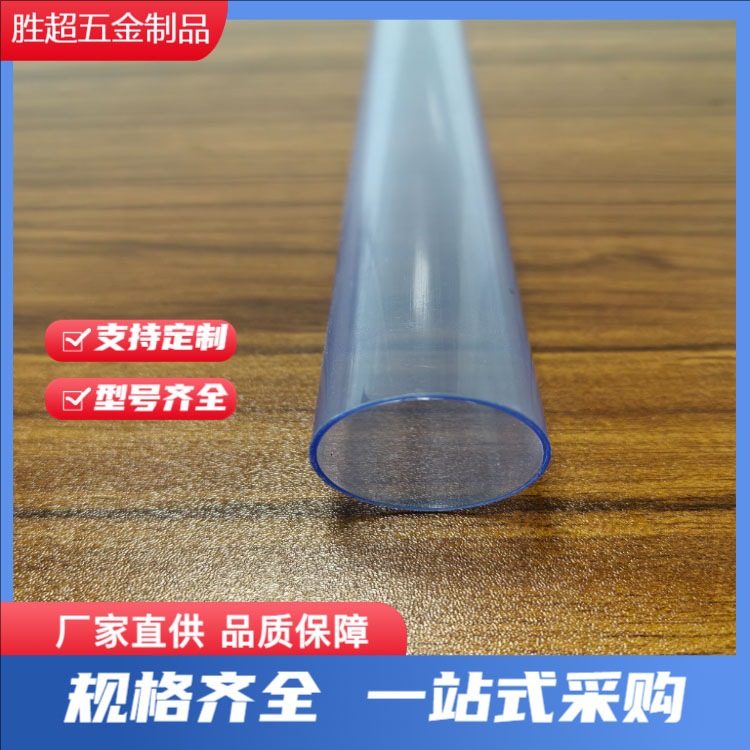
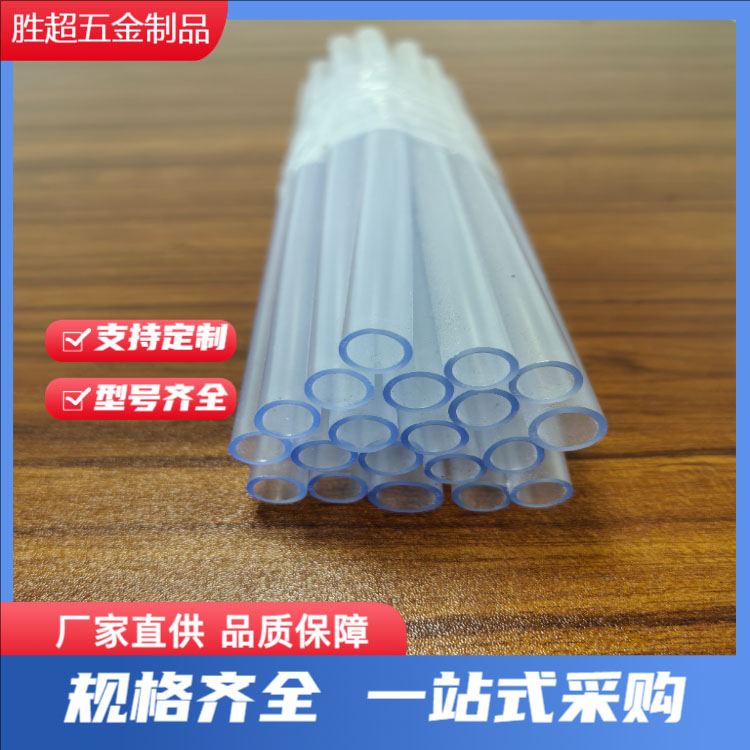
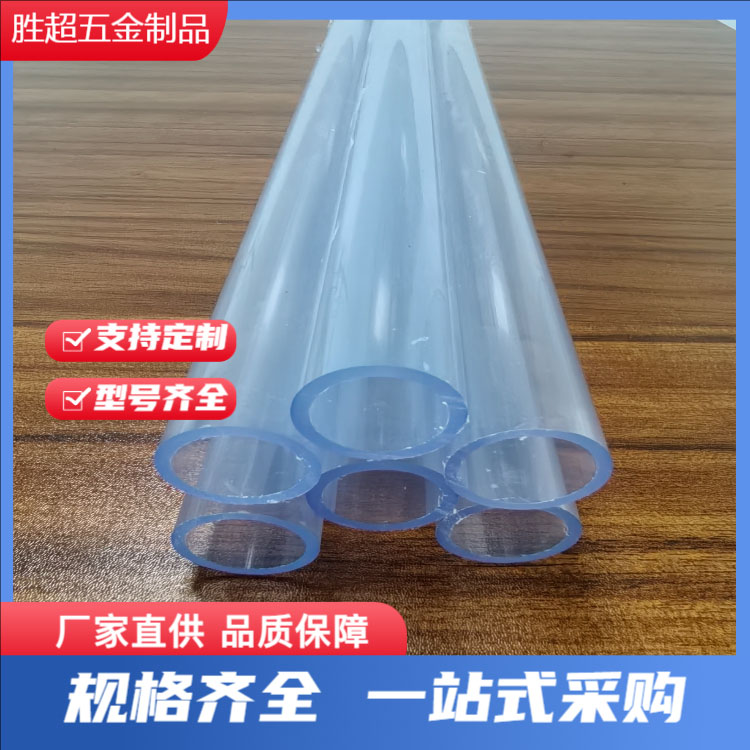
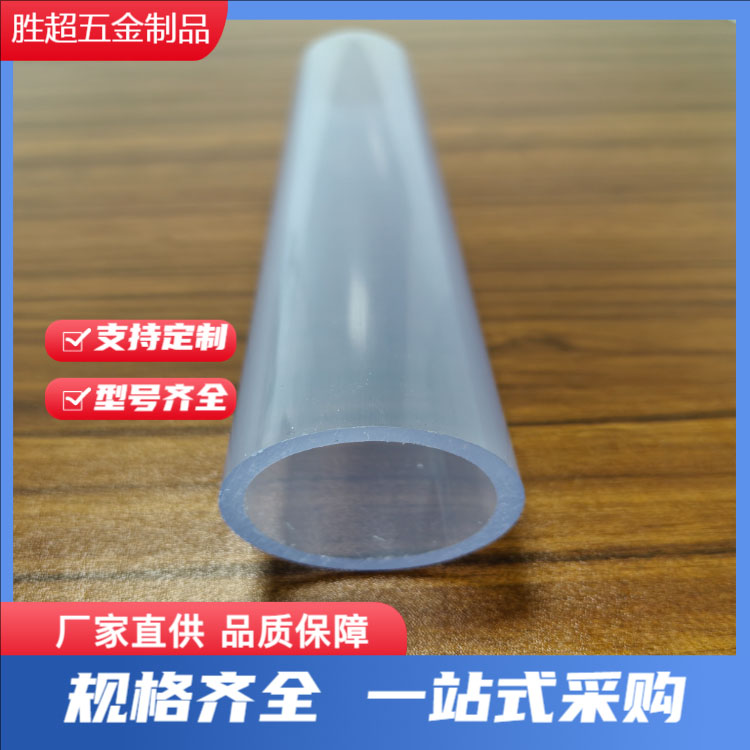
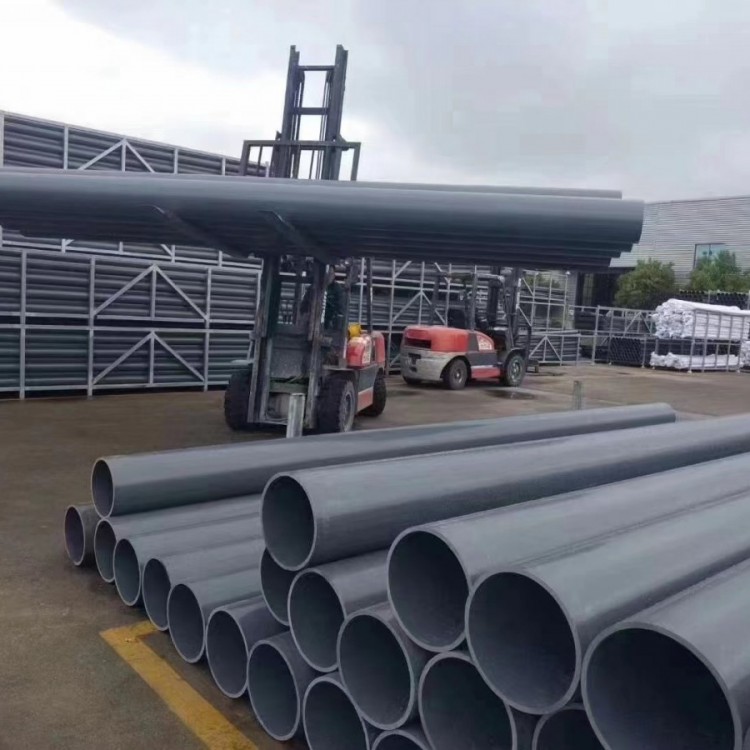





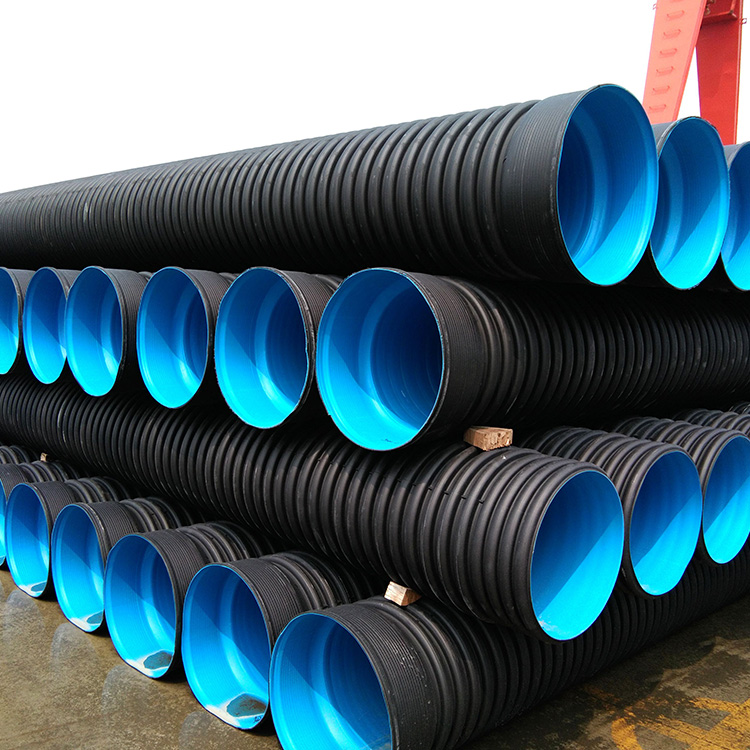
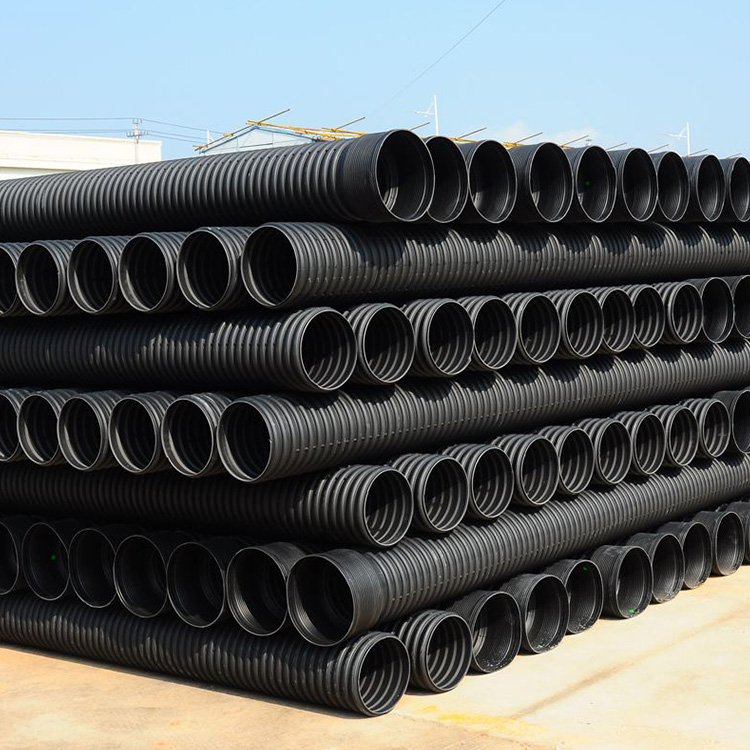

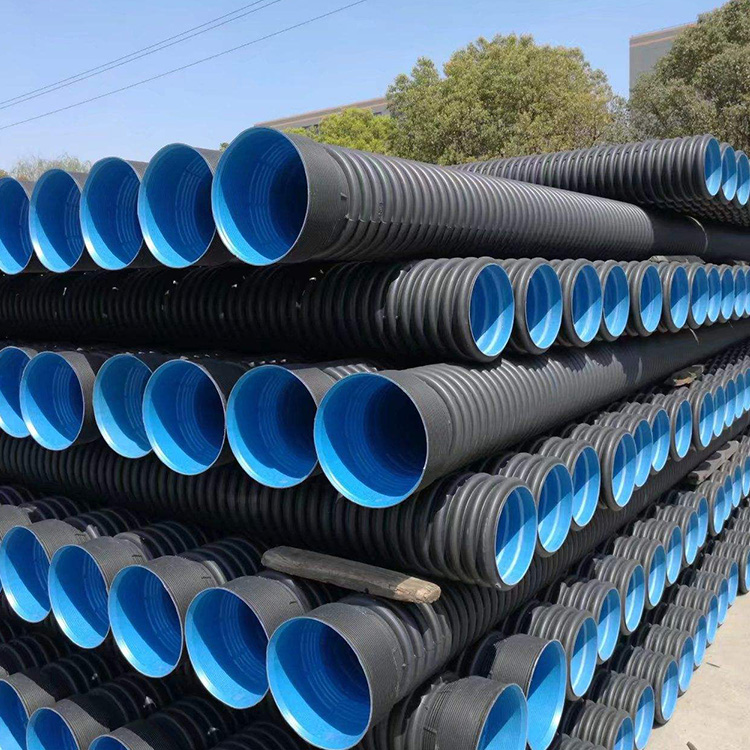
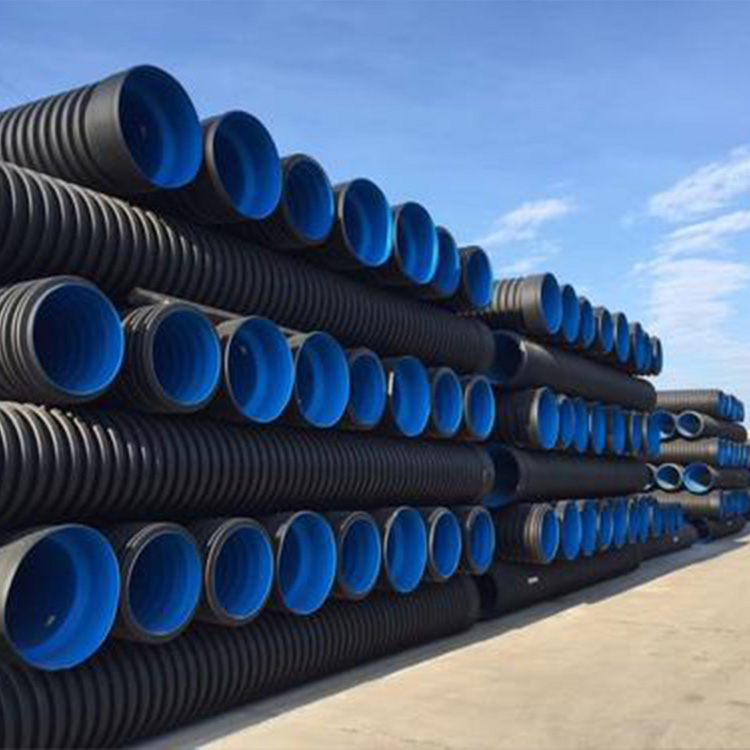

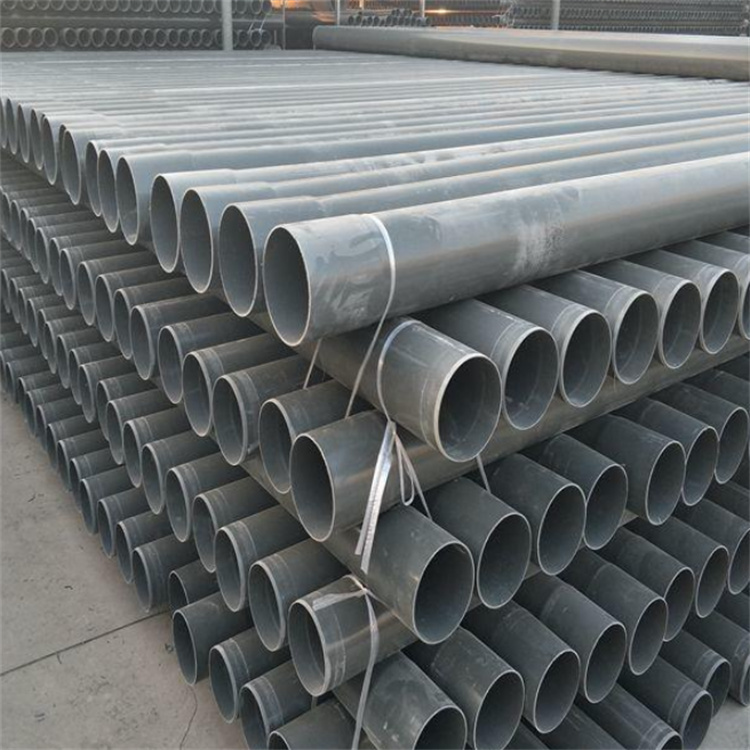

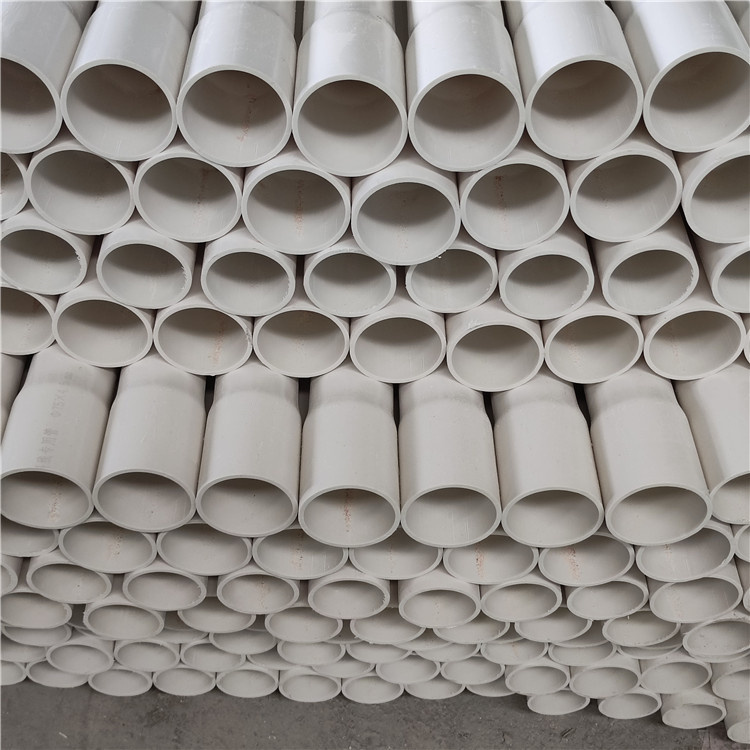
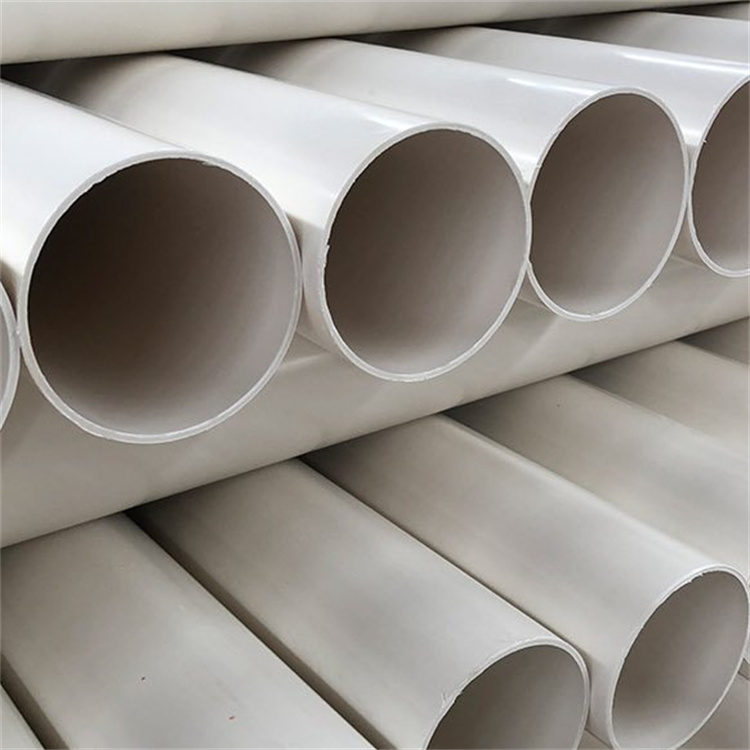
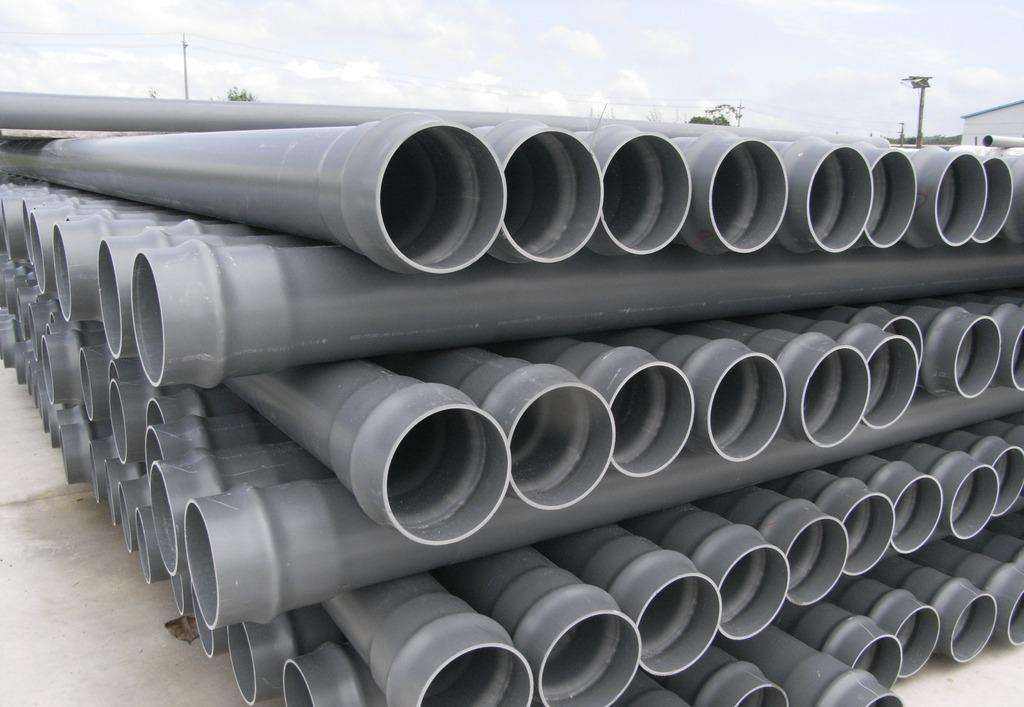

Field irrigation pipe, also known as sprinkler pipe, materialPVCPolyvinyl Chloride (PVC).PVCResin powder is the main raw material, mixed with appropriate additives, then processed into shape through blending, extrusion, sizing, cutting, and mouth expanding.
Production Process
Please provide the Chinese content to be translated.PVCResin powder is the main raw material, with appropriate additives added. It is then processed into shape through mixing, extrusion, sizing, cutting, and necking.
Product Features
1Low flow resistance, roughness coefficient 0.008-0.009Water conveyance capacity is improved compared to cast iron pipes.20%Concrete pipe enhancement40%
2High tensile strength,23℃Tensile strength not less than45MPA
3Excellent pressure resistance, can be compressed to the outer diameter1/2Will not crack, excellent mechanical properties
4Lightweight, easy to ship.PVC—UPipe weight is merely steel cast iron pipe1/5, concrete1/2Pipe materials weigh approximately the same as those of the same specification and length as cast iron balls.
Cast Iron Pipes 1/4concrete1/10Low transportation costs1/2-1/3。
5Pipes are hygienic and non-toxic, with no secondary pollution during flow, ensuring no secondary contamination of water quality; irrigation pipes have a service life of not less than under stable temperature and pressure conditions.
Please provide the Chinese content to be translated.50Year.
Application Fields
Irrigation pipes are widely used in various large and small projects, including indoor and outdoor water supply in urban and rural areas, rural water reform, farmland irrigation, salt industry brine pipelines, aquaculture water supply, mine ventilation, water supply and drainage, and garden and landscape sprinkler irrigation.