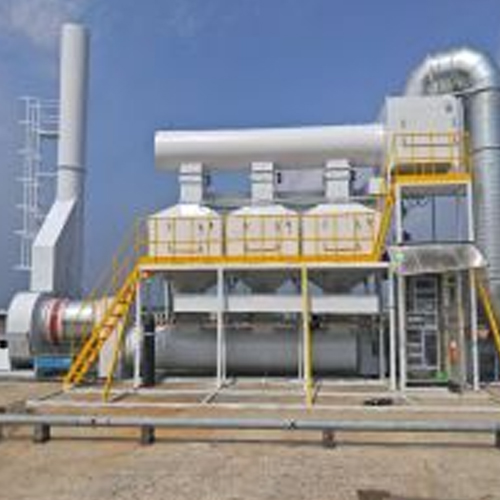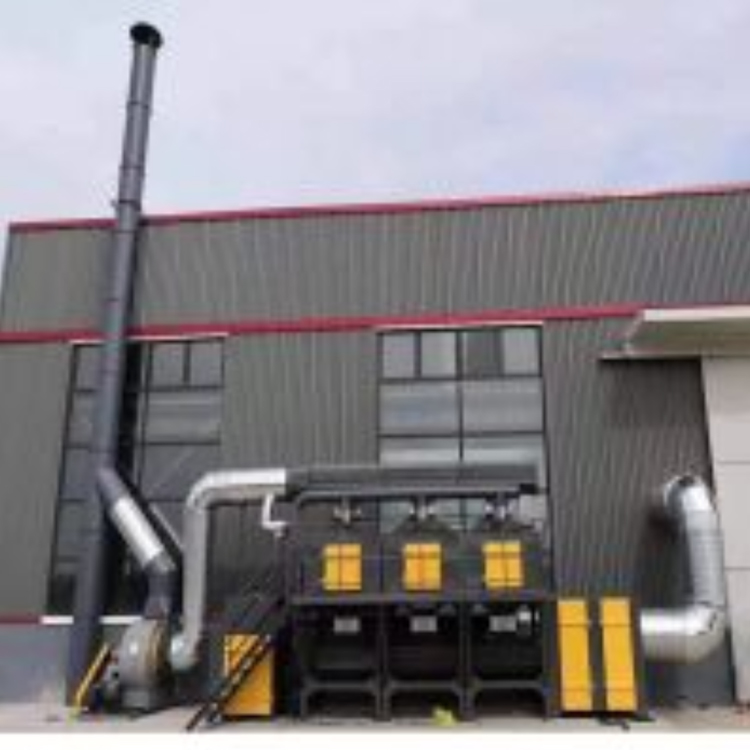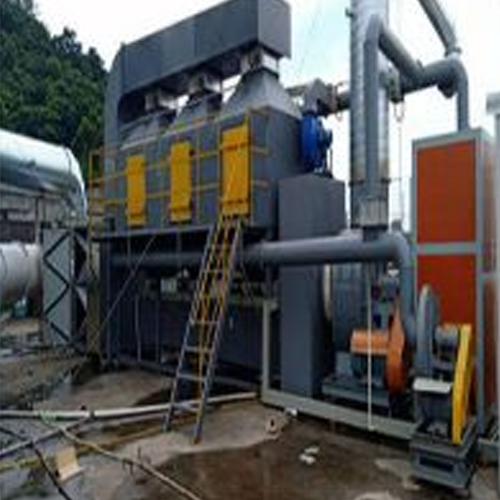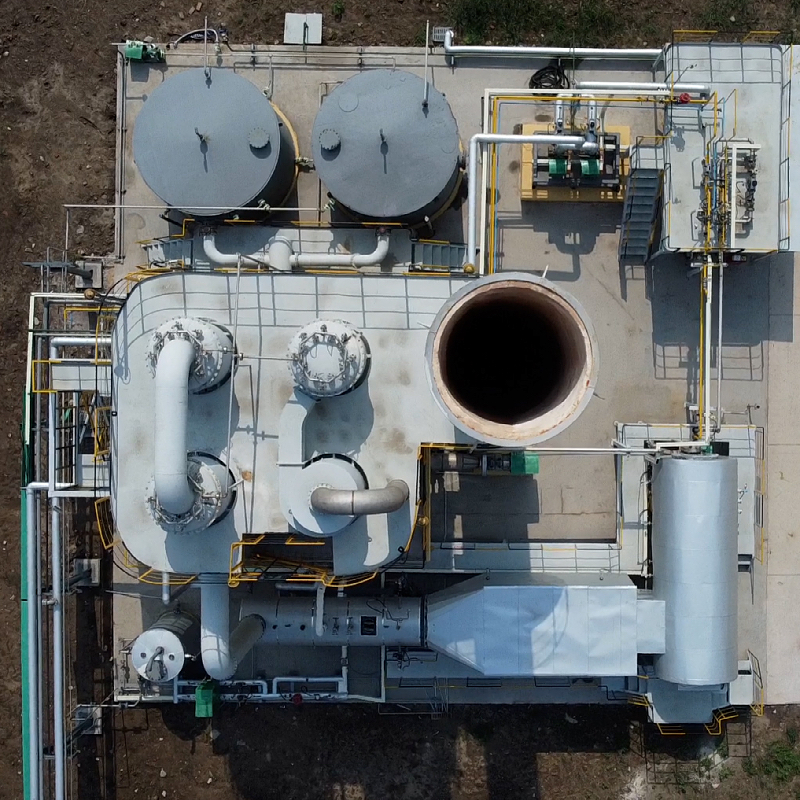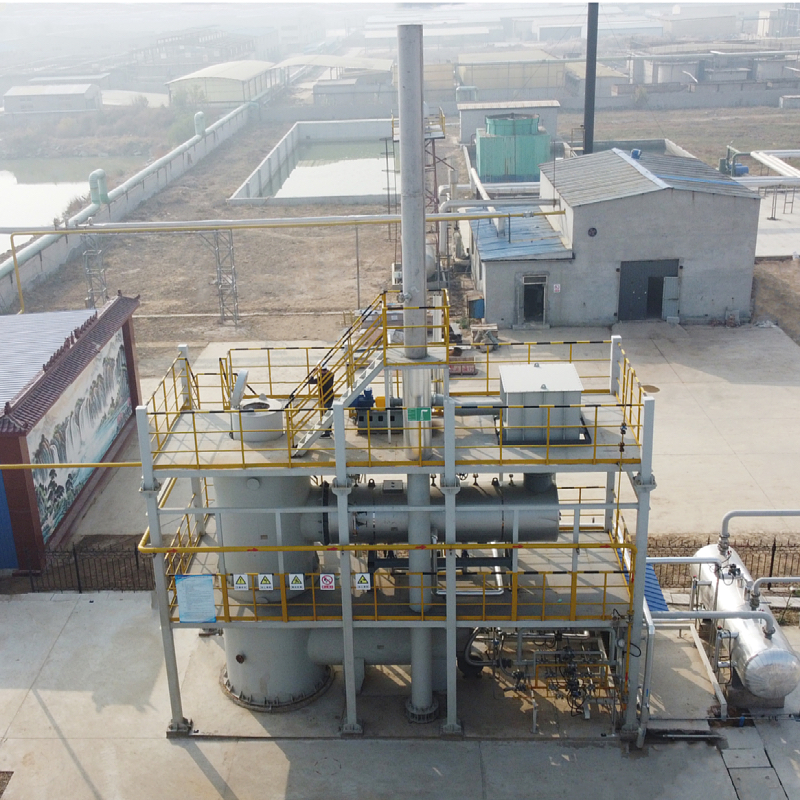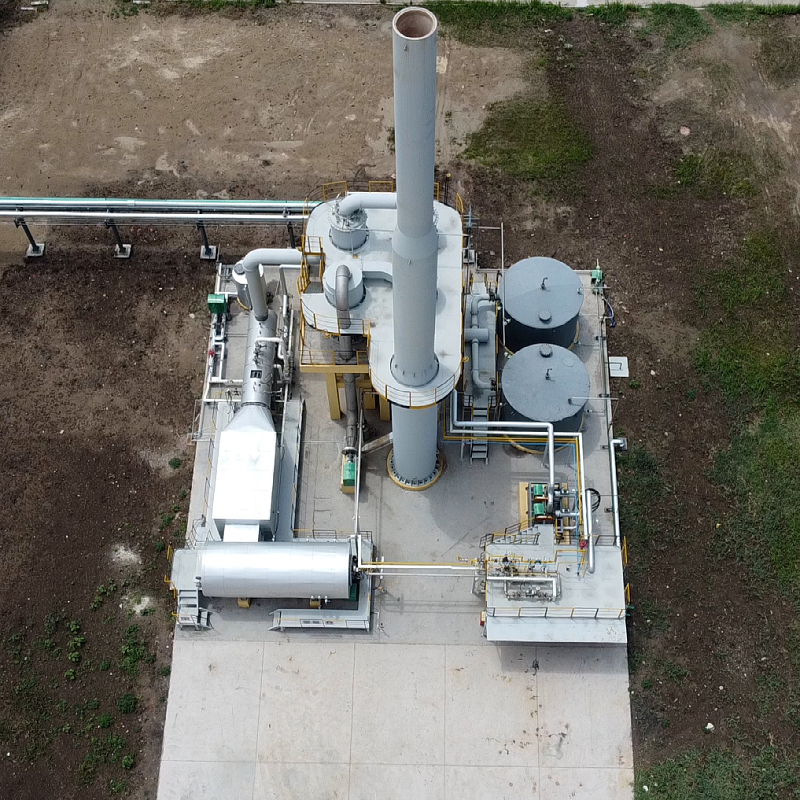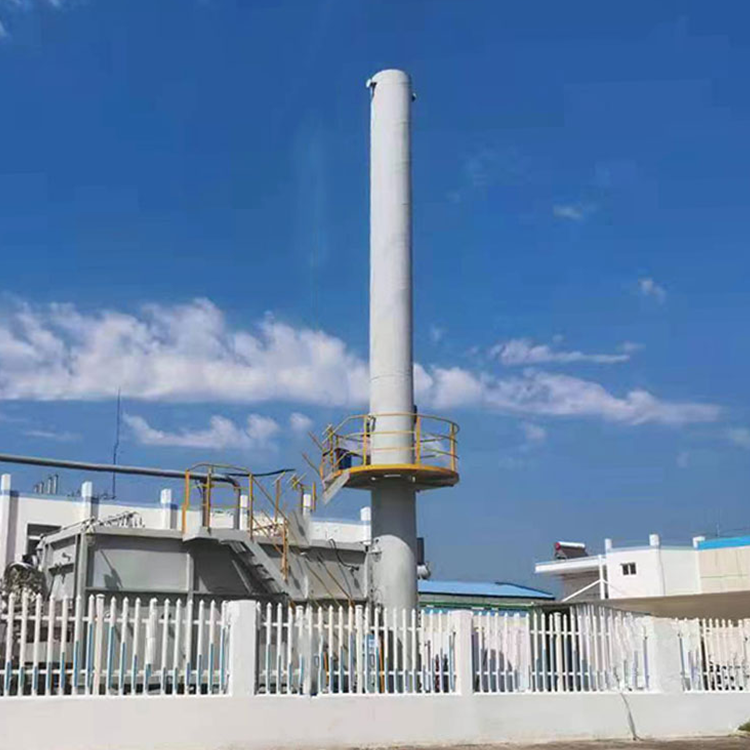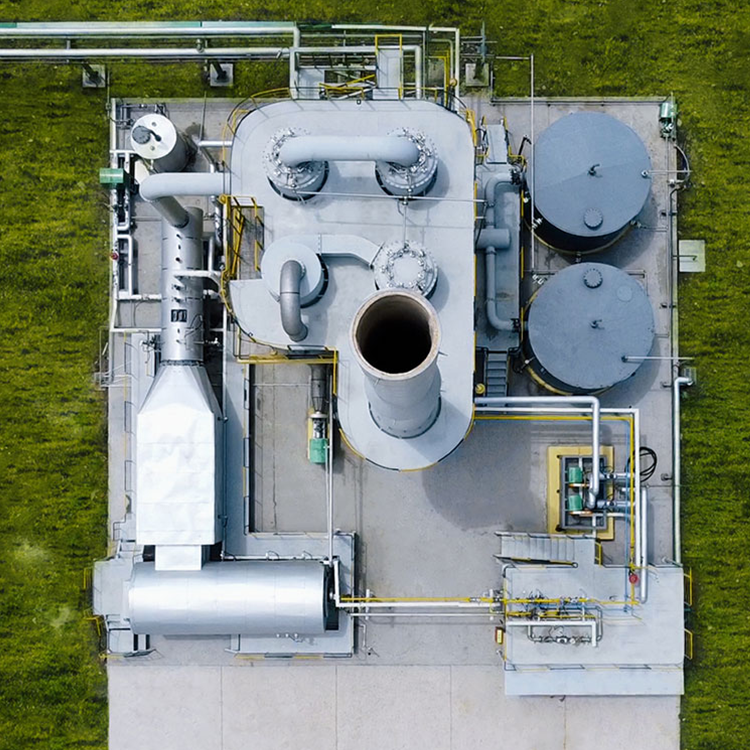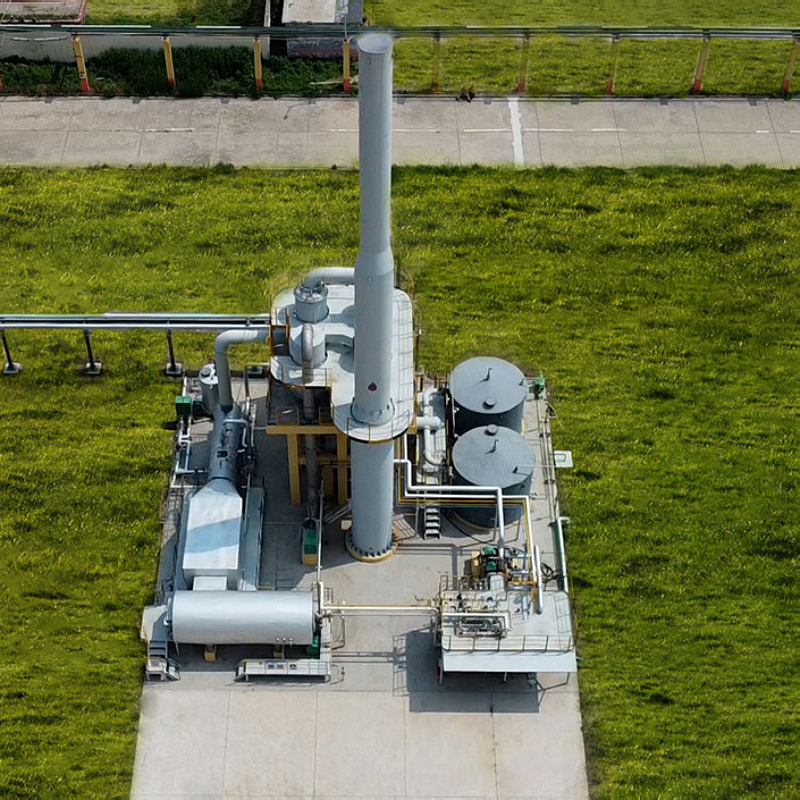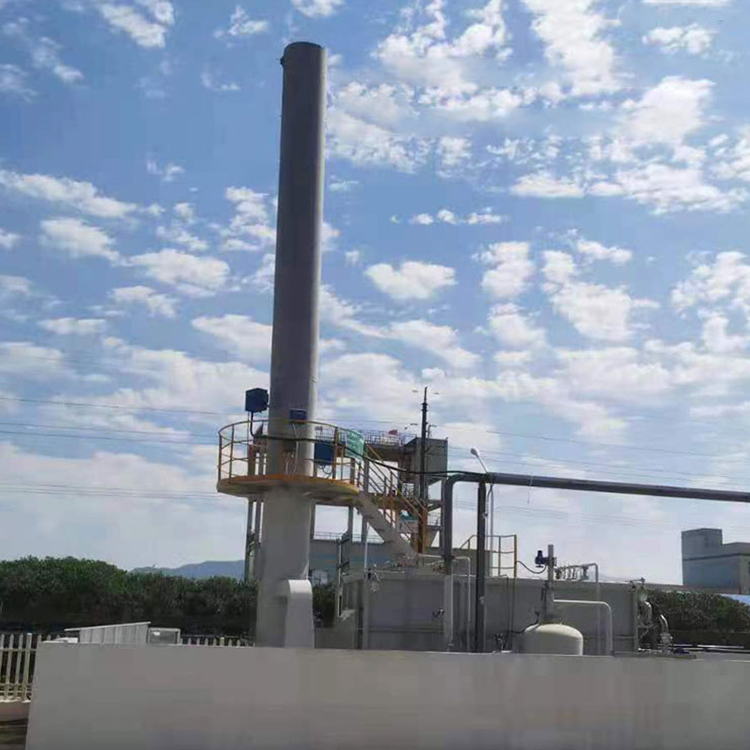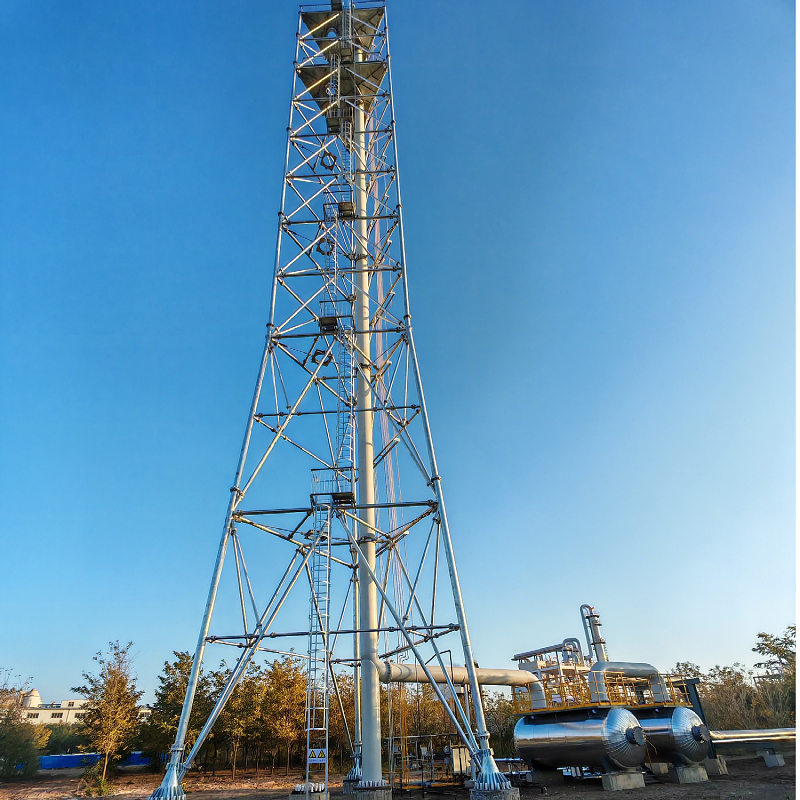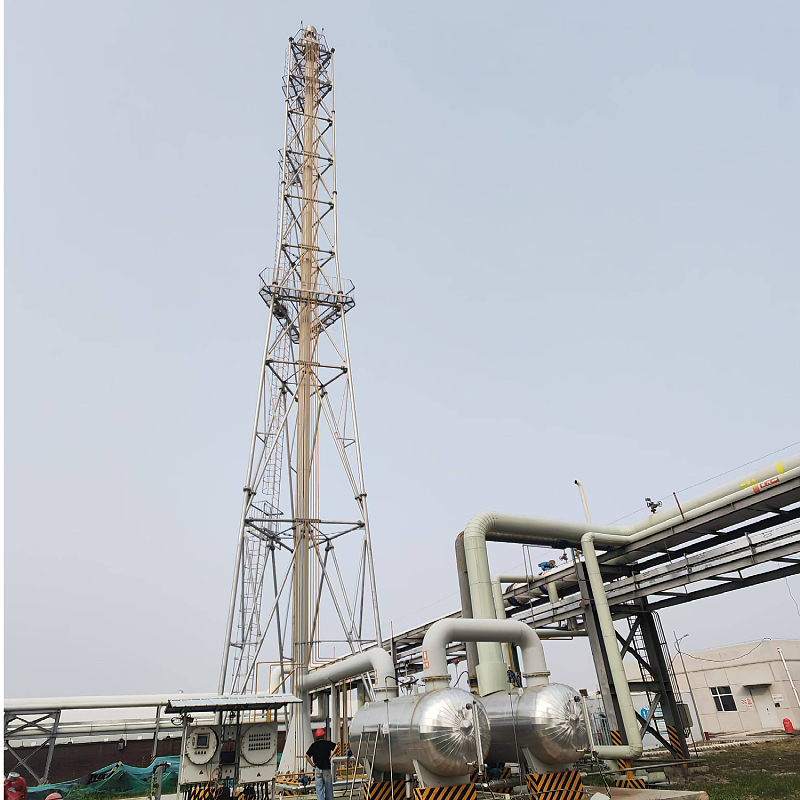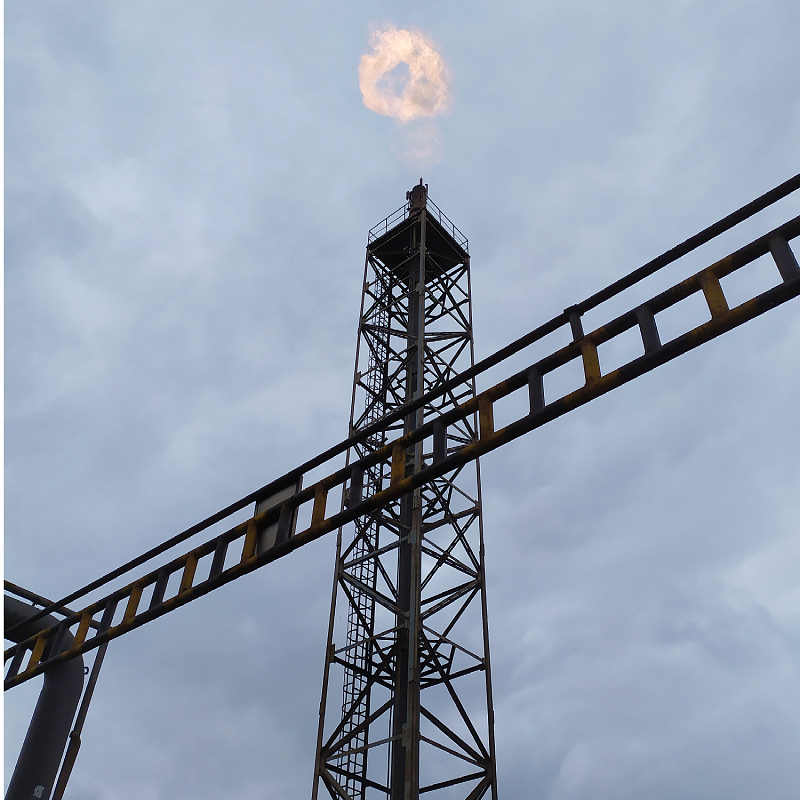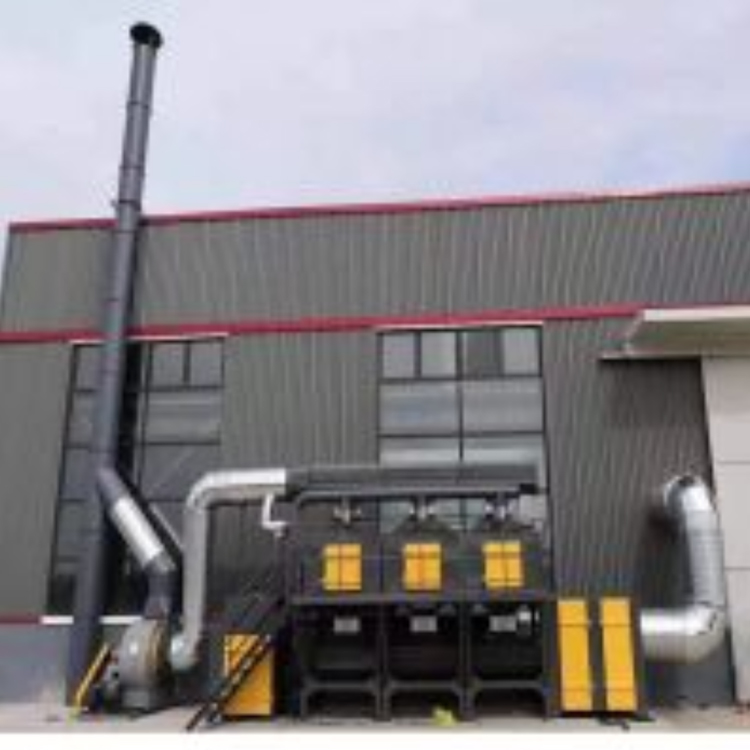


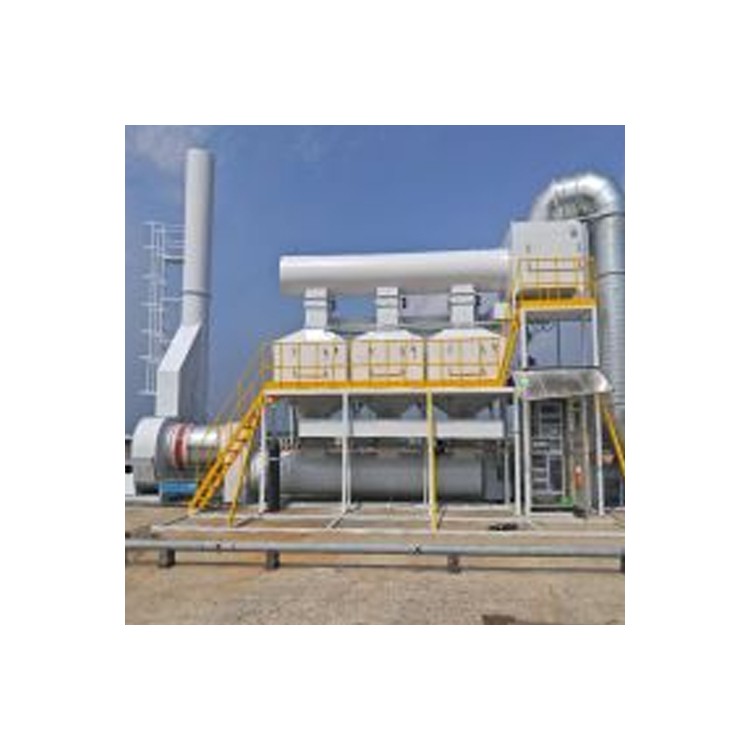
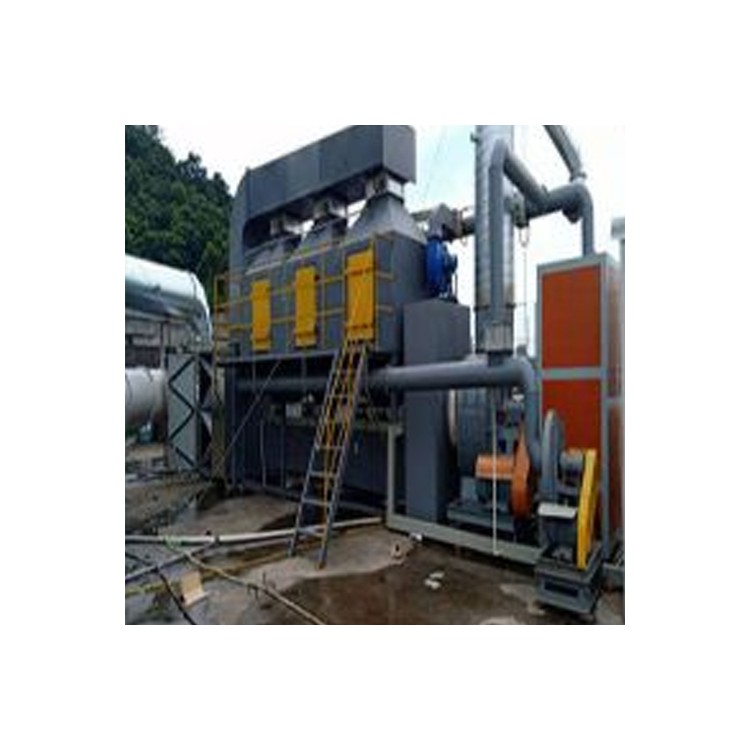







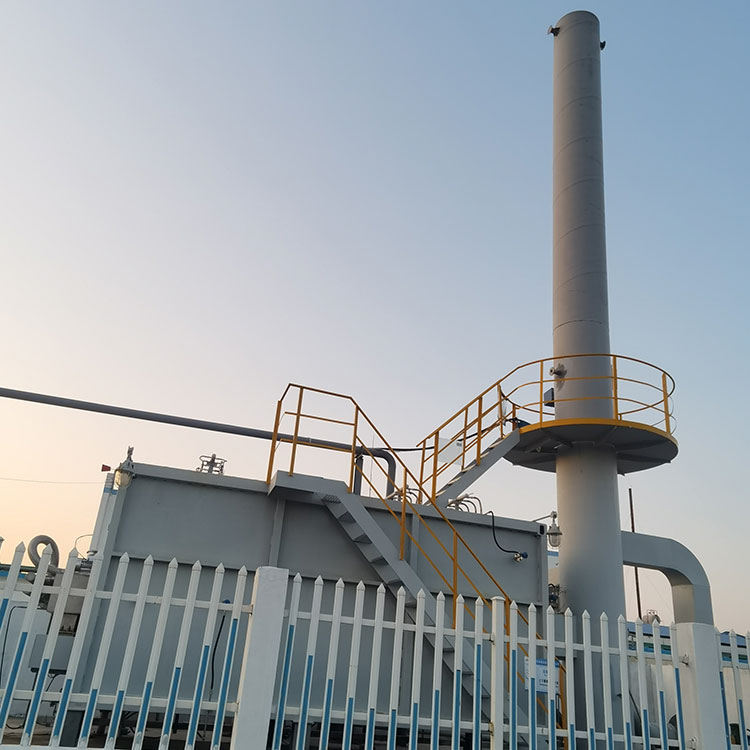
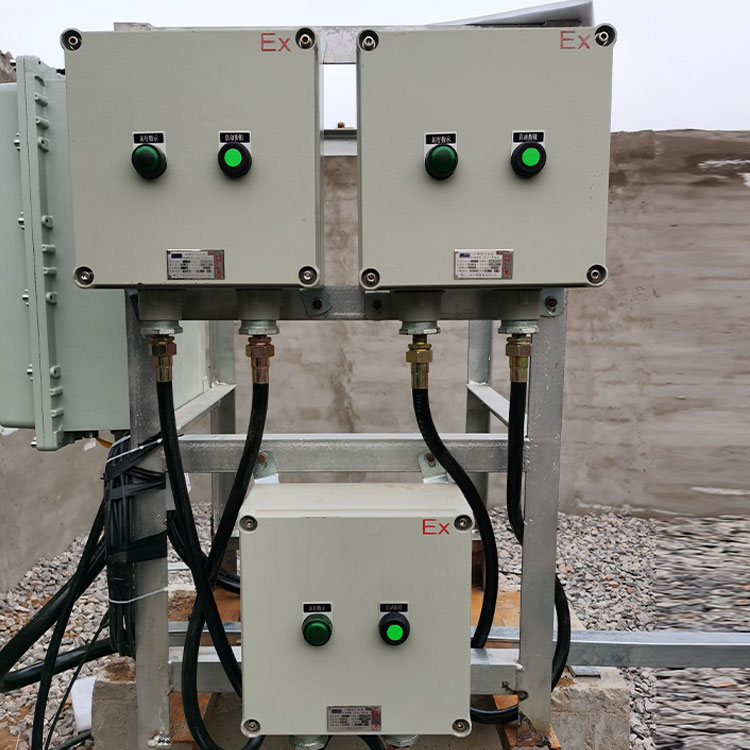

A incinerator is a furnace lined with high-alumina refractory material on the inner wall, equipped with oxygen enrichment ports around it to enhance the contact between exhaust gases and air. Light diesel oil stored in the diesel storage tank is transported through pipelines to the incinerator, ignited by an automatic ignition system, and the exhaust gas conveying system is activated. The exhaust gases are burned through burners, triggering rapid oxidation reactions. The incineration is designed according to the 3T principles (temperature, time, and swirl). After entering the incinerator, the combustion flame rotates around the main combustion cylinder of the furnace body at a speed of 2-3 meters per second and moves axially at the same speed, significantly extending the residence time of the exhaust gases in the high-temperature flame zone. The strong air velocity of 2-3 meters per second forms a dense, interlaced flame network, ensuring complete combustion of the flame swirl. The toxic and harmful components in the flue gas are then removed by a spray absorption tower before being released into the atmosphere through the chimney.