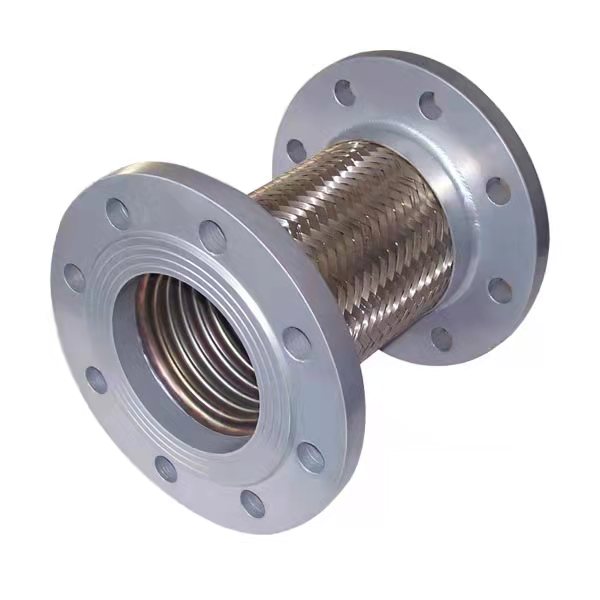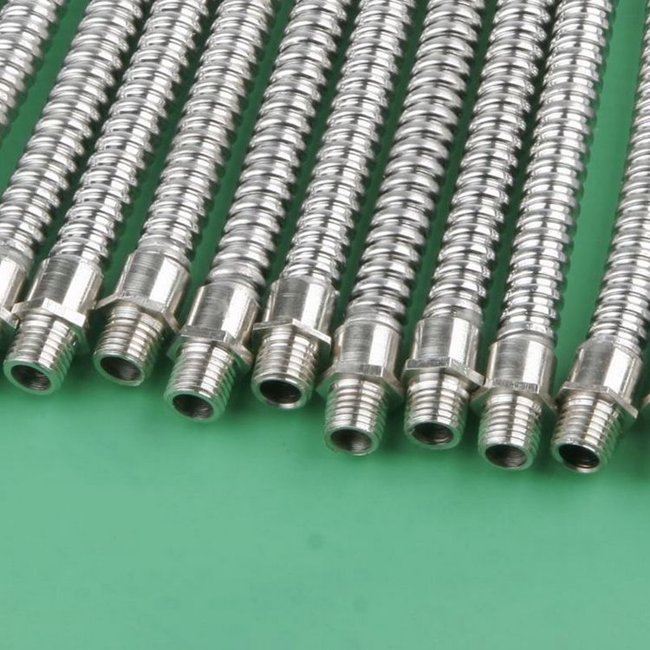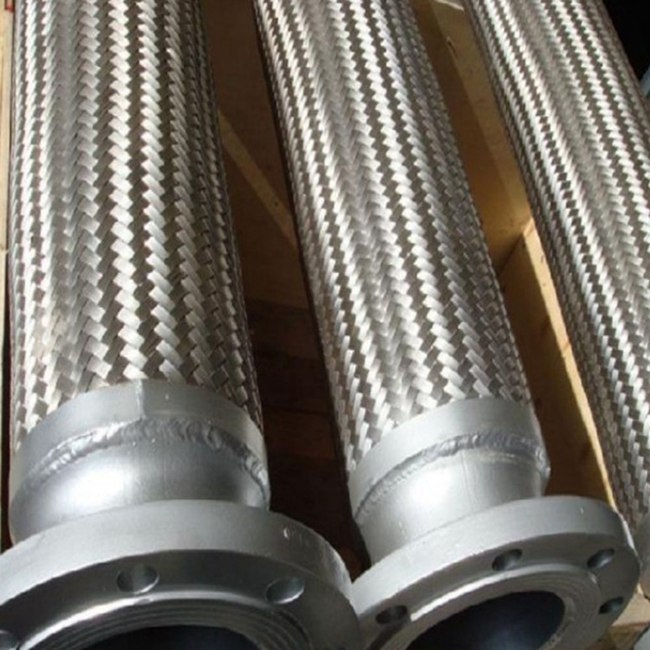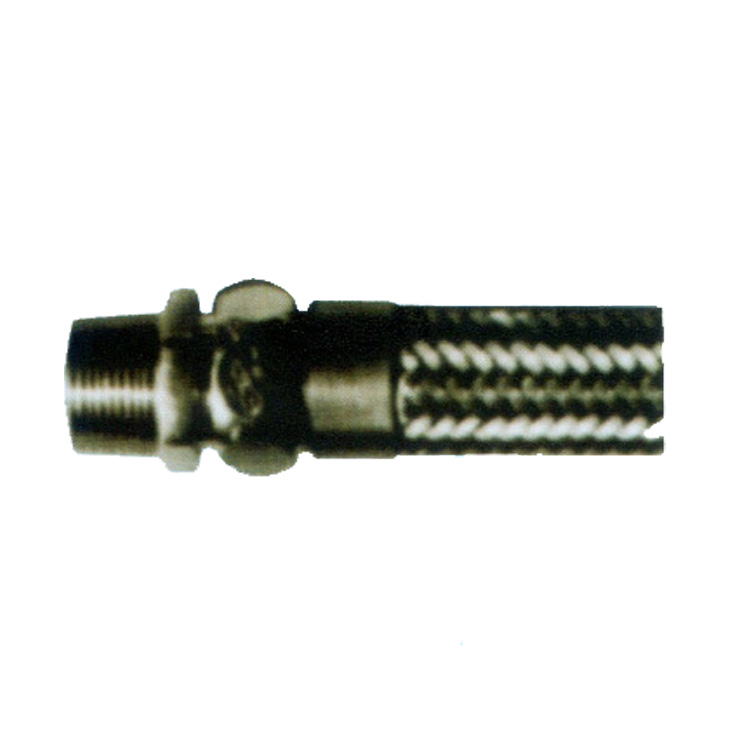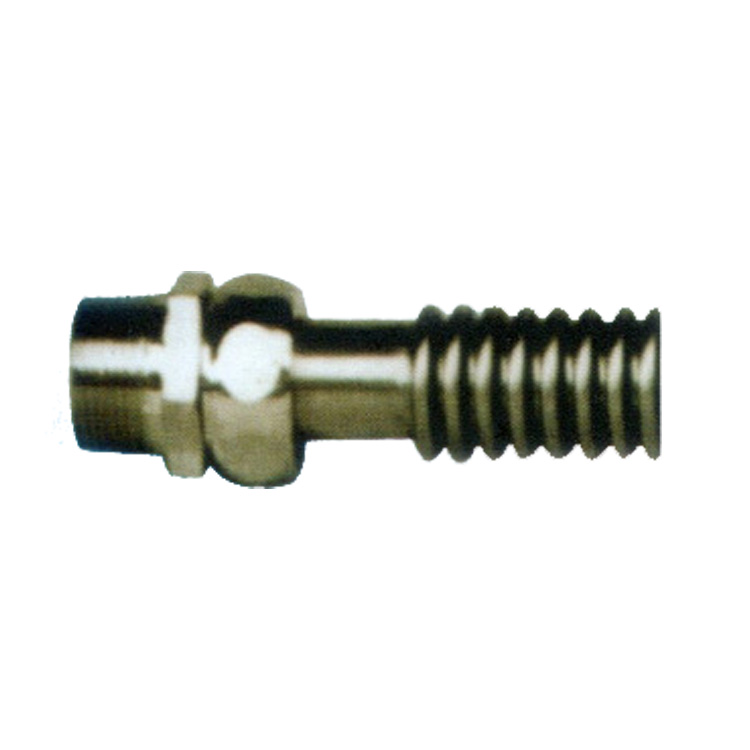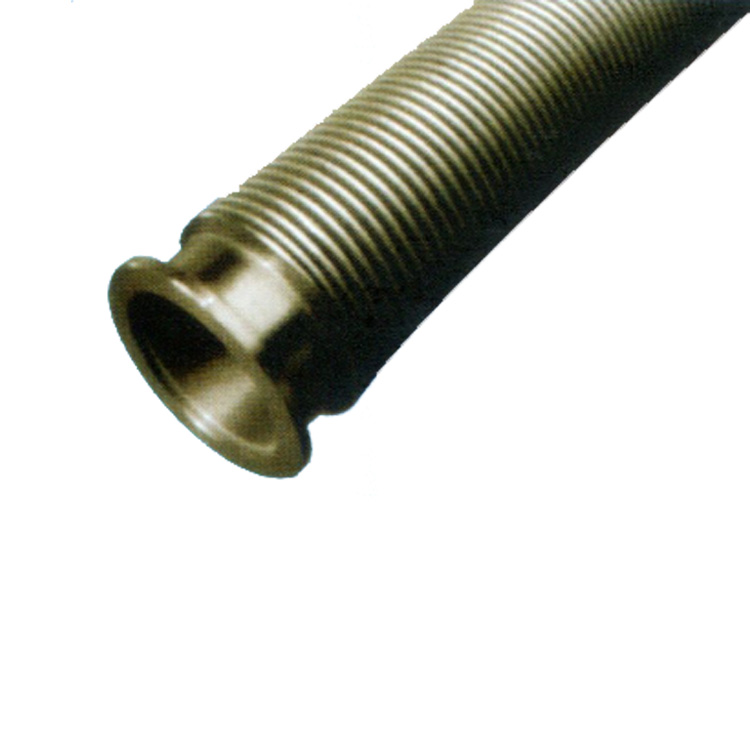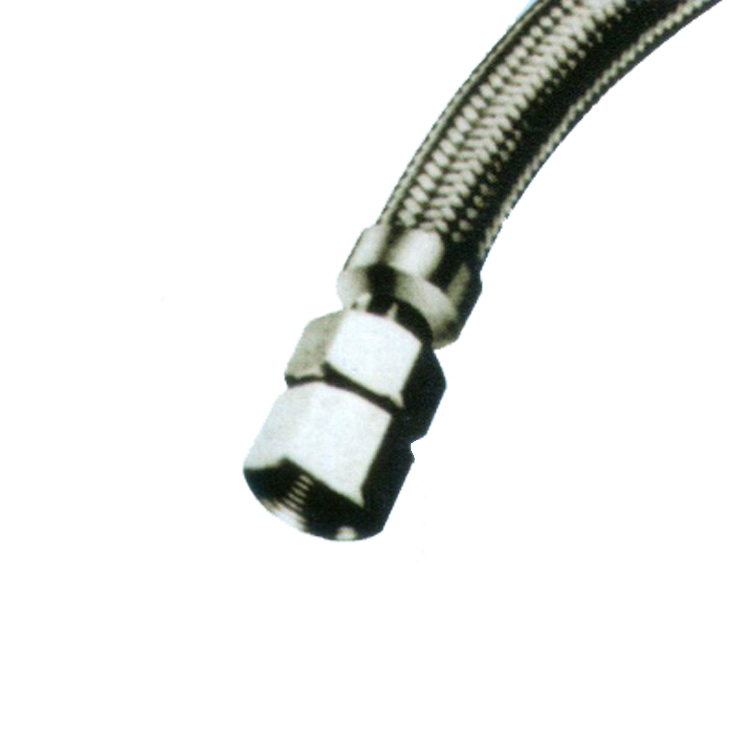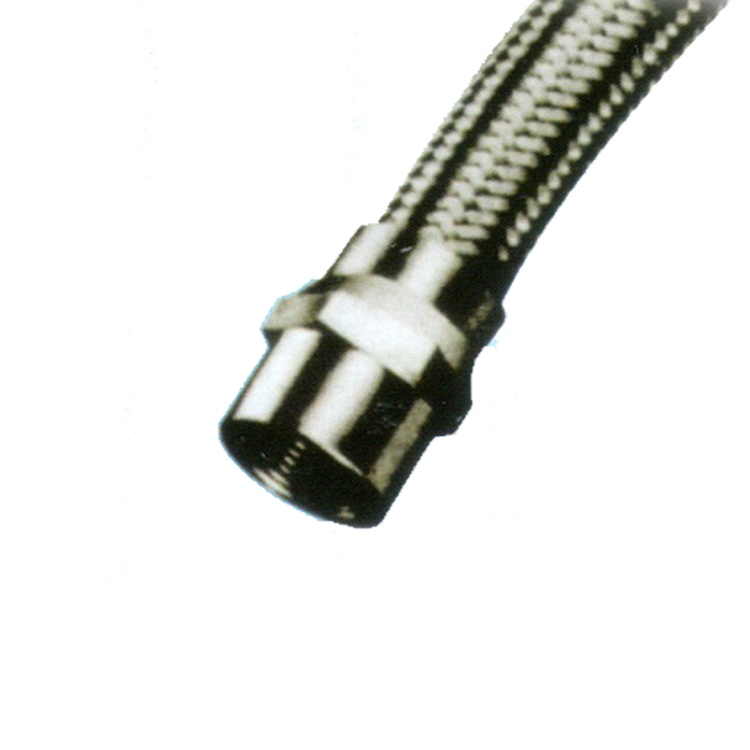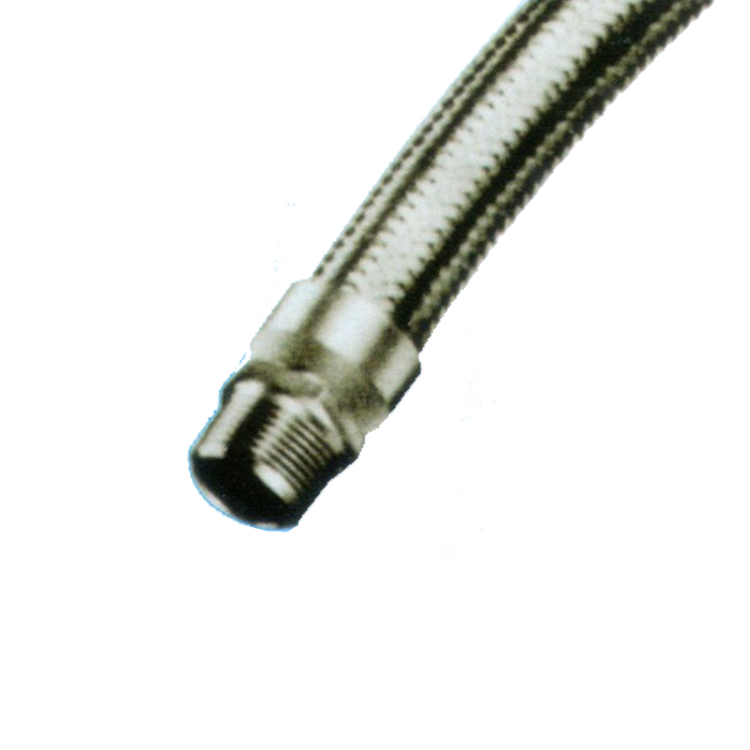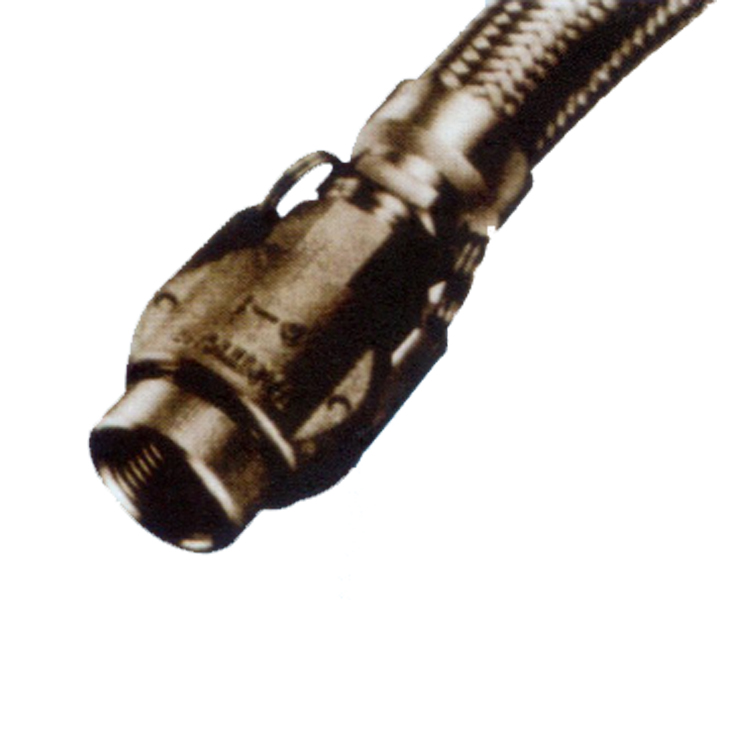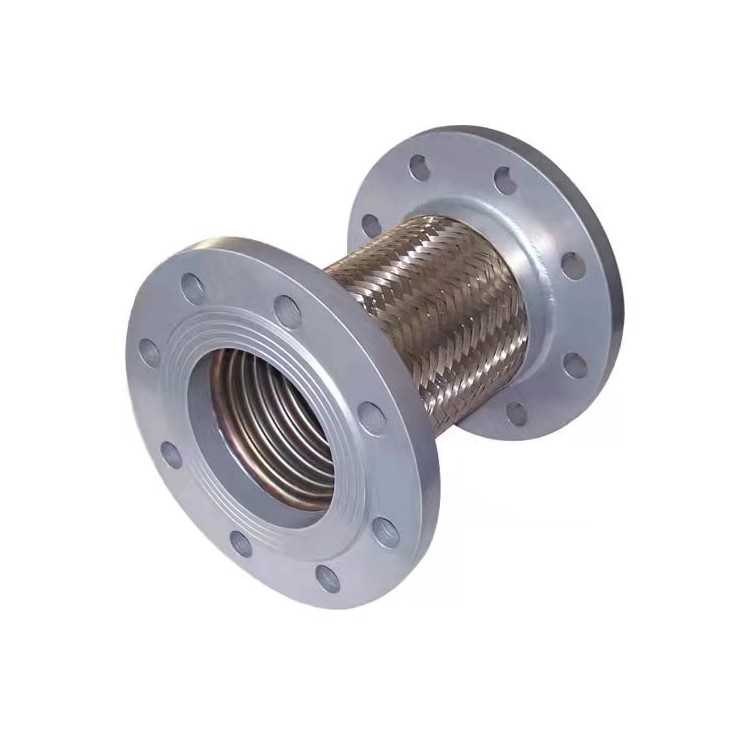

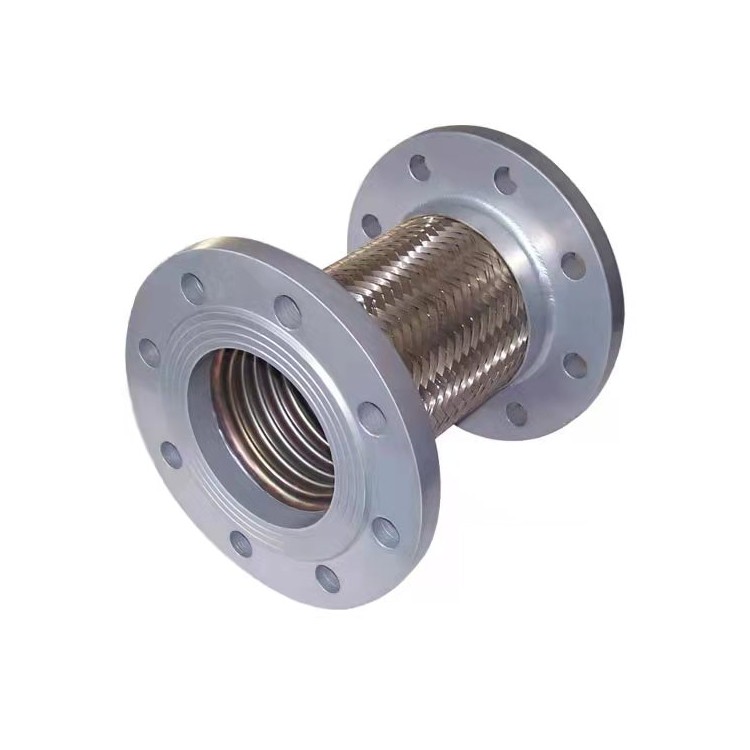

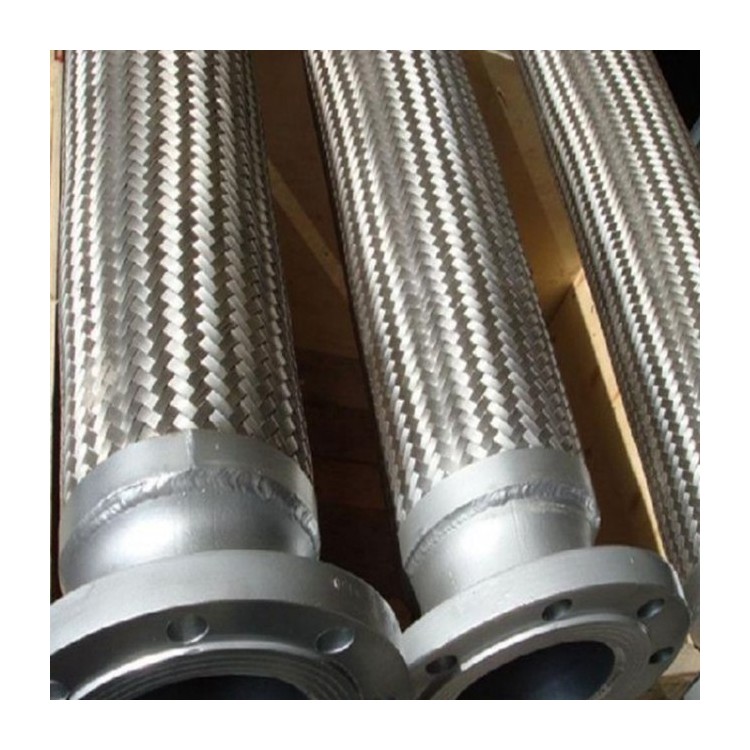


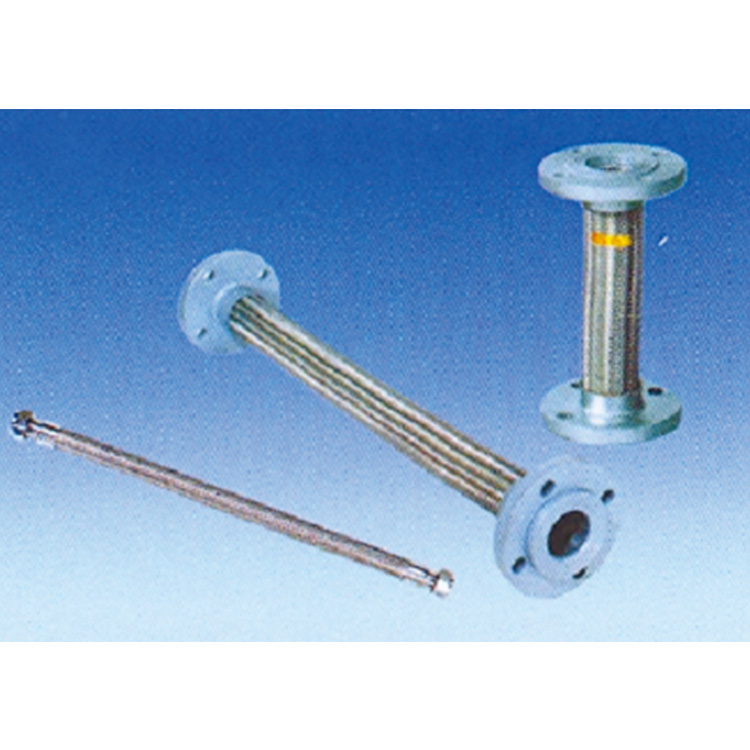
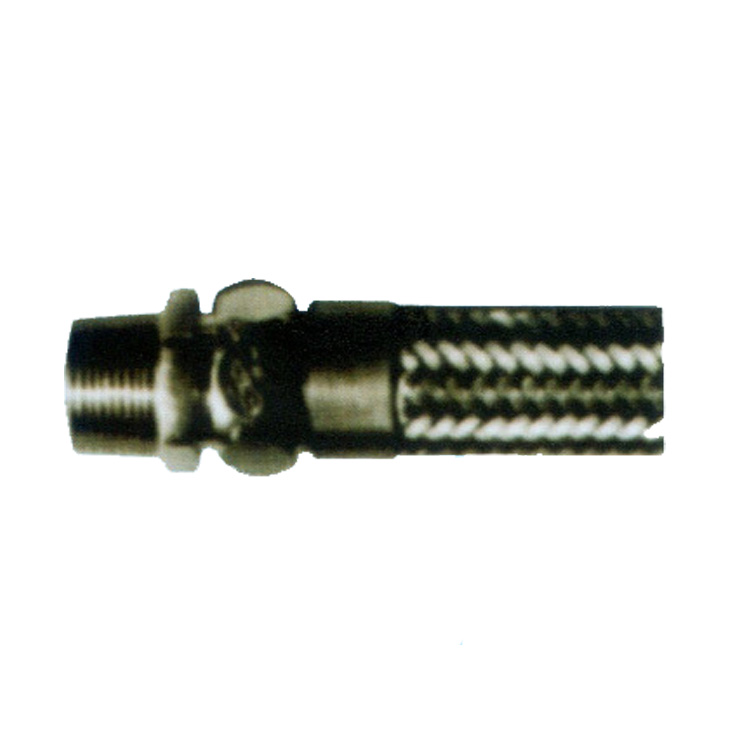
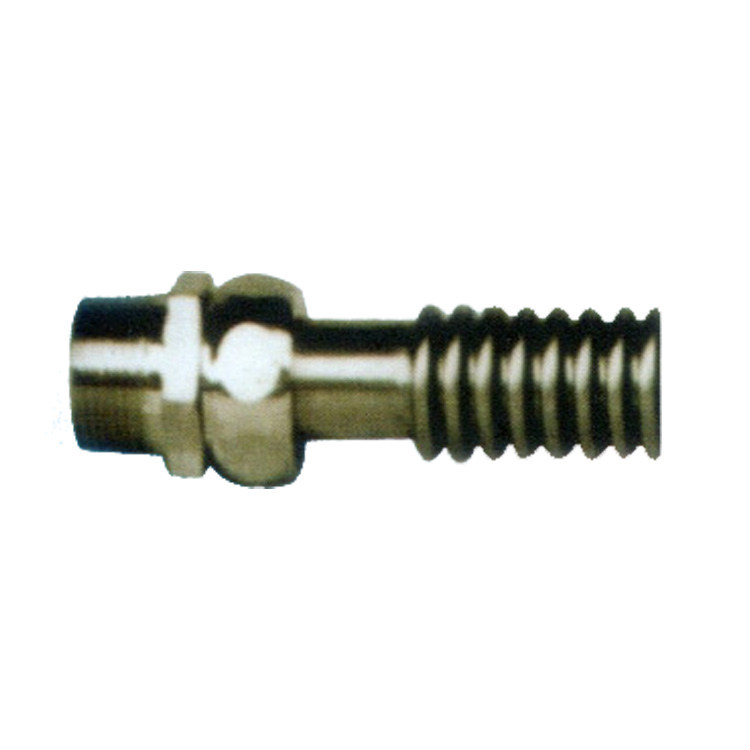
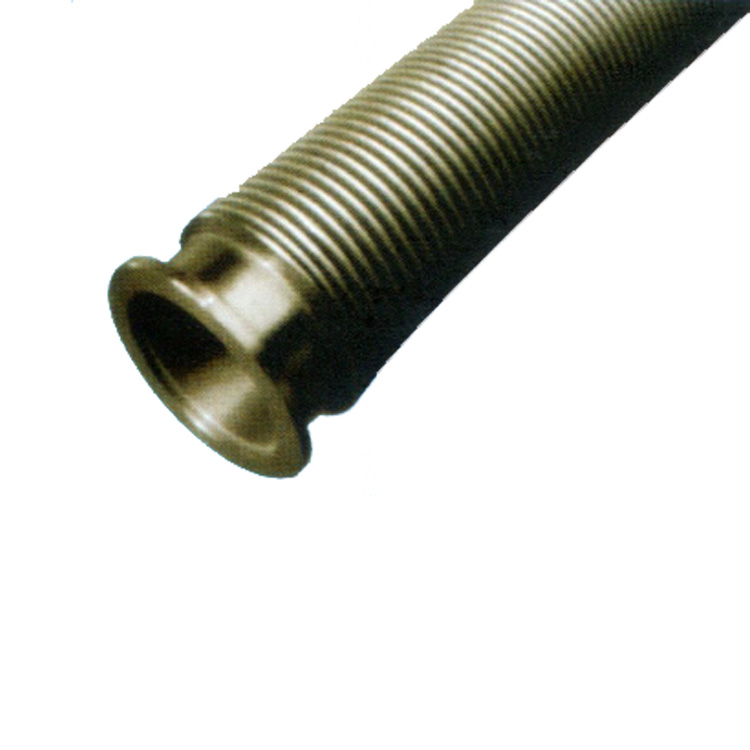





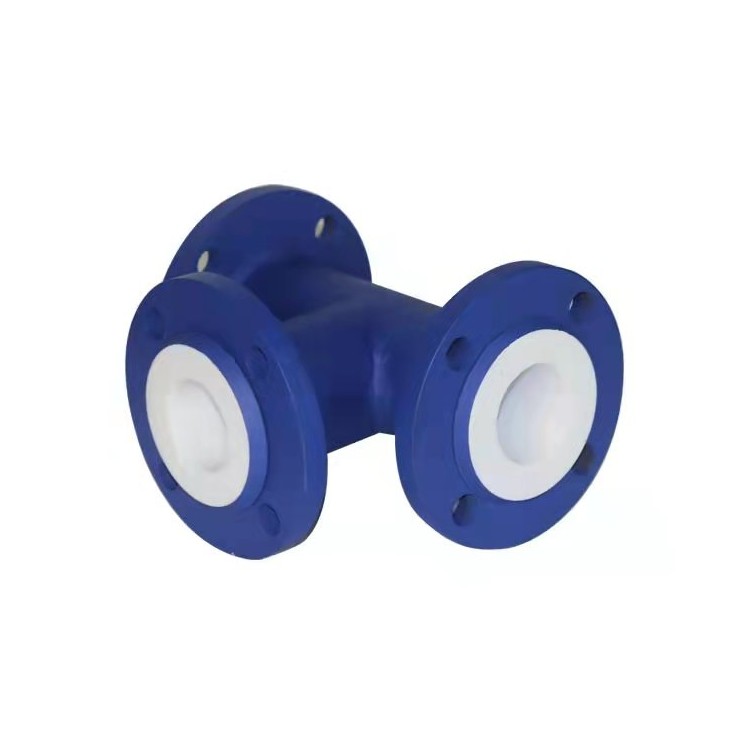
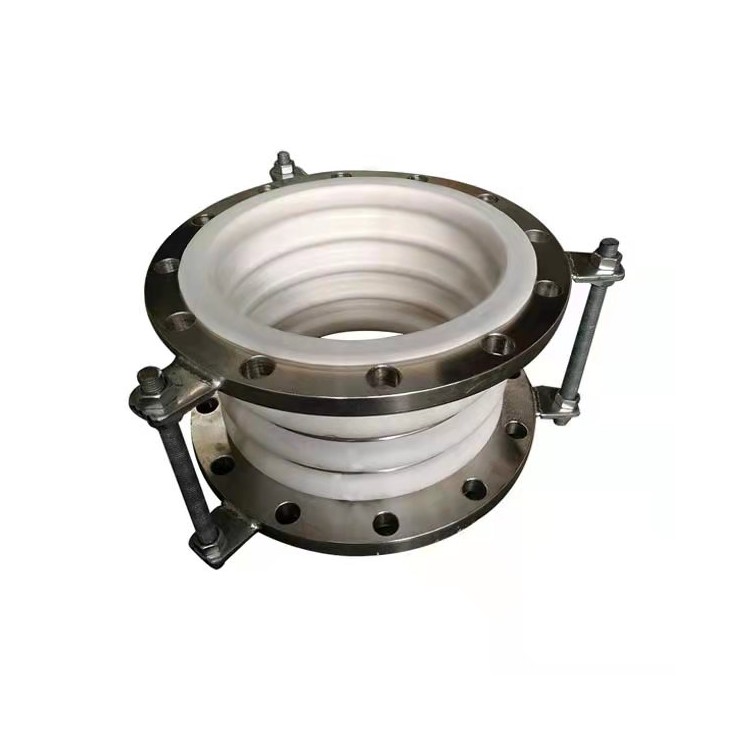
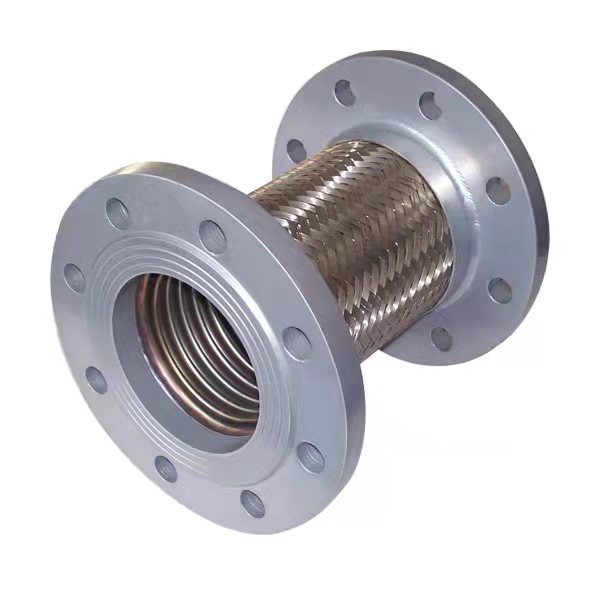
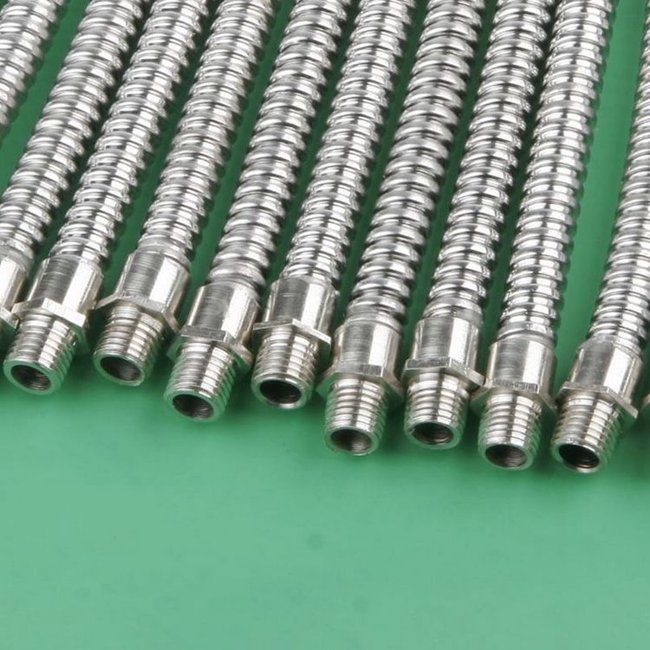
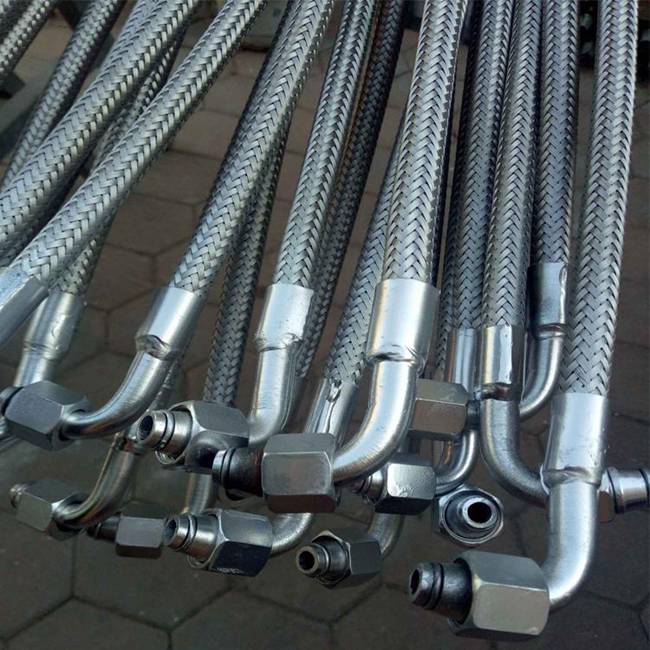
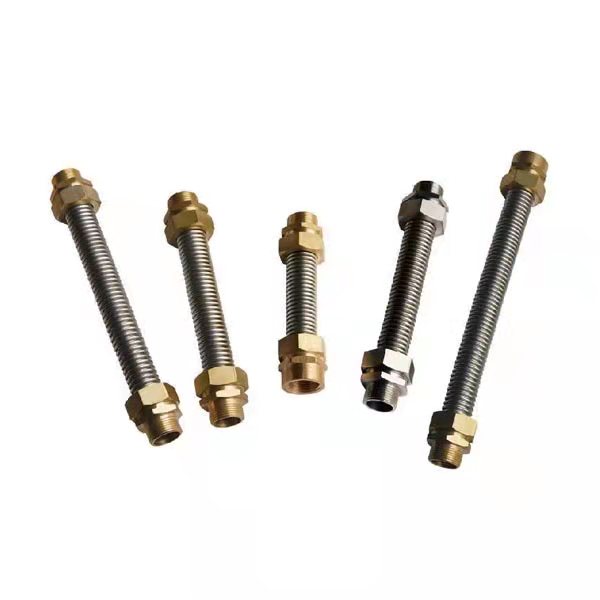
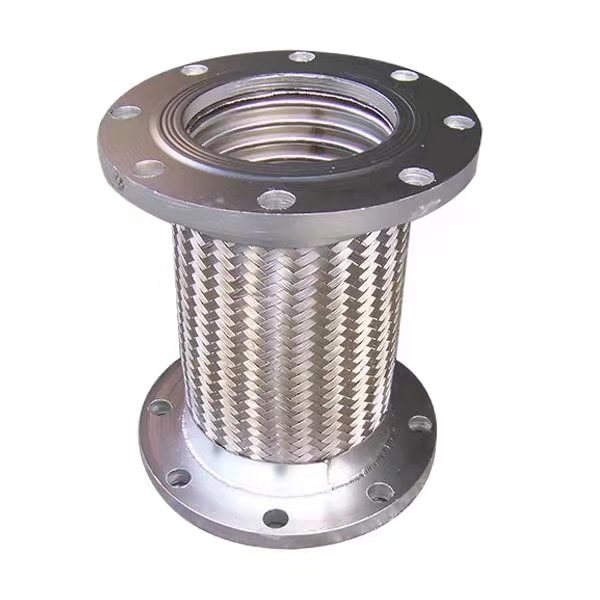
Metal flexible hoses are primarily composed of three main parts: the bellows, the mesh sleeve, and the connector. The bellows form the body of the hose and provide flexibility; the mesh sleeve serves to reinforce and shield; and the connector is for connecting purposes. Depending on different usage requirements, the methods of interconnection vary: the bellows, mesh sleeve, and connector are connected by welding, known as the welded type; by mechanical clamping, known as the mechanical clamp type; and, in addition, there's a hybrid type that combines both methods.
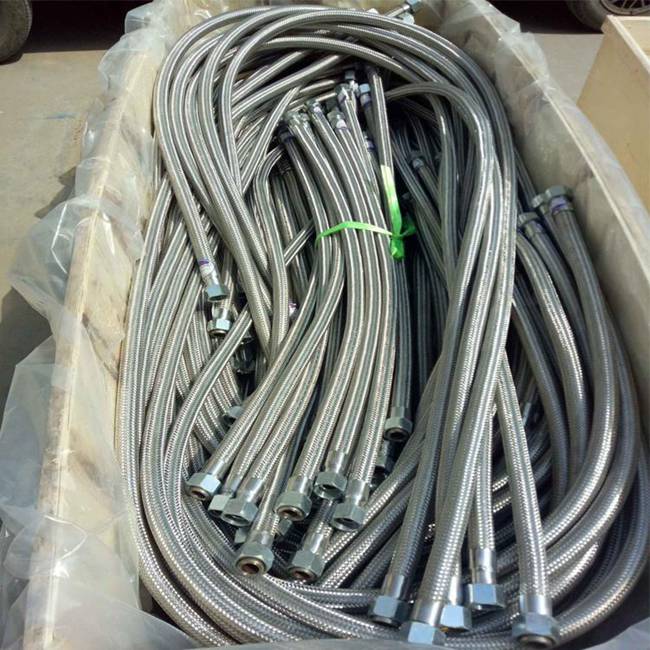
Metallic flexible hoses include oil and gas suction hoses, steam hoses, sandblasting hoses, acid and alkali suction hoses, food-grade hoses, oxygen blowing hoses, and various special-shaped hoses. They are widely used in industries such as machinery, chemicals, petrochemicals, metallurgy, and food processing.
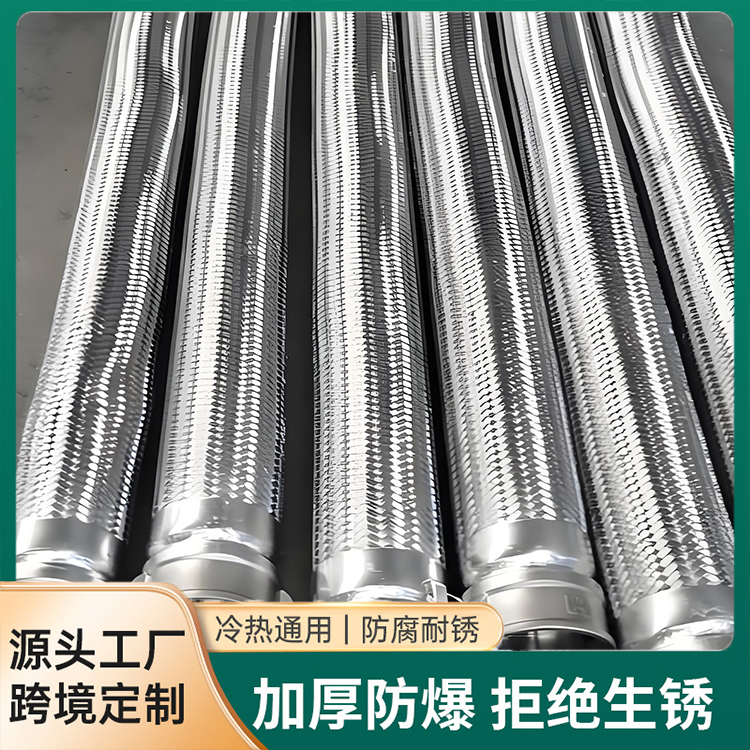
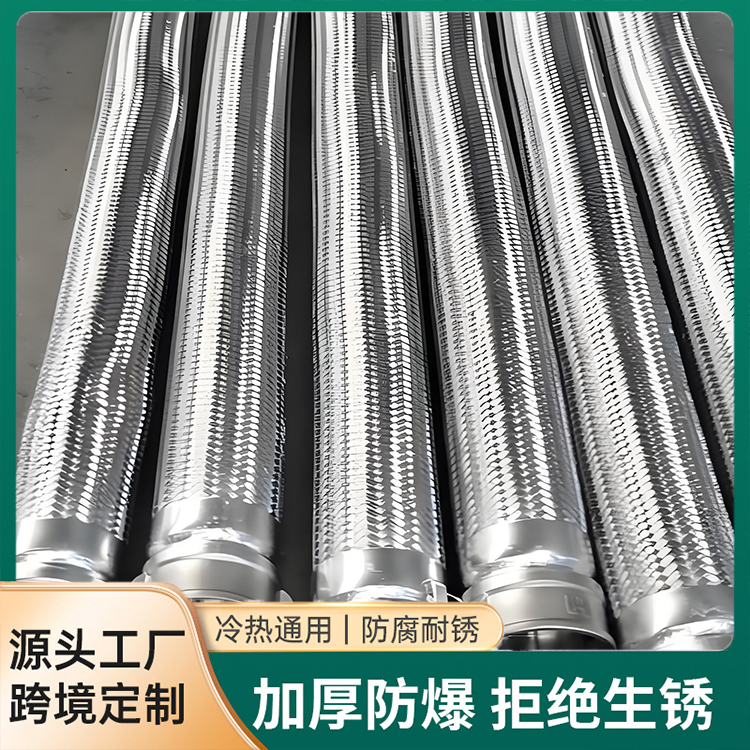
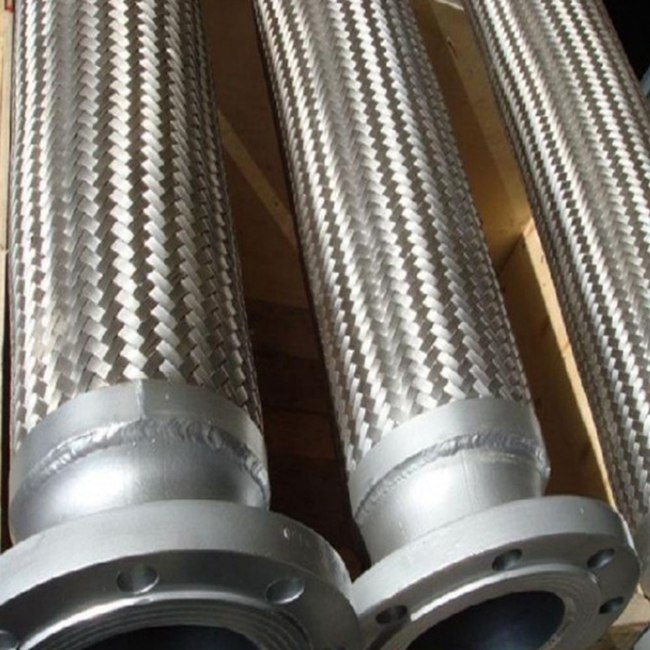
What is the pressure range of a pressure-resistant metal hose: The pressure range of the hose is generally PN0.6-32.0 MPa, up to 42.0 MPa. The metal hose is the main pressure-bearing component installed in the pressure pipeline and also serves as a sheath for the bellows. Depending on the pressure within the pipeline and the application site, you can choose to weave with one or multiple layers of stainless steel wire or steel strip.

.jpg)