










I. Overview
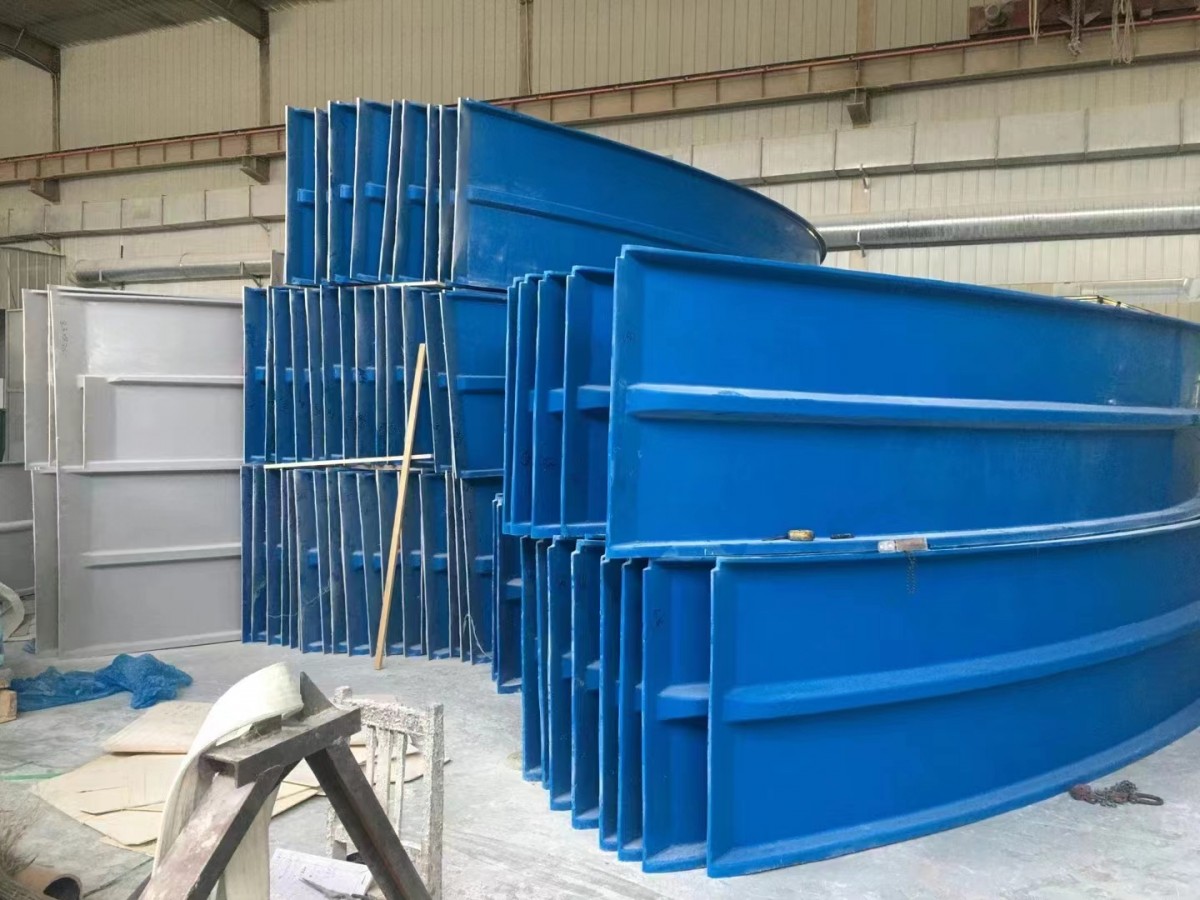
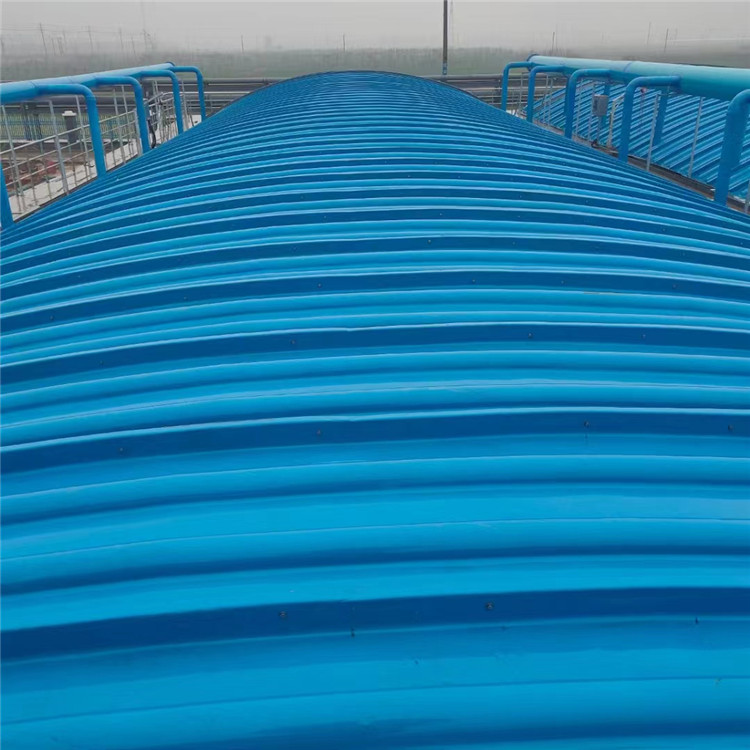
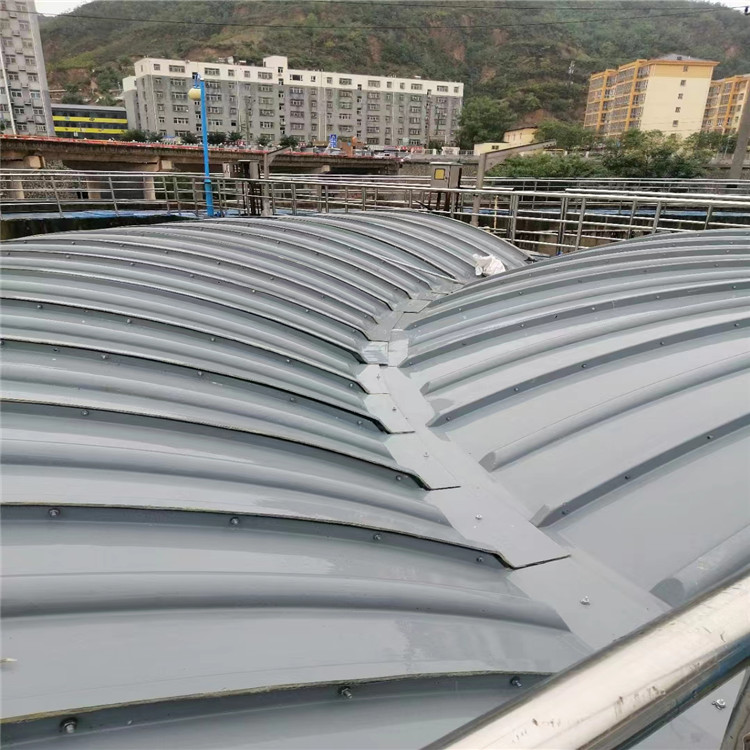
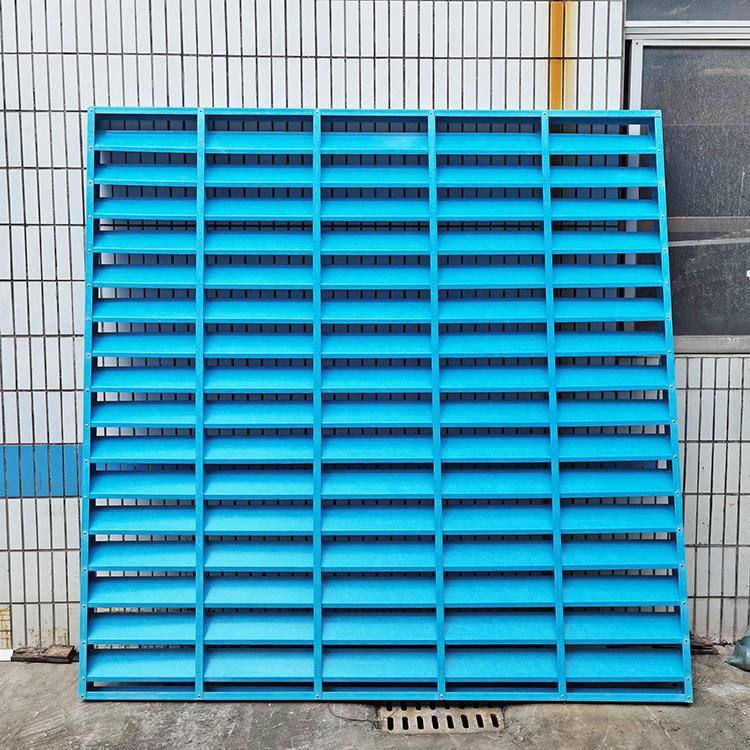
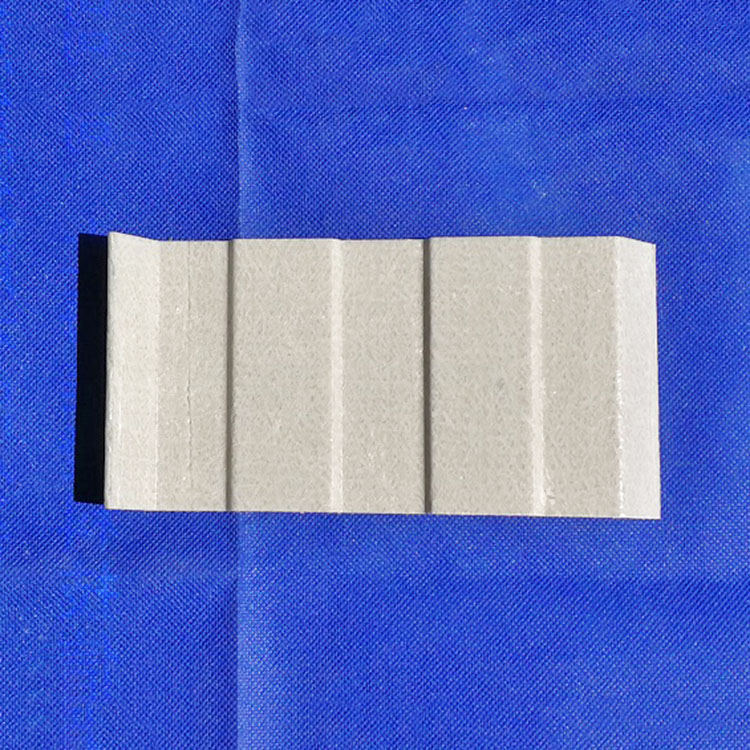
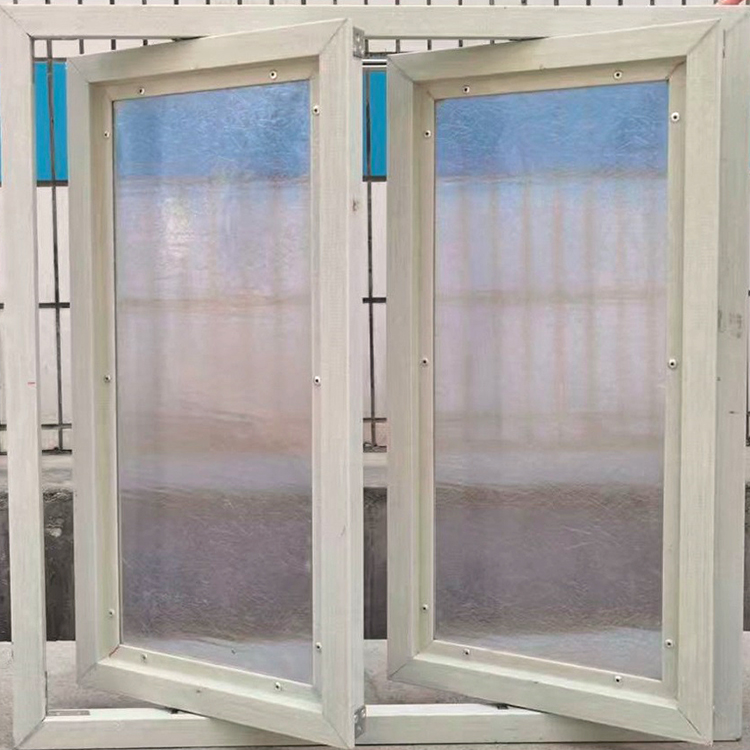
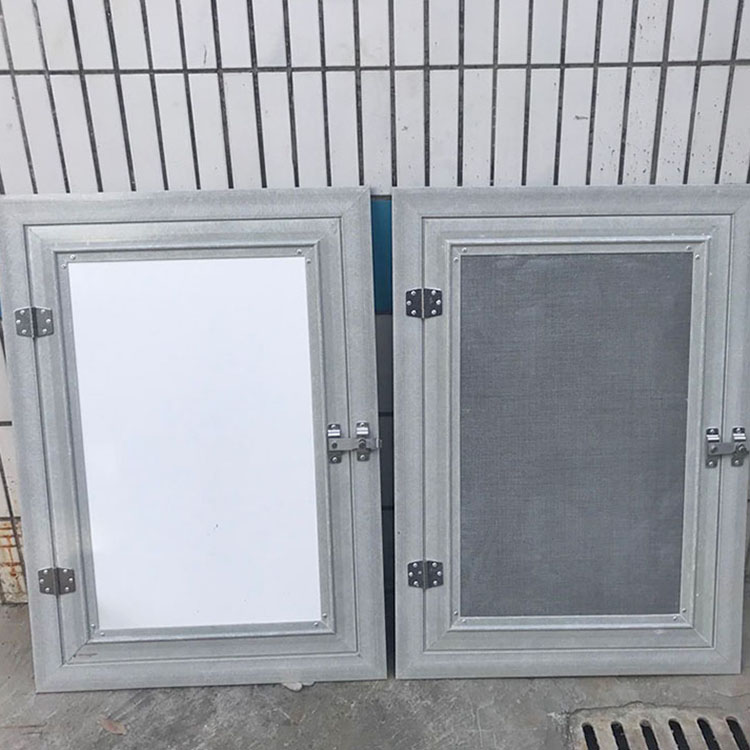
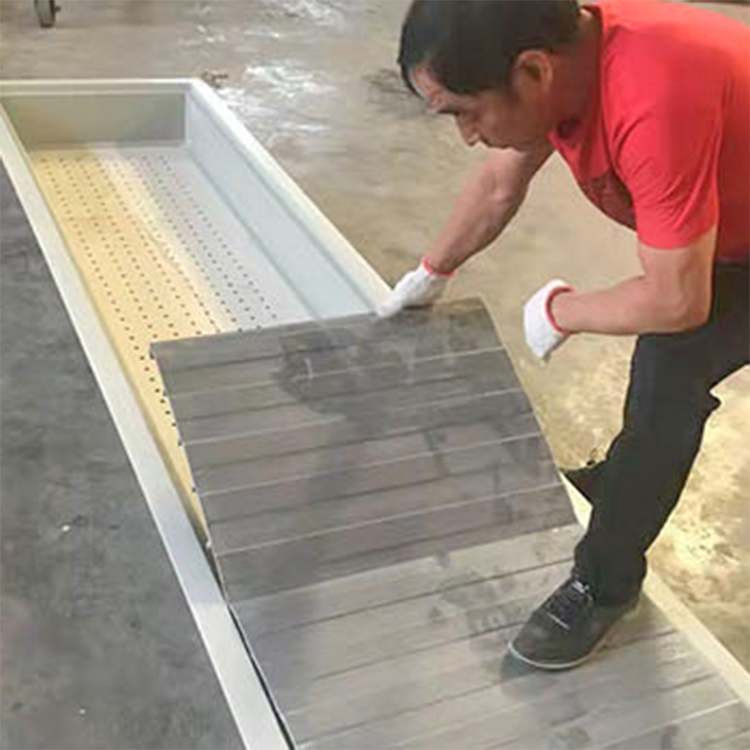
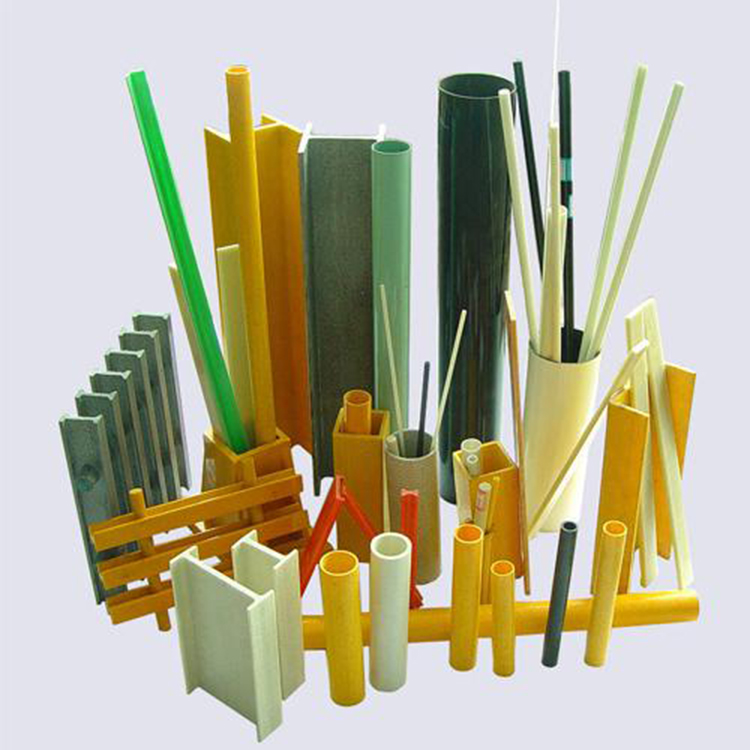
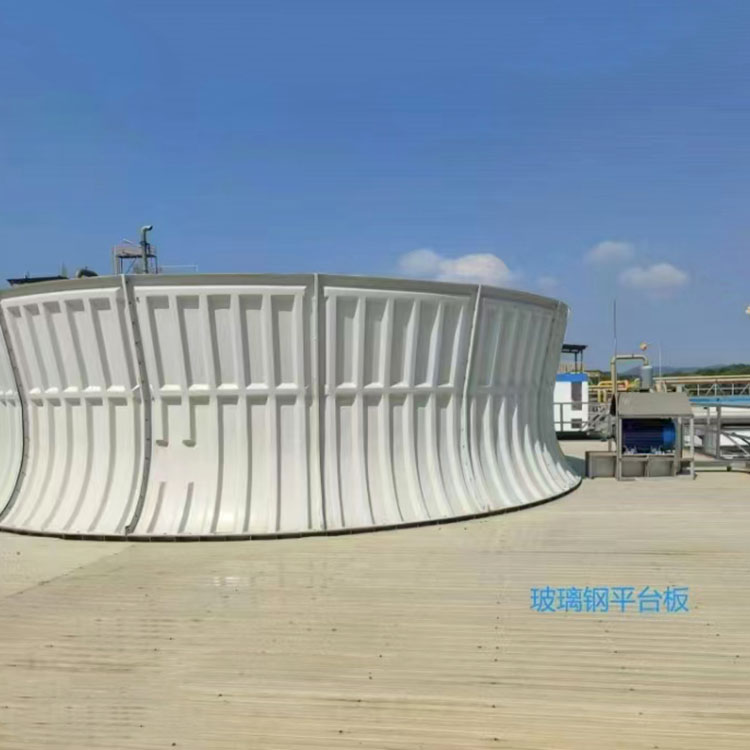
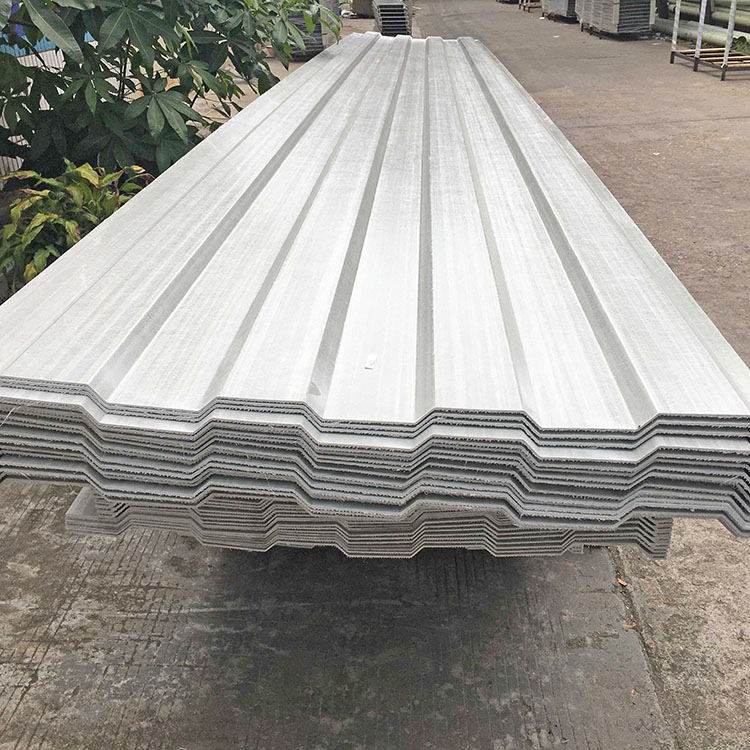
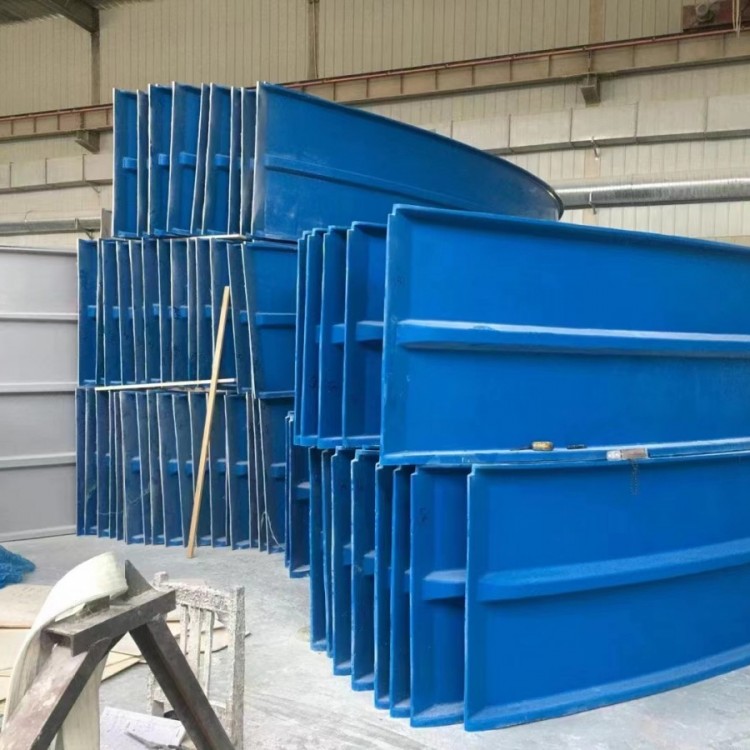
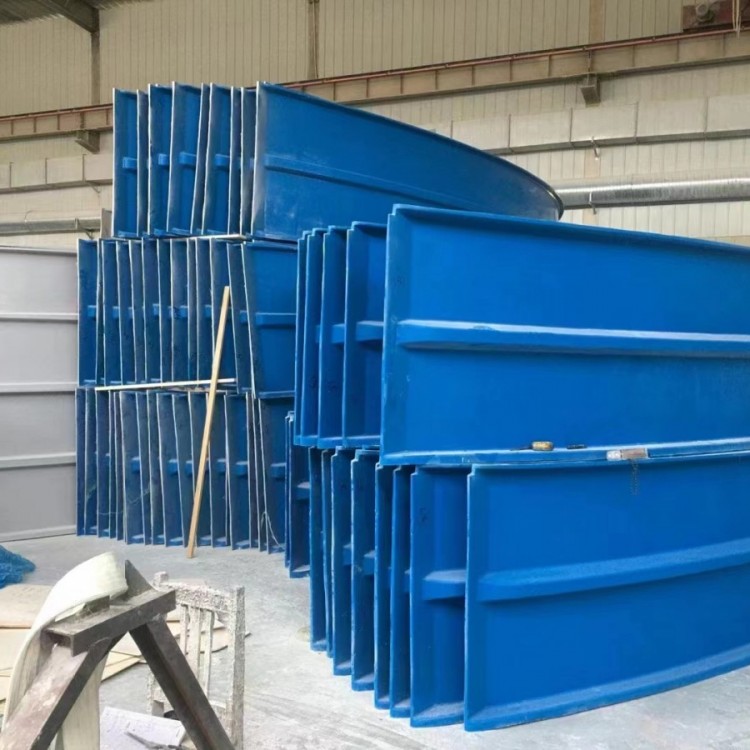
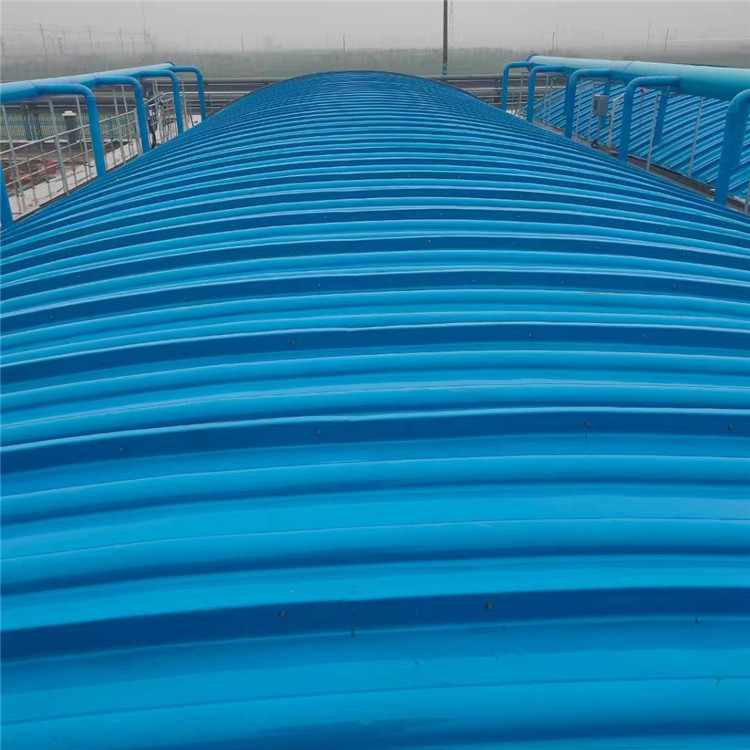
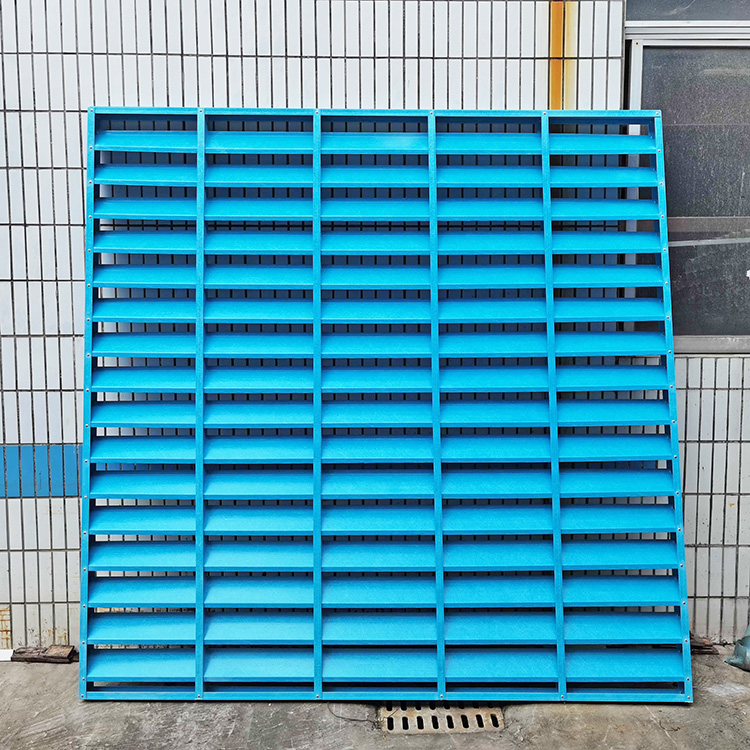
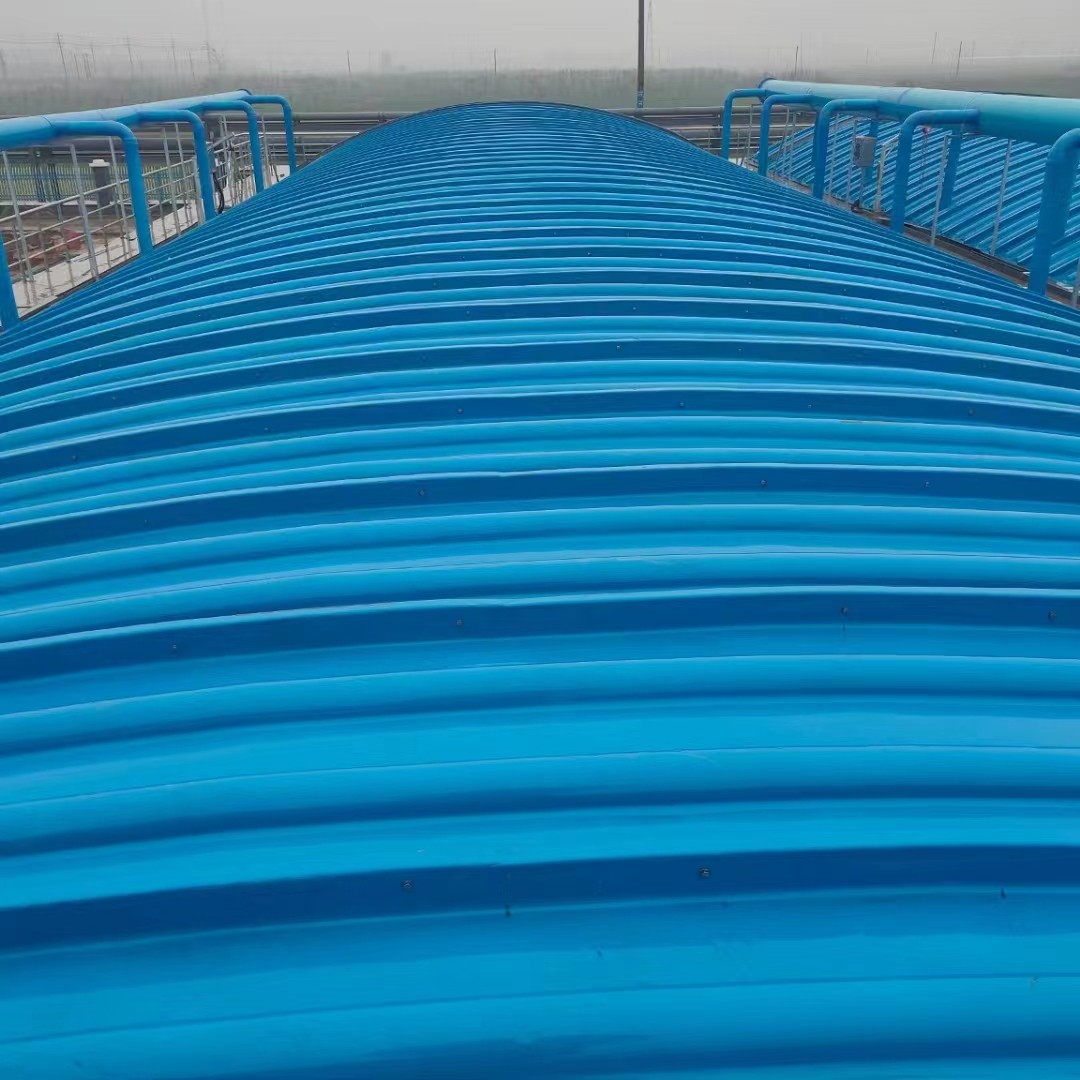
Glass fiber reinforced plastic (GFRP) odor control lids are primarily used in sewage treatment engineering and petrochemical industries. Due to the characteristics of GFRP such as corrosion resistance, lightweight yet high strength, resistance to aging, design flexibility, ease of installation, and long service life, GFRP lids have been widely applied in modern social development. They can be customized into arched lids, flat lids, and other shapes according to the user's requirements and the dimensions of the sewage pool. The color can also be tailored to meet various needs.
II. Features:
Sealant for wastewater ponds and oxidation ditches to prevent odor emission. Equipped with exhaust ports on the lid, odors are channeled out through pipes to an odor control unit.
III. Structure and Features
1. The lid is divided into smaller sections for easy manual handling and removal.
2. The individual lids should be sealed together and to the top surface of the pool to prevent odor leakage.
3. Excellent Corrosion Resistance: All resins are of high-quality, corrosion-resistant types.
4. Excellent Insulation Performance: Due to the low thermal conductivity of glass fiber reinforced plastic, this glass fiber reinforced plastic equipment can achieve good insulation performance without additional insulation structure.
5. Lightweight and High-Strength, Easy to Install: Glass fiber reinforced plastic products have a density only 1/3 to 1/4 of steel, yet offer exceptional strength. Consequently, transportation and installation of glass fiber equipment are extremely convenient.
6. Low operational and maintenance costs: Glass fiber products inherently possess excellent corrosion resistance, eliminating the need for regular anti-corrosion treatments and other maintenance for metal products. It is apparent that this significantly reduces maintenance costs during equipment operation.
Four: Installation, Operation, and Maintenance:
1. Glass fiber odor-proof cover panels, which can be installed on-site by our company according to local conditions, or the customer can install them independently.
2. Concrete foundations shall be constructed according to the foundation size drawings provided by our company.
3. After equipment installation is complete, first use water or air to replace the odor for circulation debugging. After 4 hours of normal operation (without any pipeline leakage, dripping, clogging, or other phenomena), then proceed to the regular operation.
4. Regularly inspect and maintain pumps, valves, pipelines, and fittings to ensure proper equipment operation.