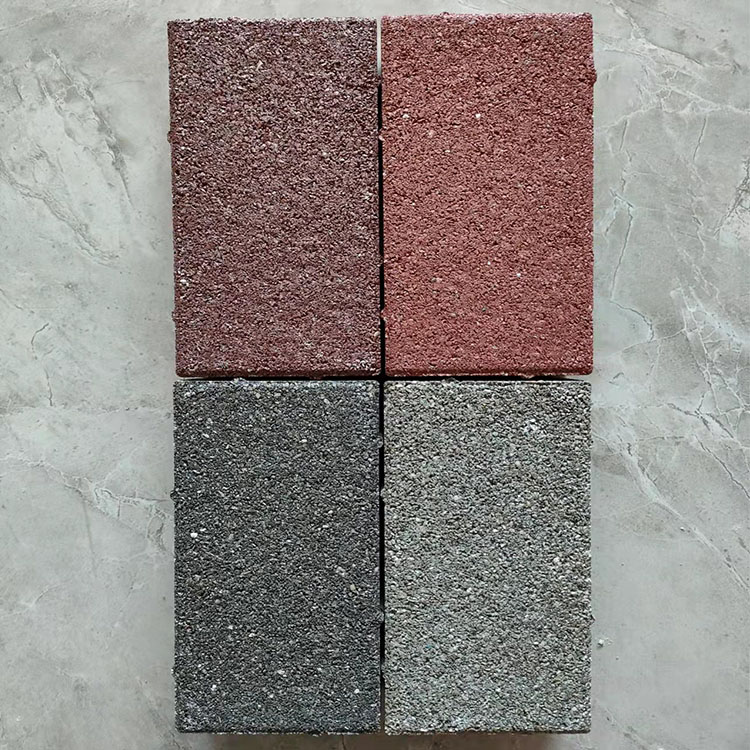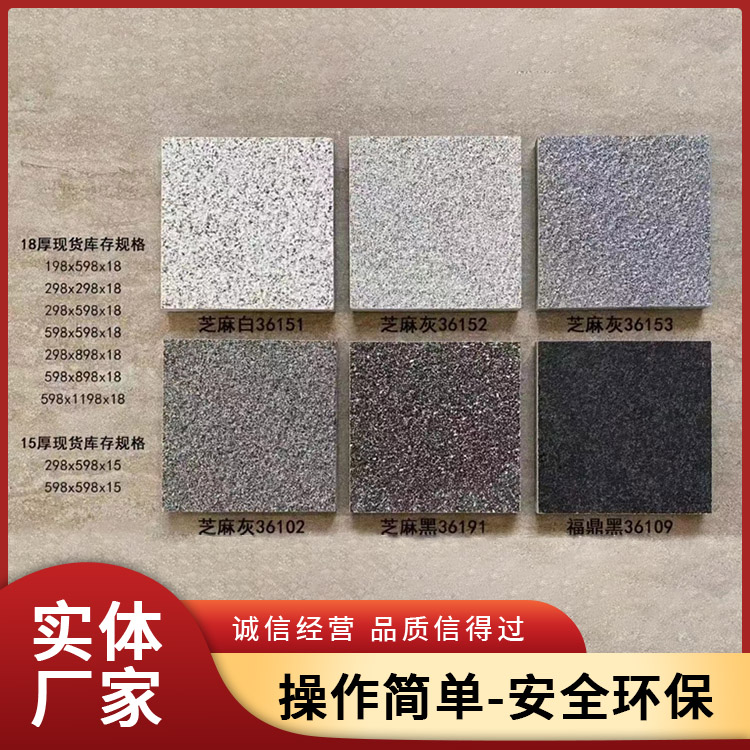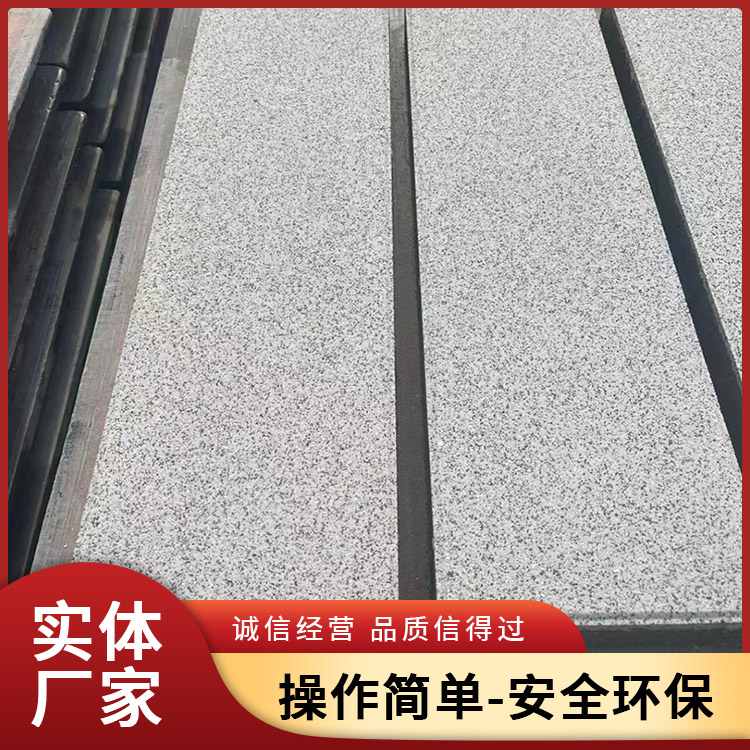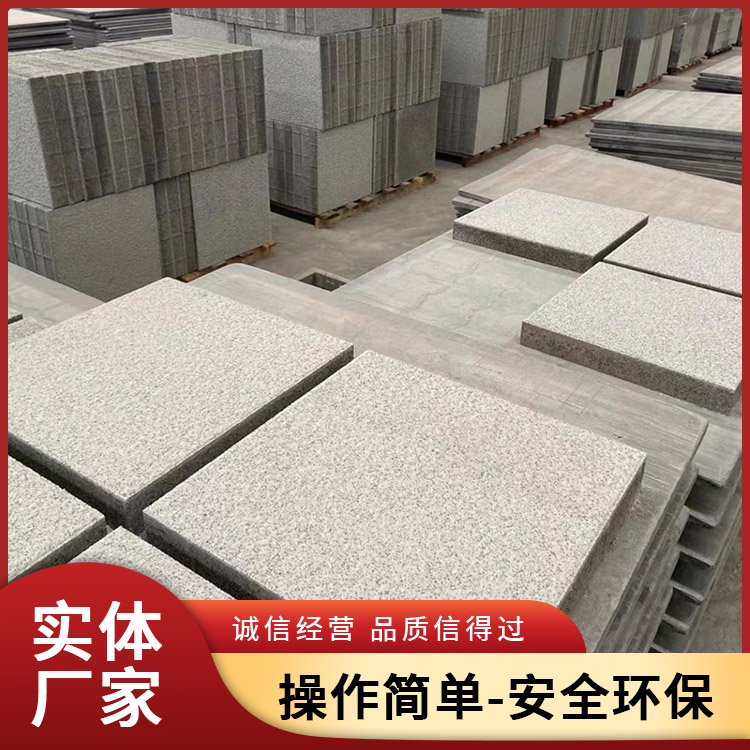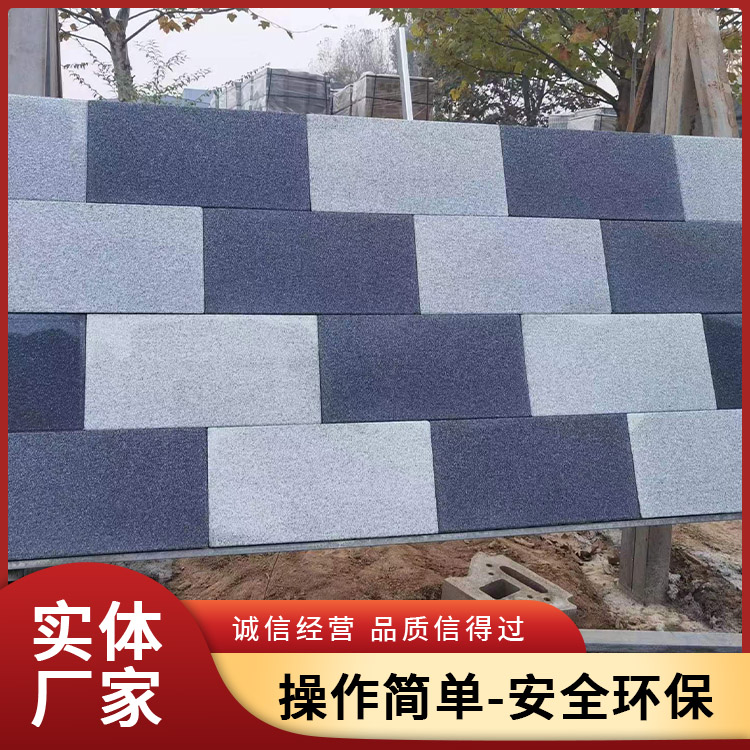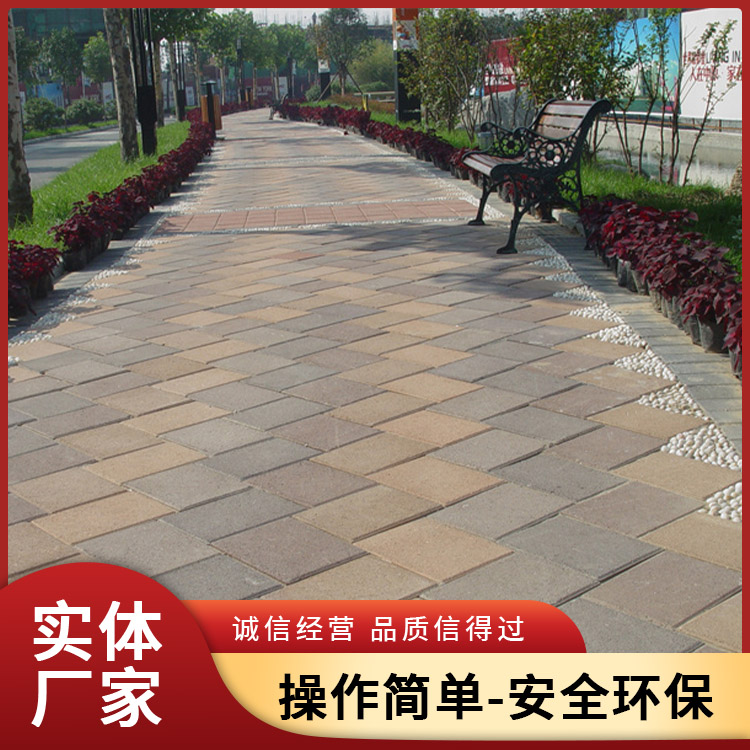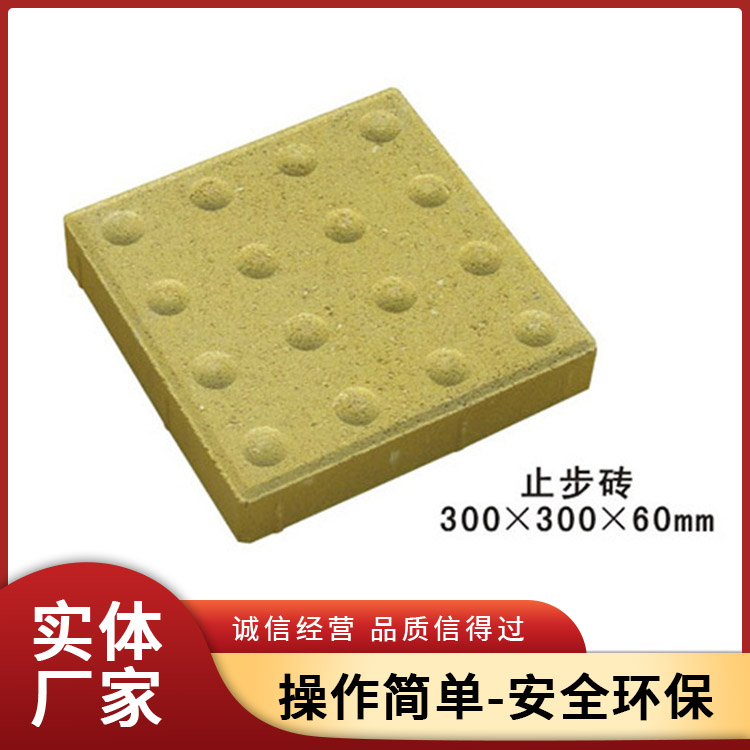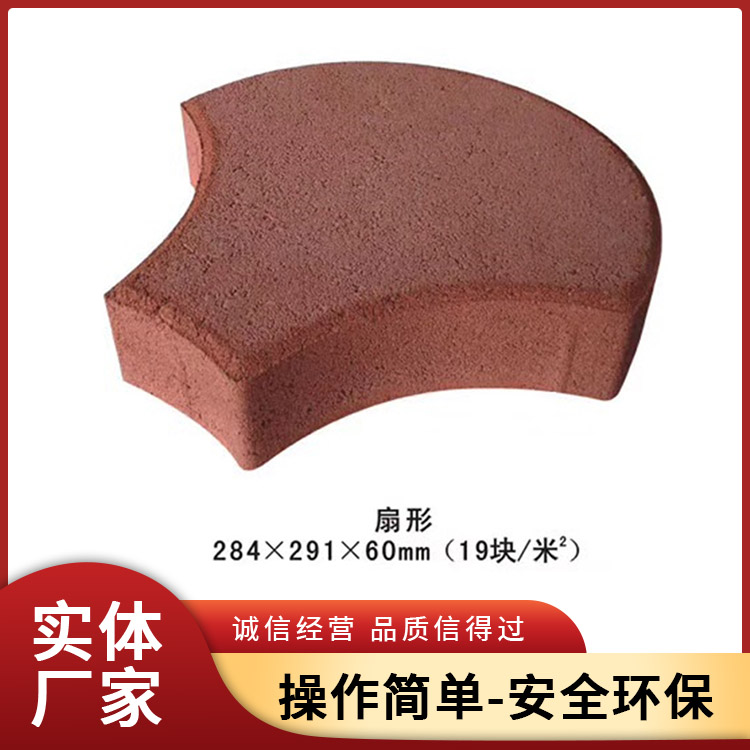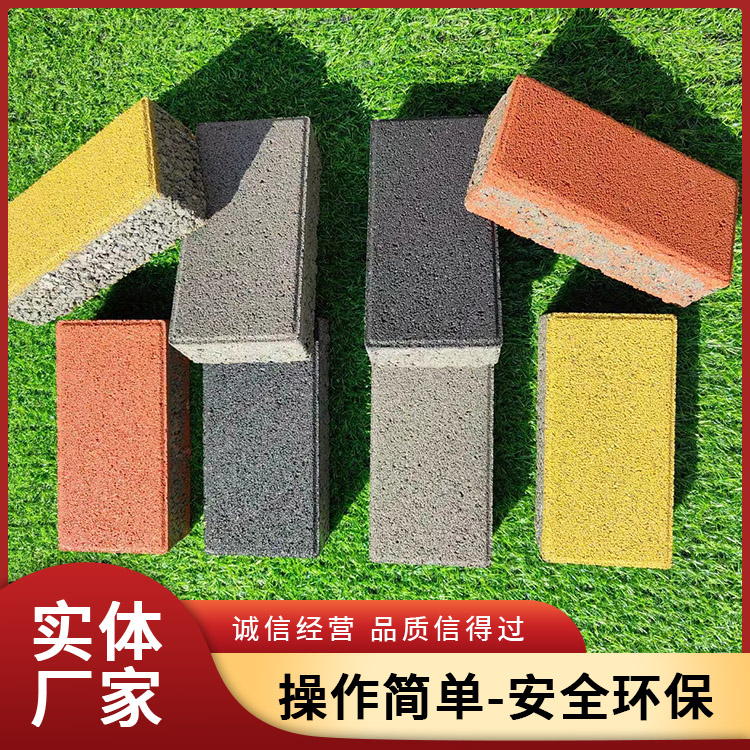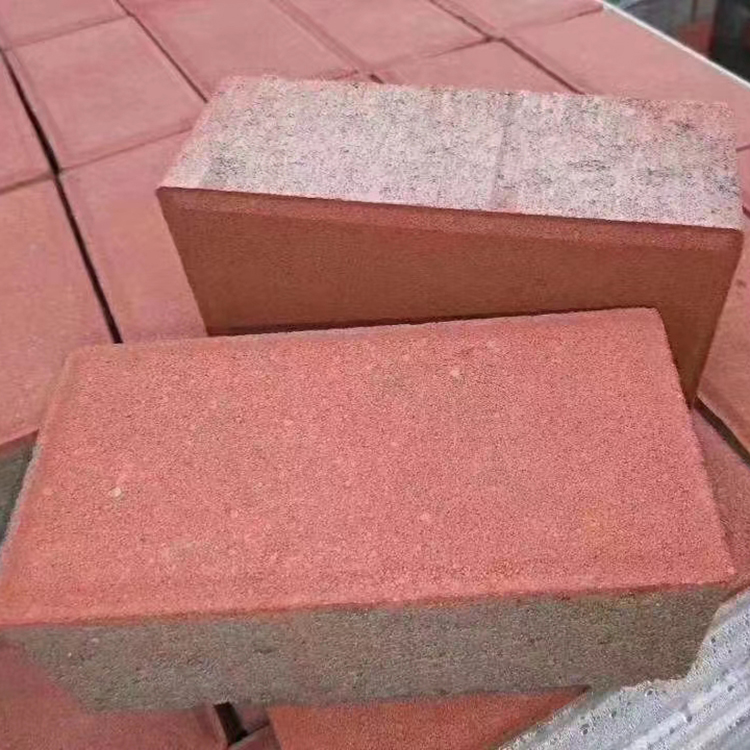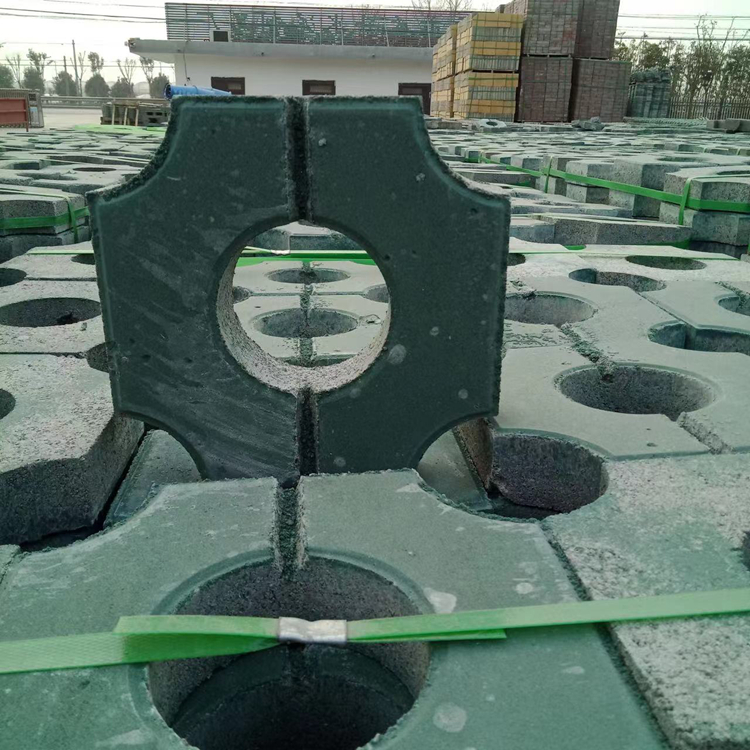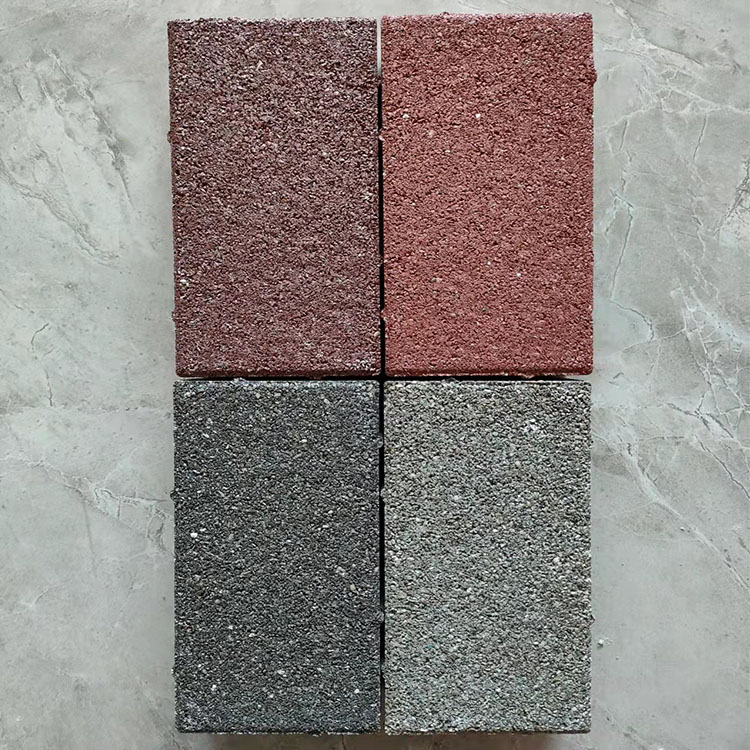

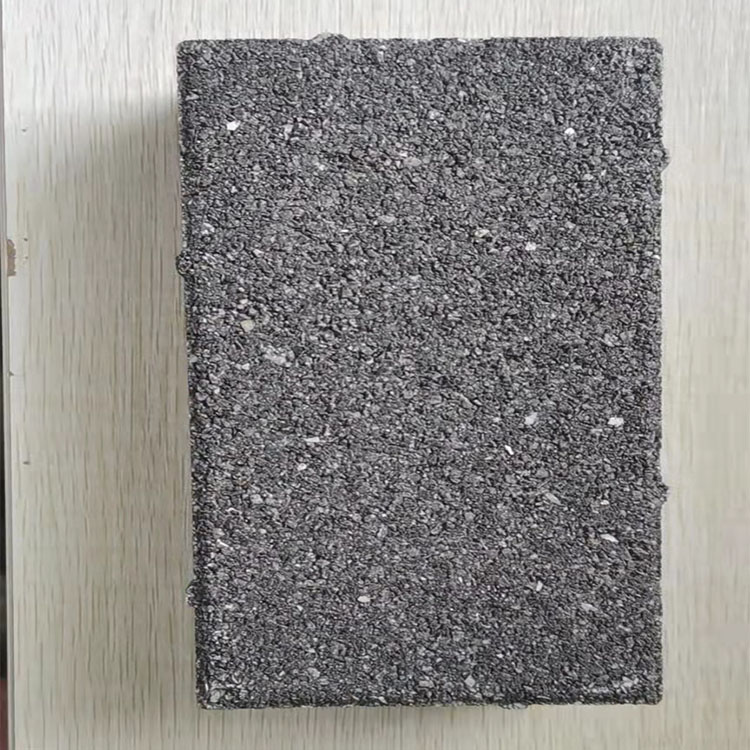


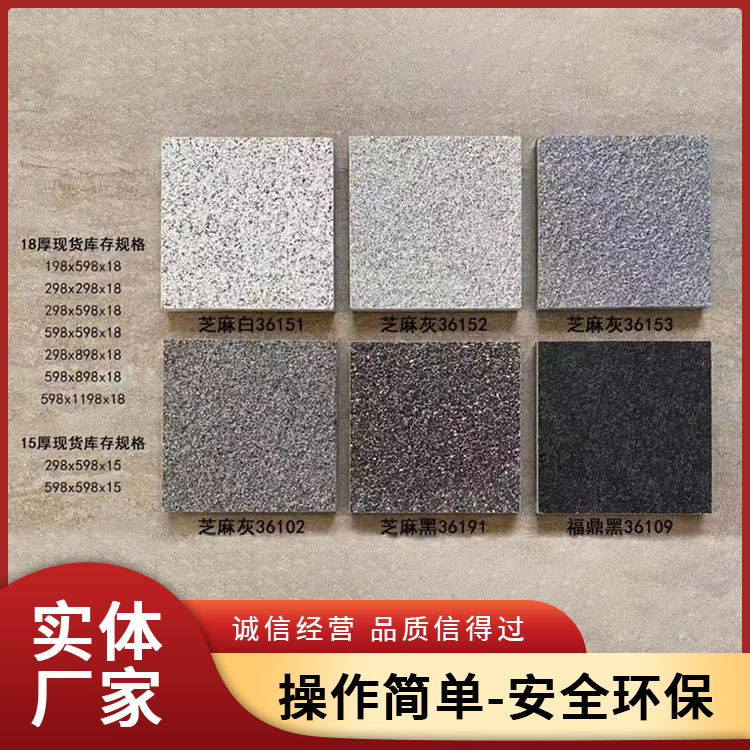
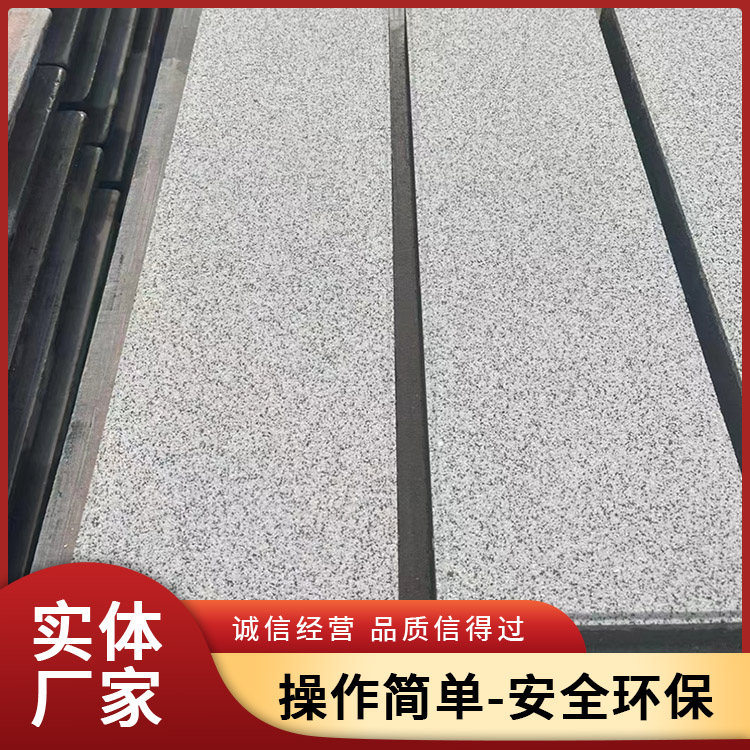

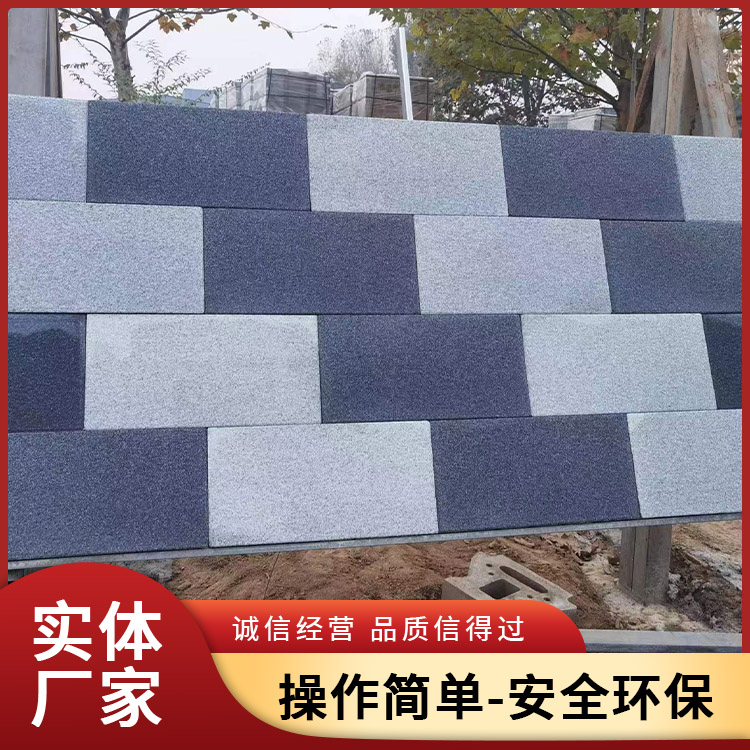
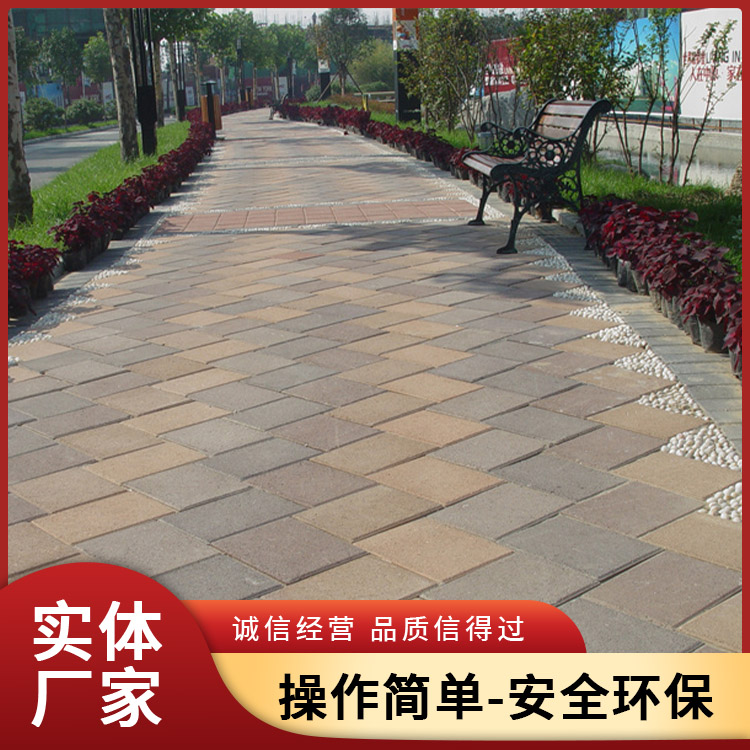







Ceramic permeable bricks, compared to regular permeable bricks, offer superior permeability and high strength, thus gaining widespread application in urban road construction and performing effectively. They effectively block rainwater, reducing the likelihood of urban flooding. So, what are the main raw materials used in their production?
Ceramic permeable bricks are made from ceramic raw materials that are sifted and selected for reasonable particle grading. After adding a binder, they are formed, dried, and pressed to create permeable building materials.
1. Aggregate selection
Ceramic permeable bricks, composed of coarser particles, where the aggregates are primarily the raw material, have an indirect influence on the product's molding properties. This directly affects the firing performance and the physical and chemical properties of the finished product. To better produce ceramic permeable bricks, selecting appropriate aggregates and particle gradations are crucial, as they greatly influence the product's permeability coefficient and strength.
2. Binder Selection
The primary purpose of adding binder is to meet the product's molding properties, followed by satisfying the requirements for strength and structure during and after the firing process of ceramic permeable bricks. However, it is important to add the binder in appropriate amounts; overuse is not advisable as it can negatively impact the formation of pores and increase costs.
3. Melting Agent Selection
Fusible agents are some low-temperature domestic waste, serving mainly two purposes: one is to act as a flux, reducing the firing temperature; the other is to melt prematurely, allowing the binder to act as a binder for aggregates during the firing decomposition, thereby preventing the aggregates from becoming loose and the product from deforming due to the loss of binder strength after decomposition. Additionally, it can also enhance the strength of the product after firing.
Highly permeable ceramic permeable bricks are made from environmentally friendly main raw materials through processes such as crushing, grading, batching, mixing, shaping, drying, firing, and inspection to meet the required specifications. However, the sequence of mixing materials can directly affect the performance of the ceramic permeable bricks.