














Be mindful of the following aspects when laying paving slope bricks along riverbanks:
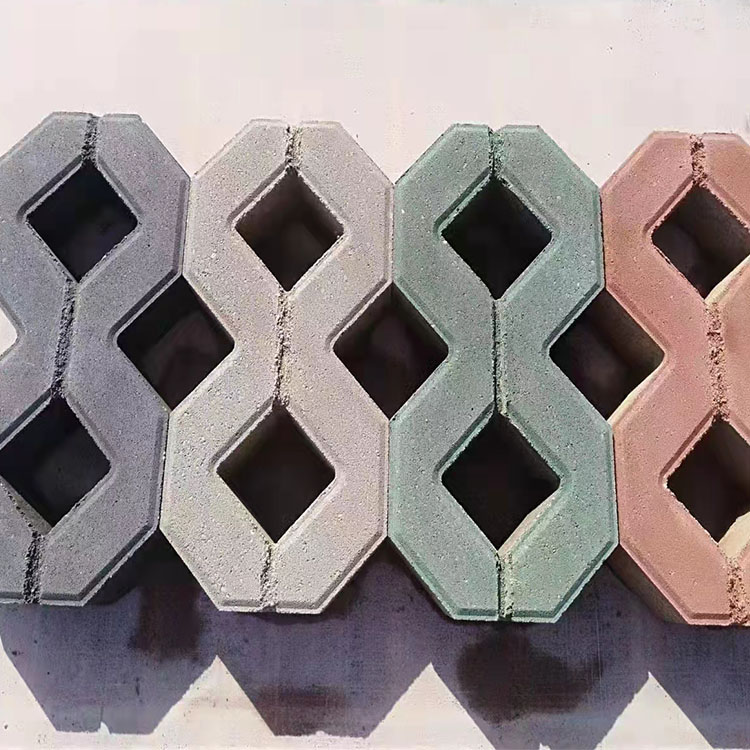
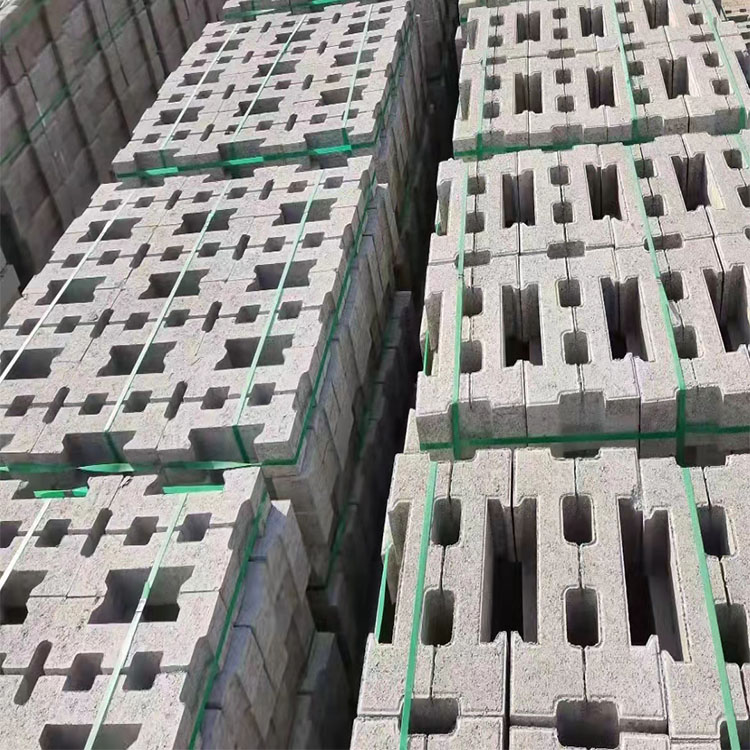
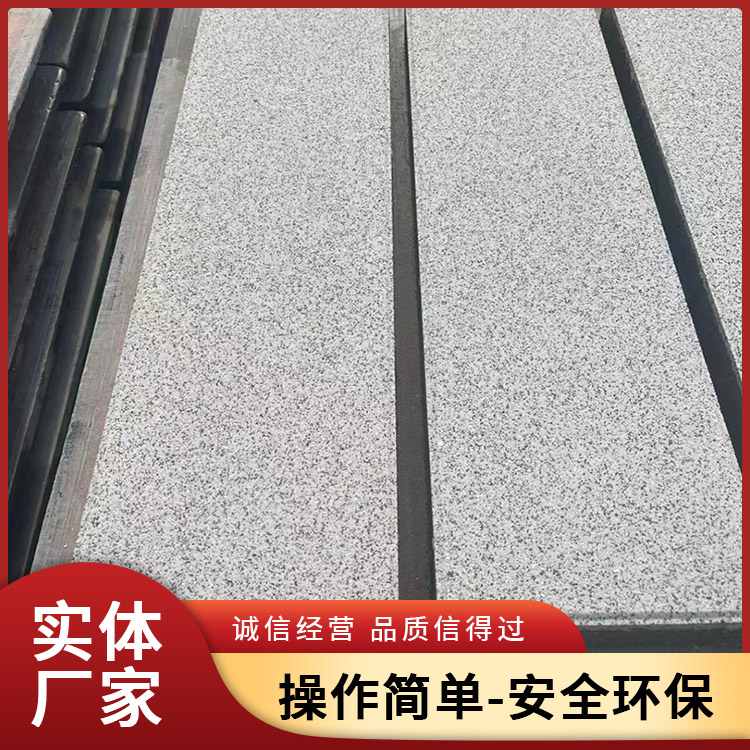
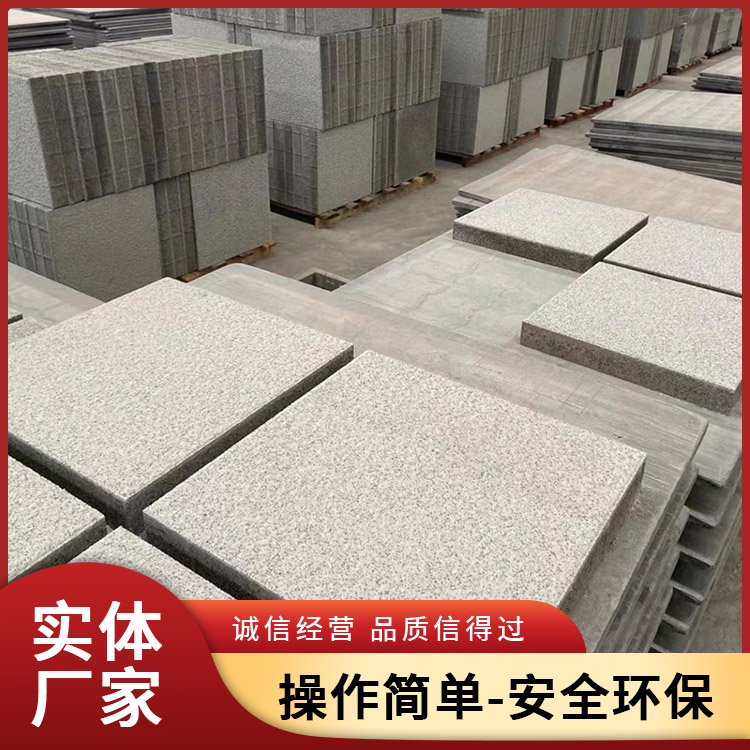
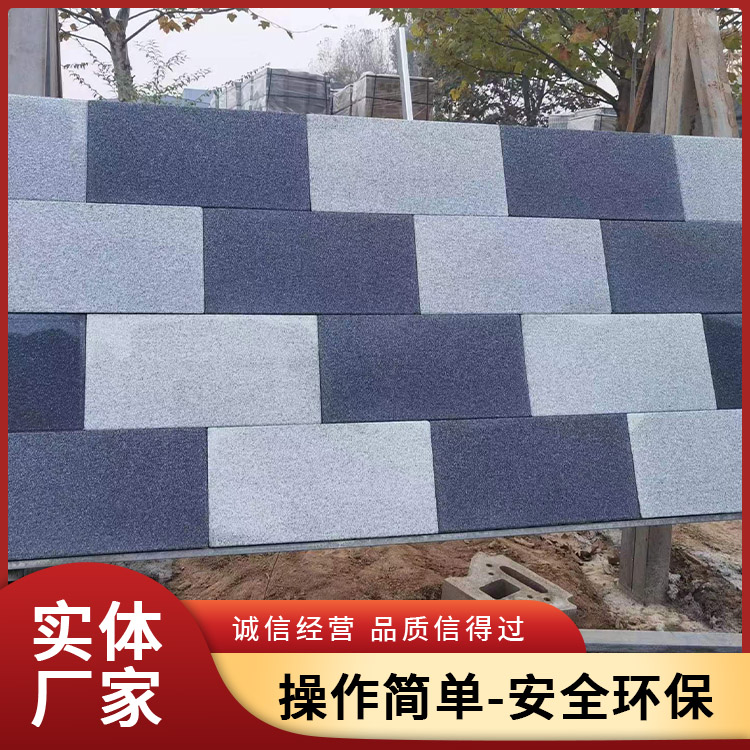
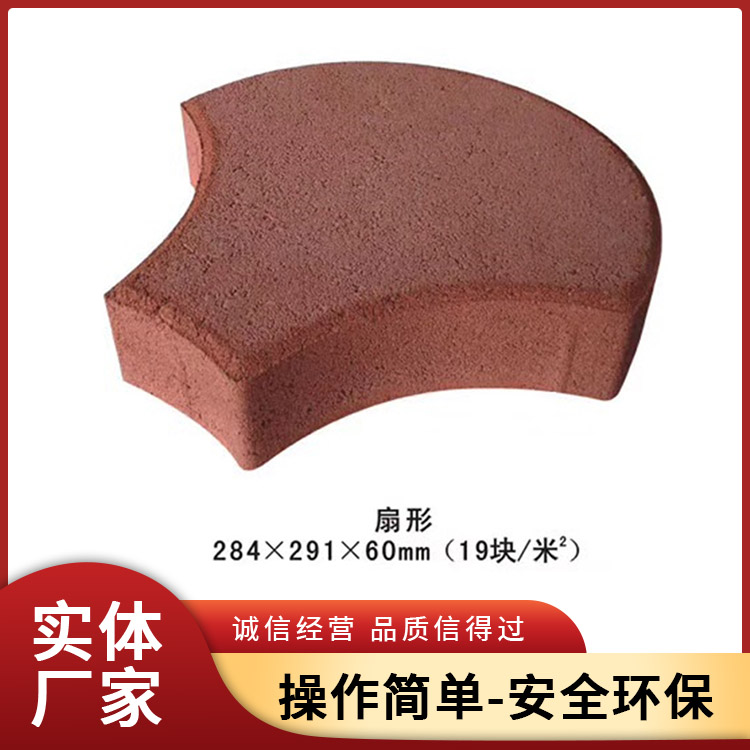
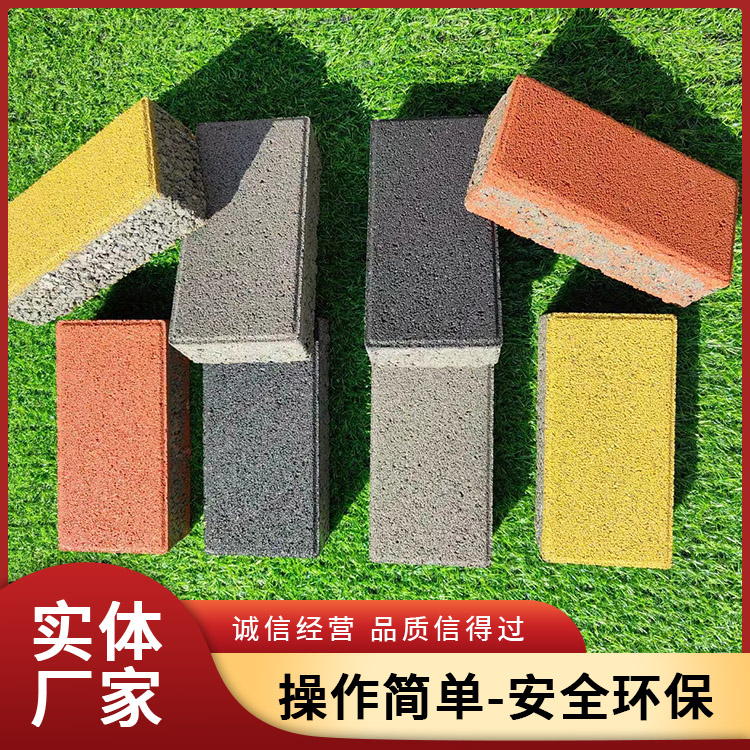
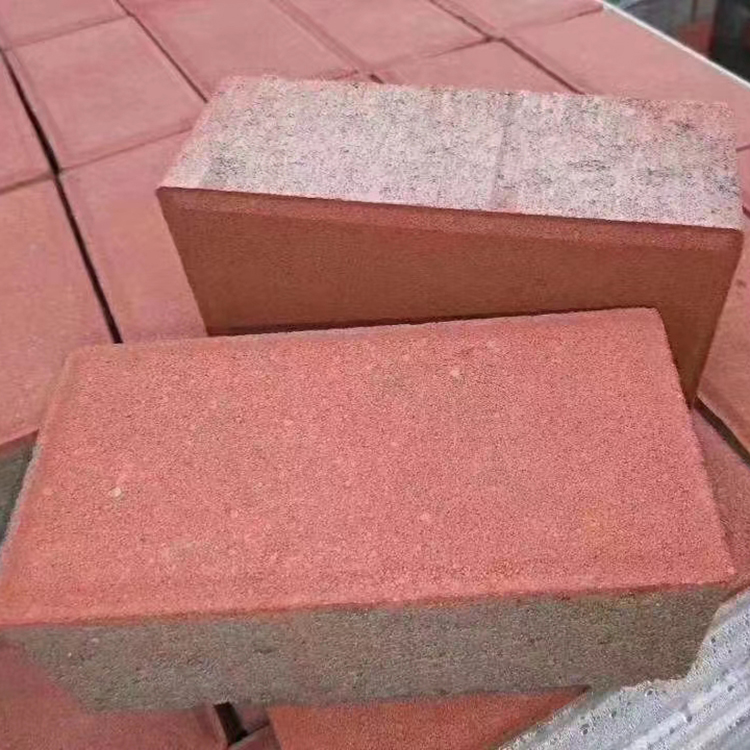
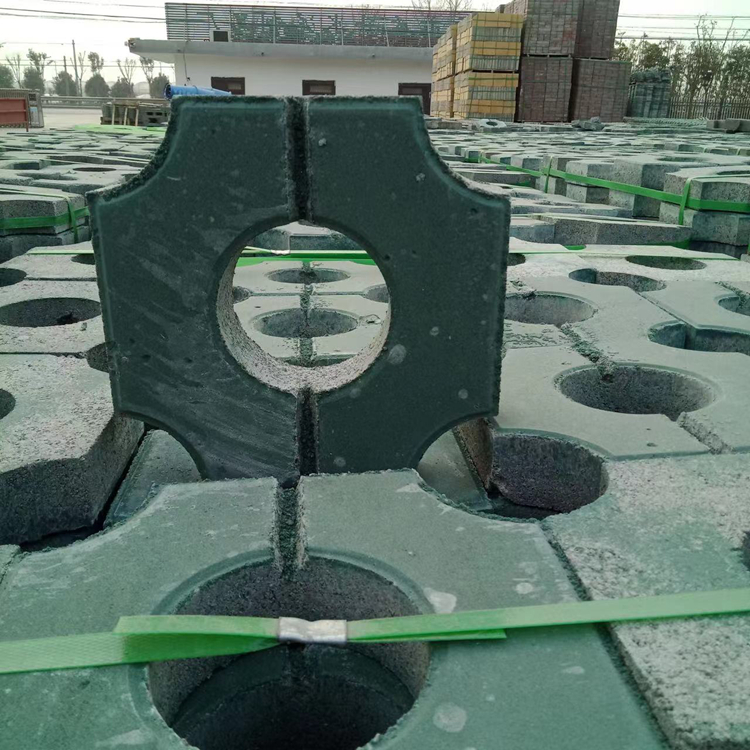
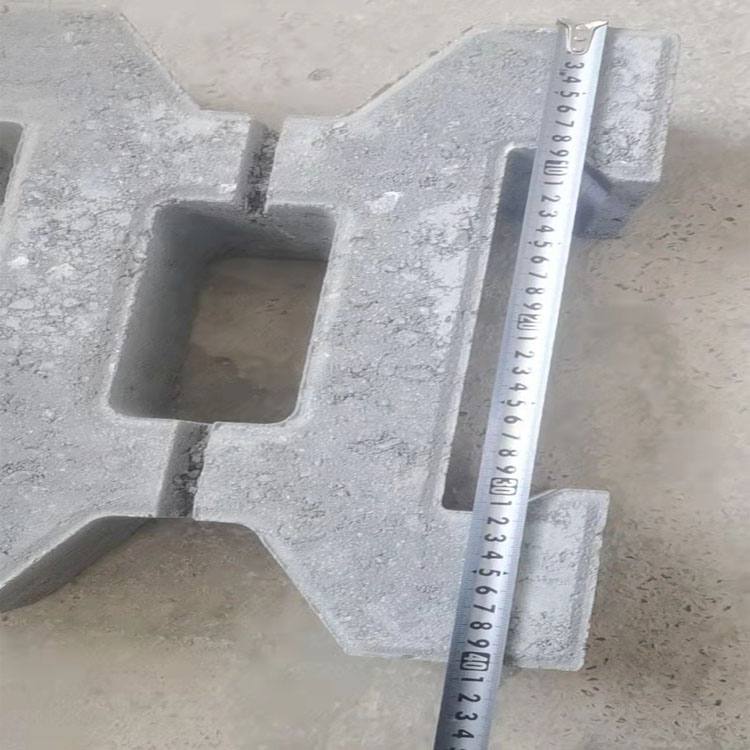
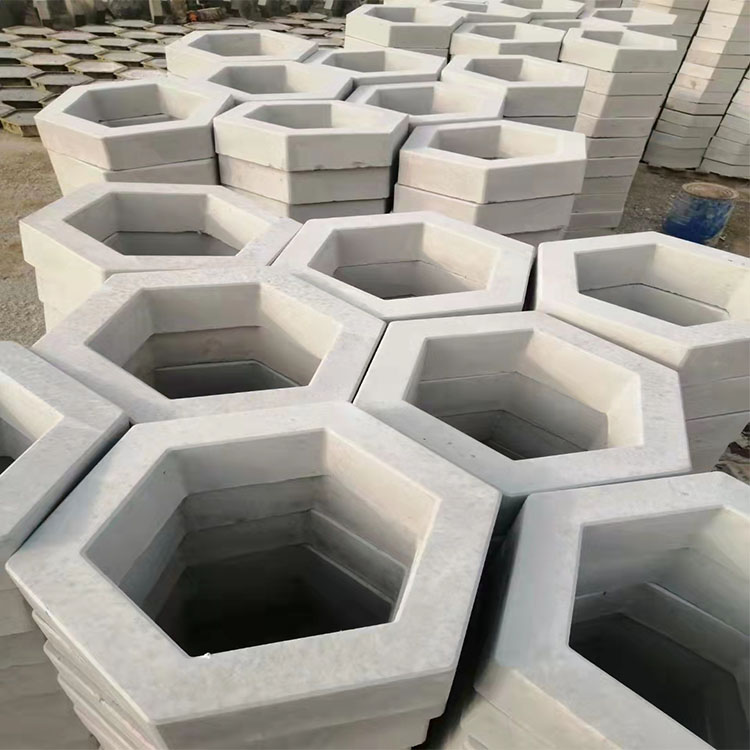
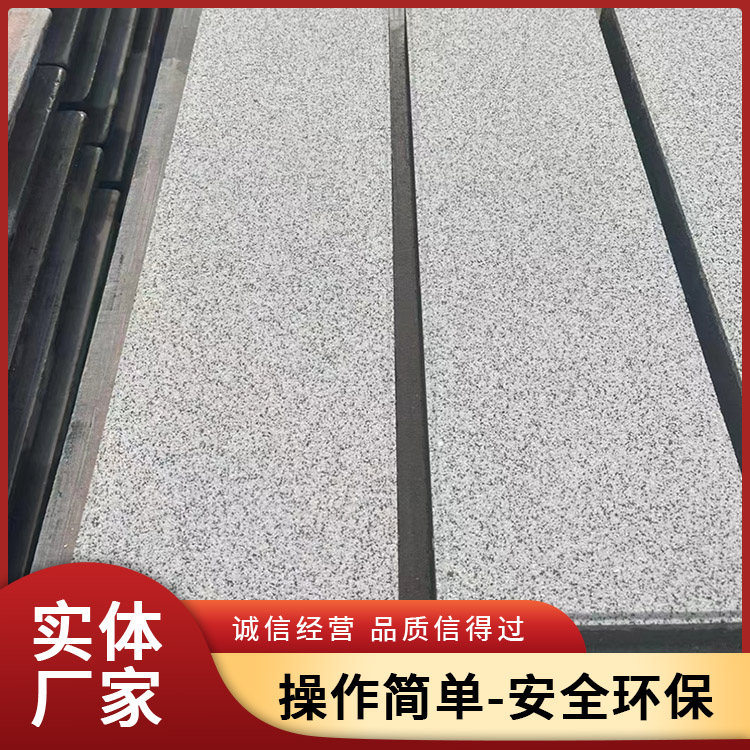
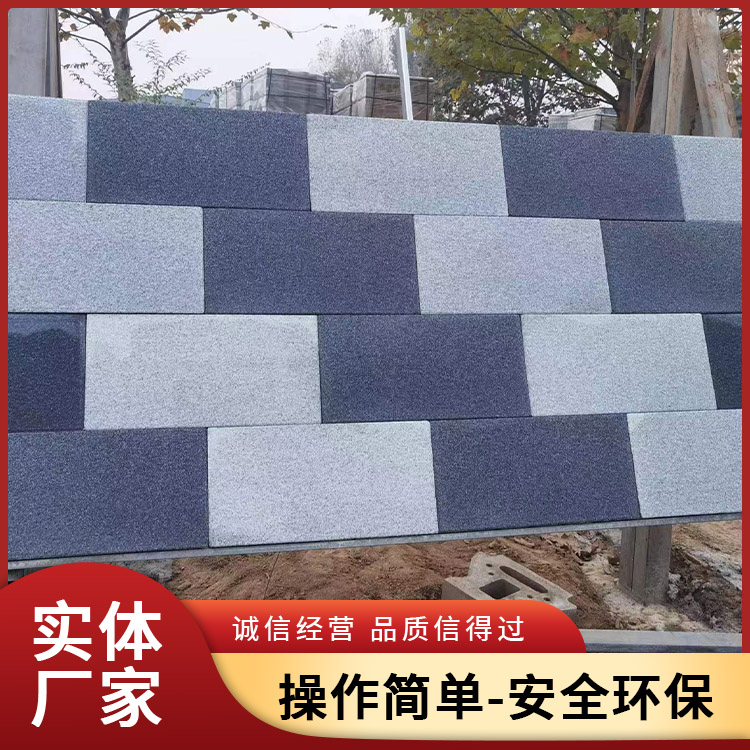
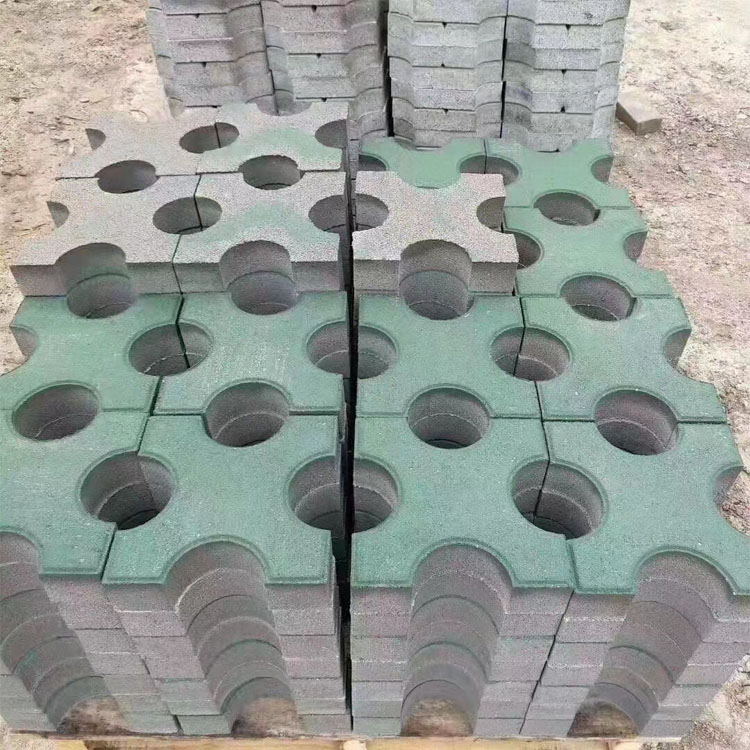
Channel bank bricks are made from materials such as concrete, normal concrete, cement, clay, ceramics, aerated concrete, fly ash, etc., and are a type of brick used to protect riverbanks and embankments from soil erosion. They are typically designed to be hollow for lawn planting. What should be noted when laying channel bank bricks?
Before laying the retaining wall bricks, check the reserved dimensions between the concrete strips and the surface filter materials around the work area to ensure that the hydraulic retaining wall bricks are on the same plane as the ground top.
When transporting retaining wall blocks, first lay 1-2 wooden chutes under the filter material along the width of the embankment's crest, which should be at least 1.0m wide. Then, transport the blocks along the chutes. This method ensures the filter layer remains intact and minimizes the loss of concrete blocks.
3. Lines should be suspended on both horizontal and vertical planes to ensure smooth laying. In other words, when laying riverbank protection bricks, it is not advisable to hang them in a straight line; instead, start from the foot of the slope and lay each line sequentially.悬挂两条水平线,保持行与行在同一平面上,以避免碰撞。
4. After laying, the side seams should be addressed. There will inevitably be varying degrees of gaps between the slopes and strips (especially on curved slopes) after placing each riverbank retaining brick. If the side seam size is greater than or equal to 1/2 brick, first trim with hydraulic bricks, then fill the surface with 1:1 cement砂浆; if the side seam size is less than 1/2 brick, fill with 1:1 cement砂浆.
In many current engineering projects, riverbank protection bricks are utilized, such as for preventing mud and rock flows, soil erosion, windbreaks, and sand stabilization. In the northwestern region where sandstorms are prevalent, their use is necessary.