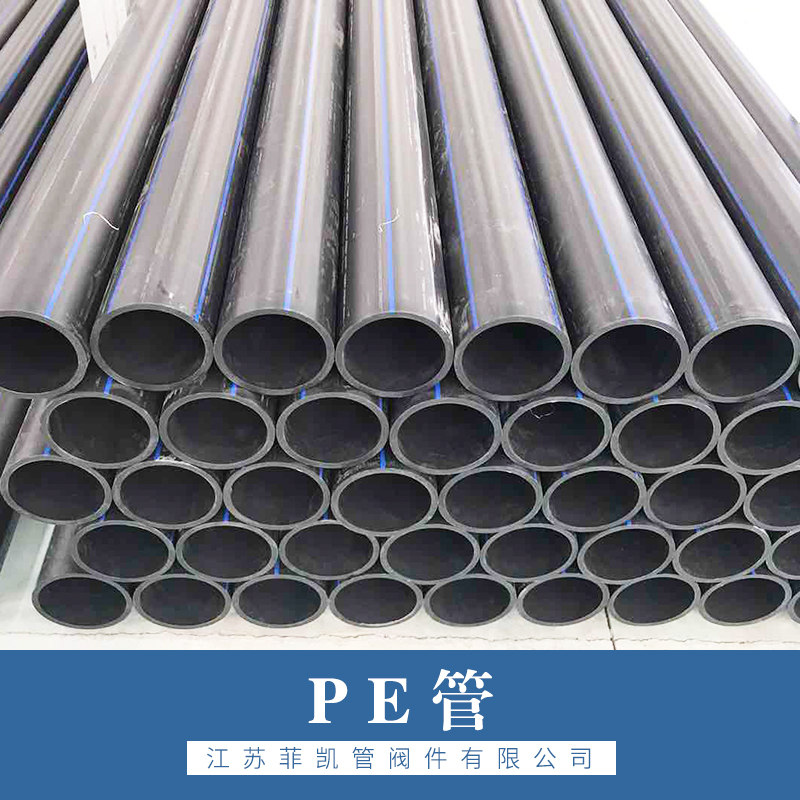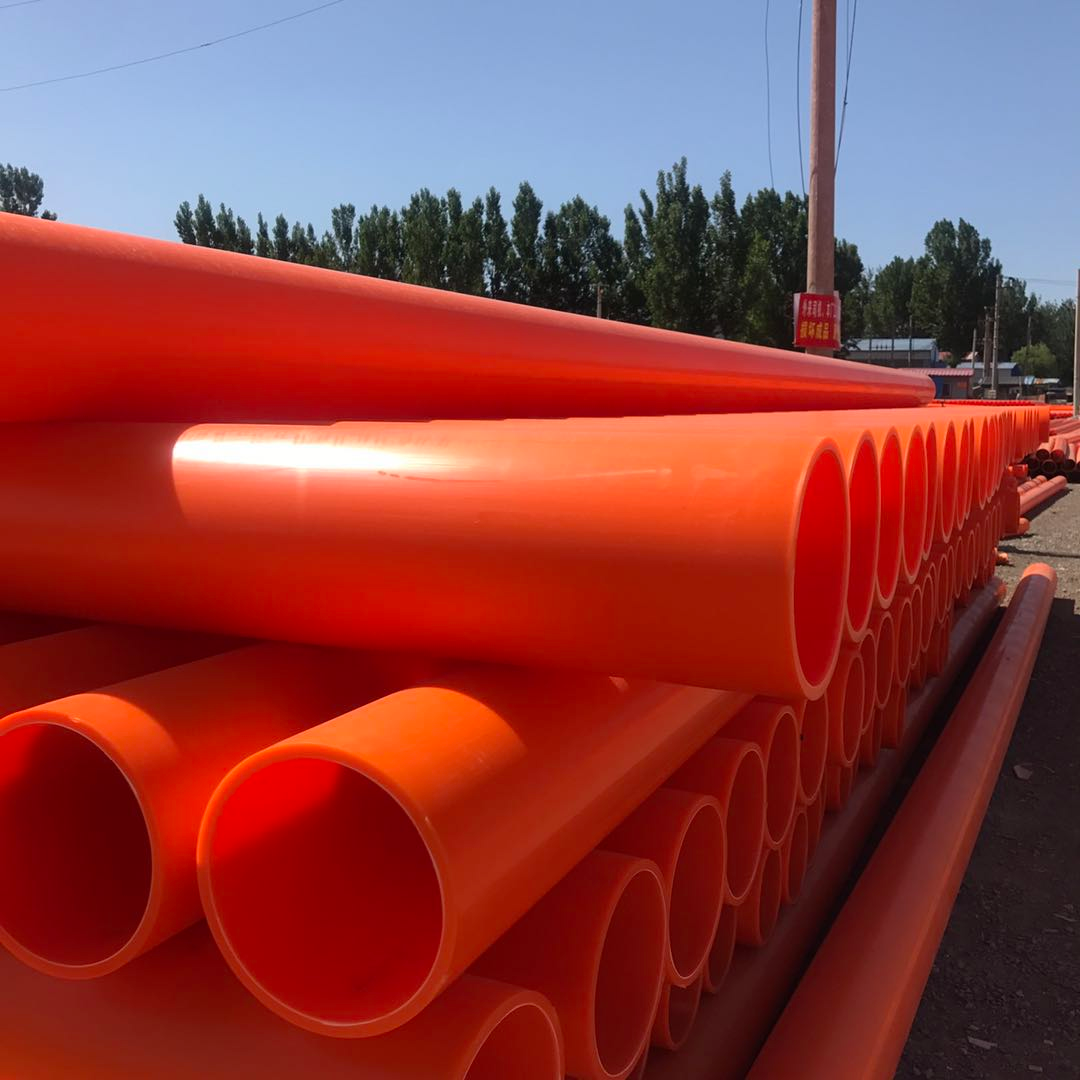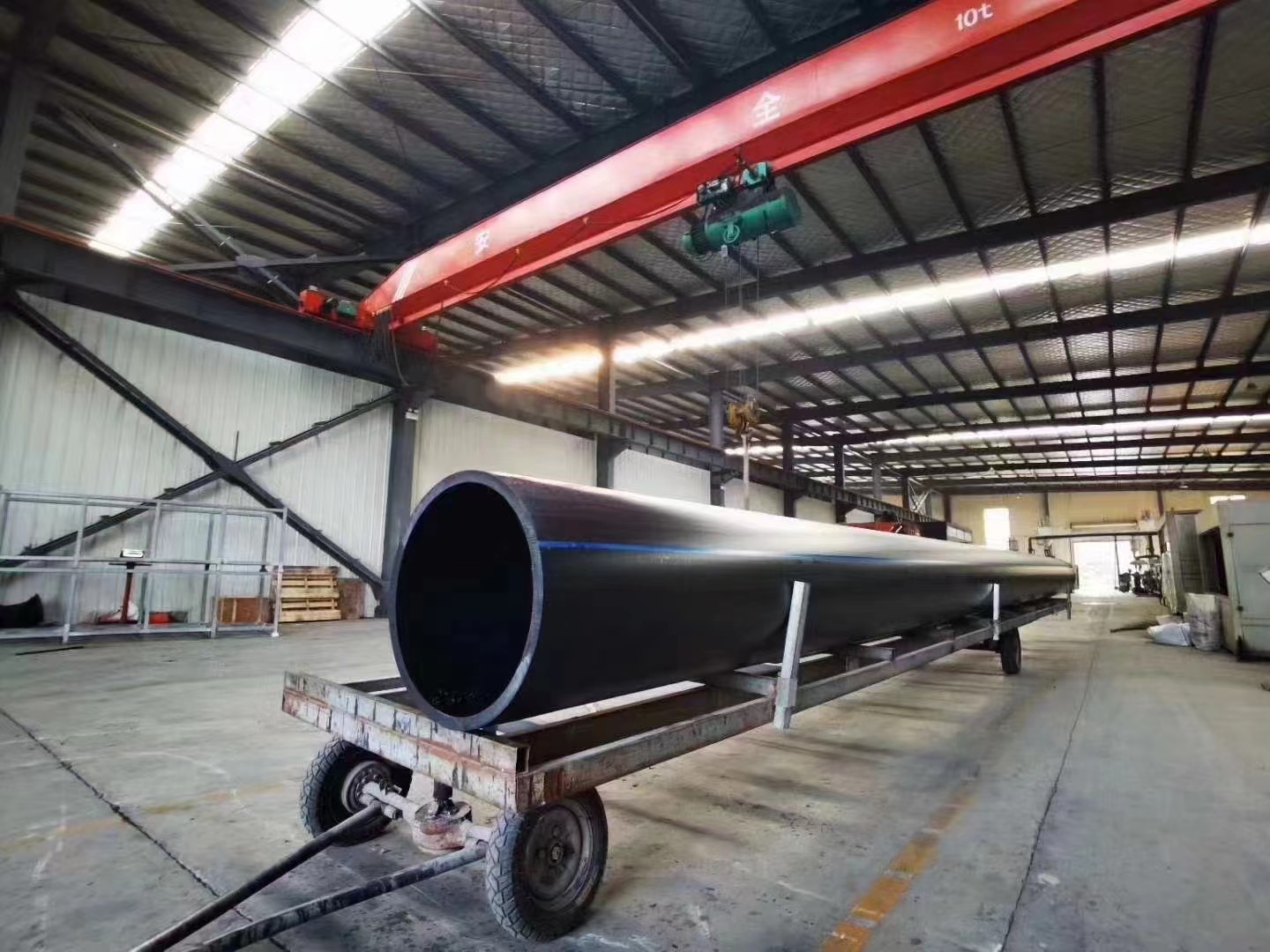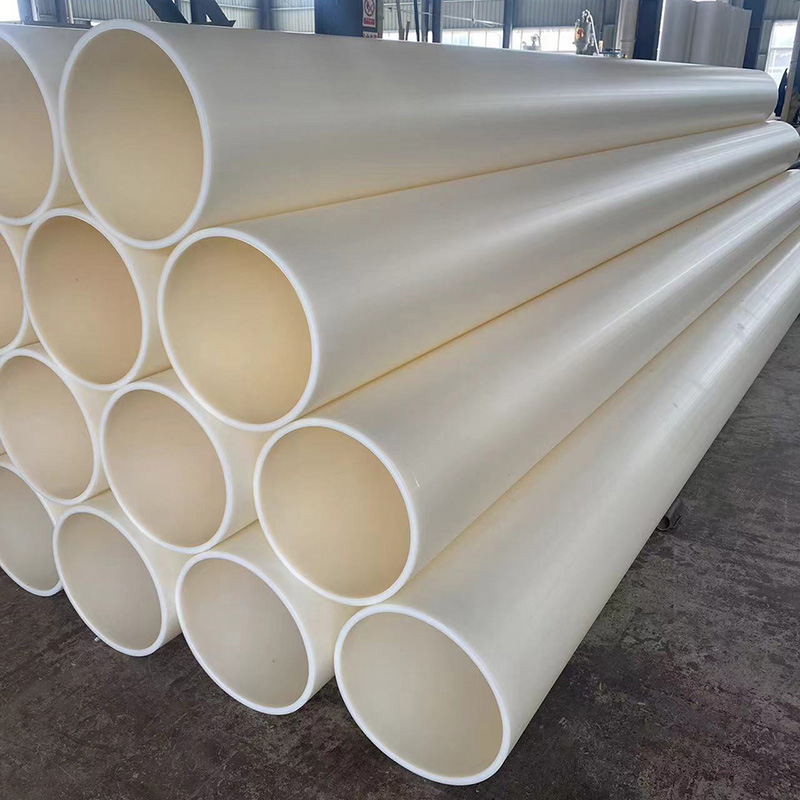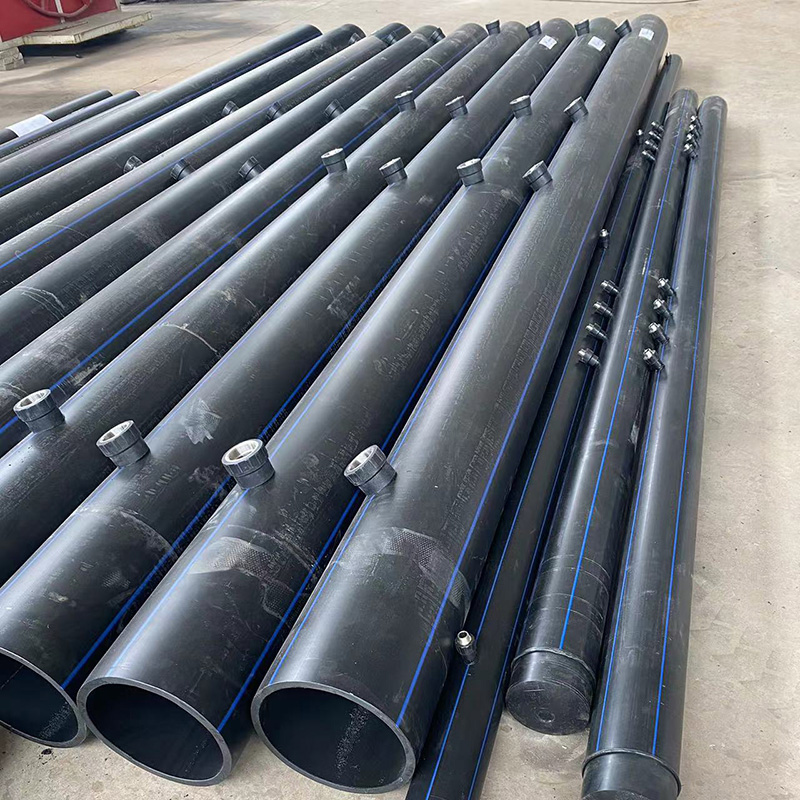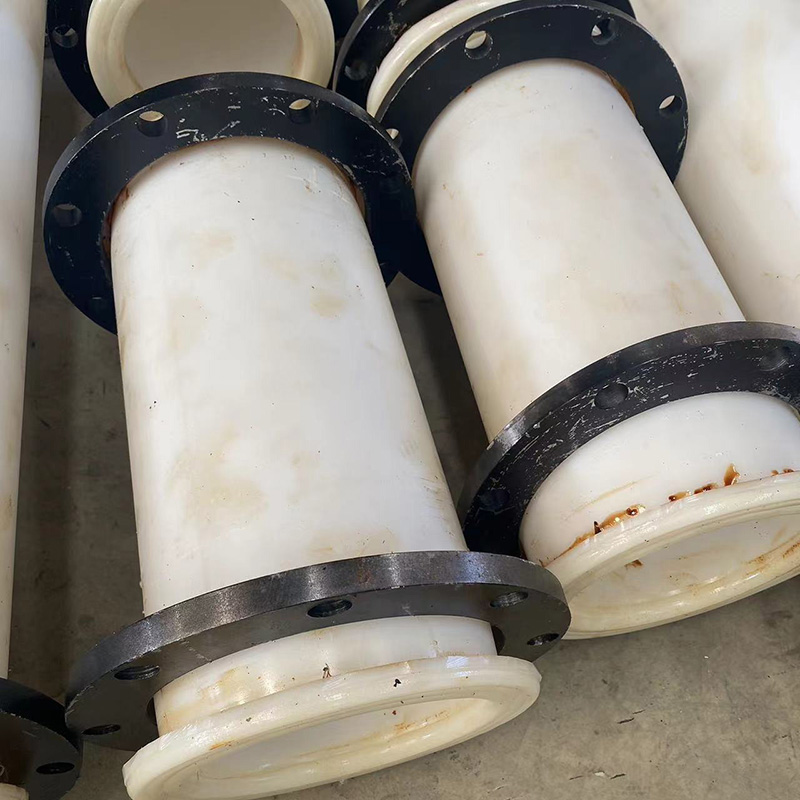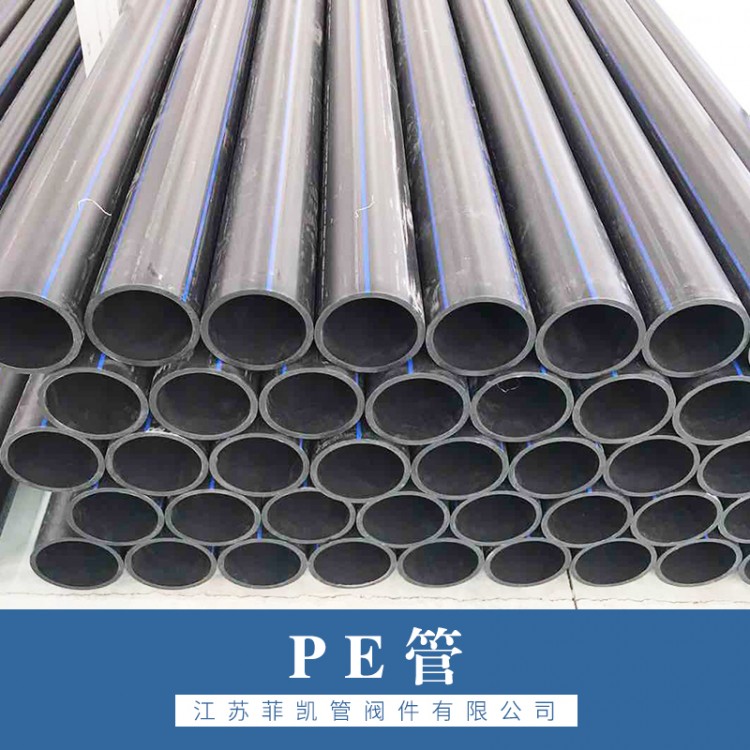
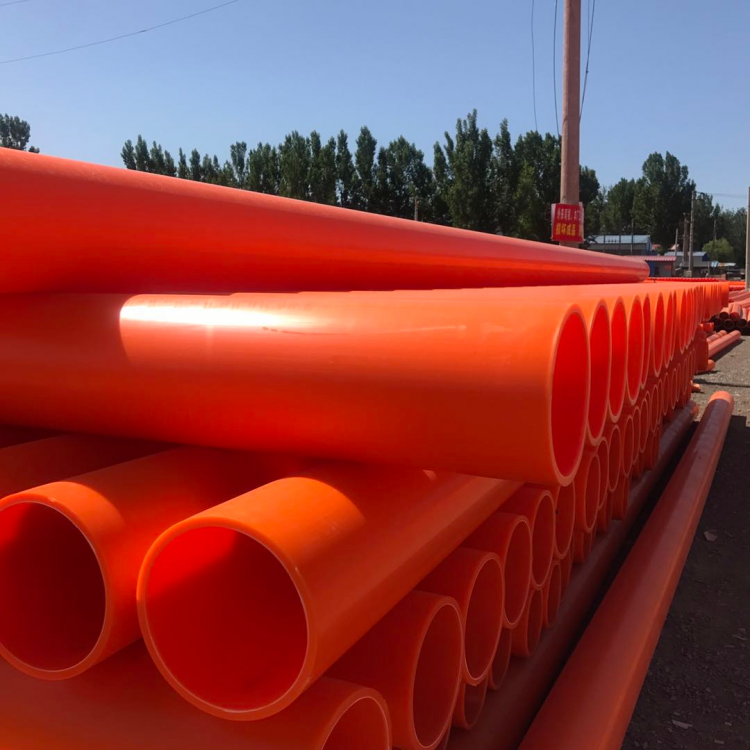


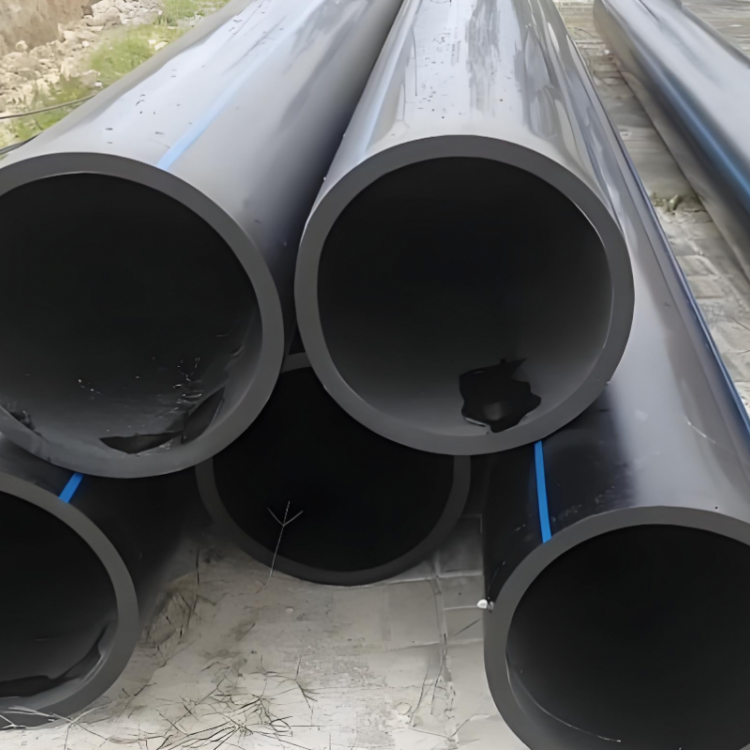





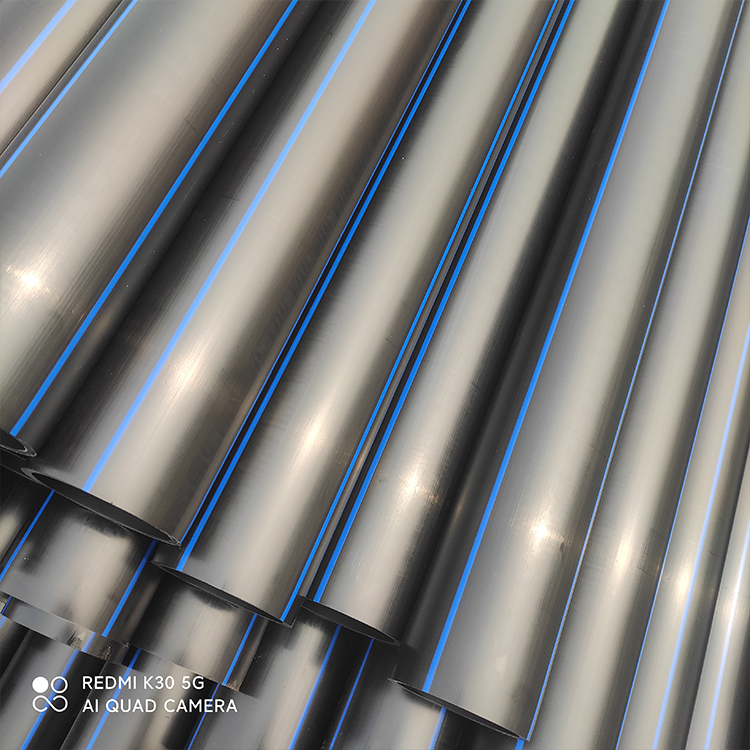
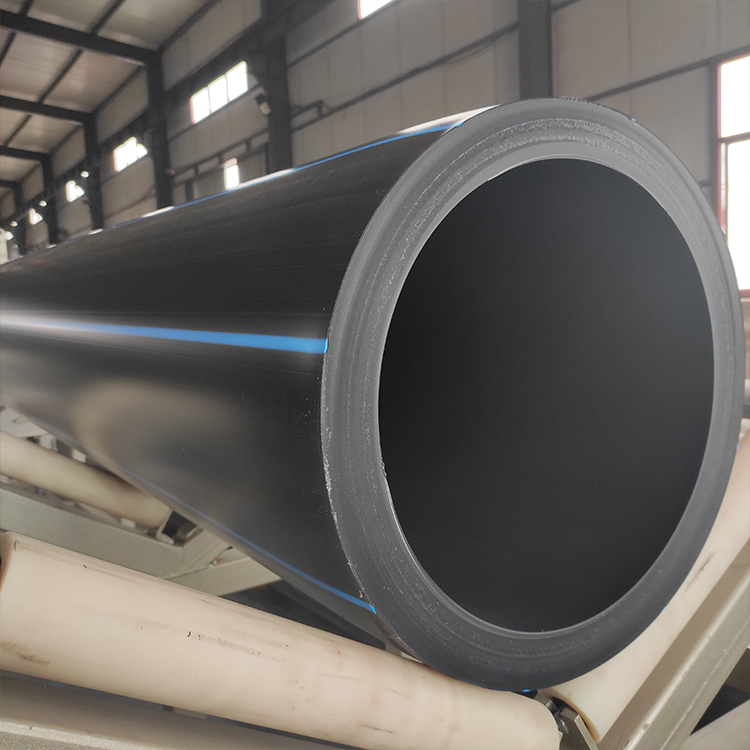
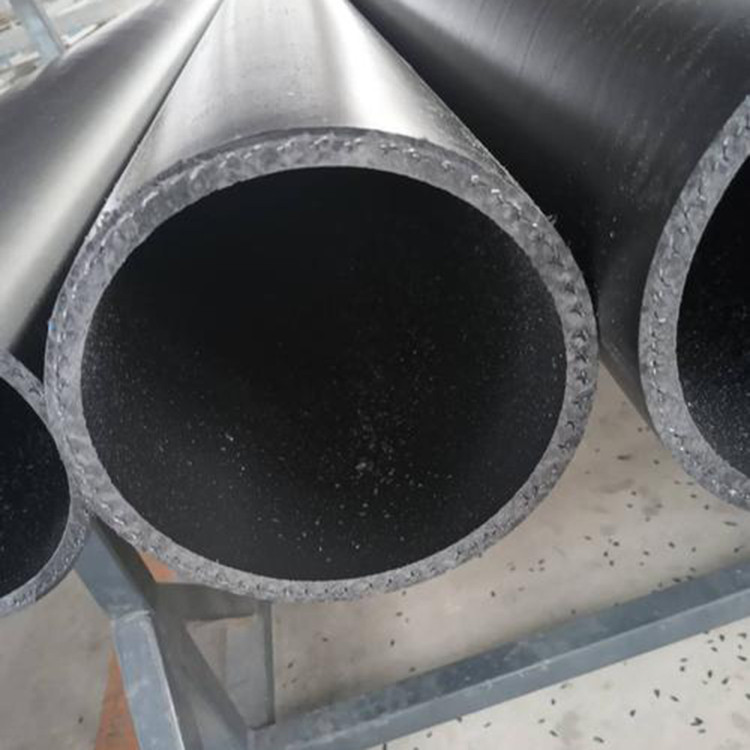
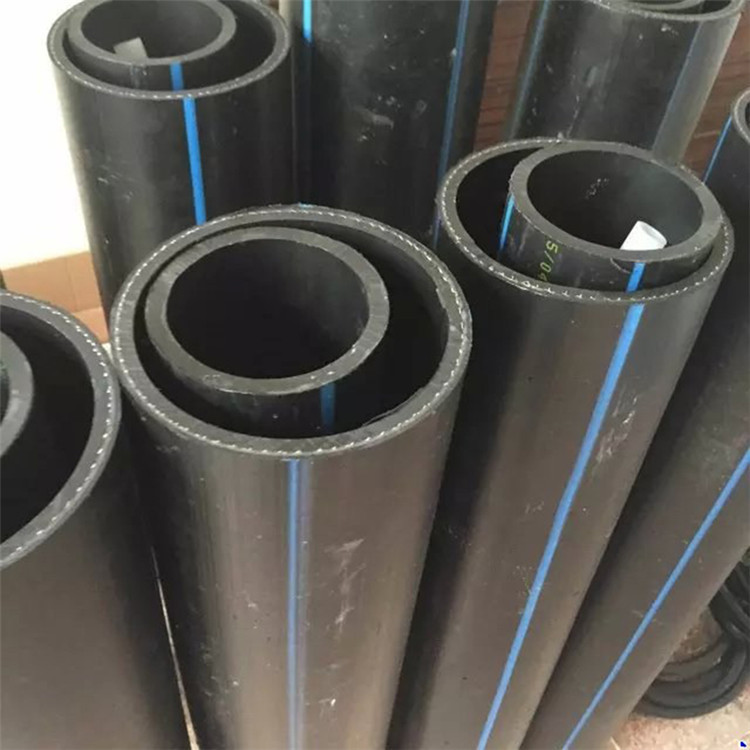
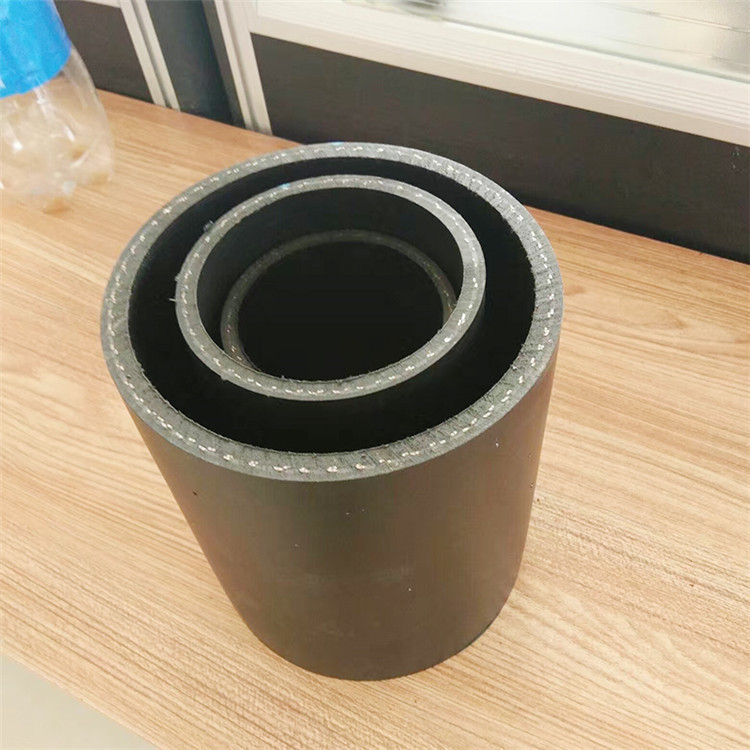
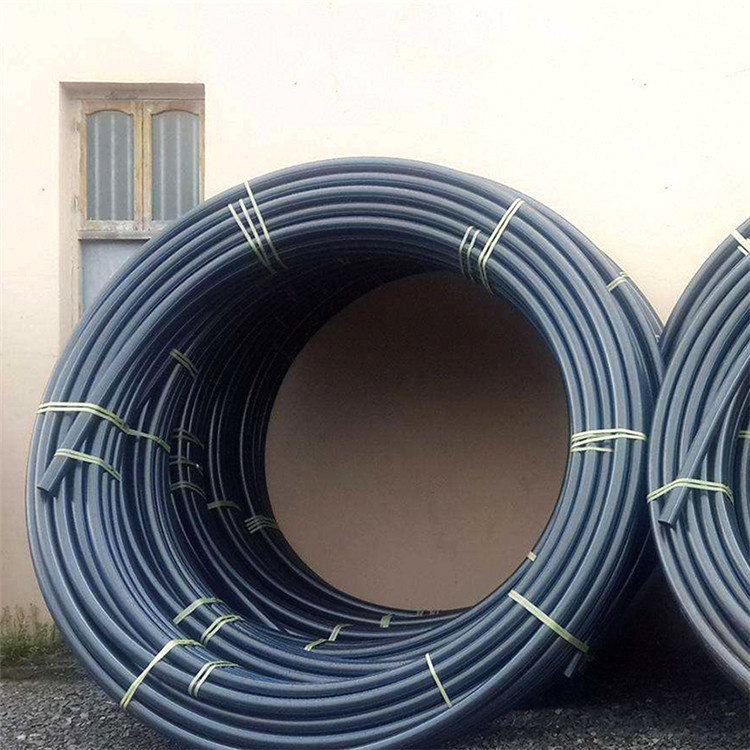

PE piping for water supply is a replacement product for steel pipes and polyvinyl chloride drinking water pipes.
PE water supply pipes can withstand certain pressure; typically, PE resins with high molecular weight and good mechanical properties, such as HDPE resins, are chosen. LDPE resins have poor rigidity, poor dimensional stability during molding and processing, and are difficult to connect, making them unsuitable as materials for water supply pressure pipes. LDPE, especially LLDPE resins, have become commonly used materials for producing drinking water pipes. LDPE and LLDPE resins have low melt viscosity and good flowability, making them easy to process, and thus a wider range of melt index choices is available, usually between 0.3-3g/10min.
Compared to traditional piping materials, HDPE pipe systems feature the following range of characteristics:
1. The polyethylene pipeline systems are connected using electric heat fusion.
2. Polyethylene has a low-temperature brittleness temperature that is low, allowing for use within a temperature range of -60 to 60°C. During winter construction, it is less prone to pipe cracking.
3. HDPE pipes are resistant to corrosion from a variety of chemicals, and the chemicals present in the soil do not degrade the pipe. Therefore, they are not prone to rotting, rusting, or electrochemical corrosion; in addition, they also do not promote the growth of algae, bacteria, or fungi.
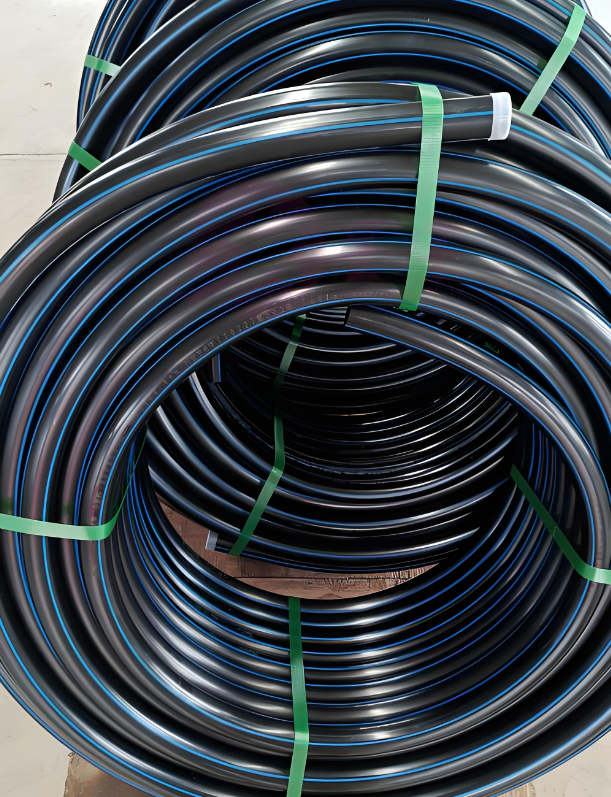
4. Excellent Flexibility: The flexibility of HDPE pipes allows for easy bending, which can be utilized in engineering to navigate around obstacles by altering the pipeline direction. In many cases, this flexibility can reduce the need for fittings and lower installation costs.
5. Low Flow Resistance: HDPE pipes feature a smooth inner surface with a Manning coefficient of 0.009. The smoothness and non-adhesive properties ensure HDPE pipes have higher conveying capacity than traditional materials, while also reducing pressure loss in the pipeline and water conveyance energy consumption.
6. Easy to Handle: HDPE pipes are lighter than concrete pipes, galvanized pipes, and steel pipes, making them easy to transport and install. This reduces the need for excessive labor and equipment, meaning lower installation costs for the project.
7. Various Construction Methods: HDPE pipes offer a range of construction techniques, including traditional excavation methods, as well as non-invasive options like jacking, directional drilling, lining, and bursting. These are ideal for locations where excavation is not permitted.