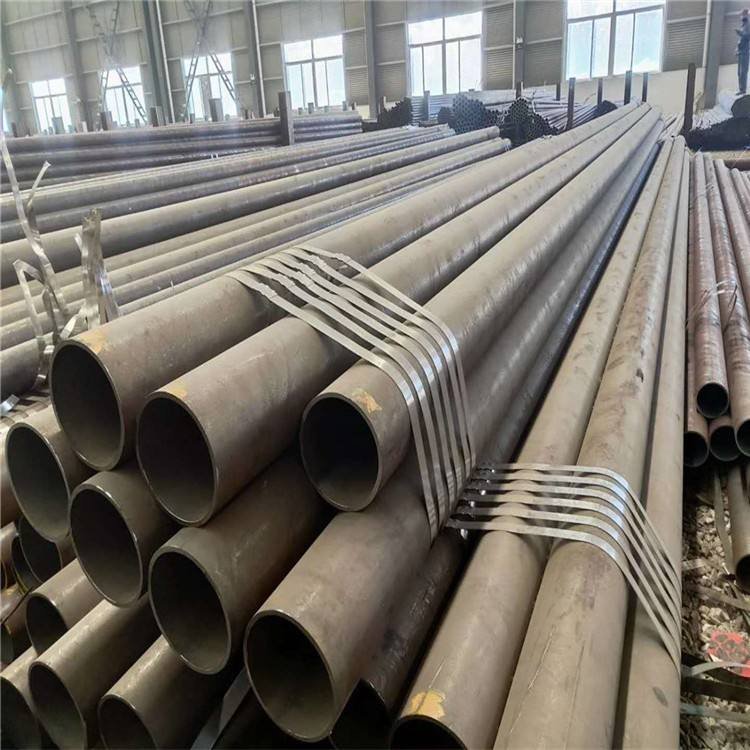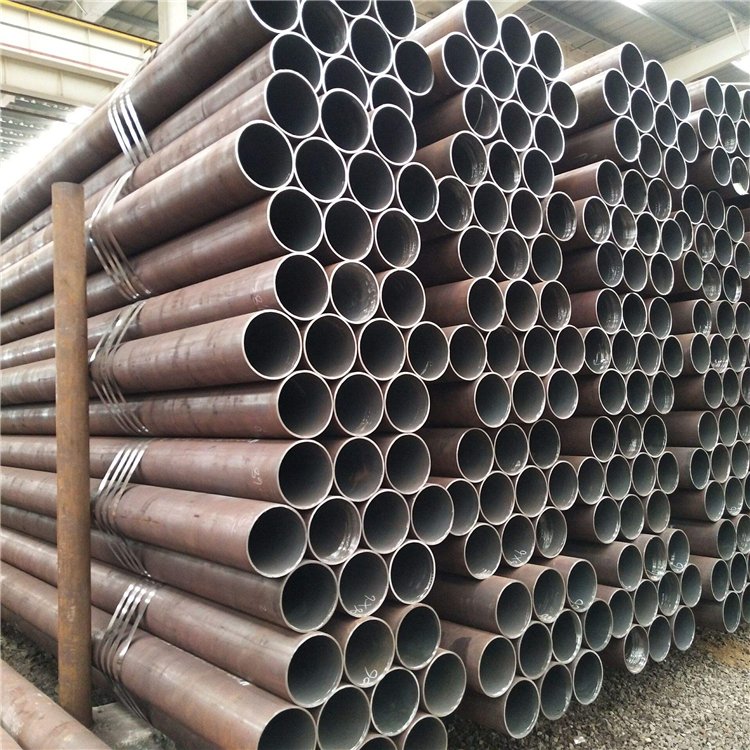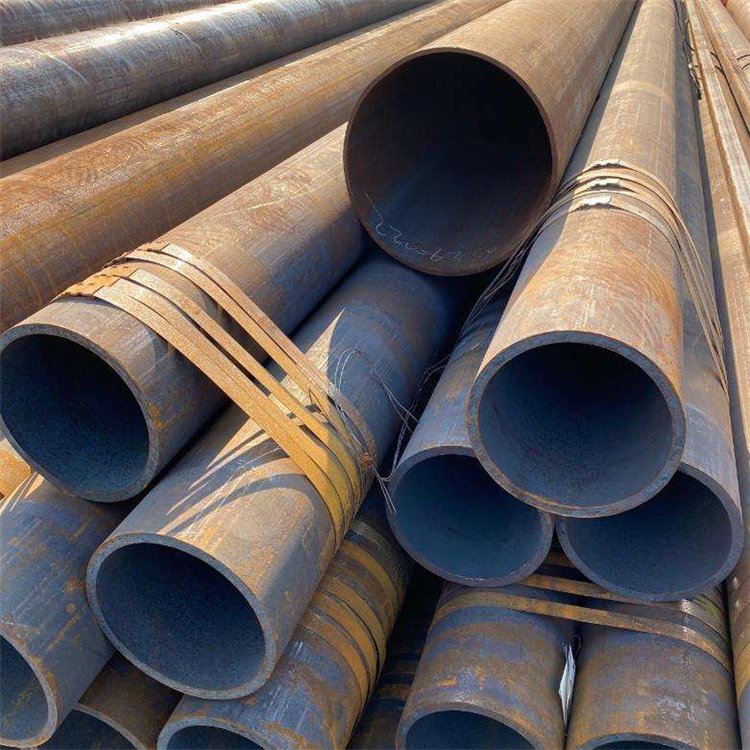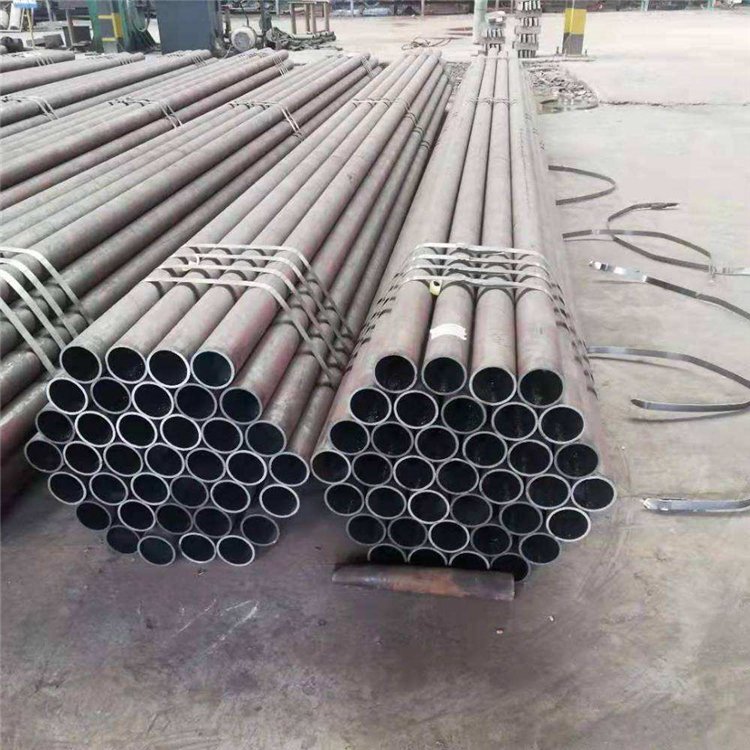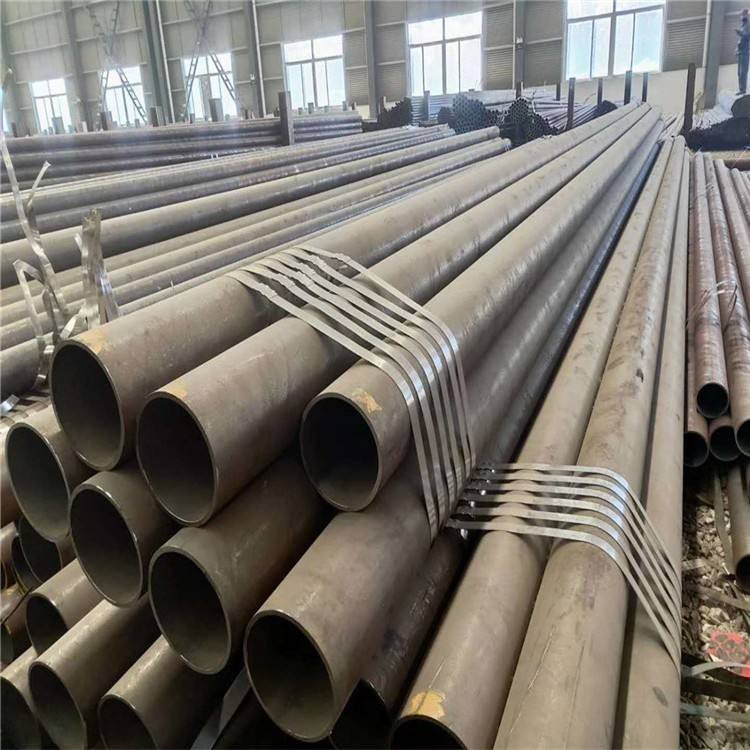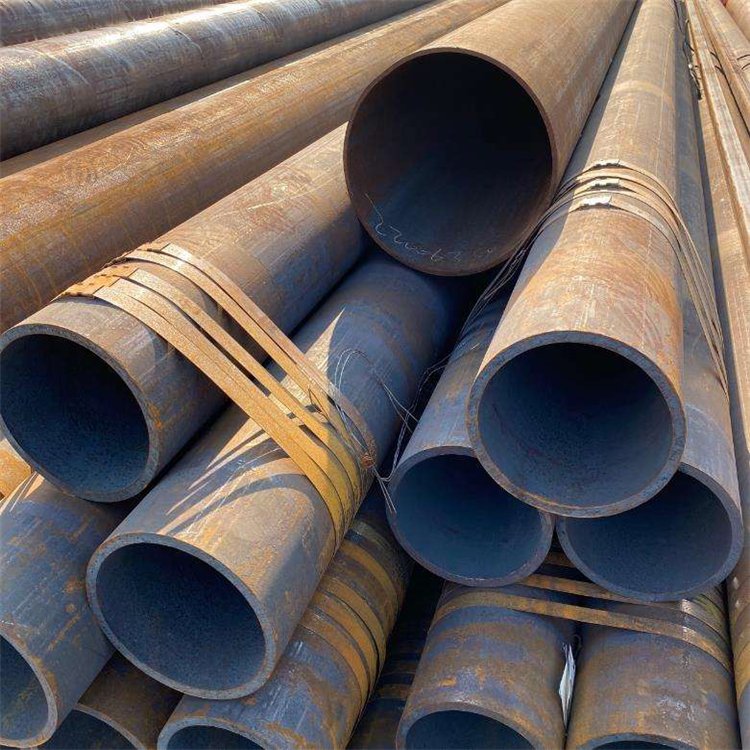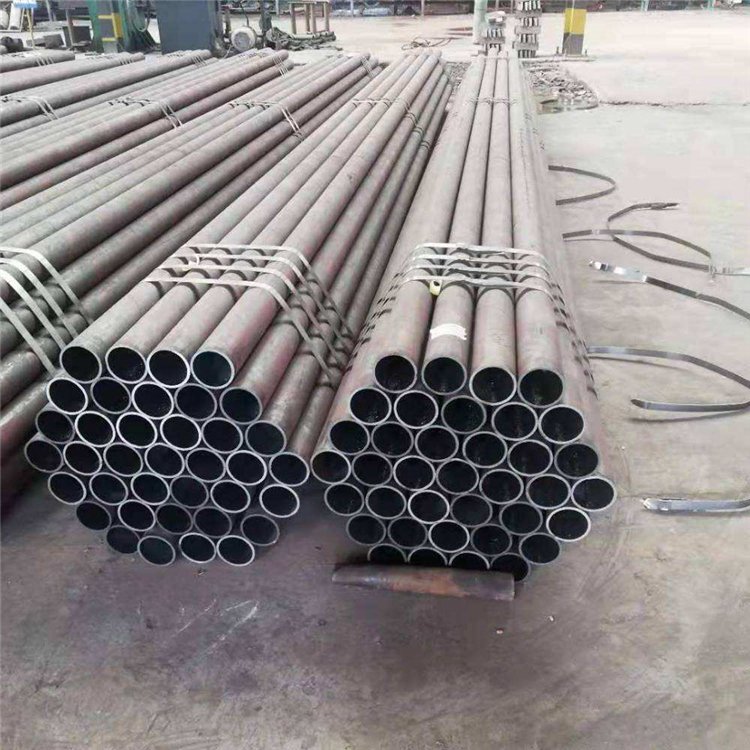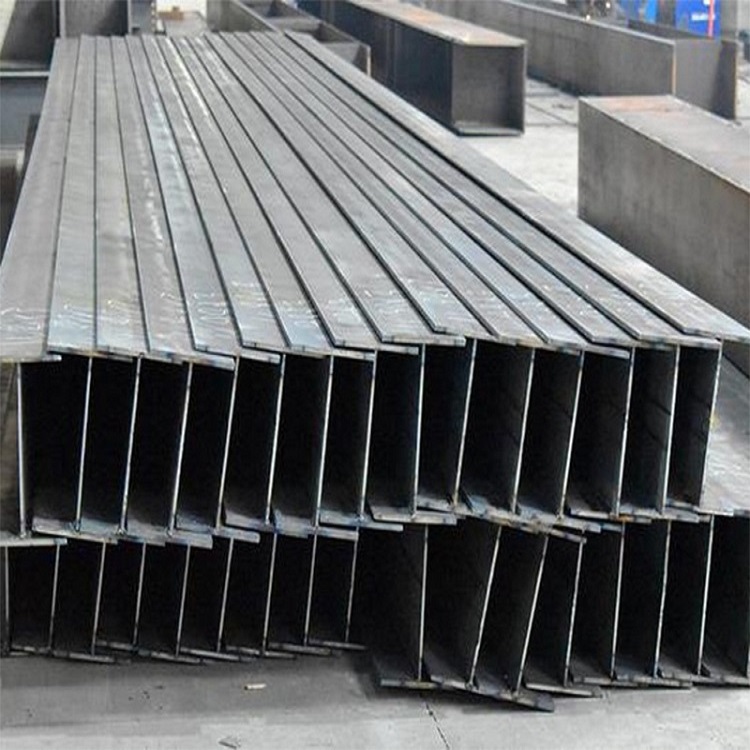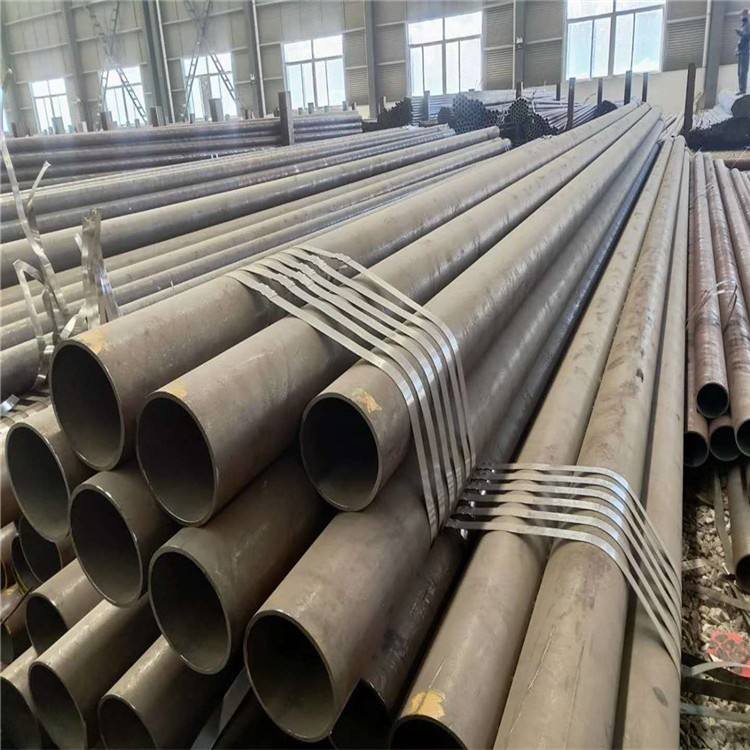


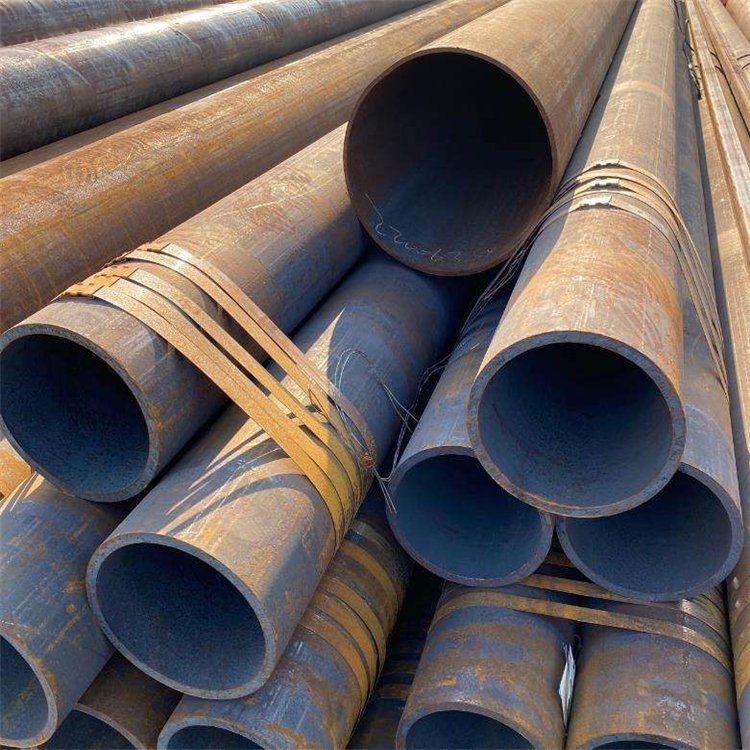
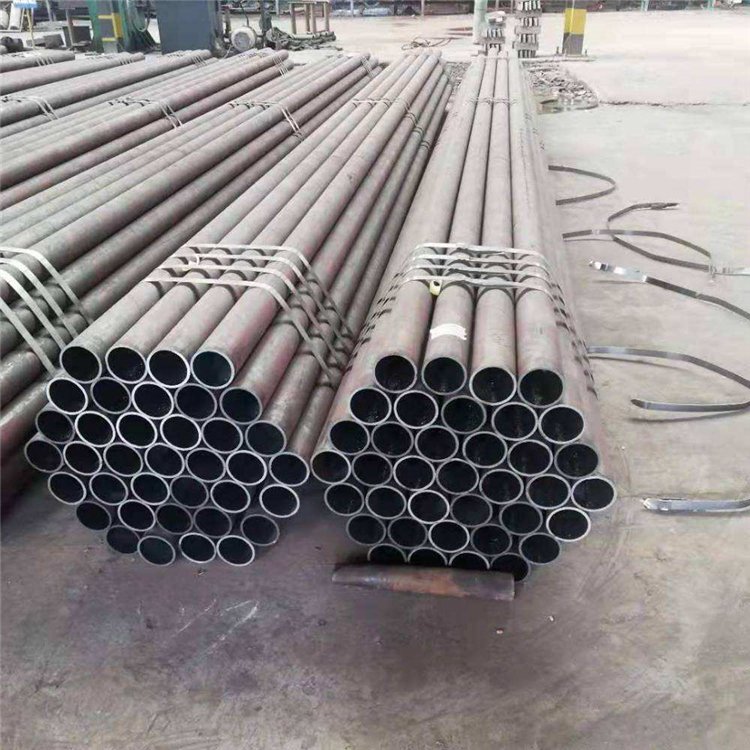












Seamless steel pipes are widely used.
1. General-purpose seamless steel tubes are rolled from ordinary carbon structural steel, low-alloy structural steel, or alloy structural steel, with high production volume. They are primarily used as pipelines for conveying fluids or structural components.
2. Offer three categories of supply based on different applications:
Available by chemical composition and mechanical properties.
b. Supply based on mechanical properties
c. Supplied for hydrostatic testing. Steel pipes supplied under categories a and b, if used to withstand liquid pressure, must also undergo hydrostatic testing.
3. Seamless pipes for specialized uses include boiler pipes, chemical and power industry pipes, geological pipes, and oil pipes, among others.
Seamless steel tubes feature a hollow cross-section and are extensively used as pipelines for conveying fluids, such as oil, natural gas, coal gas, water, and certain solid materials. Compared to solid steel materials like round bars, seamless tubes are lighter in weight while maintaining the same bending and torsional strength, making them an economical cross-sectional steel.
Broadly used in the manufacturing of structural and mechanical components, such as oil drilling pipes, automotive driveshafts, bicycle frames, and steel scaffolding for construction work, the manufacturing of circular parts from steel pipes enhances material utilization, simplifies production processes, and saves on materials and processing time. Steel pipes are widely employed for this purpose.