








Features
(1) A thick, dense layer of pure zinc covers the steel surface, preventing contact between the steel matrix and any corrosive solutions, thereby protecting the steel from corrosion. In normal atmospheric conditions, a thin, dense layer of zinc oxide forms on the zinc layer's surface, which is hardly soluble in water, thus offering some protection to the steel matrix. If zinc salts that are insoluble in water are formed by the zinc oxide interacting with other atmospheric components, the corrosion protection becomes even more ideal.
(2) Features a ferrum-zinc alloy layer that is tightly bonded, demonstrating unique corrosion resistance in marine salt fog atmospheres and industrial environments.
(3) Due to its strong bonding, zinc-iron is mutually soluble, offering excellent wear resistance.
(4) Due to zinc's excellent ductility, its alloy layer adheres firmly to the steel substrate, allowing hot-dip components to be formed into shapes such as cold stamping, rolling, wire drawing, and bending without damaging the coating.
(5) After hot-dip galvanizing steel structural components, it is equivalent to a single annealing process, which can effectively improve the mechanical properties of the steel matrix, eliminate stresses during the forming and welding of steel parts, and facilitate turning processing of steel structural components.
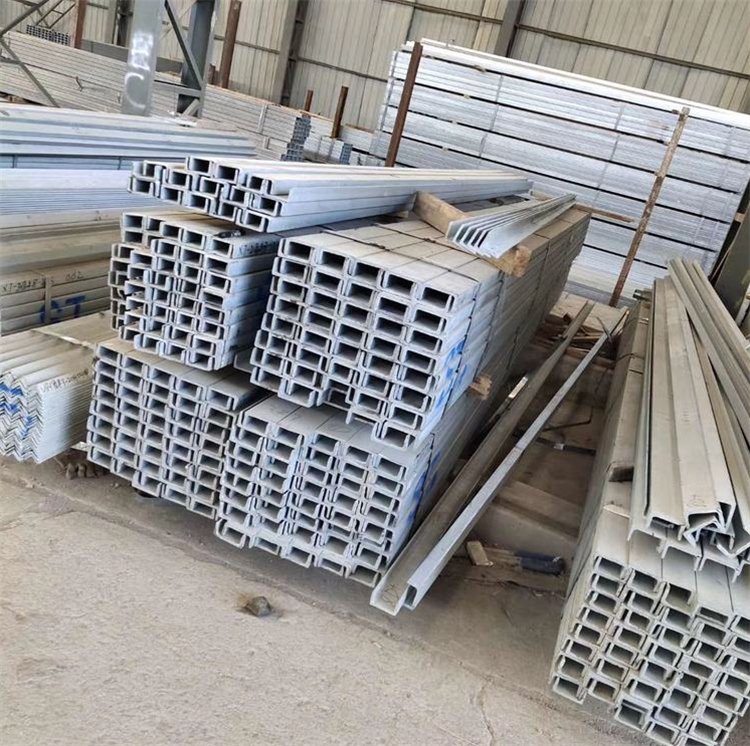
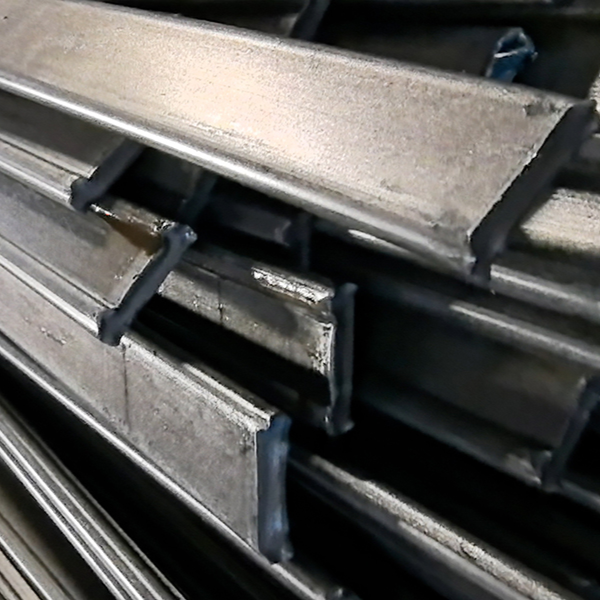
(6) The surface of the hot-dipped galvanized parts is bright and aesthetically pleasing.
(7) The pure zinc layer is a pliable coating in hot-dip galvanizing, with properties nearly identical to pure zinc, featuring ductility, thus it is highly flexible.