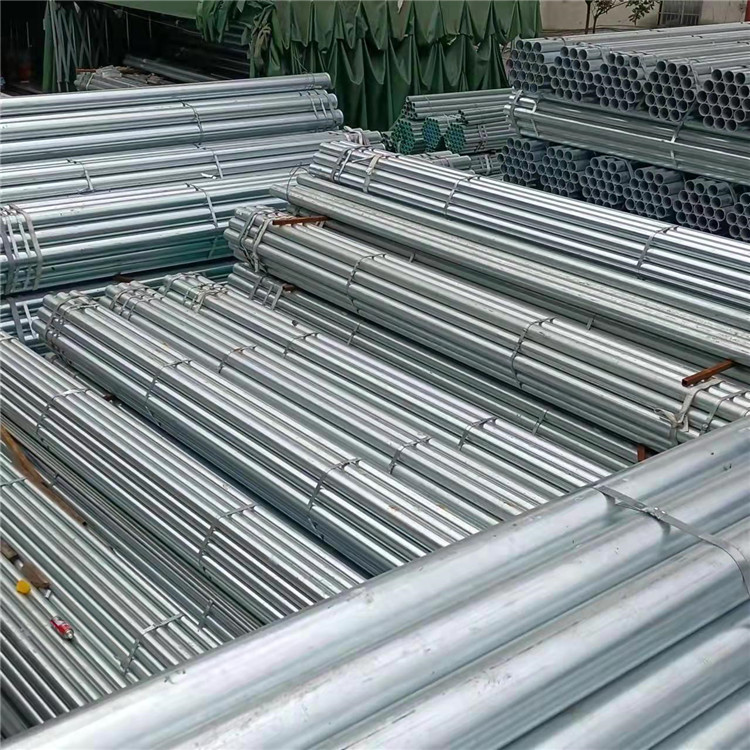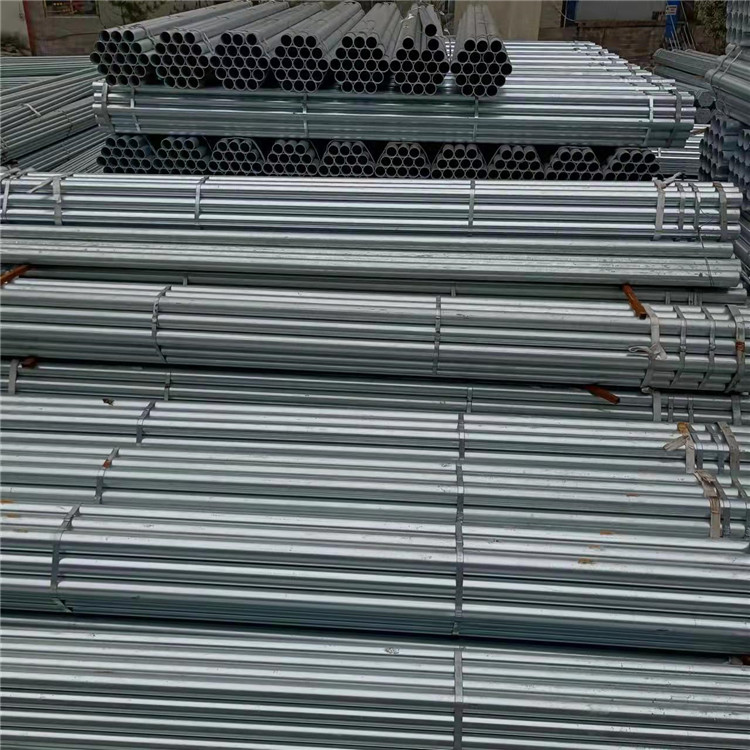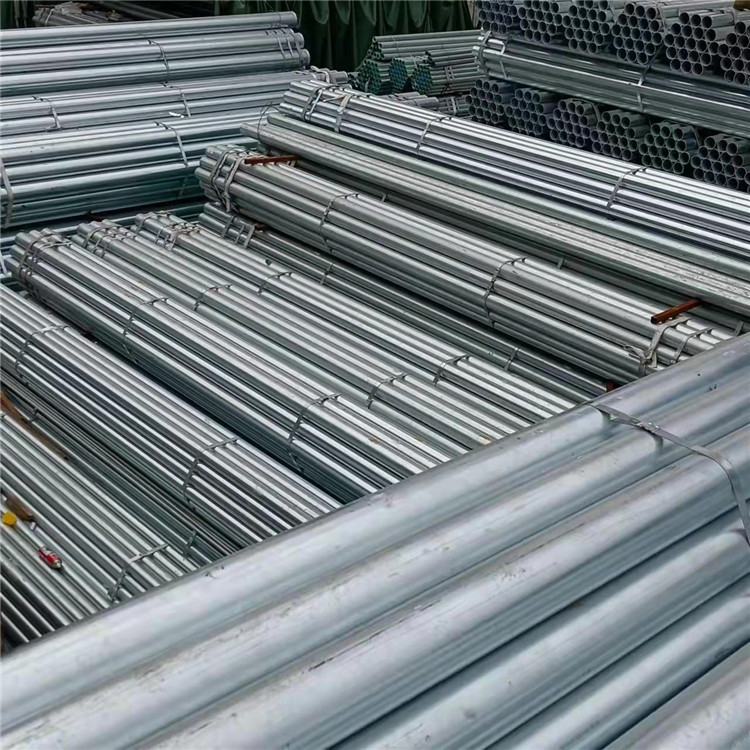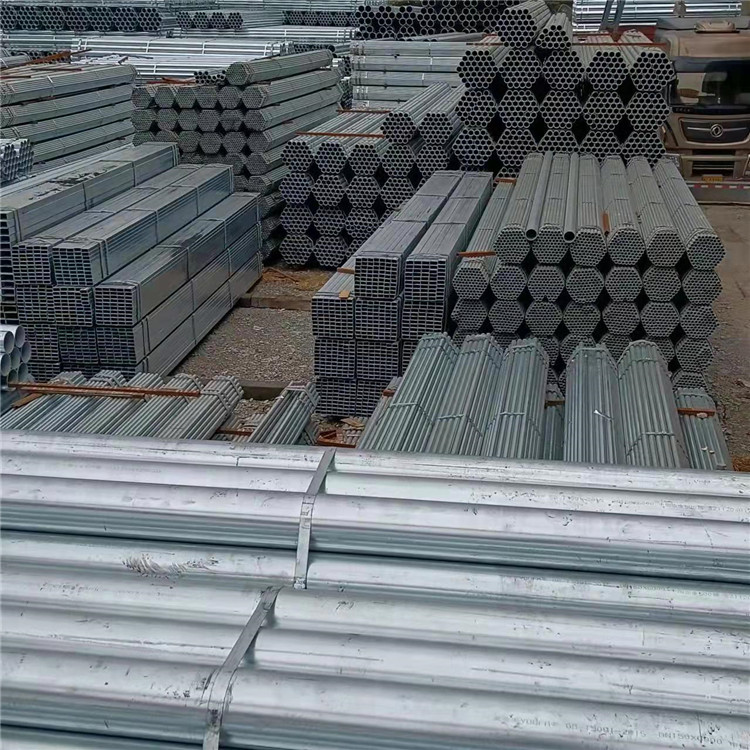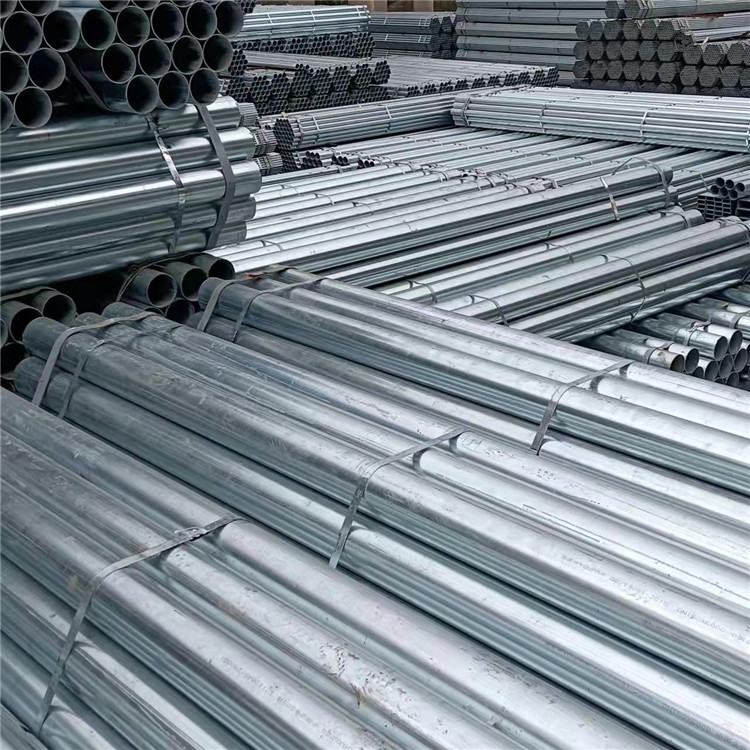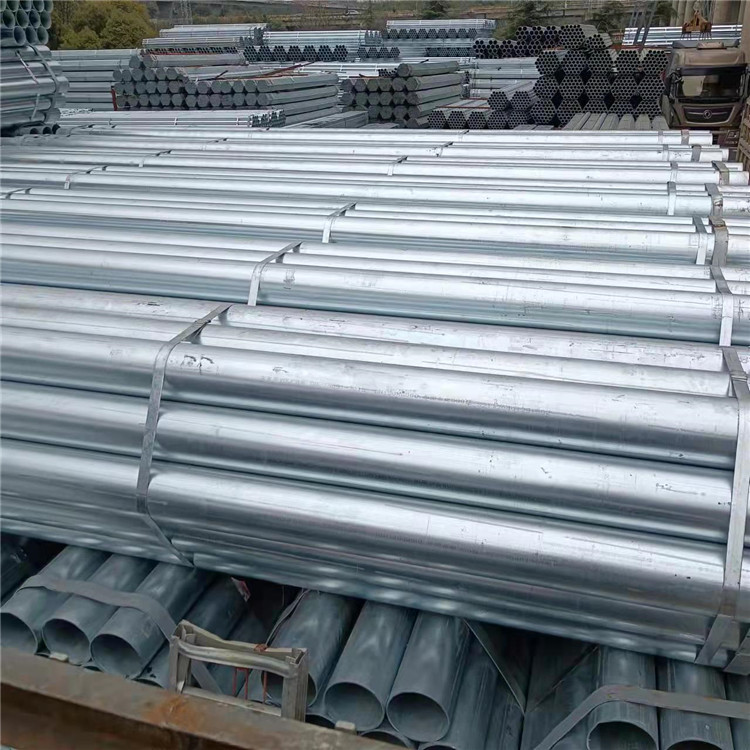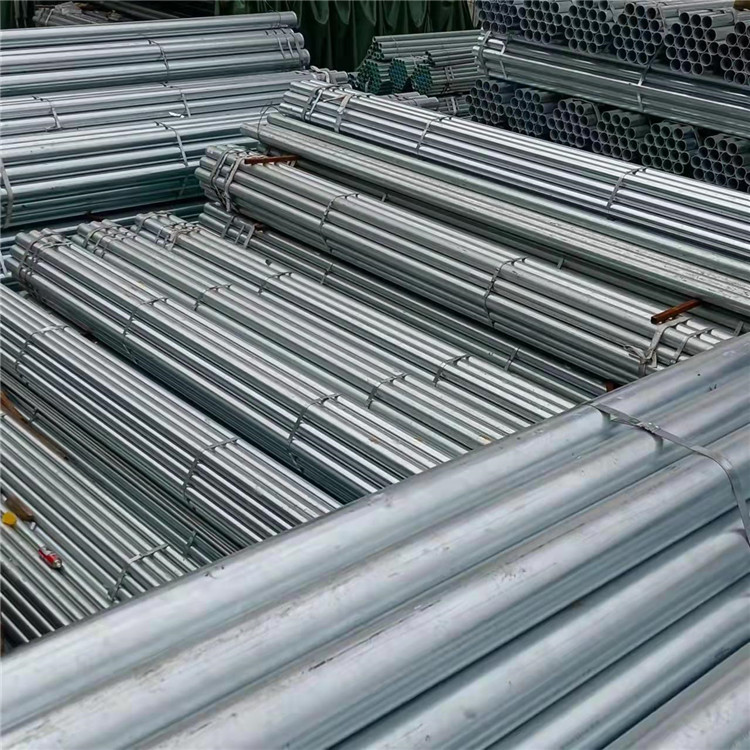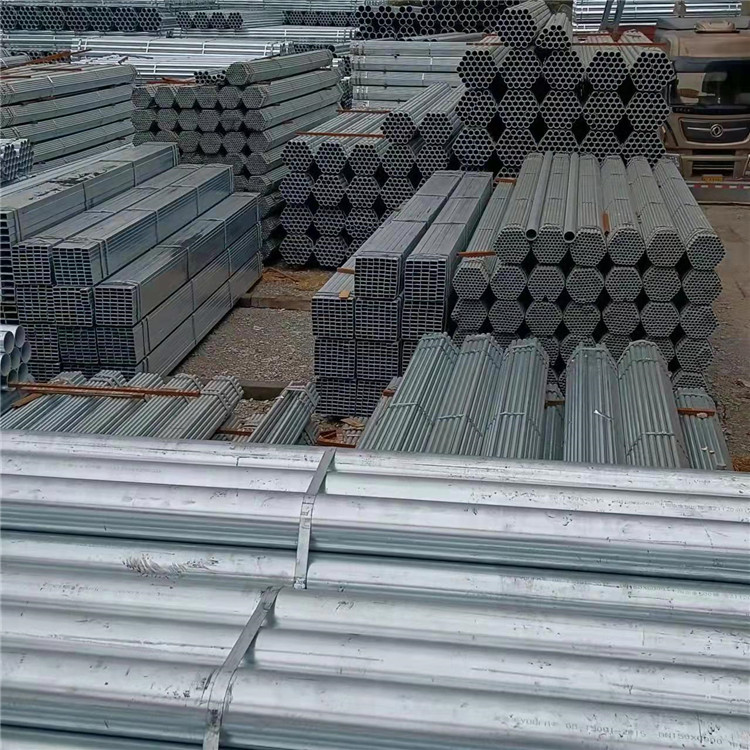













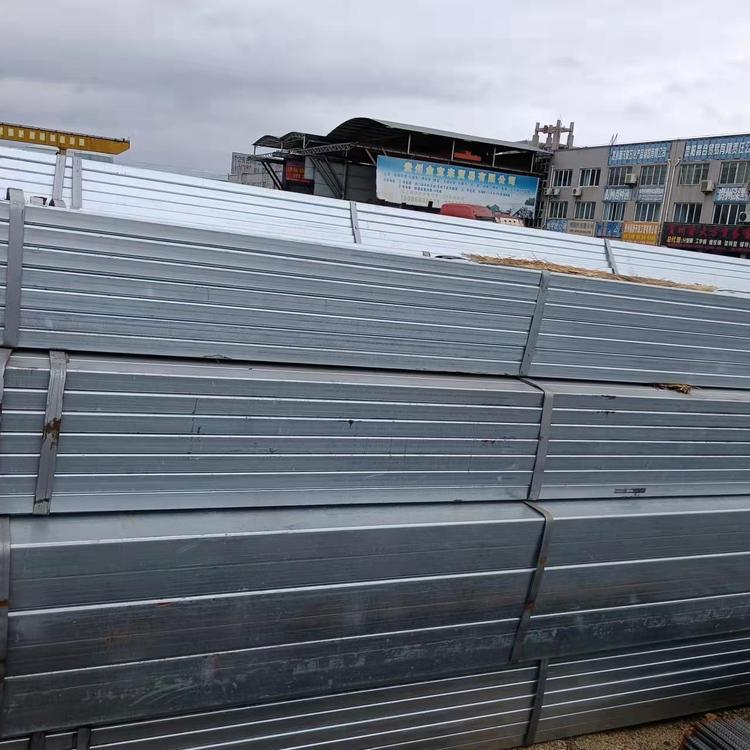
Round steel is categorized into three types: hot-rolled, forged, and cold-drawn. Hot-rolled round steel specifications range from 5.5 to 250 millimeters. Among them: small round steel with diameters of 5.5 to 25 millimeters is usually supplied in bundles as straight bars and is commonly used for reinforcement bars, bolts, and various mechanical parts; round steel with diameters larger than 25 millimeters is mainly used for manufacturing mechanical parts and billets for seamless steel tubes. By chemical composition, carbon steel can be divided into low carbon steel, medium carbon steel, and high carbon steel. (1) Low carbon steel, also known as soft steel, contains carbon from 0.10% to 0.30%. It is easy to process through forging, welding, and cutting and is often used in the manufacture of chains, rivets, bolts, shafts, etc. (2) Medium carbon steel is carbon steel with a carbon content of 0.25% to 0.60%. It includes products such as killed steel, semi-killed steel, and boil steel. Besides carbon, it can also contain a small amount of manganese (0.70% to 1.20%). It is categorized into ordinary carbon structural steel and carbon structural steel. It has good hot working and cutting properties but poor welding properties. Its strength and hardness are higher than those of low carbon steel, while its plasticity and toughness are lower. It can be used directly without heat treatment, either in hot-rolled or cold-drawn form, or after heat treatment. Quenched and tempered medium carbon steel has excellent comprehensive mechanical properties and can achieve a high hardness of approximately HRC55 (HB538), with σb ranging from 600 to 1100 MPa. Therefore, medium carbon steel is widely used in various applications at medium strength levels, in addition to being used as building materials, it is also extensively used in the manufacture of various mechanical parts. (3) High carbon steel, commonly referred to as tool steel, contains carbon from 0.60% to 1.70% and can be hardened and tempered. Hammers and crowbars are made from steel with a carbon content of 0.75%; cutting tools such as drills, taps, and reamers are made from steel with a carbon content of 0.90% to 1.00%.