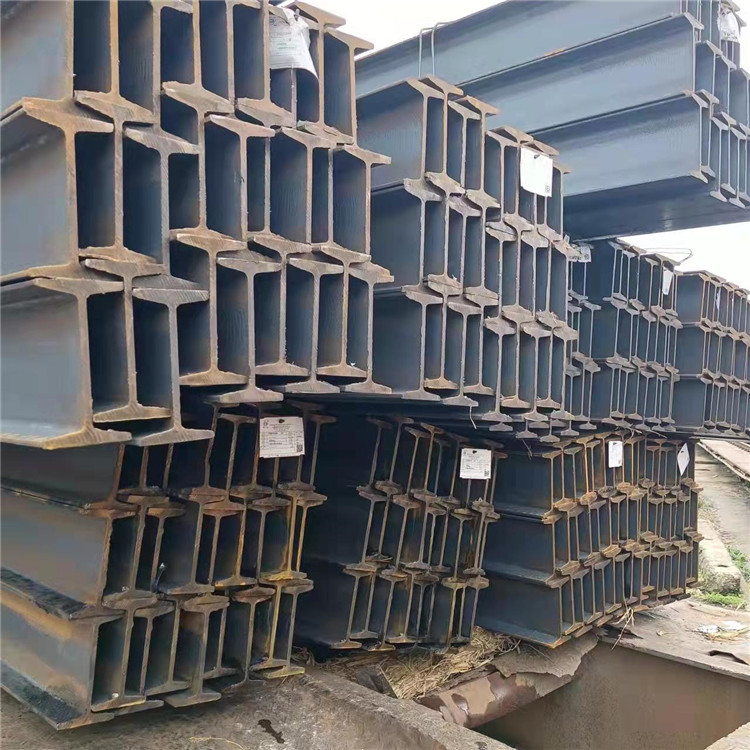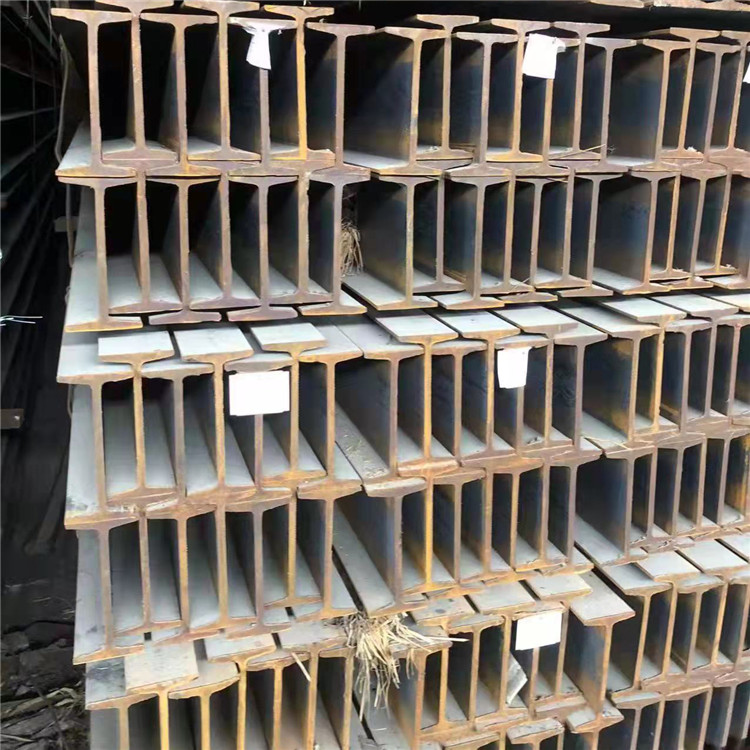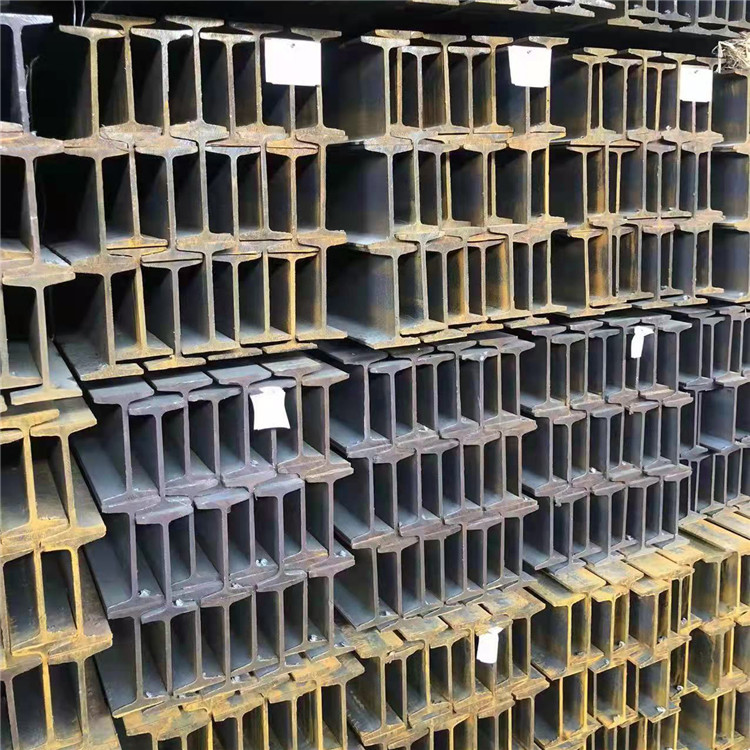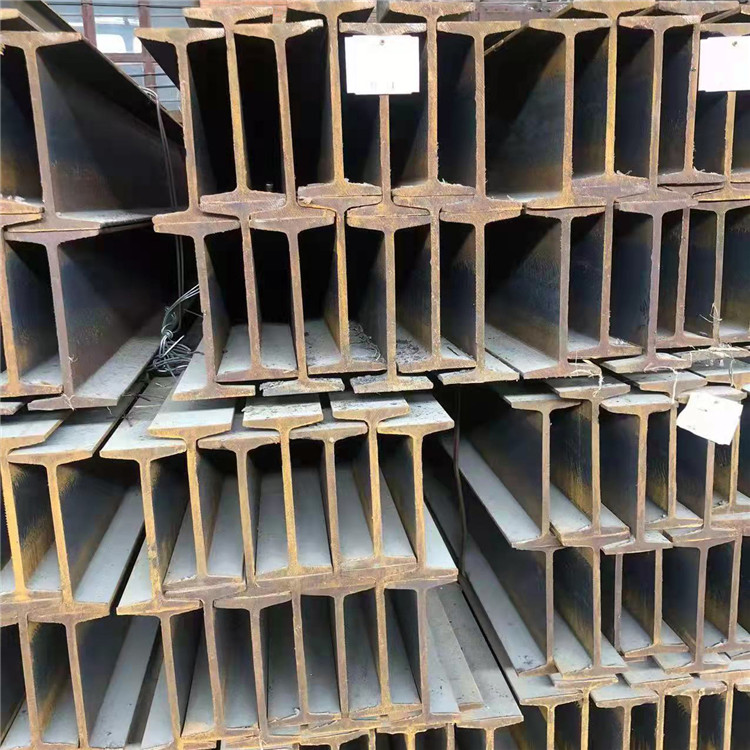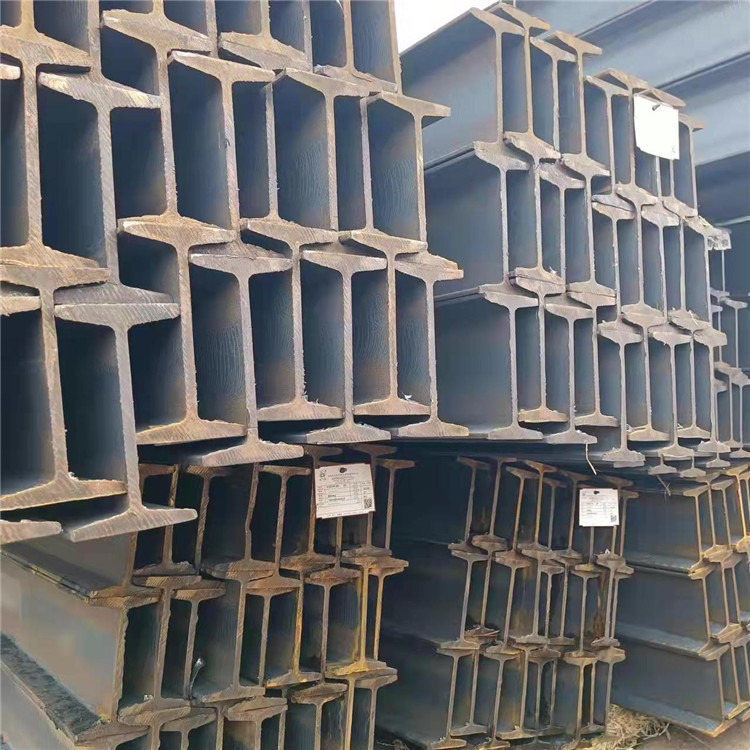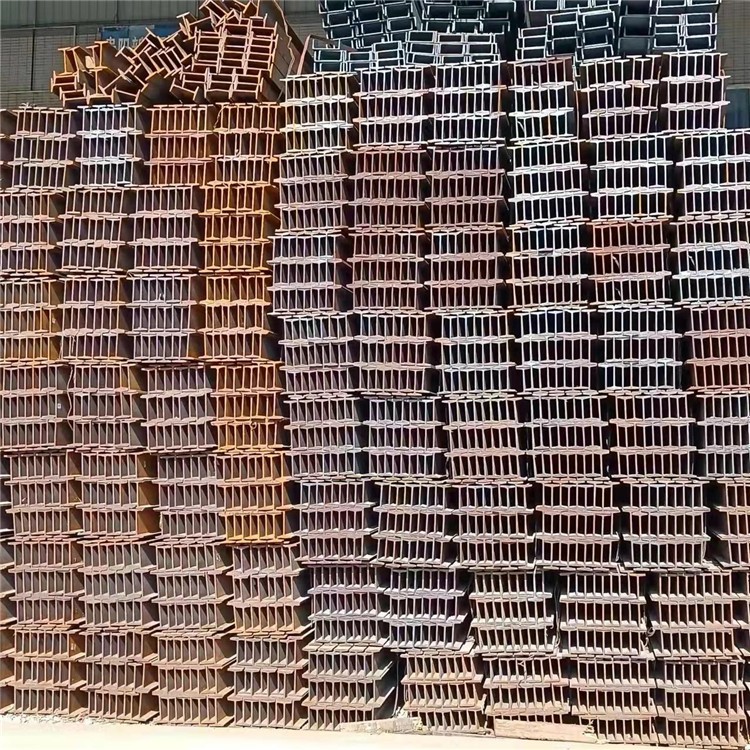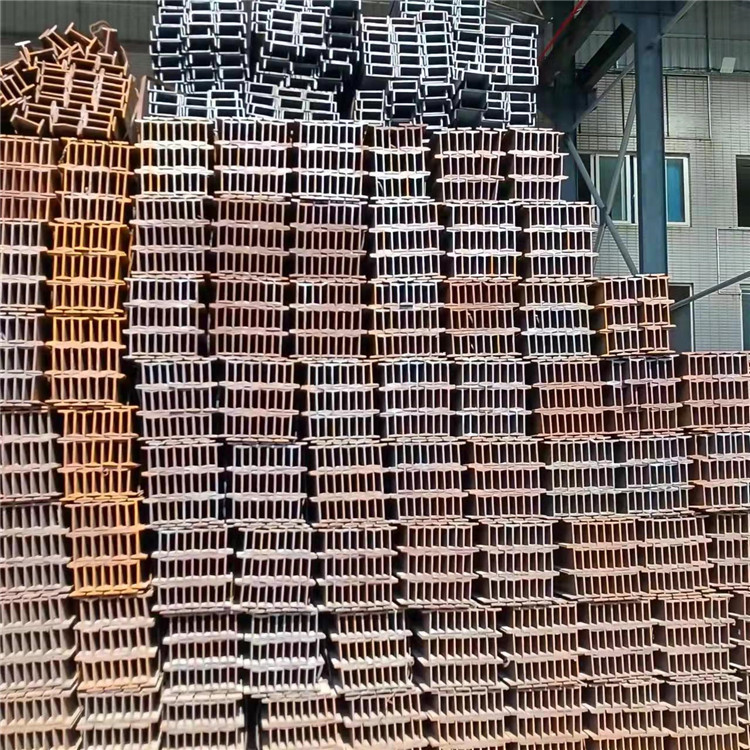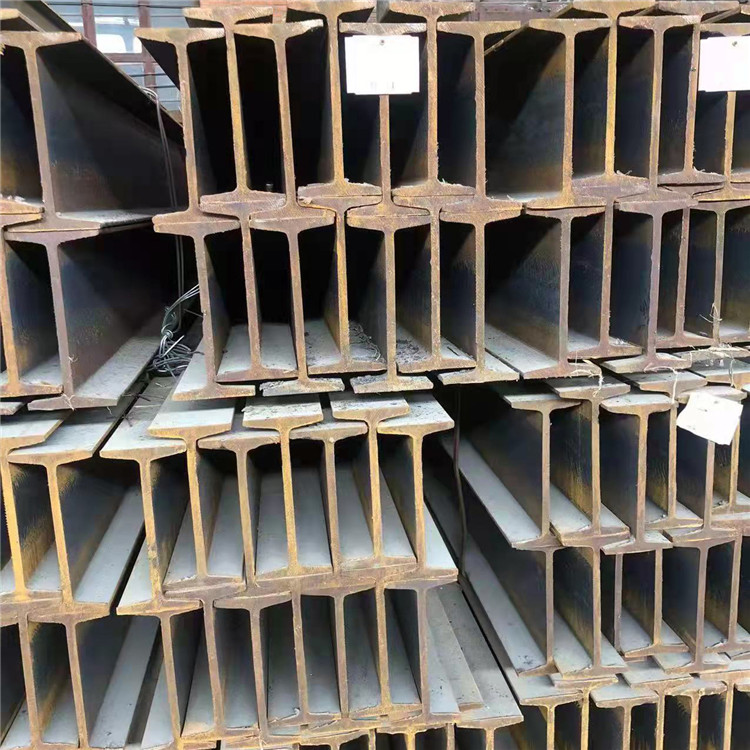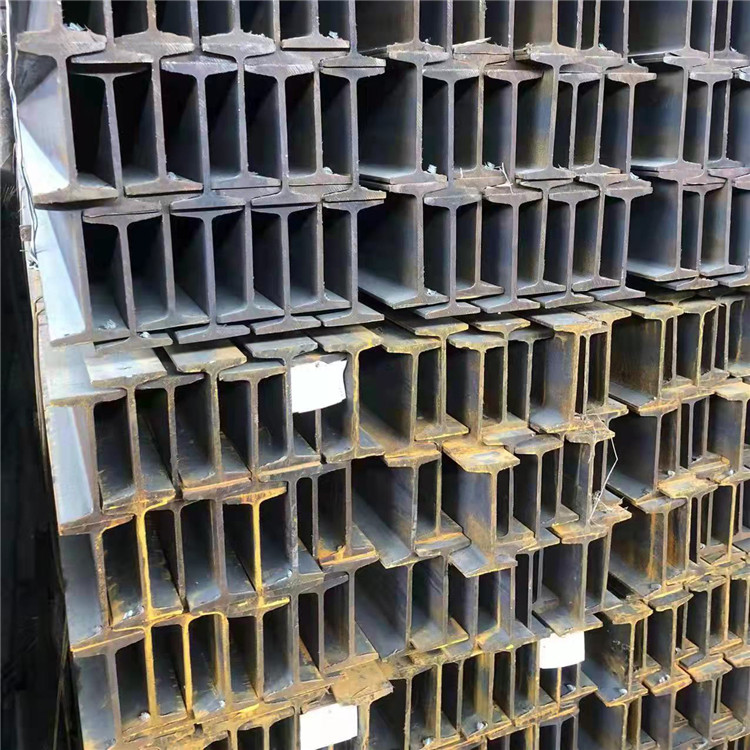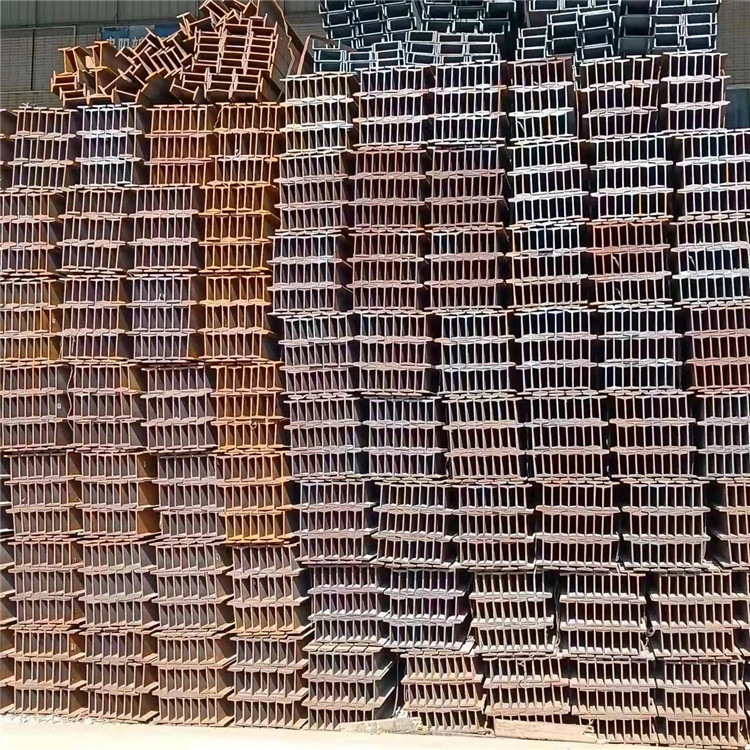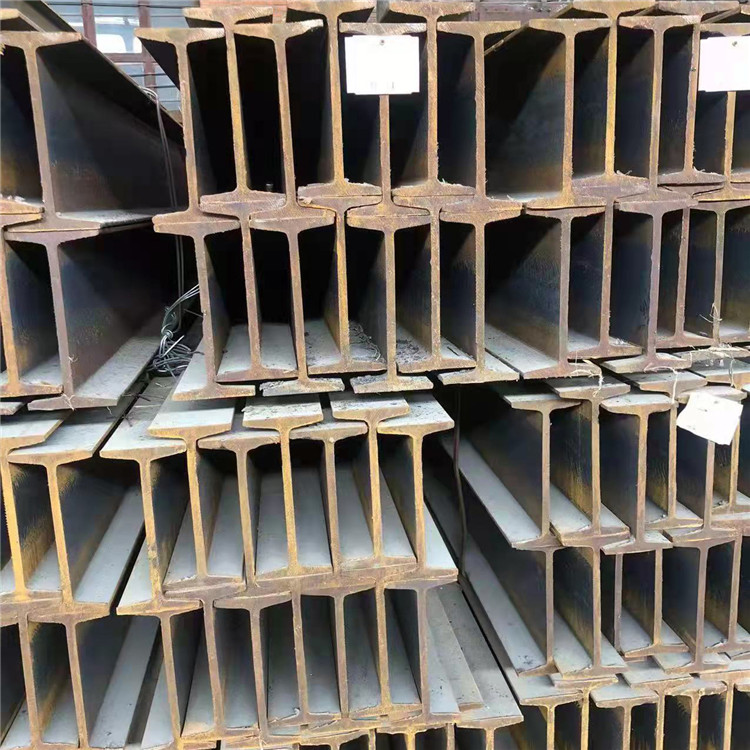

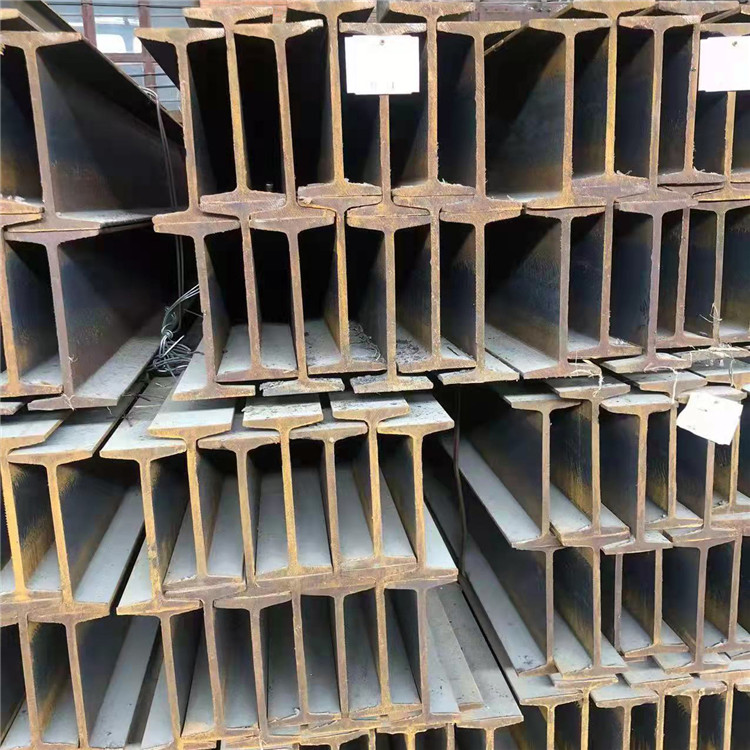
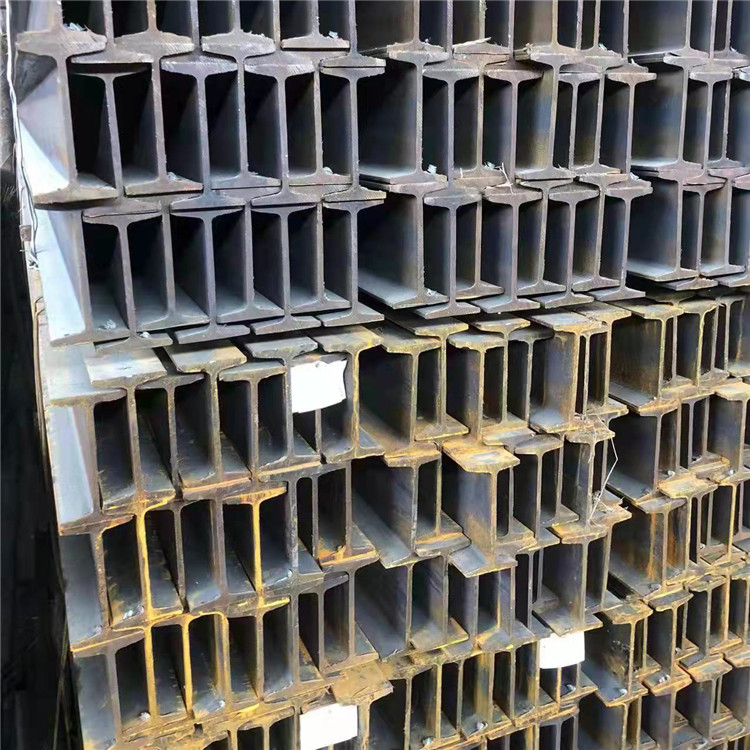
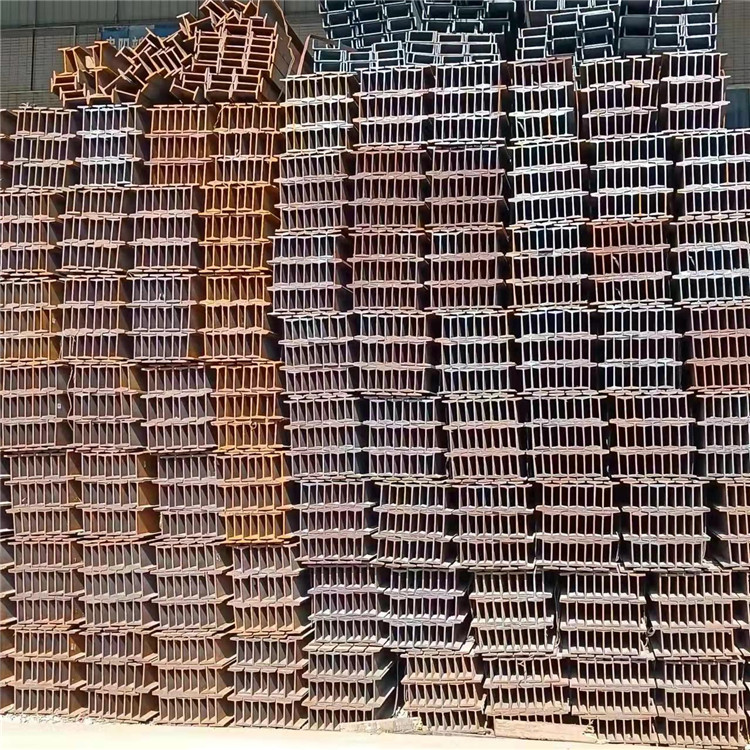


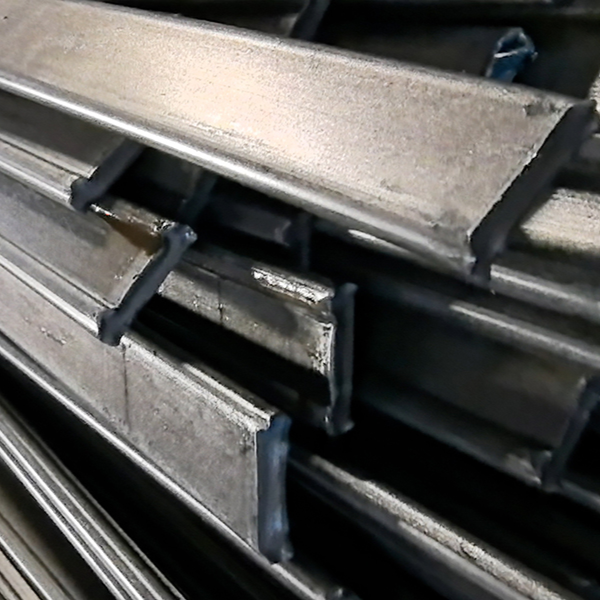
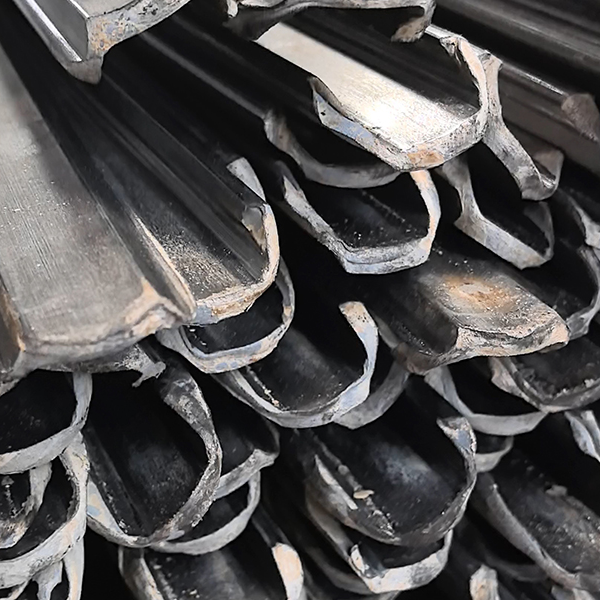





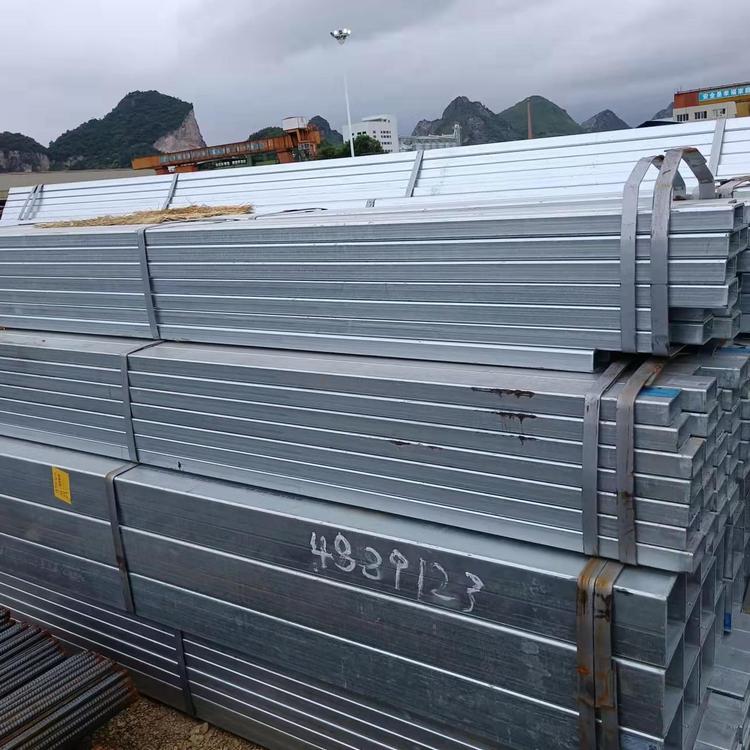
I-beams, whether standard or light, due to their relatively high and narrow cross-sectional dimensions, have significantly different moments of inertia for the two main axes. As a result, they can only be used directly for members that bend within the plane of their web or for those that form truss-like structural components. They are not suitable for axially compressed members or for those that have bending perpendicular to the web plane, which greatly limits their application range. I-beams are widely used in construction and other metal structures.
Standard I-beams and light I-beams have relatively high and narrow cross-sectional dimensions, resulting in a significant difference in the moment of inertia of the two principal axes. This limitation greatly restricts their application range. The selection of I-beams should be based on the requirements of the design drawings.
When selecting I-beams for structural design, it is essential to consider their mechanical properties, chemical properties, weldability, and structural dimensions to choose the appropriate I-beam for use.