



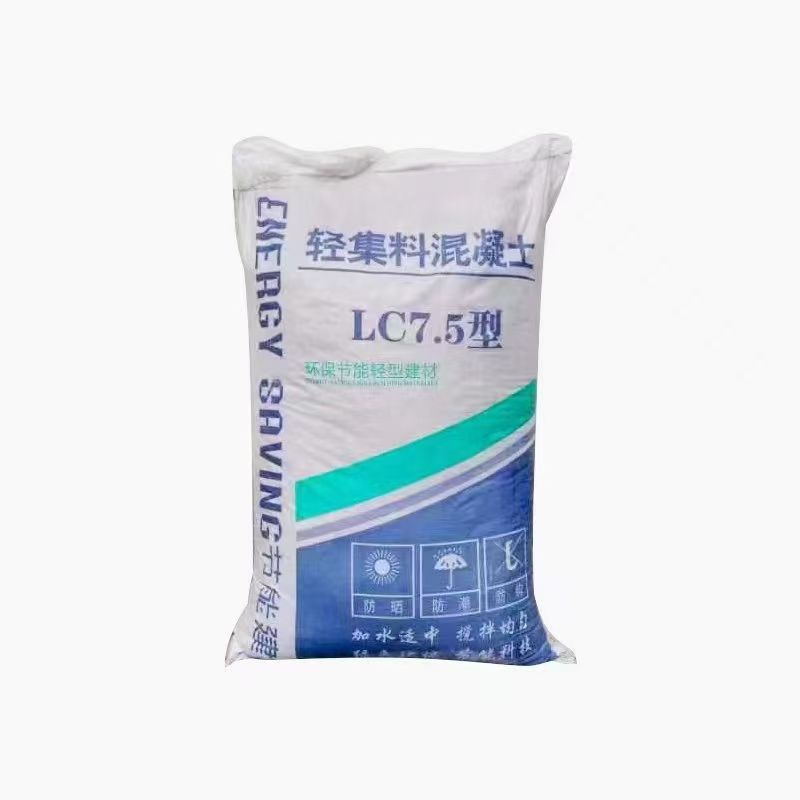
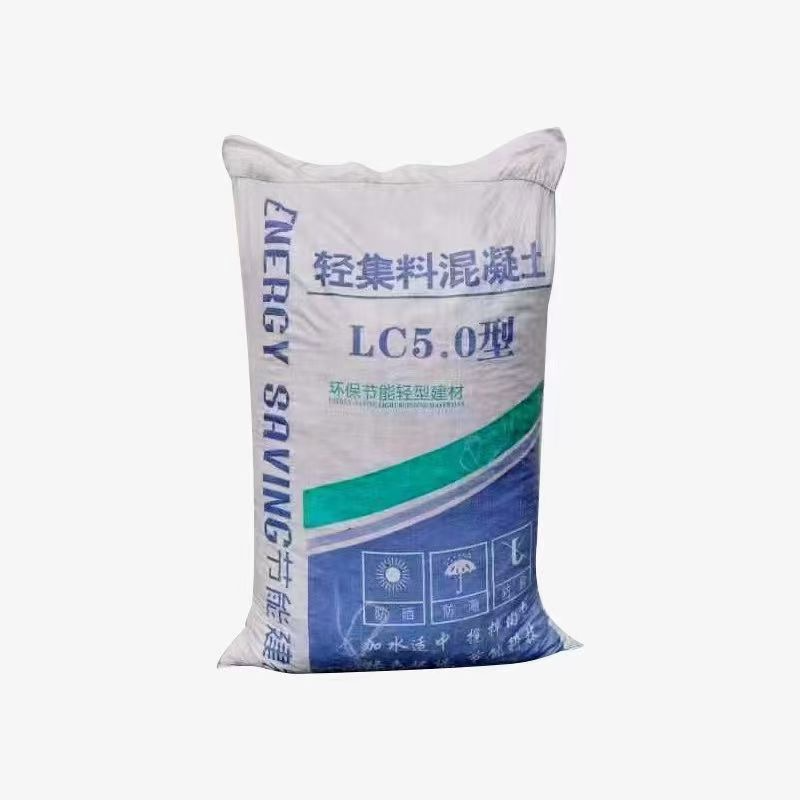





CPA concrete corrosion inhibitor, sulfate-resistant anti-corrosion agent
CPA Concrete Corrosion Inhibitor Enhancer
Harbor port concrete corrosion inhibitor is a composite admixture.Blended in appropriate amounts with ordinary cement, it meets the requirements of the "Sulfate-Resistant Silicate Cement" standard. When added to concrete, it satisfies the technical requirements for shrinkage-compensating concrete as outlined in JTJ275 "Technical Specification for Corrosion Prevention of Concrete Structures in Port Engineering" and GB50119 "Technical Specification for Application of Concrete Admixtures." It possesses anti-cracking properties and impermeability. This material addresses issues such as harmful cracks caused by drying and cold shrinkage in concrete, sea water erosion, and improves the durability of concrete structures in port engineering.
Product Features
1. Low alkali content. Total alkali content < 0.40%.
2. High Performance: The performance indicators of GB50119 are met with only a 8-12% admixture of CPA, thus having minimal impact on the original concrete mix design during use.
3. The CPA cement has a normal setting time, does not affect strength, and features slight expansion properties. It has a smaller shrinkage rate in the later stage, which is its notable characteristic—capable of compensating for shrinkage and crack resistance.
4. High resistance to water permeability and sulfate erosion.
5. The CPA has a short expansion stabilization period. After 14 days in water, it no longer exhibits significant expansion, which is beneficial for the later strength growth of concrete.
Technical Specifications:
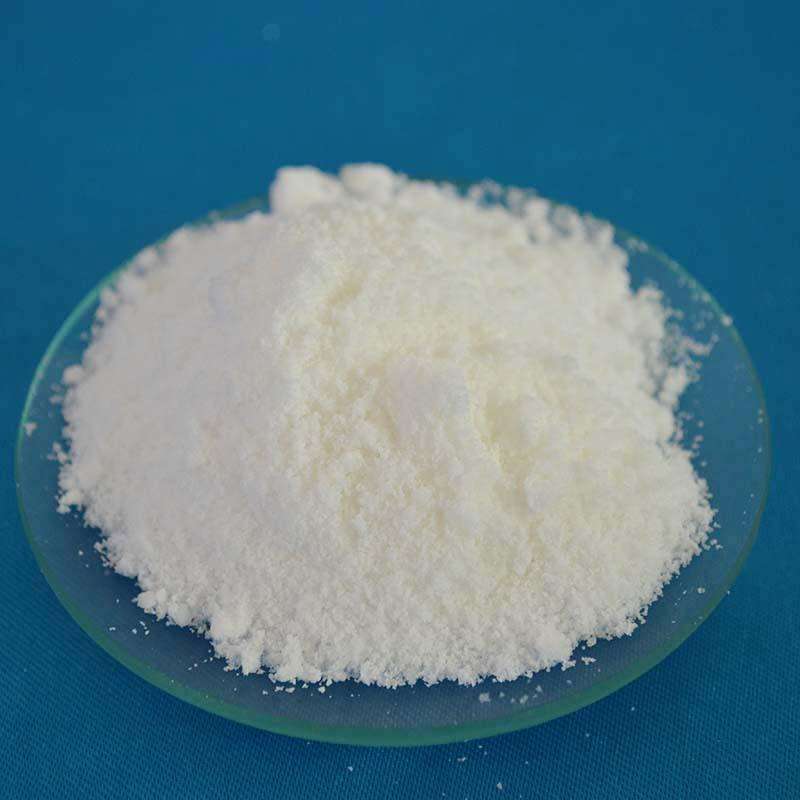
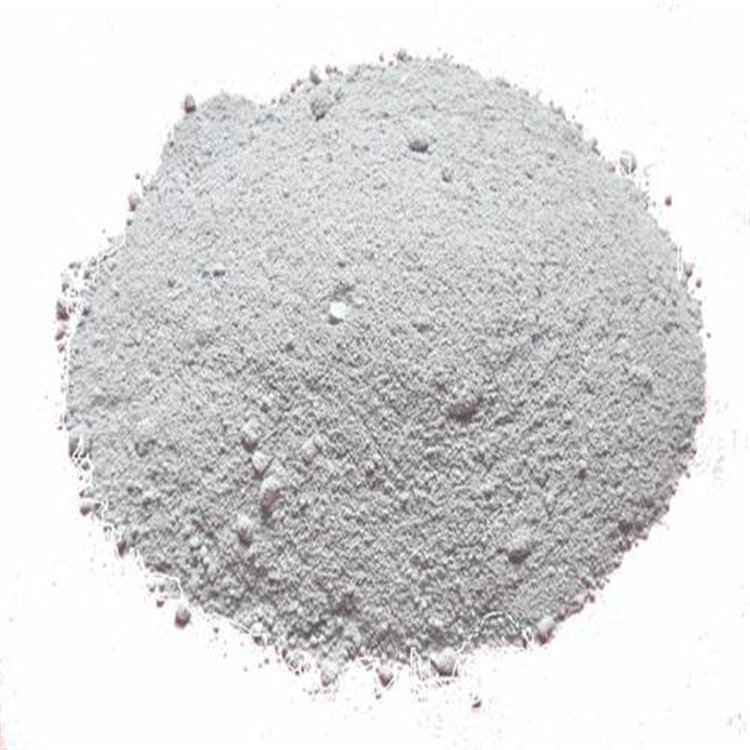
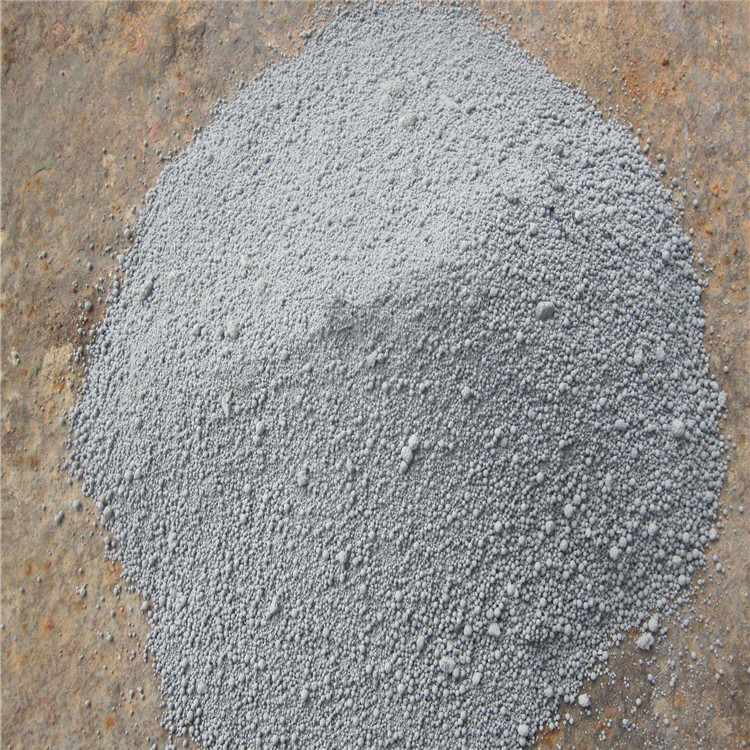
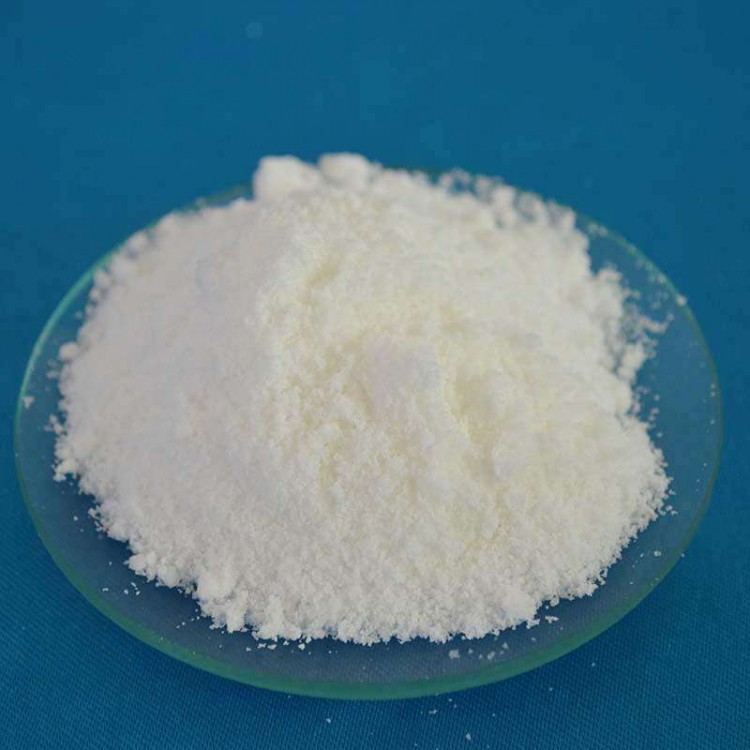
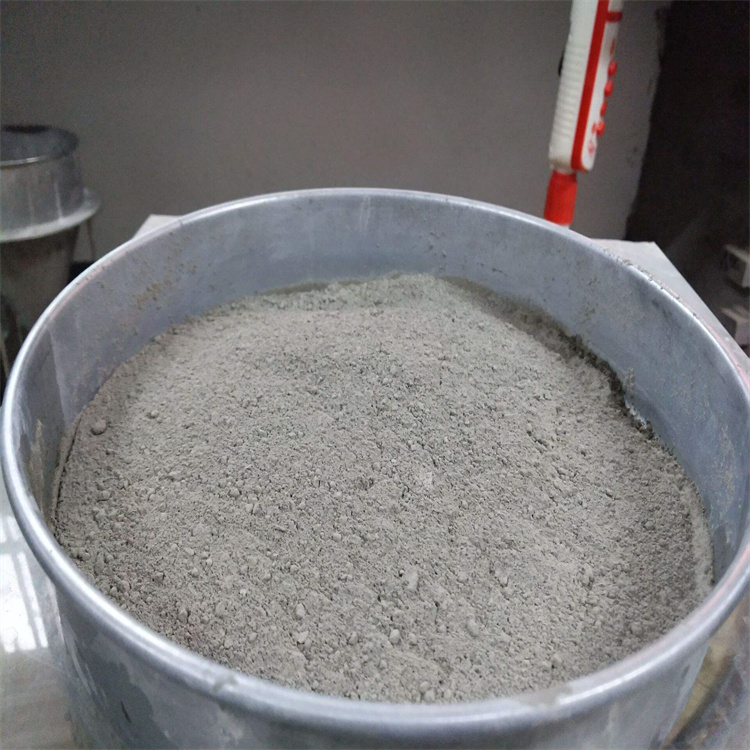
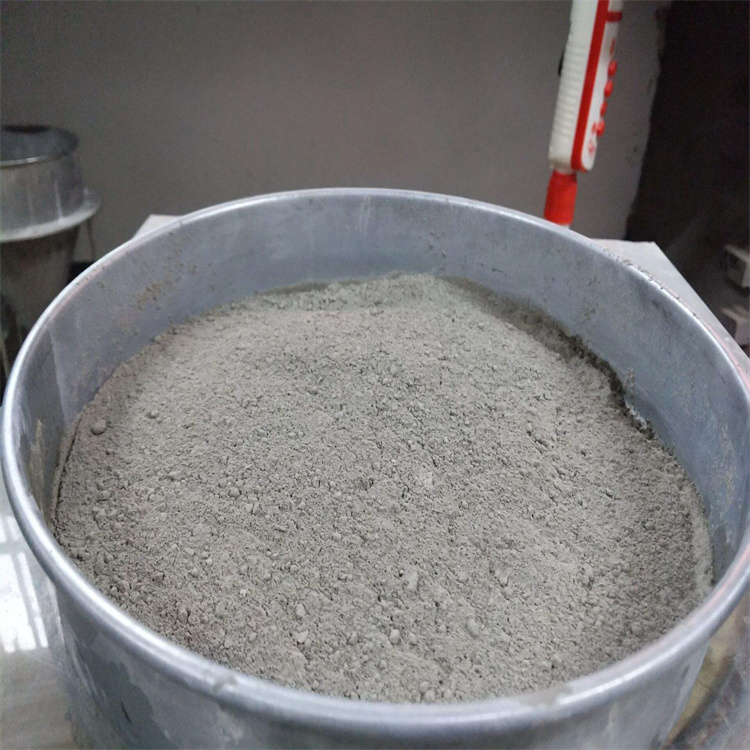
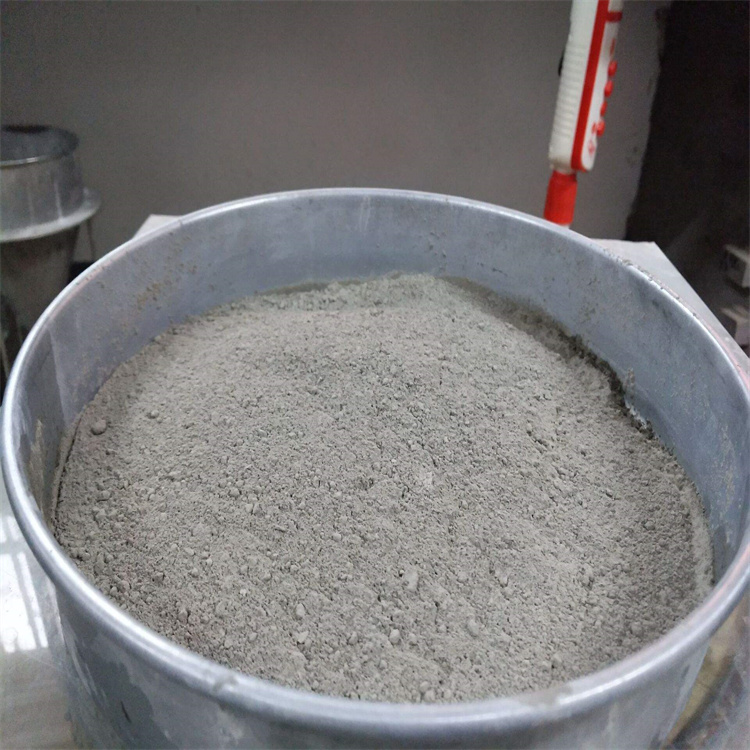
1. Appearance: greyish-white powder material
2. 1.5 tons/sq. meter in weight
3. Setting Time: Initial setting time, 45 minutes; Final setting time < 10 hours.
4. Standard expansion rate test (mixed within 10-12%), in water for 7 days, 0.025%; in water for 28 days < 0.1%; in air for 21 days, -0.02%.
5. Compressive Strength: Meets the strength test method of standard JC478, with a 28-day strength greater than 45Mpa.
6. Ion Resistance (C) < 1000
7. No significant effect on concrete strength.
8. Can establish a self-stress value of 0.2-0.7 MPa in reinforced concrete.
9. The concrete's corrosion resistance has significantly improved, with the erosion coefficient (K) in seawater ≥ 1.0.
10. Free from rust on rebar; no impact on water quality.
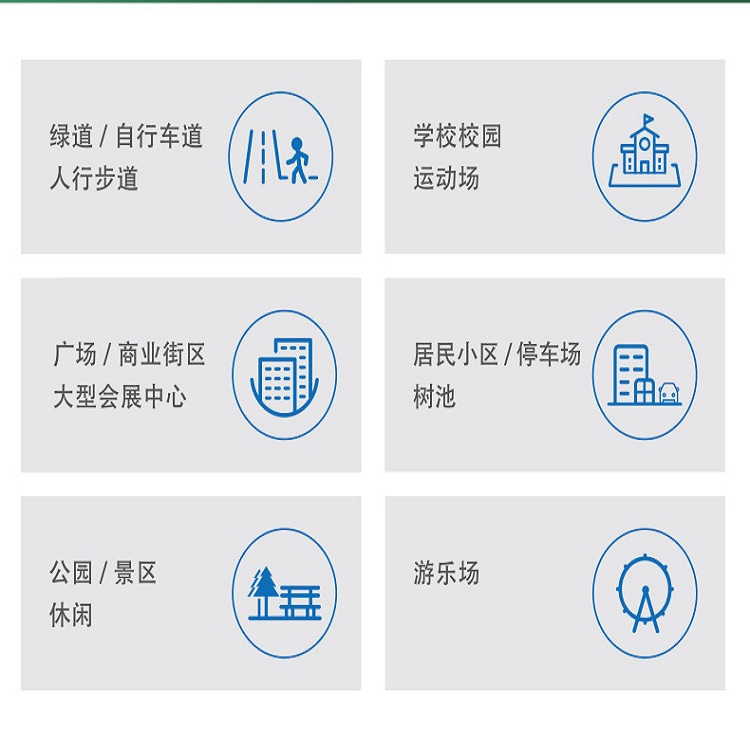
Application Fields
Harbor Concrete Corrosion Inhibitor EnhancerThe CPA acts in five aspects: self-waterproofing structure, ultra-long seamless construction, crack control in large-volume concrete, and resistance to ion penetration, as well as resistance to seawater and sulfate erosion.
1. Offshore concrete structures or areas in direct contact with seawater, such as: docks, breakwaters, offshore oil drilling platforms, bridge piers spanning over seas, water conveyance channels, etc.
2. Mixed crack-resistant and waterproof concrete is suitable for basements in coastal areas and buildings requiring waterproofing and corrosion prevention, such as subways.
3. Compensating shrinkage concrete is suitable for large-scale marine concrete structures and large volume projects requiring minimal shrinkage cracks.
4. Infrastructure engineering in saline-alkali regions. Such as: pile foundations, basements, roads, and foundations, etc.
5. Water storage pools, tanks, towers, etc., with high erosion resistance and seepage prevention requirements.
Dosage: Generally, the addition amount of the binder material (or cement) is:8%; 12% effective at higher sea water concentration.
Cautionary Notes:
Due to the inherent differences between various types of cement and admixtures, it is necessary to conduct adaptability tests when switching to different cement types and models.
2. Under conditions of special corrosion, in addition to using anti-corrosion enhancers, other corresponding anti-corrosion measures should be taken (e.g., rust inhibitors, etc.).
Testing Standards: Testing Execution Standards:GB23439-2009, JC/T1011-2006 respective specifications
Packaging and Storage:25 kg bags with inner plastic lining; products should be stored in a dry place to prevent moisture, with a shelf life of one year.