









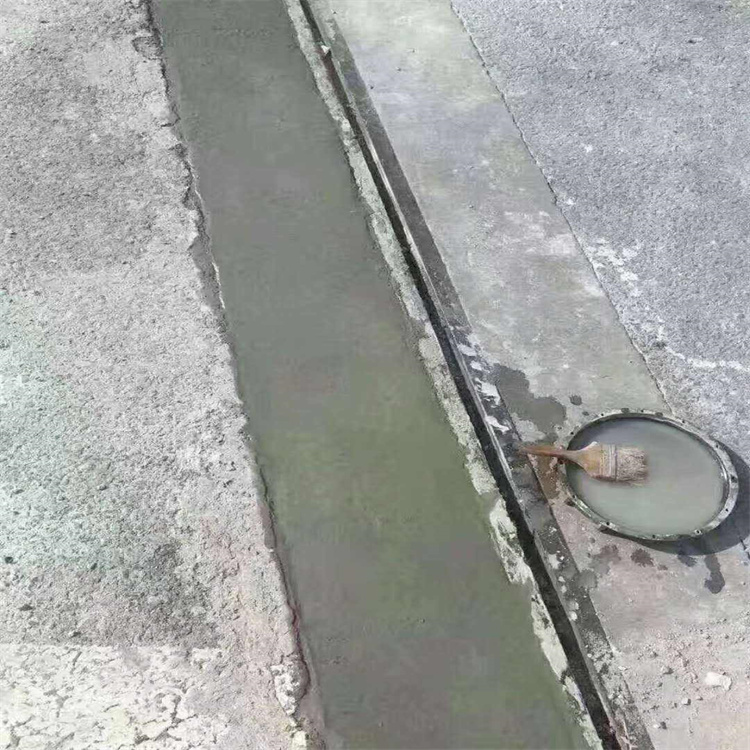
Beijing asphalt road pothole repair prices, paving asphalt concrete per square meter cost
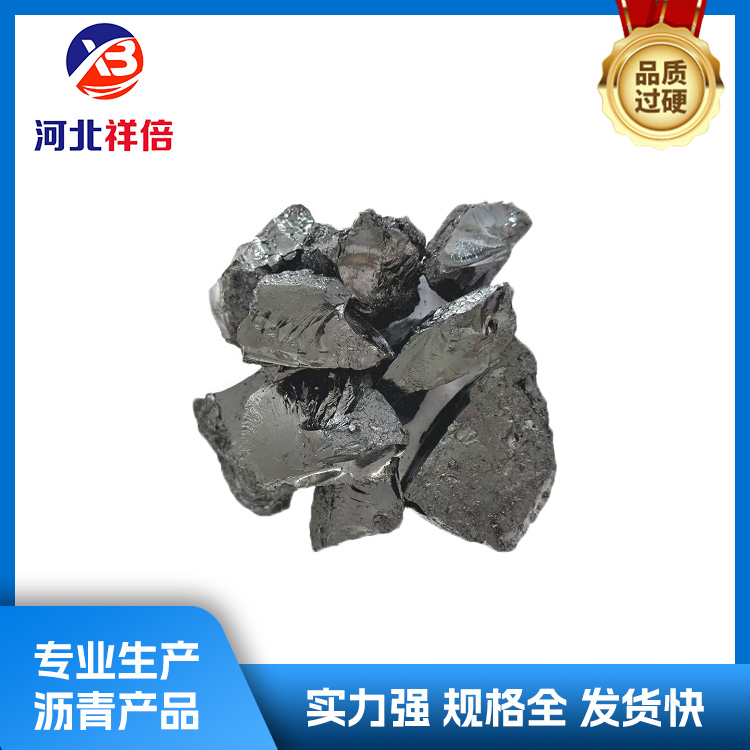
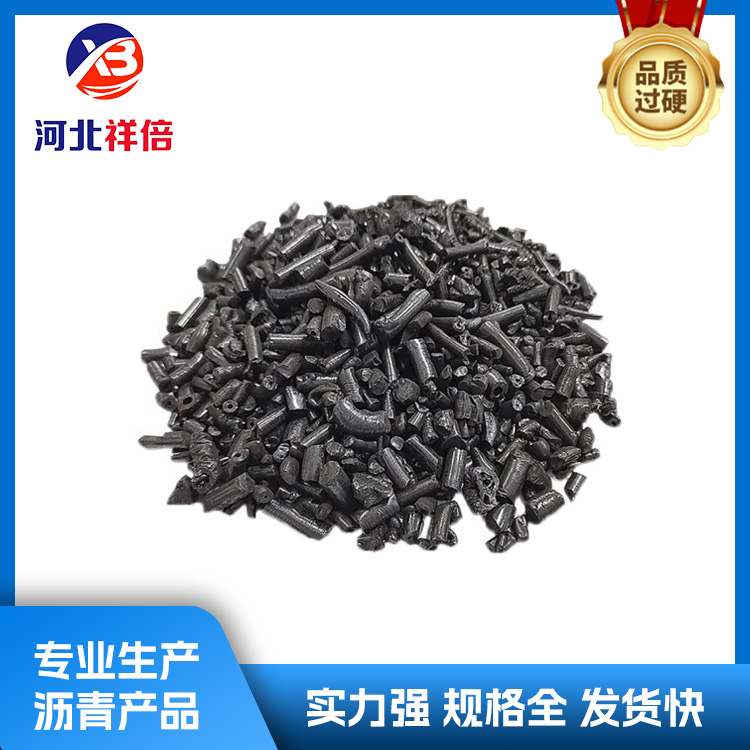
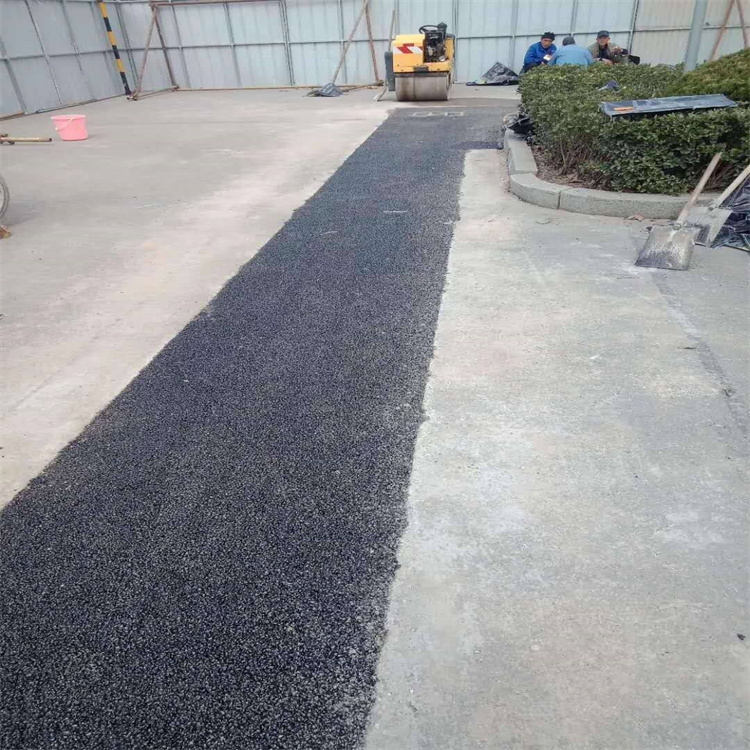
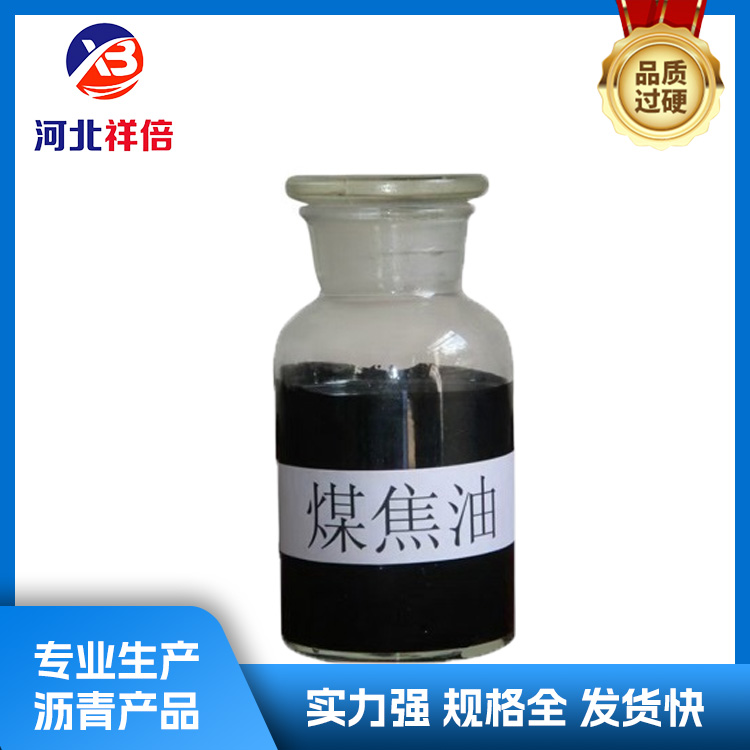
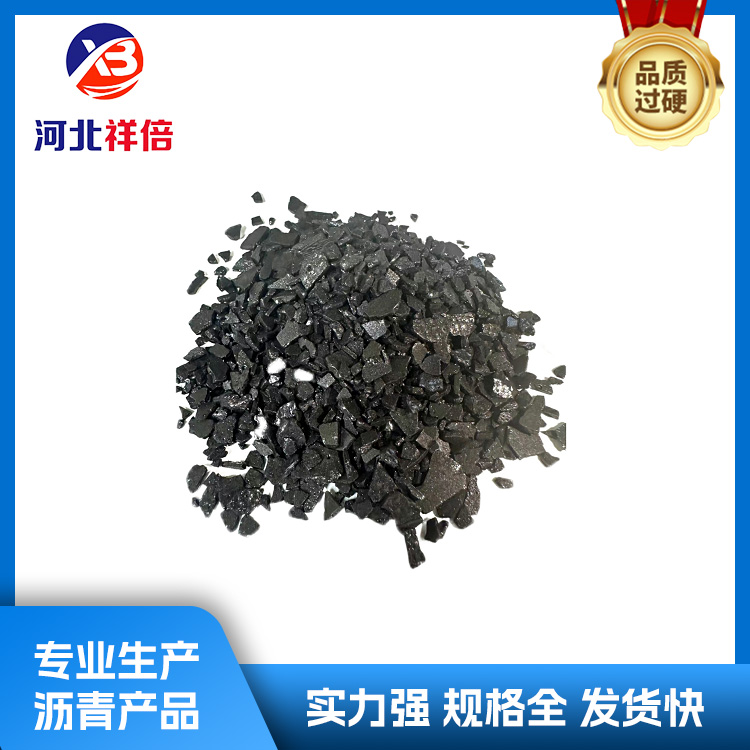
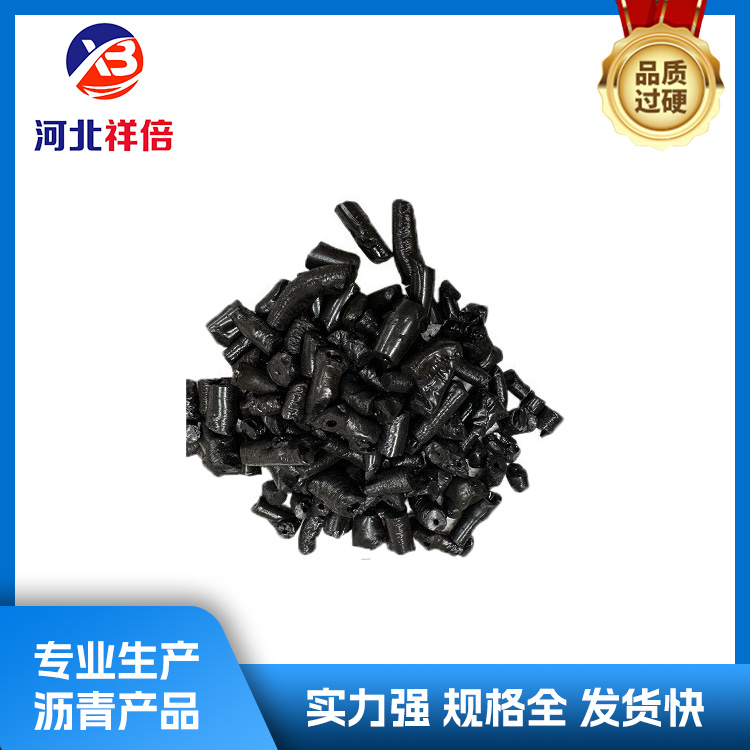
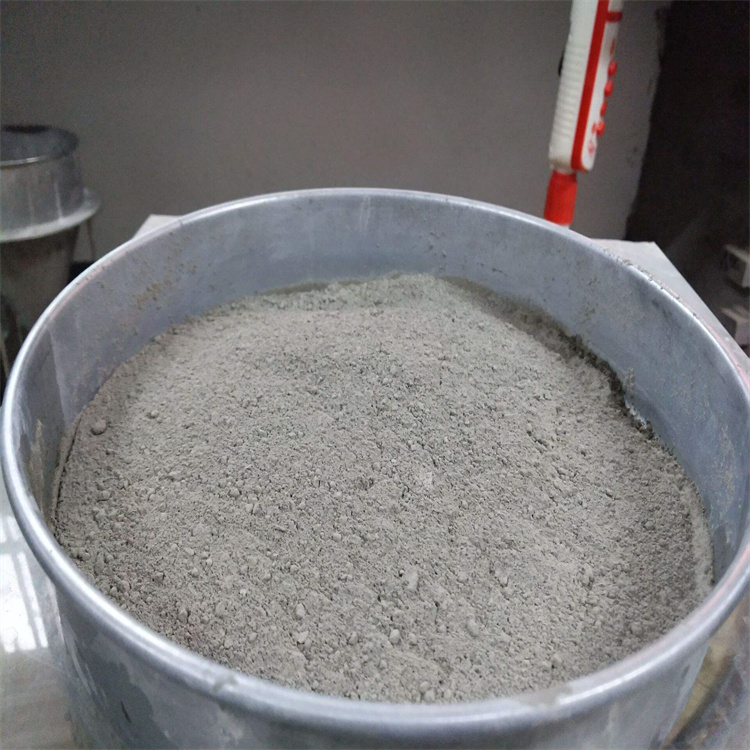
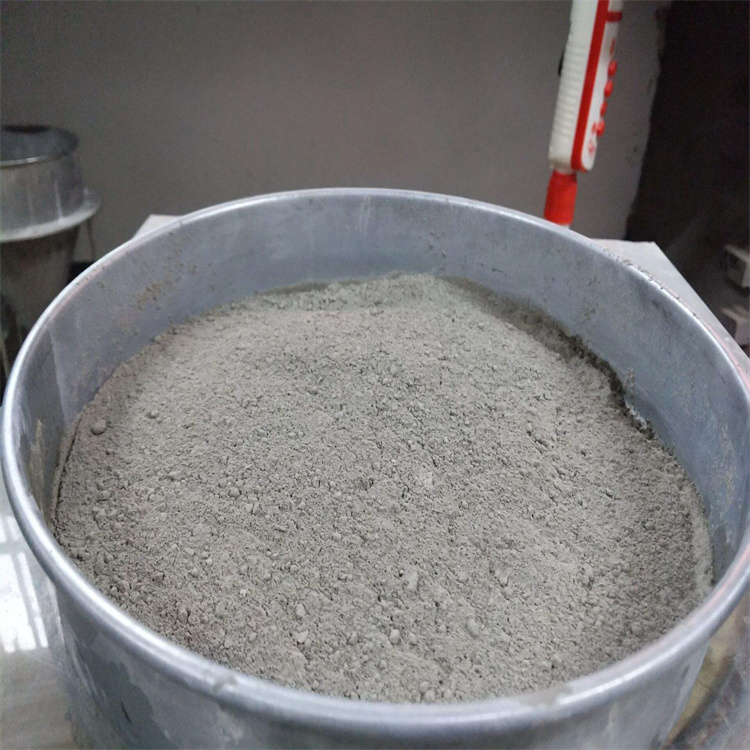
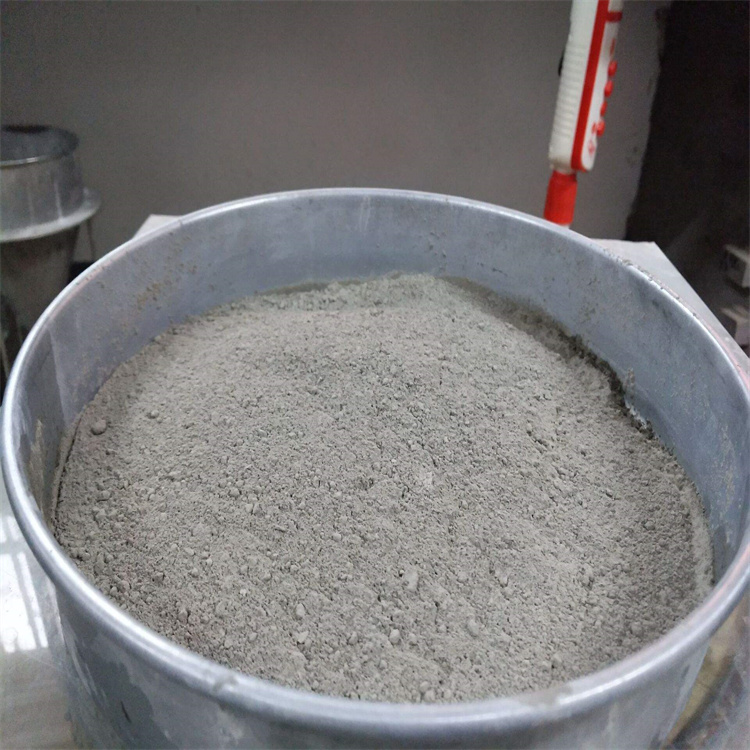
Asphalt pavementPit Repair Asphalt cold patch material
Asphalt Mixture/Asphalt Patching Material
I. Cold Filling Material Product Introduction:
Road maintenance departments typically use hot-mixed asphalt for patching road surfaces. However, due to factors like weather, temperature, the size and quantity of potholes, and the extent of damage, hot patching cannot always be timely, especially for winter potholes. This inevitably leads to increased damage, not only wasting repair materials but also affecting traffic flow and reducing the lifespan of the road.
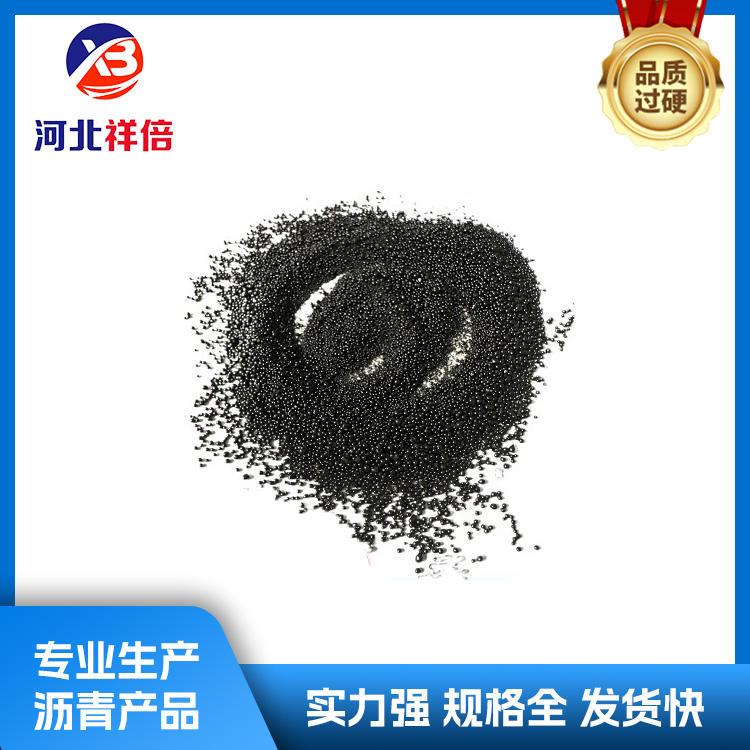
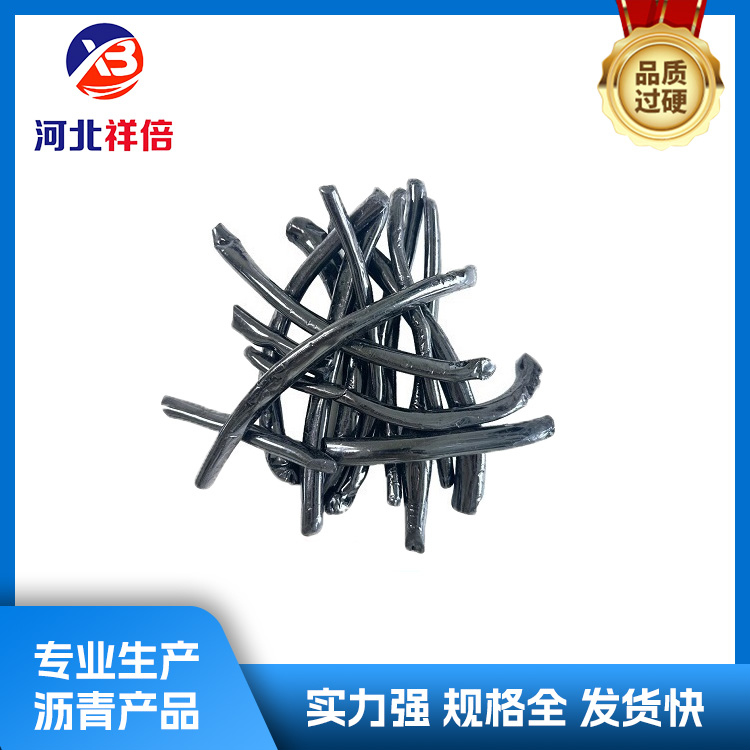
Shunjian Xingye BrandCold patch material is processed using a special method to modify asphalt, which imparts it with cohesive, pressure-sensitive, and viscoelastic properties. After proper compaction, it can adhere to the repair area for a long time without shedding.Cold patch materials, with their numerous advantages such as the ability to repair road surfaces under various conditions, ease of operation, high-quality repairs, long storage life, and cost savings, have been widely used in road surface repairs across various provinces and cities, and are increasingly recognized and welcomed by road maintenance departments.
Section IICharacteristics of Cold Fill Material:
1Type repair material
Wide temperature range applicable for cold patch material; can be used in-30℃Please provide the Chinese content to be translated.40℃Applicable between seasons, construction can be carried out regardless of rain, snow, or sunshine.
2Installation is simple.
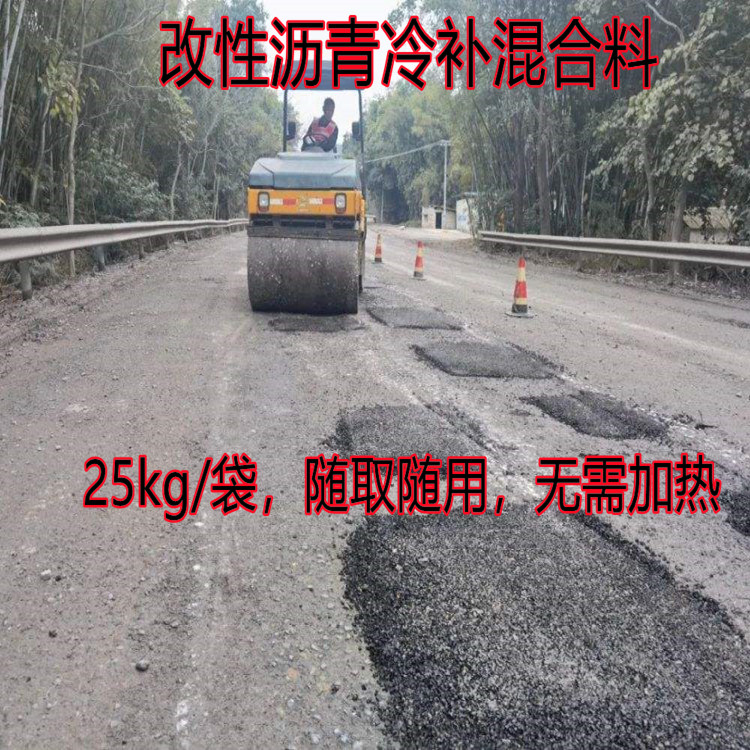
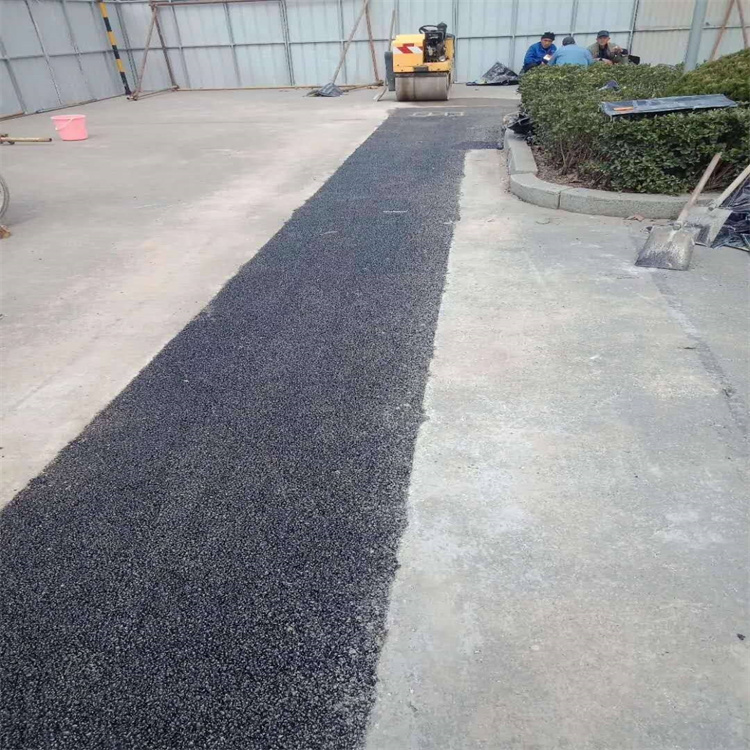
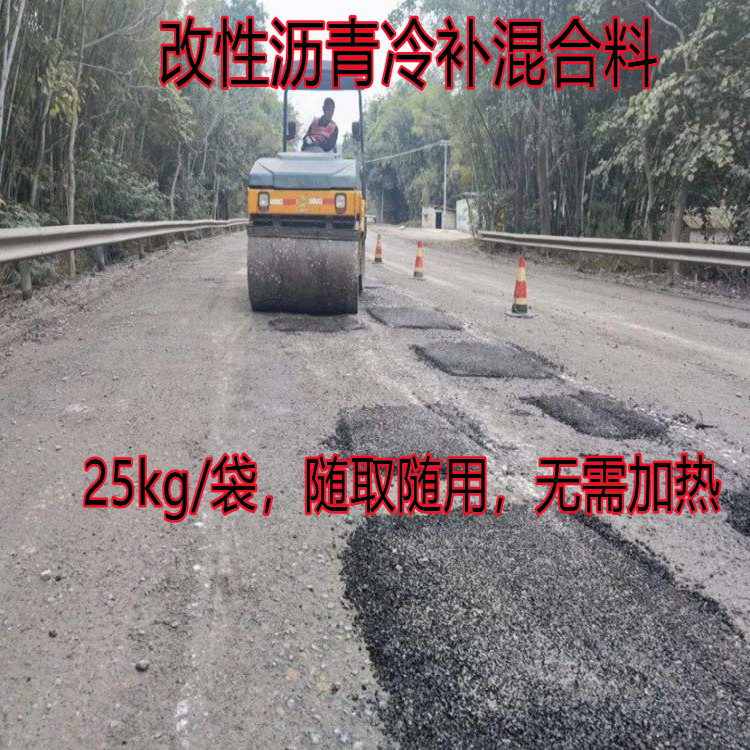
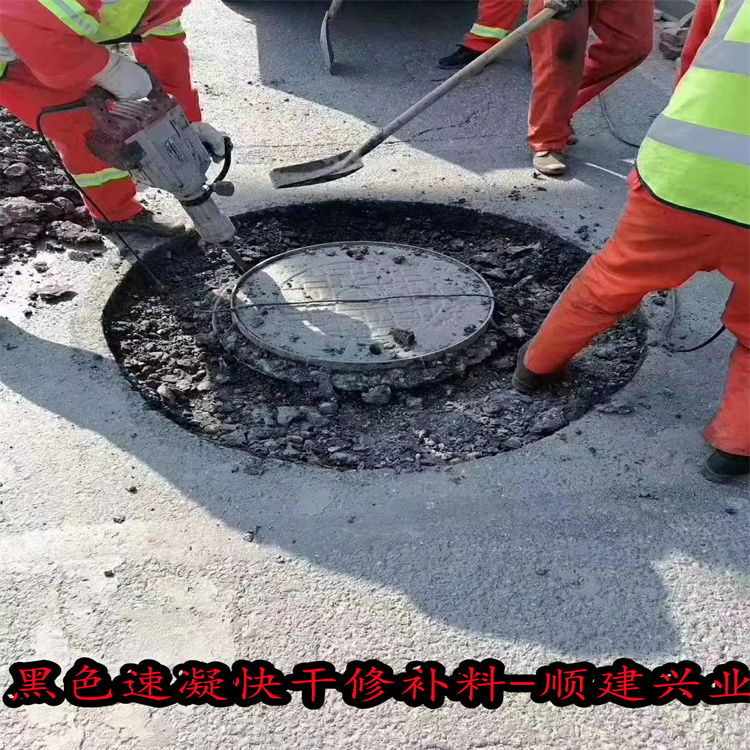
Shunjian Xingye BrandCold patch materials require no adhesive oil for road pothole repair. The materials can be accessed as needed without heavy construction machinery. Depending on the road repair situation, impact compaction, manual compaction, or tire rolling can be used. Moreover, the area repaired with cold patch materials does not need to be closed to traffic, allowing immediate passage, greatly reducing traffic pressure caused by road repair construction.
3High-quality repairs
Cold patch material boasts strong bonding properties, ensuring that patched holes are less prone to peeling or cracking, eliminating the need for repeated repairs.
4Low cost for repairs
When using cold patching materials, the application is not affected by weather conditions or the size and quantity of the holes. No heating or mixing is required during the repair process. Materials can be used as needed and the remaining material can be reused in subsequent repairs, thus preventing waste.100Utilization rate.
5Green and environmentally friendly
No dust or black smoke is produced during the production and use of the cold filling material, and the finished product is not soluble in water, thus preventing pollution of the atmosphere and groundwater, which is beneficial to environmental protection.
6Easily stored
Sealed bags of finished products can be stored for up to two years at room temperature without clumping.
Section 3:Shunjian Xingye Brand Cold Fill Material Application Range:
1This product is suitable for repairing and maintaining potholes and rutting marks on highway and airport runway surfaces.
2Ideal for repairing and maintaining road surface potholes on general highways and municipal streets, excavation holes, road restoration after underground pipeline installation, around manhole covers, and minor shallow holes in front of warehouses.
3Suitable for bridge expansion joints, heavy-load road and bridge junctions, busy road curves, and special road surface repairs.
Four,Cold Fill Material Application Method:
⒈Clearing Pits:
General repairs should clean up all debris and waste around the hole to be repaired, ensuring no sludge, ice blocks, or other obstructions are present inside. For repairs on highways and municipal excavation projects, the repaired holes or trenches should have neat edges, and the waste material should be removed down to a solid, firm surface.
⒉Fill the gap
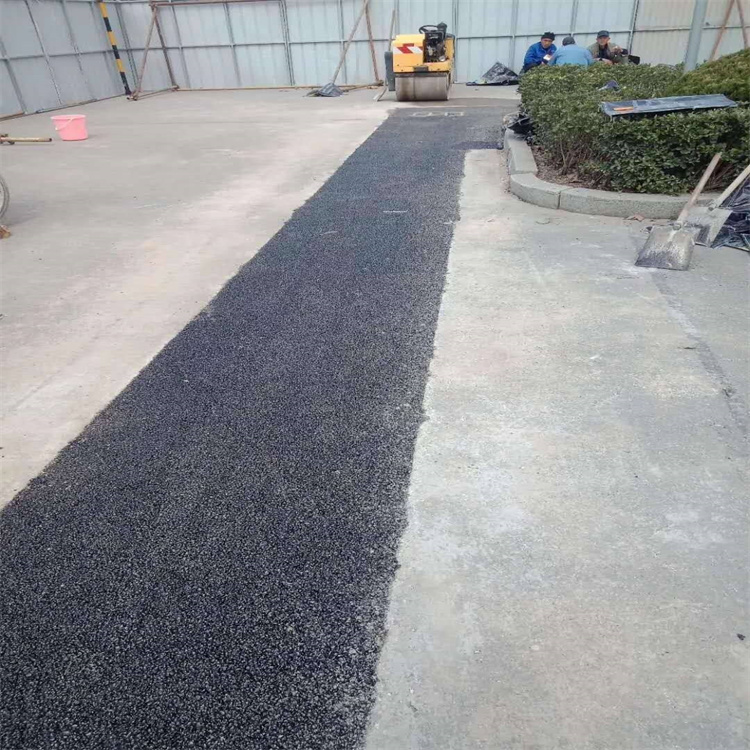
Fill the hole with enough cold patching material until the material is higher than the ground level.1.5cmApproximately, highway and general road repairs, the material input quantity can be increased20% or10About % full. After filling, the depression should be higher than the surrounding road surface and form an arc.
As the thickness of the road surface pothole damage is5cmAt this point, the filling work should be conducted...3-5cmFor the first layer, fill and compact layer by layer.
⒊Compact
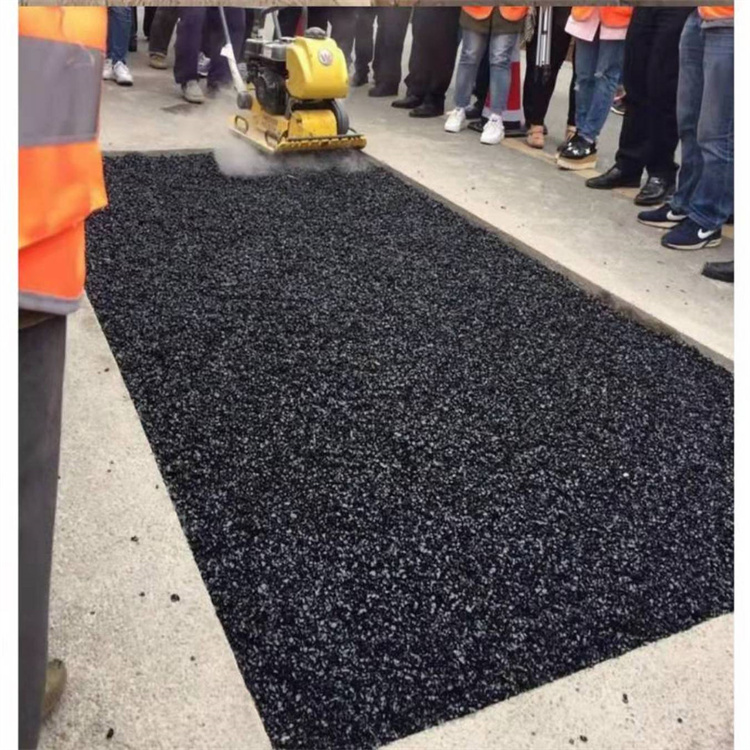
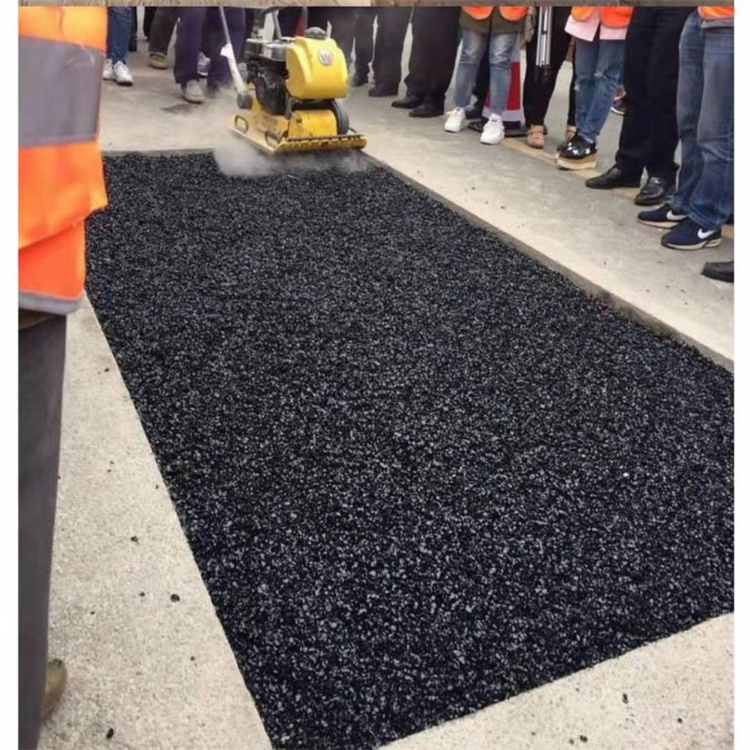
After even distribution, select appropriate compaction tools and methods based on the actual repair environment, size, and thickness of the repair area. Examples include manual shoveling, manual tampers, vibrating plate compactors, flat aluminum plates, truck tires, rollers, or pavers, etc., for compaction.
⒋Inspection:
The repaired hole surface should be smooth, even, and free of wheel marks. The surrounding area and corners of the hole should be well-compacted without any loose material, and the compaction should typically reach:93Over % of the total.
Cautionary Notes
⒈During low-temperature construction, it should be placed5℃The inventory is stored in the above warehouse.24Done in childhood.
⒉When resurfacing a high-grade highway, ensure that the perimeter and corners of the patched area are compacted thoroughly.
⒊Adopting a continuous repair approach instead of the traditional centralized repair method will benefit the economy,.
V. Cold patch repair parameters:
1Compacted cubic density:1Cubic≈2.36 ton.
2、1Approximate repairable area per ton of material:
Repair Thickness--------Approximately repairable area
3cm-------------17m2
5cm-------------10m2
8cm-------------6.25m2
10cm------------5m2