








The substances contained in wastewater from the food industry are diverse, with main pollutants including suspended oils and fats, suspended solids, dissolved substances, organic matter, and pathogens. Common food industry wastewater sources include meat processing, vegetable leaves, fruit peels, beverages, and soy products, among others. If wastewater generated during the food processing is discharged without proper treatment or fails to meet standards, it can lead to river pollution and fish mortality, causing the bottom sediment to emit a foul odor, water quality to turn black, and environmental contamination.
Food wastewater quality characteristics:
1. High nitrogen content in wastewater, during meat and bean processing, nitrogen and COD are produced from proteins, and the processing of meat tends to increase nitrogen levels in wastewater.
2. High concentration of wastewater, based on experience in wastewater analysis and treatment from various food processing industries, the COD concentration of food wastewater typically ranges from several thousand to tens of thousands of mg/L.
3. High oil content; in the meat processing and oil processing industries, a large amount of oil is produced during the production process.
4. The wastewater contains various microorganisms and pathogens, making the water quality prone to turning black and smelling foul.
Common wastewater treatment methods: Physical, Biological, Chemical
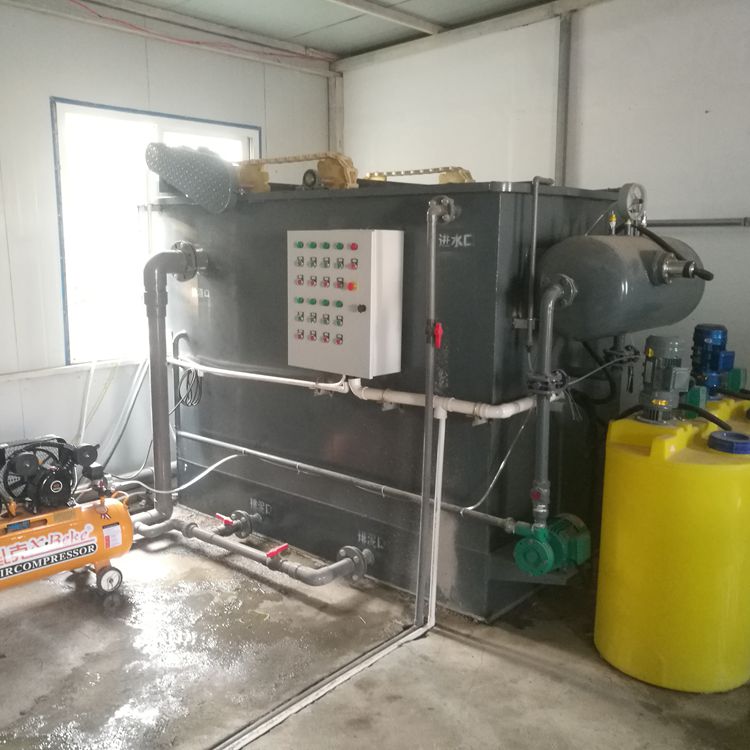
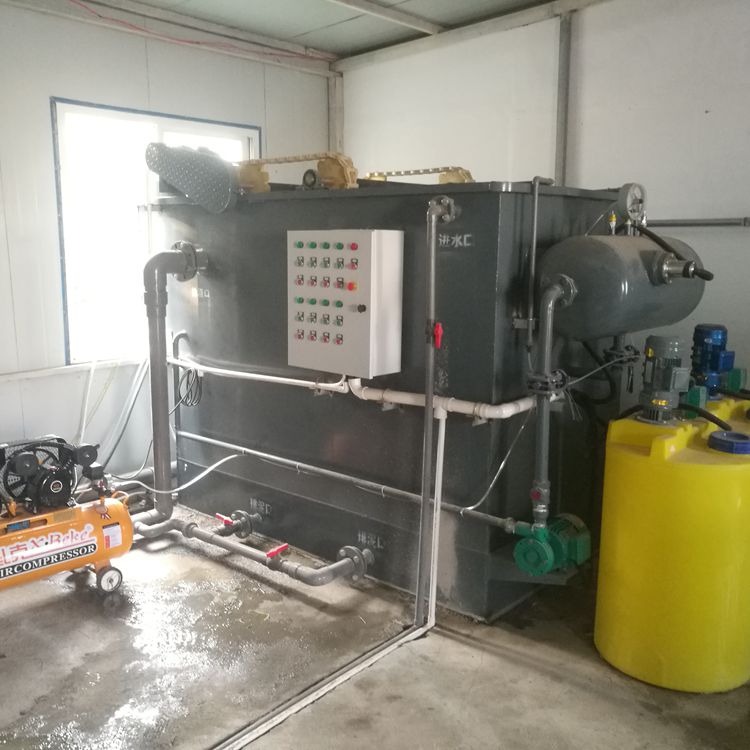
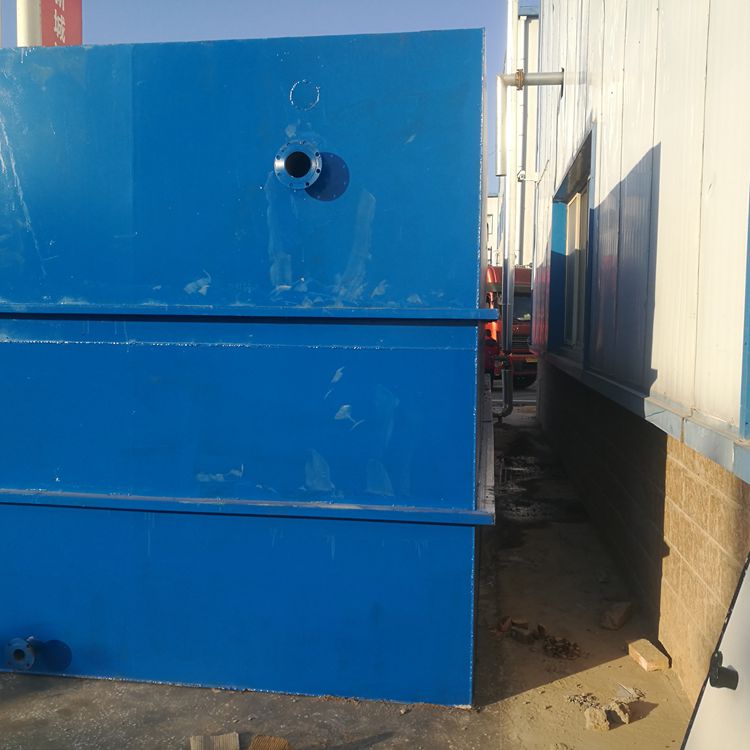
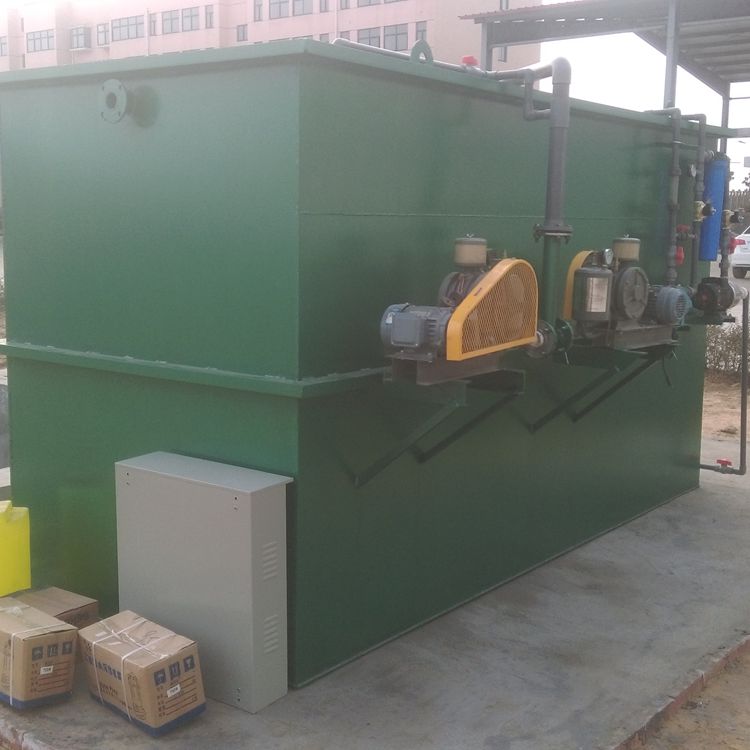
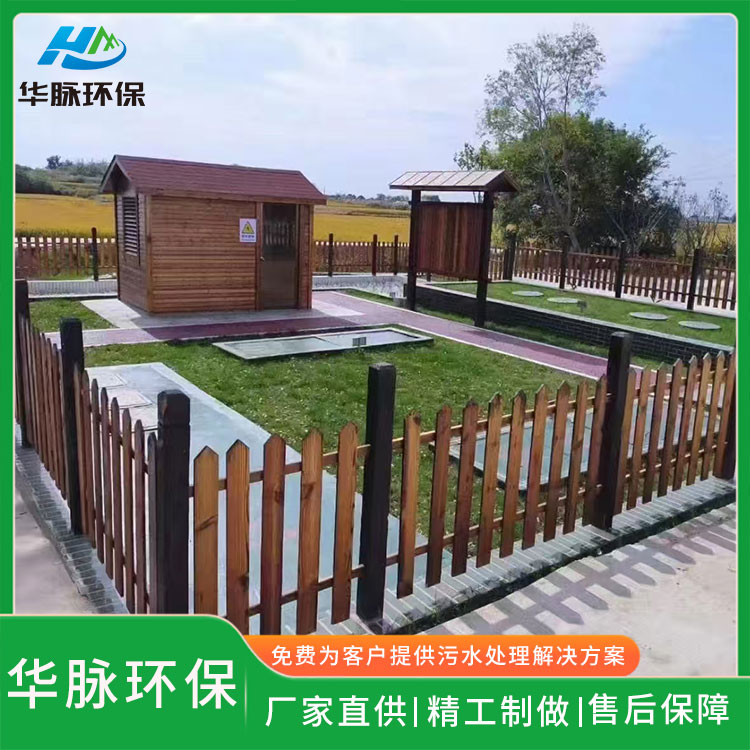
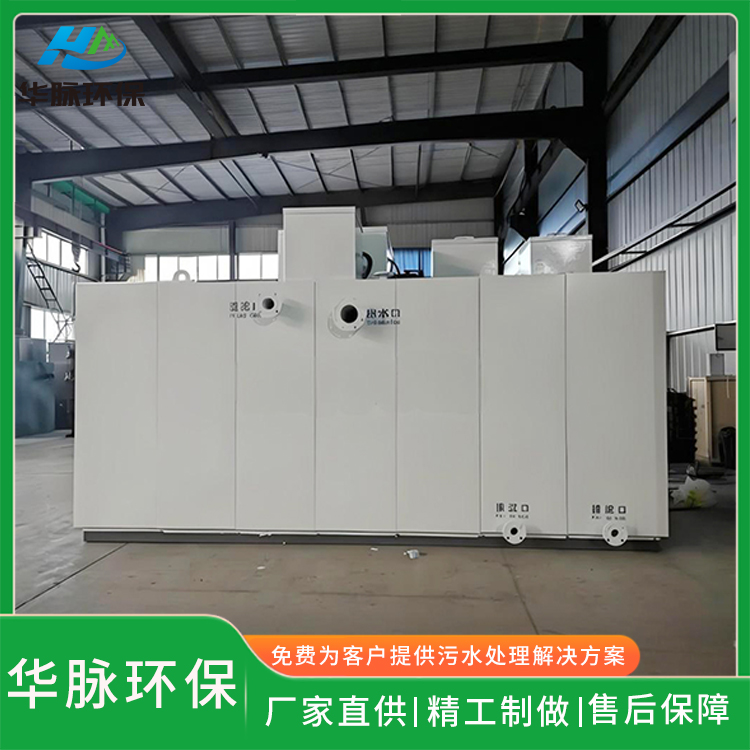
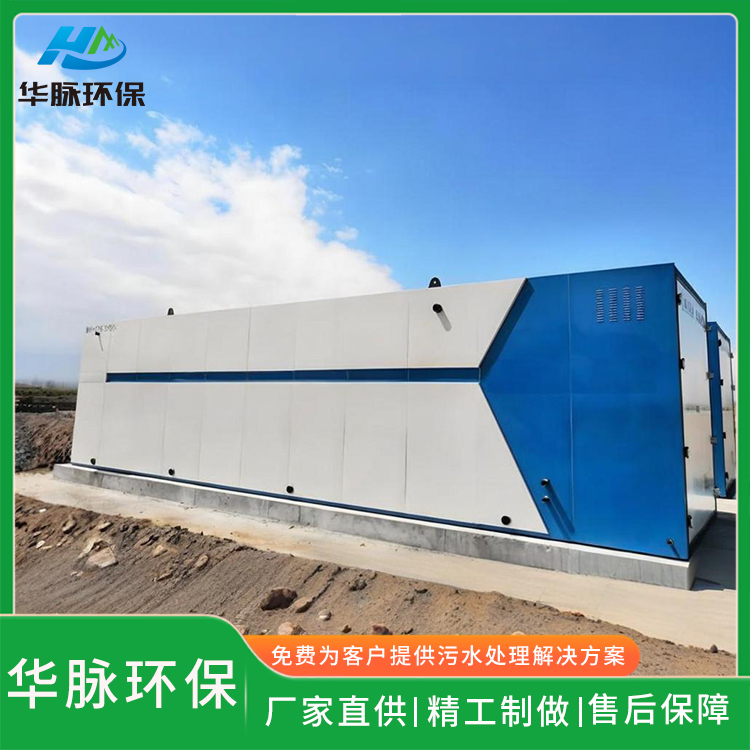
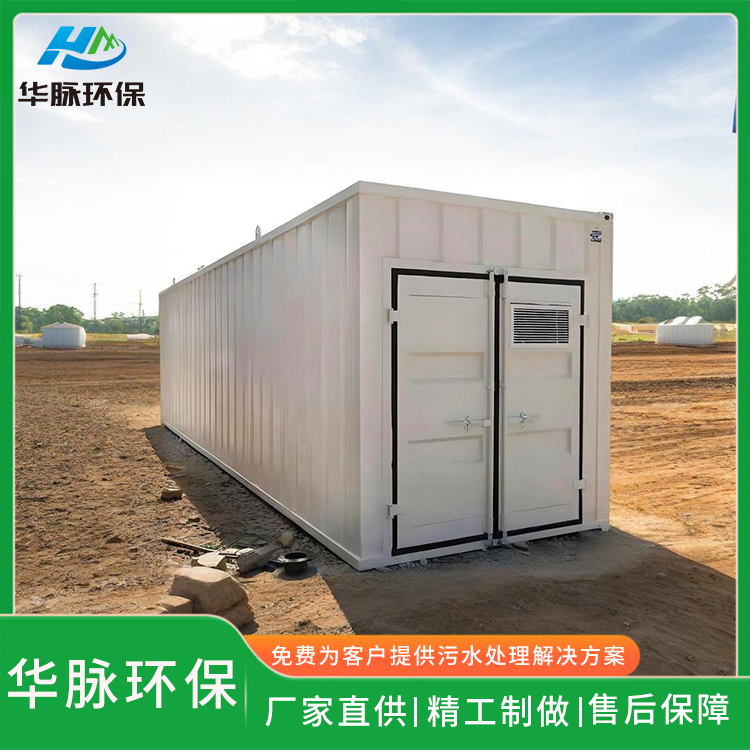
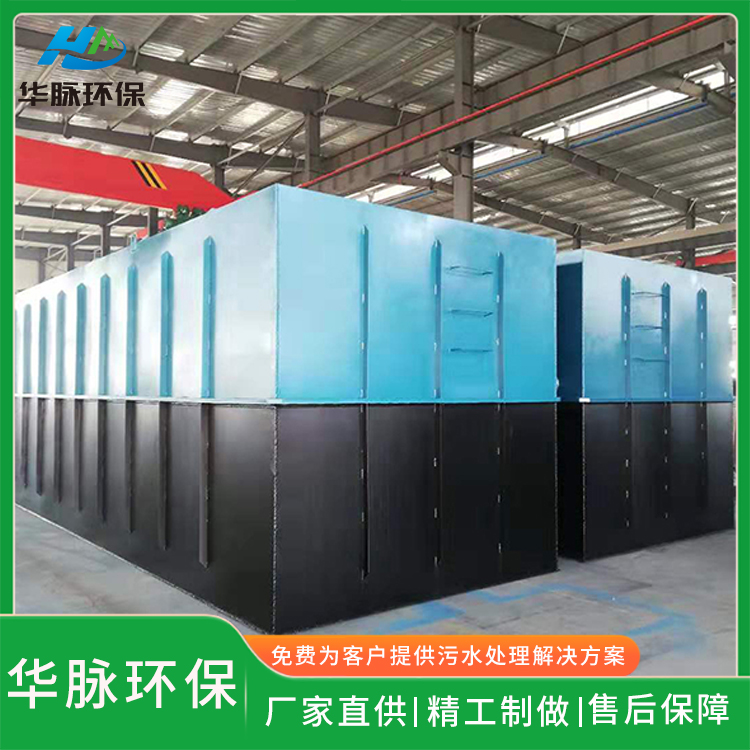
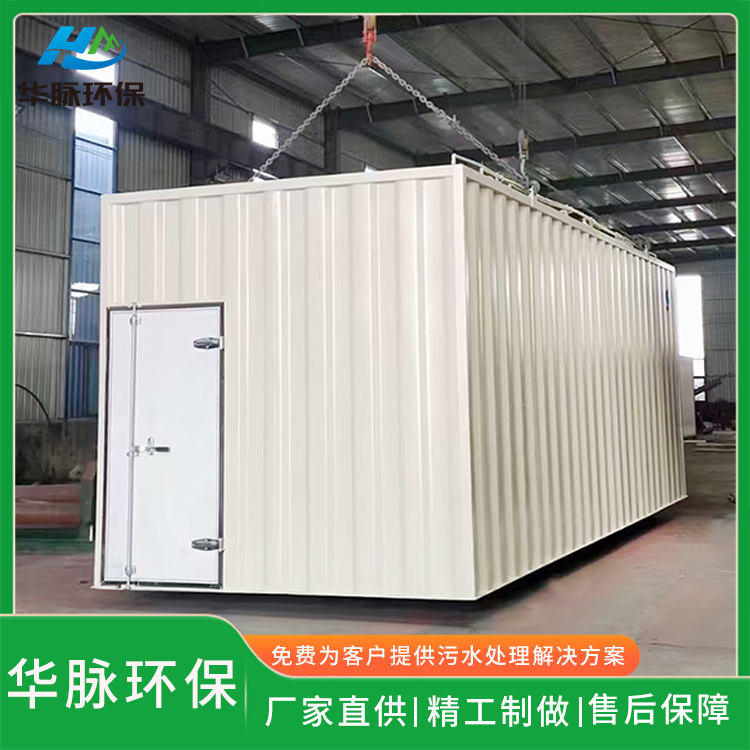
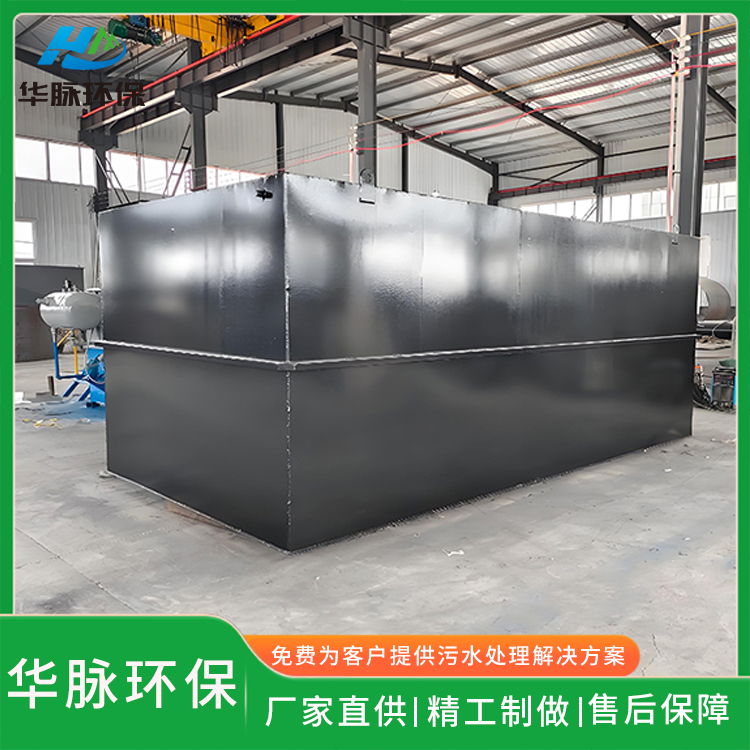
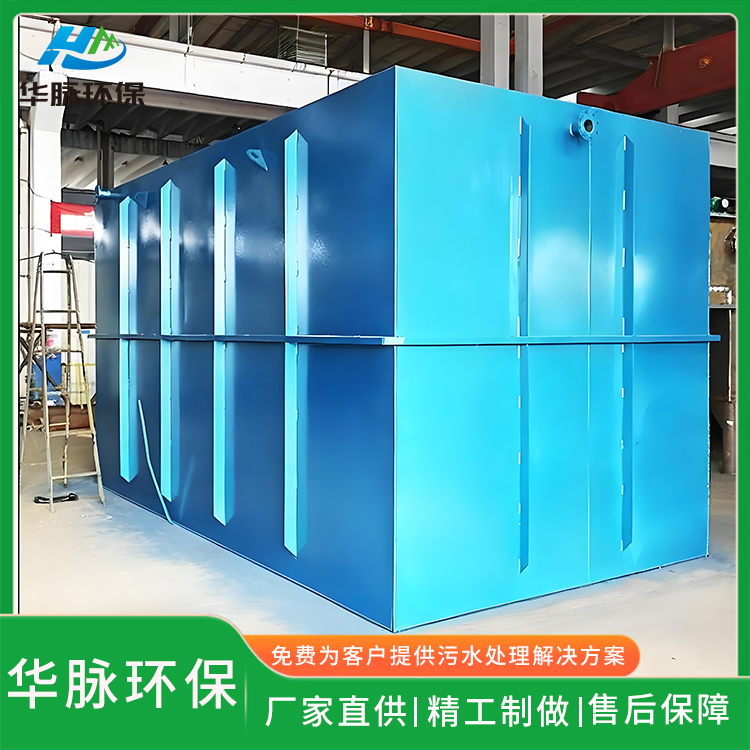
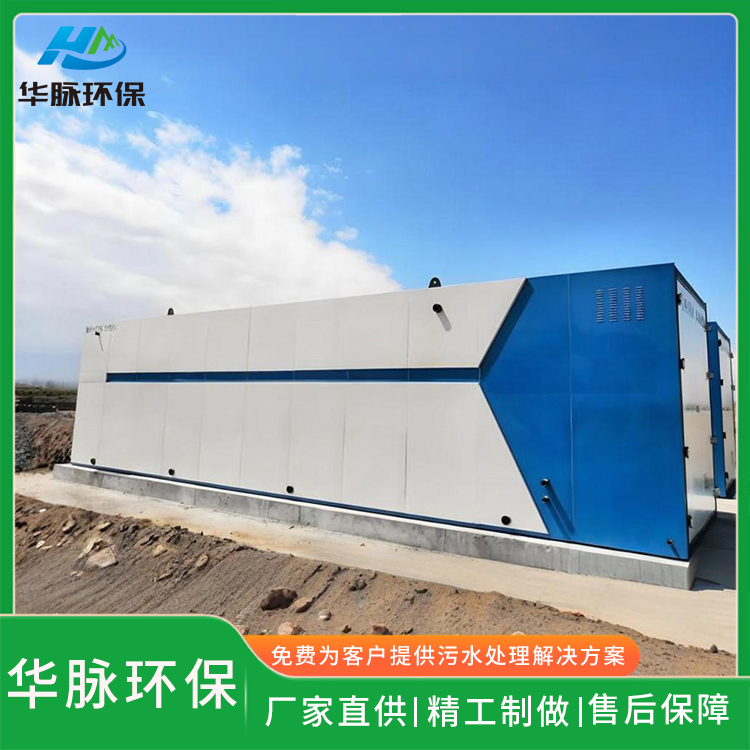
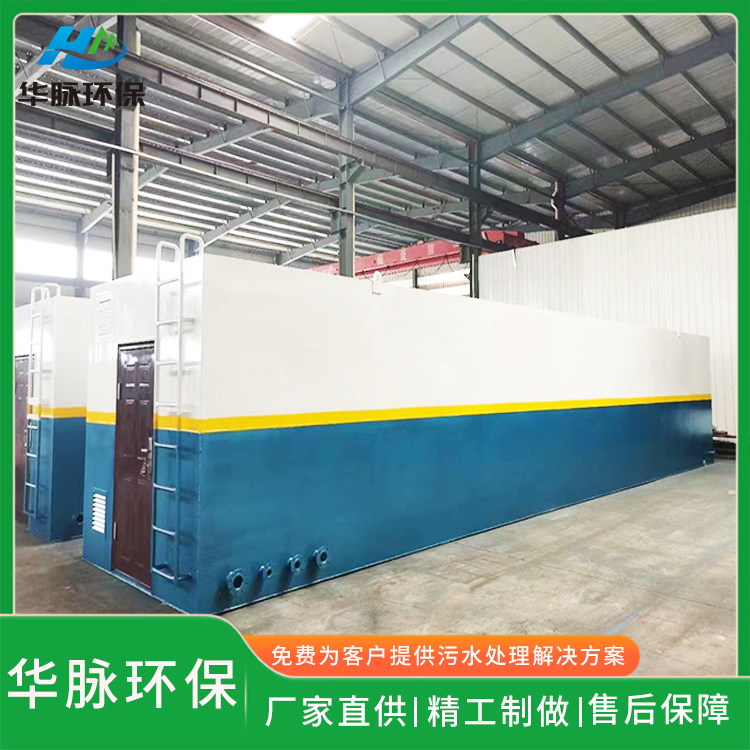
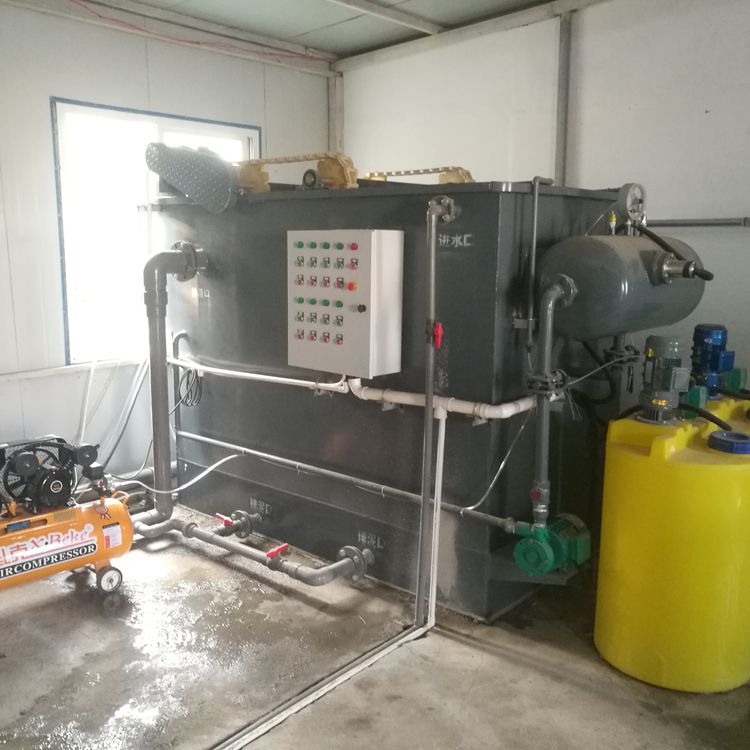
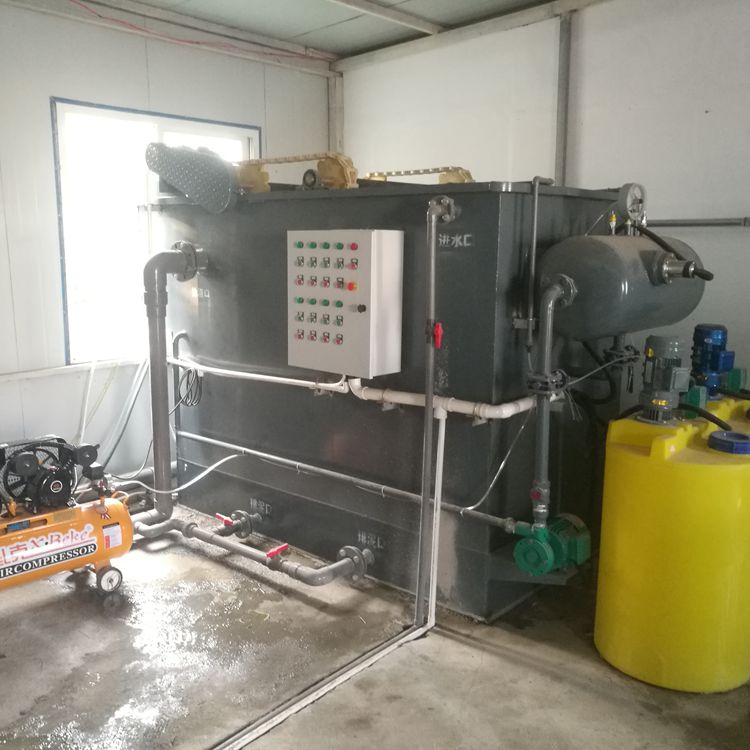
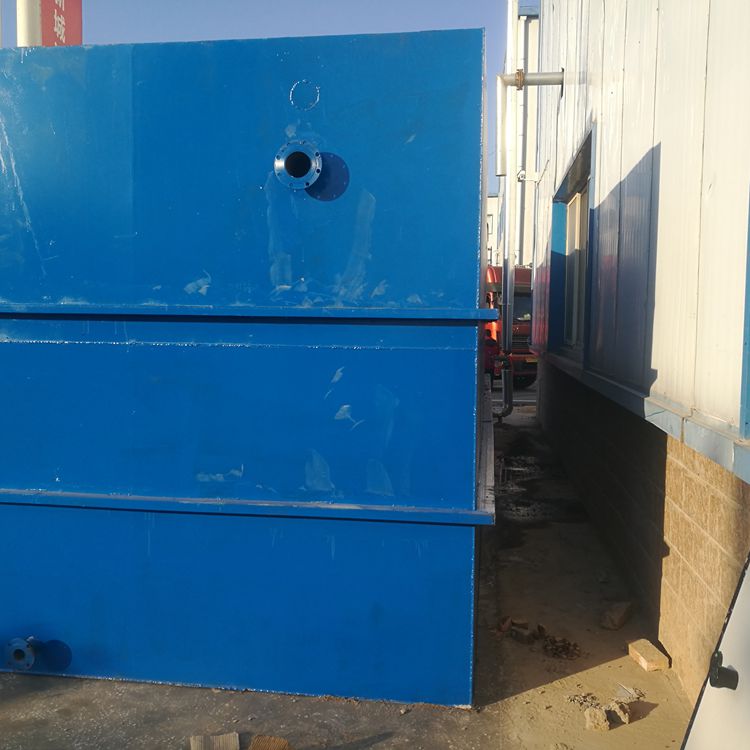
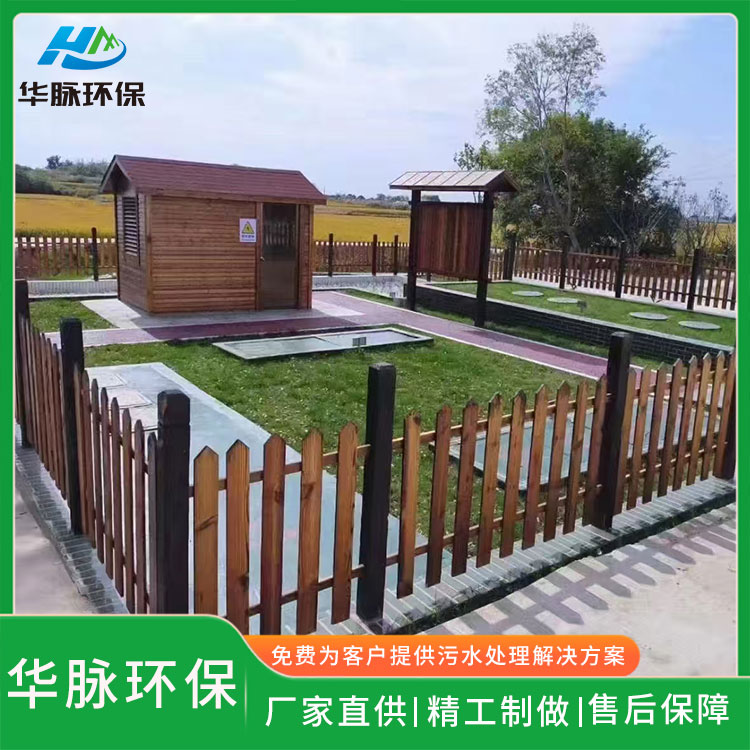
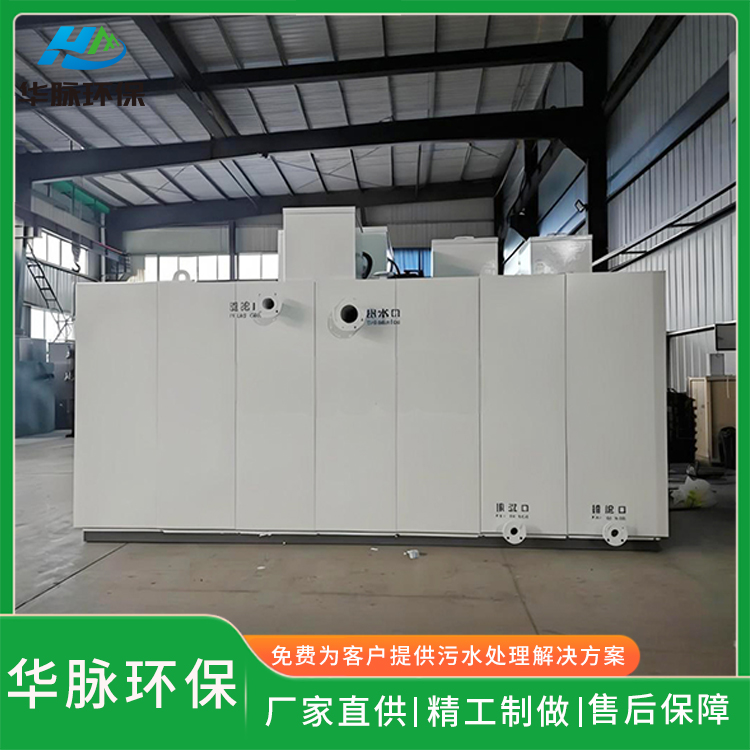
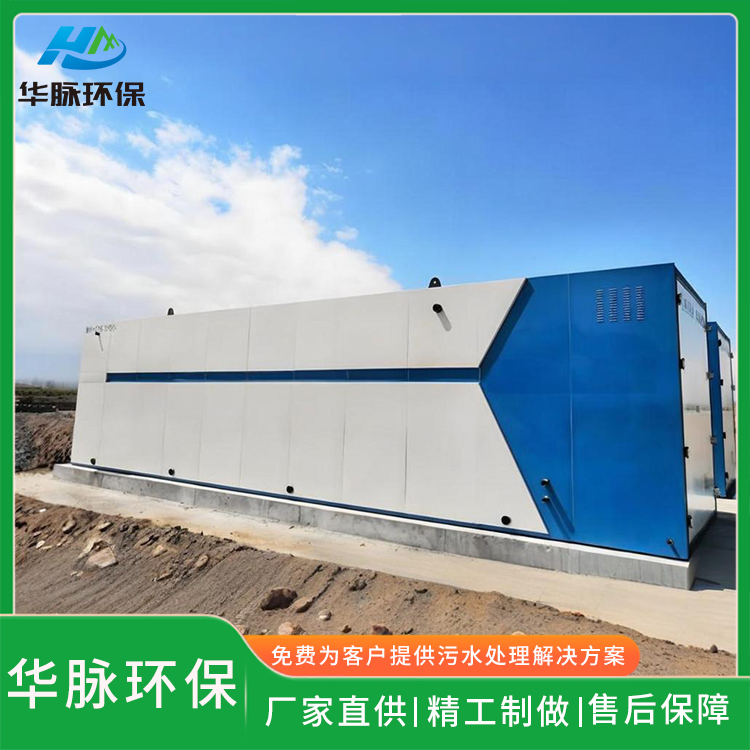
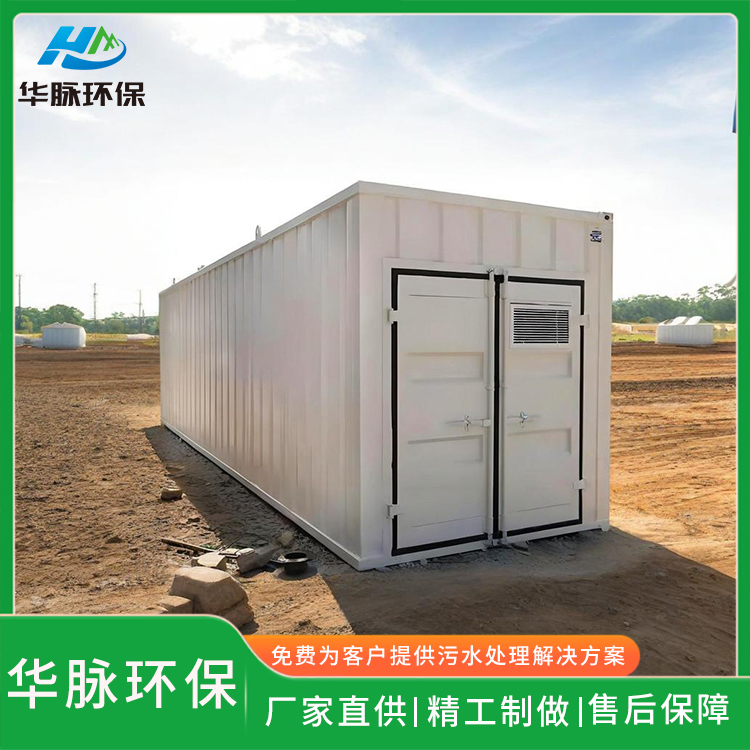
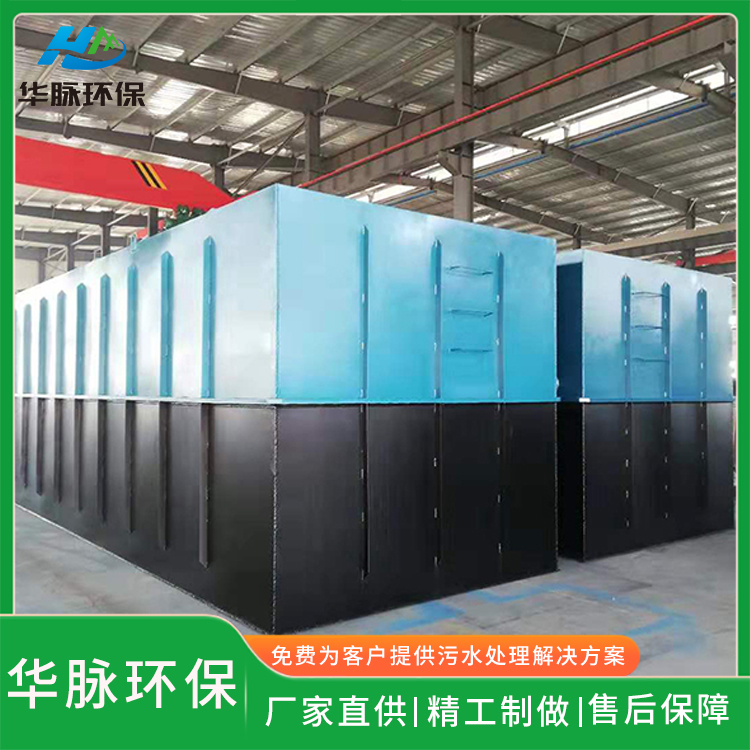
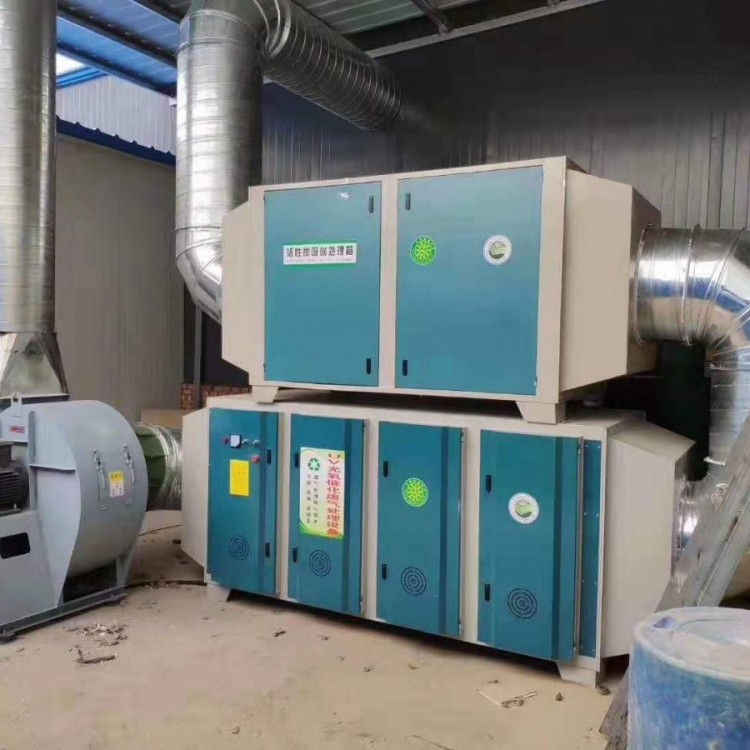
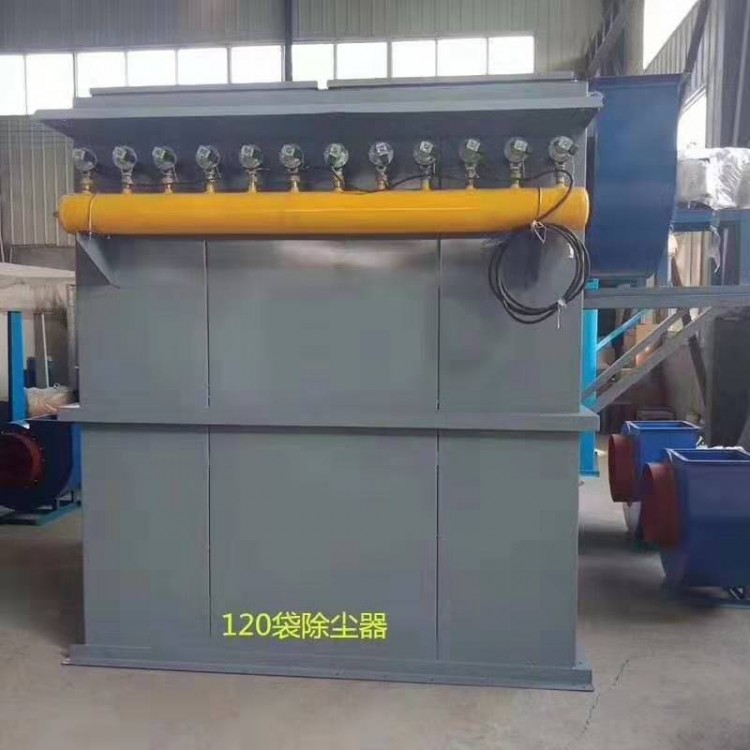
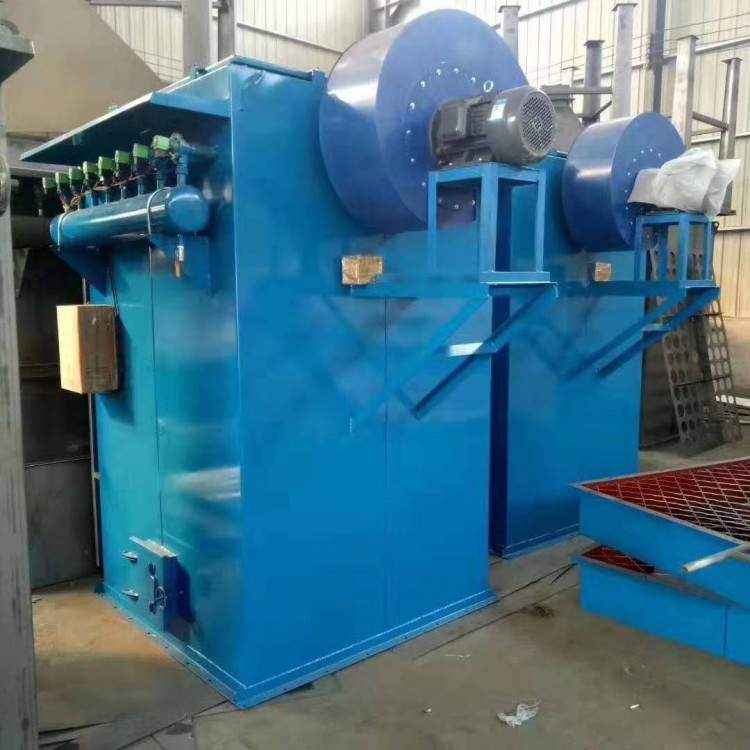
Food waste treatment equipment
The production wastewater contains pollutants such as COD and ammonia nitrogen. Based on the characteristics of the wastewater, and in consideration of its properties, the wastewater treatment process employs oil separation + grille + floatation + A2O + coagulation and sedimentation for discharge.
Process Features:
1. Stability: Mature and reliable processing flow, ensuring stable and compliant effluent after treatment.
2. Advanced Technology: State-of-the-art processing technology, strong overall facility strength.
3. Reliability: Once the processing station is built, it is easy to operate and manage, with simple procedures and a user-friendly learning curve.
4. Cost-effectiveness: Opt for low investment and operating costs.
5. Overall Coordination: The process is holistically coordinated and optimized to accommodate surrounding environmental conditions.