













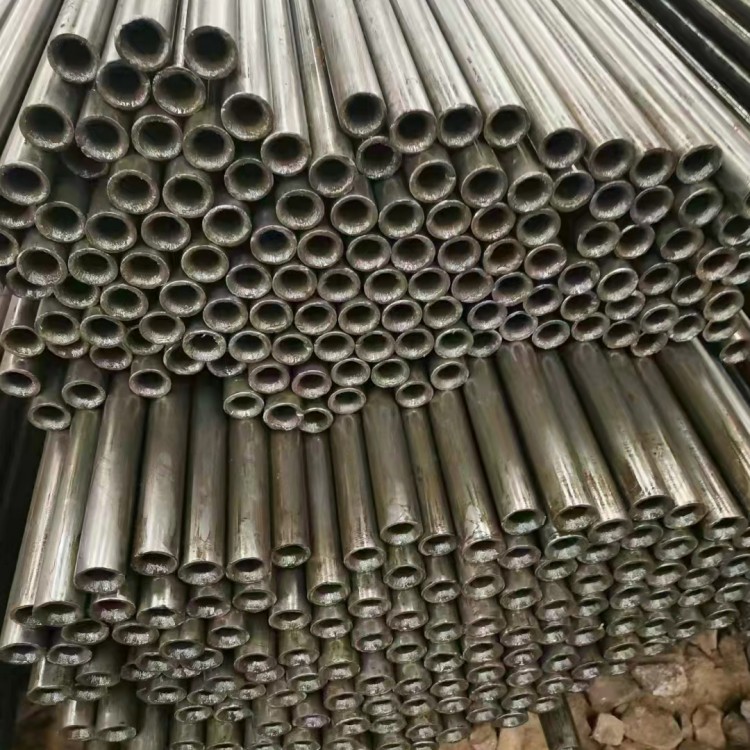
Currently, affected by hot and rainy weather, outdoor operations in most areas are somewhat impacted. The demand release at Tianjin's round tube factory remains relatively slow. However, as time progresses, the trend of hot and rainy weather in various regions is gradually weakening, and the peak season of "Golden September and Silver October" is approaching. It's not ruled out that downstream companies are preparing for stockpiling, so there is still demand in the market. On the other hand, from the perspective of downstream inventory, most regions have low steel trader inventories. Once there is a large-scale adjustment, downstream restocking operations will become the main link in the circulation, so terminal demand will show a gradual upward trend. Last weekend, the Tangshan area again reported environmental protection upgrades, with Guofeng equipment removal and the ban on smelting instead of shutdown. News of 50% production cuts in Tangshan Yutian, Zunhua, and Qianxi has been boosted by this news. At the beginning of this week, prices rose again, with the daily price increase of rebar and coil breaking the hundred mark. Local prices rose slightly by 20 yuan. In the middle of the week, the news side entered a lull, and futures market prices fell for correction, with local prices following the trend, maintaining stability and observing. On Friday, the environmental protection wind rose again, and market rumors suggested that Tangshan, due to poor air quality rankings, may implement pre-peak heating season production cuts as early as September 1st, with steel companies' production cut ratio not less than 50%. Affected by this speculation, prices were again stimulated. Rebar and coil futures prices rose accordingly, with the main hot coil futures closing at 4261 yuan on Friday, up 74 yuan from the previous day. Local prices also increased by 30 yuan in the afternoon. In terms of transactions, due to the high prices, there is resistance at high levels, coupled with low demand, transactions remain relatively thin. According to Langang Steel Network statistics, the inventory of medium and thick plates in Beijing decreased by 100 tons to 0.92 million tons from the previous week, with no significant change in inventory conditions. It is evident that this week's price increase is driven by environmental protection. The author believes that the expectation of supply contraction is stronger than the weakening demand, and prices are still likely to rise in the short term. However, after the cooling off over the weekend, the market enthusiasm at Tianjin's round tube factory may slow down next week. Prices will mainly maintain stability.
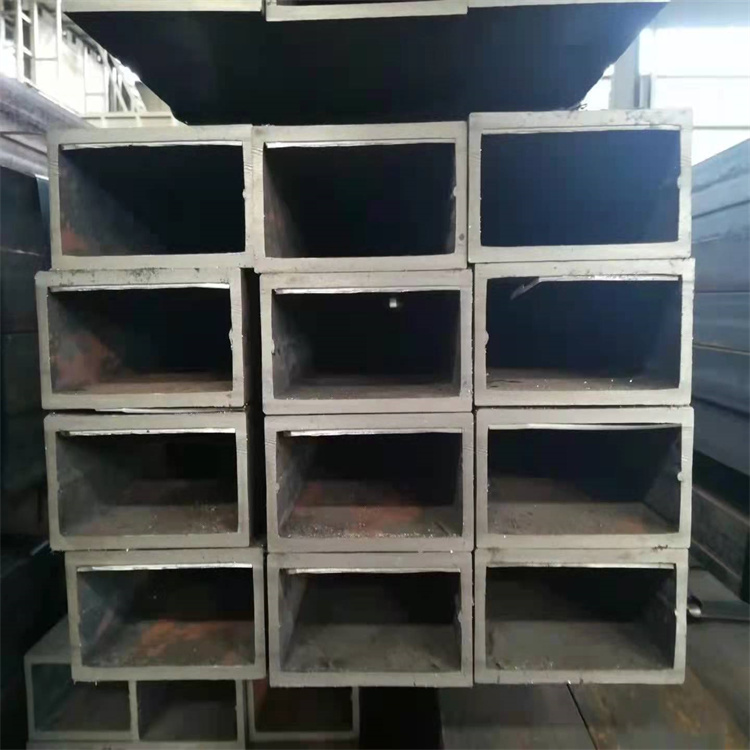
Over the past three weeks, China's steel market inventory has continued to rise slightly, with some markets already exceeding last year's levels. Steel companies' inventory remains historically high, and the overall supply pressure in the seamless square tube market is still difficult to ease significantly. This week, the price of construction steel has continued to fall, with expectations of a stronger start followed by a weaker end next week. The mid-week rebound in rebar prices has attracted some restocking demand, and the overall atmosphere in the seamless square tube market has improved, but current market confidence is lacking. Downstream demand for purchases is cautious, and traders engage in speculative operations. Additionally, factors such as high temperatures and typhoons have disrupted trading in various regions. Despite numerous price control and price protection measures by steel mills, the high furnace utilization rates still put pressure on the supply and demand, making price increases unstable. Next week is expected to start strong but weaken later. This week, Shanghai saw no effective demand support, and with the weak and volatile rebar prices, the material support has weakened, intensifying the bearish atmosphere in the seamless square tube market, with the main price levels clearly relaxed. For next week: In the past two days, the rebound in rebar prices has boosted traders' confidence, with significant low-priced resources in the market. Moreover, prices have fallen continuously, leading to significant compression of traders' profits. Some steel mills have joined to support prices, slightly stabilizing the market. However, traders are reluctant to continue a significant drop in prices for Baosteel seamless square tubes, but the fundamental situation in the steel market is unlikely to improve. The rapid increase in price and transaction volume of seamless square tubes has raised traders' willingness to push up prices. Secondly, construction steel has fallen more and faster than other steel varieties, with prices basically breaking through the historical low points of the past three years and having inherent factors for an oversold rebound in the market trend.
Again, on the steel mill front, particularly small and medium-sized mills, most were in a reduced or restricted production state before mid-March, leading to a tight market supply and partial resource specification gaps, causing a price rebound in the market. For the plate market, due to the slow release of downstream terminal demand, prices of seamless square pipes faced high market inventories. Added to this was the recent launch of hot-rolled sheet, which had a significant negative impact on the market, leaving plate prices in a state of震荡盘整 without a significant uptrend. However, overall, the market has seen an improvement in sales volume compared to earlier periods, and the seamless square pipe price market is stabilizing. For several months, prices of seamless square pipes in various regions have fallen under the double pressure of tight funds and weak demand, with hardly any significant rebound. Prices have been fluctuating, and steel mills are calmly shipping out their products. Currently, the reduction in domestic steel production is still limited. With the market's high trading volume, expectations for strong market performance have been disappointed again. The industry continues to face tight funding, and the record-high daily crude steel production in June has added another cold water to the market. It is expected that the domestic seamless square pipe spot prices will slightly decline this week. As economic growth driven primarily by investment continues to gain momentum in the second half of the year, the seamless square pipe industry anticipates better demand in the second half than in the first half.