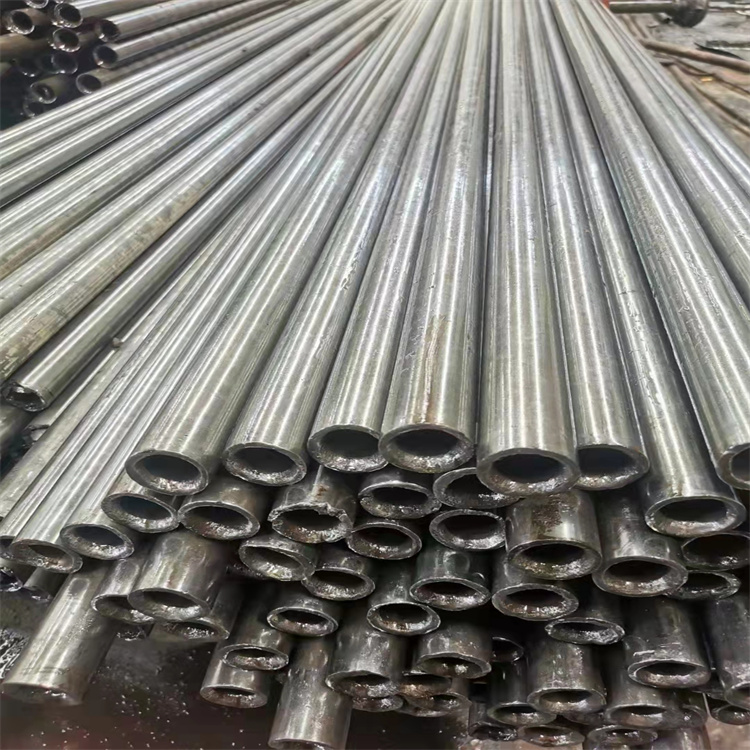
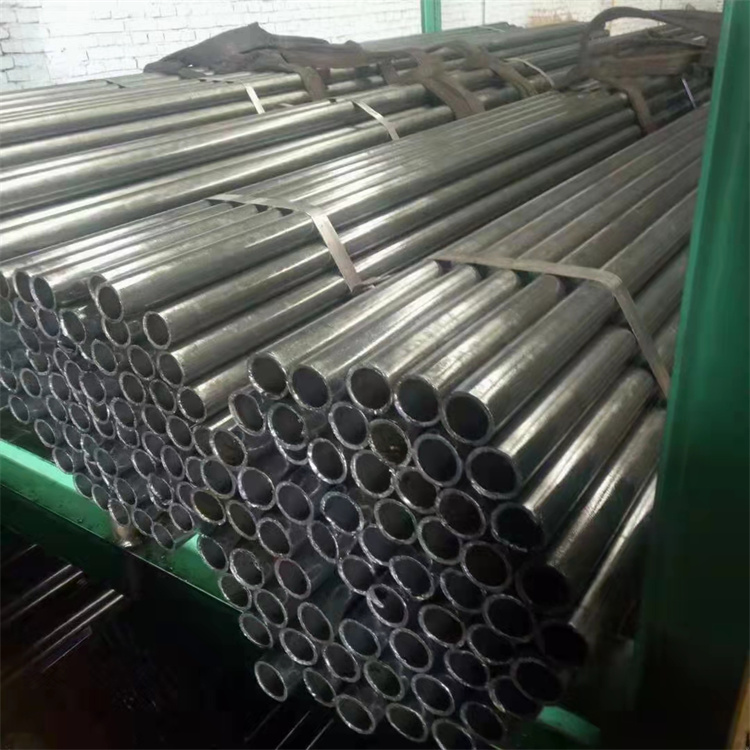
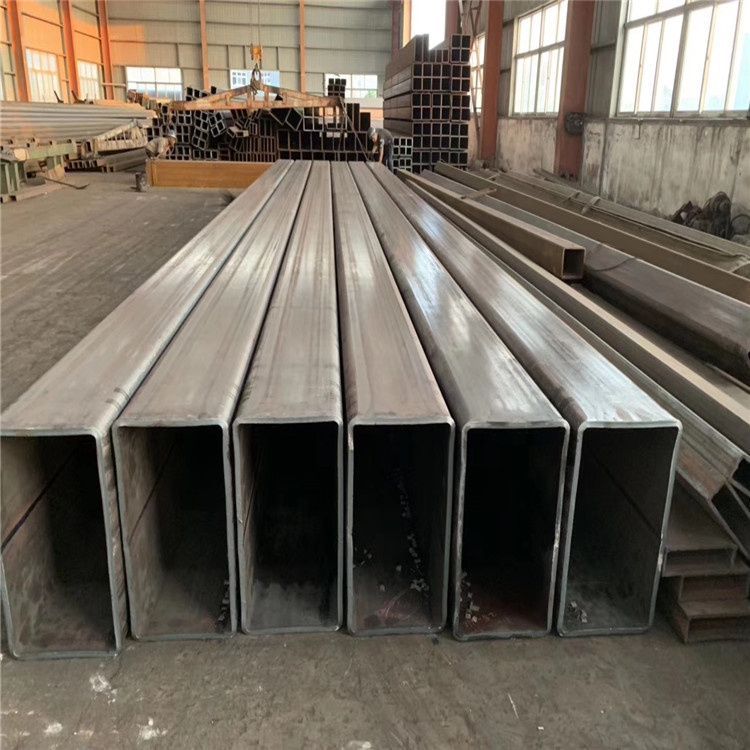
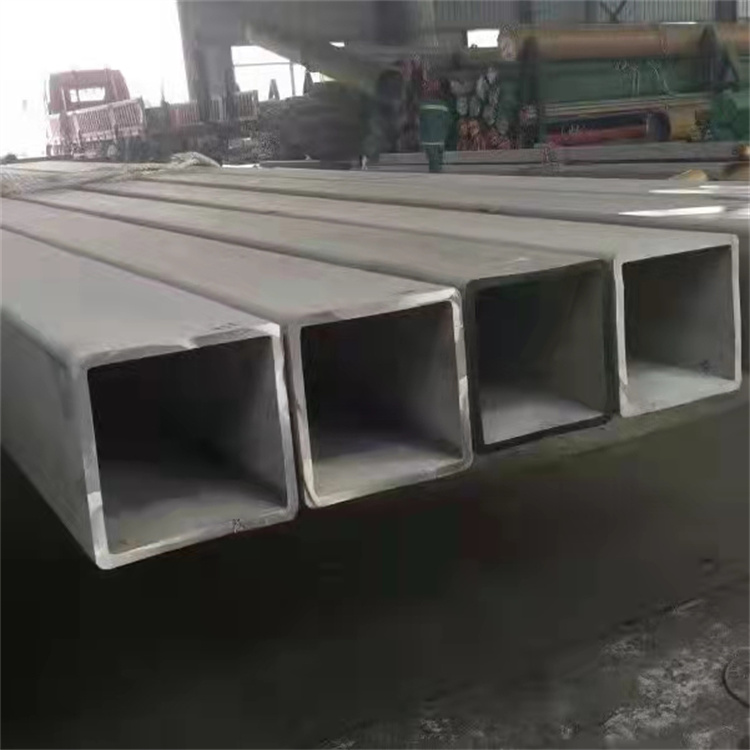
This week, the domestic construction steel market experienced a downward trend followed by an upward surge. The average price of rebars in major cities was 4,943 yuan/ton, down 2 yuan/ton from last Friday. The closing price of the main futures contract for rebars this week was 4,953 yuan/ton, up 36 yuan/ton from the previous Friday's closing price, and down 47 yuan/ton from the Hangzhou Zhongtian rebars market price of 5,000 yuan/ton. The escalation of epidemic control measures will impact demand in a阶段性 manner. Many construction sites have temporarily suspended operations, and the expected reduction in production this year is likely to be significantly less than last year. In the next 2-3 months, the intensity of production restrictions is expected to weaken, and the supply of steel will likely increase on a year-on-year basis. Demand is short-term affected by the pandemic, and it is expected to improve after the epidemic subsides. Transactions have been unsatisfactory, and with the price increase, the momentum is insufficient. Merchants are currently generally cautious in their mindset. The expectation of stable growth has been persistent, and it is predicted that the rebars price quotes will continue to fluctuate within a range in the near future.
【Hot Rolled Coil】The spot price of hot rolled coil this week is essentially unchanged from last Friday. As of March 18th, the price in Shanghai is 5090-5110 yuan/ton, stable from last Friday. In Lecong, the price is 5120-5140 yuan, stable from last Friday; in Tianjin, 5080-5100 yuan, down slightly by 10 from last week. The first two days of the week saw a decline in prices below 5000 yuan due to the market's bearish outlook on the economy, with both domestic and international stocks continuously falling and a pessimistic view on steel demand represented by the real estate sector. However, the market sentiment recovered somewhat in the following three days, encouraged by authoritative figures' remarks at the financial stability conference.
This week's production reached 3.06 million tons, up by 120,000 tons from last week. After a significant drop in production last week due to short-term environmental protection measures, output has increased again this week, bringing the total back above 3 million tons. Current production is 160,000 tons lower than the peak of 3.22 million tons at the end of January and 380,000 tons lower than the high of 3.44 million tons. With the end of the Winter Olympics and the National People's Congress, as well as the approaching end of the heating season, the resumption of hot-rolled steel production lines and supply is continuously increasing as major events and production restrictions end.
This week's hot-rolled steel social inventory decreased by 50,000 tons from last week to 2.53 million tons, marking a 2% decrease from the previous week's inventory. Since the holiday season, there has been a continuous decline for four weeks. Based on the lunar calendar, the current social inventory is 7.8% lower than last year's corresponding period, and also below the level of 2019. As expected, the post-Spring Festival inventory increase has ended, and we are now entering a normal high-to-low inventory period. However, the current rate of inventory reduction is nearly the same as last year, aligning with market expectations.
Overall, supply is expected to slightly increase on a year-on-year basis next week. However, high export deliveries will benefit from a reduction in domestic supply in the short term, supporting prices. The domestic demand for steel is set to continue improving following the strong data from January and February, with manufacturing or sheet demand possibly exceeding market expectations. Prior to the recovery of production in Russia and Ukraine, and after financial expectations stabilize and improve later on, prices are expected to sustain a rebound.
【Cold Rolled Coils】The cold rolled market experienced slight weakness with fluctuations this week. The average daily price of cold rolled steel in key cities in China was 5,772 yuan/ton, down 45 yuan/ton from last week and up 52 yuan/ton month-on-month. In the Shanghai area, the market price for Angang 1.0 cold rolled coils was 5,520 yuan/ton, down 80 yuan/ton from last week; Tianjin Tiande 1.0 cold rolled coils were at 5,530 yuan/ton, unchanged from last week; and Lecong Liugang 1.0 cold rolled coils were at 5,500 yuan/ton, down 20 yuan/ton from last week. The mainstream price for 5.5mm plain hot rolled coils remained at 5,090 yuan/ton, unchanged from last week; the price difference between cold and hot products was around 430 yuan/ton, narrowing by 80 yuan/ton from last week. The current factory ex-warranty price for C-grade steel was around 5,150 yuan/ton, down by about 150 yuan/ton from last week. The situation in Russia and Ukraine, along with the expectation of interest rate hikes, affected commodities this week, and added to the impact of the pandemic, leading to volatile futures trading. Following this, the China Banking Regulatory Commission held a special meeting to actively support the stable operation of the capital market. This week, the cold rolled steel market saw prices initially low, then stabilizing and slightly strengthening. Market shipment performance was average, with downstream buyers purchasing according to short-term needs. Inventory statistics showed a slight decrease in cold rolled steel inventory, with the market in the stage of digesting inventory. On the policy front, measures to encourage small and medium-sized enterprises are stimulating consumer market activity, benefiting demand. On the cost side, with the heating season ending, steel mills are increasing production, raw material costs are rising, and although the C-grade oil price is expected to decrease, overall steel mill profits are narrow. The rise in oil prices has led to some adjustments in logistics costs. Merchants generally indicated that there is limited room for price fluctuations, and cautious operation is the main approach. It is expected that the cold rolled steel market will continue to operate with narrow fluctuations next week.
【Coating & Galvanizing】This week, the national price of coated and galvanized steel sheets experienced high volatility. As of the 18th, the average price of 1.0mm plain galvanized steel sheets in major cities was 6019 yuan per ton, down 12 yuan from the previous week; the average price of 0.3mm galvanized steel sheets was 5985 yuan, down 16 yuan from the previous week; and the average price of 0.47mm color coated steel sheets was 7176 yuan, down 8 yuan from the previous week. The stock market and black series futures sharply declined at the beginning of the week, followed by a rapid drop in the spot market price of steel, with slower trading. After the important speech by the Financial Committee, market confidence was boosted, prices quickly rebounded, and market trading activity significantly increased. As of March 18th, the galvanized steel production rate was 85%, up 5% from the previous week; the color coated steel sheet production rate was 72%, up 2% from the previous week. The total inventory of galvanized steel sheets in major cities across the country was 1.2549 million tons, up 14,400 tons from the previous week. The total inventory of color coated steel sheets was 290,200 tons, down 1,200 tons from the previous week. This week, the market was more driven by news rather than fundamental factors, and the upward突破 appears to be delayed, awaiting support from rigid demand. It is expected that the market price of coated and galvanized steel sheets will continue to fluctuate at a high level next week.
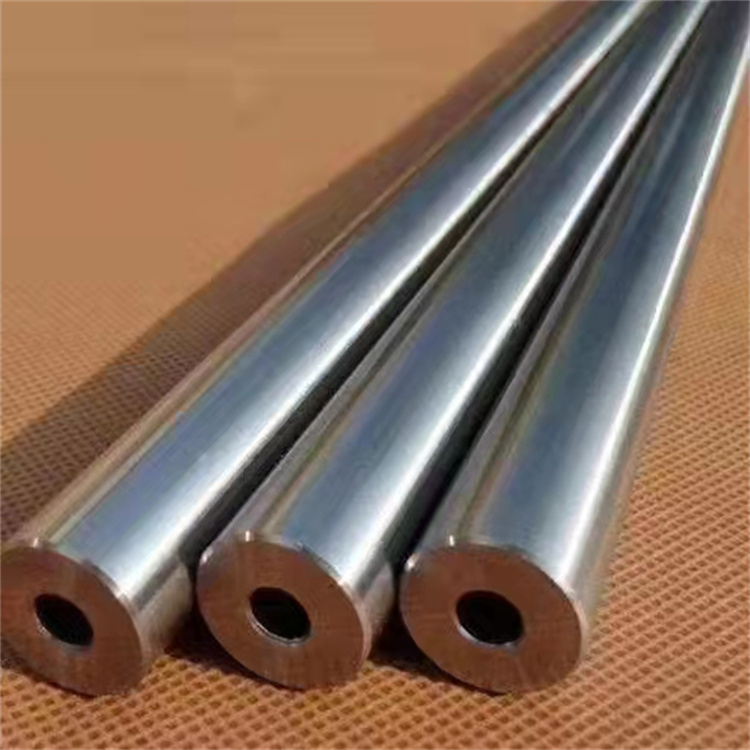
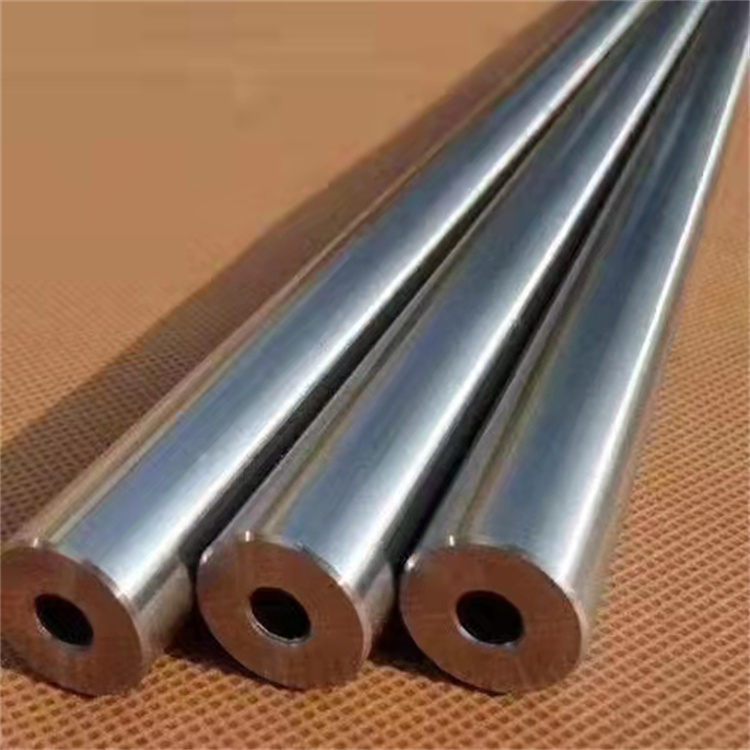
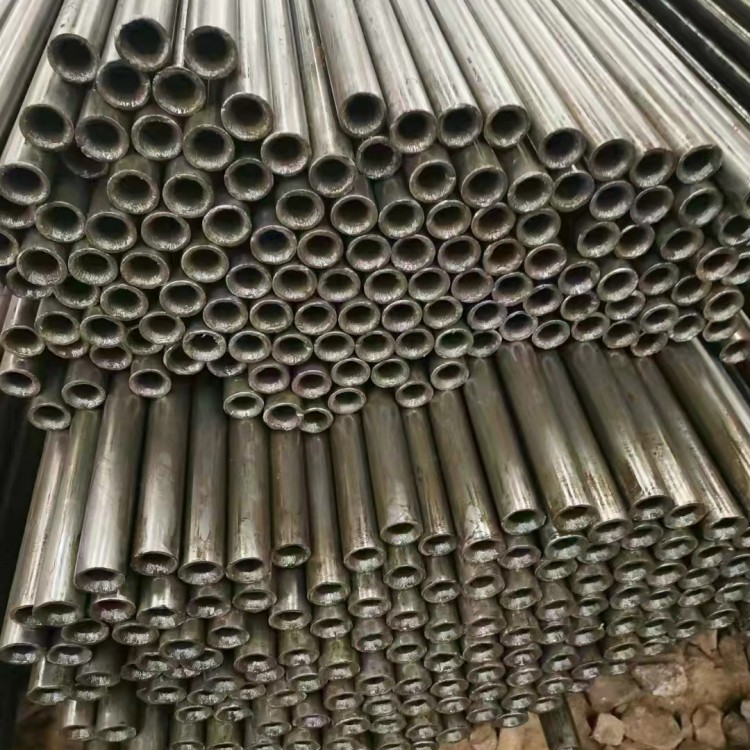
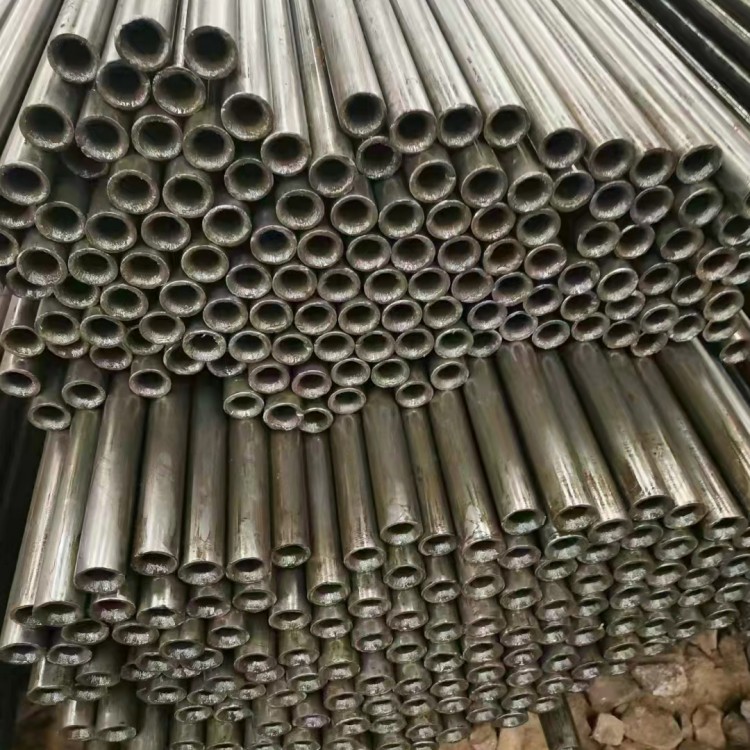
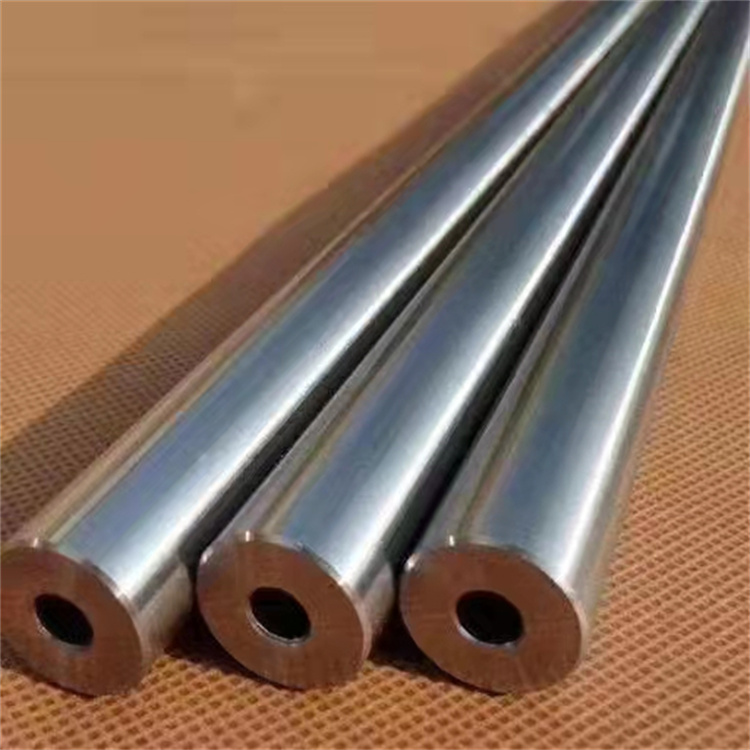
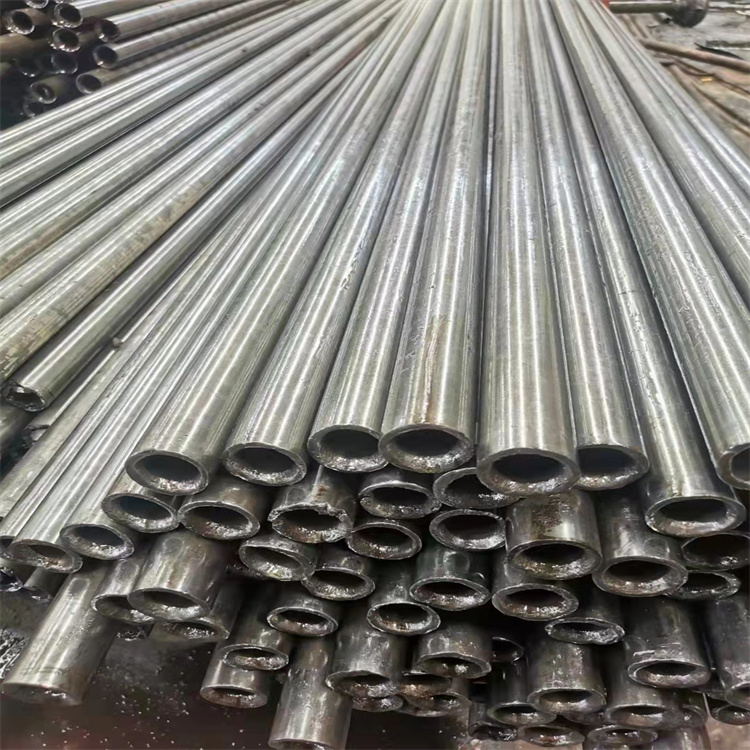
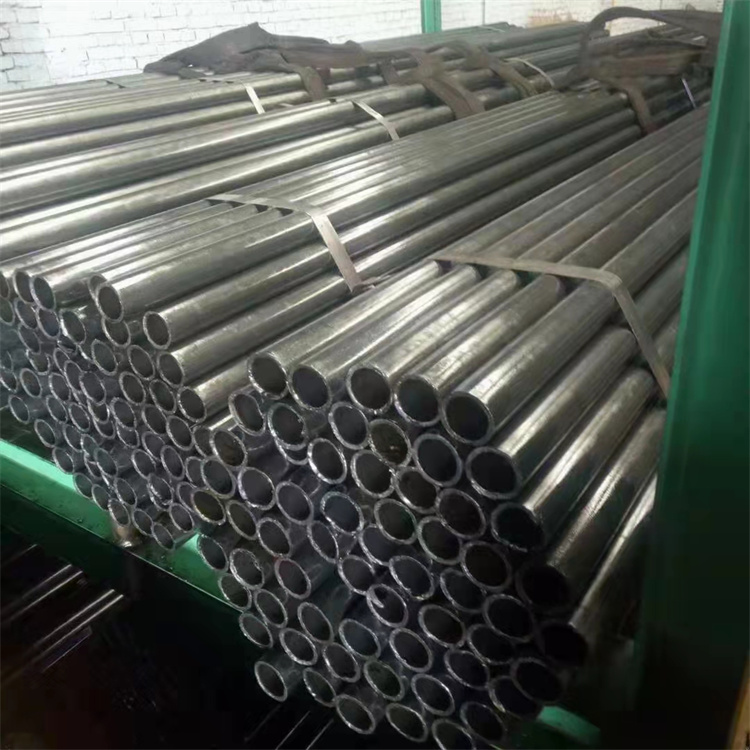
【Seamless Steel Pipe】This week, the seamless steel pipe market saw a mix of price increases and decreases. The average price for 108*4.5 seamless steel pipe in 33 cities was 6099 yuan/ton, down 10 yuan/ton from the same time last week, with general market transactions. This week, the出厂 price of seamless steel pipe in Shandong was slightly stable, with Linyi's cold drawn pipe at 6450 yuan/ton ex-factory, hot rolled pipe at 5780-6100 yuan/ton ex-factory, and Liaocheng's thick-walled pipe at 5800 yuan/ton ex-factory. The total output of seamless steel pipe factories across the country this week was 1.18 million tons, up 0.99 million tons from the previous week and 5.20 million tons from the same month last year; the capacity utilization rate was 69.09%, up 2.15% from the previous week and 11.29% from the same month last year; the operating rate was 61.48%, up 11.48% from the previous week and 13.11% from the same month last year; the inventory within the factories was 596.2 thousand tons, up 46 thousand tons from the previous week and down 25.6 thousand tons from the same month last year. This week, the inventory of seamless steel pipe in the market was 785.3 thousand tons, down 0.03 thousand tons from the previous week and 0.47 thousand tons from the same month last year. Currently, the inventory pressure in the seamless steel pipe market is significant, with an accumulation trend since last November. As of today, the inventory pressure remains high, and the recent recurrence of domestic COVID-19 has significantly restricted the digestion of market inventory. It is expected that the supply of seamless steel pipe will continue to increase next week, and the pressure of accumulated inventory will gradually appear, with the market for seamless steel pipe possibly improving slightly next week, with a high probability of maintaining a weak operation.
【Stainless Steel】This week, stainless steel spot prices experienced fluctuations and adjustments. As of the close of the 18th of March, in the Wuxi market: the price of 304 cold rolled from Taigang was 21,400 yuan/ton, down 200 yuan/ton from last week; Hongwang Resources quoted 20,200 yuan/ton, up 900 yuan/ton from last week; the price of 304 hot rolled was 19,700 yuan/ton, up 600 yuan/ton from last week. The overall price of 201 stainless steel spot in Wuxi this week showed a stable adjustment with traders adjusting flexibly. Price differences among cold rolled grades were evident, with varying discounts among different merchants, and buyers sought lower-priced resources. The mainstream base price of 201 cold rolled in Wuxi increased by 100 yuan/ton cumulative within the week, currently quoted at 11,200-11,400 yuan/ton, and the mainstream base price of 201J2 cold rolled was quoted at 10,700-10,800 yuan/ton. In terms of the market, the Wuxi and surrounding cities have been severely impacted by the epidemic, with major highways experiencing massive traffic jams starting on Monday, with checkpoints on main transportation routes, causing steel mill truck transport to be hindered. Some steel mills have begun using shipping, leading to a significant increase in inventory at the Jiangyin port. For shipment, merchants are trying to arrange deliveries to ensure customer order fulfillment. Due to the epidemic, Delong Steel Mill's raw material intake has slowed, somewhat restricting production, and the production volume of stainless steel crude steel in March may not reach the planned amount. Regarding raw materials: due to the tight supply of nickel iron and its high price, steel mills have increased their procurement of scrap steel. The mainstream price of high-nickel iron is currently at 16,500 yuan/nickel. For other raw materials, the price of electrolytic manganese continues to decline. The price of high-carbon chromium iron is quoted at 9,000-9,100 yuan/50 base tons, with the price increase of chromium iron mainly due to the rise in chromium ore prices, supported by increased sea freight costs. Molybdenum iron prices continued to rise by 0.1 yuan to 176,000-178,000 yuan/60 base tons. Forecast for stainless steel next week: raw material prices remain high and stable, with some areas affected by the epidemic, leading to slower shipment speeds. The market is expected to experience short-term high volatility, with traders adjusting prices flexibly.
Raw Material Market
Imported Minerals: The imported mineral market experienced wide fluctuations this week, with the overall price center shifting downward. As of March 17th, the China United Steel (CUS) spot price index, or CSI index, reported the USD spot 62% index closed at $146.2 per ton, down $7.9 from last week; the CSI 62% port spot import ore index closed at 955 yuan/ton, down 35 yuan/ton from last week. Specifically, at the beginning of the week, due to the impact of the pandemic, with cities and roads across regions being sealed off, transportation concerns intensified, finished product shipments were poor, demand for iron ore was limited, triggering market panic and a generally pessimistic sentiment. Traders focused on selling, but steel mills showed low purchasing activity, leading to relatively slow market transactions. During the period, economic data for January and February were released, although real estate data continued to decline overall, it was better than market expectations, yet it did not boost market sentiment. There was still no confidence in demand recovery, and mineral prices showed a significant drop, with port spot prices down by 50-80 yuan/ton, USD spot prices down by over 10 USD, and domestic futures down significantly, with swaps experiencing a substantial drop. This provided some traders with an opportunity to unwind their positions, especially as more were eager to sell and realize profits following the drop in swaps. Additionally, following the end of the Two Sessions and the Paralympics, steel mills in the Beijing-Tianjin-Hebei region and surrounding areas basically lifted production restrictions, and regular winter heating season restrictions are expected to end by the end of this month. Hebei Tangshan, Shandong, and other regions have resumed normal production states. Fundamental demand increased, and the iron ore market reversed, with swaps showing a significant upward trend, and the price gap between domestic and international markets widened, with inverted pricing still quite prominent. Subsequently, the Federal Reserve raised the benchmark interest rate by 25 basis points to the 0.25%-0.50% range, marking the first increase since December 2018, in line with market expectations. With the interest rate hike finally coming to an end, and as the Russia-Ukraine geopolitical conflict eased, along with the continuous release of positive domestic financial policies, iron ore futures resumed a stronger trend. However, due to recent narrowing of steel mill profits, some mills hit the break-even point, and there is a clear preference for lower-grade resources, especially for ultra-fine ore, with active trading. Moreover, due to the tightness of ultra-fine ore in the Tangshan area, the price difference with Shandong port ultra-fine ore expanded to 20-30 yuan/ton. Tangshan area PB ore is priced at 960-965 yuan/ton, with a price difference of about 20-25 yuan/ton with the Shandong port. Overall, recent arrivals have decreased, and port inventory continues to decline, although it remains high; the shipment volume of Australian and Brazilian resources is fluctuating within an increasing trend, supply remains relatively loose; recent production resumption in the North China Plain and other regions is expected to increase iron ore demand; overseas situations continue to affect commodity prices; steel mill profits continue to narrow, with some mills incurring losses, and downstream demand has not seen significant expansion, compounded by regional pandemic disruptions to demand. Overall, there are many uncertainties in the market, with increased competition, and the iron ore market may experience wide fluctuations in the short term.
【Coal Tar】The market price of coal tar continued to rise this week, with the fourth round of price increase taking effect, marking a rise of 200 yuan/ton, bringing the total increase to 800 yuan/ton, with the mainstream price in Shanxi area for qualified first-grade wet-quenched coal at 3340-3500 yuan/ton after the increase. The coal tar futures price experienced a significant fluctuation this week, with a sharp decline on the first trading day, closing at 3429.5 yuan/ton, down 248 yuan/ton from the previous day, a decrease of 6.7%. It then gradually recovered to the level of last Friday. In terms of spot transactions, coal producers are highly proactive in increasing production due to improved profits and relaxed environmental controls; shipments are smooth, and the inventory of coal producers remains low. However, some coal producers have seen a slight accumulation of inventory due to the pandemic. Overall, the supply is relatively tight. On the demand side, steel mills are actively resuming production, with steel mills in Hebei province gradually increasing output, and steel mills in Tangshan showing a significant recovery, with daily coal tar consumption increasing by about 35,000 tons. Steel mills are seeing a rise in daily consumption, but coal tar arrivals are delayed, with overall inventory continuing to decline, indicating a strong and persistent demand for coal tar procurement. The coal tar spot market in ports is strong, with the futures market mainly stable. Recently, with the spread of the pandemic in many places, market sentiment in ports has been volatile, with some traders showing a fear of high prices and actively seeking to sell. Most traders are mainly observing the market. The supply and demand situation for coal tar next week may not improve significantly, with coking coal prices expected to stabilize, and coal tar prices to remain firm. Under the support of coal producers' pursuit of profits, there is still a possibility of further price increases. It is still necessary to pay attention to the situation of steel mills increasing their coal tar inventory and coal producers releasing their operations.
【Billet】This week, the domestic billet market showed a trend of first falling and then rising, with better trading performance than last week. At the beginning of the week, the outbreak of the epidemic in some regions of the country and the increased shutdowns, coupled with the cooling of international commodity prices, led to the downward trend of the domestic black series futures. Under this situation, billet prices were under pressure. In the middle of the week, as the main regions, such as Tangshan, lifted environmental protection restrictions, blast furnaces and rolling lines resumed production one after another, billet supply and demand data showed an upward trend. Meanwhile, upstream raw material costs put pressure on steel mills, providing support at the bottom for billet prices. Additionally, the futures market was volatile but slightly strong, market sentiment was positive, and downstream finished products were sold in large quantities, leading to a steady increase in billet prices. As of the time of writing, Tangshan reported a price of 4720 yuan/ton, unchanged from last Friday, while the price in the Jiangyin area was 4880 yuan/ton, up 30 yuan/ton from last Friday. Looking at the current market situation, although Tangshan's blast furnaces and rolling lines are gradually recovering production, demand data has not yet normalized, and there may still be an increase in the future. At the same time, the social inventory and factory inventory levels of billets are still low, and once the demand recovers further later on, the flow of resources will remain tight, providing favorable support for billet prices. Moreover, imported resources are陆续 arriving at ports, driving an increase in port inventory, but due to the relatively high international billet prices, the overall incoming resources are expected to be limited. As for costs, the fourth round of price increase for coke has been implemented, and ore prices have continued to run high, increasing the cost pressure on steel mills, providing favorable support at the bottom for the market. However, considering the current multi-point outbreak of the epidemic in the country, some cities have initiated shutdown and production suspension policies, reducing terminal demand and affecting the bullish expectations of traders. Additionally, the recent international situation has cooled the commodity market, with a general atmosphere of caution and observation emerging. Therefore, overall, the domestic billet market may show a trend of fluctuating adjustment next week.
Scrap steel prices experienced a decline followed by a rebound this week. Early in the week, affected by the weaker prices of finished steel and spot products, steel mills were keen to control production costs by pushing down prices and increasing their willingness to purchase. Mainstream mills in East China generally maintained stable prices, with some smaller mills seeing declines of 20-50 yuan/ton; multiple mills in North China lowered prices, with mainstream declines ranging from 50 to 120 yuan/ton; and the central and southwestern regions operated weakly, with declines mostly between 20 and 40 yuan/ton. However, due to the impact of the epidemic, scrap steel circulation was not smooth, and the quantity of deliveries to steel mills showed a decreasing trend. Some mills raised their scrap steel purchase prices to attract supply, reversing the downward trend and leading to an increase in the scrap steel market. In North China, some mills raised prices by 30-50 yuan/ton; in the central and southwestern regions, the market also reversed and rebounded, with most mills raising prices by 20-50 yuan/ton, and some mills saw an increase of up to 120 yuan/ton. Currently, in East China, the market price for heavy scrap steel (excluding tax) is between 3,060 and 3,190 yuan/ton.
Supply: Recent regional control measures have been escalating, with some areas implementing comprehensive control. Steel mills have also strengthened anti-epidemic measures, affecting waste steel recycling and transportation. Cross-province and cross-regional transportation is particularly disrupted, leading to a tighter market circulation of resources.
Demand: Recently, affected by the epidemic, the circulation speed of scrap steel has slowed down, leading to a decrease in the amount of steel delivered to mills. Some mills are primarily focusing on consuming inventory, with a need for restocking. Currently, environmental protection production restrictions have been largely lifted, and some mills are gradually ending production restrictions and maintenance, which has increased the demand for scrap steel.
Next Week Outlook: Recently, due to the impact of the epidemic, the circulation of scrap steel resources has been disrupted, resulting in a significant decrease in incoming shipments to steel mills, with some mills receiving less than daily consumption, necessitating inventory. Moreover, after the recent production cutbacks at some steel mills end, production is gradually resuming, increasing the demand for scrap steel, which supports prices. However, on the other hand, the sale of finished steel products has also been affected by the epidemic, with price trends fluctuating. Steel mills are largely adopting a cautious wait-and-see approach, which suppresses the rise in scrap steel prices. Overall, it is expected that the scrap steel market will operate within a narrow range next week.