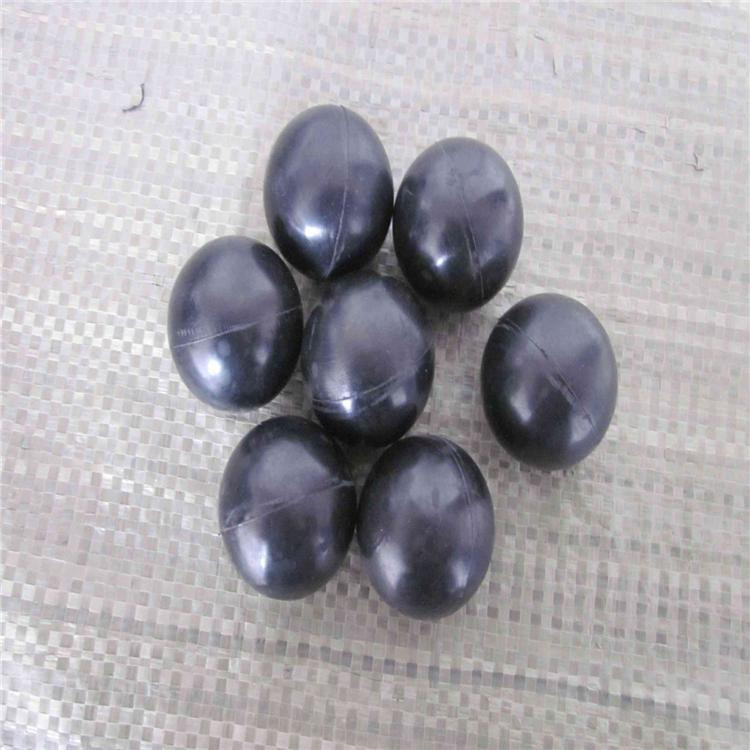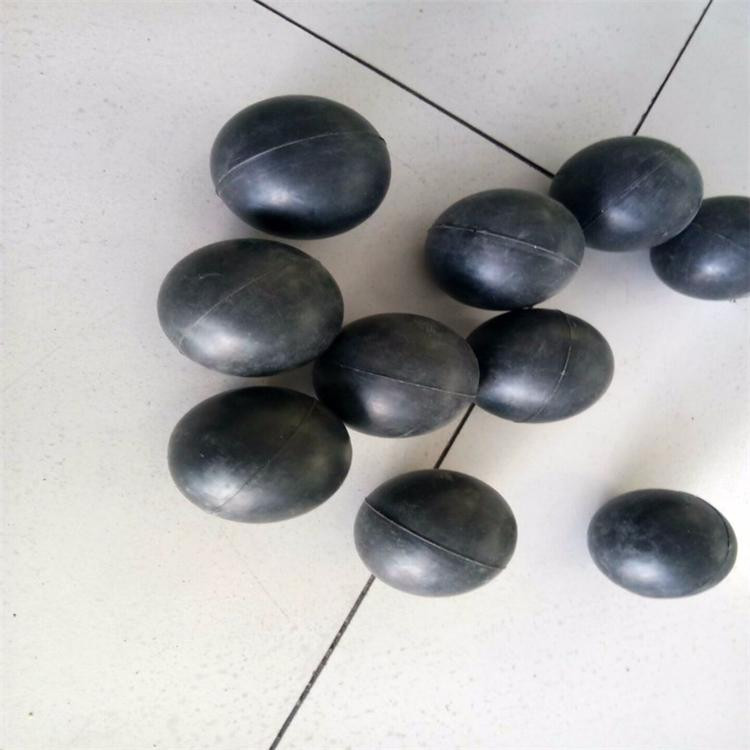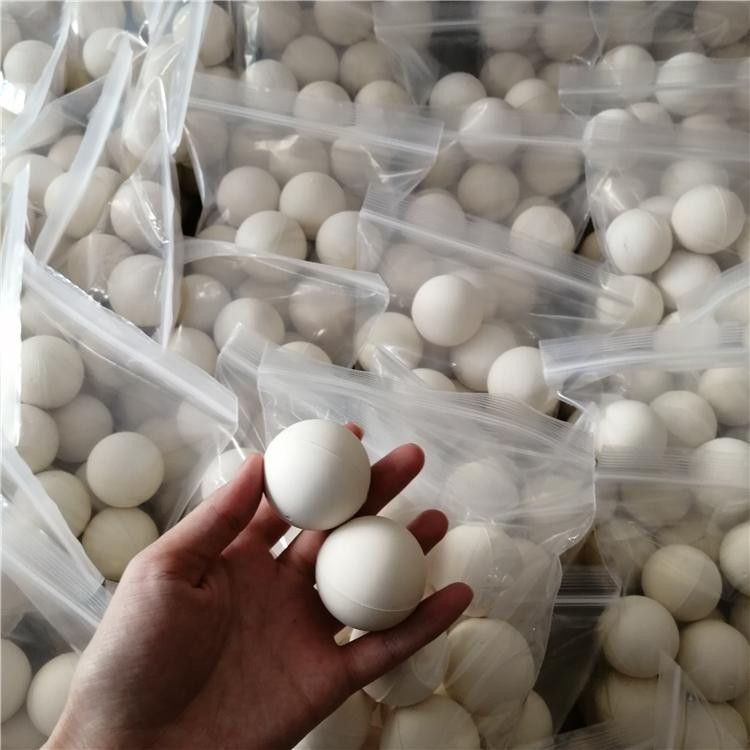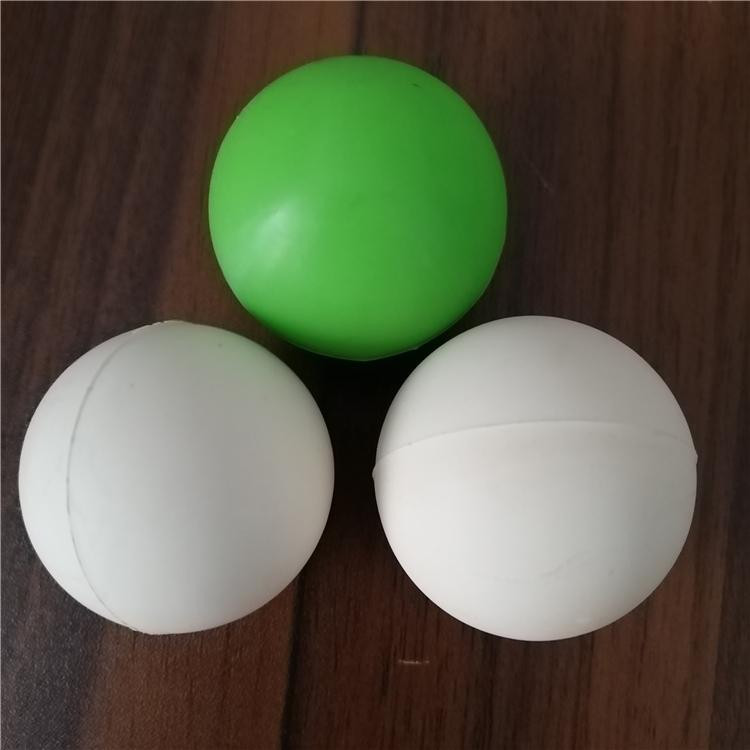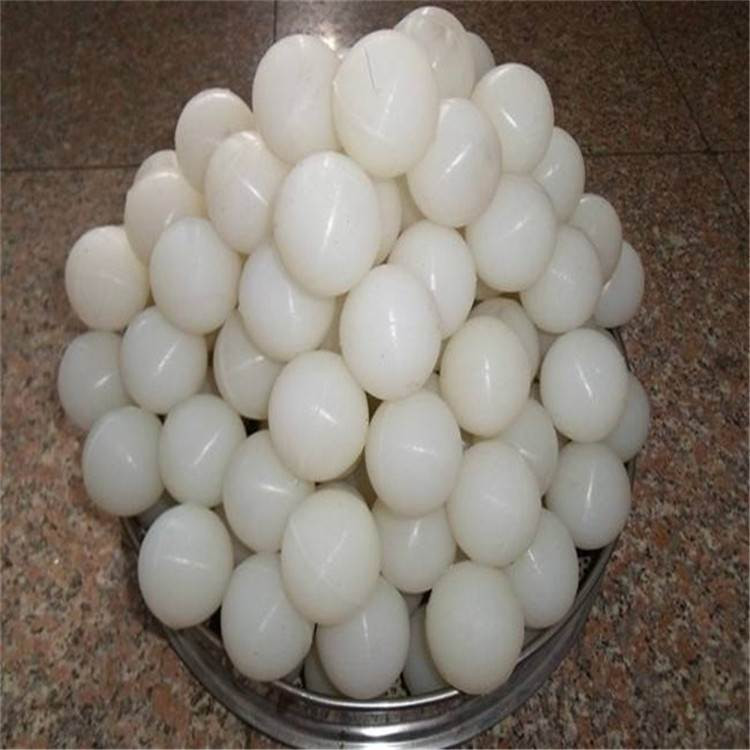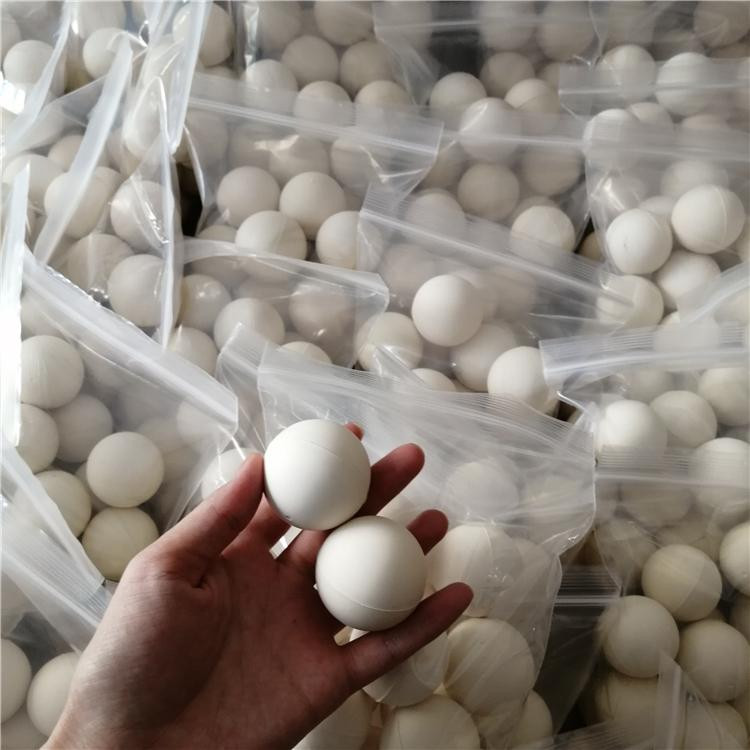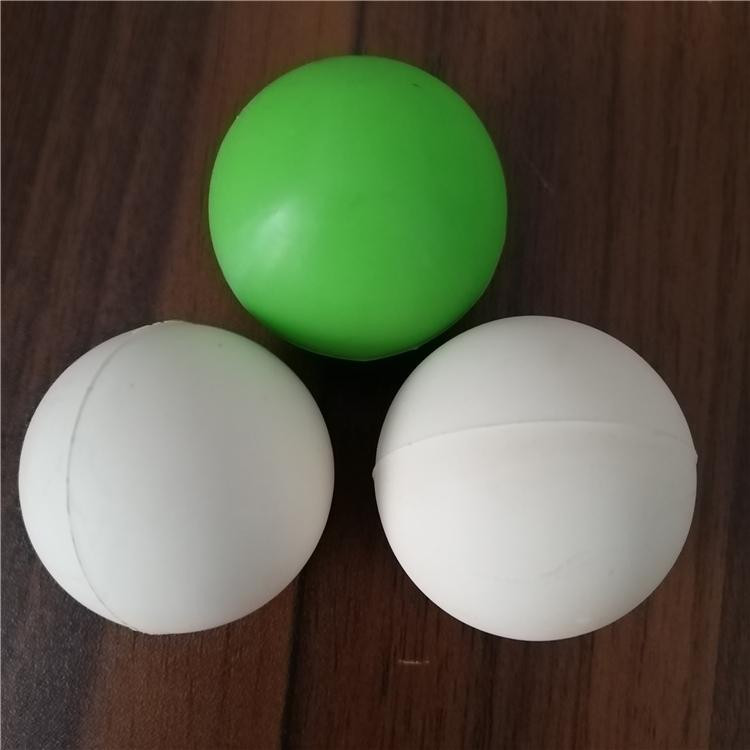

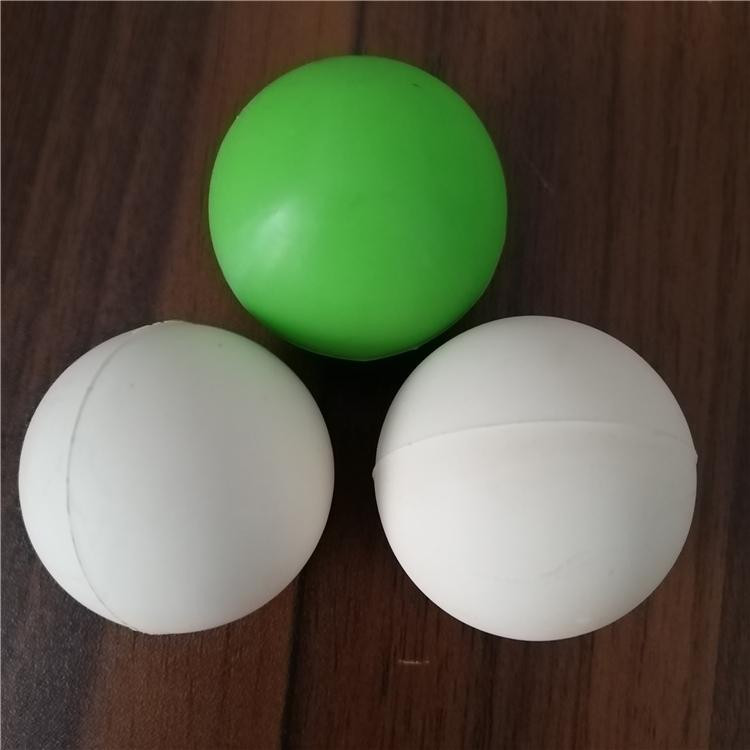
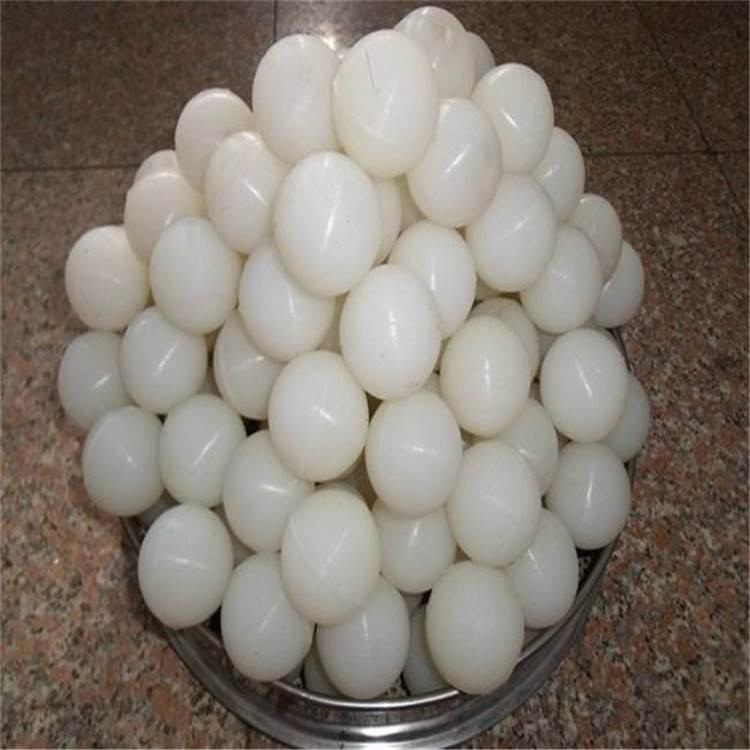







StructureThe product is available in two types: with and without a frame layer. The frame layer version consists of a ball bladder, a frame layer, and a rubber outer skin. The frameless version is made up of a ball bladder and a rubber outer skin. The ball bladder can be made of latex or rubber. The frame layer serves to stabilize the ball, maintaining its roundness and size, preventing deformation upon inflation. Materials for the frame layer include fine canvas, cotton cloth, synthetic fiber fabric, or winding with synthetic fiber thread.
FeaturesRubber is used instead of leather, making the balls both affordable and durable. Rubber balls offer advantages such as good airtightness, soft and non-slip texture, excellent wear resistance, and good bounce.
The outer shell of rubber balls can be made smooth or with various patterns depending on their use. The rubber outer shell is typically made from natural rubber, isoprene rubber, or styrene-butadiene rubber, combined with high-styrene or thermoplastic resins, and produced through processes such as rubber refining, pulping, calendering, covering, inflation, vulcanization, etc. They are used in sports activities. Store in a cool, shaded area where sunlight cannot directly reach. Avoid heavy pressure and contact with acids, alkalis, oils, etc., to prevent damage from sharp objects.