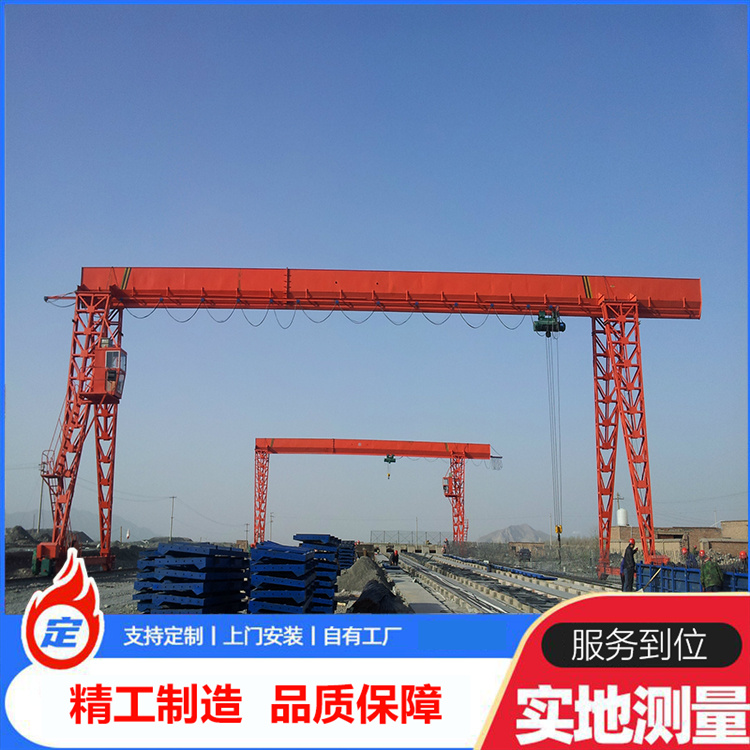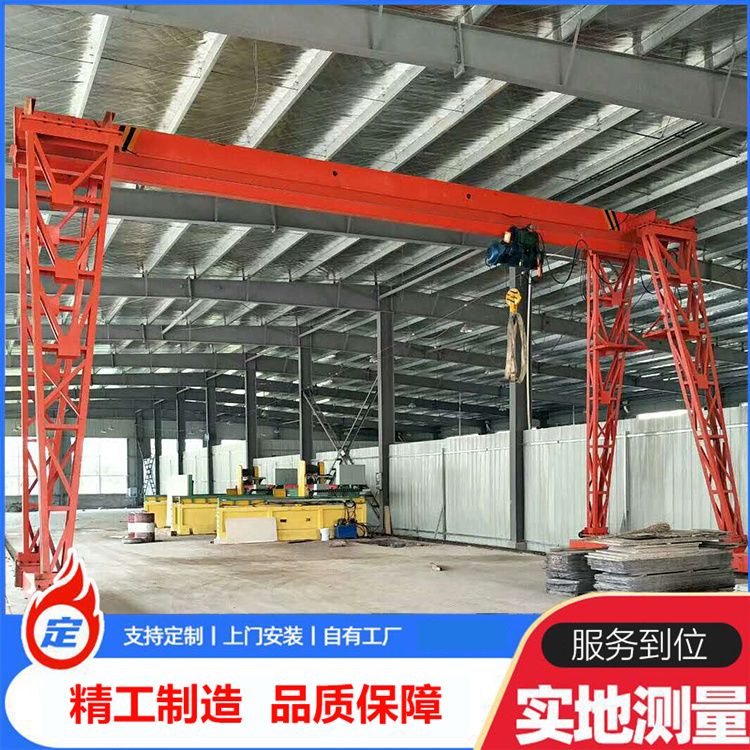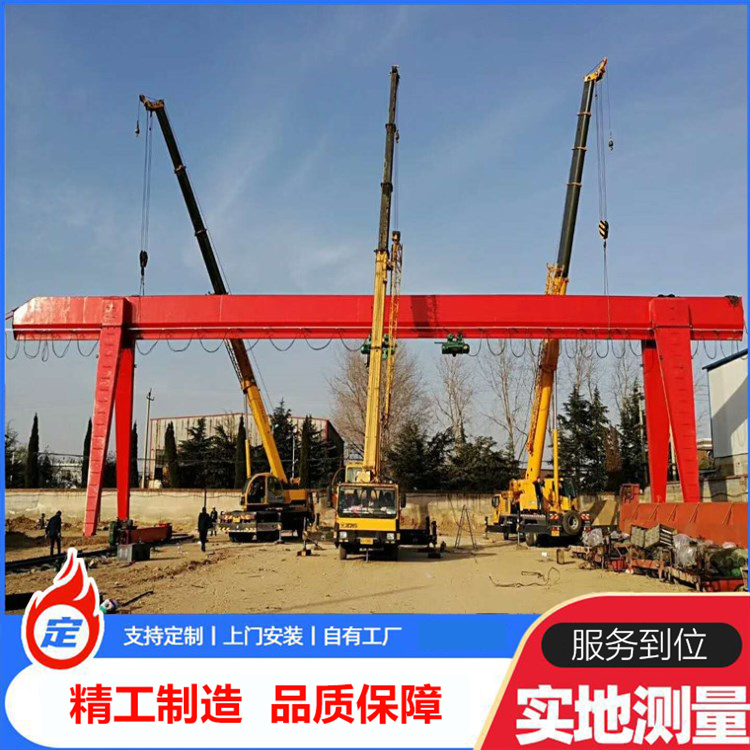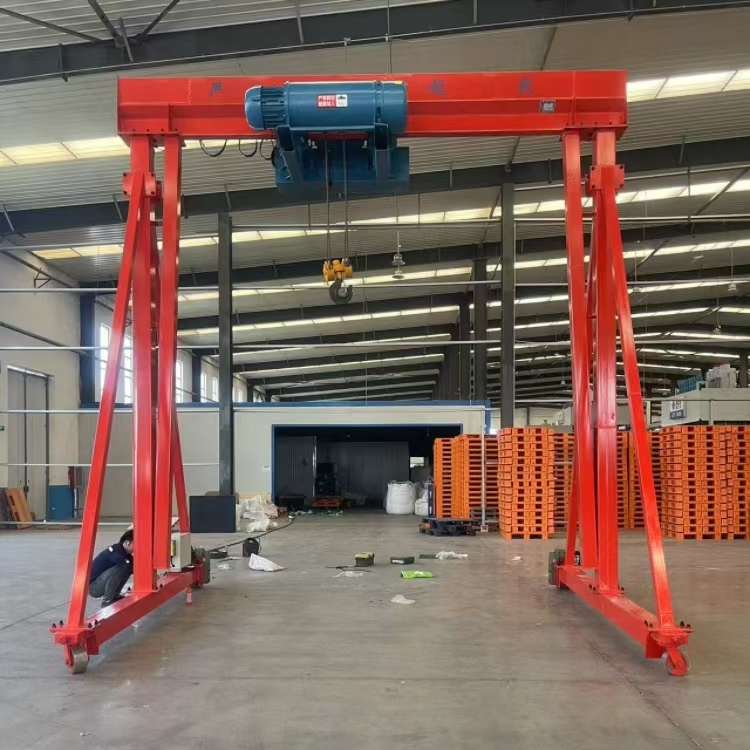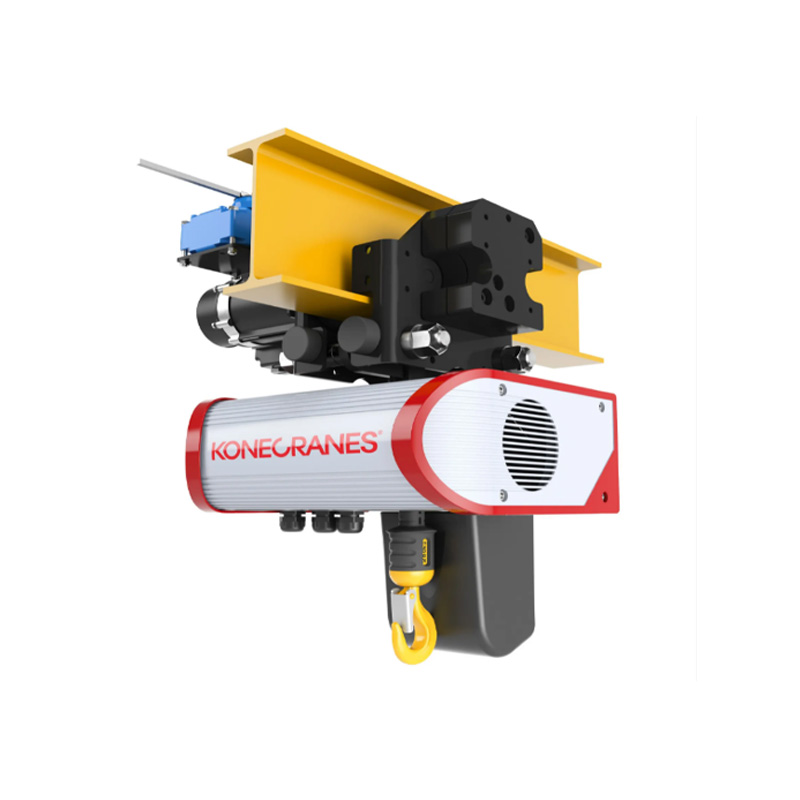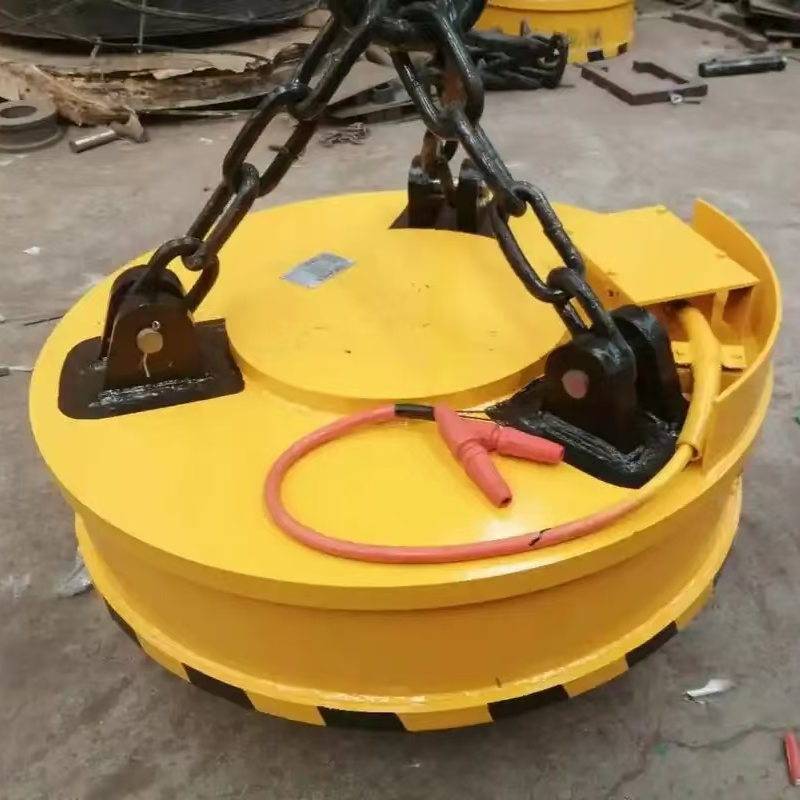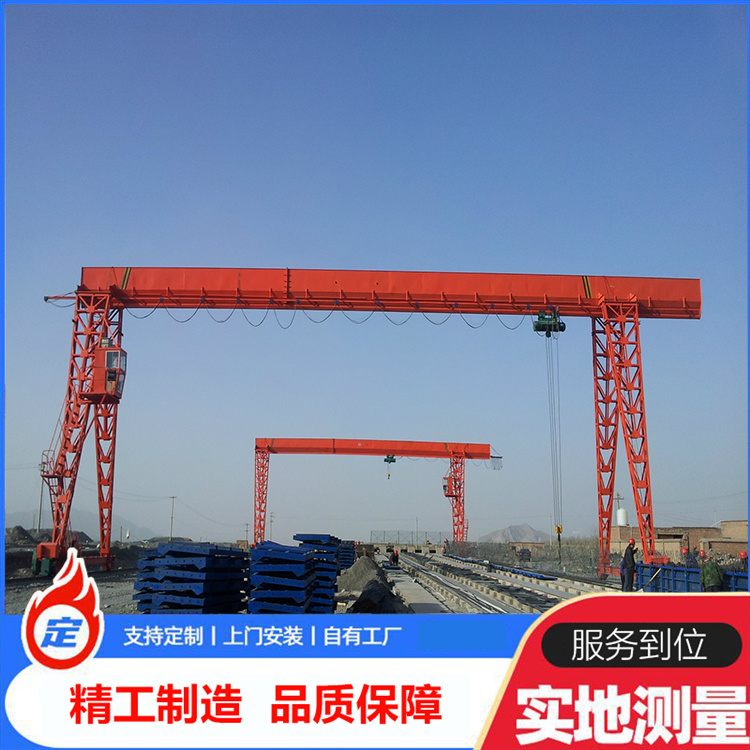

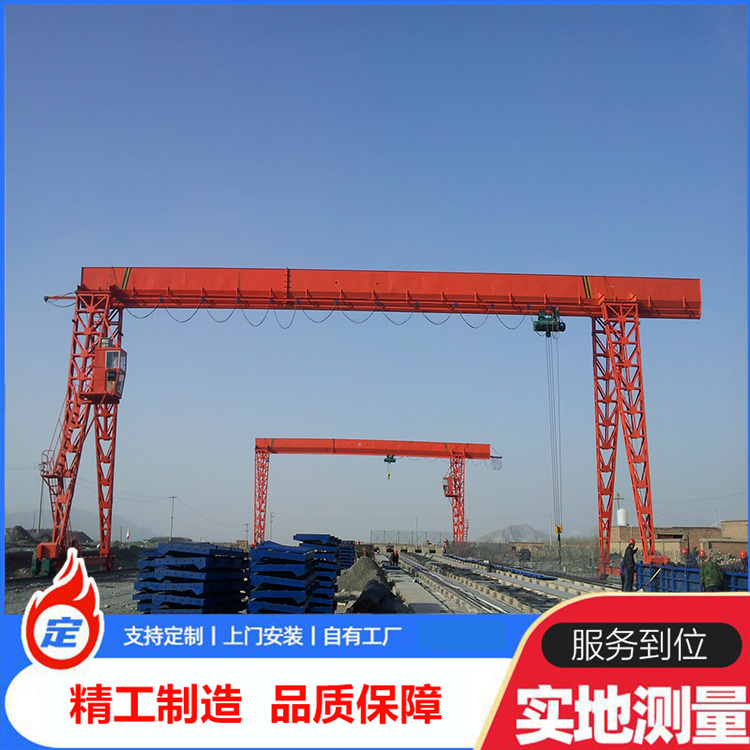

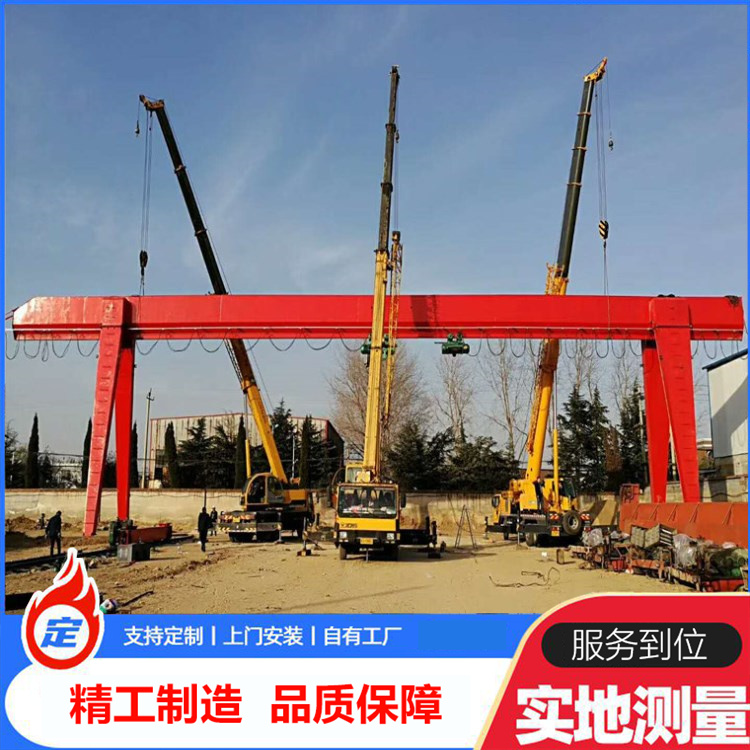


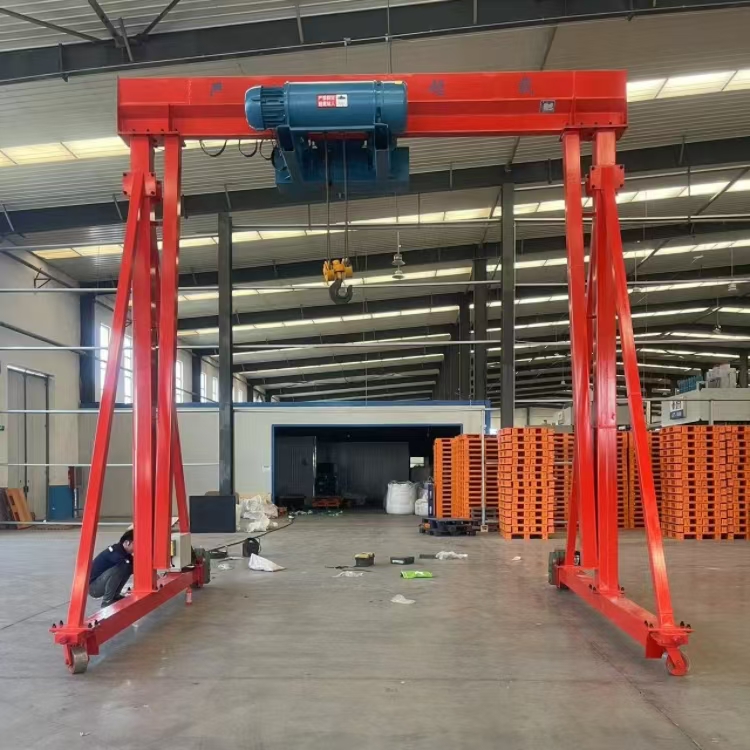
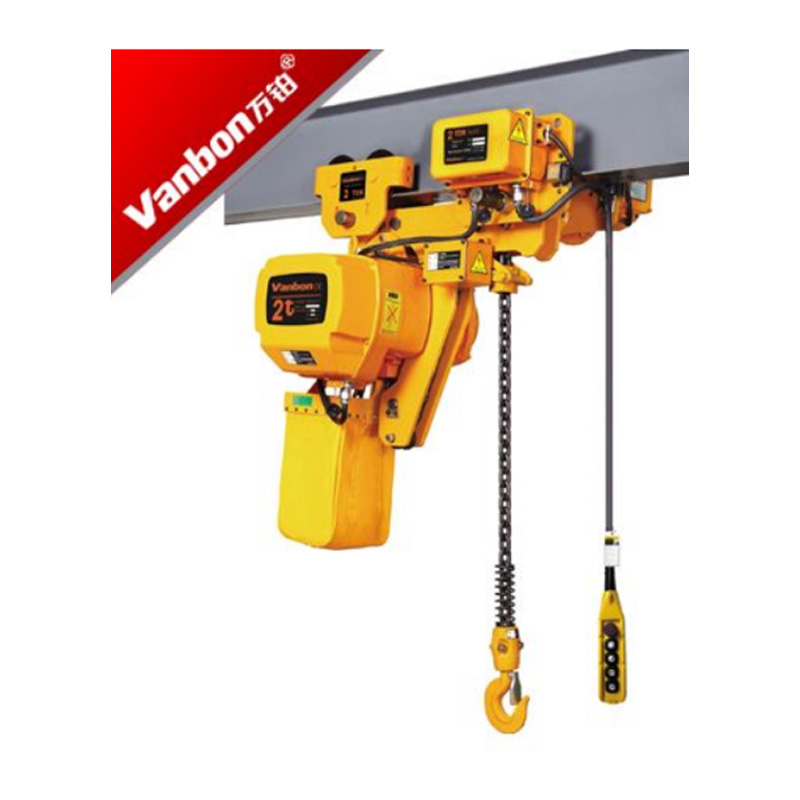


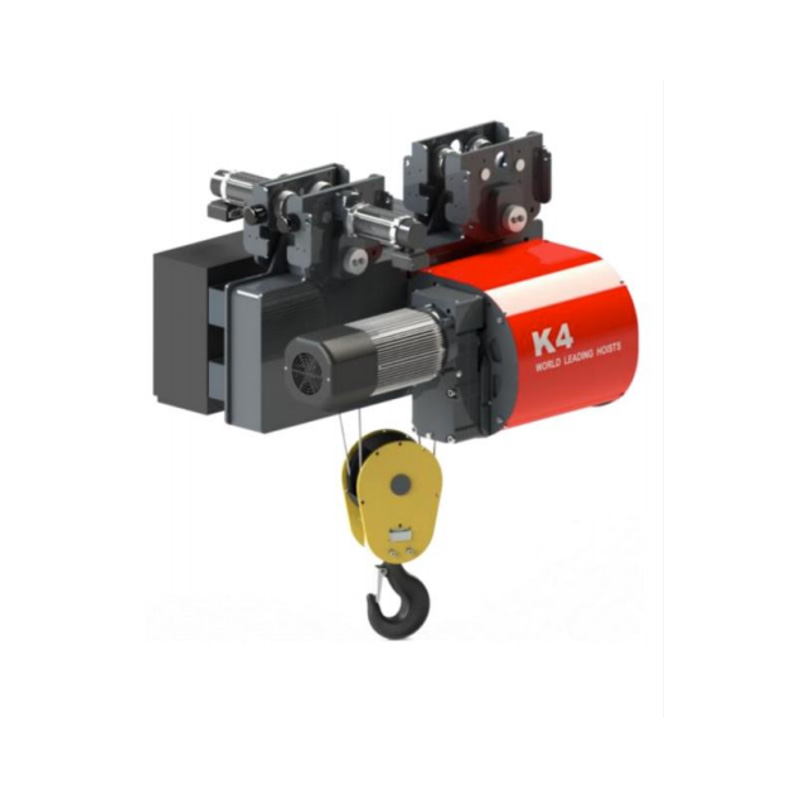







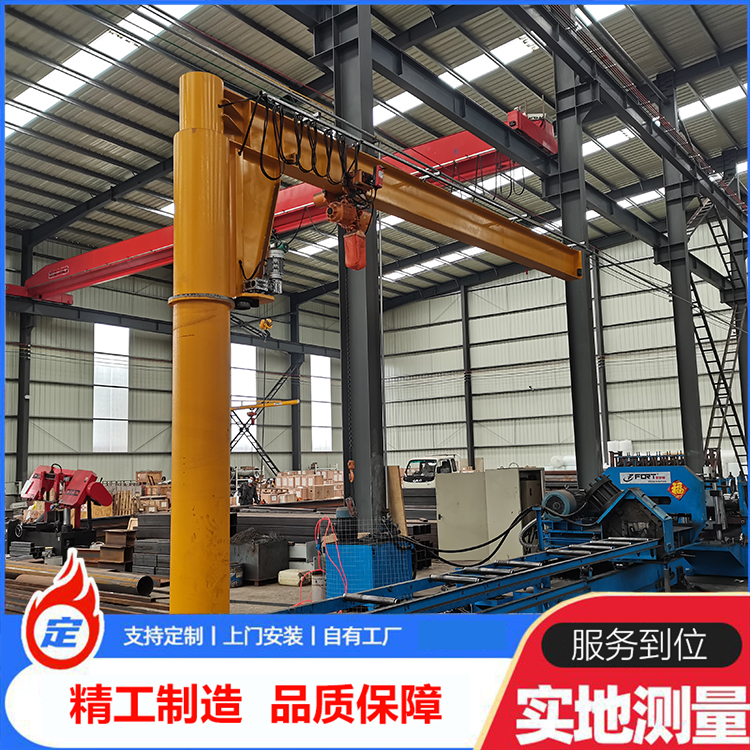

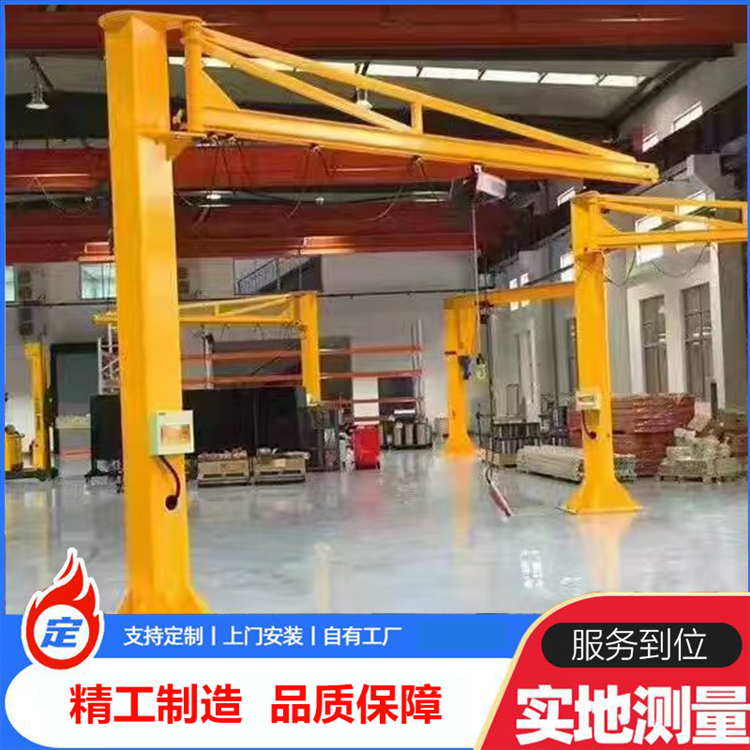

Gantry cranes, also known as overhead traveling cranes, are bridge-type cranes supported on the ground by two legs on each side of the runway. Structurally, they consist of the gantry, trolley running mechanism, hoist trolley, and electrical components. Some gantry cranes have legs only on one side, supported by the factory or pier on the other, and are called semi-gantry cranes. The upper girder of the gantry crane (including the main beam and end beam), legs, lower crossbeams, and other parts make up the structure. To expand the crane's working range, the main beam can extend beyond the legs on one or both sides, forming a cantilever. Arm cranes with trolleys can also be used to increase the crane's working range through the tilting and rotation of the boom.
Routine Maintenance
Lubrication
The operational performance and lifespan of crane mechanisms largely depend on lubrication.
During lubrication, refer to the product manual for maintenance and lubrication of electromechanical products. Large vehicles, crane girders, etc., should be lubricated with grease once a week. For winches, use industrial gear oil (SY1172-80) and add 200 units, checking the oil level regularly and refilling promptly.
2. Wire rope
Be mindful of wire rope fraying. Replace with new rope promptly if there are broken wires, broken strands, or wear reaches the discard standard. Available options include phosphated coated wire rope, galvanized wire rope, and smooth wire rope.
Three. Lifting Equipment
Lifting equipment must be inspected regularly.
Four. Pulley blocks
Mainly inspect the rope groove wear, check for any cracks on the rim, and verify if the pulley is stuck on the shaft.
Brake Assembly
Inspect once per shift.
The brake should operate accurately, and the pin shaft must not be stuck. The brake pads should fit the brake wheel correctly, and when the brake is released, the gap between the brake pads should be equal.