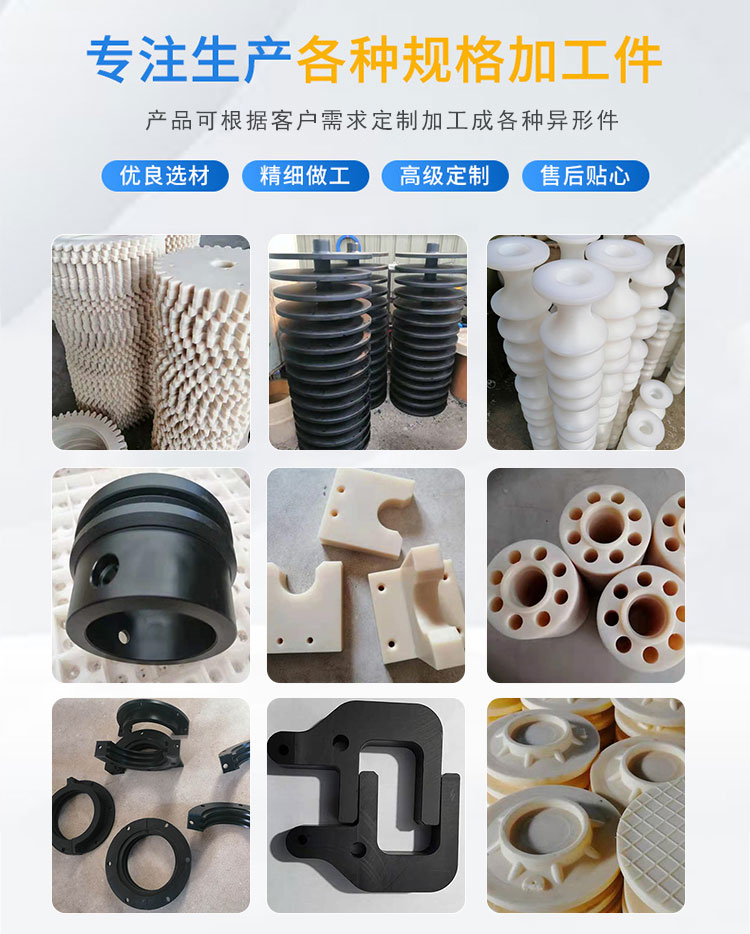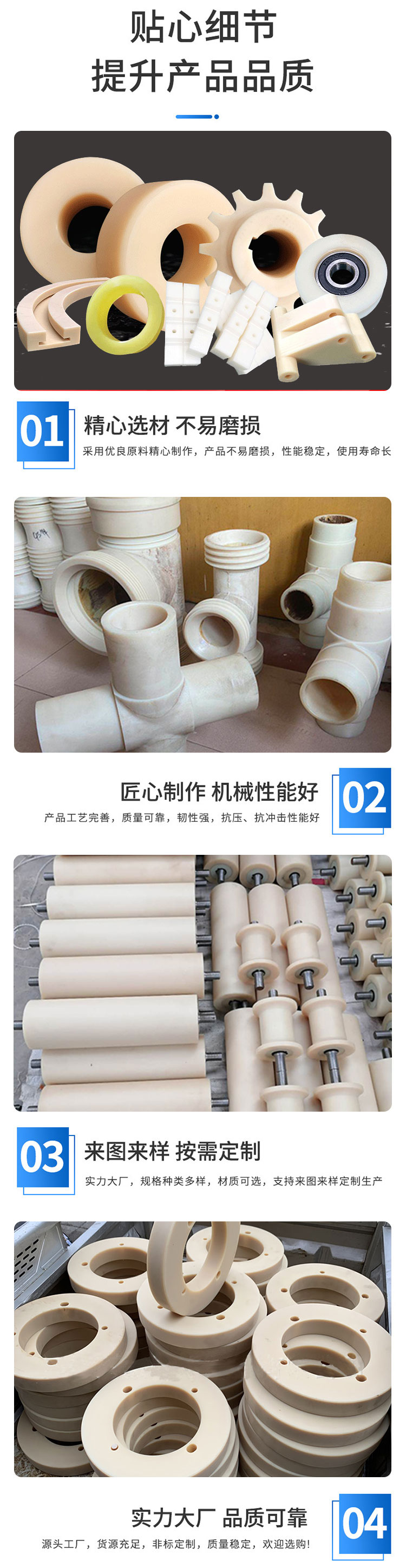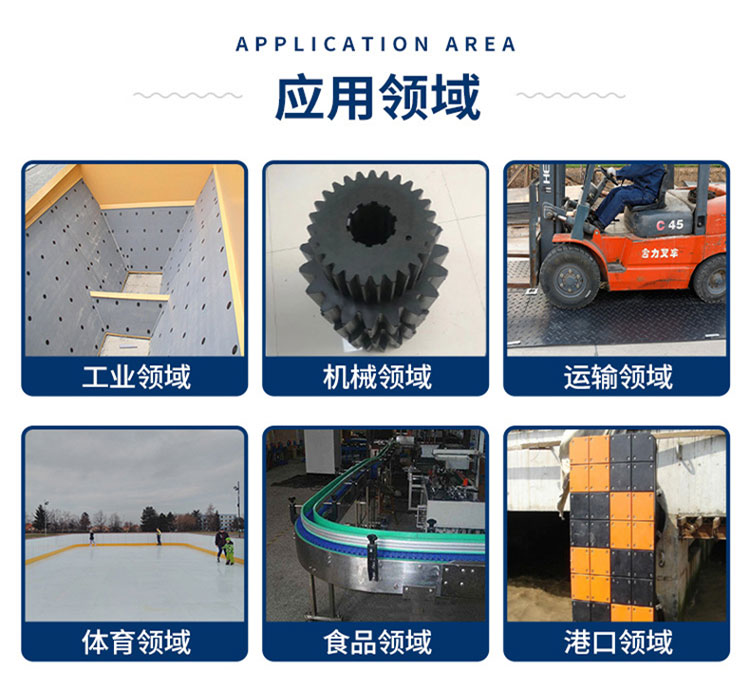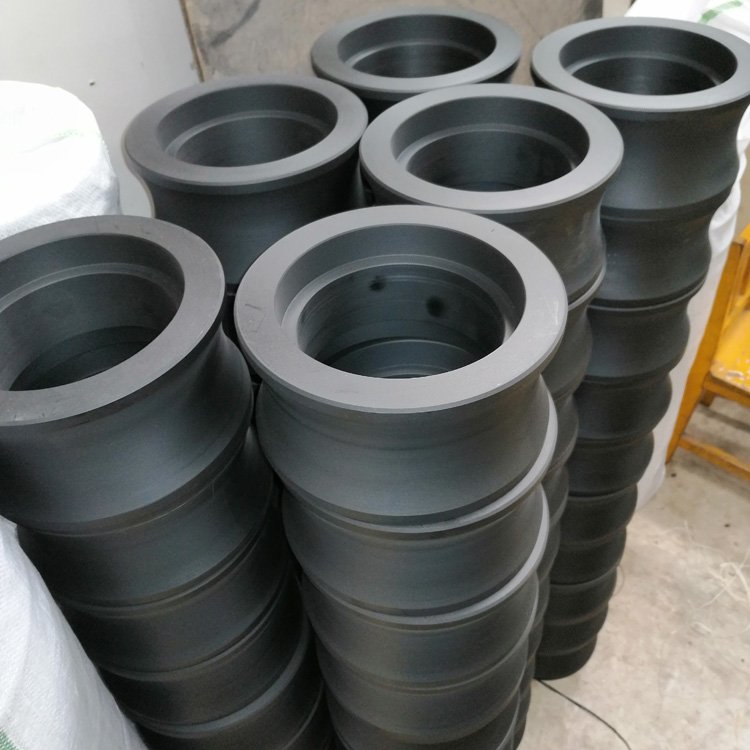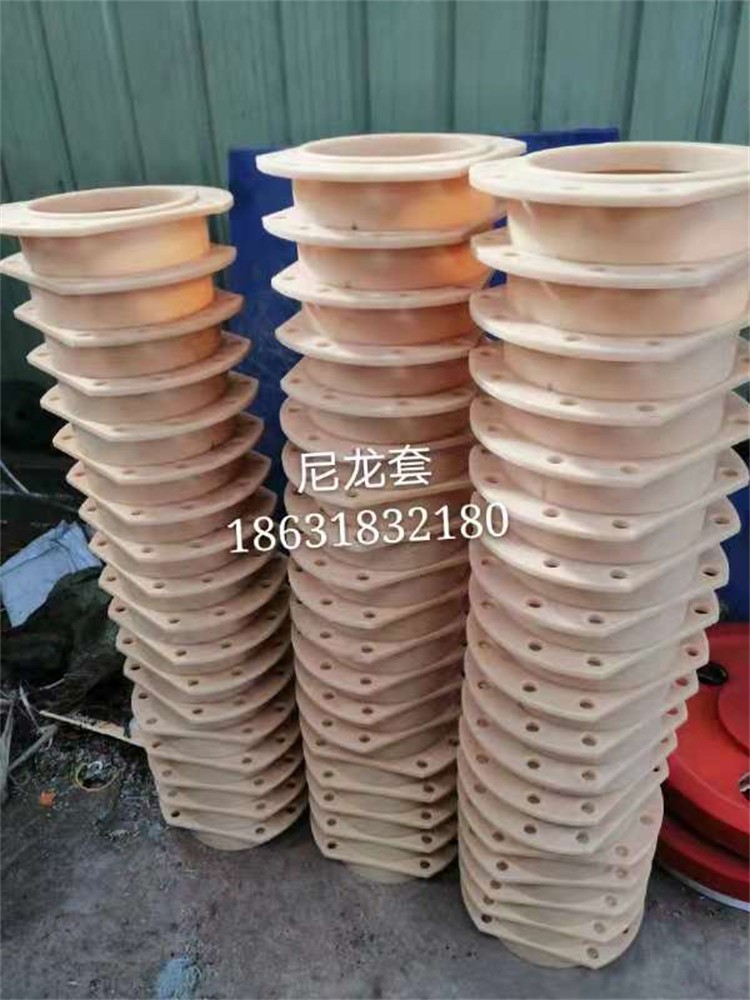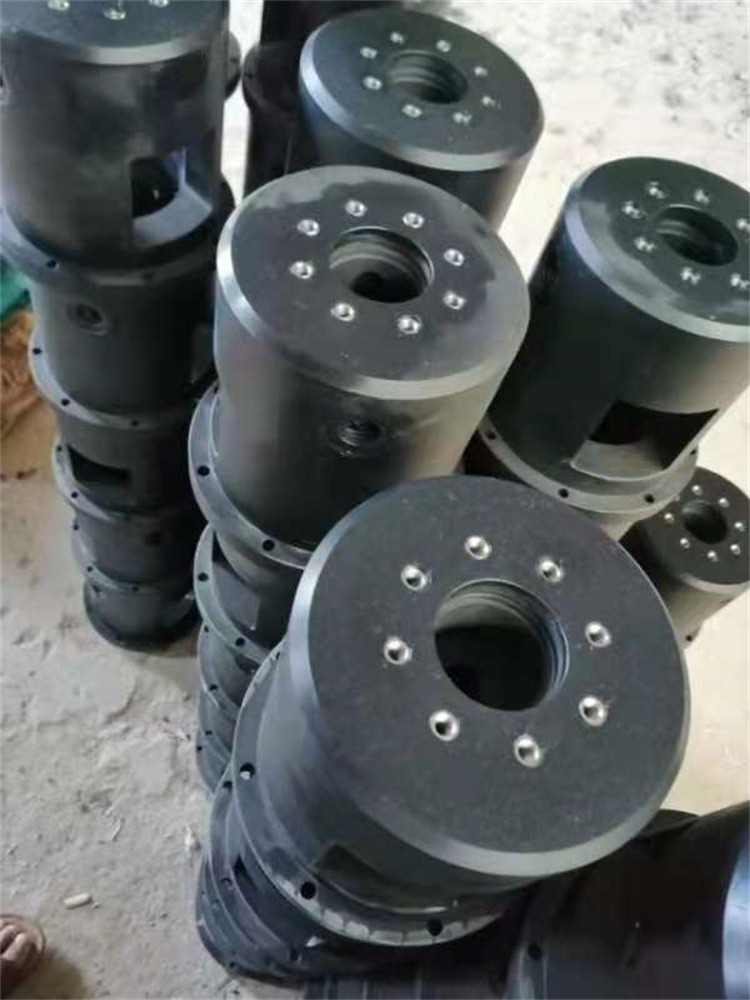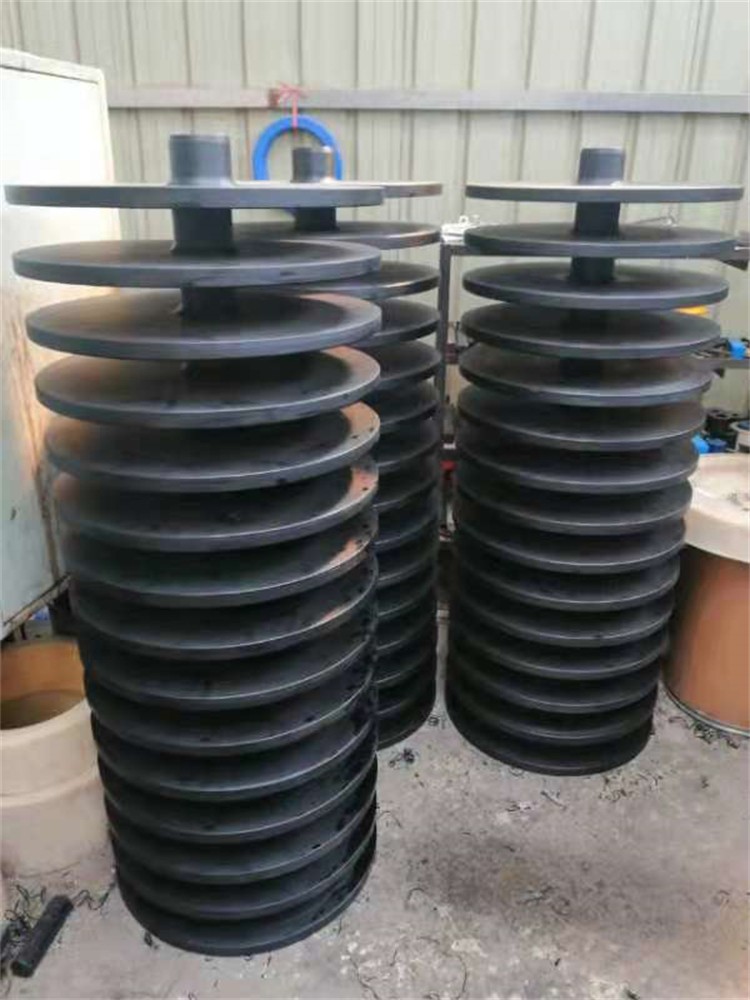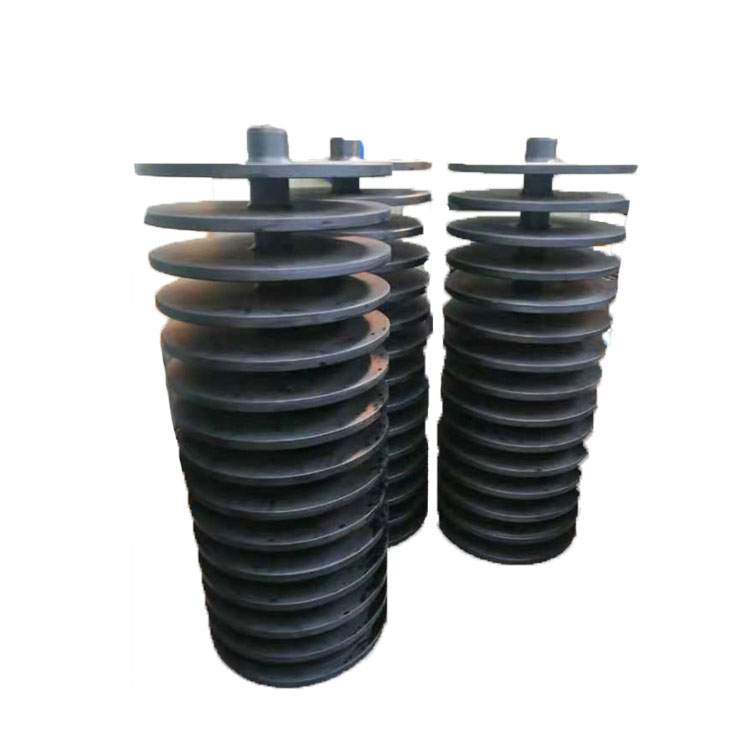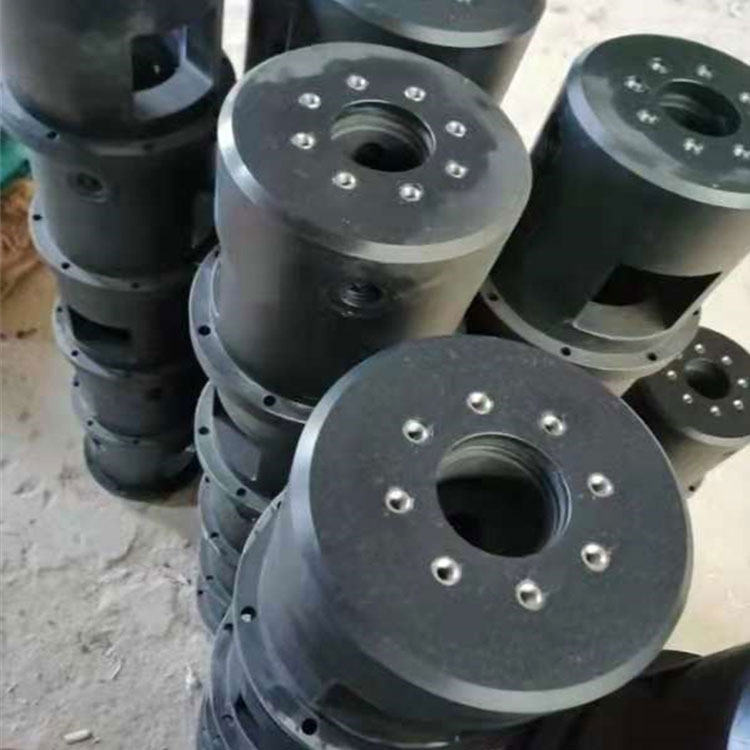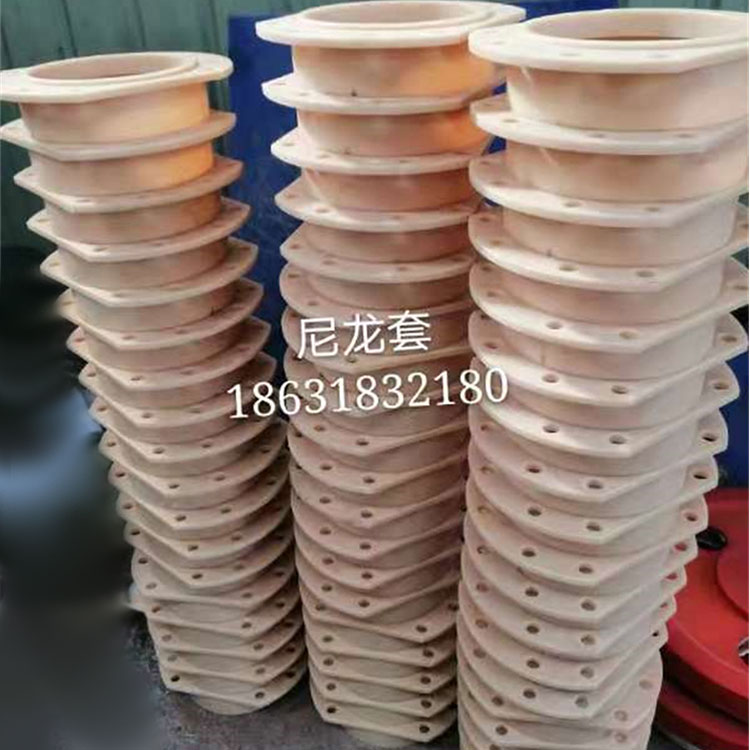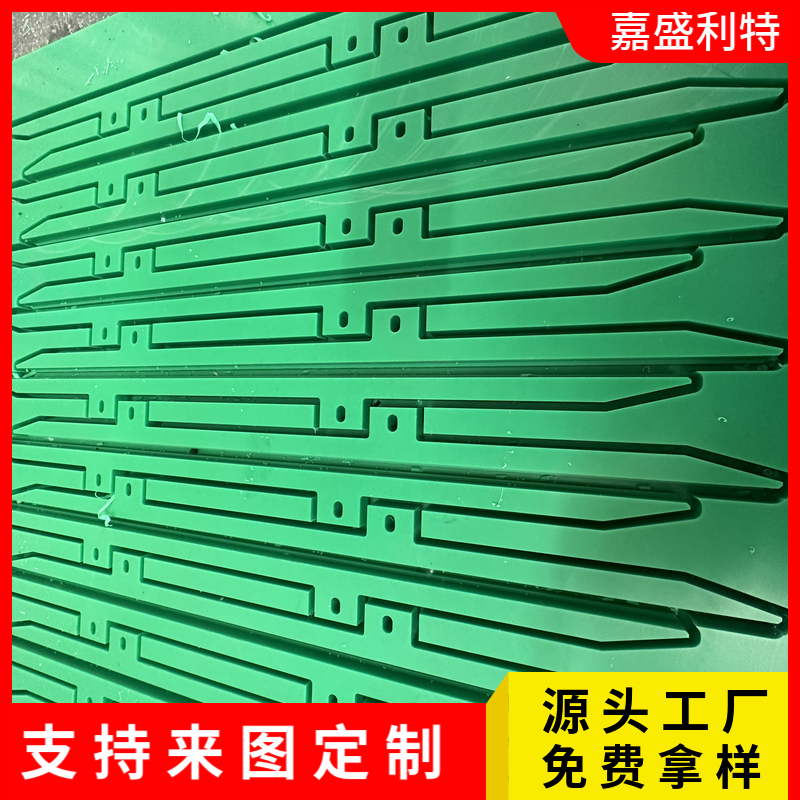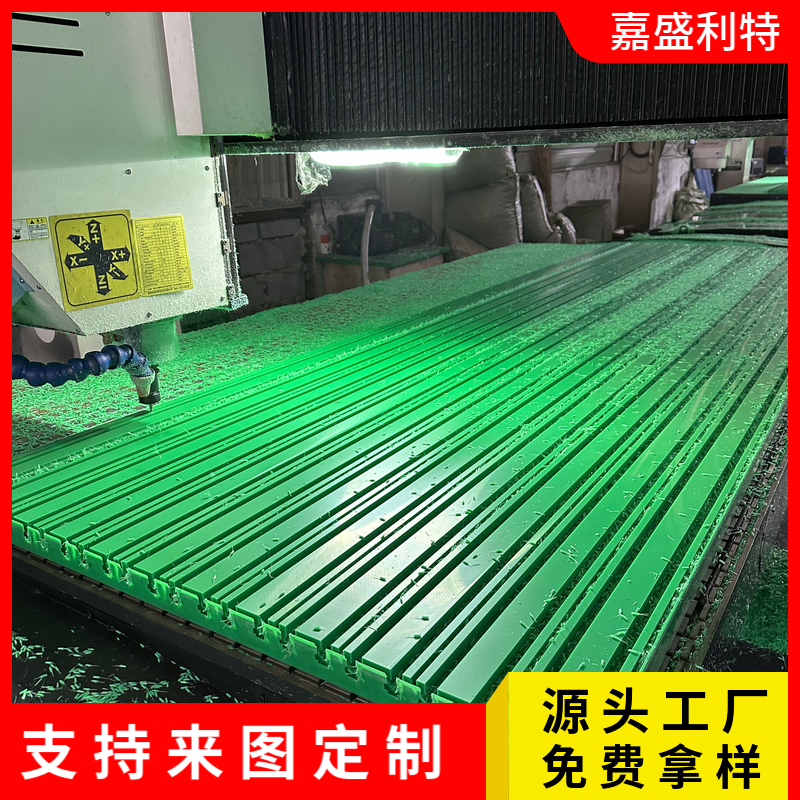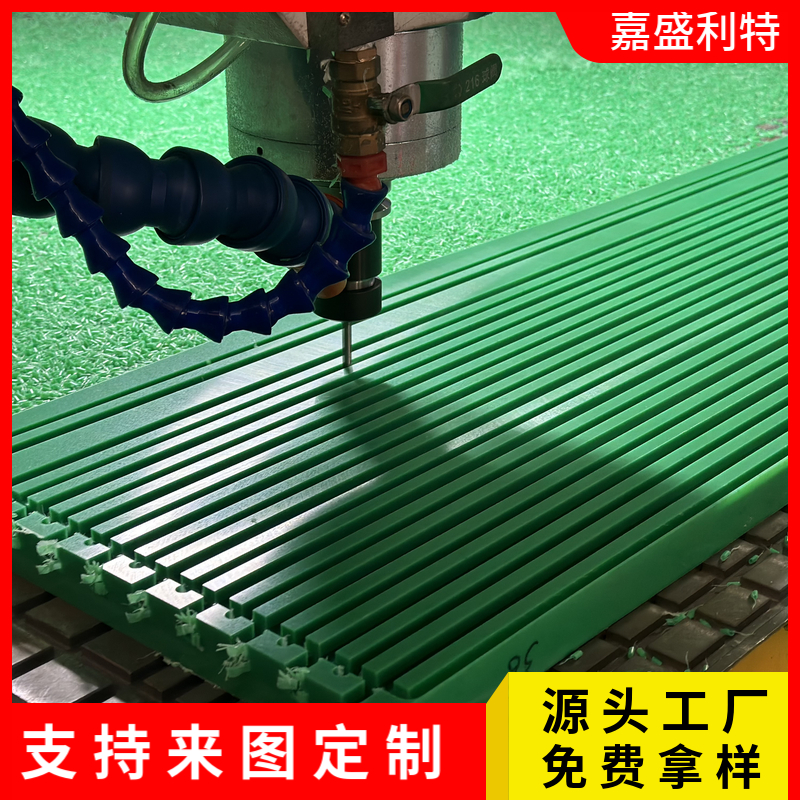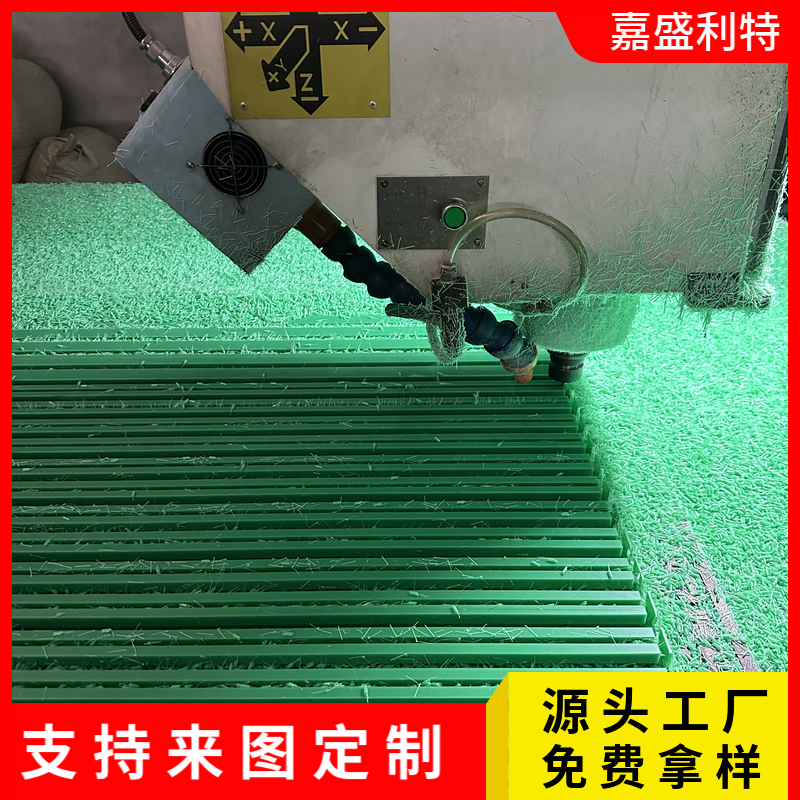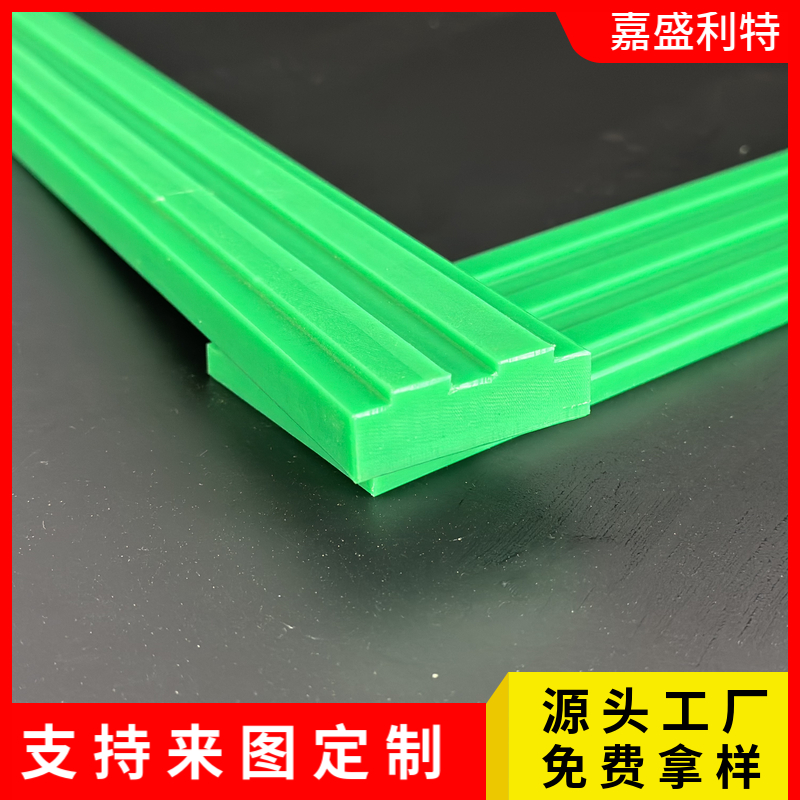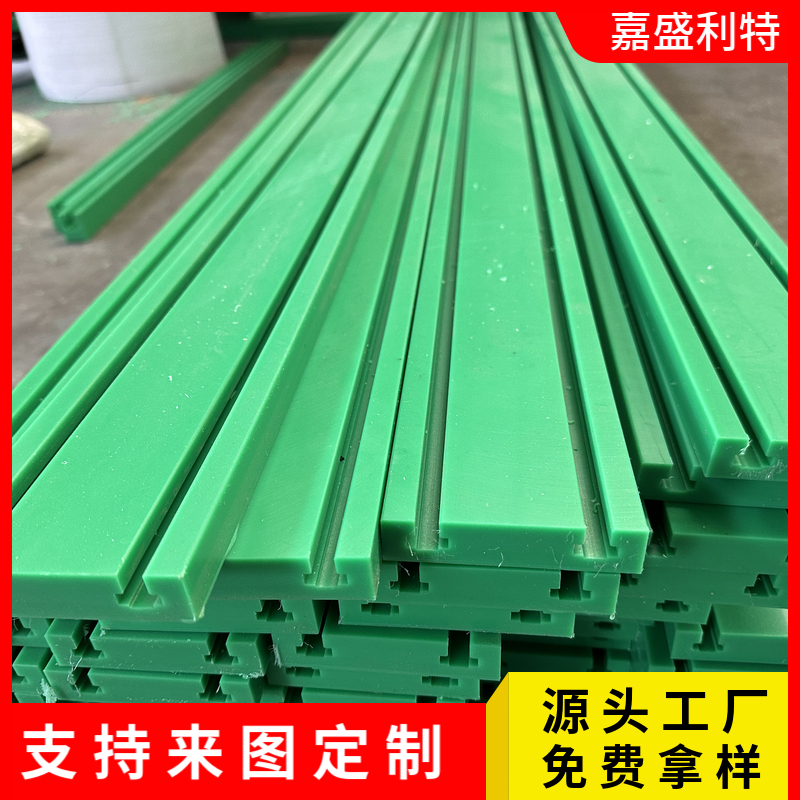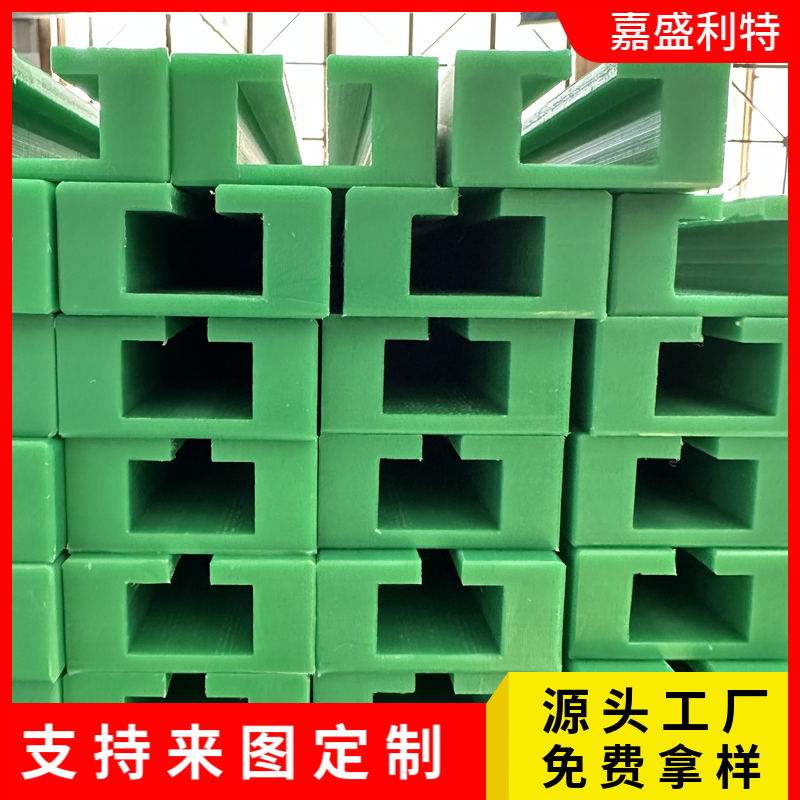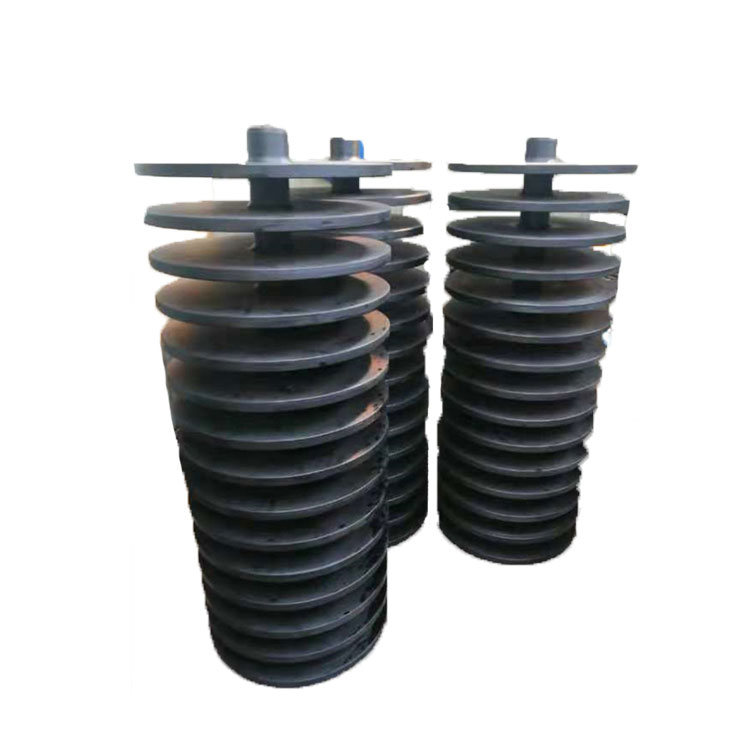

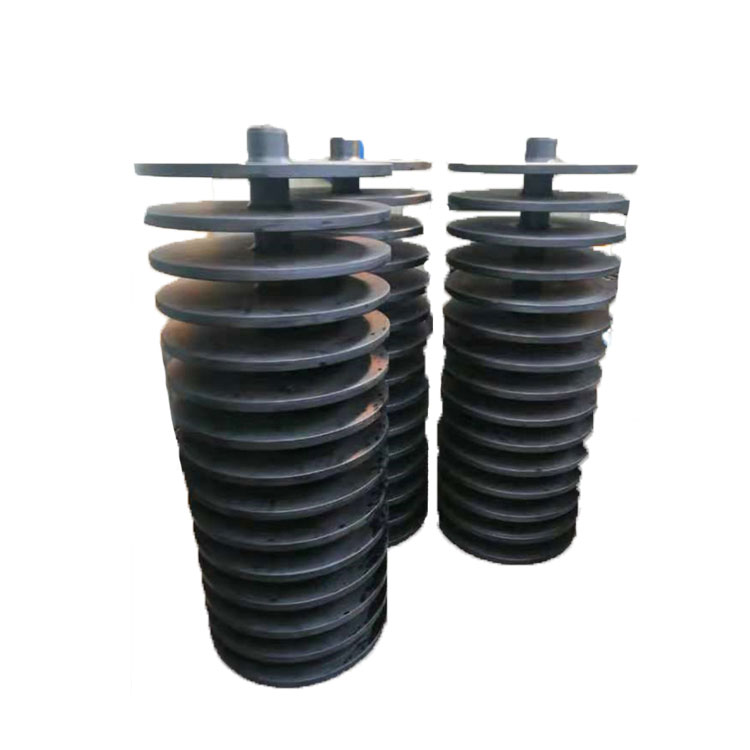
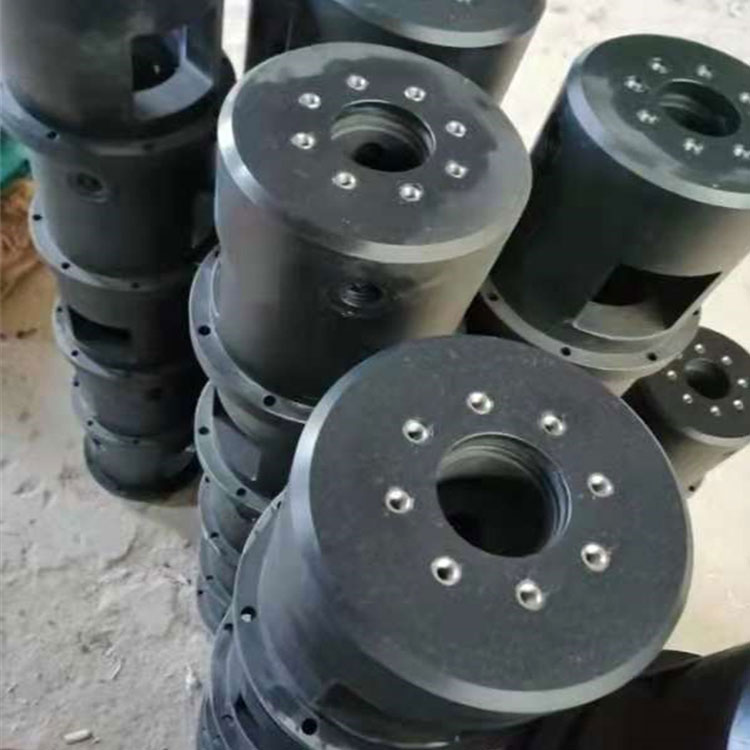
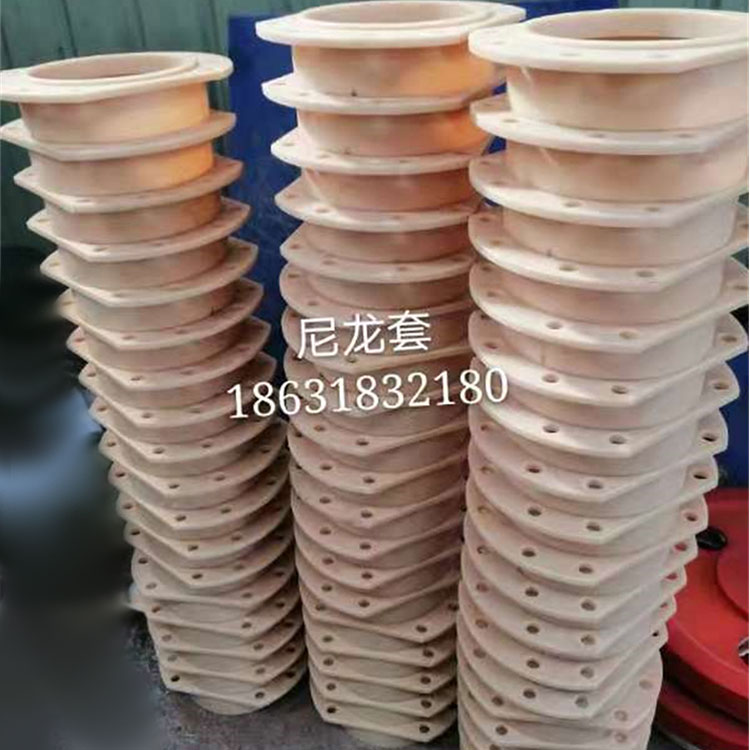


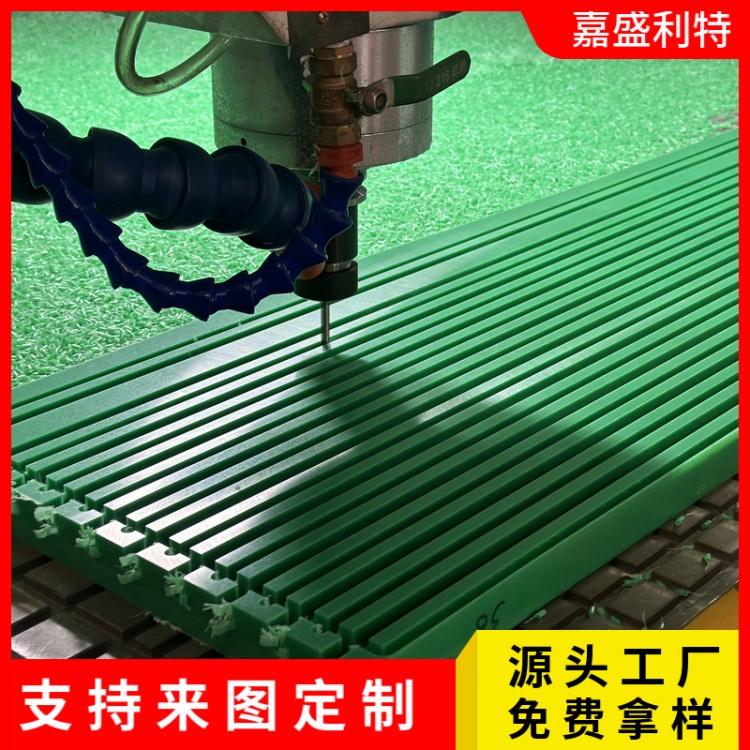
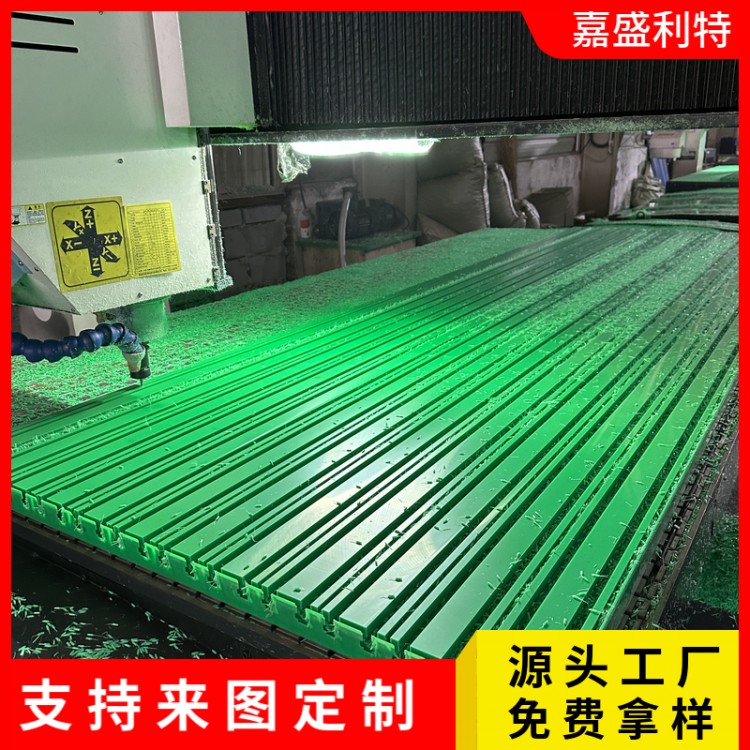
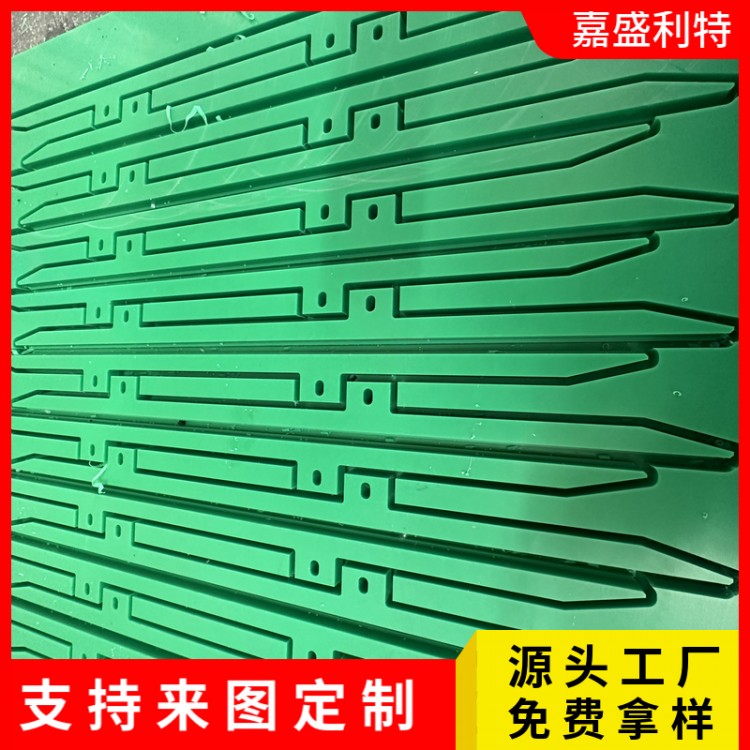





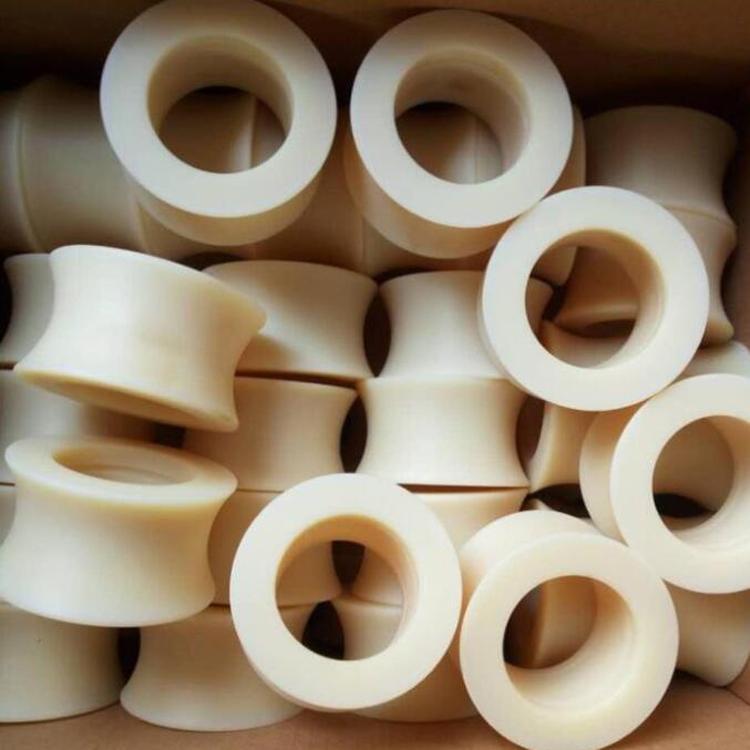
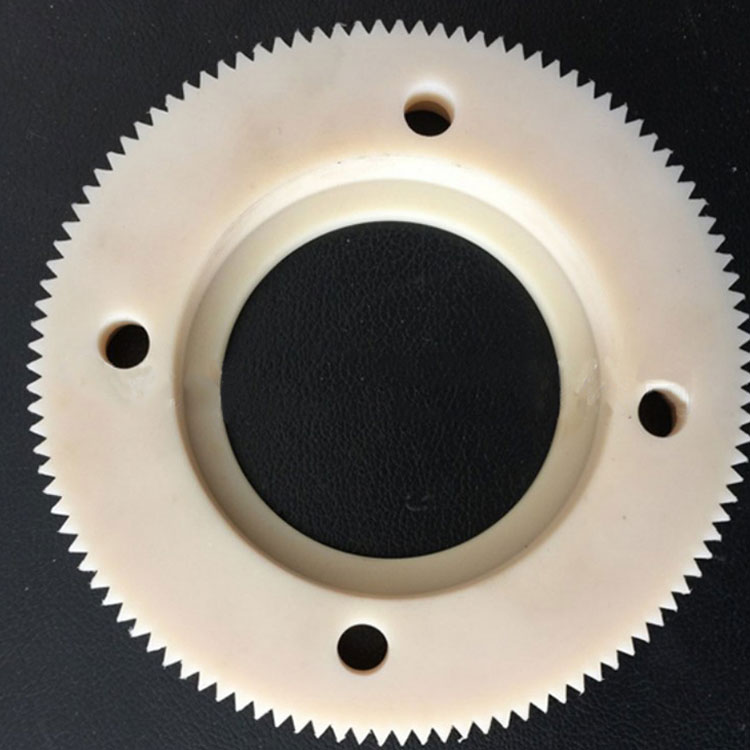
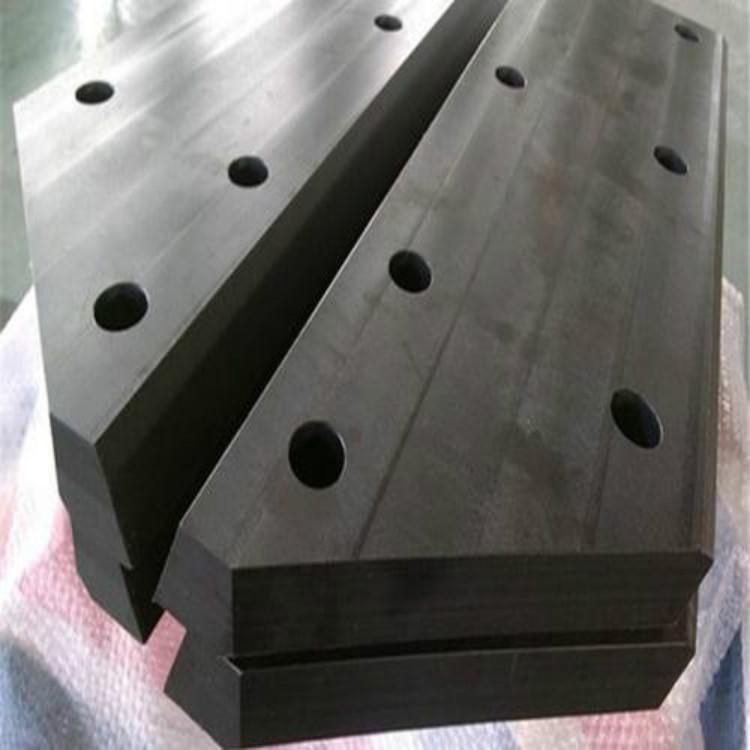
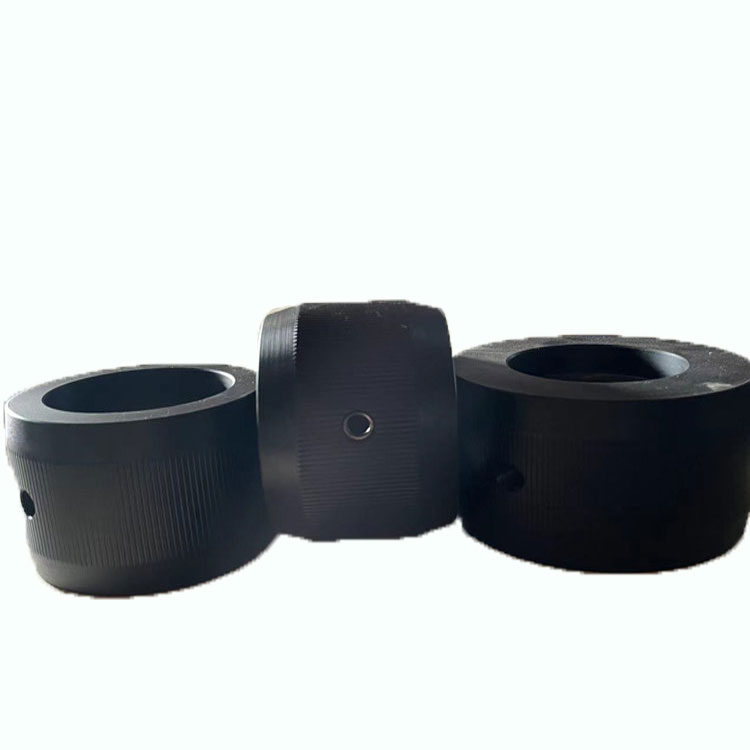
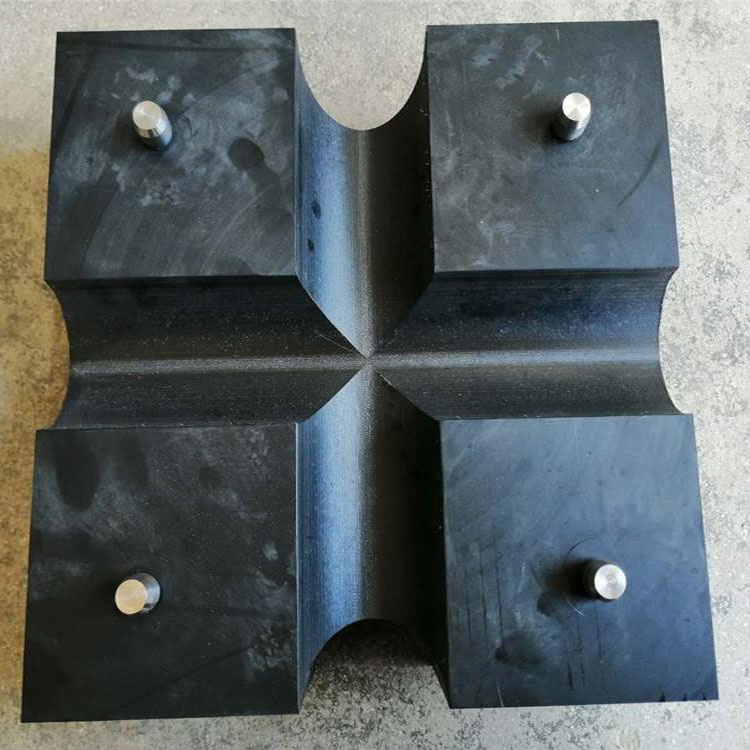
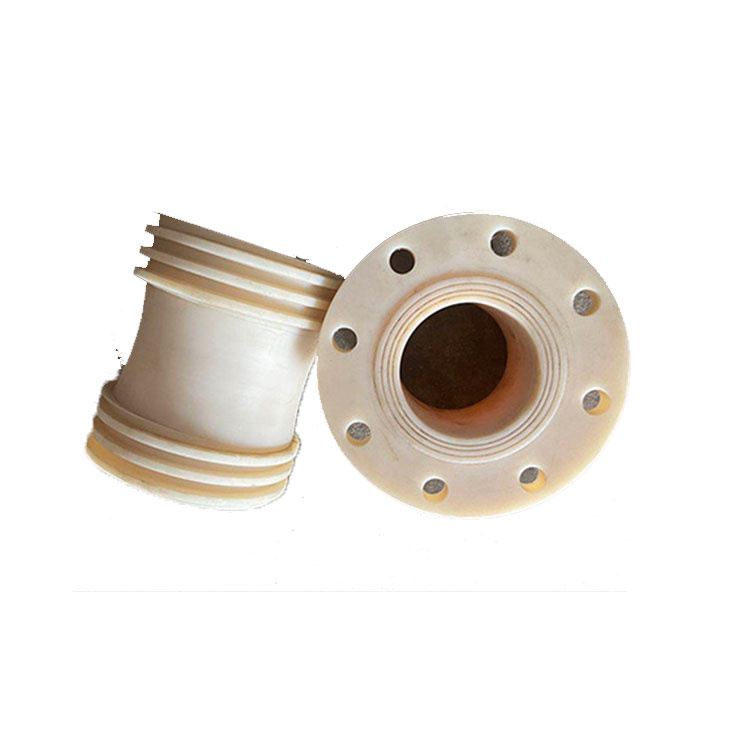
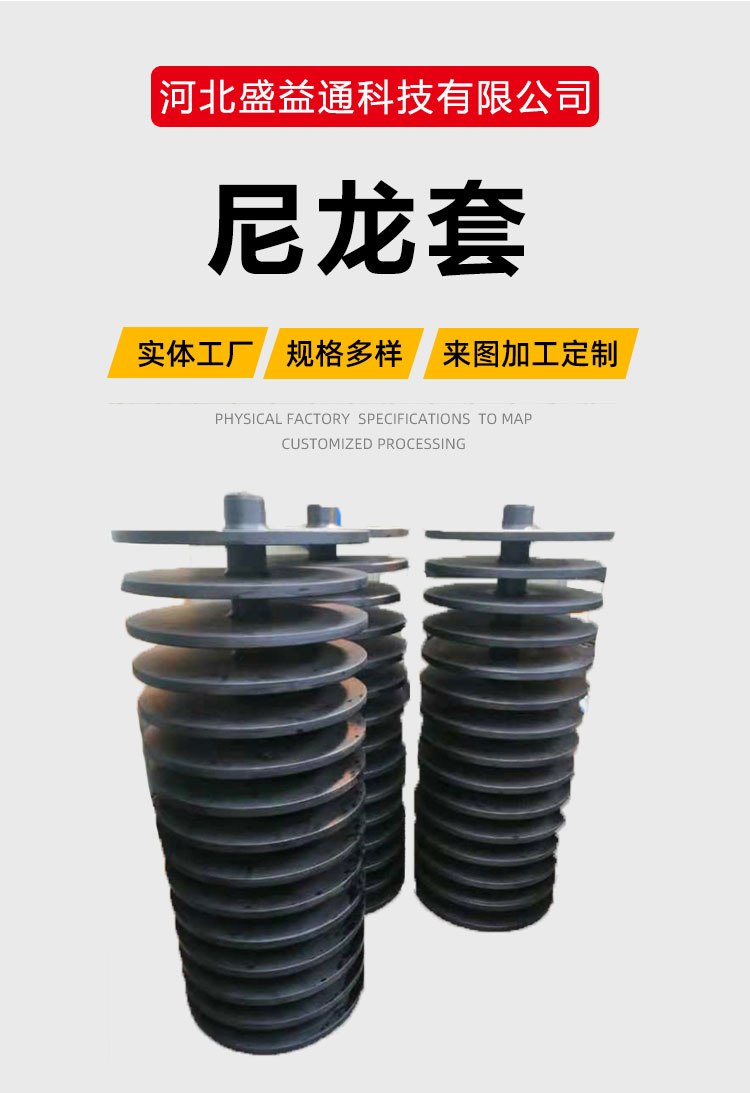
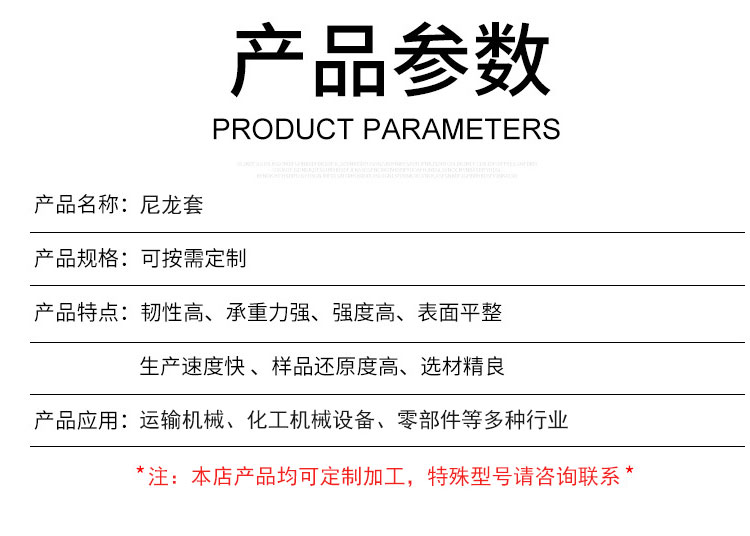
Description of Nylon Parts: Outstanding wear resistance with a coefficient of friction typically ranging from 0.1 to 0.3, making it 1/4 of phenolic plastic and 1/3 of Babbit alloy—a self-lubricating material with excellent mechanical properties. Nylon products have high hardness and tensile, flexural, and impact strength, as well as good elongation. Their compressive strength is comparable to metals, and their fatigue strength is on par with cast iron and aluminum alloys. Stable chemical resistance ensures it remains unaffected by chemicals, including weak alkalis, esters, hydrocarbons, and oils. Lightweight with good toughness, strong wear resistance, oil resistance, and vibration resistance, they are suitable for manufacturing wear-resistant parts, transmission components, household appliance parts, automotive components, and protective parts for machinery. They are also used in electrical insulation components such as turbines, gears, bearings, impellers, blades, screws, nuts, bolts, reeds, sleeves, and connectors.
Advantages of Nylon Products:
High strength, capable of withstanding loads for extended periods.
(2) Excellent resilience, capable of bending without deformation, while maintaining toughness and resisting repeated impacts.
(3) Wear-resistant self-lubricating properties provide superior performance over bronze, cast iron, carbon steel, and phenolic laminates in oil-free (or oil-free) lubrication applications, reducing consumption and saving energy.
(4) Noise absorption and vibration reduction; The modulus of elasticity of MC nylon is much smaller than that of metal, offering greater vibration attenuation and a practical approach to noise reduction superior to that of metal.
(5) Compared to metal, MC nylon has lower hardness and does not damage mating parts.
(6) Low coefficient of friction, offering wide application possibilities on friction parts.
(7) High chemical stability, resistant to alkalis, alcohols, ethers, hydrocarbons, weak acids, lubricants, detergents, and water (seawater), with odorless, non-toxic, tasteless, and non-corrosive properties, offering excellent conditions for its wide application in alkaline corrosion resistance, environmental hygiene, food, textile dyeing and printing, and other mechanical components.
(8) Simplifies machine maintenance and labor savings, with excellent mechanical cutting performance and increased labor productivity.
(9) MC Nylon is limited to use in the following environments and media:
a. Long-term use at temperatures exceeding 120℃;
b. Strong acids, phenol, sodium chlorate, barium chloride, etc.
c. Key components for high-precision machinery.