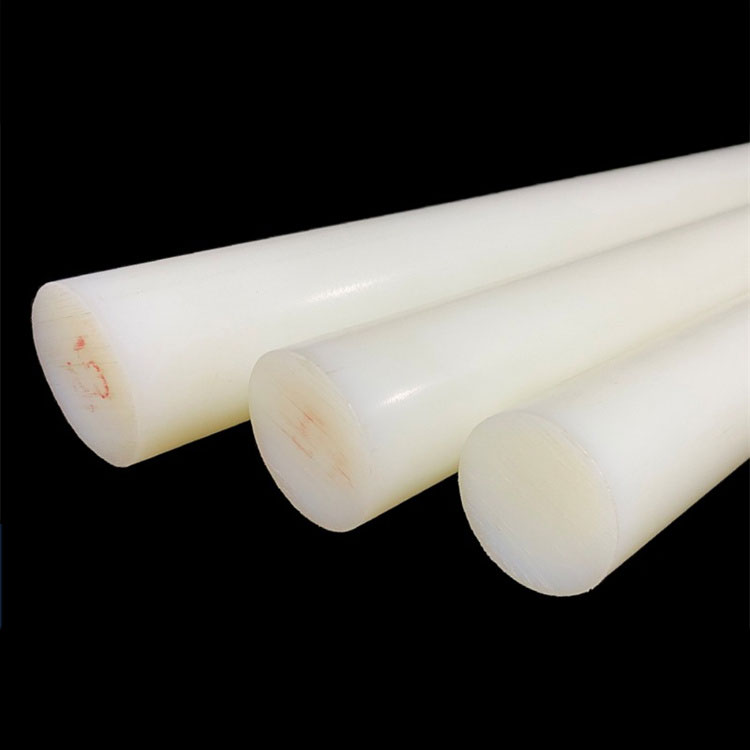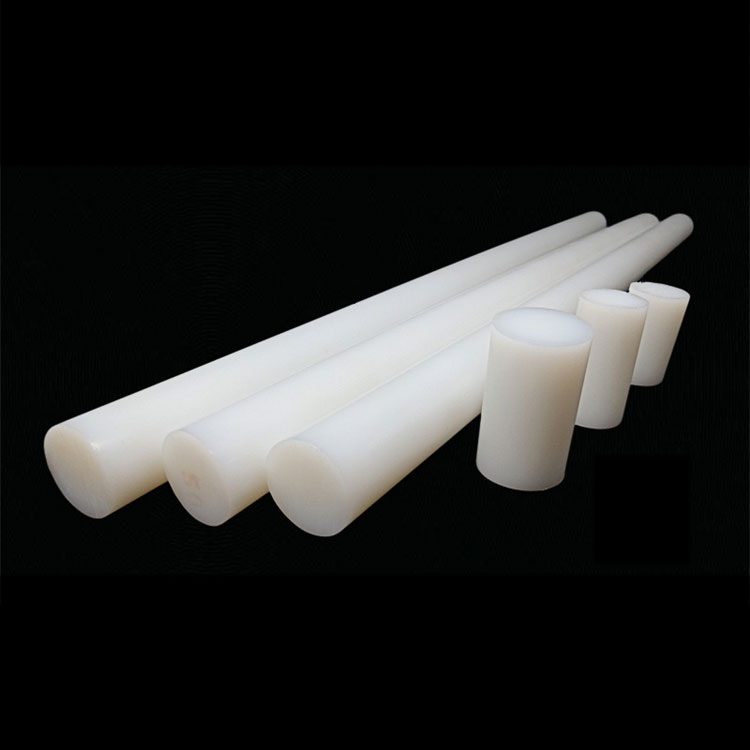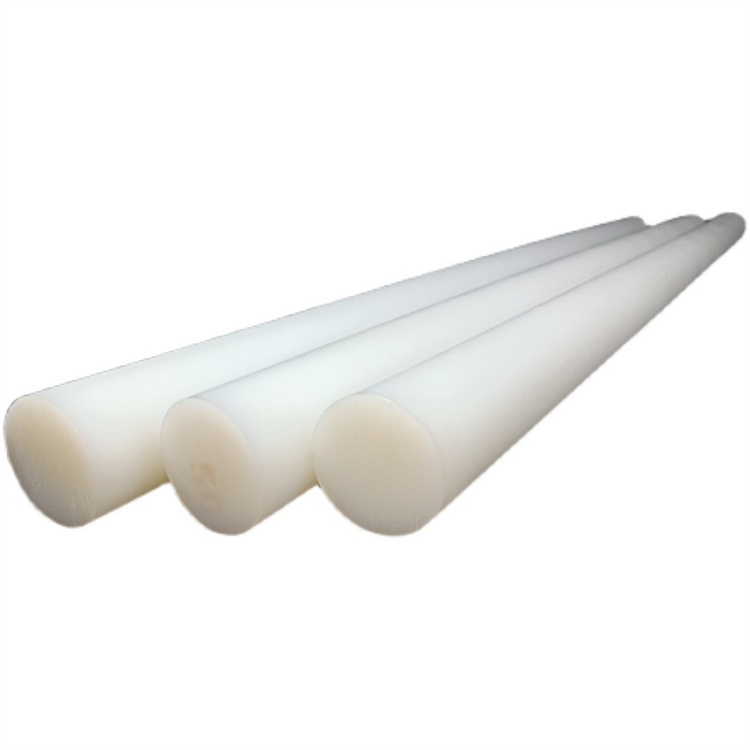

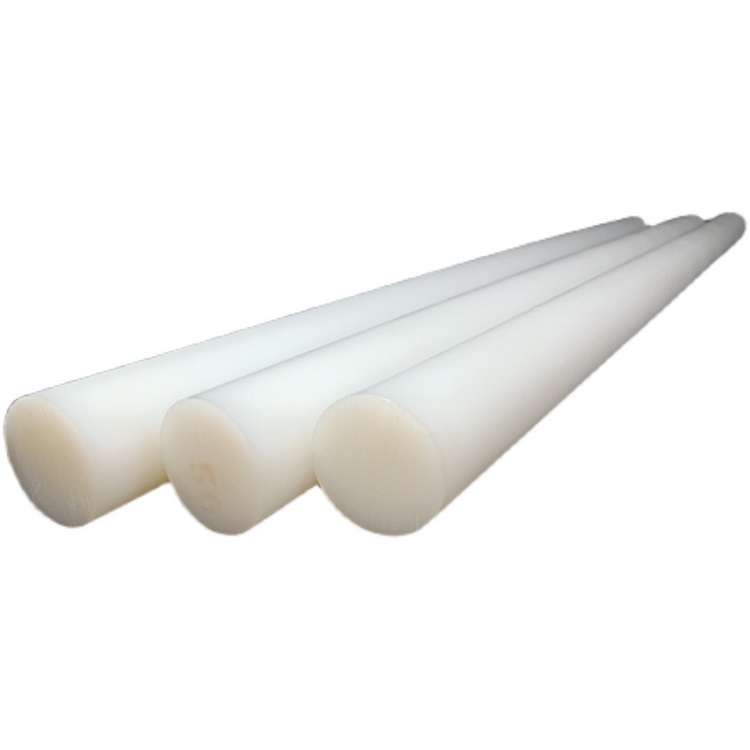
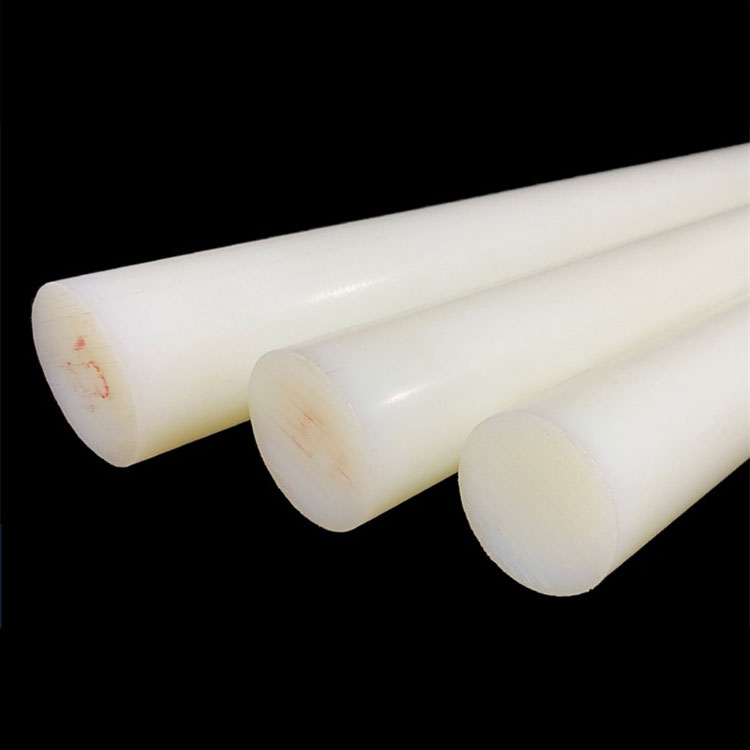
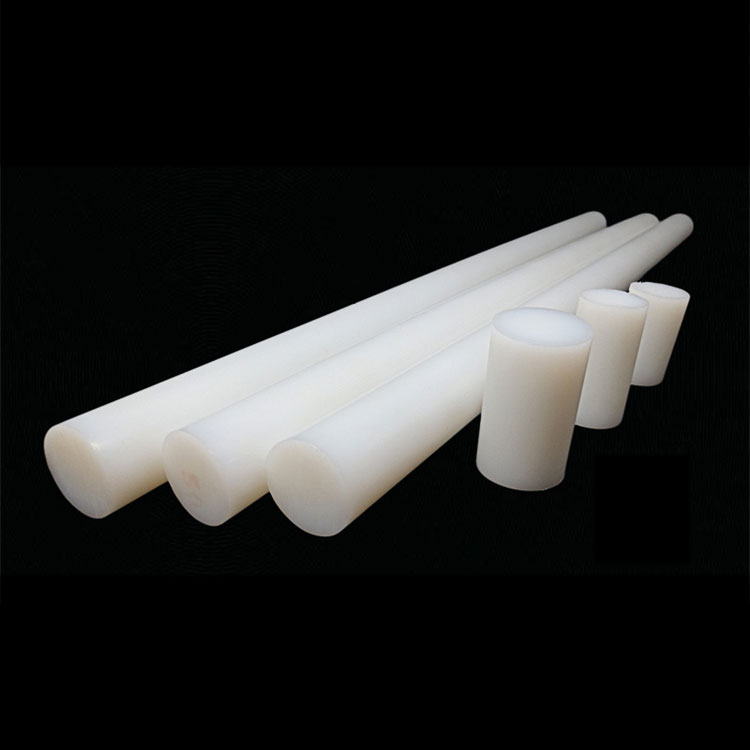








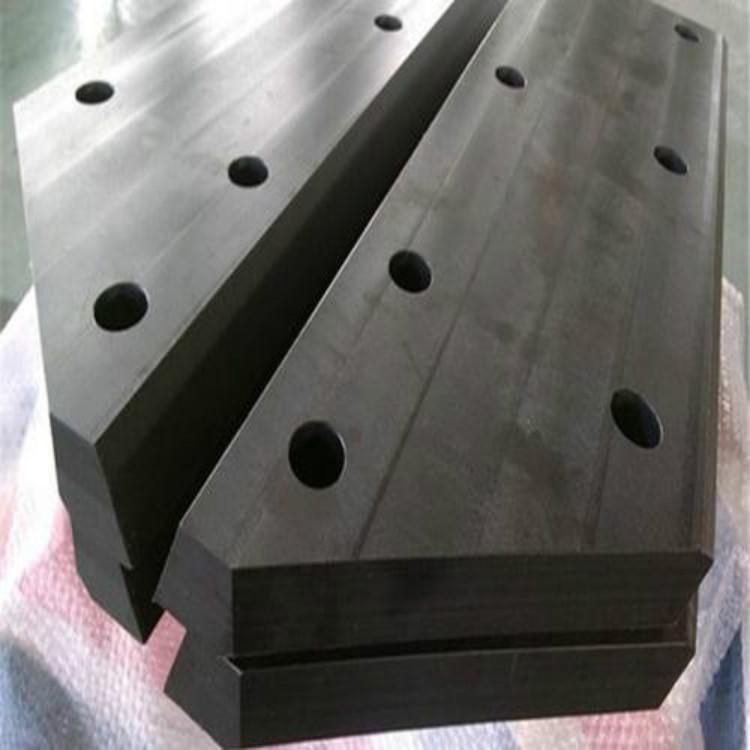
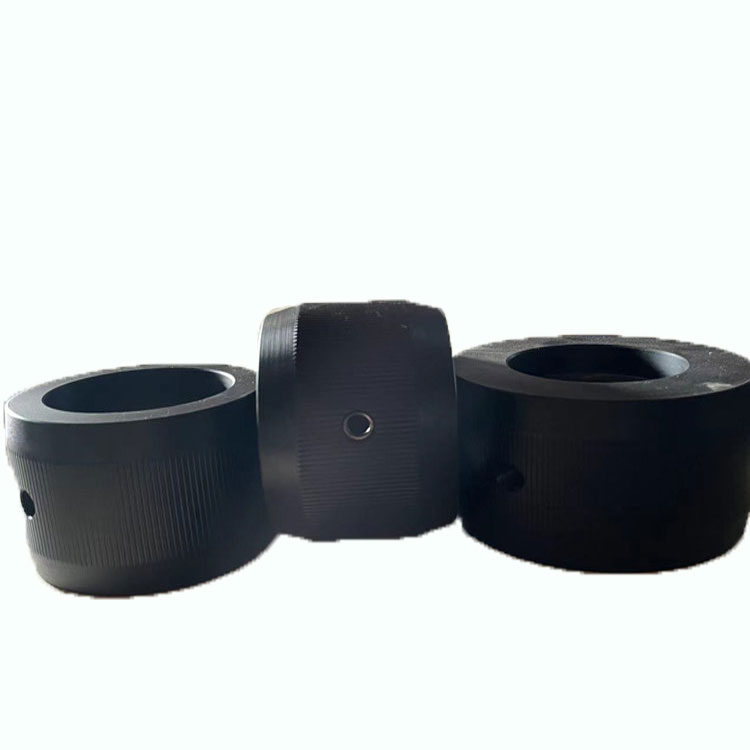
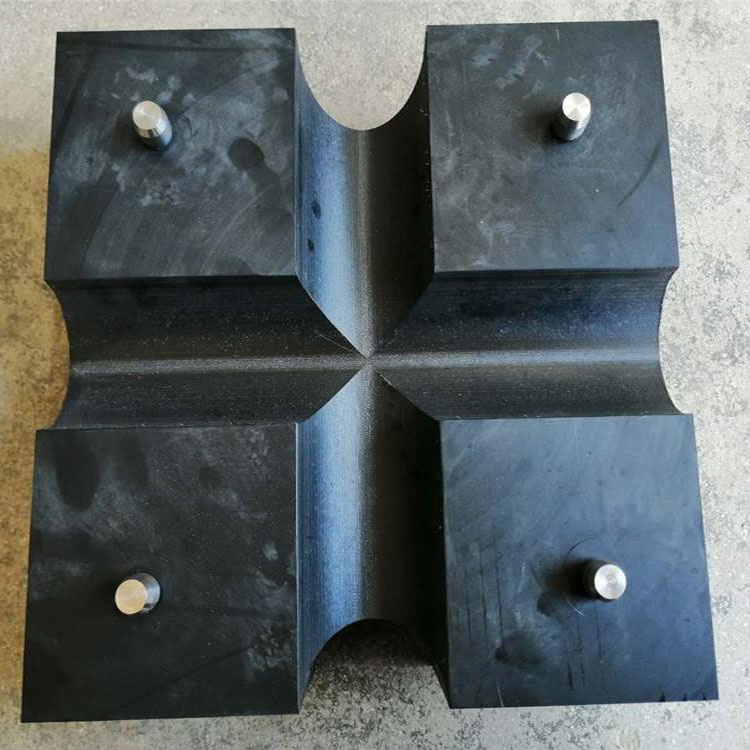
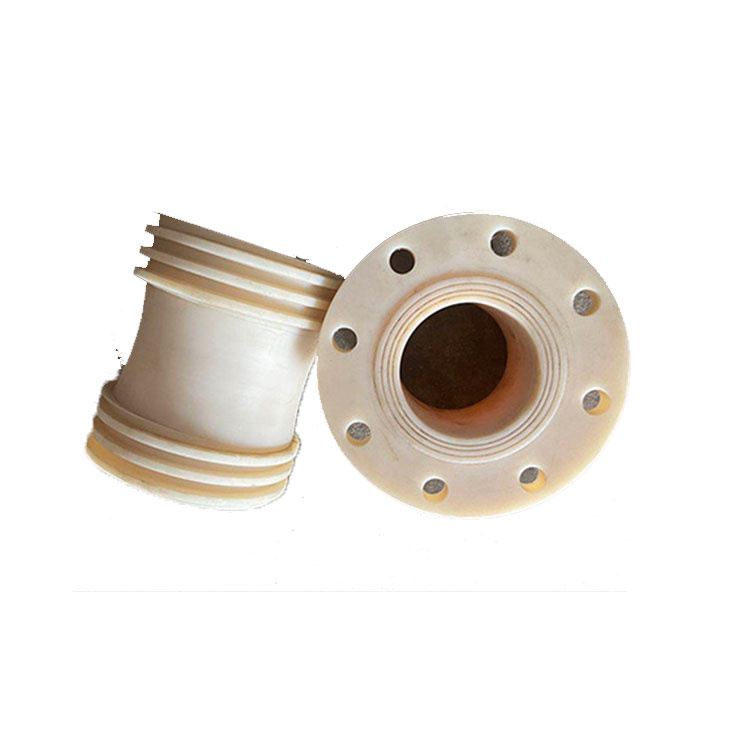
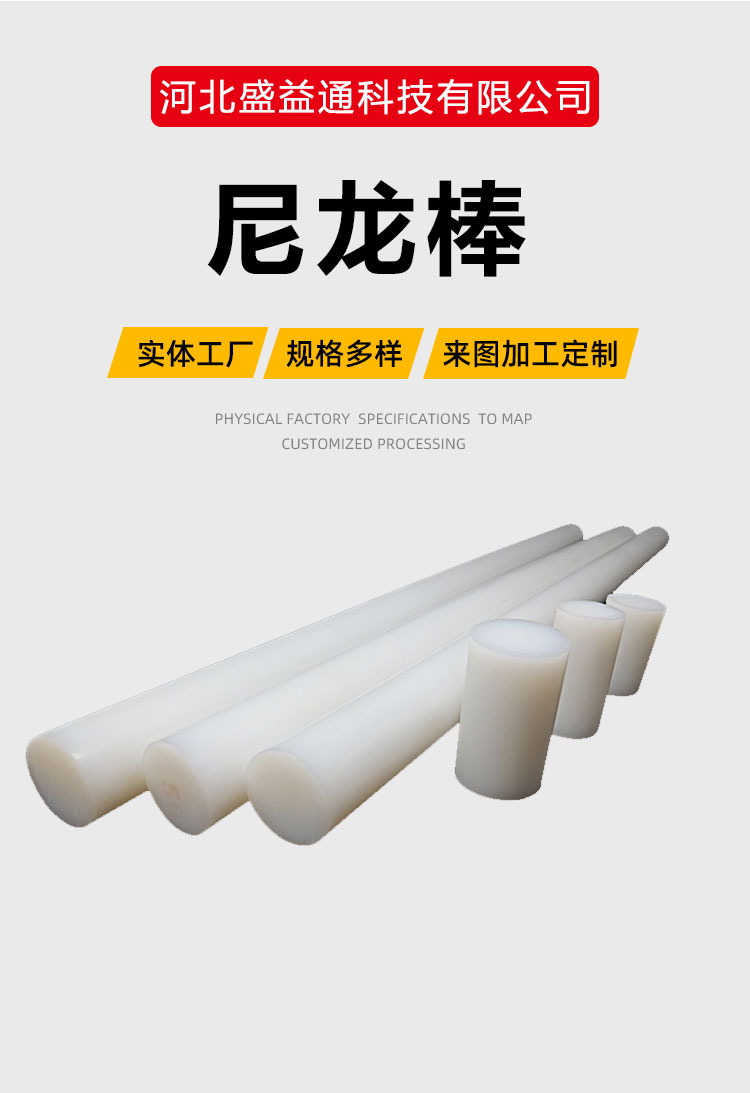
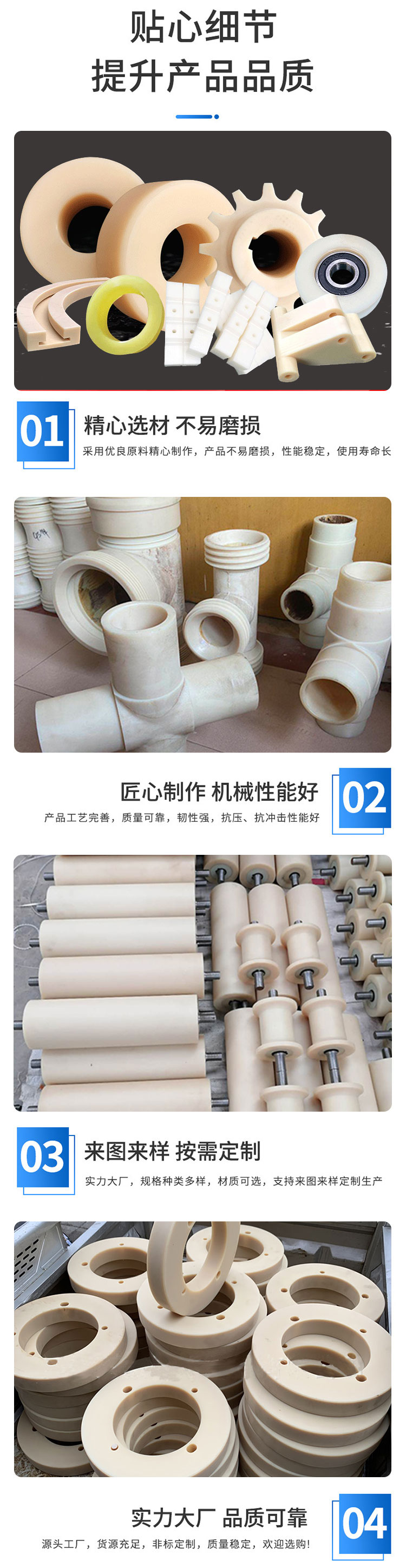
Nylon rod products have high mechanical strength, good flexibility, and possess superior tensile and compressive strength. Their tensile strength surpasses that of metals, and their compressive strength is comparable. However, they are not as rigid as metals. The tensile strength is nearly equal to the yield strength, more than twice that of ABS. They have excellent absorption capabilities against impact and stress vibration, with impact strength significantly higher than that of general plastics and superior to acetal resins. They have a smooth surface, low friction coefficient, and self-lubricating properties when used as moving mechanical components, resulting in low noise. In situations with low friction, lubricants are not necessary. If lubrication is indeed required to reduce friction or aid in heat dissipation, water-oil or greases can be chosen. Consequently, as transmission components, they have a long service life.
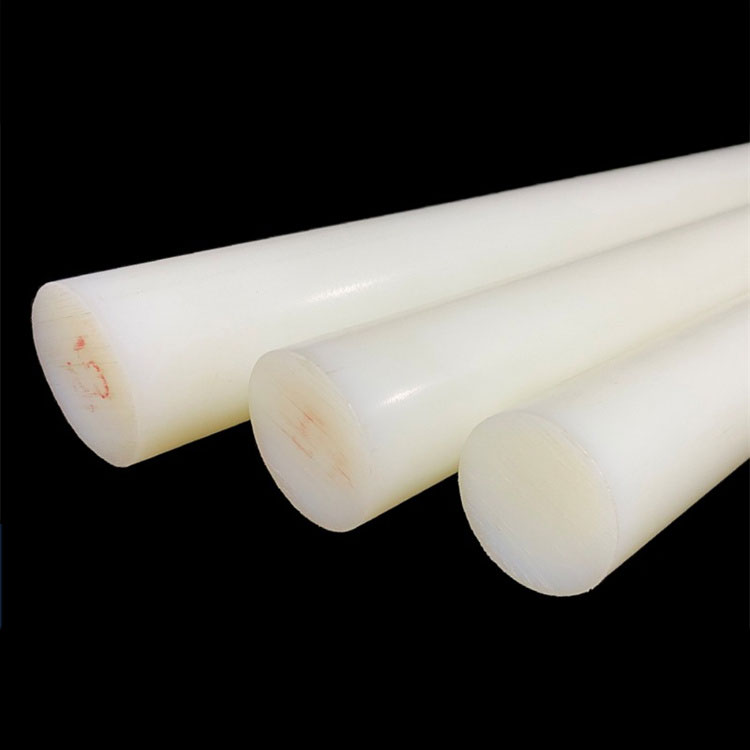
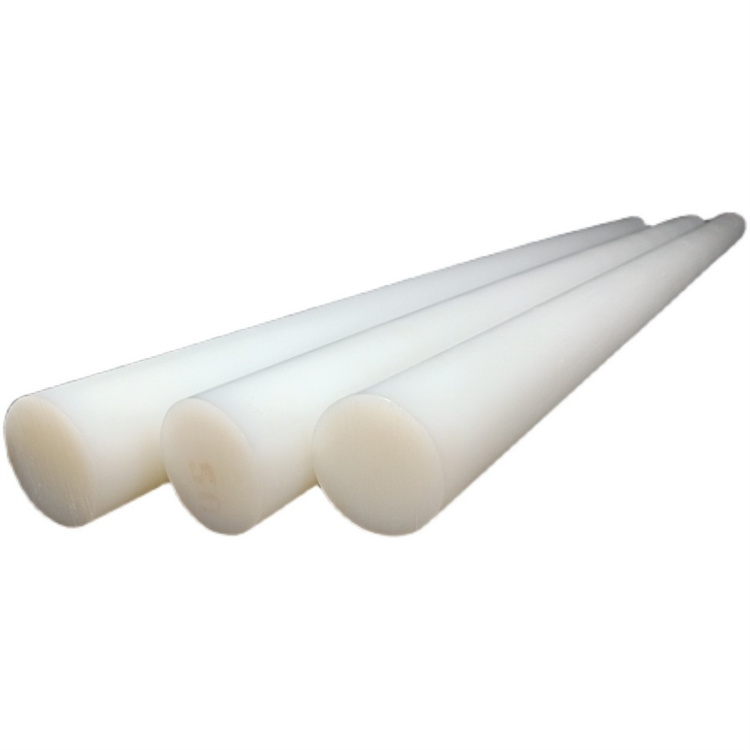
Nylon tubes and rods offer excellent wear, tensile, and bending stability, and are easy to install without any special tools. Their superior overall performance surpasses that of copper, steel, and rubber tubes, making them the ideal material for replacing copper, steel, and rubber.
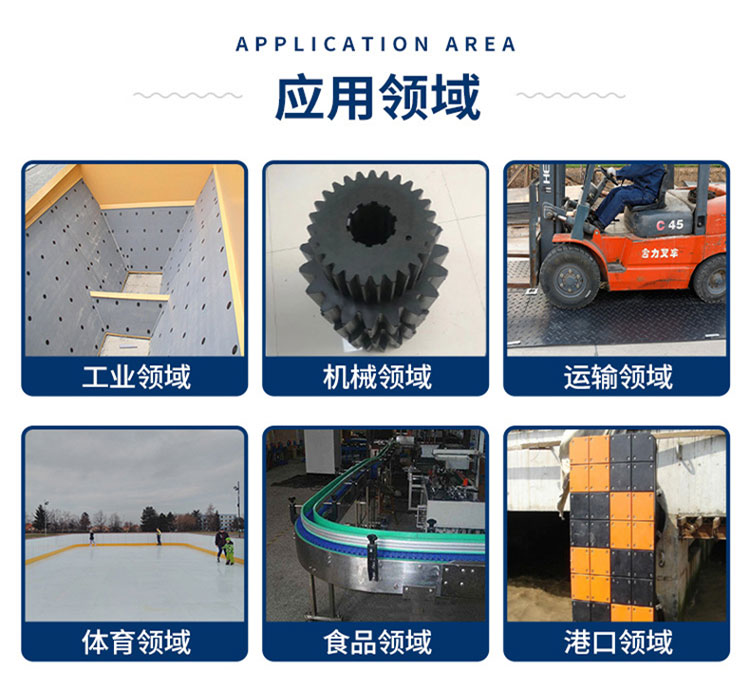
Application Range:
Air, water, chemical lubricants, instrument cables, irrigation control systems, textile factories, food factories, fuel supply pipes for vehicles and ships, vacuum systems, air conditioning systems, oscillating insulators, static insulators, and more across various industries. Suitable for: compressed air systems, lubrication systems, flammable oil fluid pipelines, hydraulic pipelines, some chemical fluids, and food fluids. This product is lightweight, moisture-resistant, saltwater-resistant, has excellent anti-aging properties, and is resistant to sunlight exposure. Ten-way nylon pipes are generally used for hydrocarbons, aromatic, aliphatic solvents, oils, fuels, and refrigerants; it is not resistant to strong acids, strong bases, and phenols, etc. Commonly transported fluids include: 40-degree baking soda solution, 40-degree carbonated water, -20 to 40-degree alcohols, distilled water, seawater, oils, and more.


.jpg)