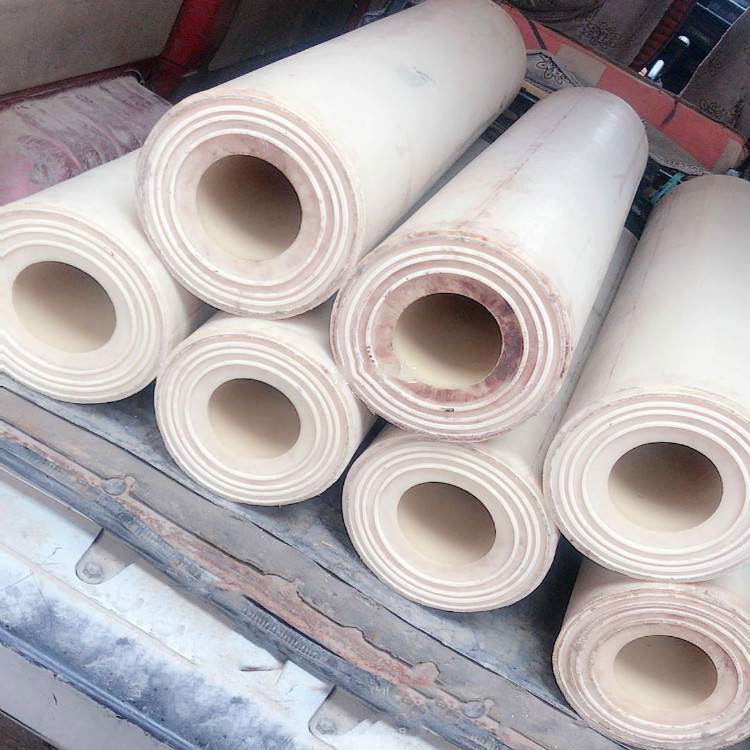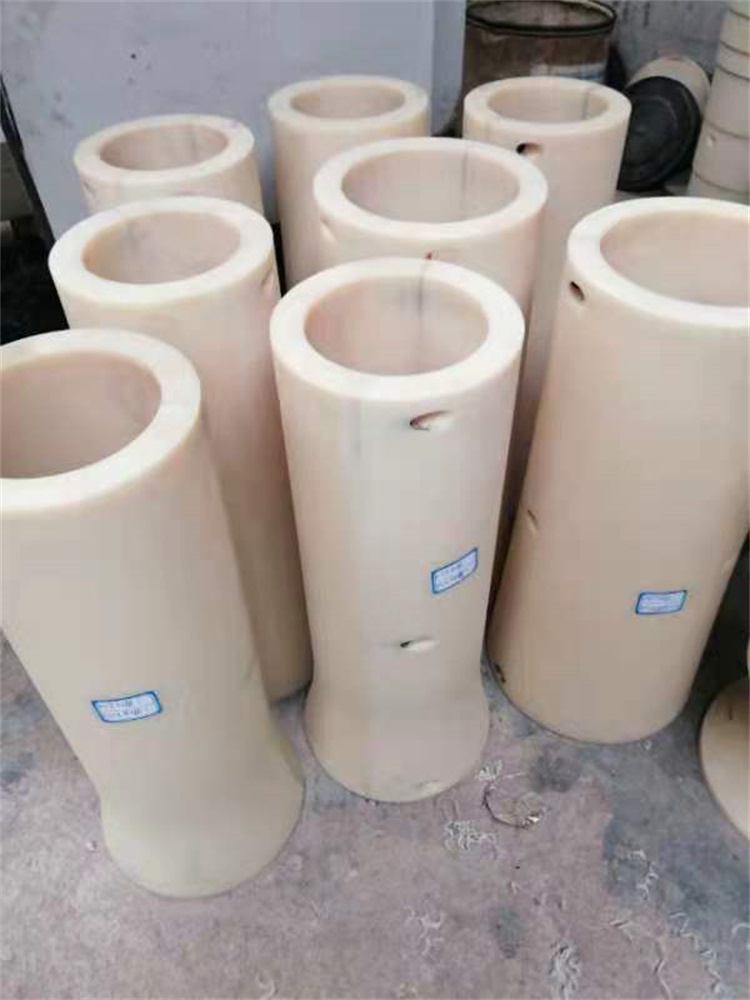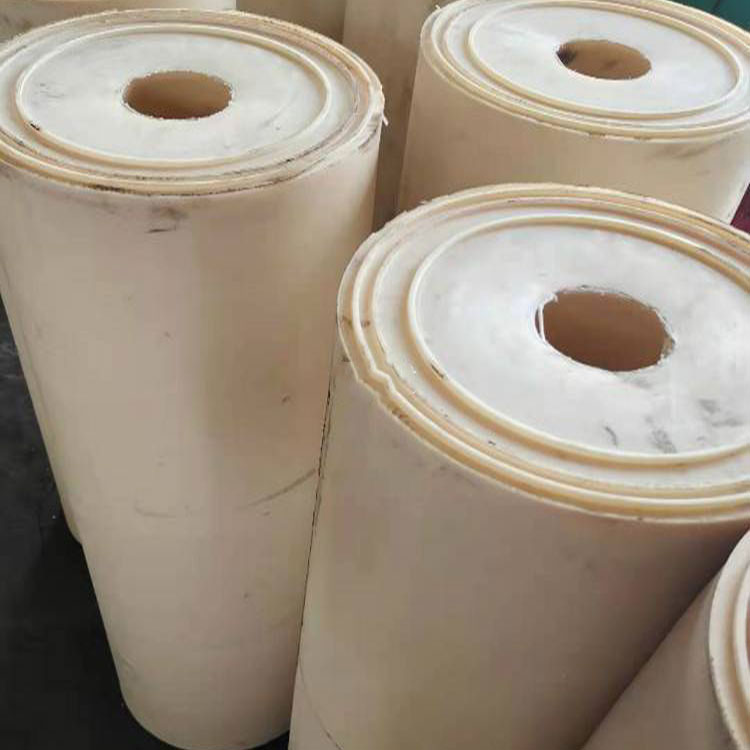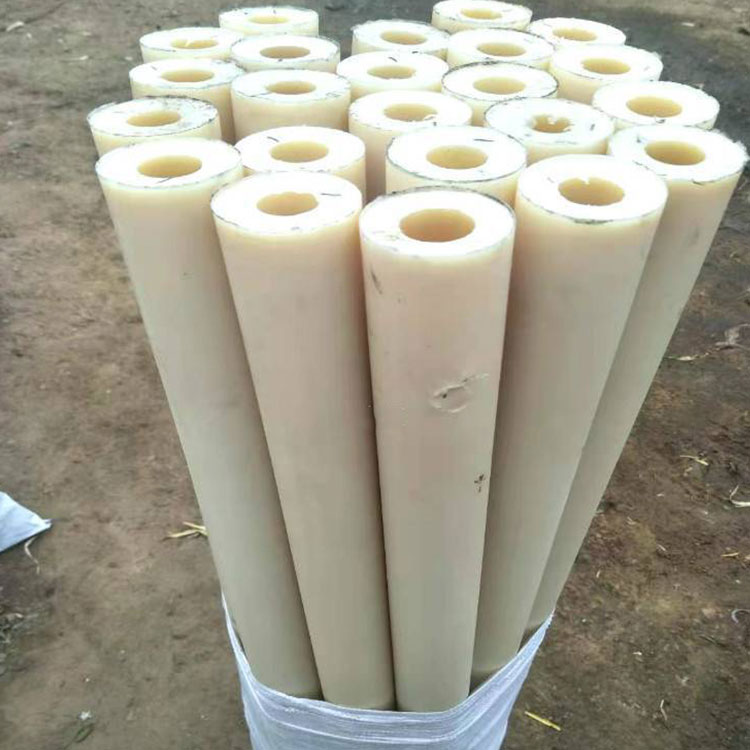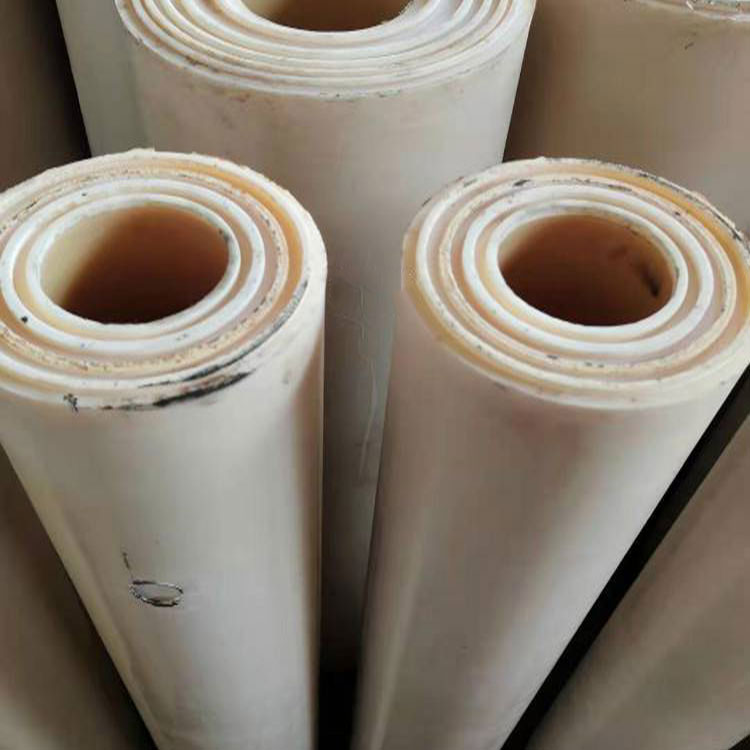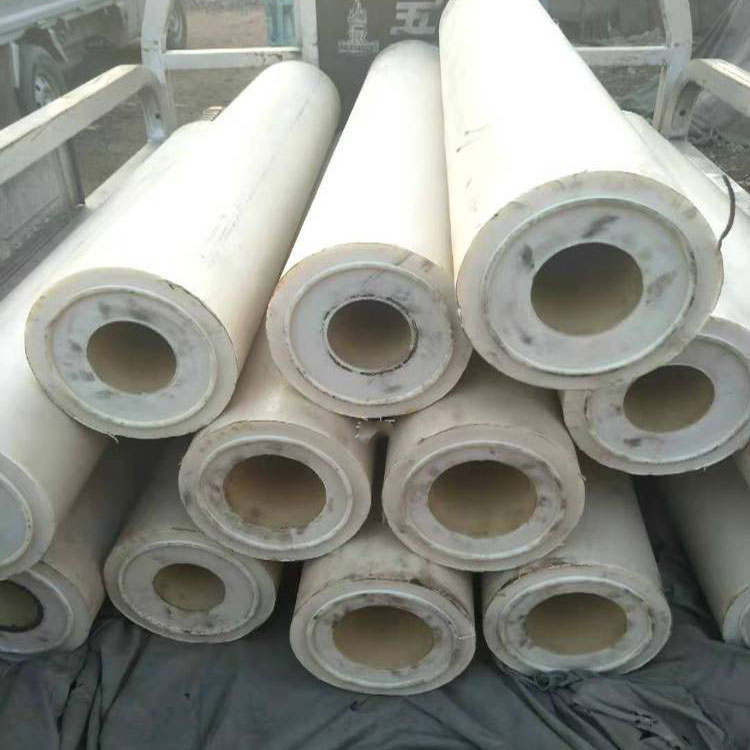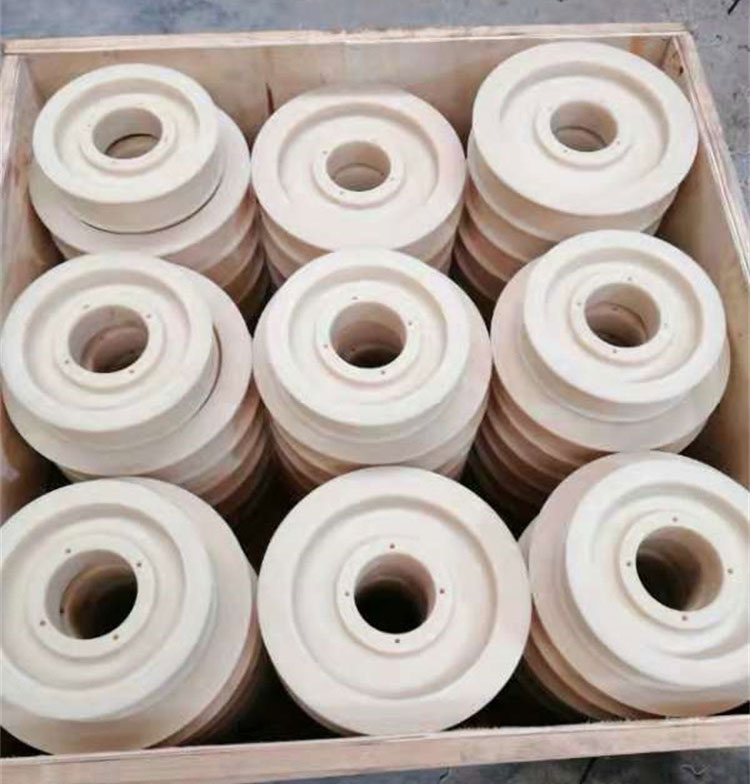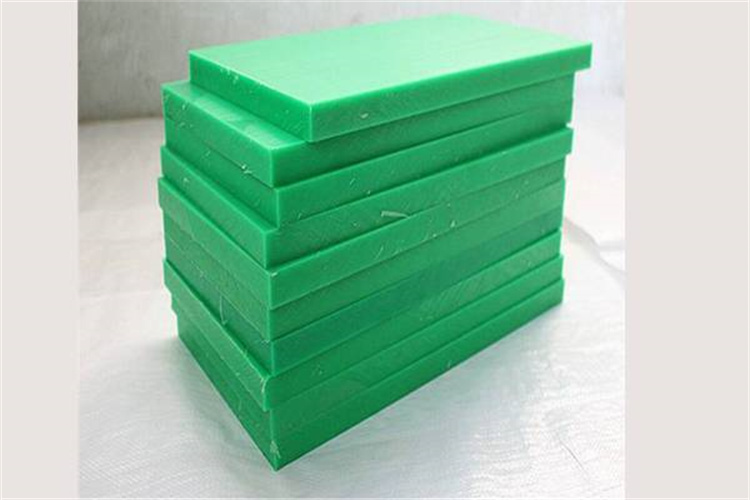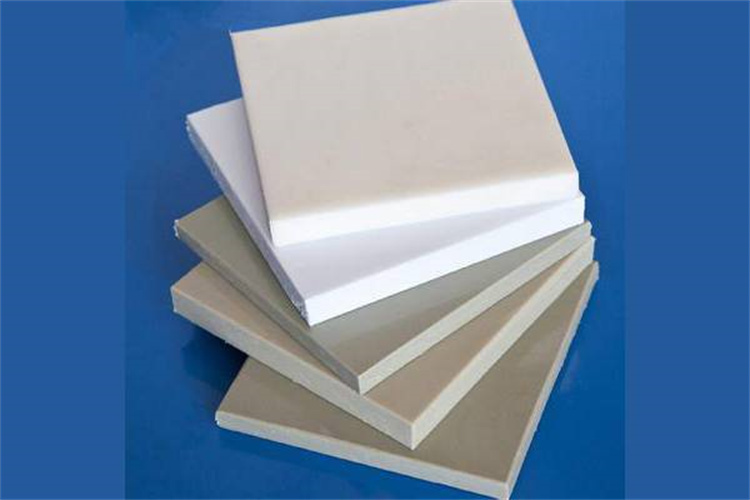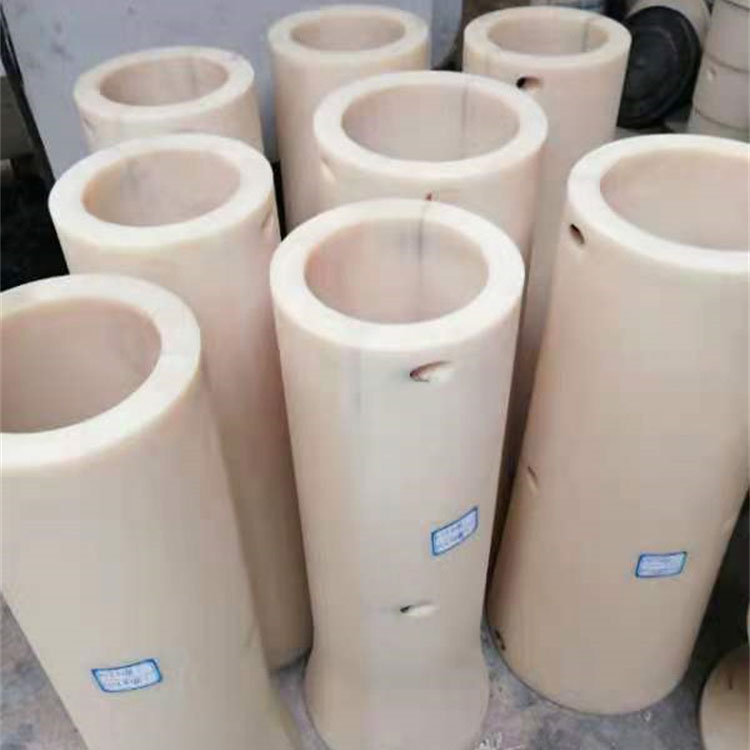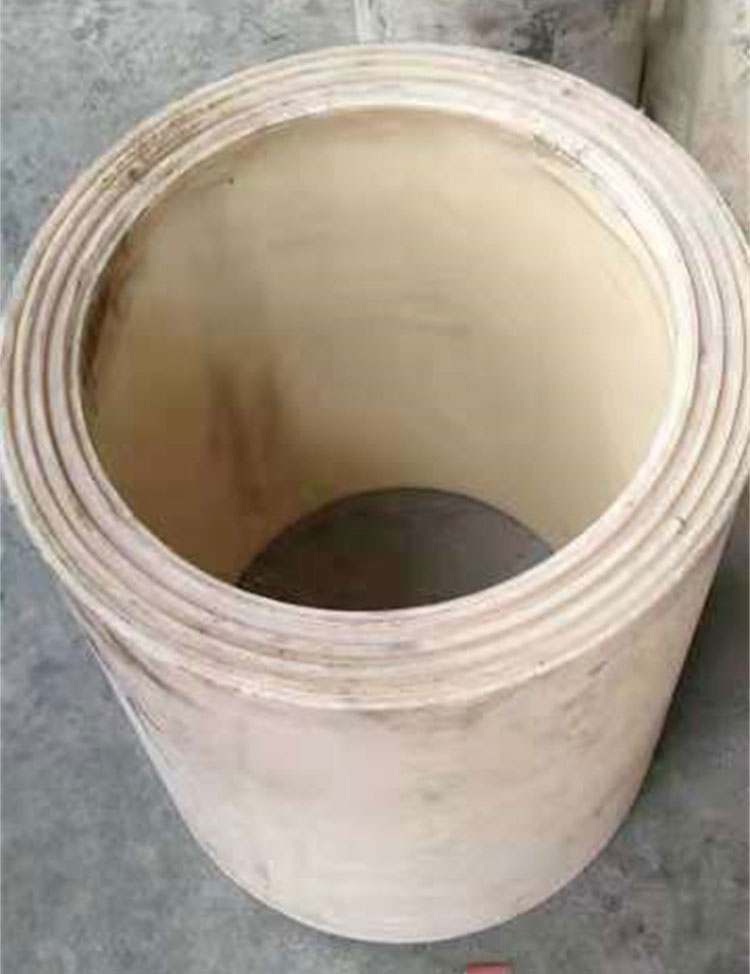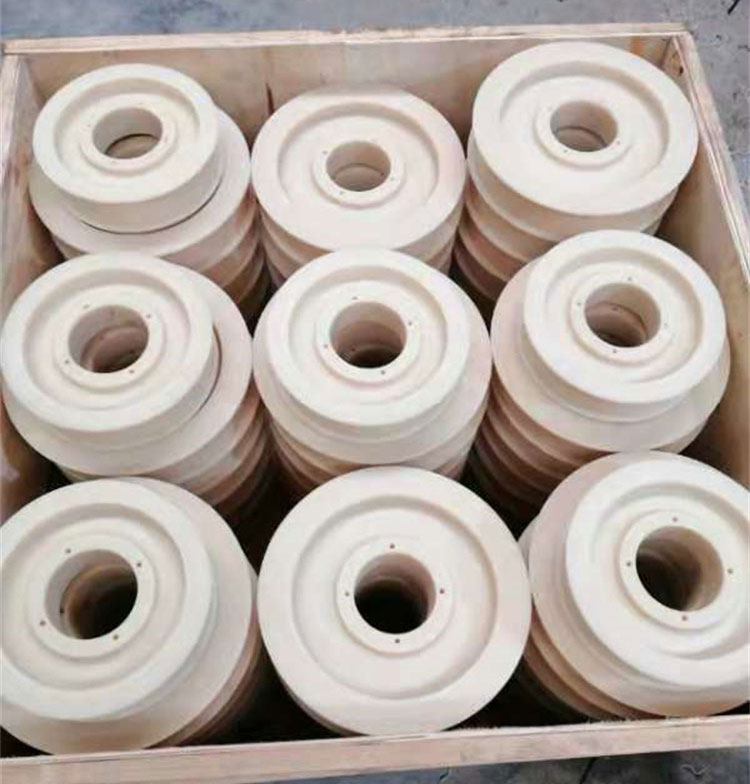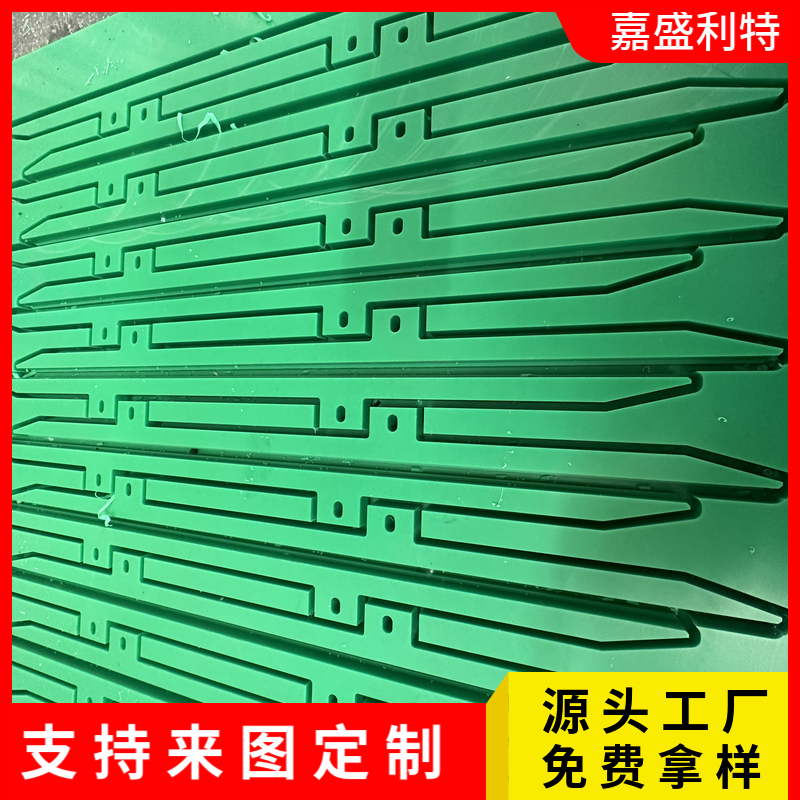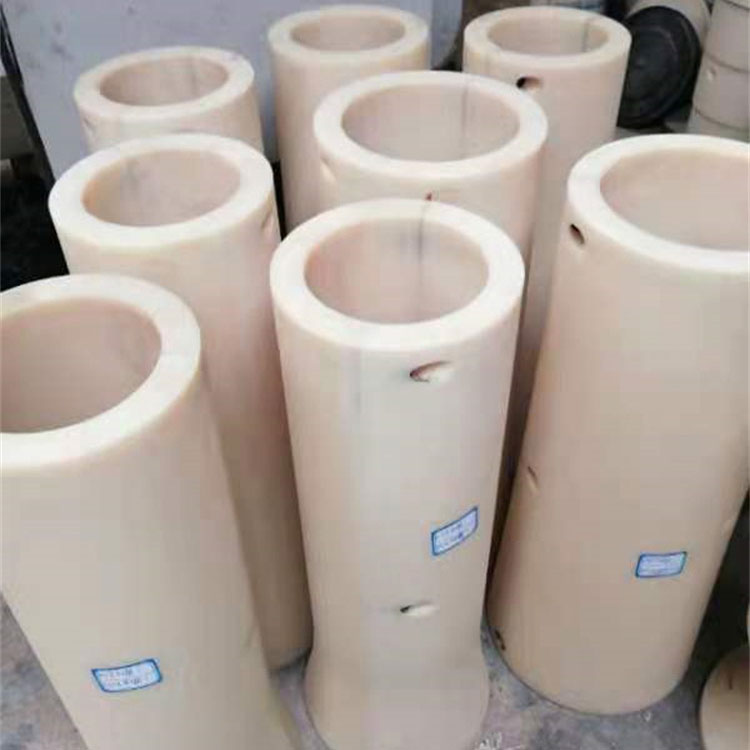

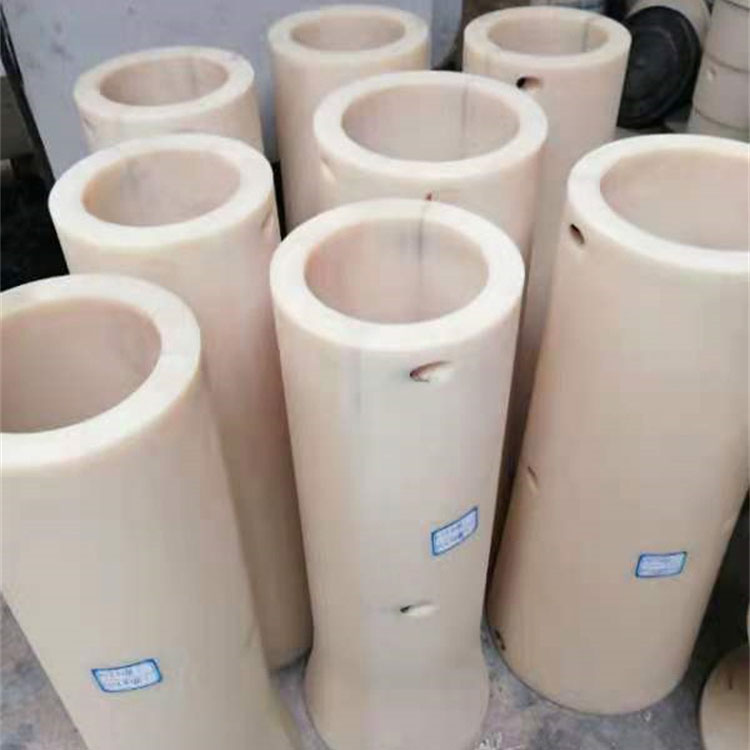
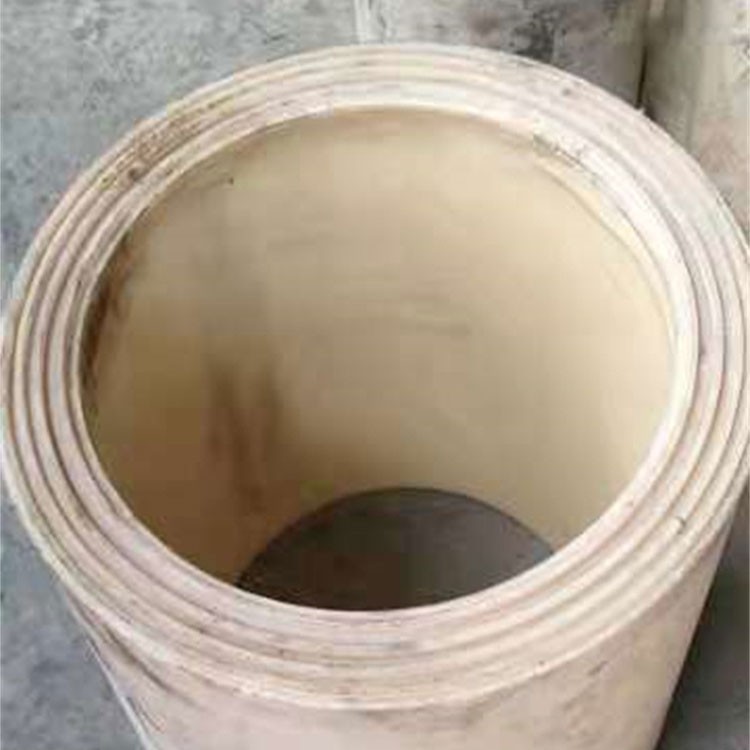
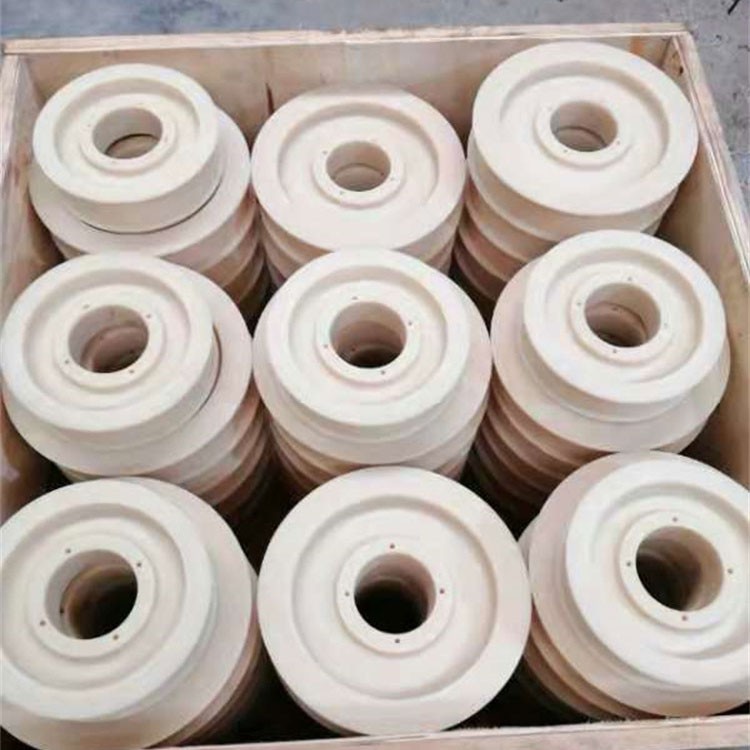







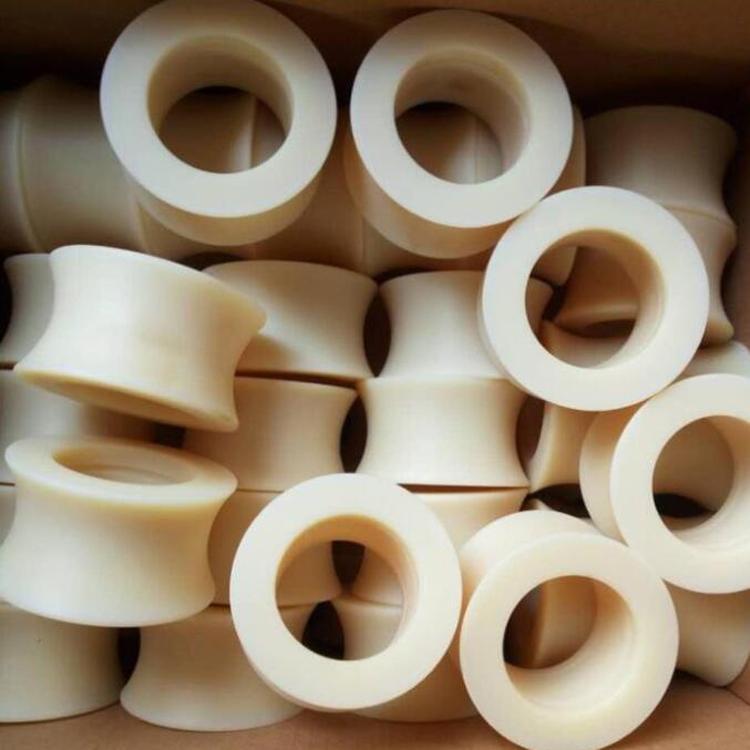

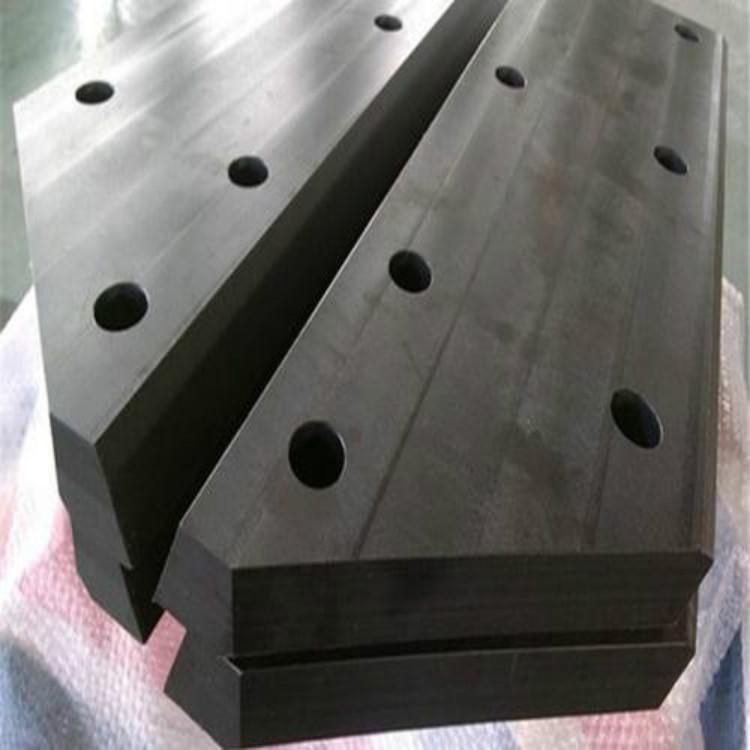
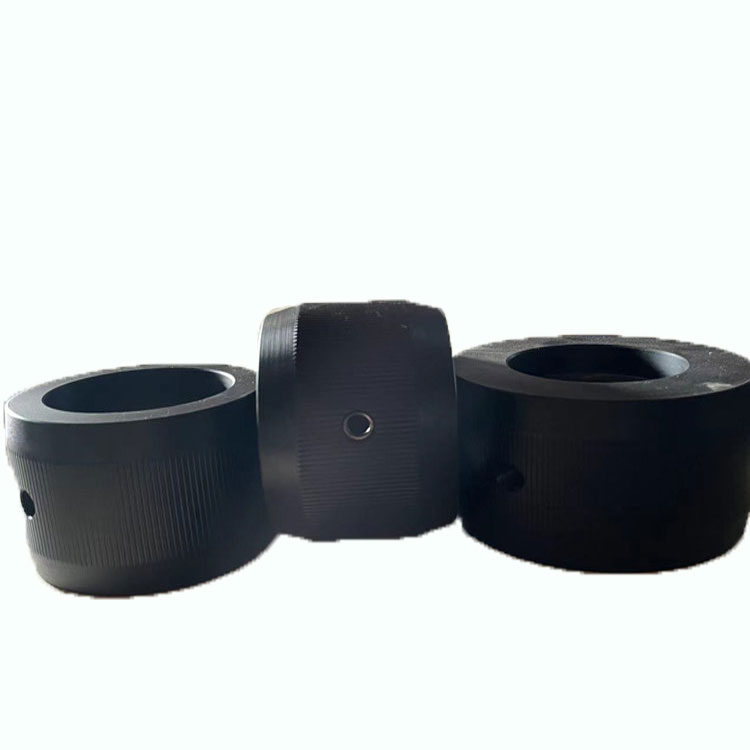
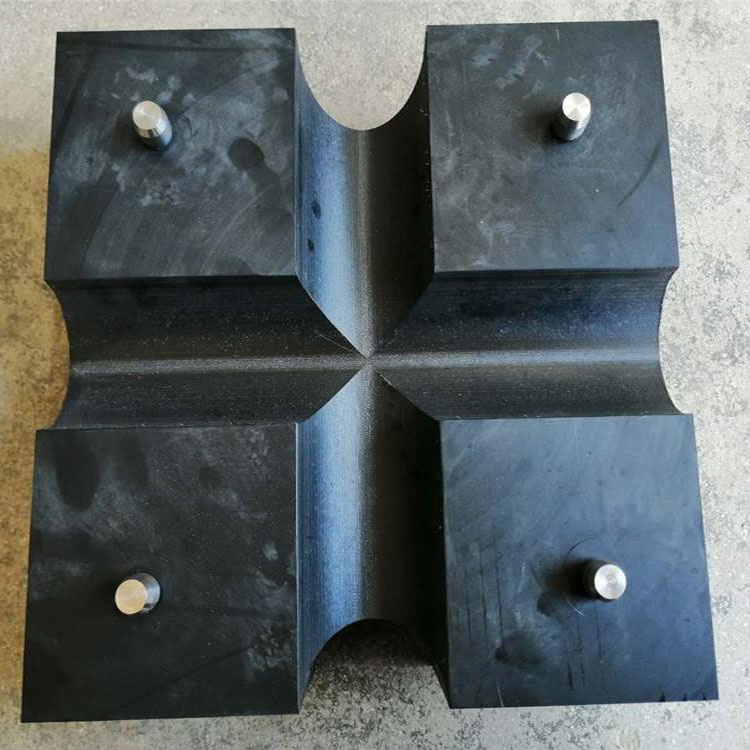
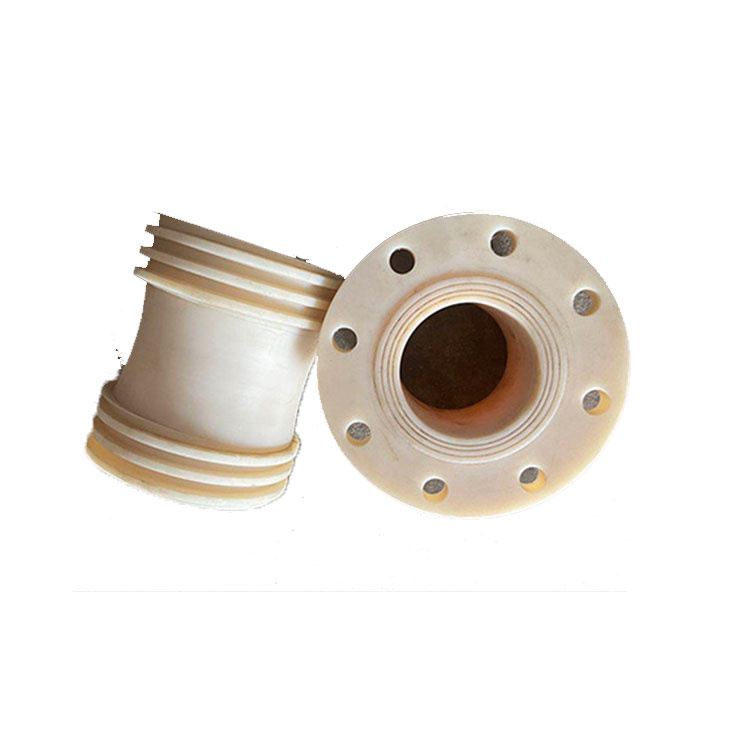
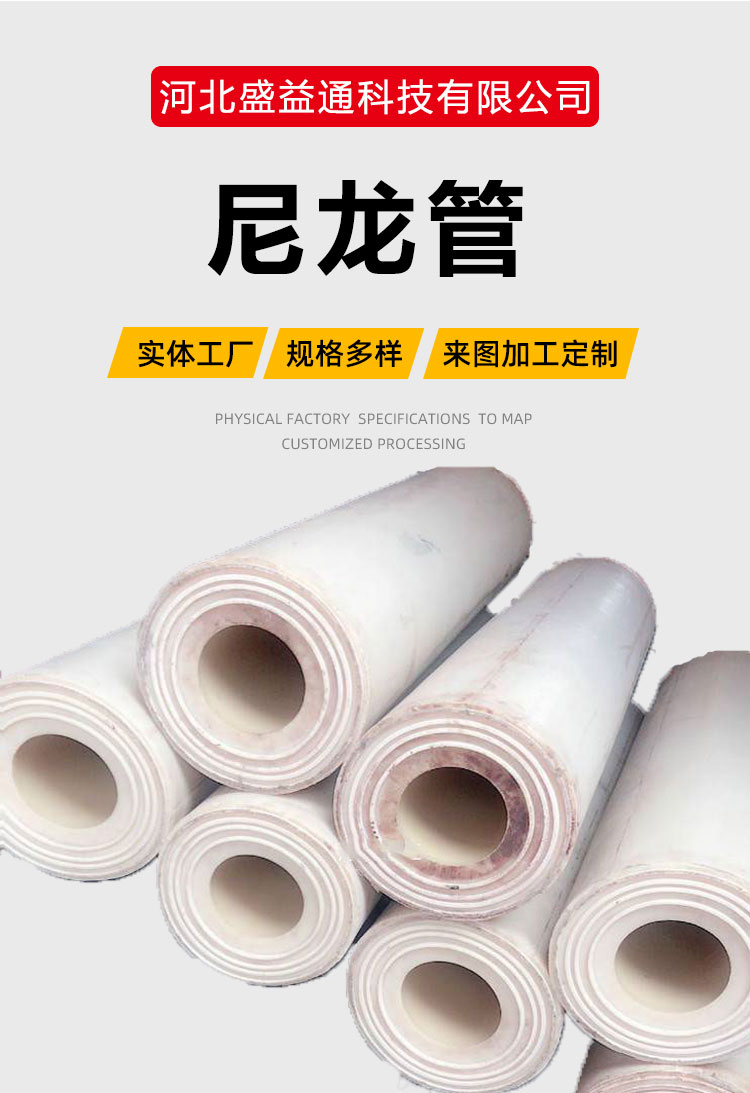
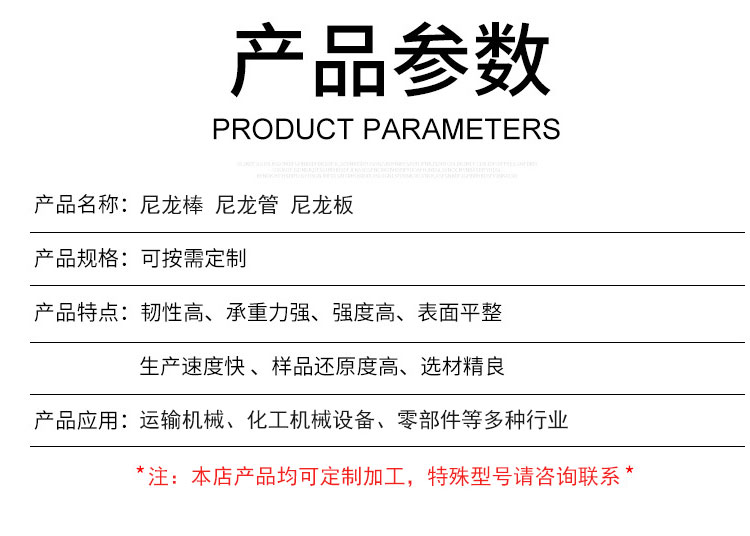
Nylon pipes offer excellent resistance to wear, stretch, and bending with great stability, and are easy to install without any special tools. Their superior comprehensive performance surpasses that of copper, steel, and rubber pipes, making them the ideal material for replacing copper, steel, and rubber.
Application Scope:
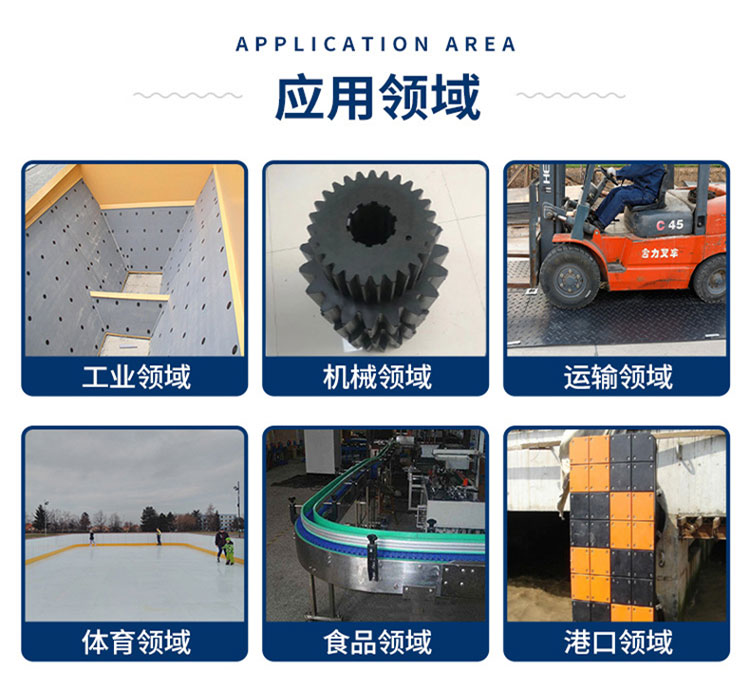
Air, water, chemical lubricants, instrumentation lines, irrigation control systems, textile factories, food processing plants, fuel supply pipes for vehicles and ships, vacuum systems, air conditioning systems, oscillating insulators, static insulators, etc., across various industries.
Classification of Nylon Pipes:
1. 1010 Nylon Rigid Pipe
2. Nylon 11 hose
3. Nylon 12 hose
4. Nylon 6 semi-rigid tubing
5. Nylon 66 Rigid Tubes
Chemical resistance
Nylon pipes are suitable for: compressed air systems, lubrication systems, flammable oil fluid pipelines, hydraulic pipelines, some chemical fluids, and food-grade fluids. They are lightweight, moisture-resistant, saltwater-resistant, have good resistance to aging, and can withstand sunlight exposure. Ten-way nylon pipes are generally used for hydrocarbons, aromatic, aliphatic solvents, oils, fuels, and refrigerants. They are not resistant to strong acids, strong bases, and phenols, etc. Commonly transported fluids include: 40-degree baking soda, 40-degree carbonated water, -20 to 40-degree alcohols, distilled water, seawater, oils, and more.