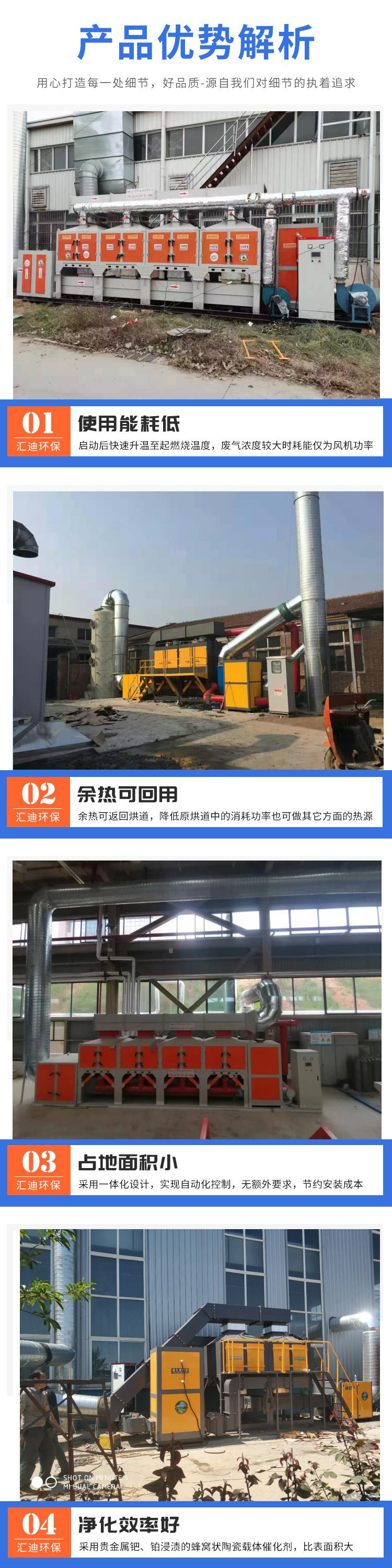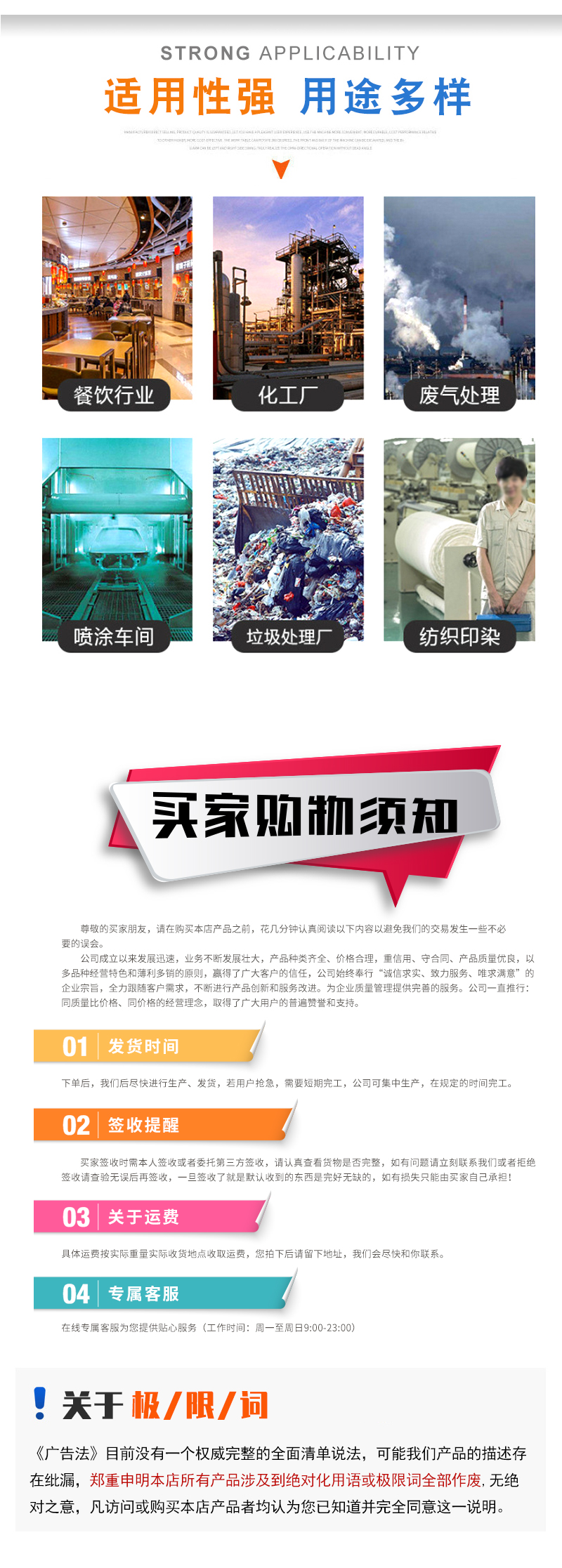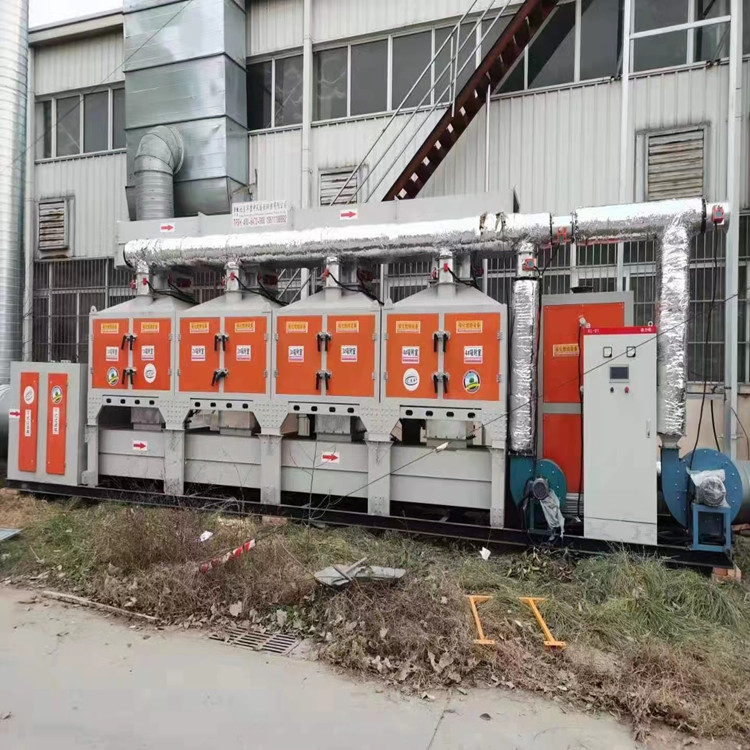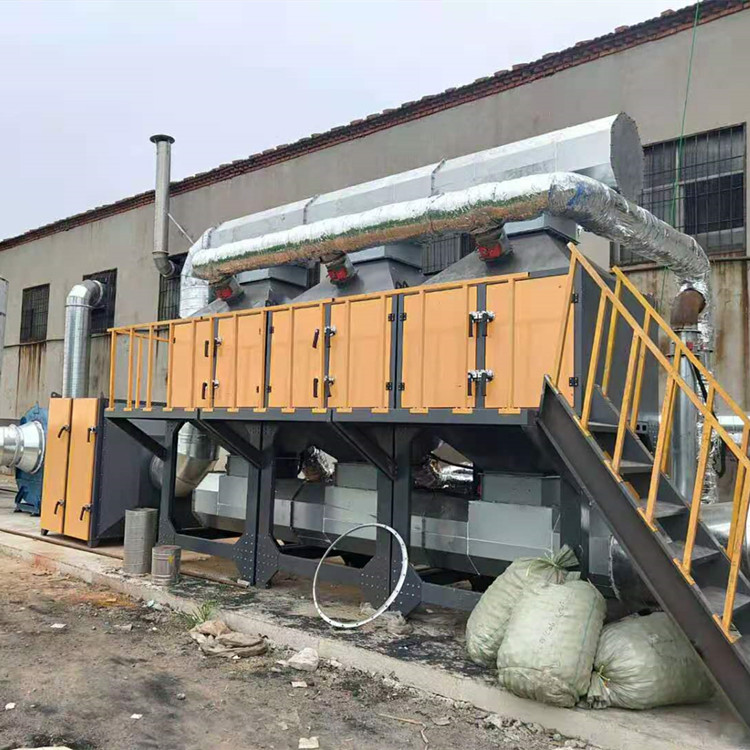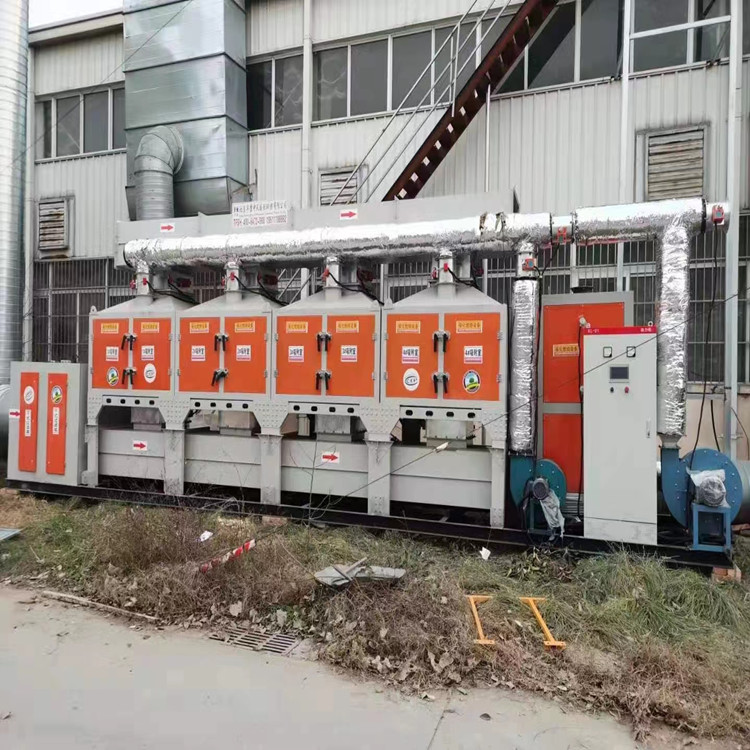

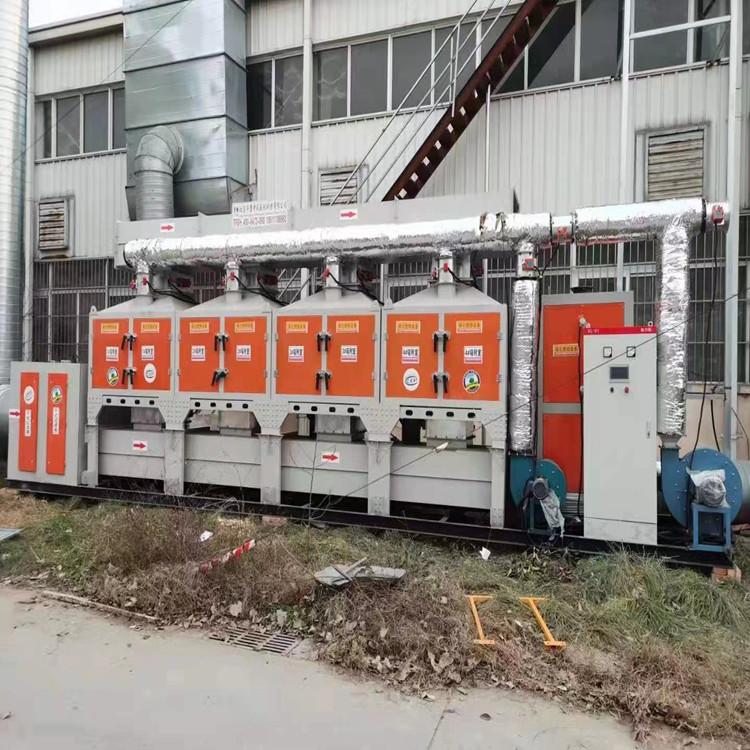








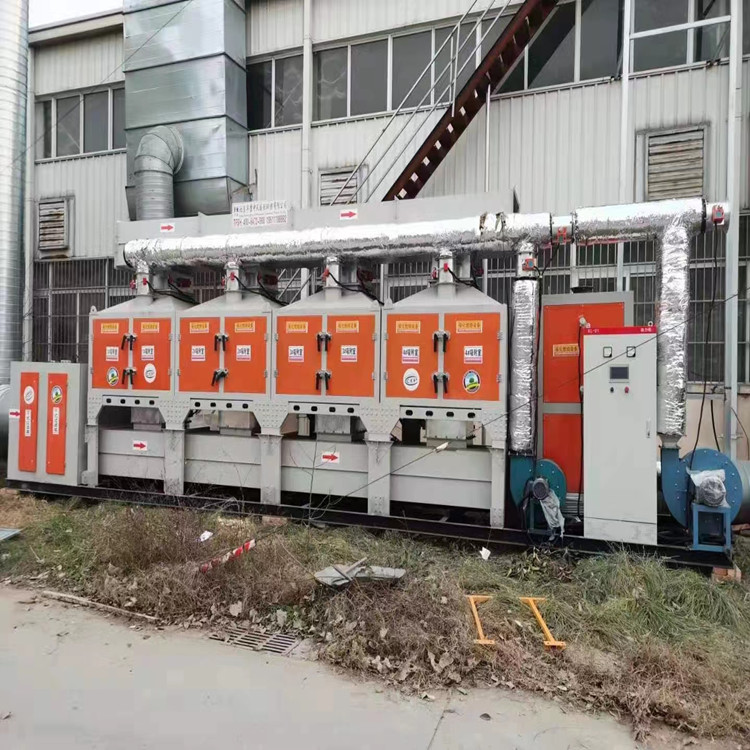
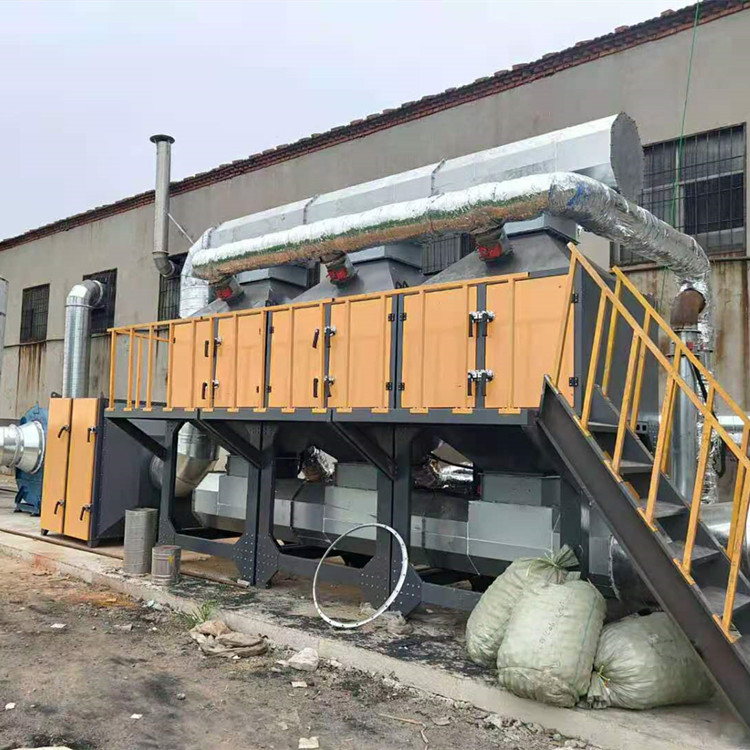
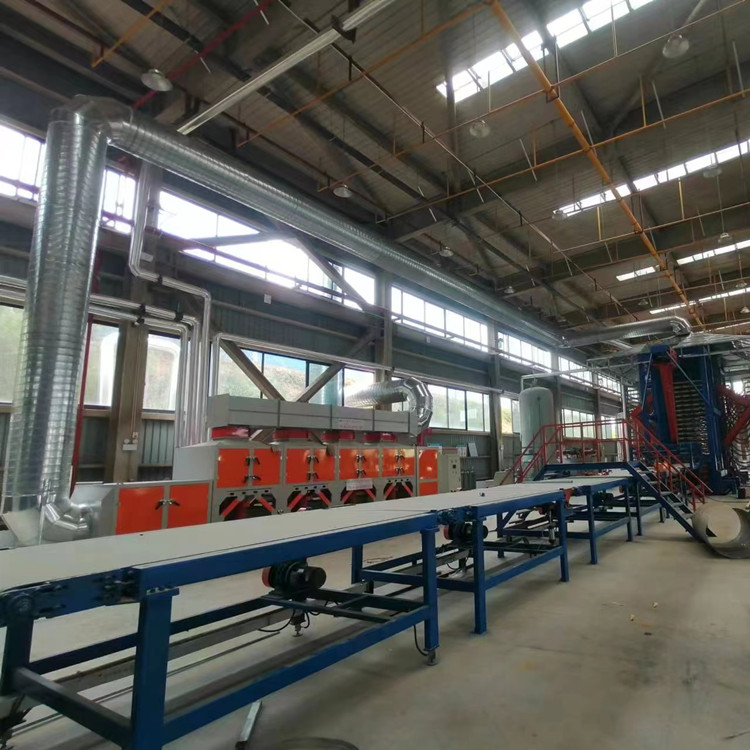
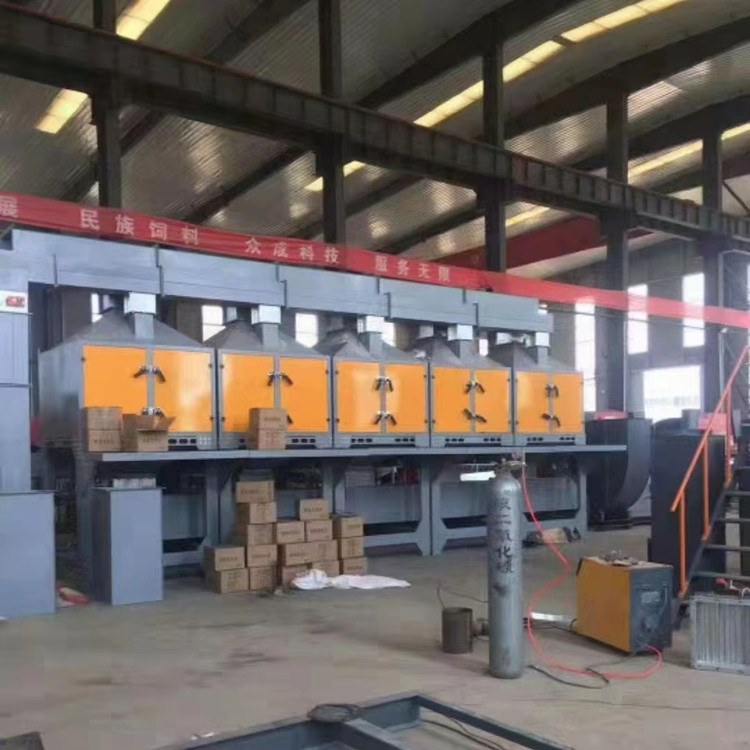
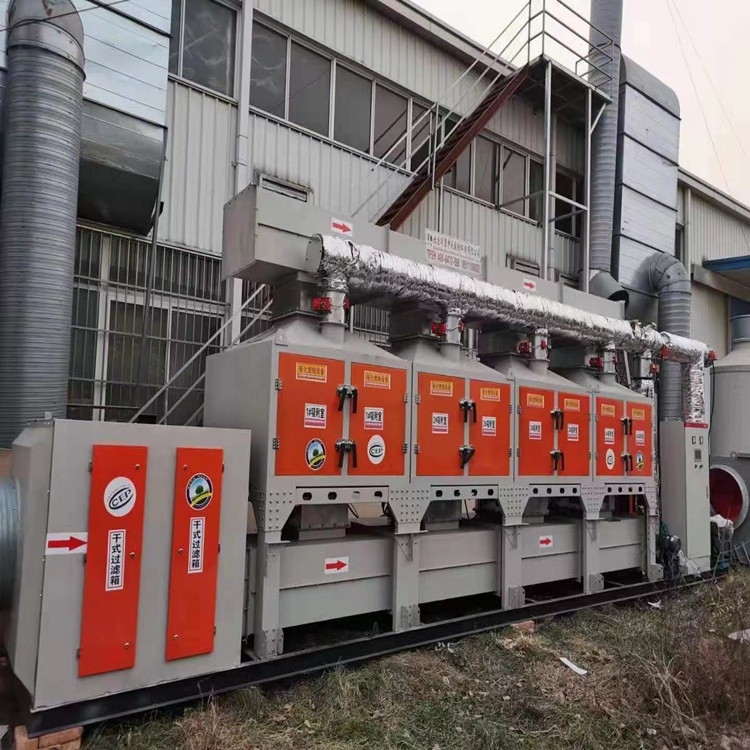

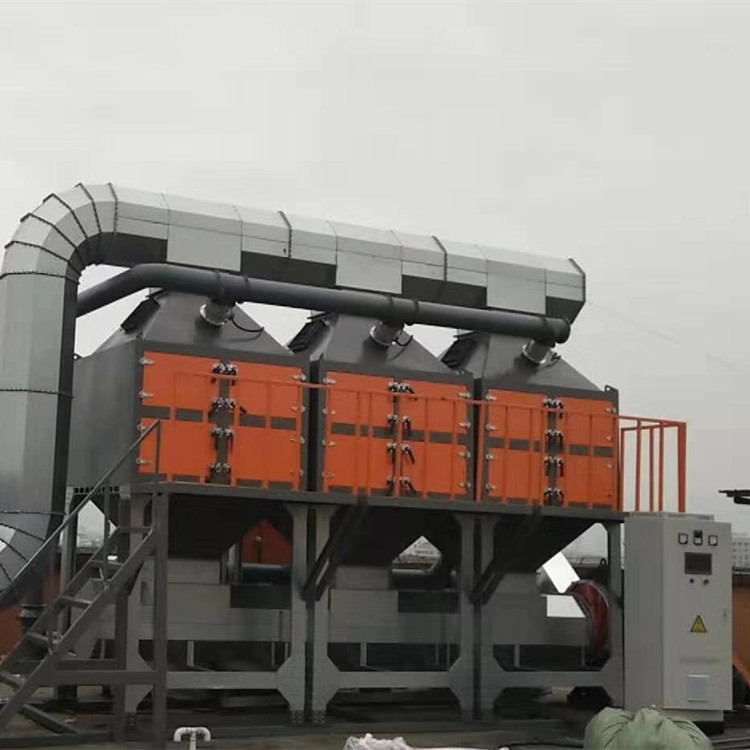
Catalytic combustion equipment refers to devices or devices that burn under the action of a catalyst. The working principle of catalytic combustion equipment is to use a catalyst to conduct flameless combustion of organic waste gas at a lower ignition temperature, decomposing the organic waste gas into low toxicity carbon dioxide and water vapor. The catalytic burner electrical control system consists of PLC control cabinet, text display, frequency converter, igniter, ultraviolet sensor, thermocouple and other electrical control equipment, as well as a fan. In addition, the ratio of gas to air is regulated by a zero pressure valve.
The catalytic combustion equipment mainly consists of a heat exchanger, combustion chamber, catalytic reactor, heat recovery system, and exhaust chimney for purifying flue gas. Its purification principle is that before entering the combustion chamber, the unpurified gas is preheated by the heat exchanger and sent to the combustion chamber, where it reaches the required reaction temperature. The oxidation reaction takes place in the catalytic reactor, and the purified flue gas releases some heat through the heat exchanger before being discharged into the atmosphere through the chimney.
Performance requirements for catalytic combustion equipment: Catalysts are the core of catalytic combustion methods, and a good catalyst must have characteristics such as catalysis, good thermal stability, high strength, and long service life.
Catalytic combustion equipment is suitable for purifying toxic and harmful gases such as combustible gases and vapors. However, for toxic and harmful gases such as large amounts of dust particles and mist droplets, it is easy to cause blockage of the catalytic bed, leading to a decrease in catalytic activity and thus reducing purification efficiency. The catalytic combustion purification method is almost applicable to all industrial production processes that emit hydrocarbons or odorous compounds.