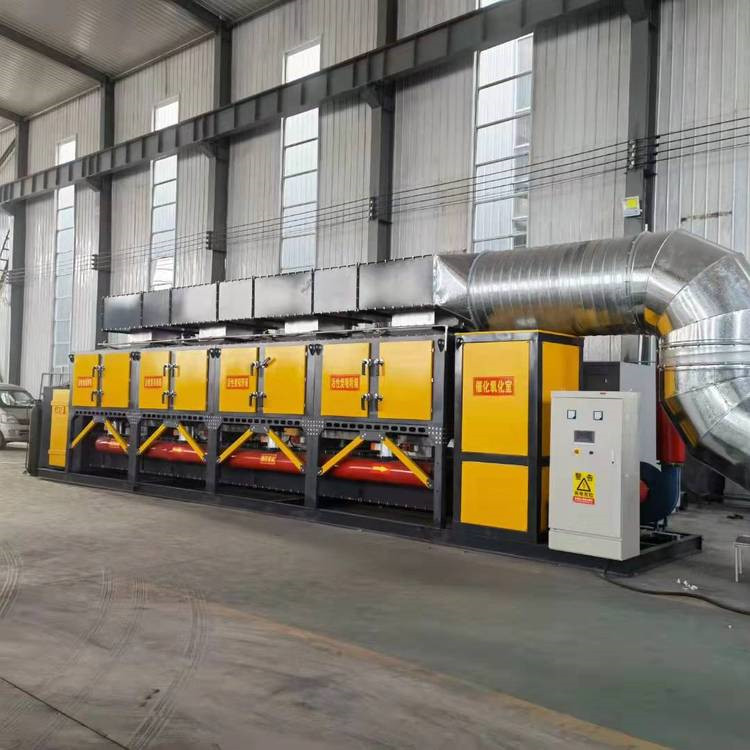


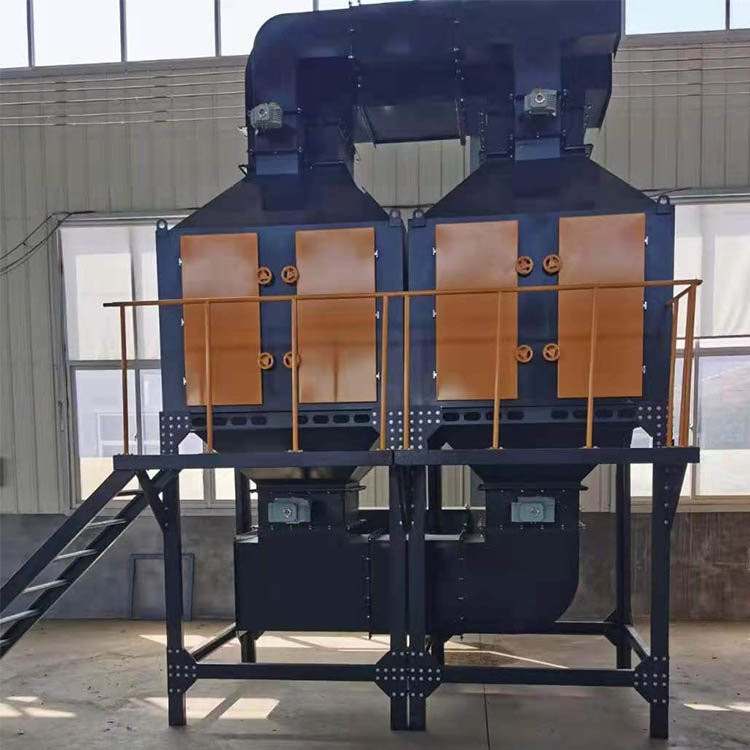
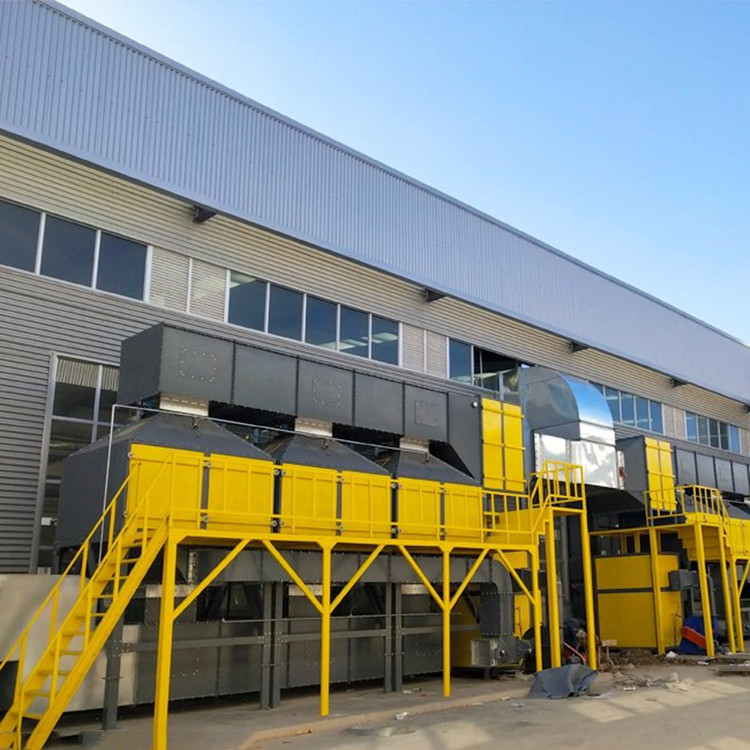


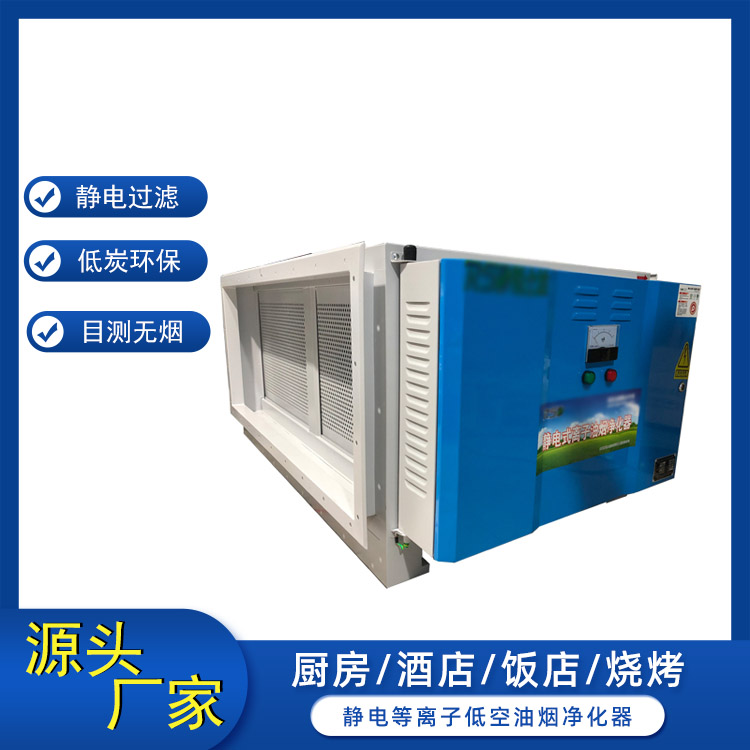






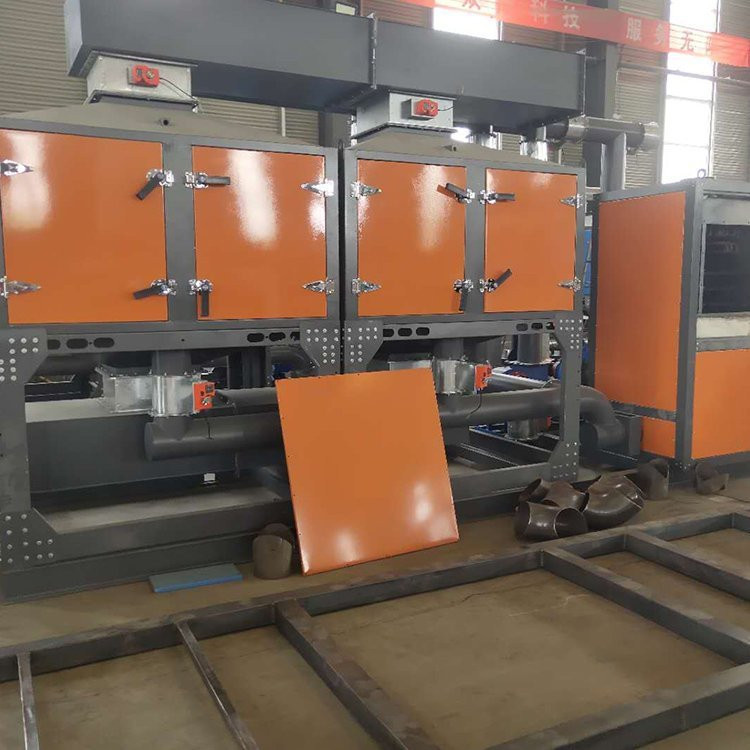
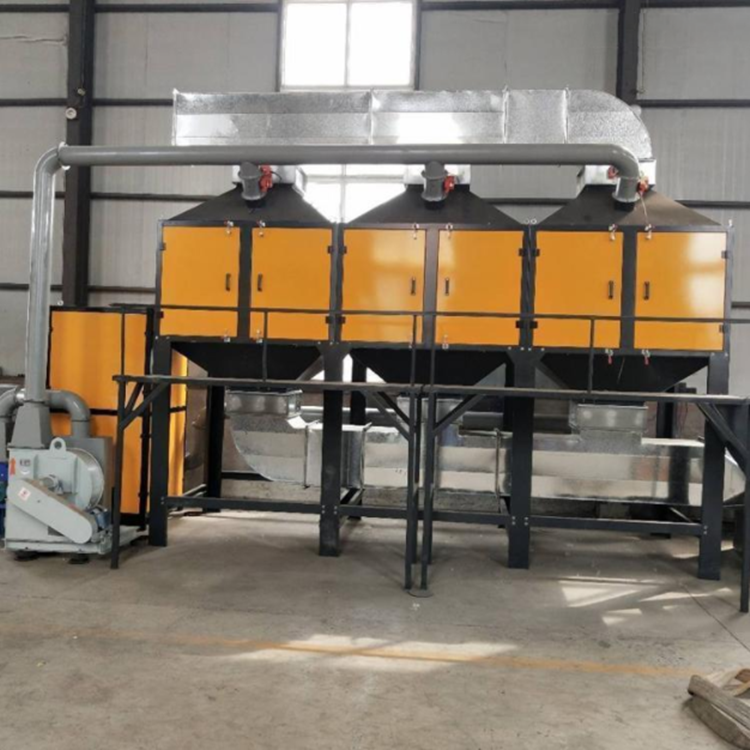
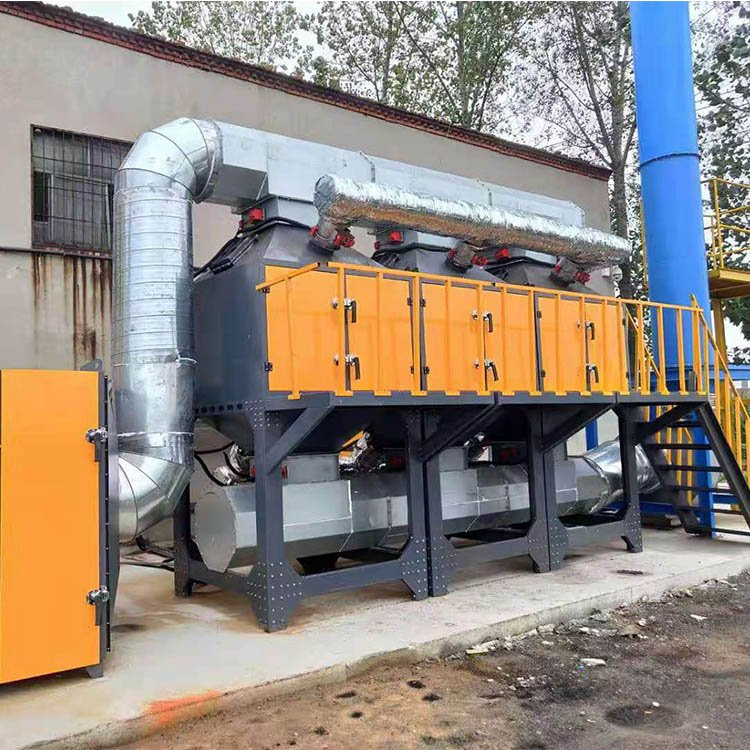
Catalytic combustion equipment is mainly a purification device that uses catalysts to change reaction conditions to remove organic matter under lower conditions. The essence of the gas-solid phase catalytic reaction that occurs in the catalytic combustion device is the deep oxidation reaction involving active oxygen. In the process of catalytic purification, catalysts are used to reduce the activation energy of chemical reactions, making the reaction conditions more favorable to the controllable conditions. With the help of catalysts, the exhaust gas undergoes flameless combustion at lower ignition temperatures, and is oxidized and decomposed into harmless CO2 and H2O, while releasing a large amount of heat energy, thus achieving the goal of removing harmful substances from the exhaust gas.
Characteristics of catalytic combustion equipment
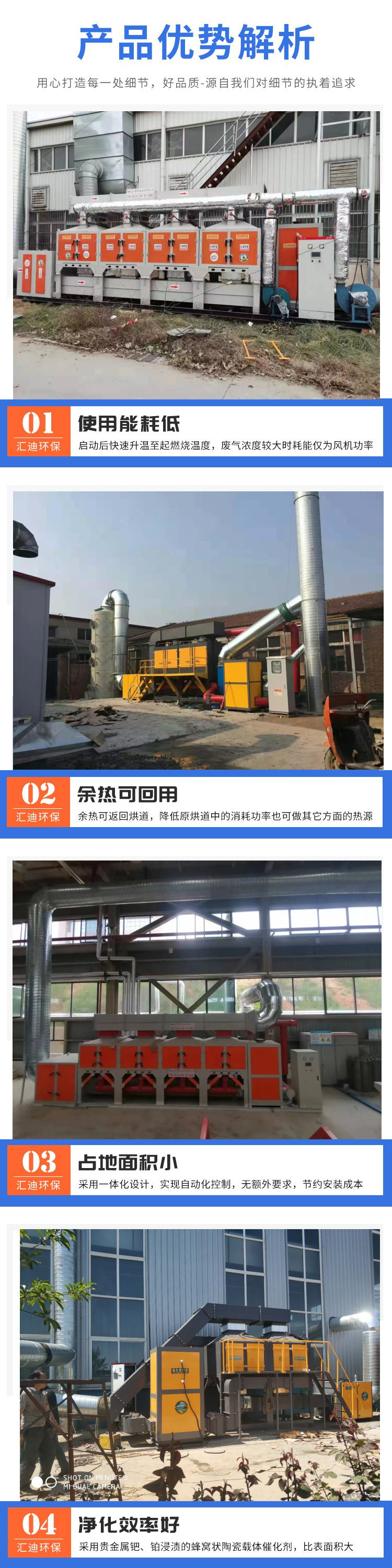
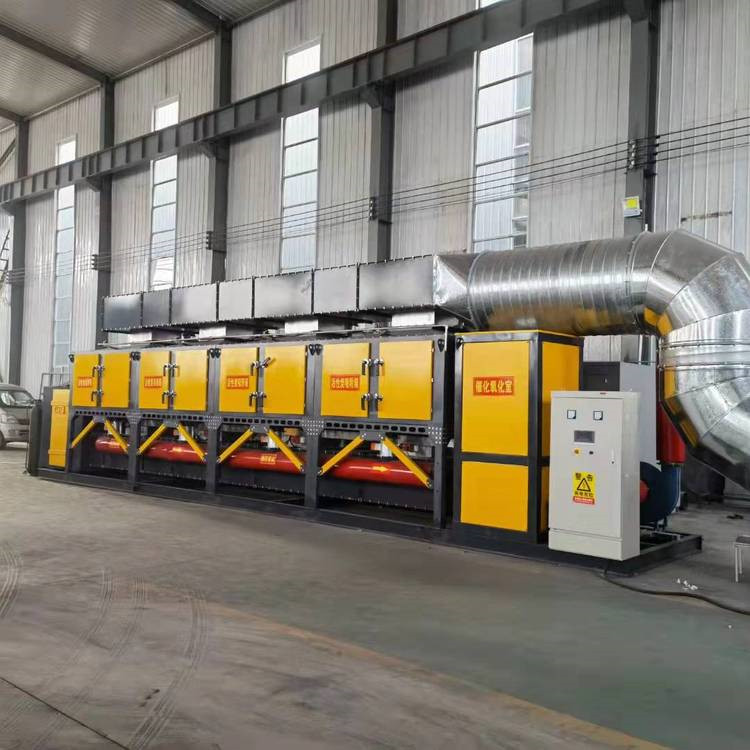
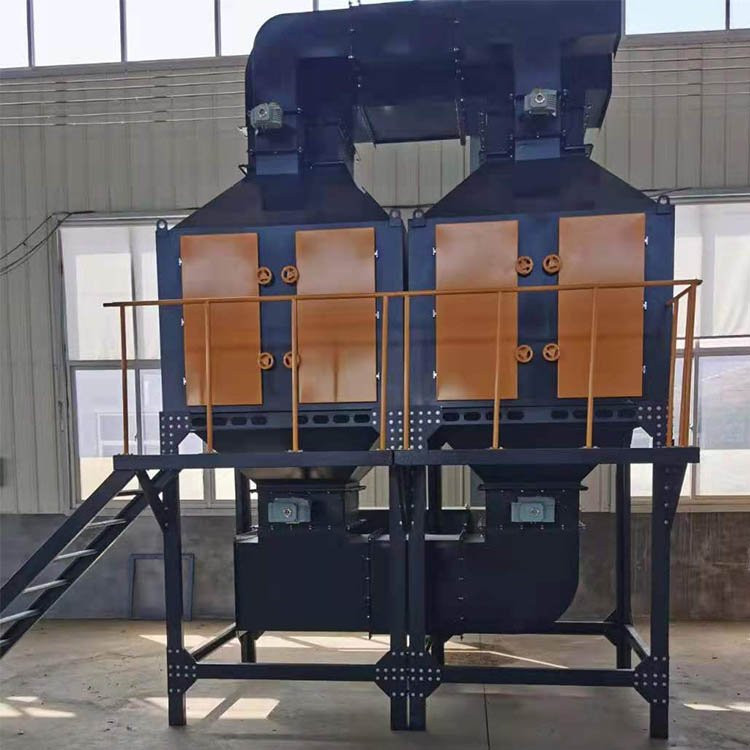
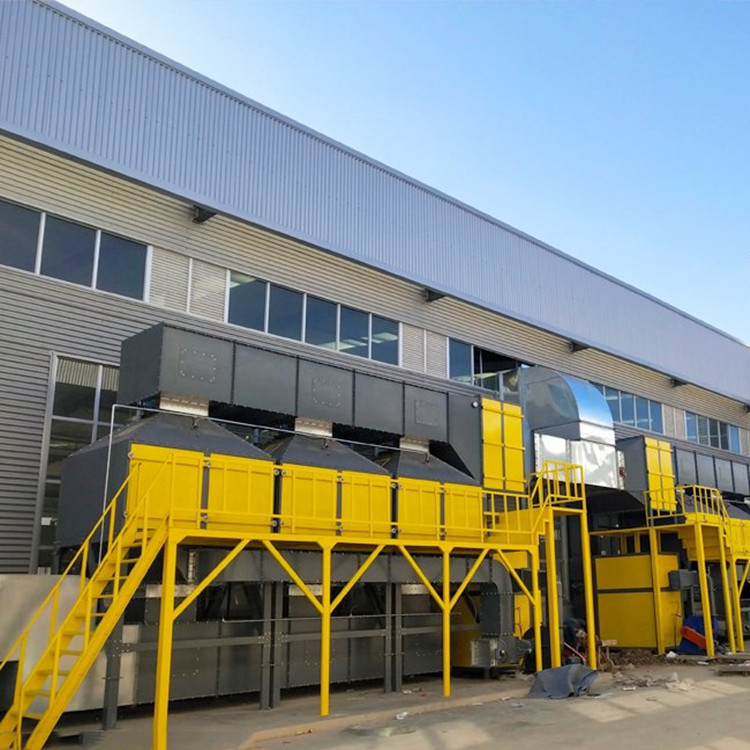
The equipment layout structure is compact, occupying a small area, saving civil engineering and installation costs. The reactor adopts a rectangular catalytic reactor, which is convenient for catalyst loading, maintenance, and maintenance management.
Targeted use of different catalysts, which have the characteristics of high activity, good stability, high mechanical strength, long service life, reduced resistance pressure, and wide adaptability.
High processing efficiency, no secondary pollution, high purification efficiency, ensuring emissions meet standards.
Widely applicable, suitable for complex components, high air volume, medium and low concentration volatile organic compounds and odorous exhaust gases. Low ignition temperature, low operating cost, reasonable recovery and utilization of heat energy, energy savings, and significant economic benefits.