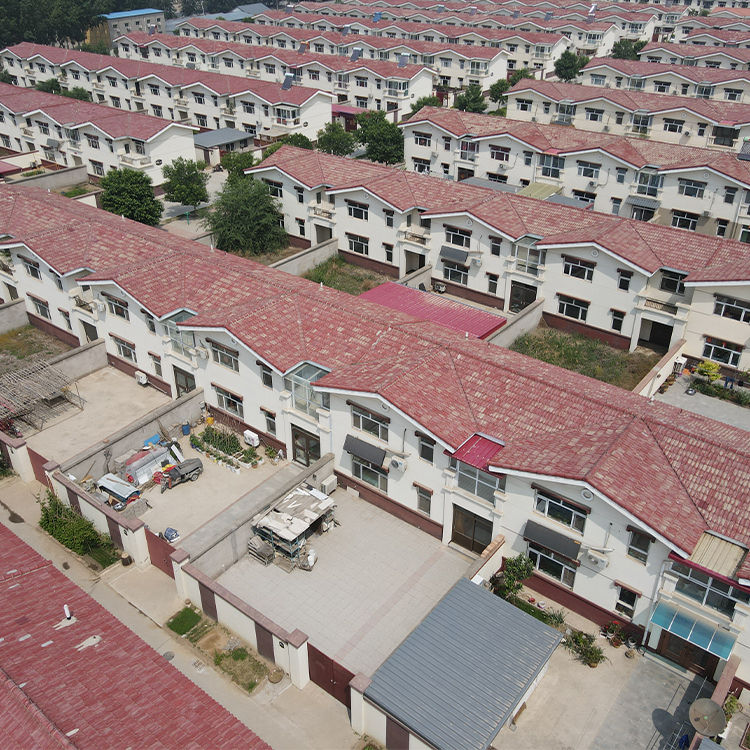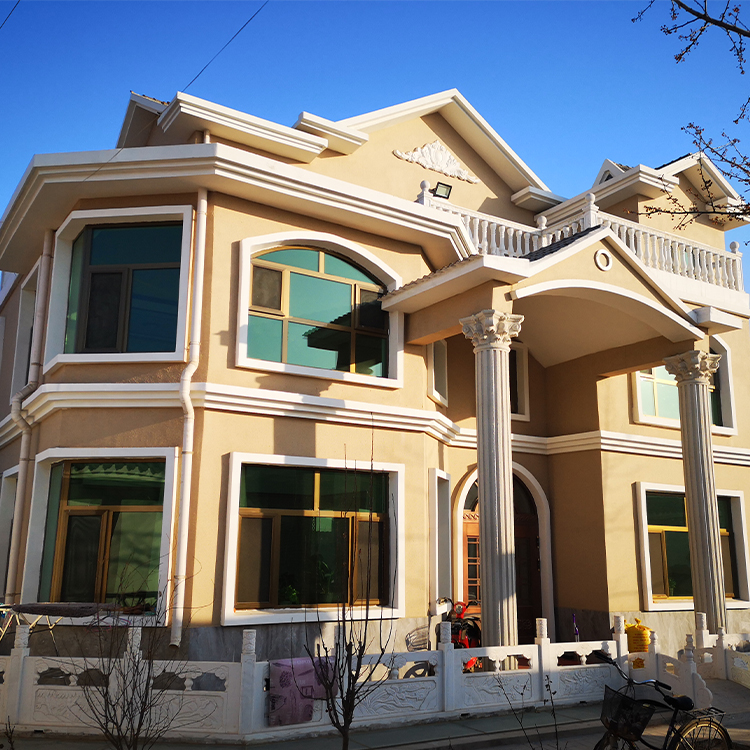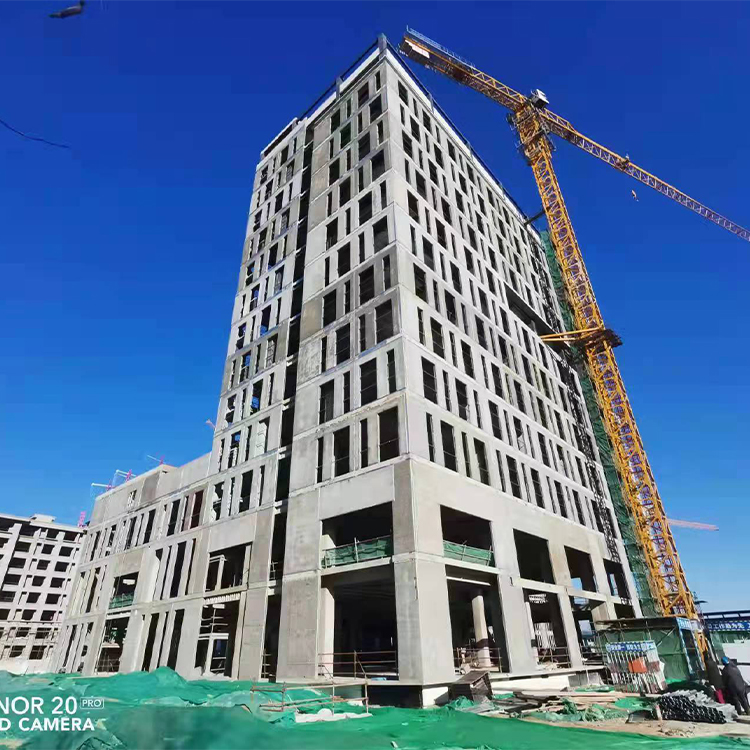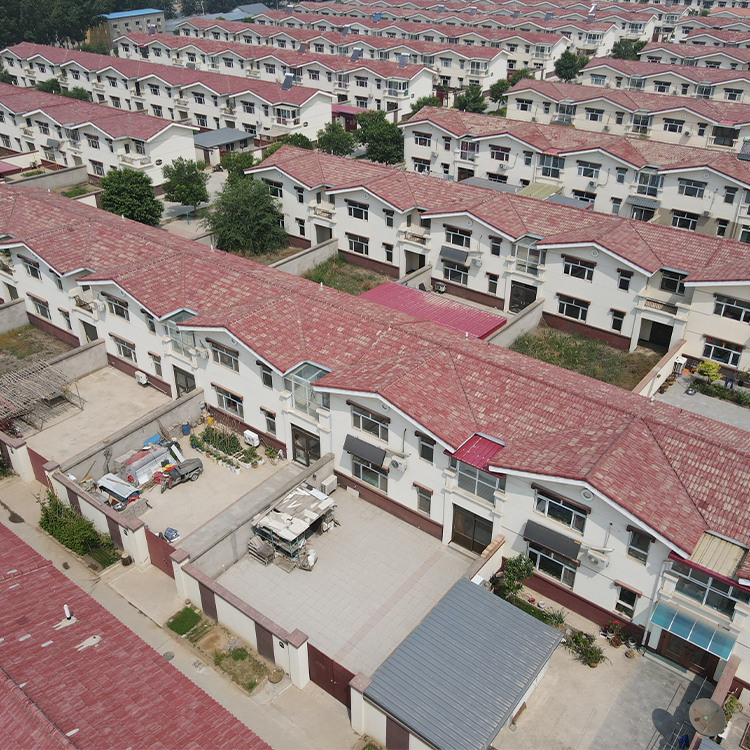

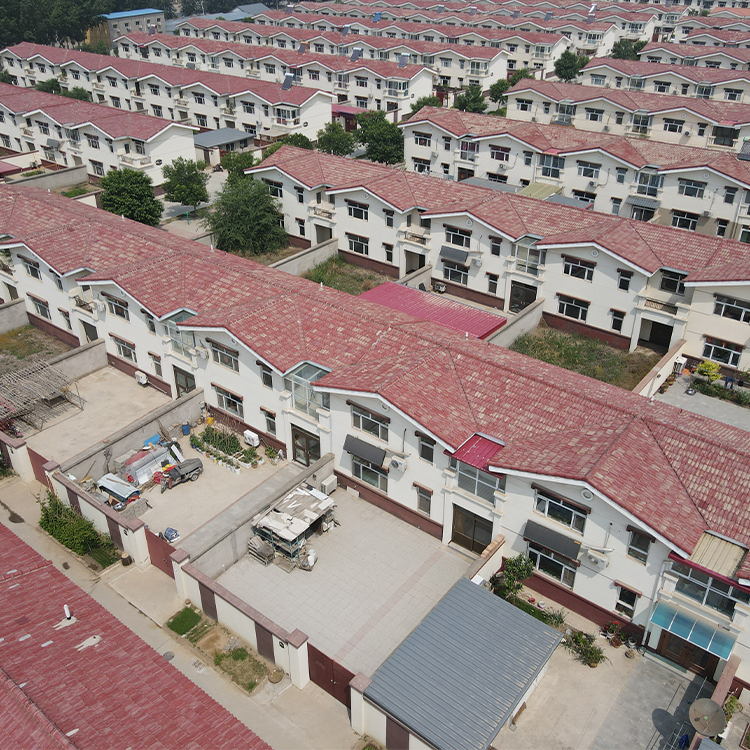
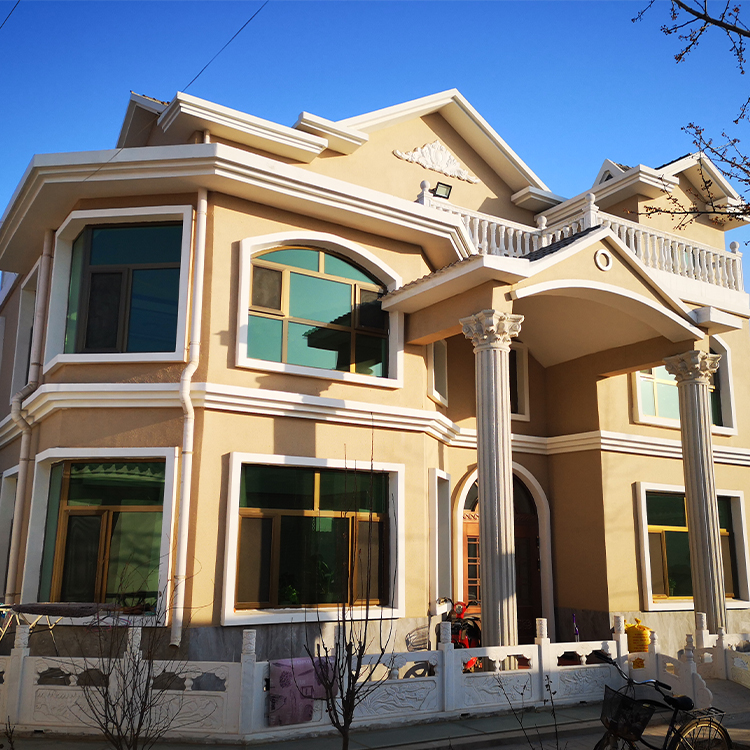
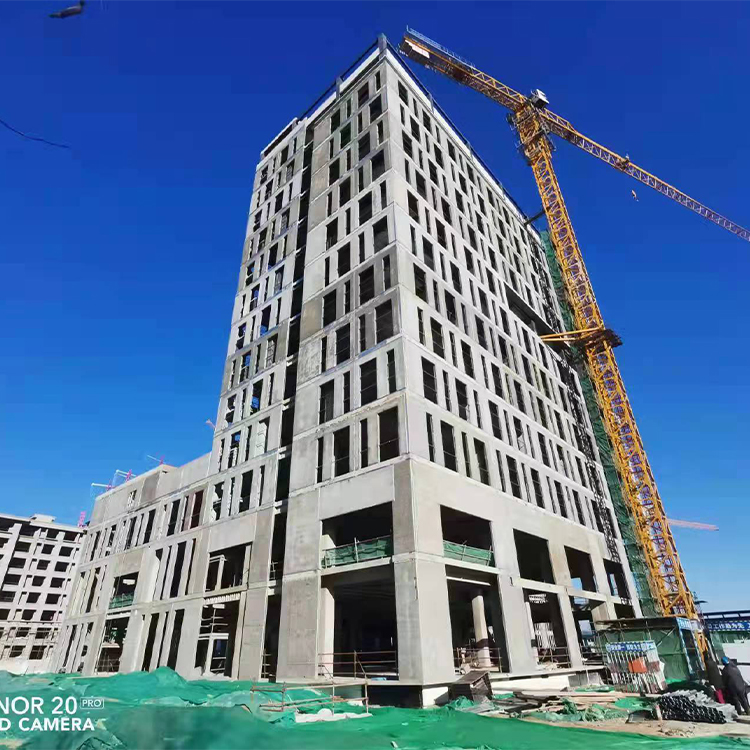


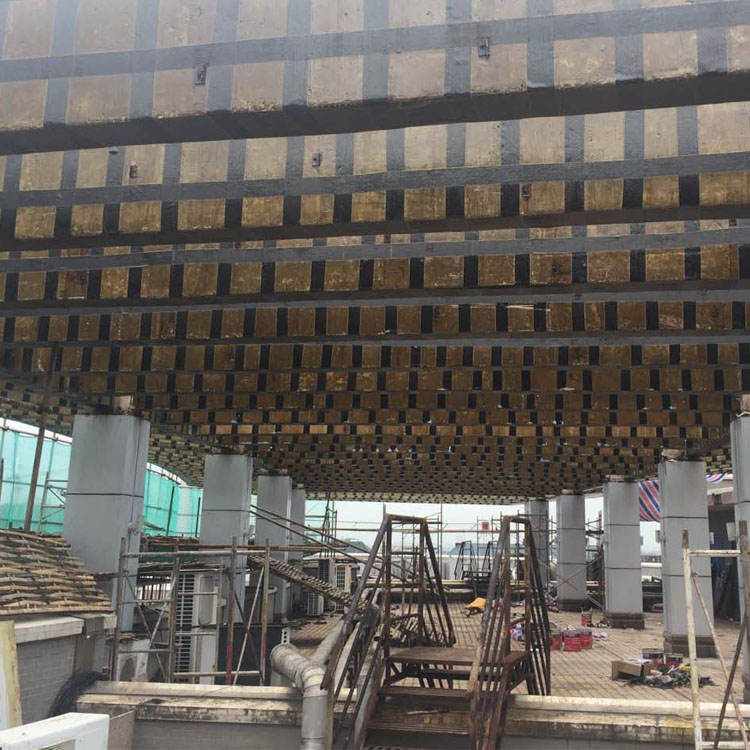





The ultra-low energy building integrated system innovatively developed by Beijing Jingyu Zhongshen Energy saving Technology Co., Ltd. has formed a passive ultra-low energy building industry system with core components such as environmental integrated machines, passive window systems, ventilation duct systems, sunshade systems, passive entrance doors, graphite polystyrene board external insulation systems, and sealing systems as the main body, and a full life cycle service of design and construction, testing and certification, operation and maintenance as the guarantee.
For residents, the greater significance of passive buildings lies not only in technology, but also in the core and fundamental element of living - health. Passive buildings adopt organized ventilation systems, which can achieve more thorough isolation of various pollutants such as PM2.5 and PM10 from the outside world than general fresh air systems. Moreover, due to its good air tightness, all indoor air indicators can be maintained in a consistently good state. The advantages of passive buildings are not only in terms of the health of the owners, but also in improving the quality of the building and making it more adaptable to the local environment. And because it reduces the house's reliance on external energy, it lowers the operating costs throughout the building's entire lifecycle.
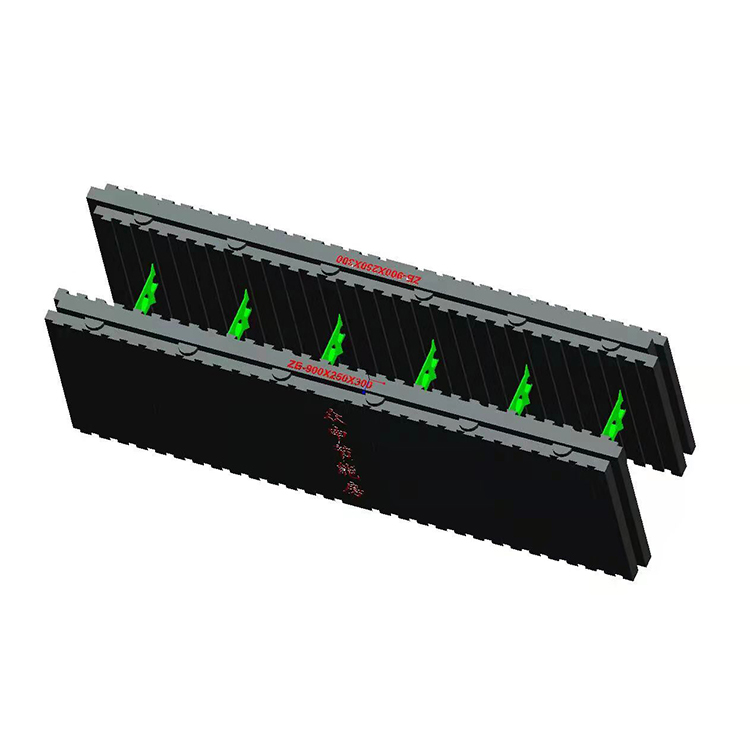
If someone tells us that a home can be like this: it doesn't require air conditioning or heating, the room has fresh air all year round, is not damp, has no mold, and the room temperature is maintained between 18-24 ℃, which is suitable for the human body, it can save 95% of energy. Would you believe it? This is the characteristic of passive housing. Simply put, if the energy consumption level of a building is controlled below the level of building insulation, then we do not need to consume energy and the indoor environment will be very comfortable. Two physicists thus found a solution for technological integration, resulting in a passive house. Its major feature is warm in winter and cool in summer, energy-saving and environmentally friendly. No heating is required in winter, and only a small amount of air conditioning is needed in extremely hot weather in summer. The electricity consumption per square meter is only 30 degrees per year, compared to ordinary residential buildings which consume 100-150 degrees per square meter.