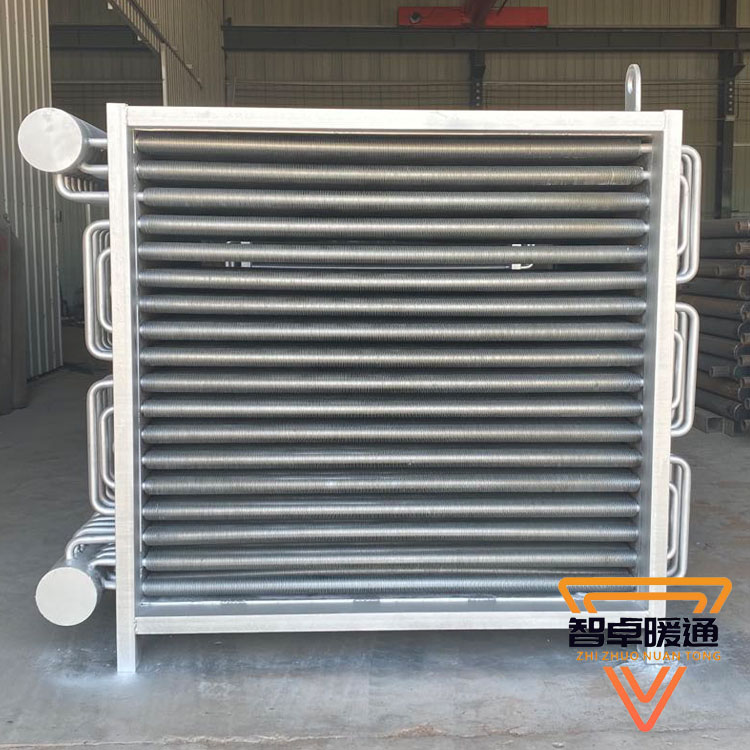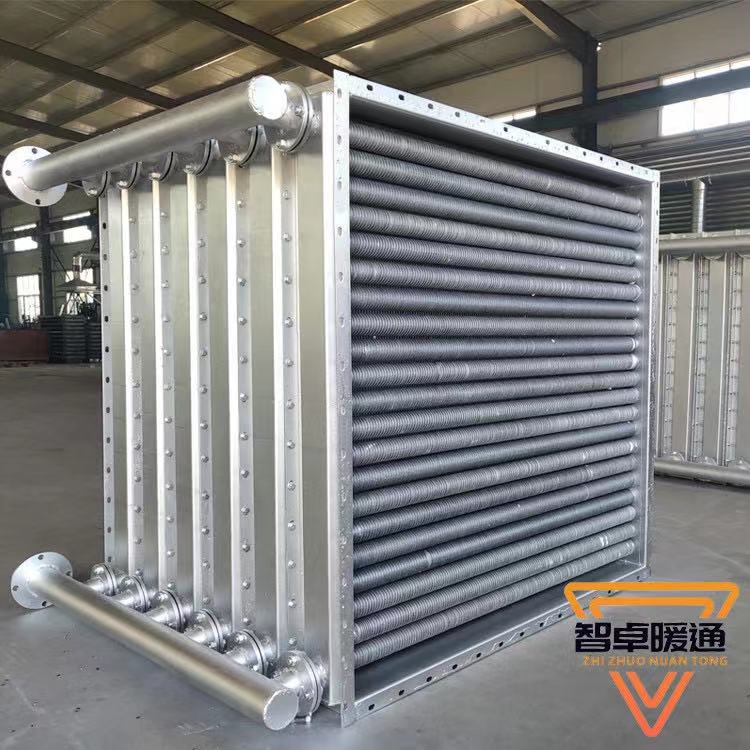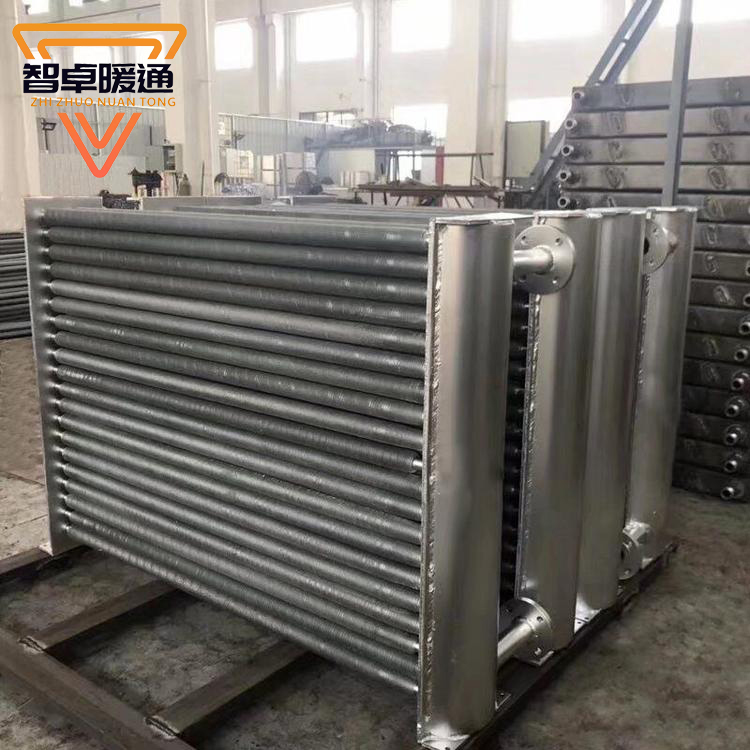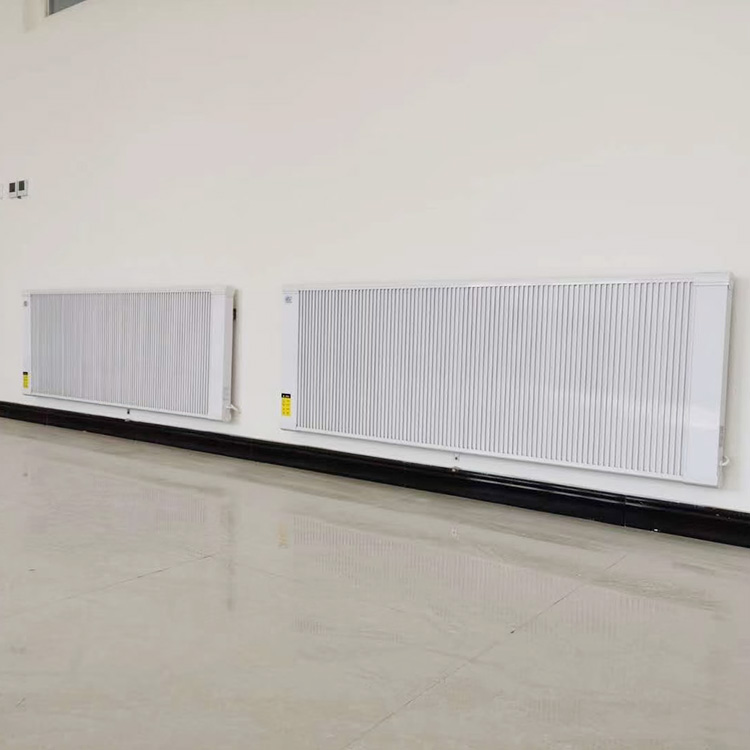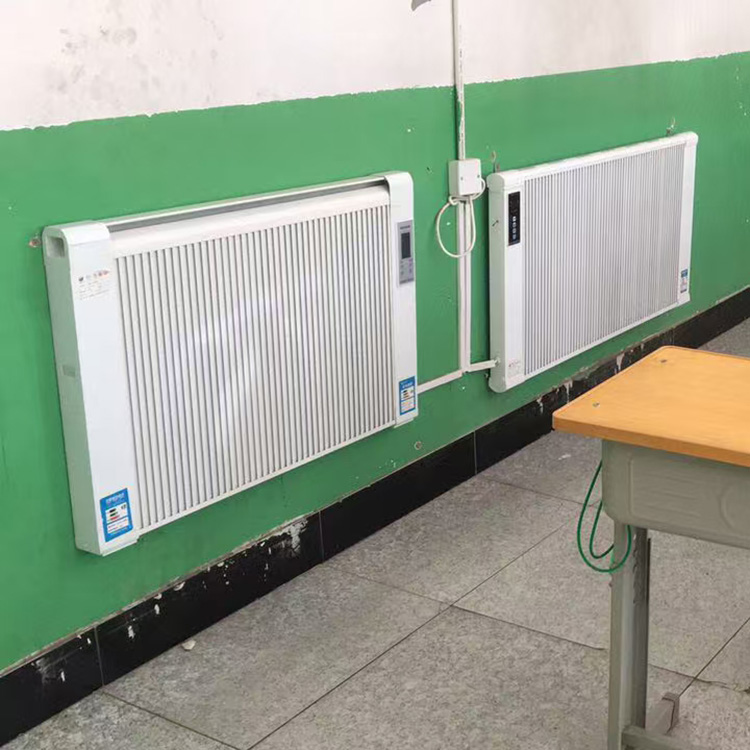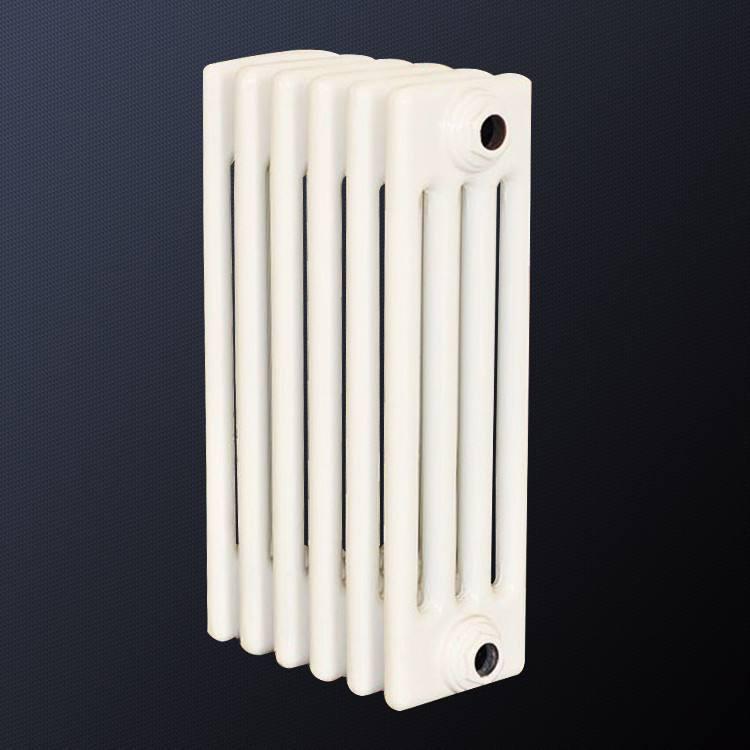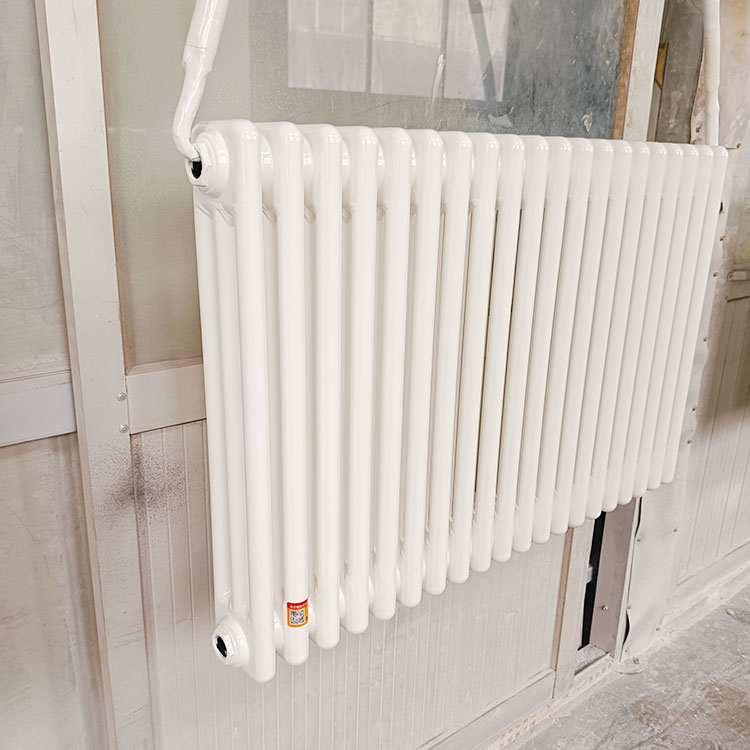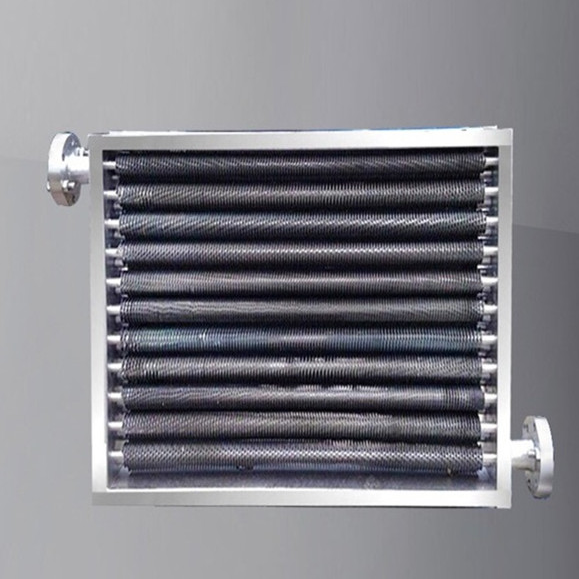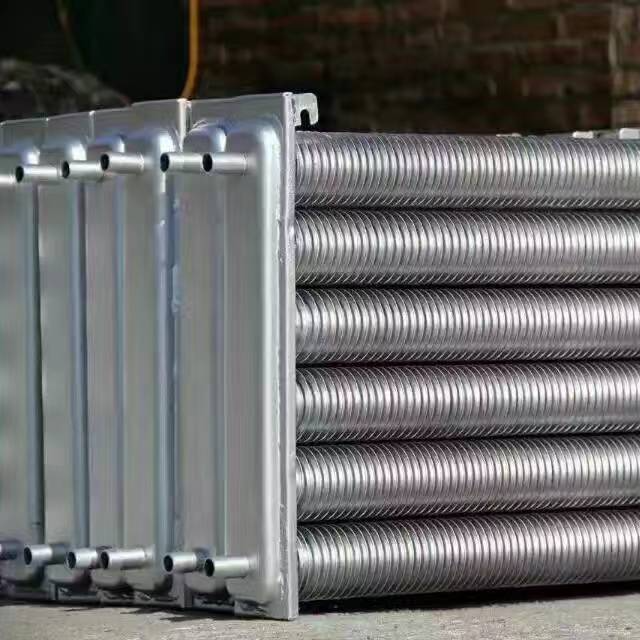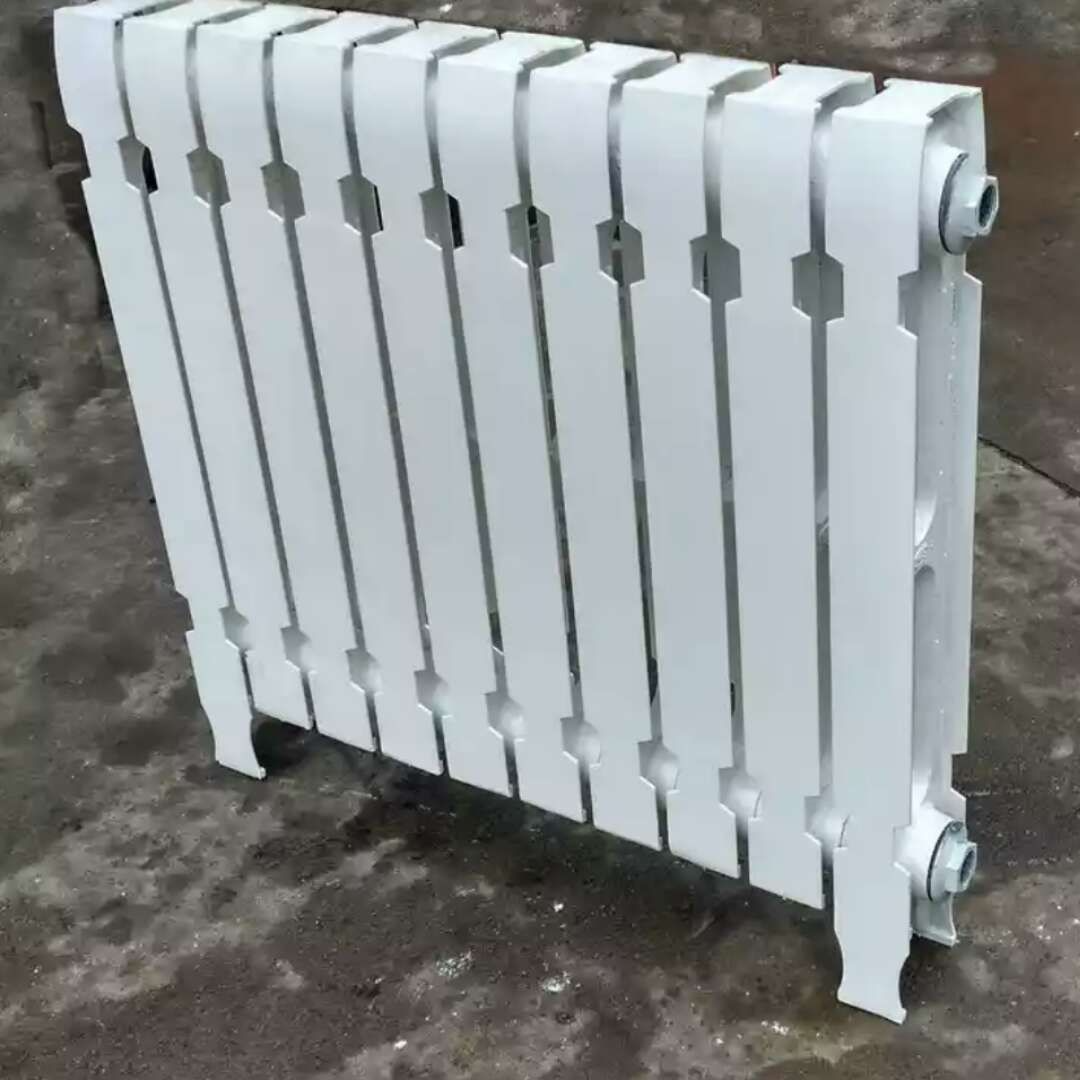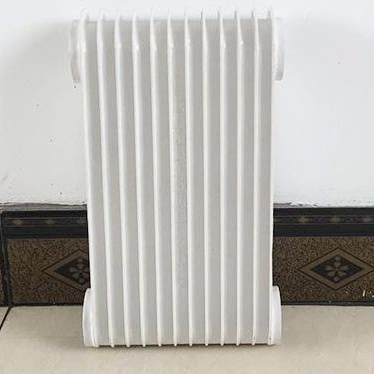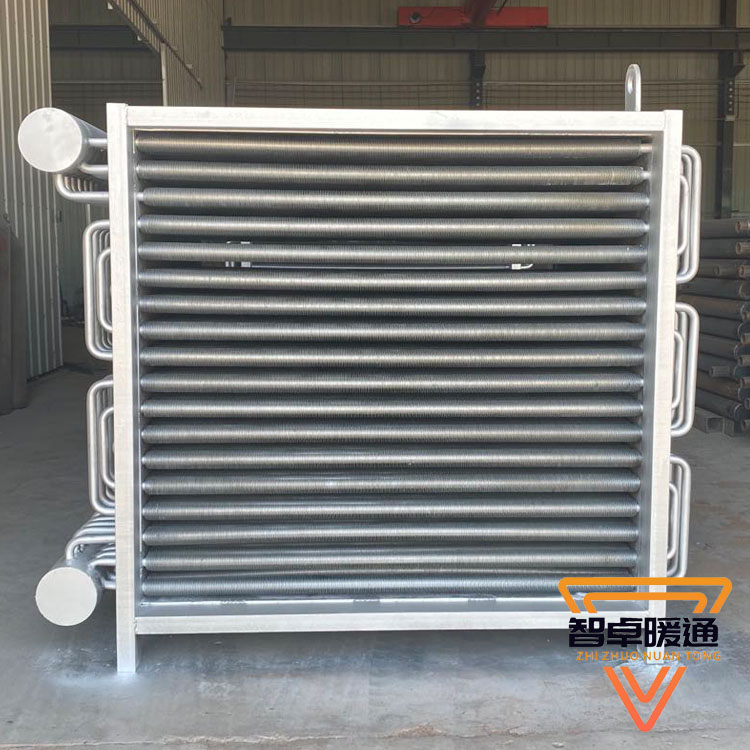

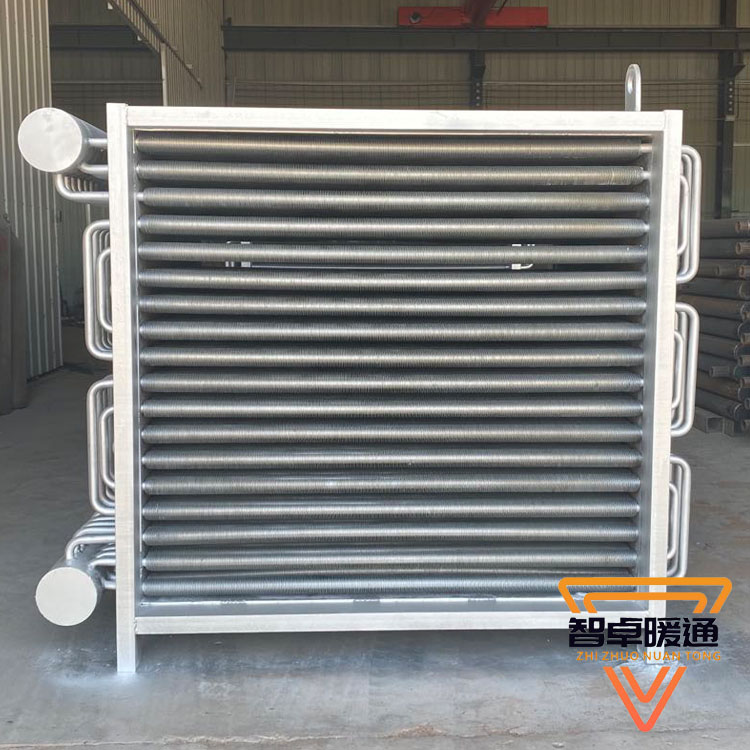

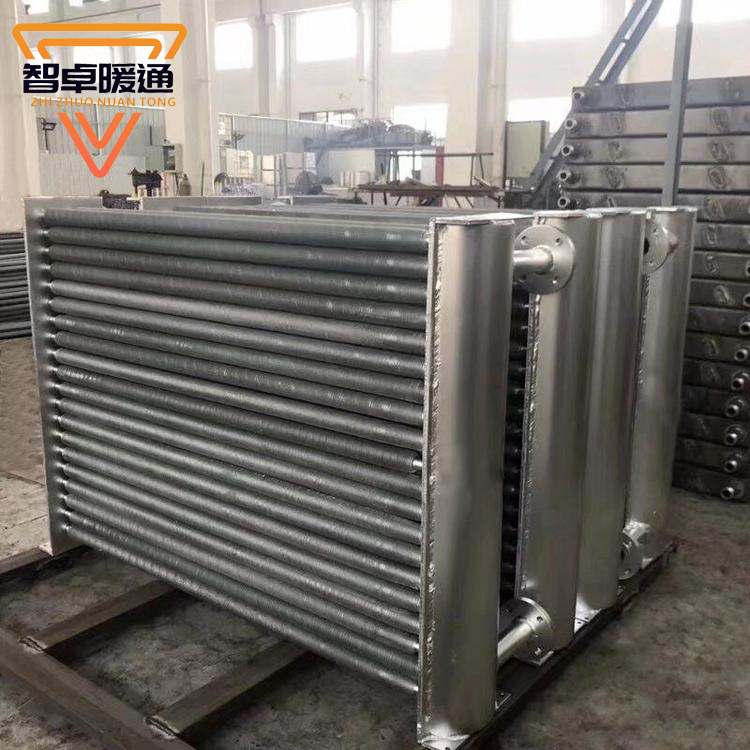


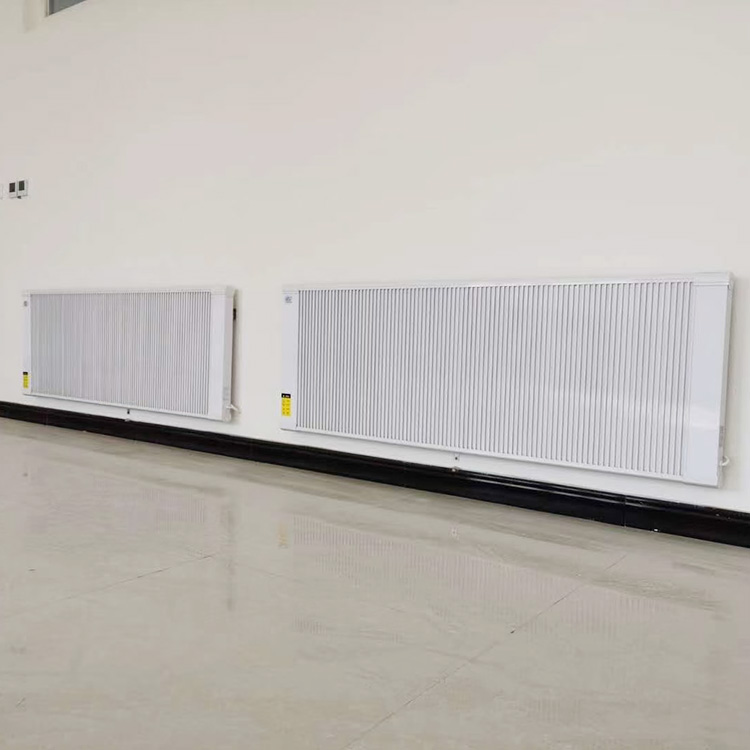
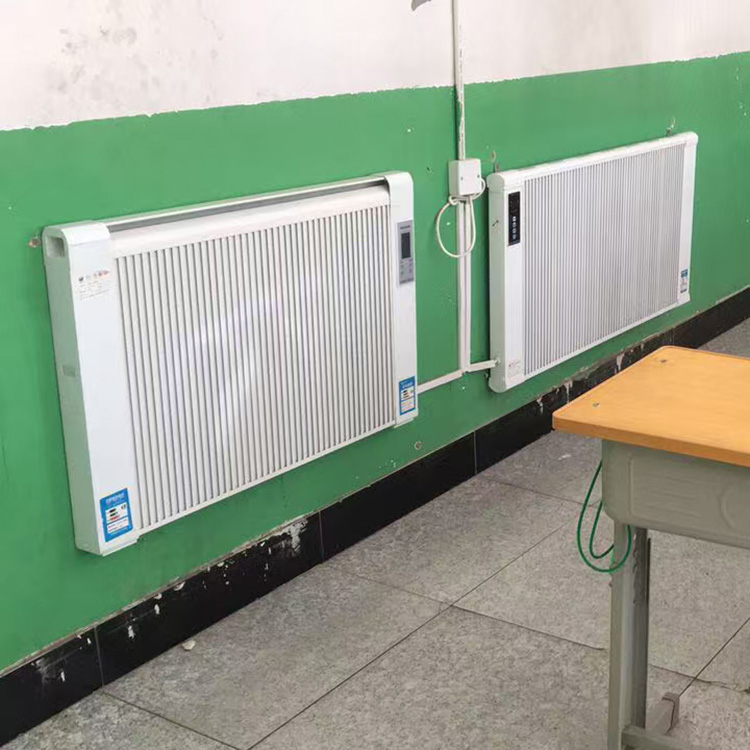
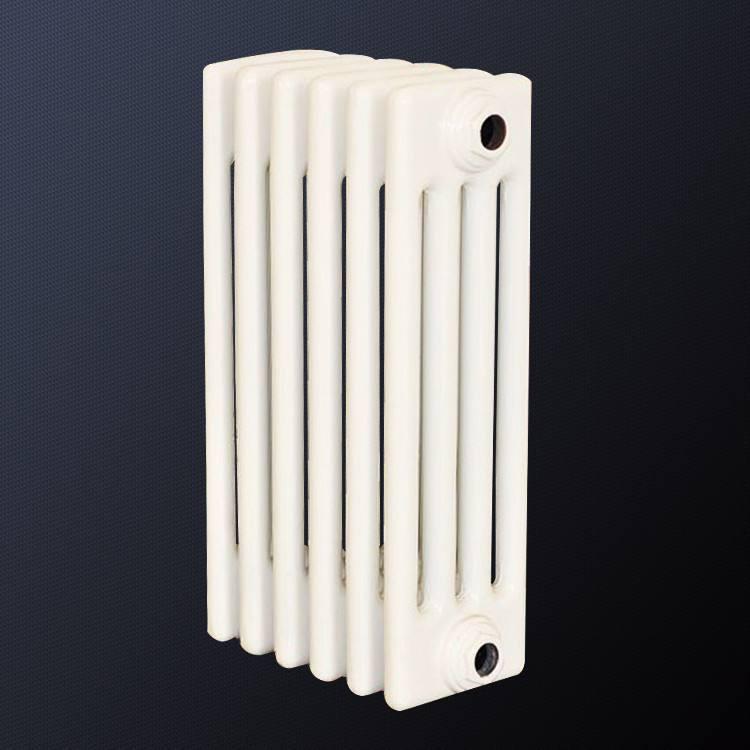
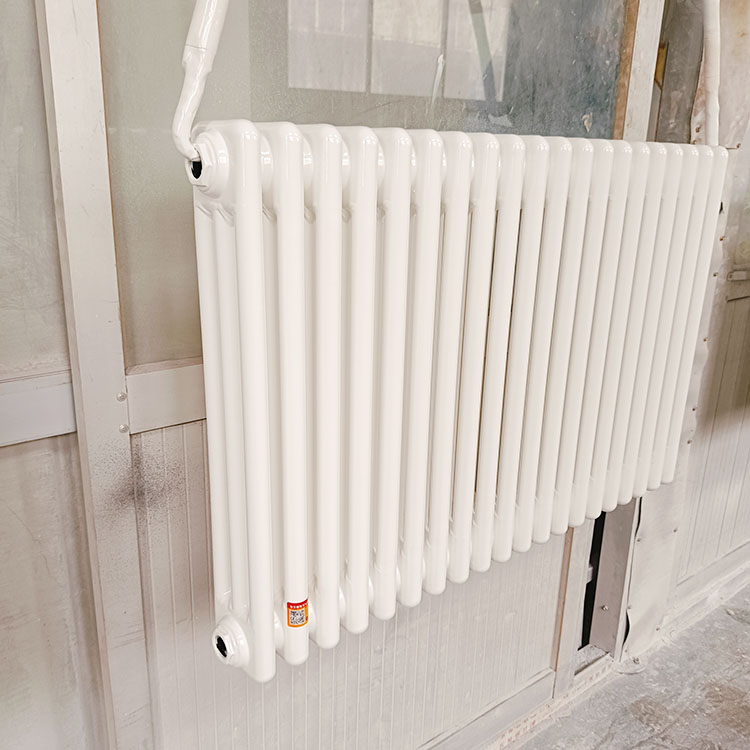






A radiator, if used in industry, can be referred to as an industrial radiator. Specifically, it involves introducing high-temperature water, steam, or high-temperature heat transfer oil to heat the air, or introducing cooling water to cool the air. There are many specifications and models of this radiator, and different manufacturers generally have dozens of related products.
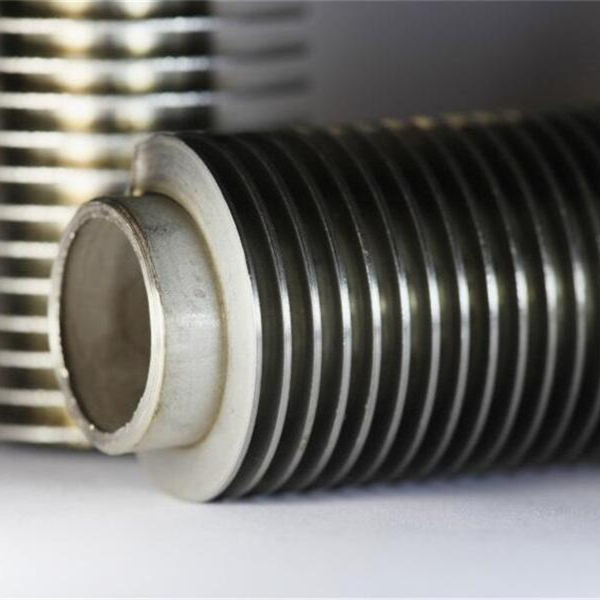
The fins in finned tube radiators are designed to increase the heat dissipation area of the radiator, thereby increasing the contact area with air. As a result, for finned tube radiators, their heat transfer efficiency and usage effectiveness can be improved. So, using fins has certain benefits, and currently, the advantages outweigh the disadvantages.
The windward area of a finned tube heat exchanger is the cross-sectional area of air flow, measured in square meters, obtained by multiplying the actual ventilation area of the finned tube heat exchanger by its width.
Its arrangement and combination result in a ratio of narrow gap flow surface to windward surface. The air quality velocity is obtained by dividing the air velocity by the ratio of the narrow gap flow surface to the windward surface.
The installation is simple and economical. The large length of high-frequency welded spiral finned tubes can reach 16 meters, reducing the number of connection points, making the installation more economical and efficient, and reducing the probability of water leakage and oil leakage at the connection points. High frequency welded spiral finned tubes are fully contact welded with steel pipes wrapped around the fins, with a heat dissipation area more than 8 times that of light tubes. The interior is smoother and has lower water flow resistance.