







1. New Product Introduction
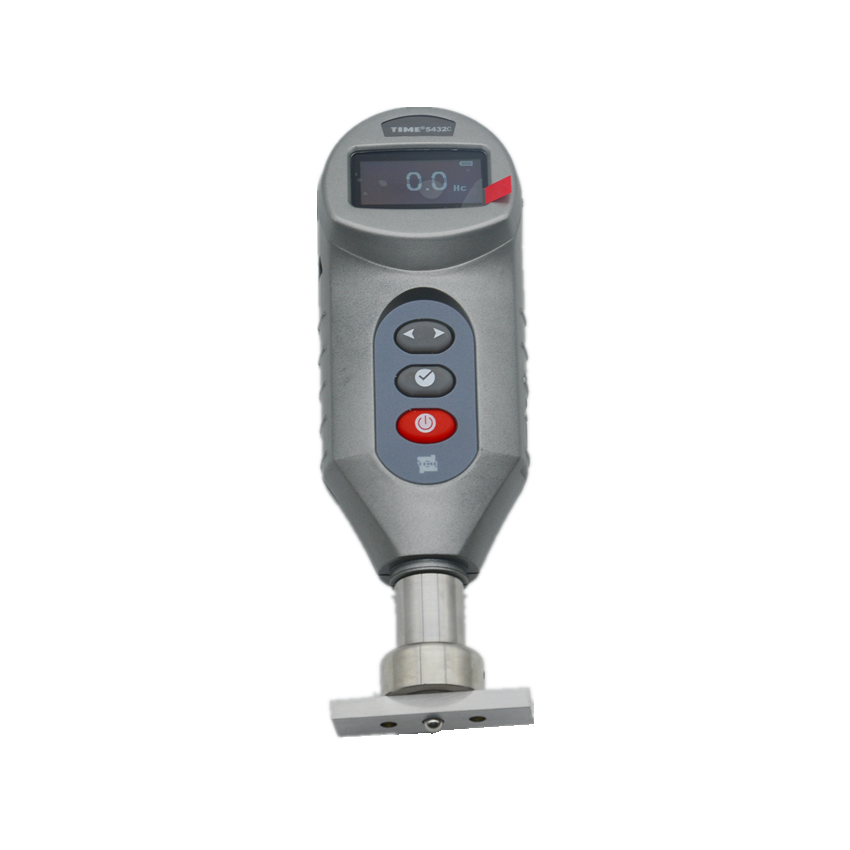
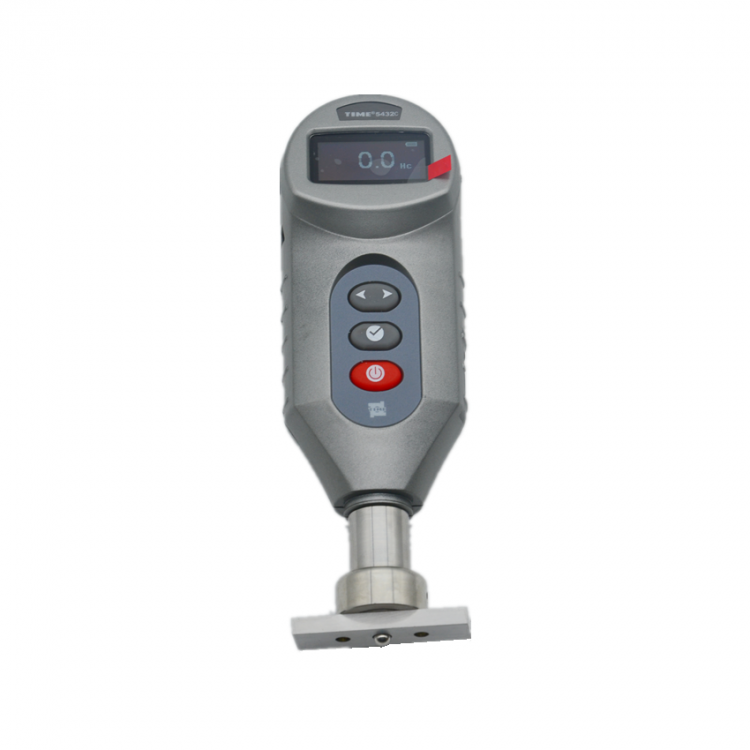
The TIME5432C microporous material hardness tester strictly does not belong to the Shore hardness tester, but is very similar to the Shore AO scale. As a derivative product of the TIME5432 Shore AO hardness tester, it belongs to the TIME543X series Shore hardness tester series.
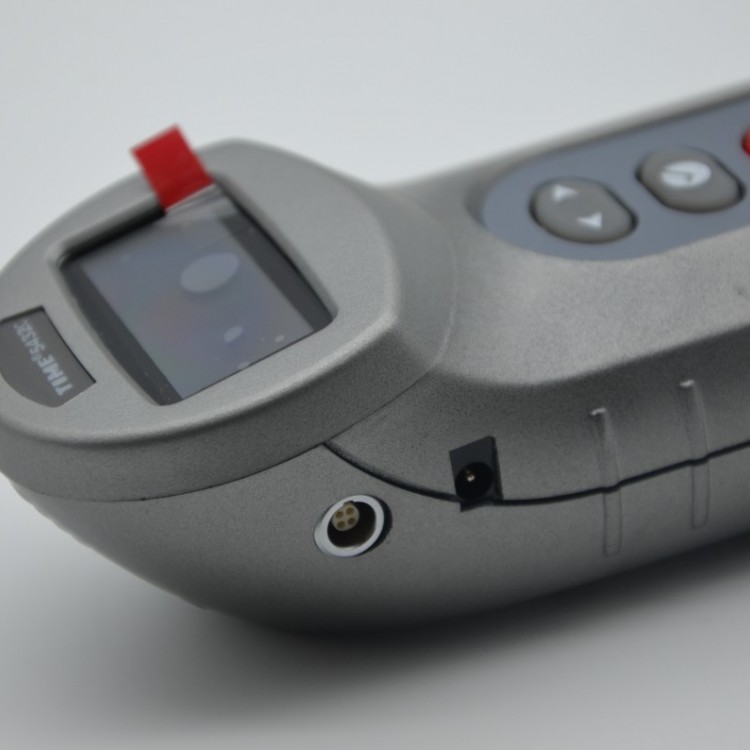
The product continues the appearance and function of the TIME543X series Shore hardness tester, using OLED high brightness dot matrix display screen, with USB interface and upper computer software; Equipped with a fixed load rack interface, it can be used to test hardness on a Shore hardness tester when available; On the basis of the original real-time measurement mode and peak latch mode, the product has added a timed latch mode, making measurement more convenient and accurate.
The product adopts the same Shaw AO type pressure needle, which is suitable for testing the hardness of shoe micro porous materials made of rubber and plastic blends and containing foaming agents when the compression ratio is 50% and the stress reaches 0.049MPa or above. It is widely used in the chemical industry.
Explanation: The unit of the TIME5432C microporous material hardness tester is Hc, which is different from the unit HC of the Shore C scale. It is necessary to distinguish between the two.
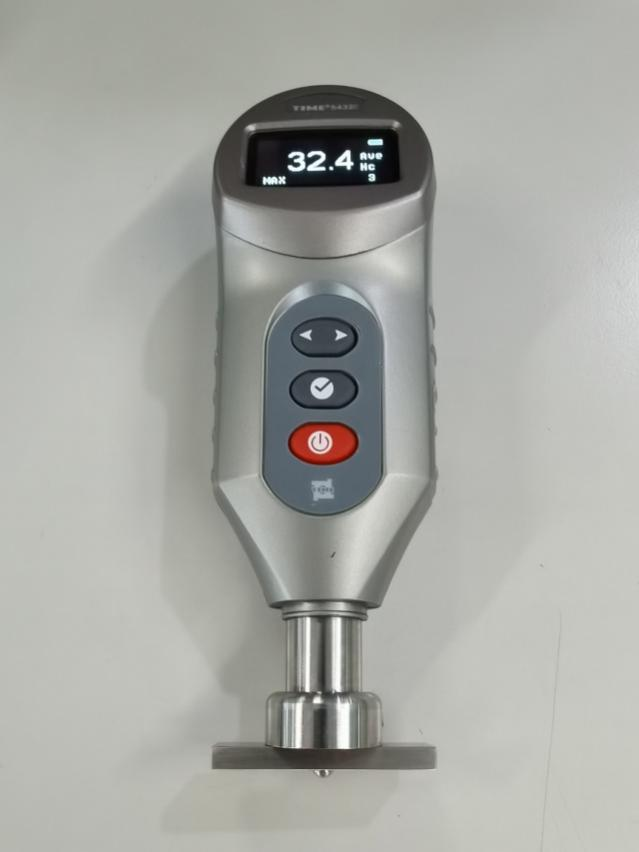
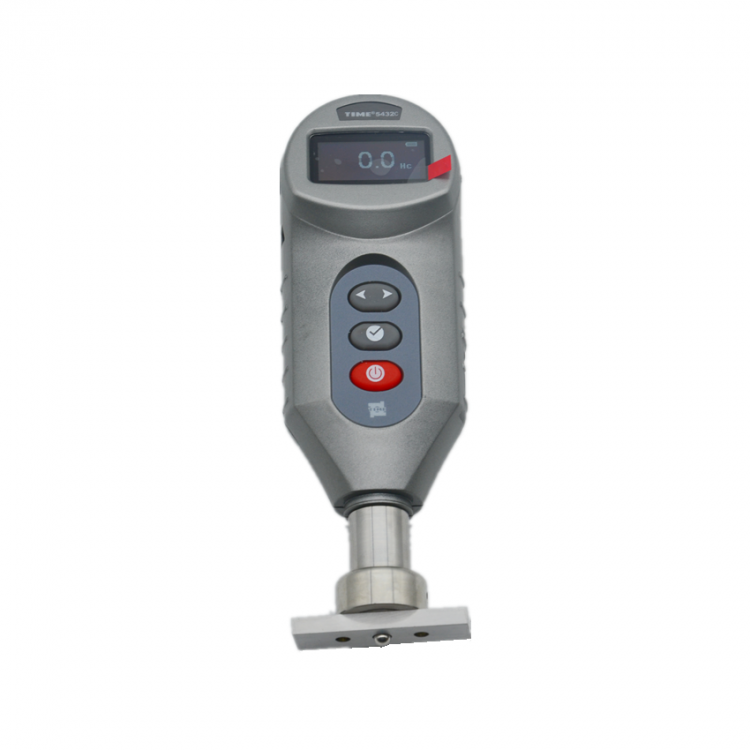
Figure 1 TIME5432C Shore Hardness Tester
2 Working principle
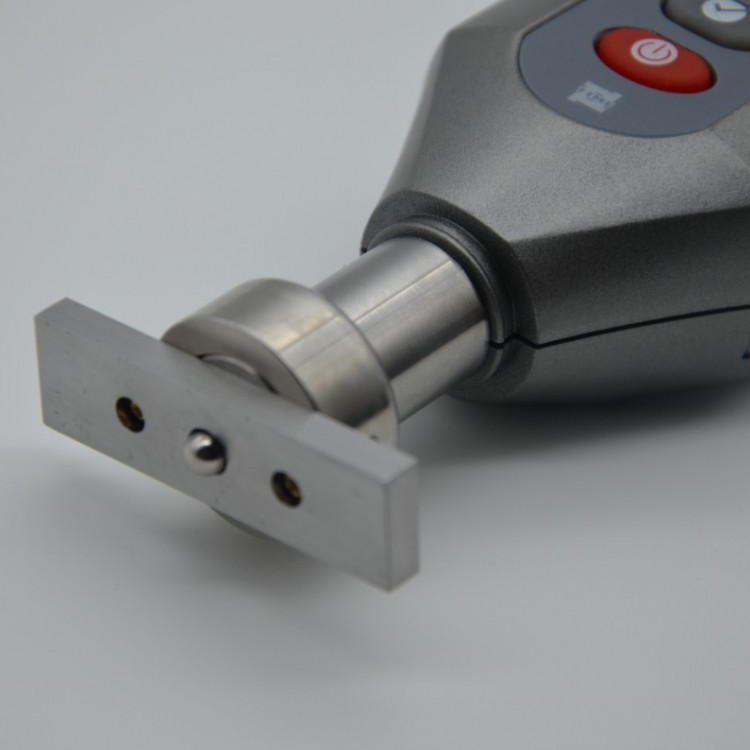
Under the specified test force, a steel indenter of a certain shape is pressed into the surface of the specimen. When the surface of the indenter is tightly adhered to the surface of the specimen, the end face of the indenter has a certain extension length L relative to the plane of the indenter. The larger the length L, the lower the Shore hardness, and vice versa. The measurement schematic is shown in Figure 3.
The formula for calculating Shore hardness is as follows:
 Hc = 100 - L/0.025
Where:
Hc - Asker-c hardness value;
L - The length of the end face of the pressure needle protruding from the pressure foot plane, in millimeters.
3 Product Features
The digital microporous material hardness tester is mainly used to measure the hardness of shoe microporous materials made of rubber and plastic blends and plastics containing foaming agents;
Using LVDT displacement sensors, the displacement measurement is accurate, the environmental adaptability is good, and it can be used in harsh environments with a humidity of 90%;
Adopting high contrast OLED dot matrix display screen, displaying hardness values in large font numbers; Menu based operation with good display effect;
L has zero self correction function, no need to manually reset;
It has three working modes: real-time measurement, peak locking, and timed locking. The latch mode can effectively ensure reading rules, reduce human reading errors, and meet diverse measurement needs;
In peak lock mode, the instrument can automatically lock the hardness peak value;
In the timed latch mode, the user sets a timed duration of 1-60 seconds according to the sample requirements. The instrument automatically starts timing and automatically locks the measured values;
In latch mode, the upper and lower limits of the measured values can be preset, and there will be a display prompt for exceeding the limit, making it convenient for users to perform batch detection; It has the function of calculating the average value and automatically removing gross errors;
L can store the average hardness value of 200 latches;
L can be equipped with data processing software, and measurement data can be transmitted to the upper computer in Microsoft Word or Excel format through a USB interface, meeting higher requirements for quality assurance activities and management;
Can work continuously for more than 24 hours;
Equipped with voltage display and undervoltage prompt, with undervoltage automatic shutdown function;
L has an automatic shutdown function without operation, and the duration of automatic shutdown can be adjusted. This function can also be turned off as needed;
L can use a fixed load bracket for testing to ensure the stability of the test.
4 Technical parameters
Hardness scale: Asker-c type;
Measurement range: 0-100Hc;
Measurement error: ≤± 1Hc (within the range of 20-90Hc);
Resolution: 0.1Hc;
Power supply: Built in rechargeable lithium battery.
5 varieties and specifications
5.1 Basic Configuration:
Ø One host;
Ø One median measurement block;
One charger.
5.2 Select Configuration:
In addition to the basic configuration, users can also choose the configuration according to their actual needs:
Ø Upper computer software;
Ø Data cable;
Ø Shore hardness testing bench.