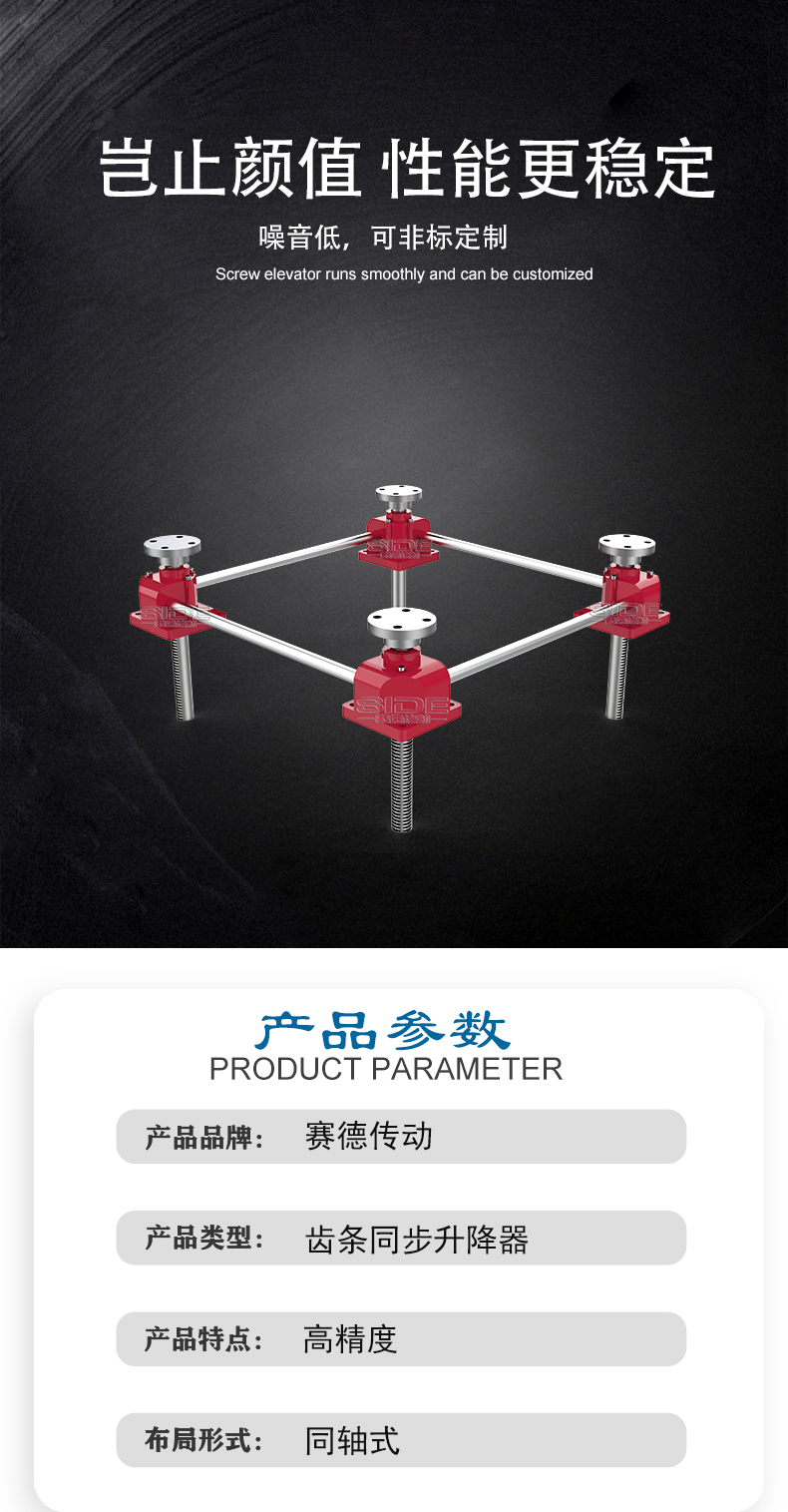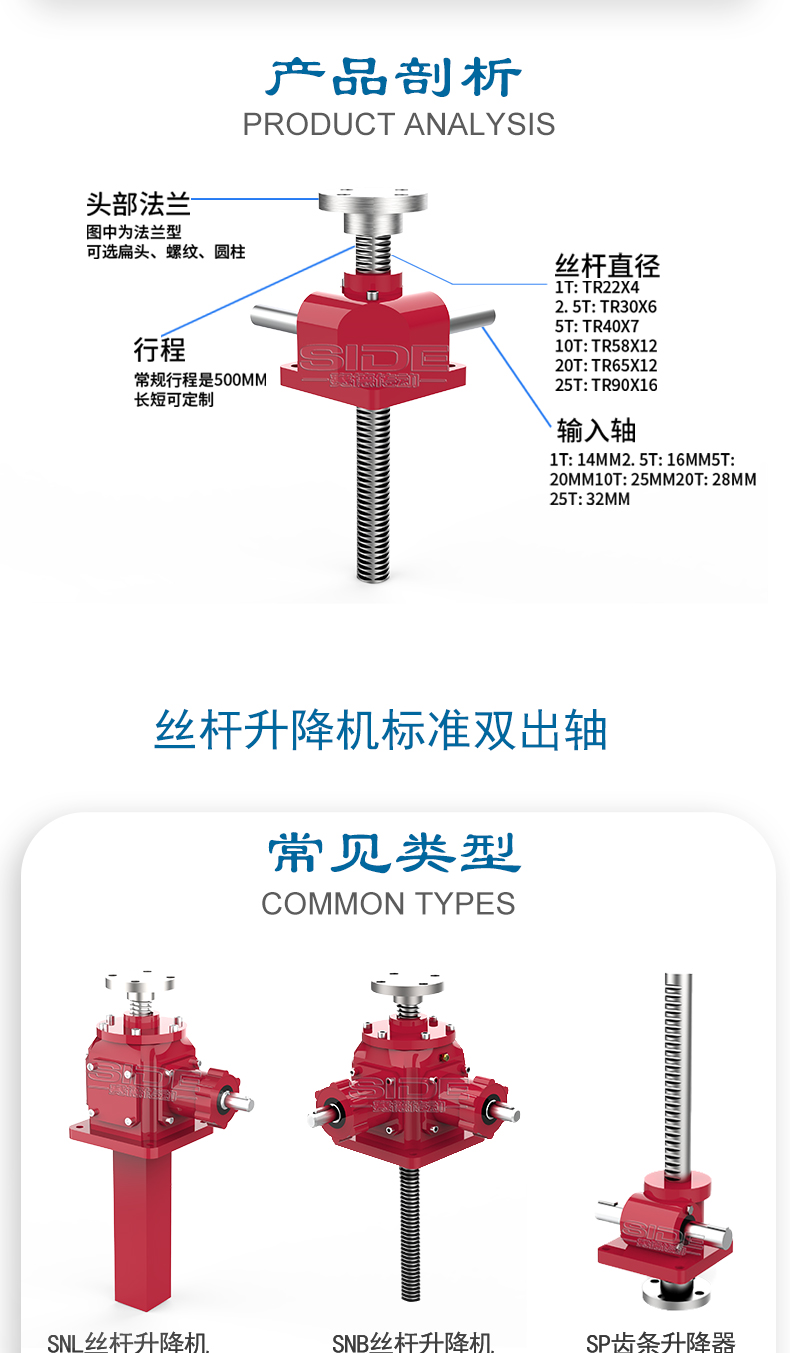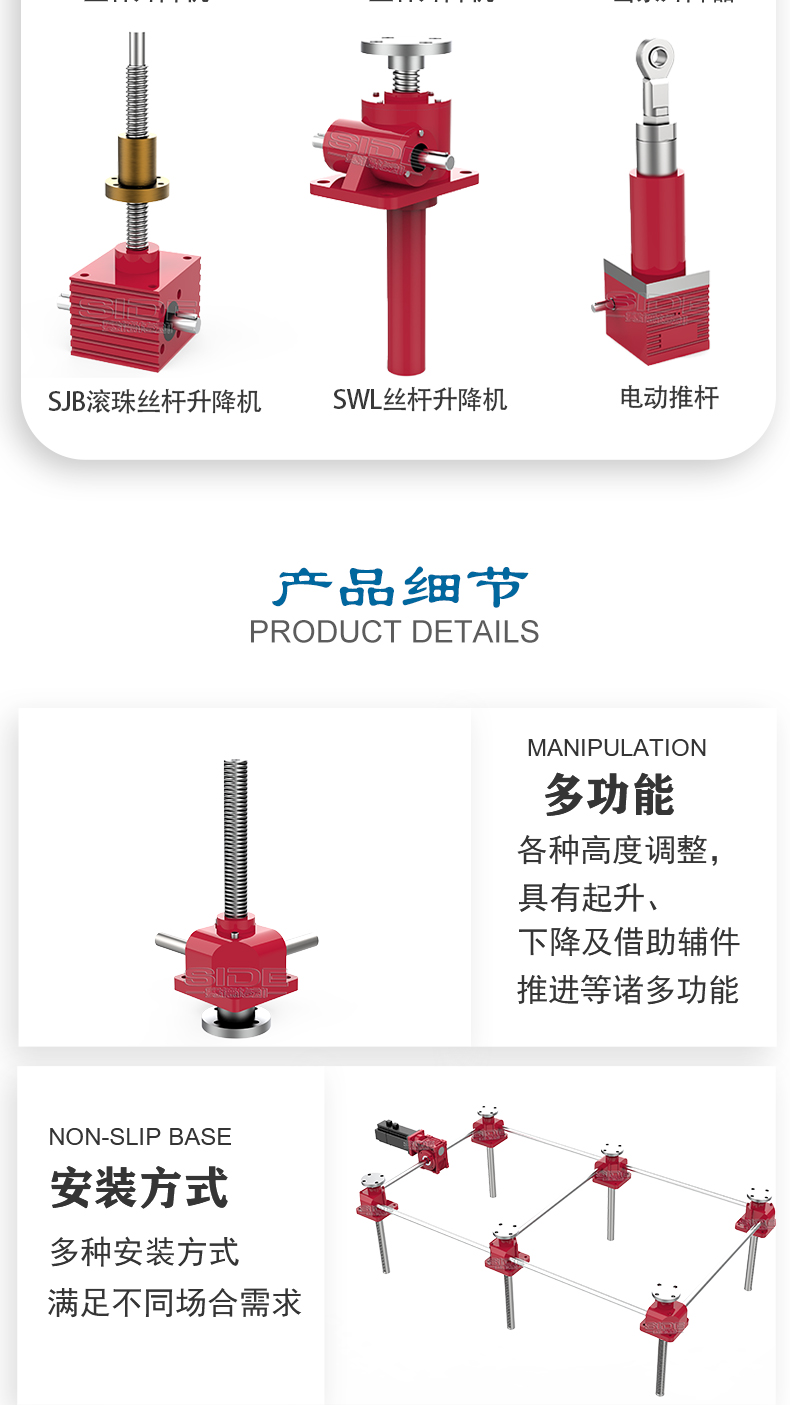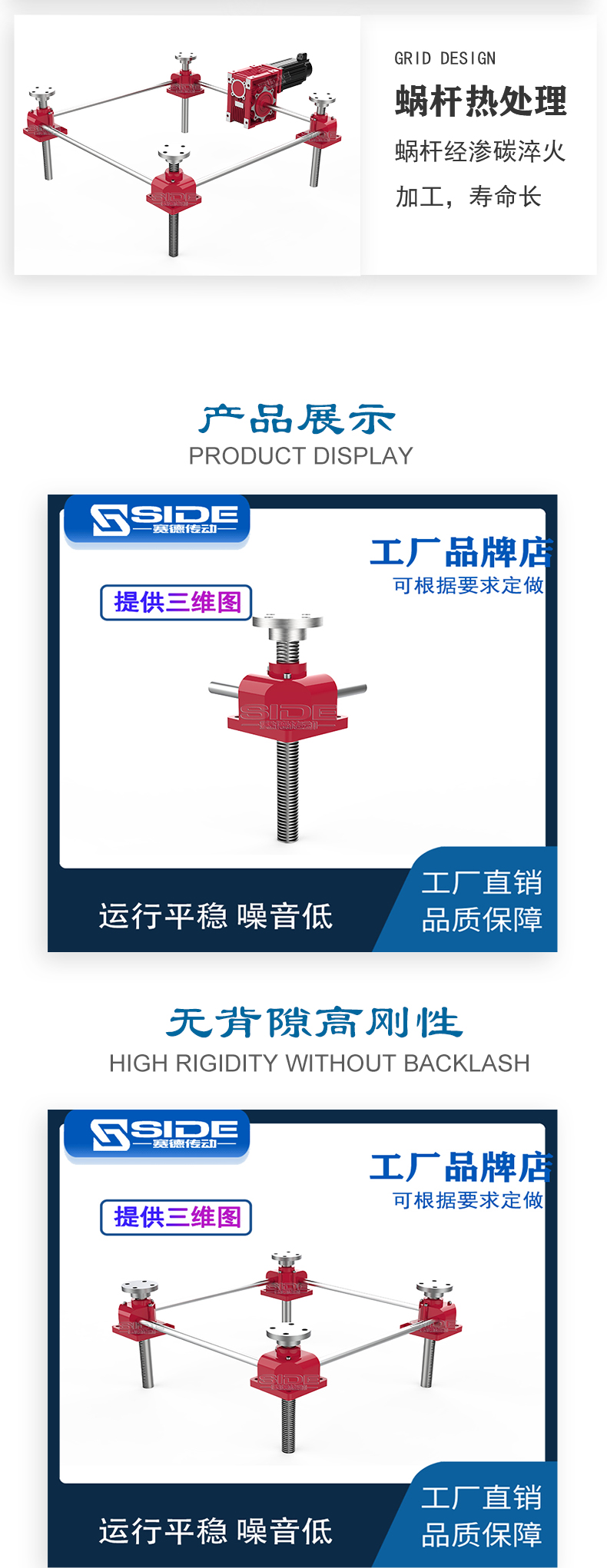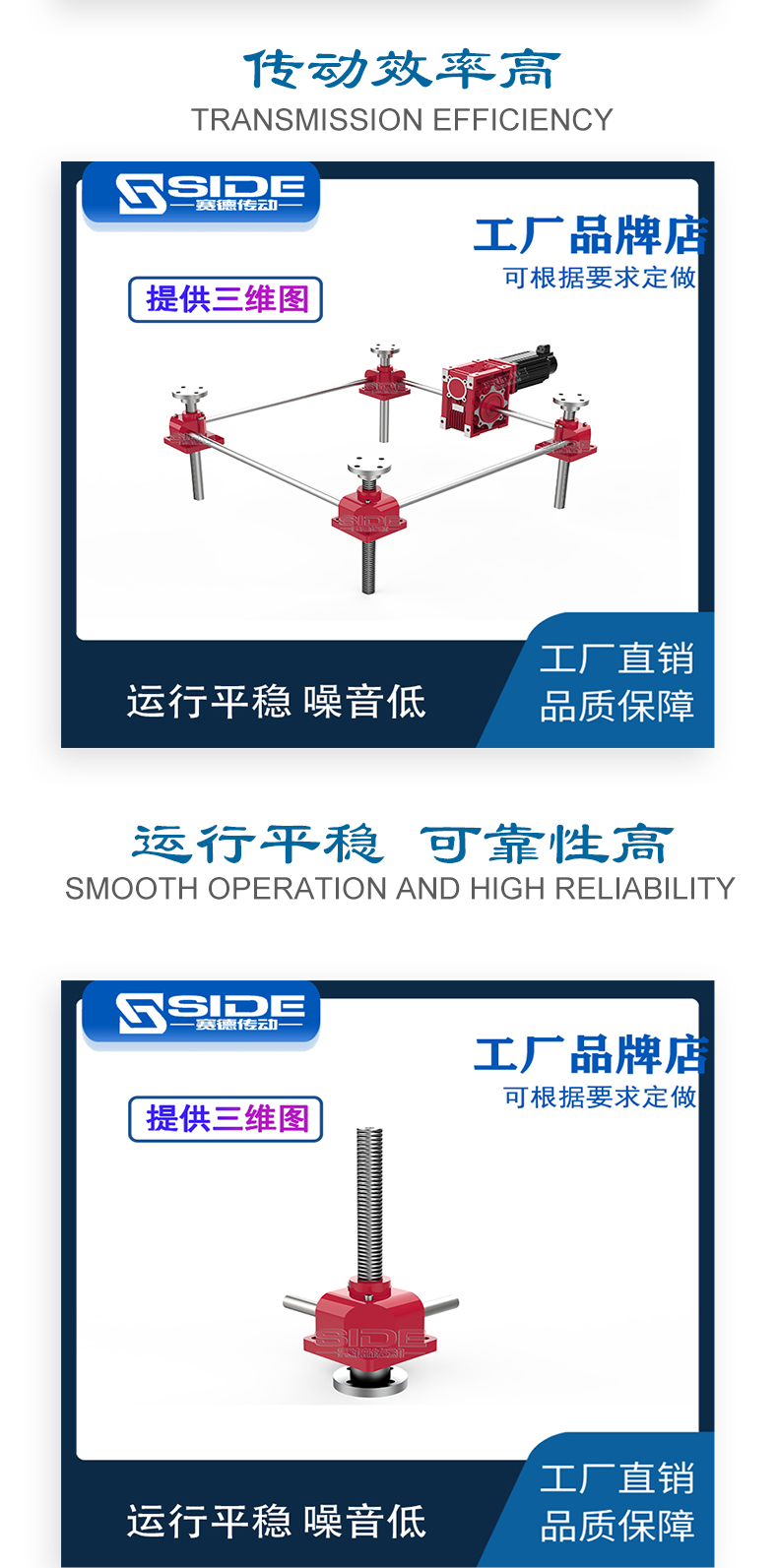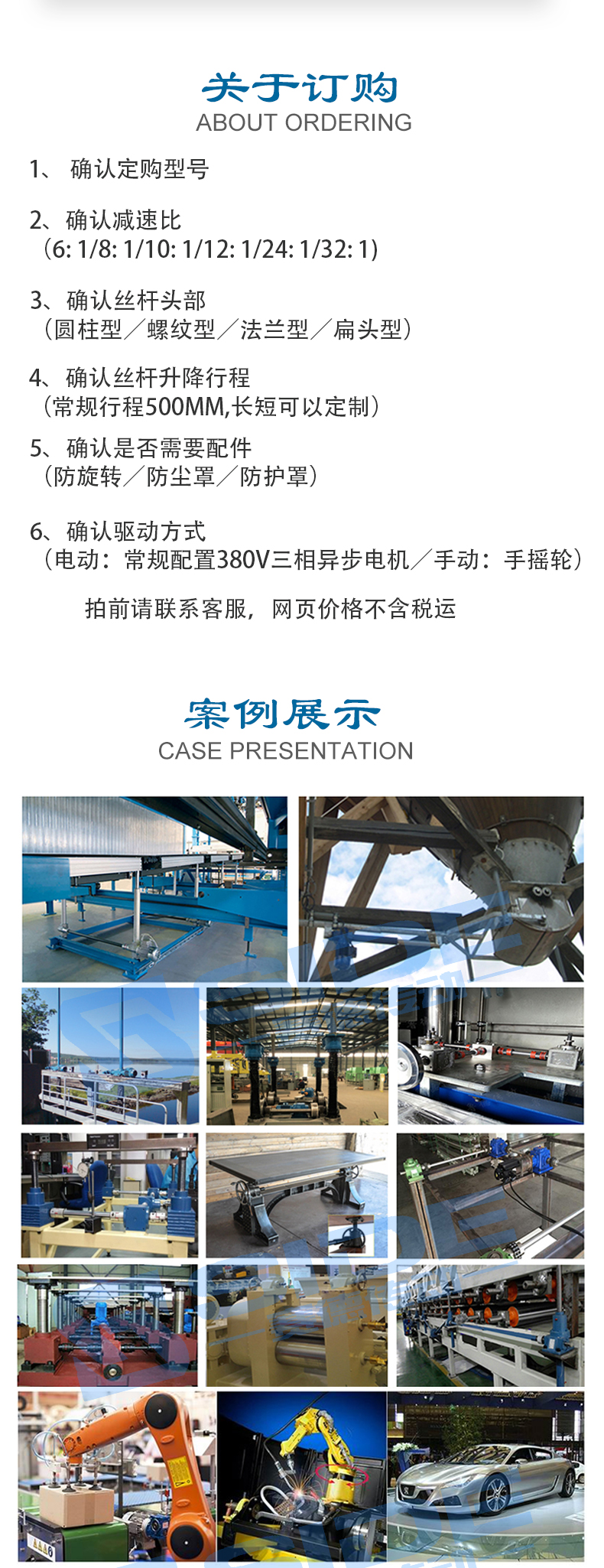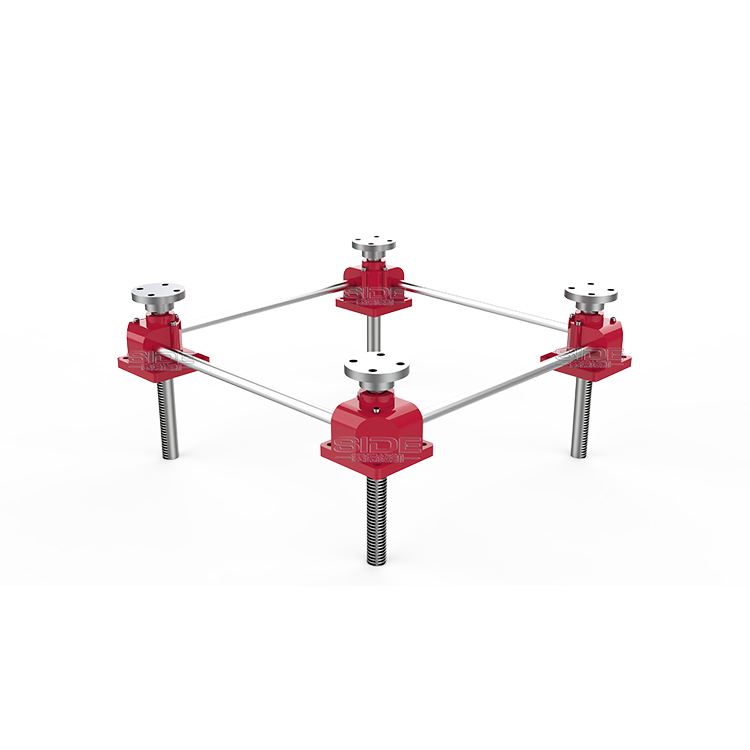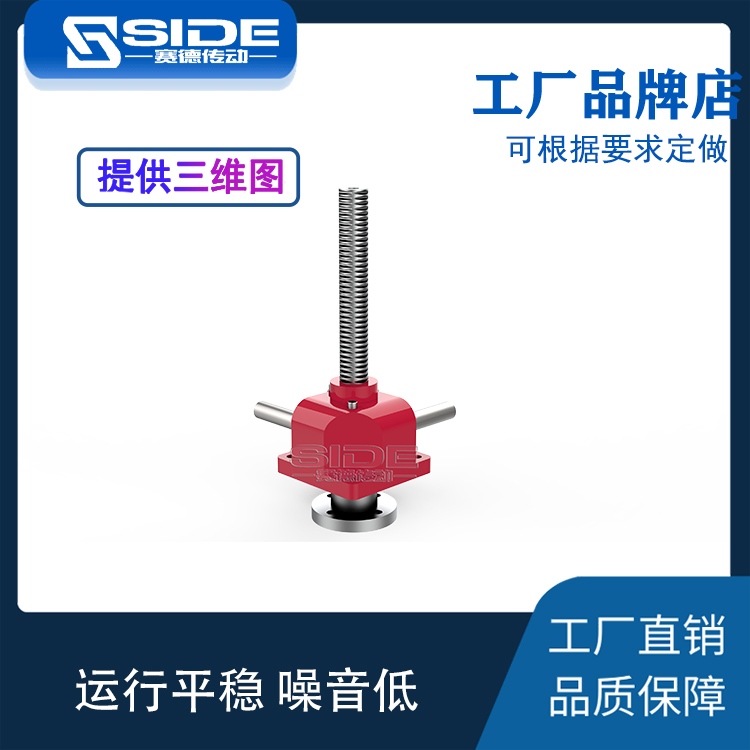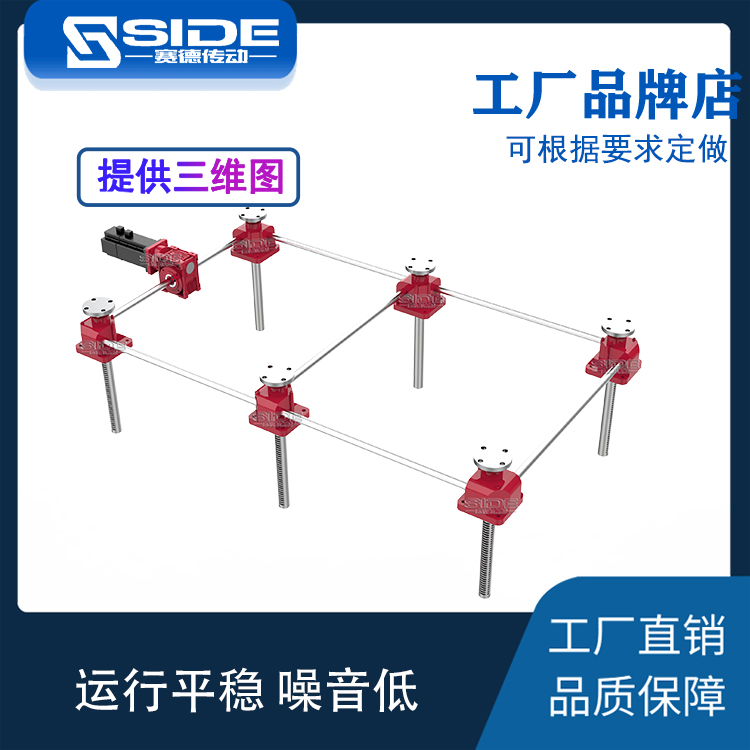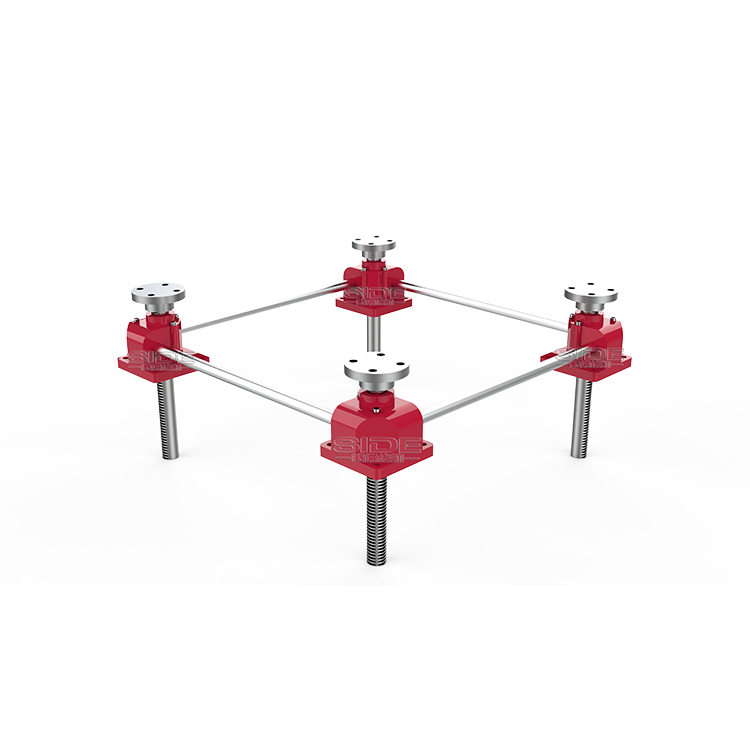


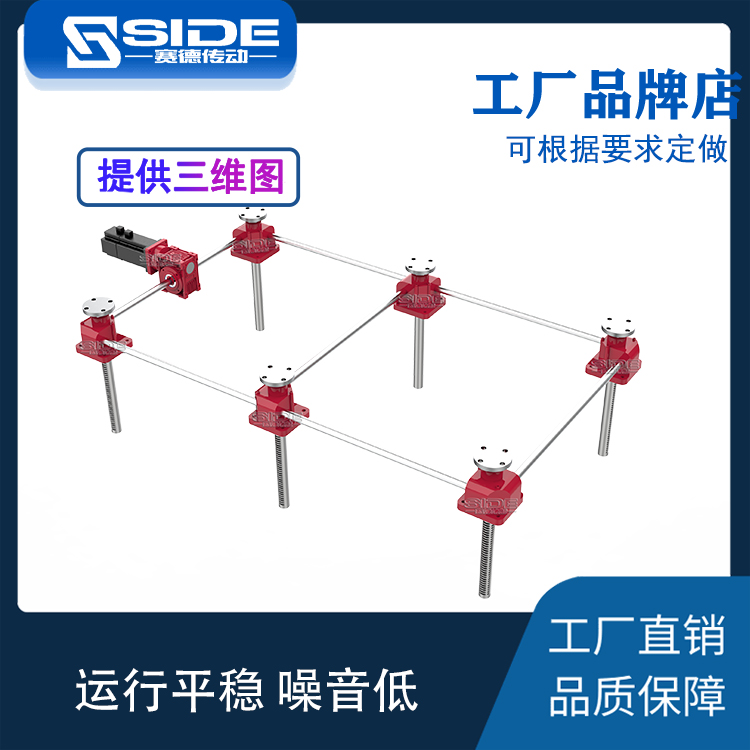







The structure and performance of a rack synchronous elevator. A synchronous elevator is a structure consisting of a gearbox composed of gears and racks, combined with a connecting shaft. It is used for/The unit that maintains synchronization between the upper and lower surfaces during operation. Several gears inside the gearbox mesh with each other, so there is almost no noise generated. When moving up/down, it can also move normally under a bias of less than 50%. Its guide rail is composed of units, and the standardization of components makes component replacement quick and easy to maintain. The characteristics of the rack synchronous elevator are high quality and simple design. The components are small and durable, and only need to be regularly injected with lubricating oil. It can be assembled according to the designer's requirements to reduce design time. The operation is light and fast, with low noise. When moving up/down, the operation is light and the sound is small. The structure of gears and racks ensures good meshing and can maintain synchronization even in harsh environments. Widely applicable to general industrial machinery and equipment such as production line assembly engineering or logistics lines (automatic warehouses). The synchronous elevator with excellent quality and unique structure can be used in clean rooms, and can be used in environments that require dust-free operation.