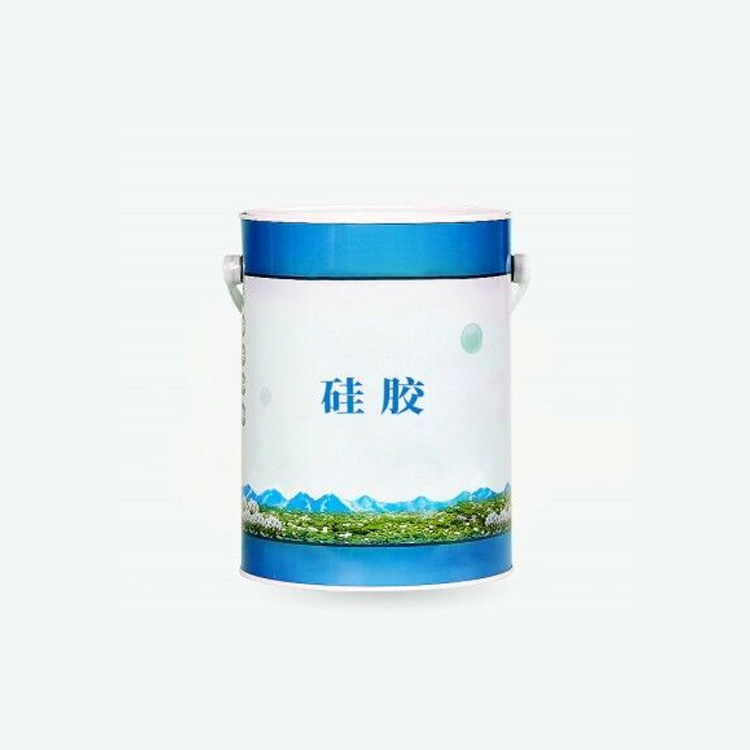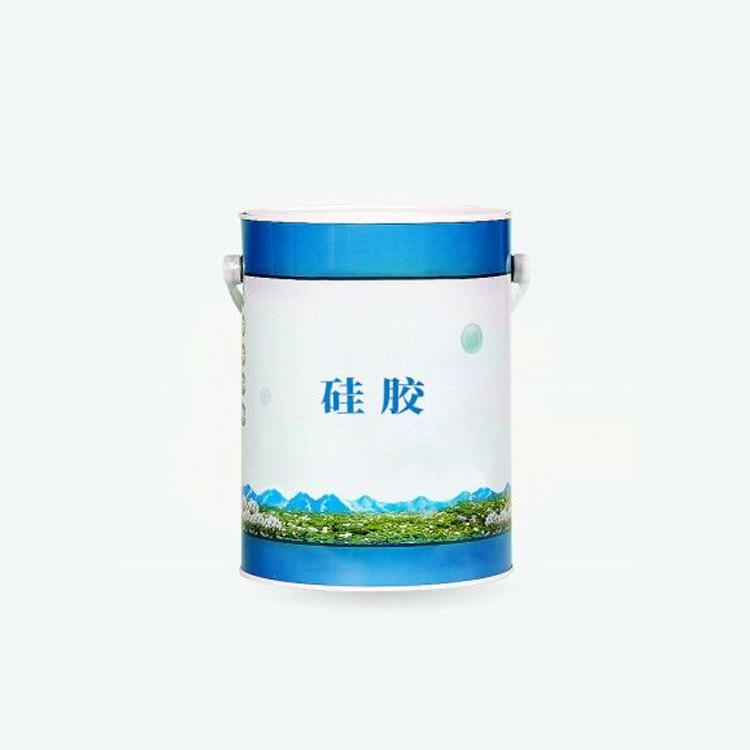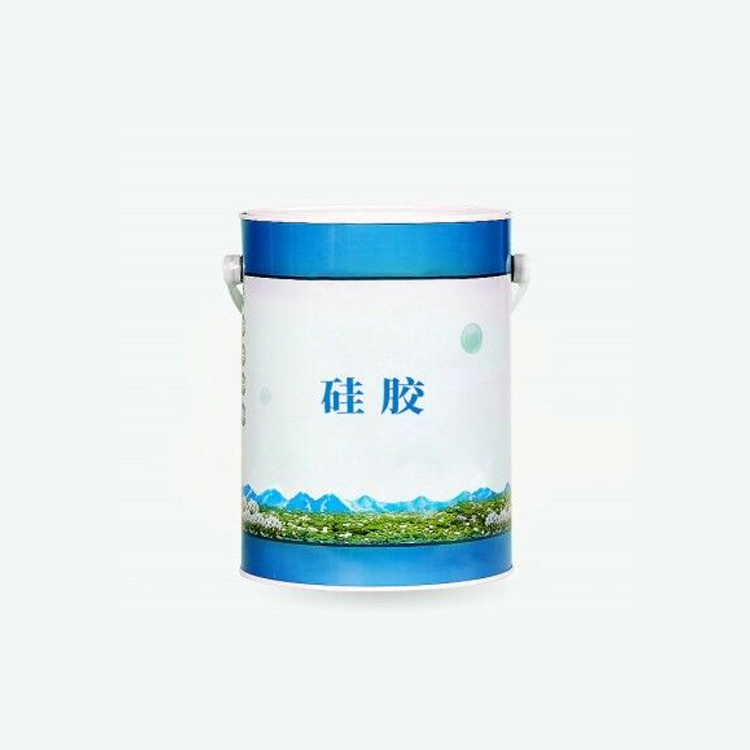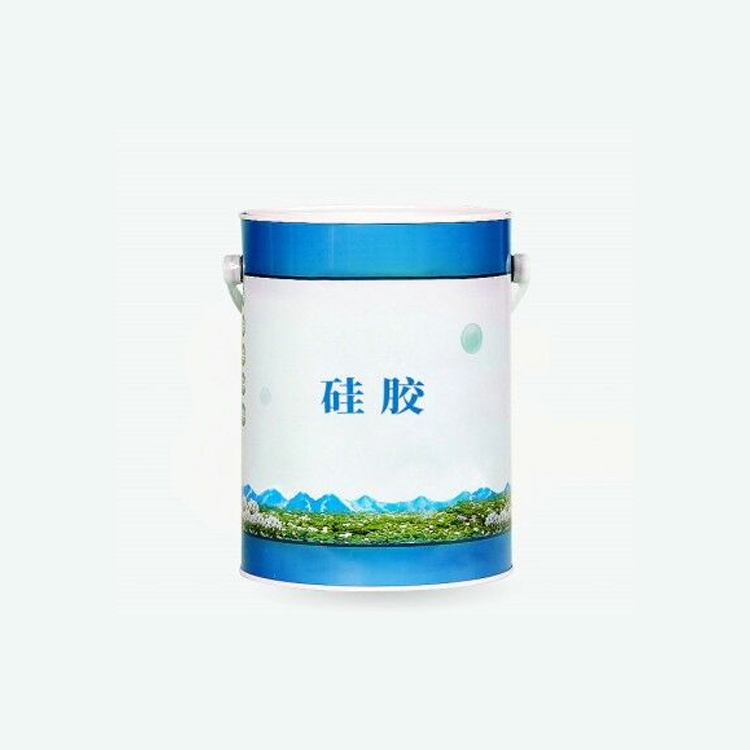








(1) Special adhesive properties and characteristics
1) Can be coated on various lining materials such as steel plates and concrete
2) Has high acid resistance and aging resistance
3) High temperature resistance
It can continuously withstand high temperatures below 250 degrees Celsius and can also withstand temperatures of 300 degrees Celsius for a short period of time. It can operate for a long time under alternating high and low temperatures, expanding and contracting with temperature changes to maintain good elasticity. Adapt to wet dry alternation and changes in high and low temperatures.
4) High bonding strength
Under standard conditions, the bond strength is greater than 1.2 MPa, and under acid immersion and water immersion conditions, the bond strength is greater than 1.1 MPa.
5) Quantity saving
The thickness of the coating and the width of the gaps should be controlled within 3.0mm.
6) Good elasticity
When the flue gas is bypassed over the desulfurization tower, it will not be damaged during the intense reheating process or temperature changes caused by air preheating failure.
The performance indicators of chimney anti-corrosion adhesive are shown in the following table:
Average testing value of the project
Operating temperature 250 ℃
Acid resistant samples (coating and film) have no corrosion, no cracks, and no peeling phenomenon
Heating at 250 ℃
Constant temperature for 4 hours and bonding strength with steel plate (MPa) 1.0
Bond strength with foam vitrified brick (MPa) 0.8
The appearance change sample (film) has no abnormal phenomena such as expansion or cracking; There is no significant change in elasticity and flexibility.
Bond strength with steel plate (MPa) 1.1
Heating at 200 ℃ and constant temperature for 24h, bond strength with foam vitrified brick (MPa) 0.8
(2) Construction requirements
1. Construction sequence
Steel bracket installation - sand blasting and rust removal of the inner wall of the cylinder - primer coating construction (100mm reserved at the welding parts of both ends of the steel cylinder) - coating construction of the repair welding part - installation of lifting equipment - pasting and installation of foam vitrified brick.
2. Main technical requirements and methods for construction
1) Firstly, install the steel support bracket before lifting and welding the end of the cylinder. The steel support bracket is made of 30 × 3 A3 flat steel, which is welded to the steel plate of the cylinder in sections according to the arc inside the cylinder. The spacing between the steel supports is 4 meters.
2) After the installation of the steel support bracket, the inner wall of the cylinder shall be sandblasted with quartz sand to remove rust. After rust removal, the steel plate of the cylinder shall be free of rust.
3) During the construction of the bottom layer coating, a welding area of 100mm should be reserved at both ends of each steel cylinder. There should be no bubbles or missed brushing during the coating construction. The coating thickness should be uniform, and the surface should be smooth after brushing.
4) After the lifting and welding of the cylinder, the reserved coating for the welding part should be repaired, and this repair should be coordinated with the installation company.
5) After the lifting and welding of the cylinder is completed, the lifting equipment will be installed. During the installation of lifting equipment, attention should be paid to the safety of construction personnel, and the relevant requirements of the National Safety Production Law should be strictly followed.
6) Installation of foam vitrified brick: first, apply the anti-corrosion special glue evenly on the cylinder steel plate, and then apply the anti-corrosion special glue evenly on the surface of foam vitrified brick and the gap between blocks without leakage. The gap between foam vitrified tiles shall not be greater than 3mm, and the excess adhesive between the tiles shall be evenly mixed to the surface of foam vitrified tiles. When foam vitrified tiles meet steel brackets, the tiles shall be cut into gaps to form staggered joints with flat steel, and the flat steel shall be completely covered to ensure that smoke will not penetrate into the flat steel joints.