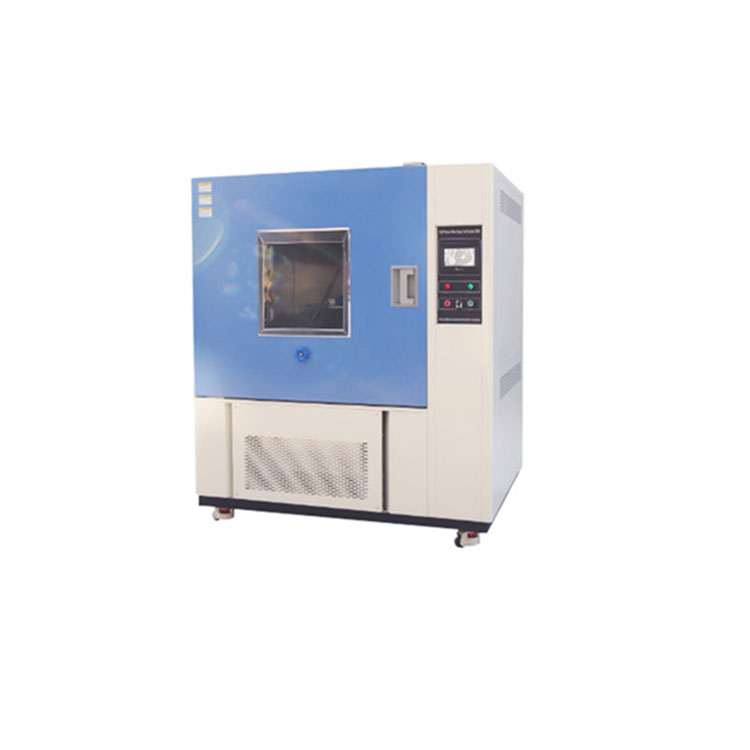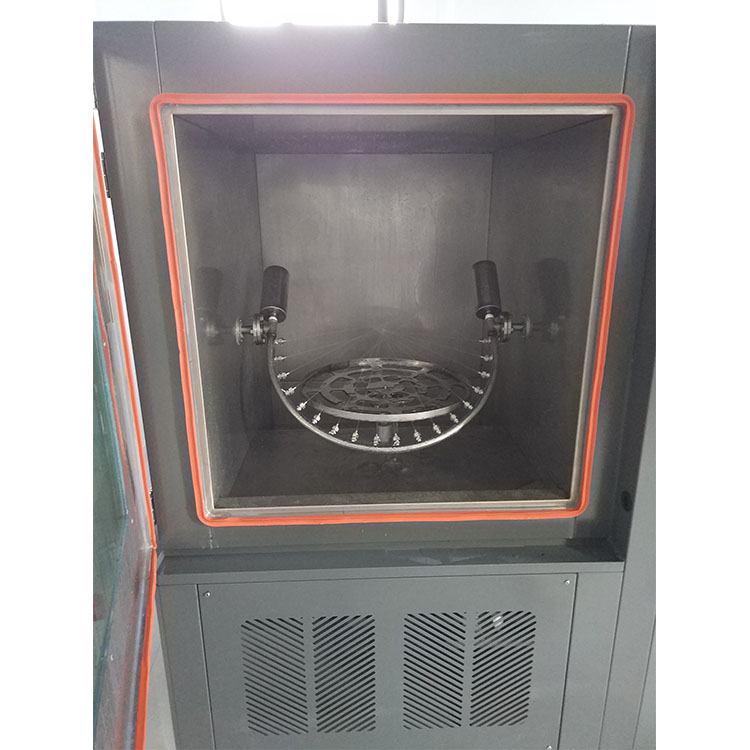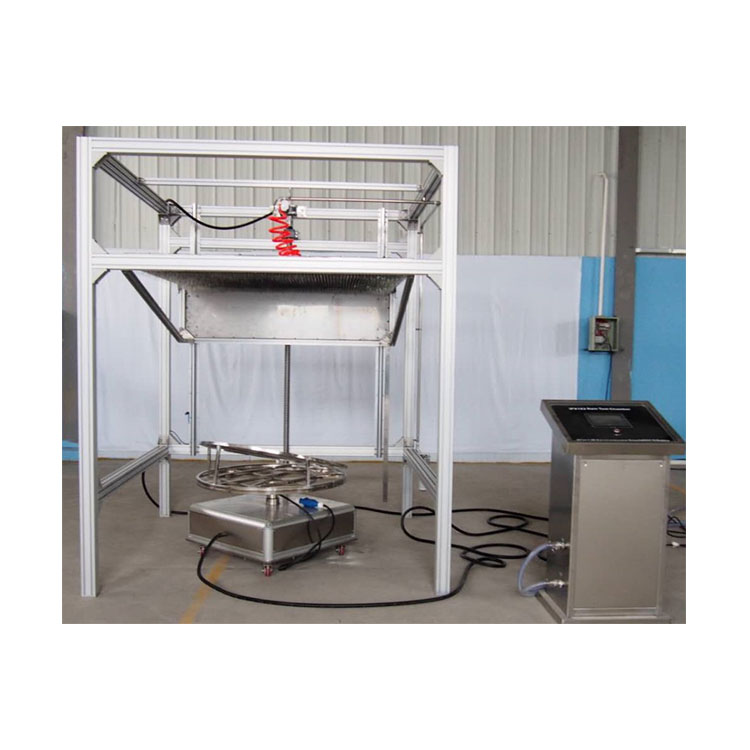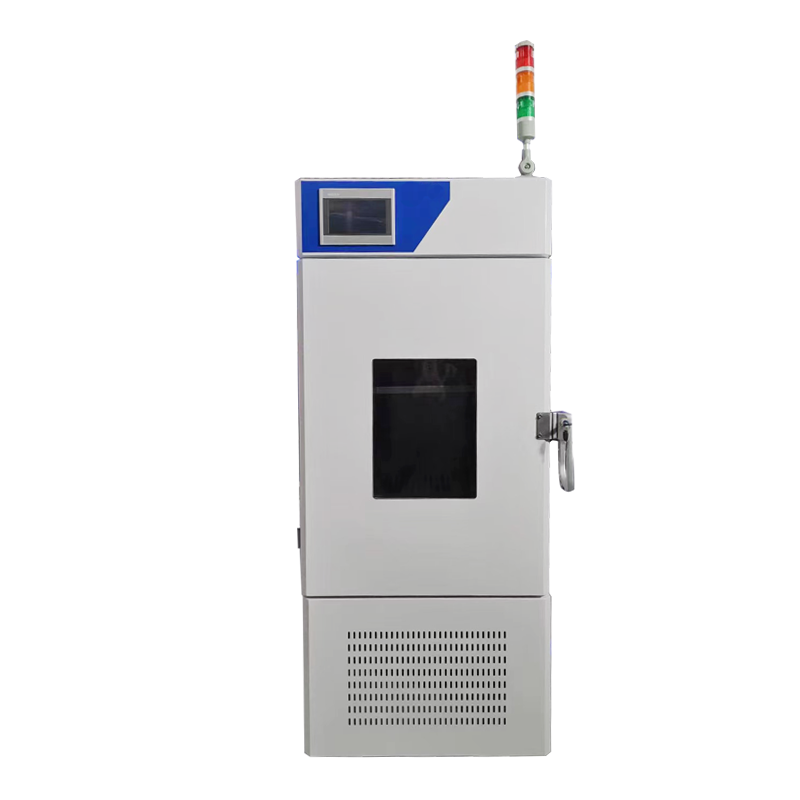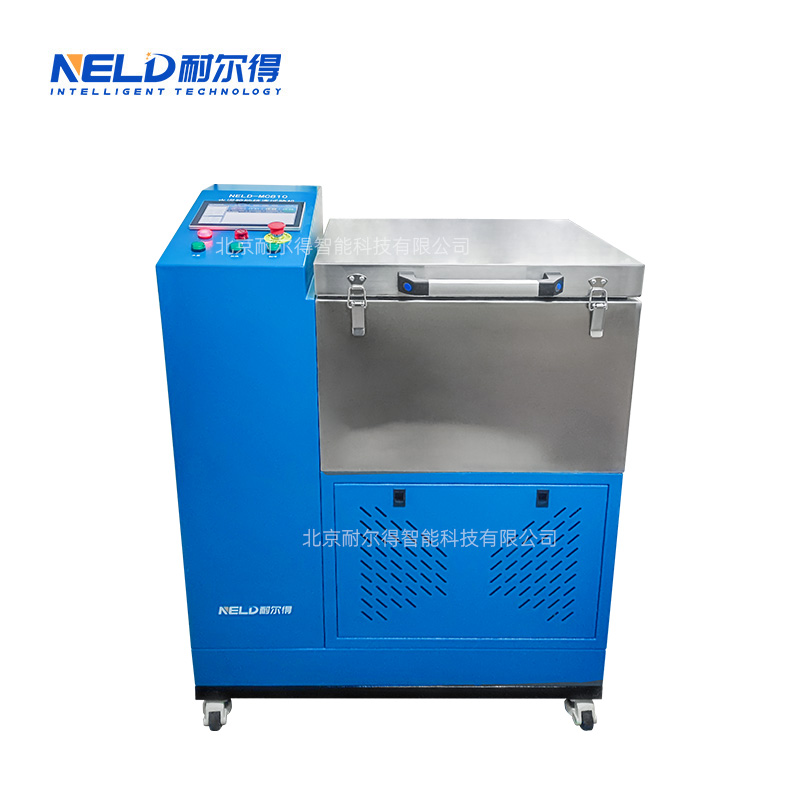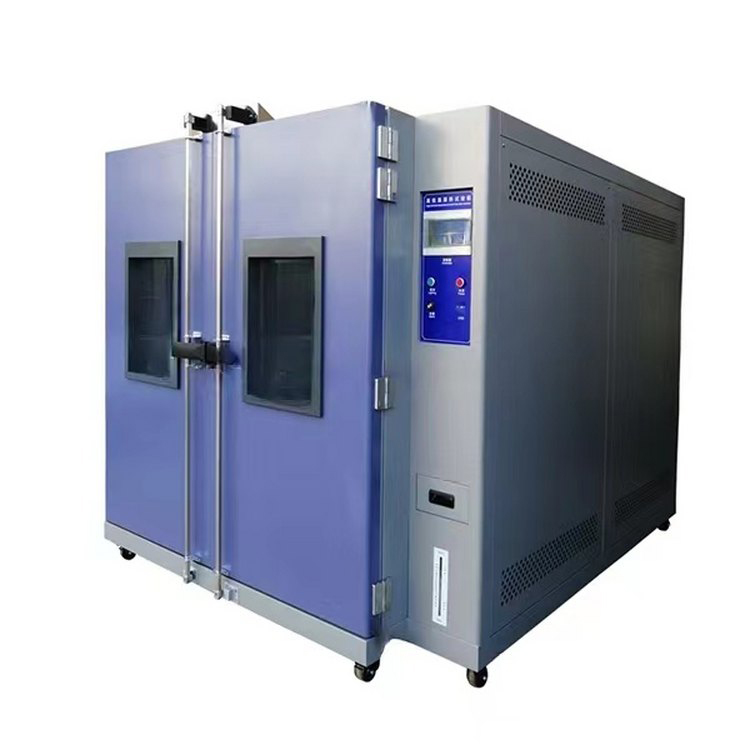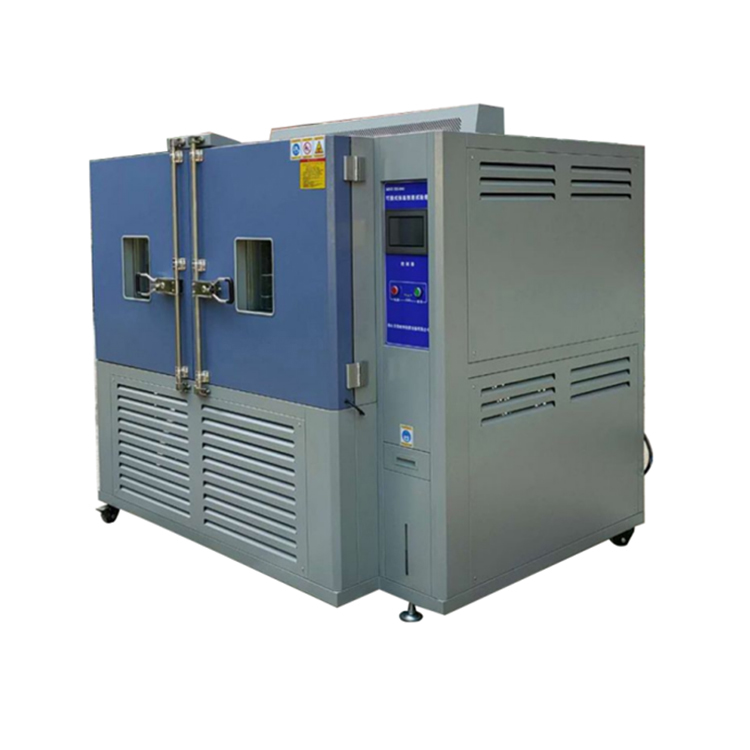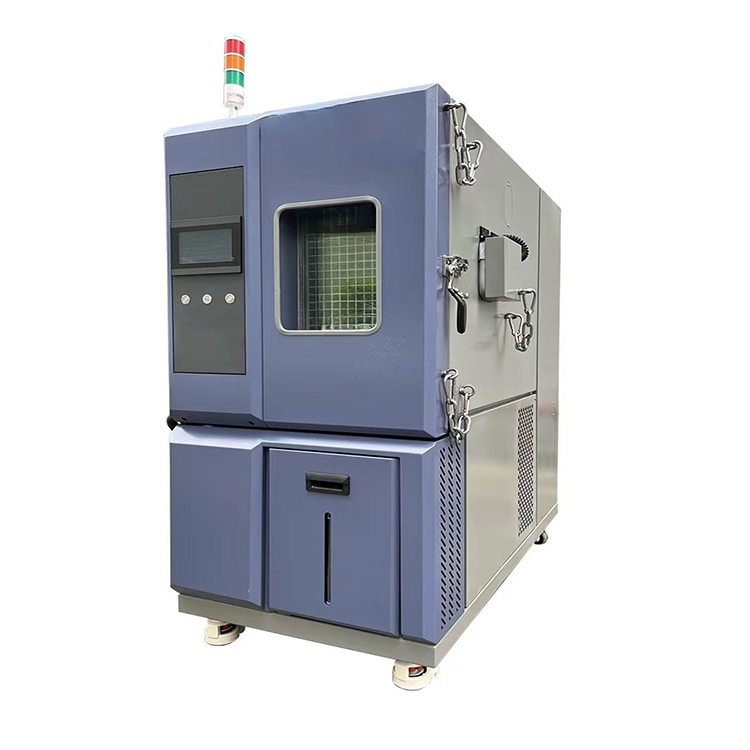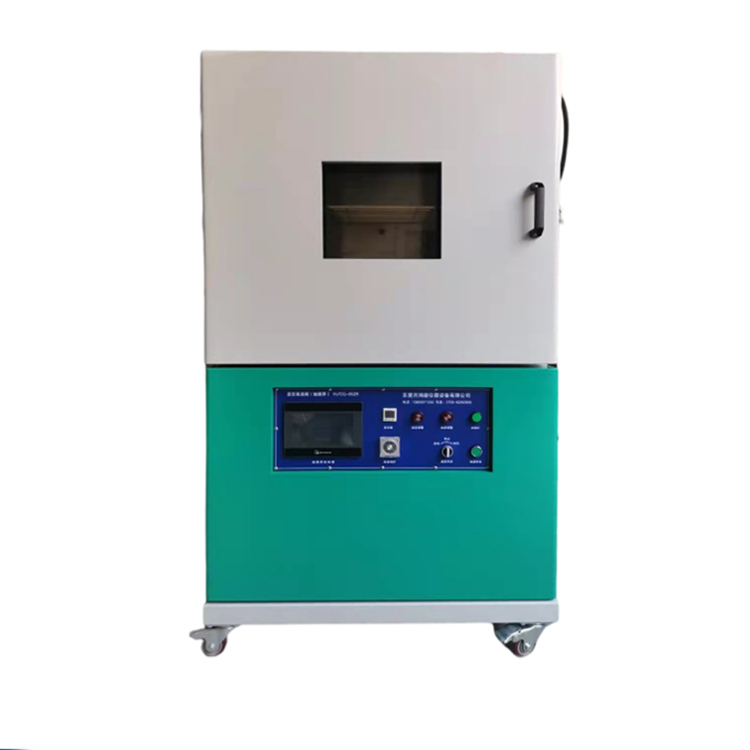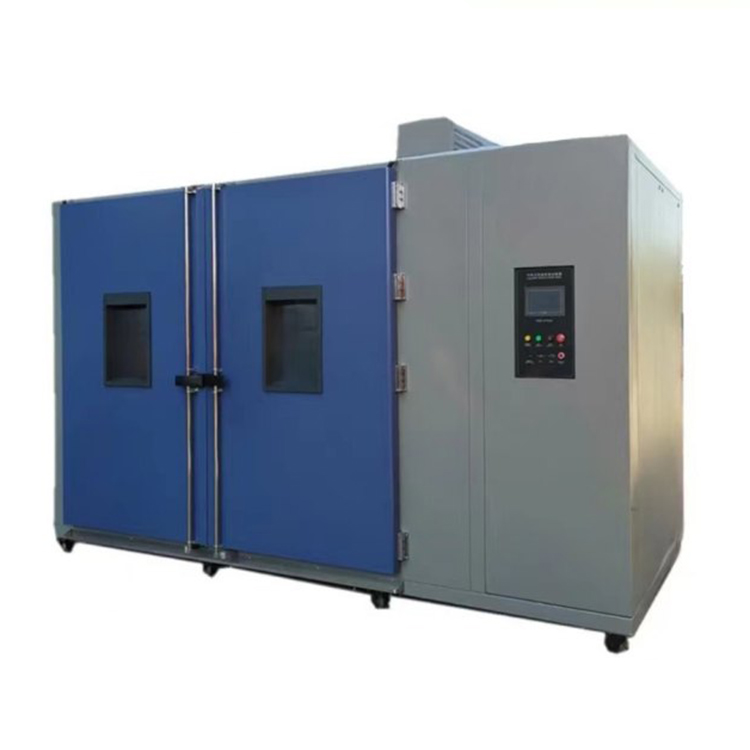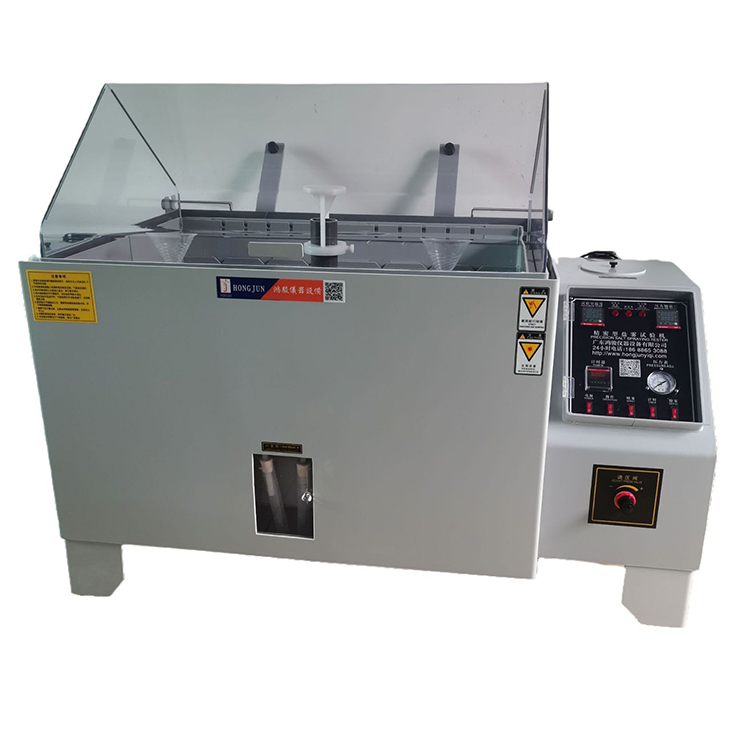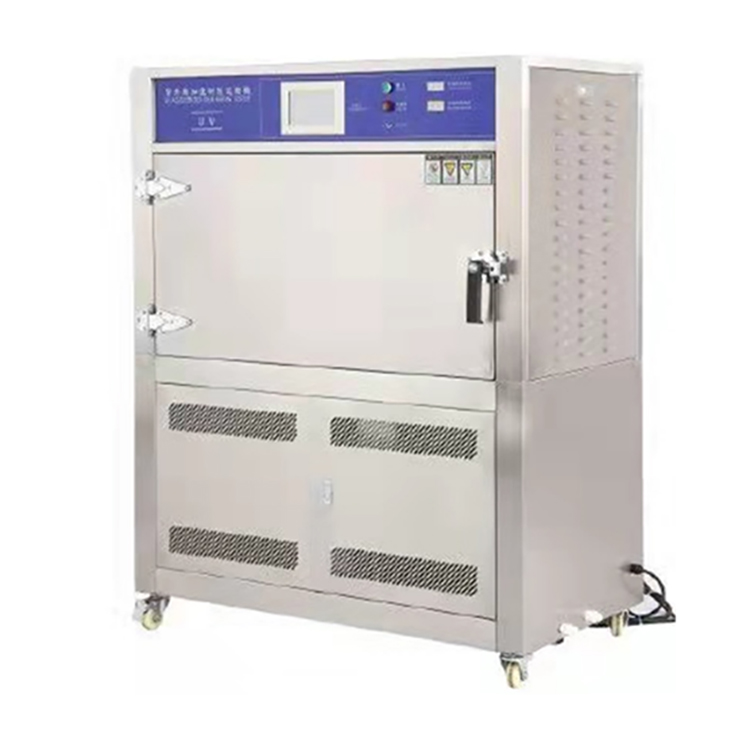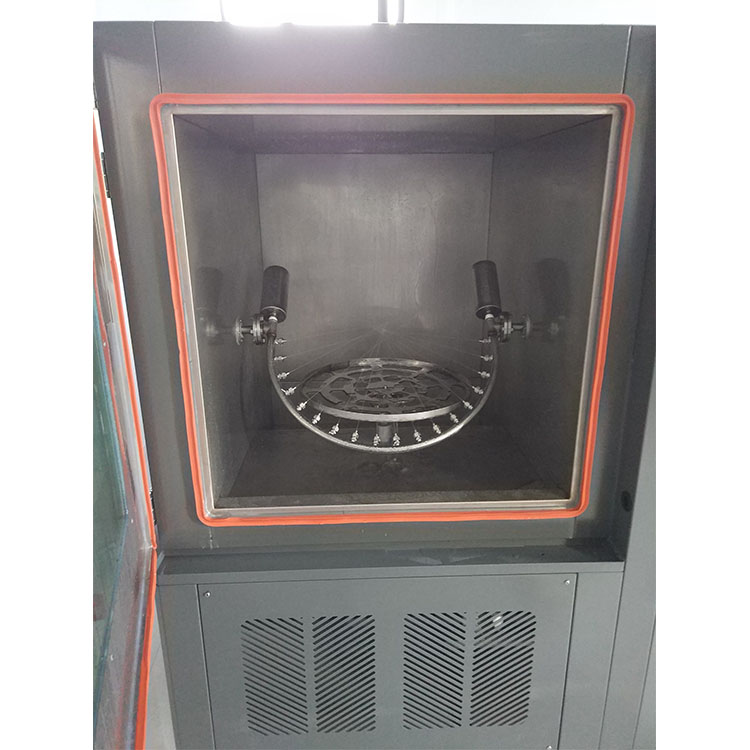
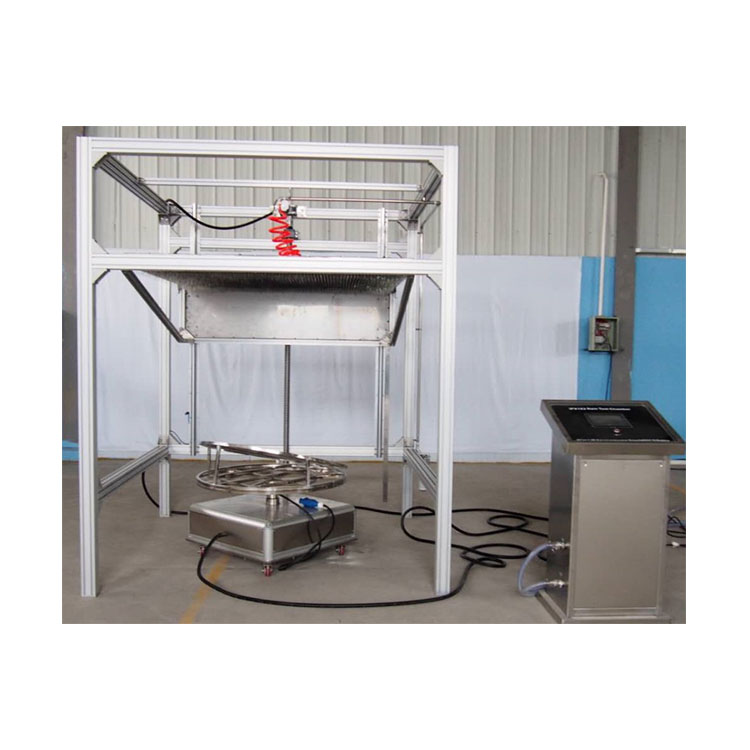


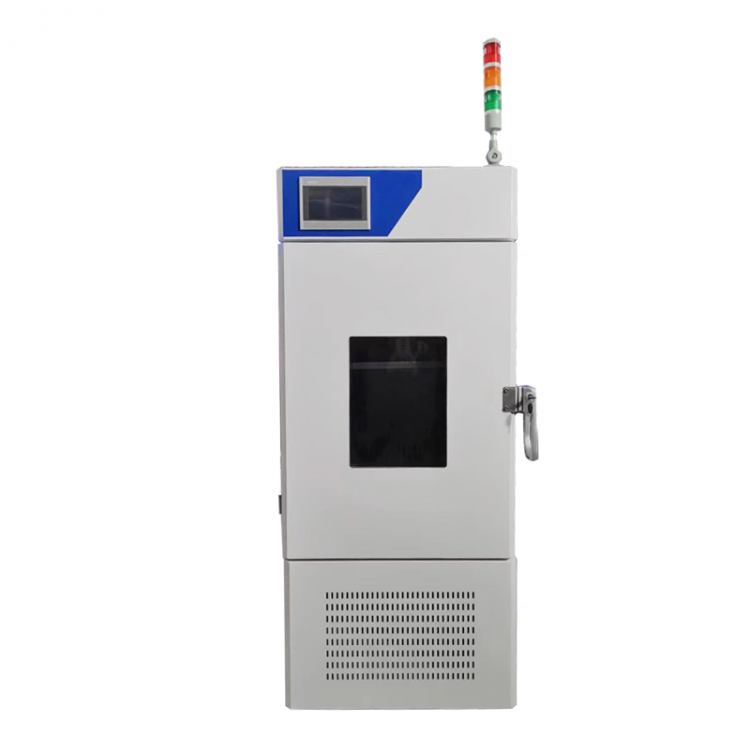
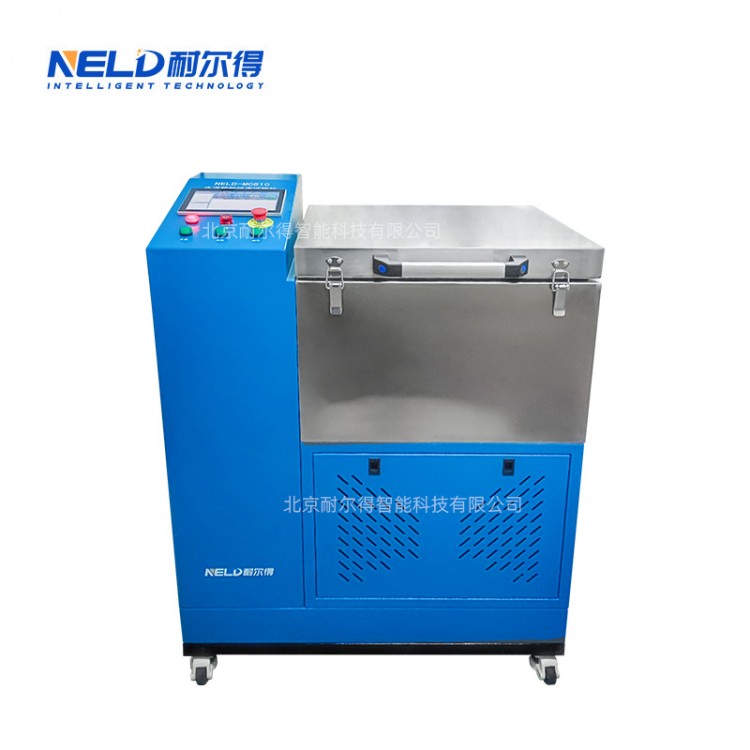
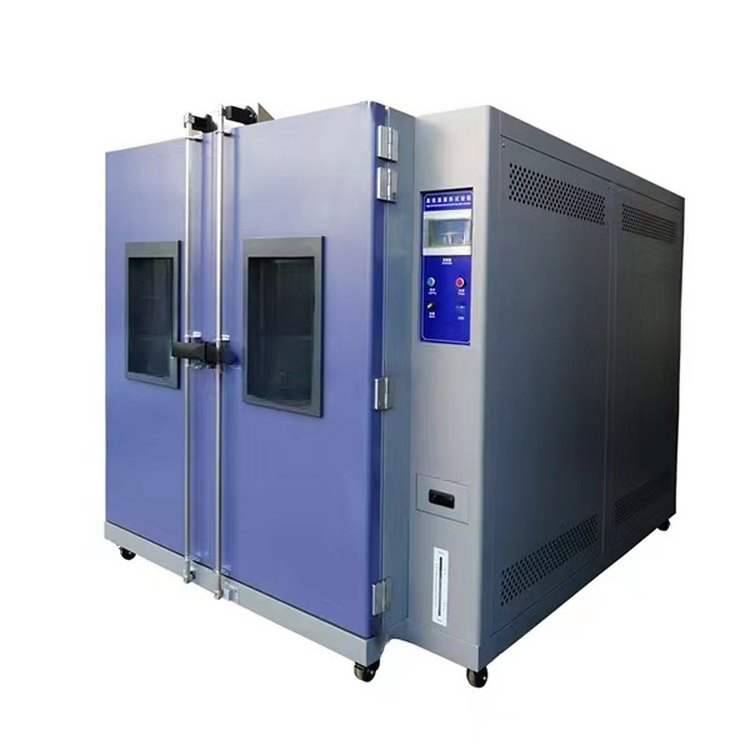
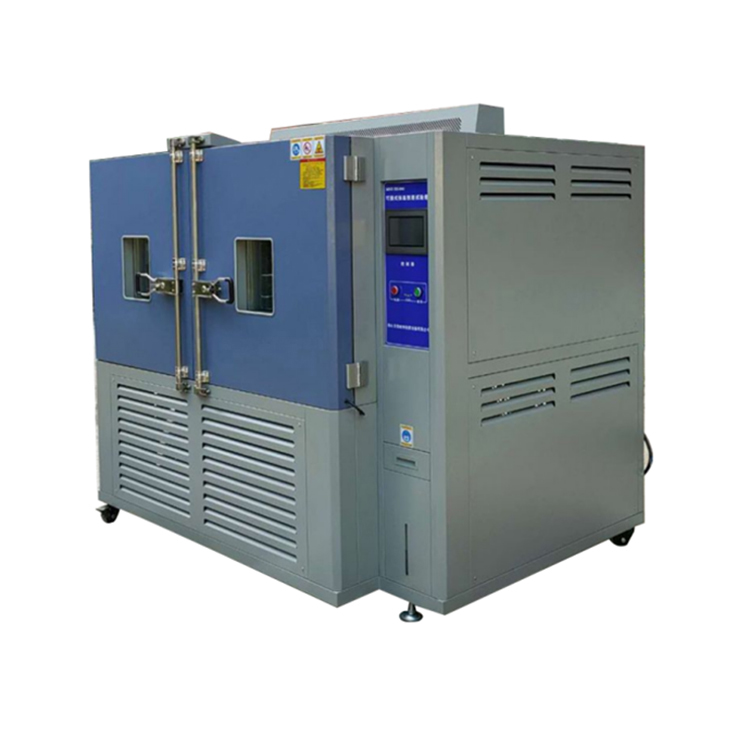
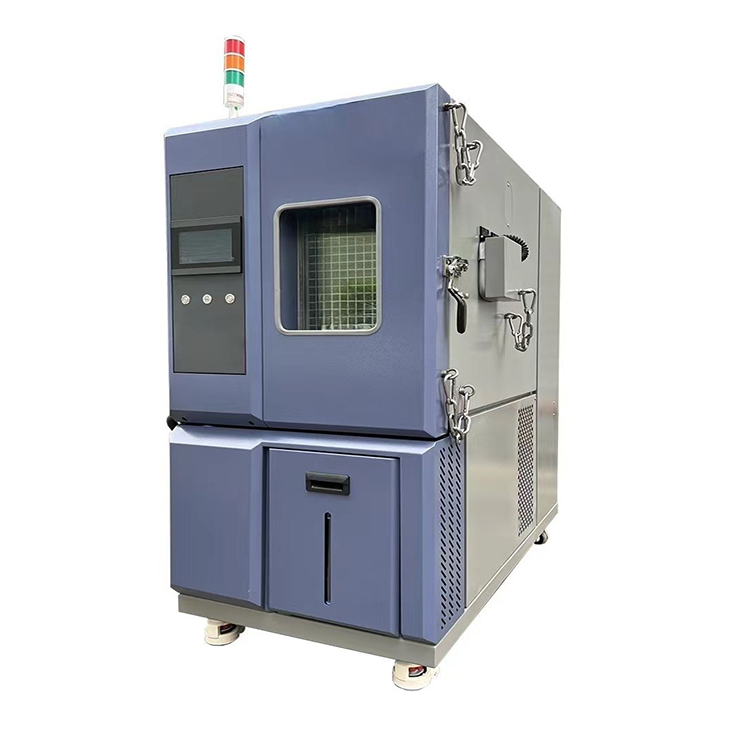





The drip rain test bench is mainly used to test the performance of products during storage, transportation, and use in rainy weather environments. It is mainly used to test the physical and other related properties of electrical and electronic products, lamps, cabinets, electrical components, automobiles, motorcycles, and their parts under simulated rainy weather conditions. After testing, the performance of the product can be determined through calibration to determine whether it can meet the requirements for product design, improvement, calibration, and factory inspection.
Structure and Control
Sink material: Imported SUS stainless steel light plate, according to 2020 rows are arranged to form a square array, with a laser drilling diameter of 0.4. To facilitate horizontal calibration, a water tank level gauge is used to observe the height of the water level in the tank. The height of the overflow water level in the water supply tank is adjusted to regulate the water level in the drip box and achieve the required amount of drip water. The bottom of the test chamber adopts a high-quality fixed flat plate;
Turntable: The workbench can be tilted from 0 to 25 degrees and has a standard angle of 15 degrees. The workbench has a T-shaped groove that can hold heavy specimens. The bottom is equipped with casters, which can be removed when not in use. The test chamber has height restrictions for higher and lower heights;
Control system:
1. Use an electromagnetic flowmeter to adjust the pressure level.
2. Adopting imported frequency converters to control the speed effectively ensures that the test runs according to the standard.
3. Use a ball screw to adjust the rise and fall of the drip tray.
4. Equipped with a water filter.
5. The system controls the entire system, including the up and down movement of the drip box and limit control; Water inlet operation and flow control; Turntable control; The system operation is simple, the control is accurate, and Schneider components are configured.