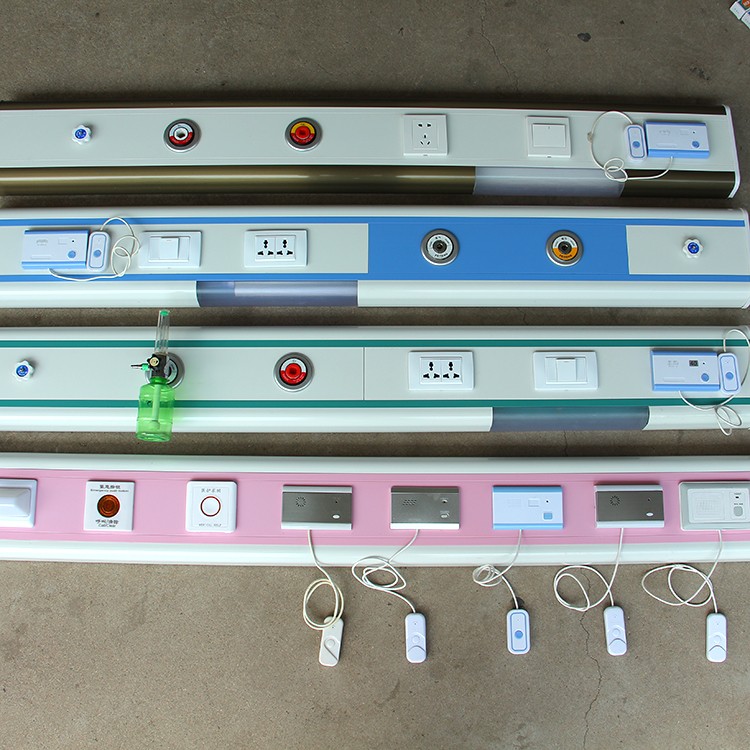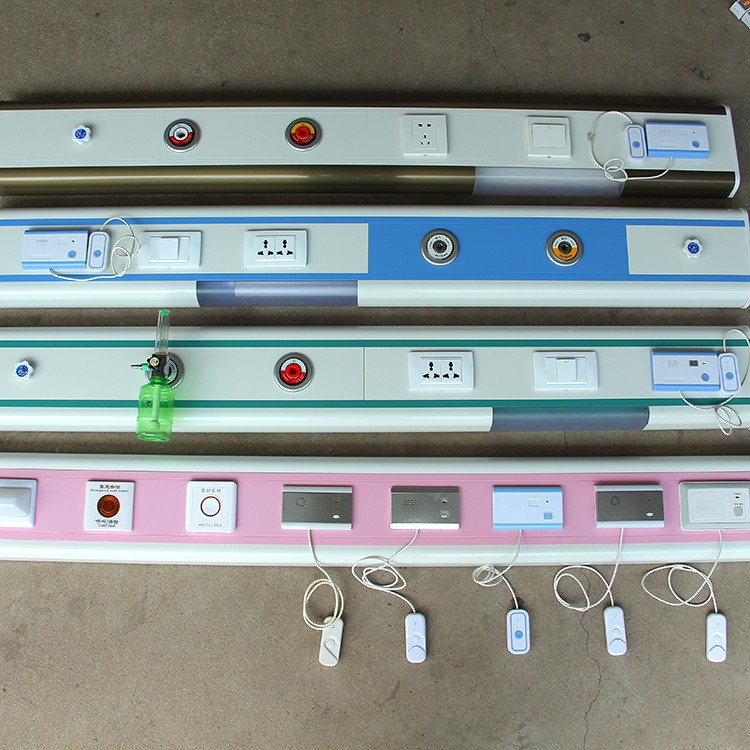

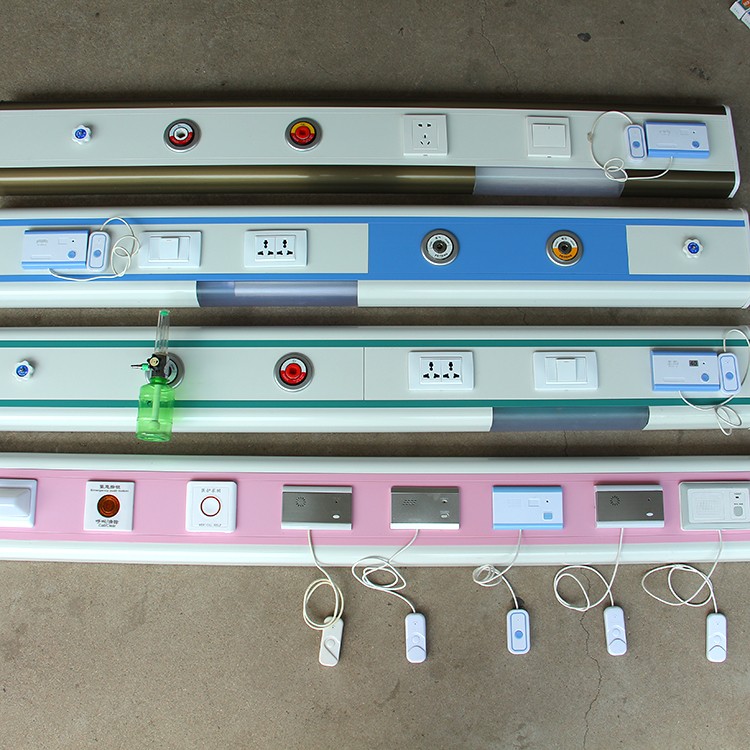













Medical gases refer to gases used in the medical field. Some are directly used for treatment; Some are used for anesthesia; Some are used to drive medical equipment and tools; Some are used for medical experiments and bacterial, embryo culture, etc. Commonly used are oxygen, nitrous oxide, carbon dioxide, argon, helium, nitrogen, and compressed air.
The properties and uses of medical gases:
The molecular formula of oxygen is O2. It is a strong oxidant and oxidizer. High concentration oxygen will undergo strong oxidation reactions when encountering oil, producing high temperatures and even burning, so it is listed as a Class B fire hazard substance in the "Code for Fire Protection Design of Buildings".
However, oxygen is also a fundamental substance for sustaining life and is used in medicine to supplement oxygen for patients with hypoxia. Directly inhaling high-purity oxygen is harmful to the human body, and the concentration of oxygen used for a long time generally does not exceed 30-40%. Ordinary patients receive oxygen through humidification bottles; Critical patients receive oxygen through a ventilator. Oxygen is also used in high-pressure chambers to treat diving diseases, gas poisoning, and for drug atomization.