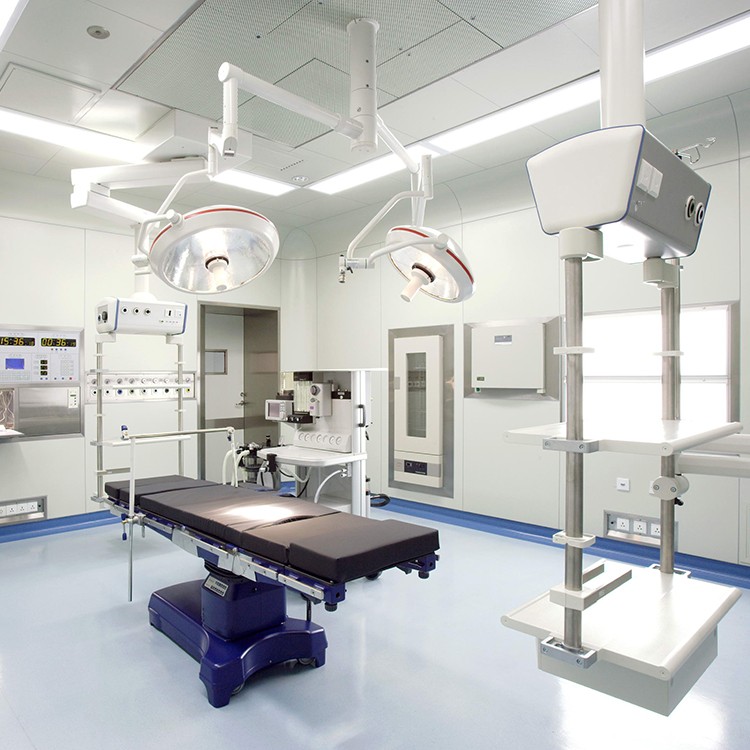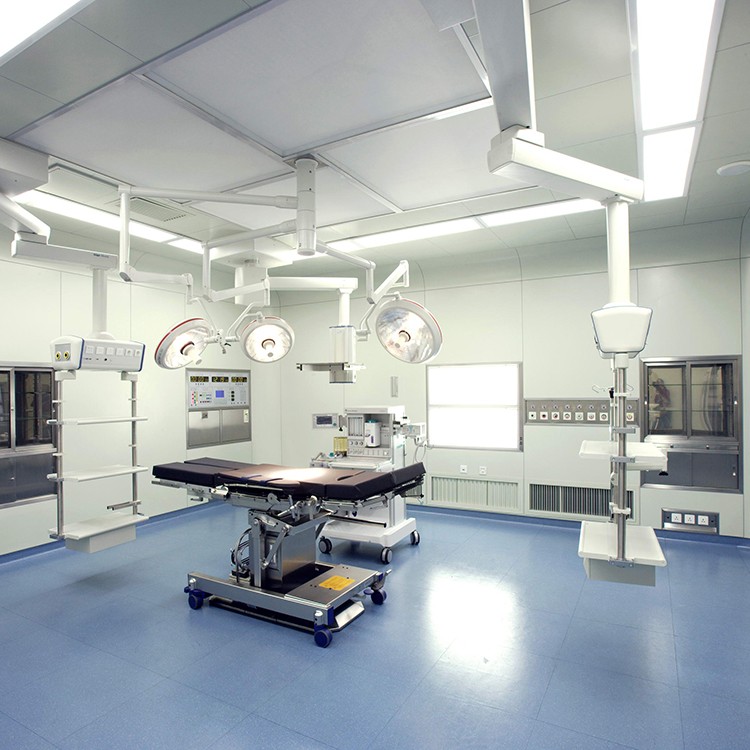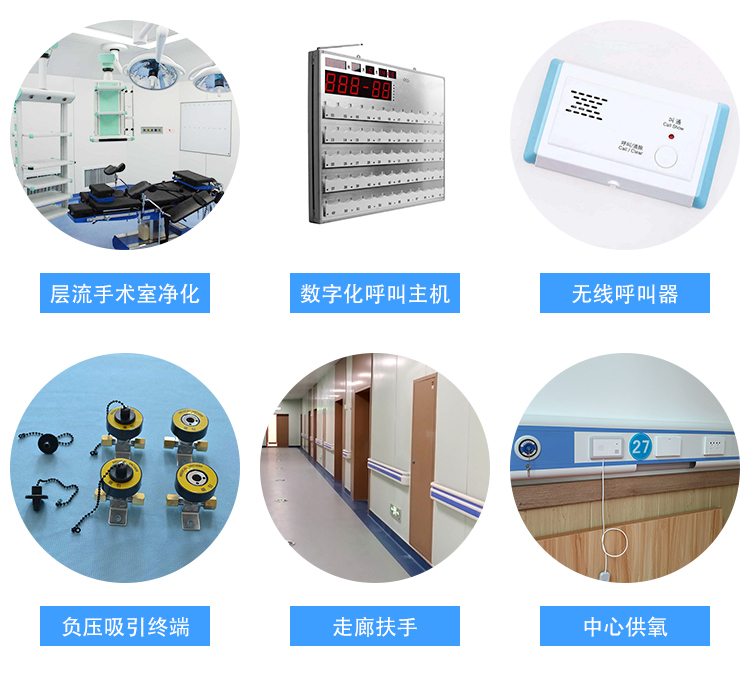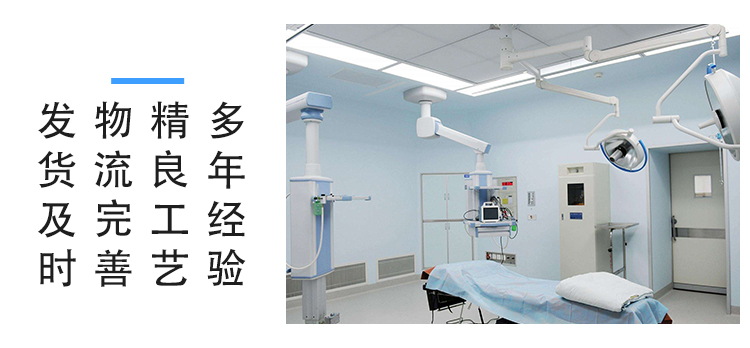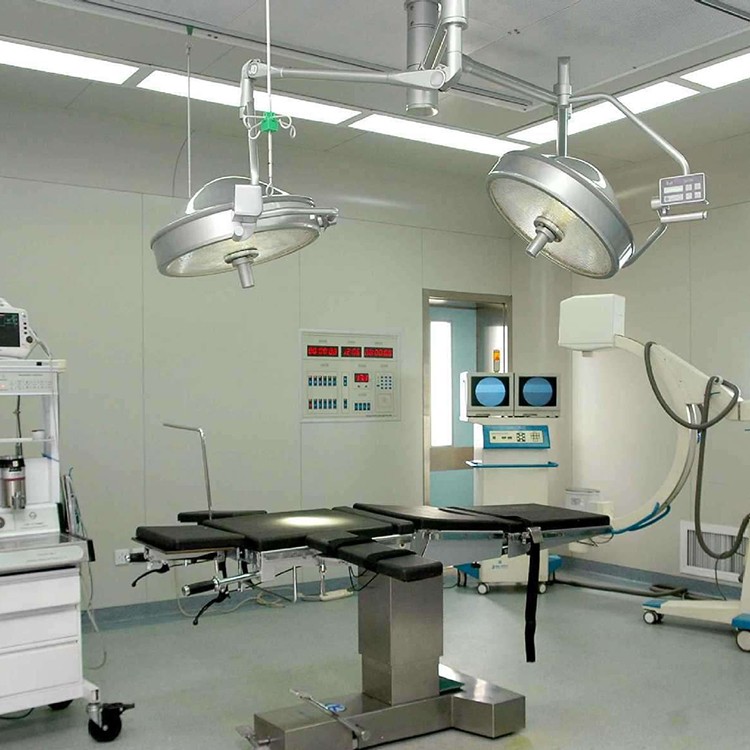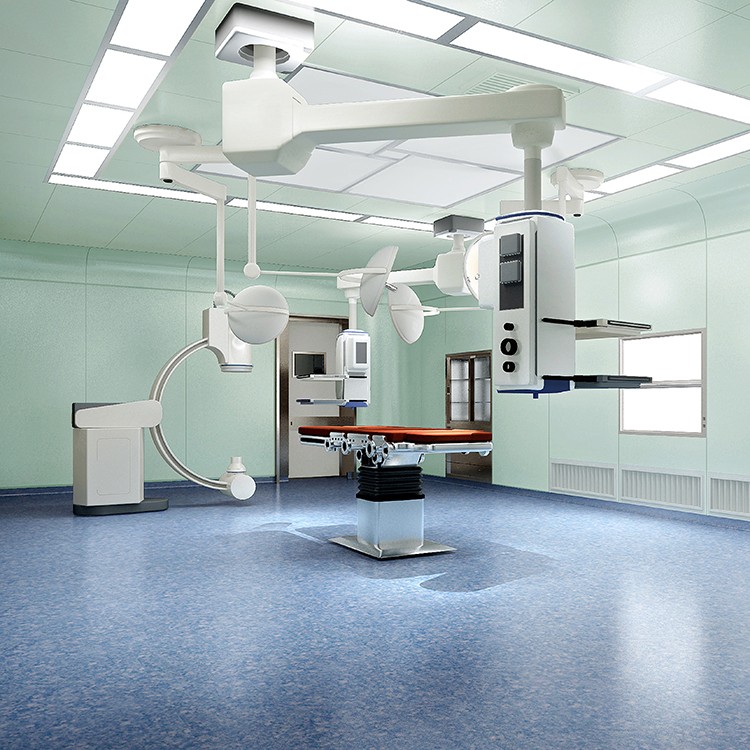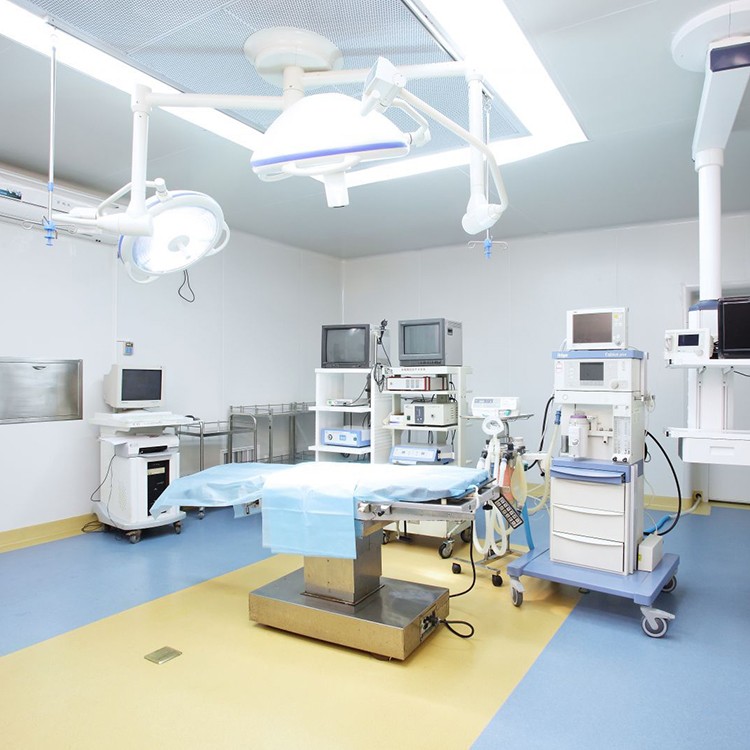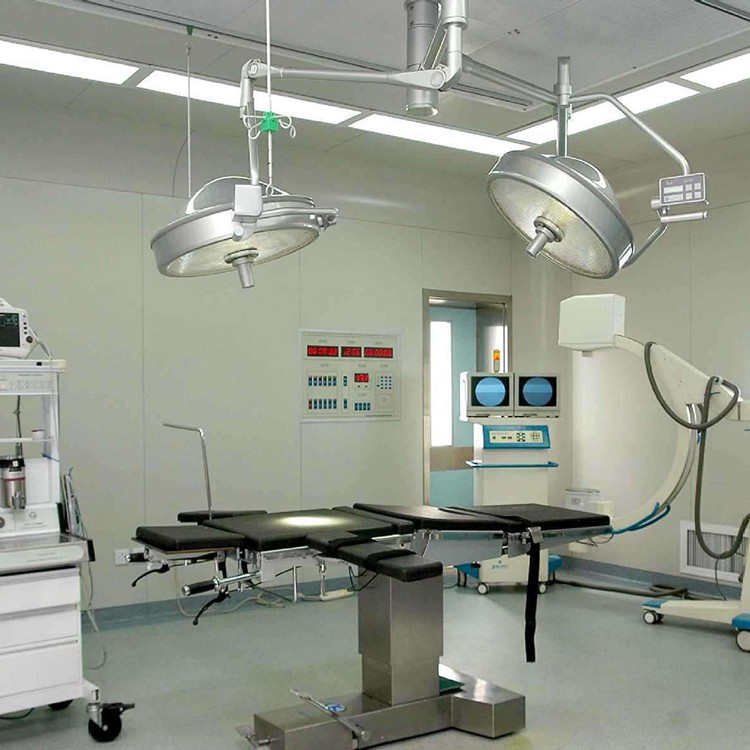

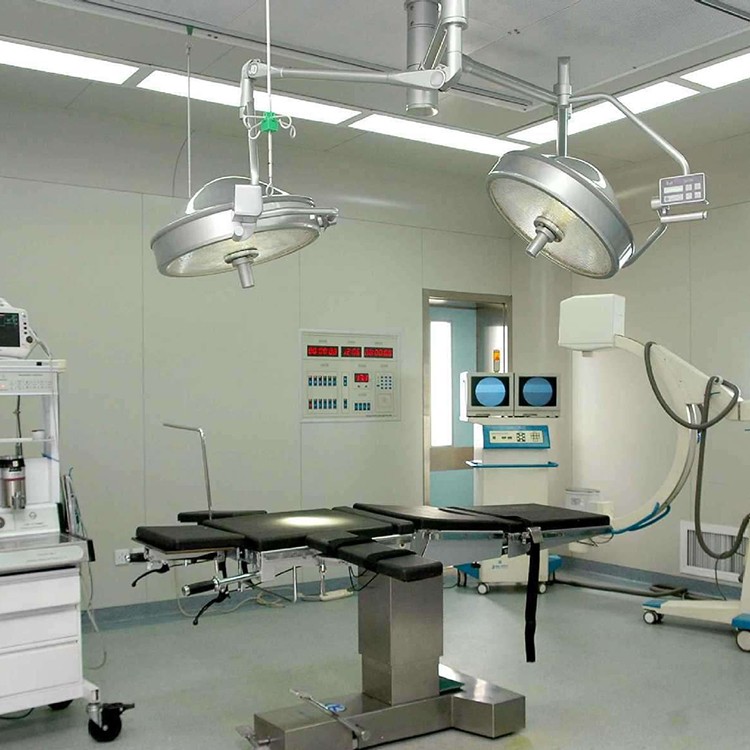
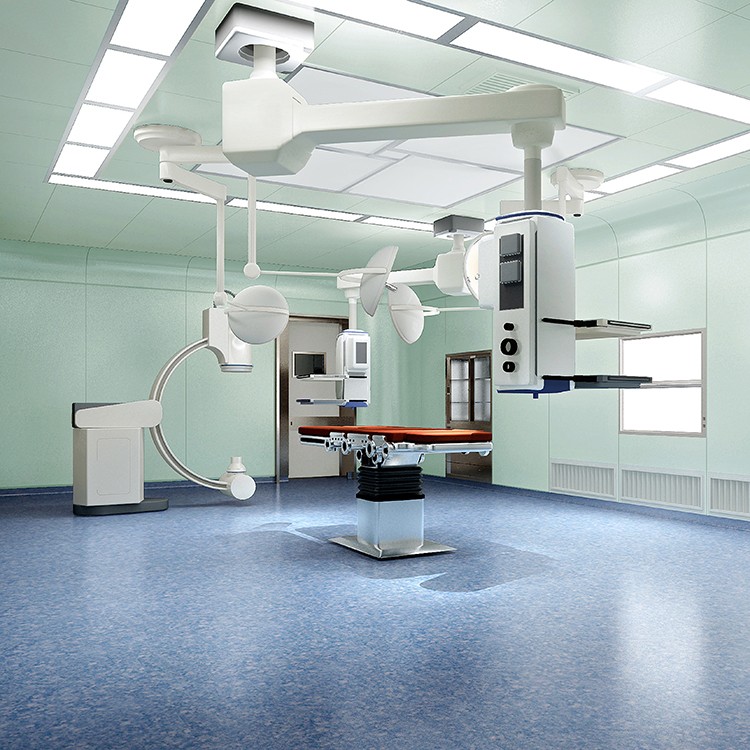
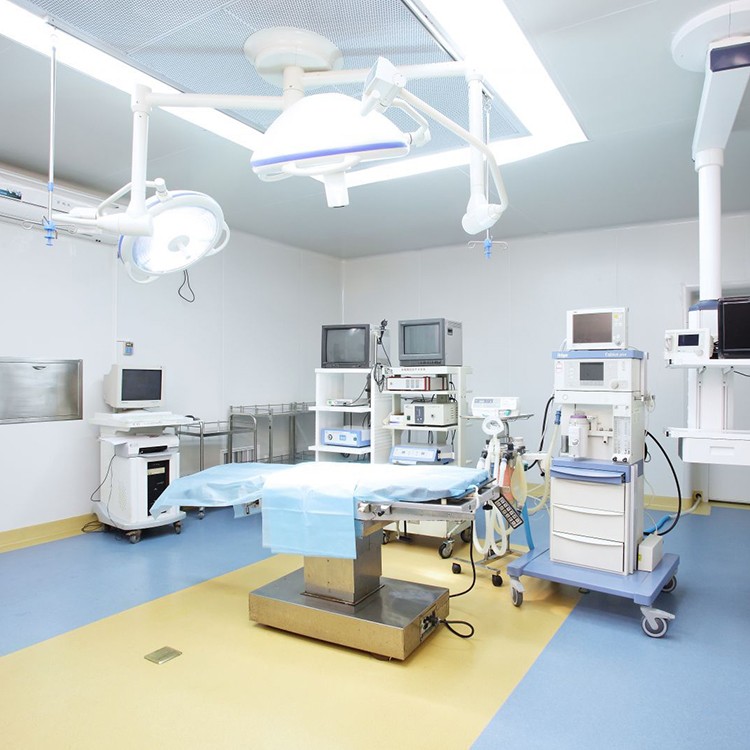







After the initial construction of the medical purification project, the next step is to carry out decoration design. The purification of the operating room has very strict requirements for indoor decoration, which reduces the generation or accumulation of dust and bacteria due to materials and structure on the premise of functional requirements. This is very important for pre pollution and reducing postoperative infection rates.
Laminar flow operating room purification floor decoration
Due to the much higher level of pollution on the ground compared to walls, a large amount of dust particles are generated due to the movement of medical staff and equipment on the floor. Therefore, ground decoration should be taken seriously by designers. The ground decoration should be flat, smooth, corrosion-resistant (acid, alkali, medicine), and easy to clean. Cast in place terrazzo is often used, with a smooth, dust-free, and static length. However, it is not suitable to use peracetic acid diluent for washing, otherwise it will react with alkaline cement and cause a rough surface.
Rubber, polyurethane coatings, resin boards, etc. can be used for floor decoration. For example, in many medical and surgical environments in Europe, America, and Japan, elastic plastic rolls are used as floor materials. Its significant advantages are fewer seams (usually connected by hot melt welding between rolls, with welding rods made of the same plastic material as the rolls), which can avoid the accumulation of dirt. In addition, it also has the advantages of being resistant to dirt and easy to clean, comfortable to the feet, diverse patterns and styles, and easy to install and replace, which cannot be compared to terrazzo.
In vertical operating room purification, if ground or trench return air is used, the return air panel should use block shaped movable grille flooring. Floor drains should not be installed on the ground, otherwise high water sealed floor drains should be installed to ventilate and pollute the clean indoor air.
Laminar flow operating room purification door and window decoration
In the purification project of windowless operating rooms, medical staff and patients are prone to negative feelings such as depression and "imprisonment" due to their isolation from the outside world, which is not conducive to the smooth progress of surgeries (especially large-scale surgeries that take a long time). Therefore, the author believes that clean operating rooms can be appropriately equipped with windows according to the actual situation, and the environmental atmosphere inside the operating room can be conducive to outdoor medical staff timely understanding the surgical situation, so that they can communicate with indoor personnel without entering.
The setting of purification doors in laminar flow operating rooms is closely related to the airflow direction and operating table. In horizontal laminar flow operating rooms, the door is located in the downwind direction, while in other operating rooms, the door is located in the direction of the patient's feet, which can prevent the impact of incoming and outgoing abortion on the patient.