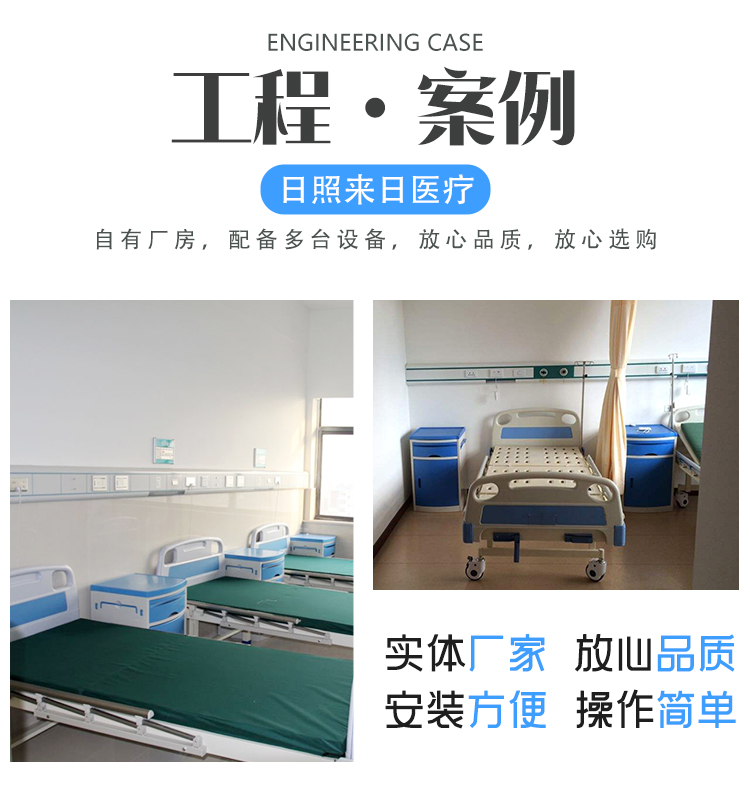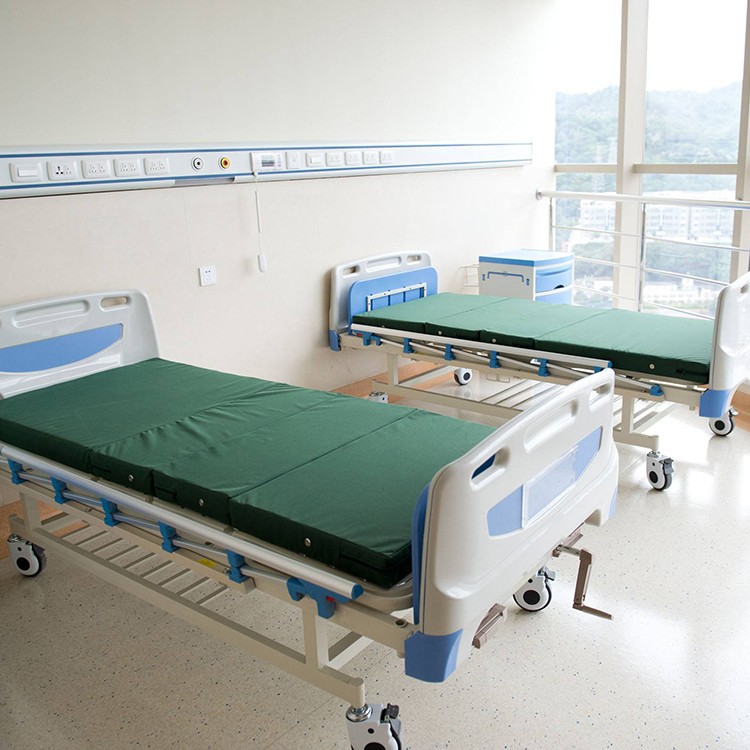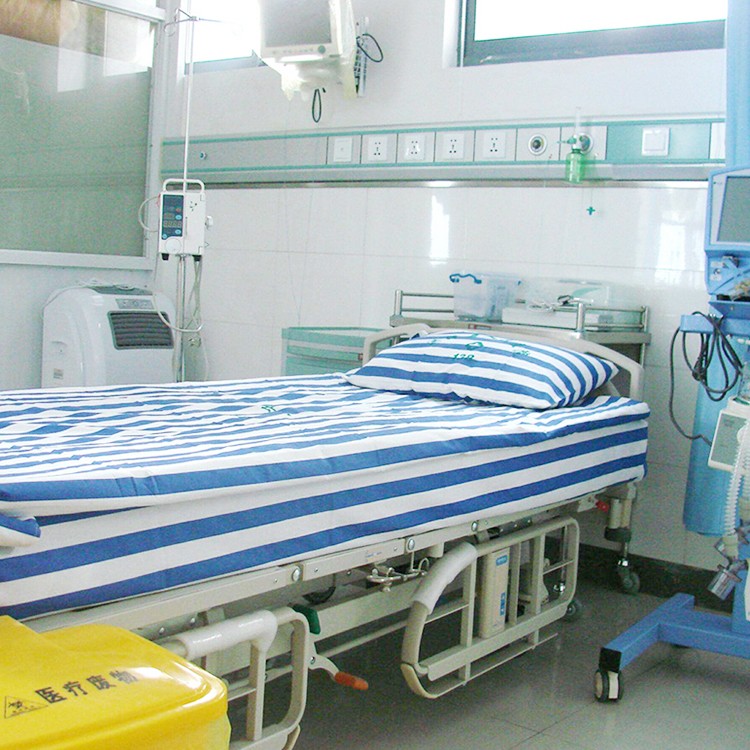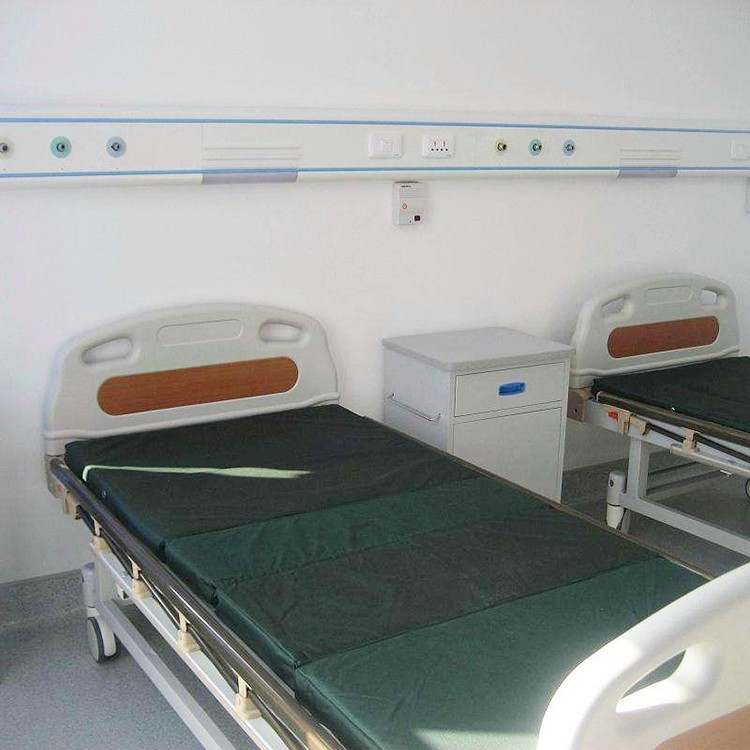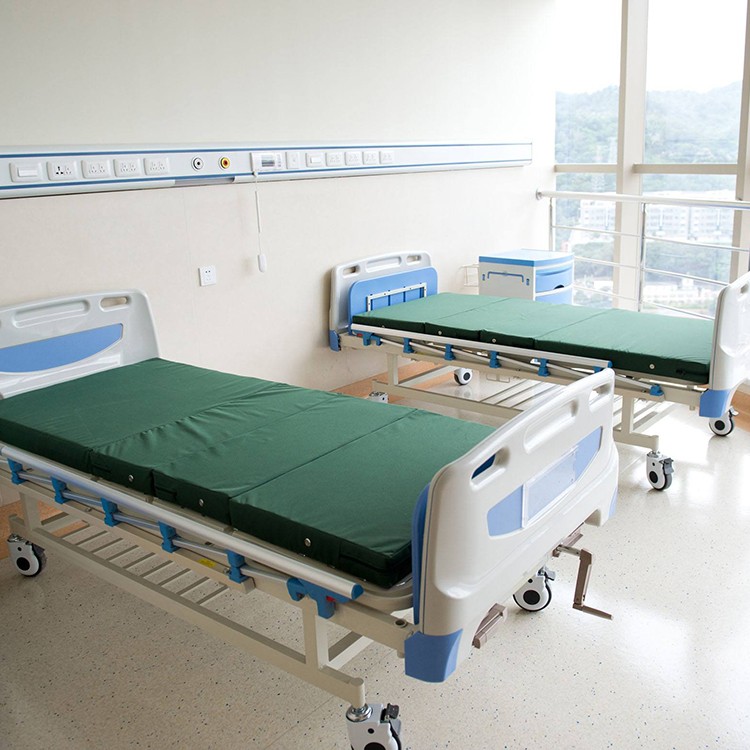

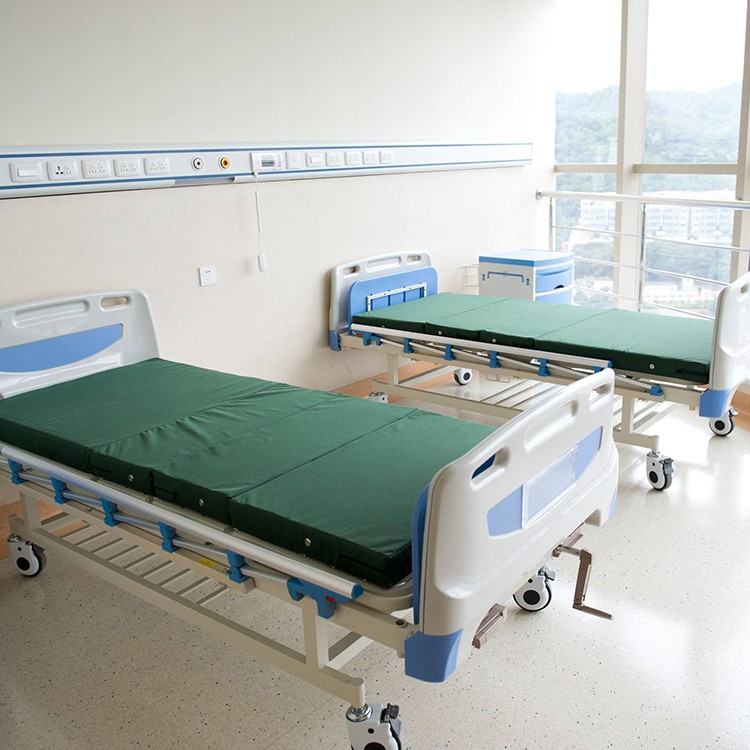
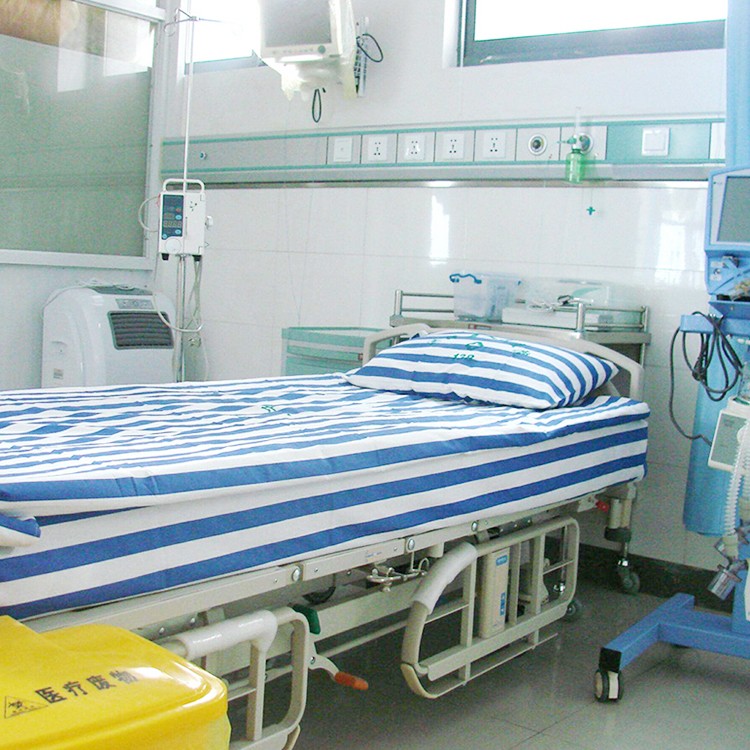
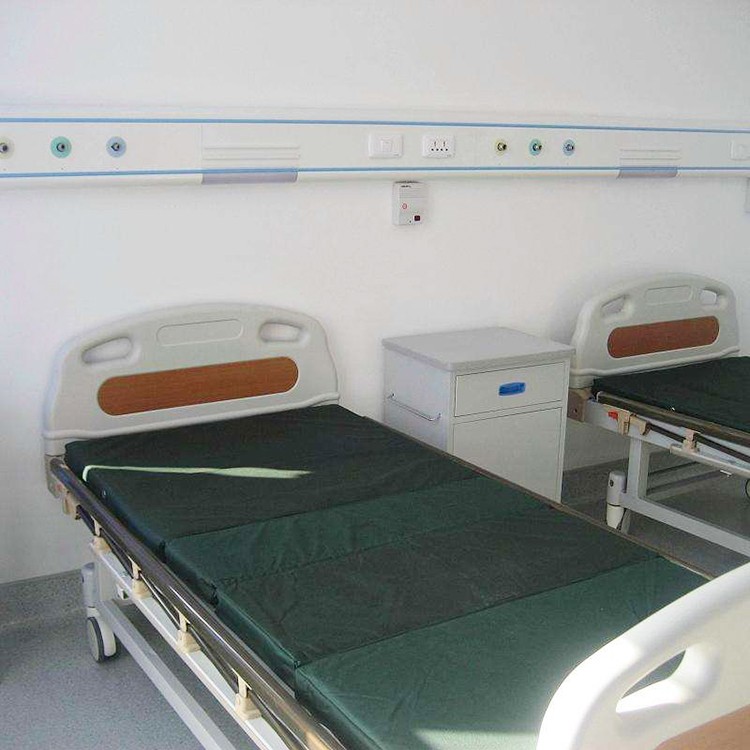








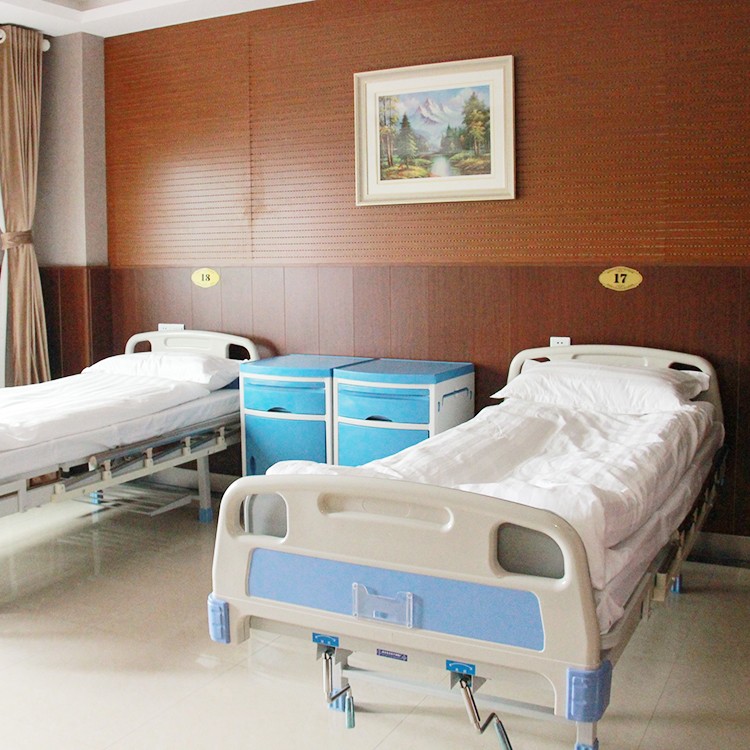
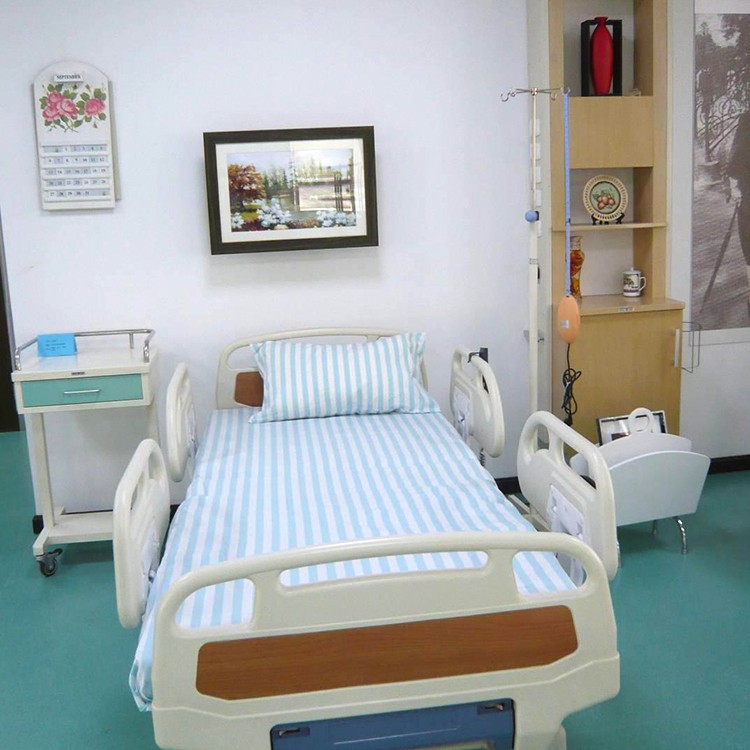
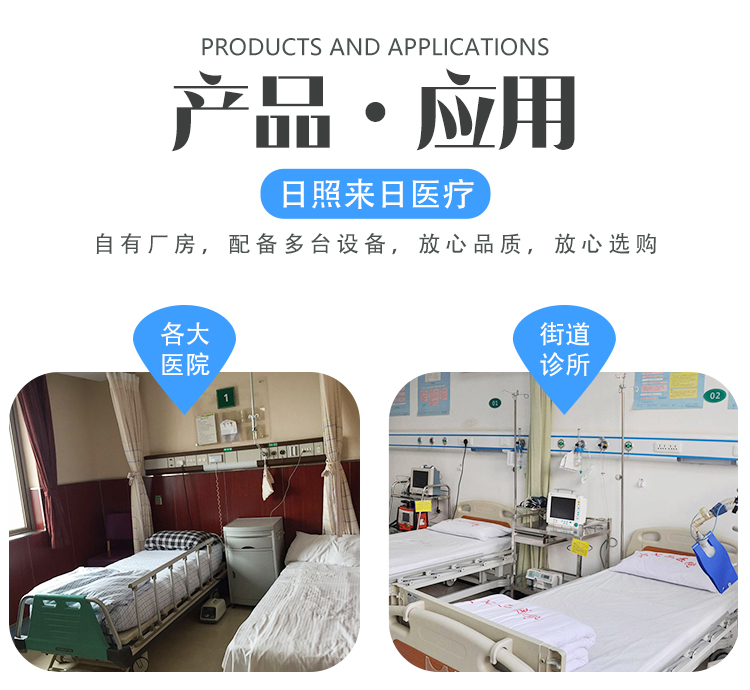
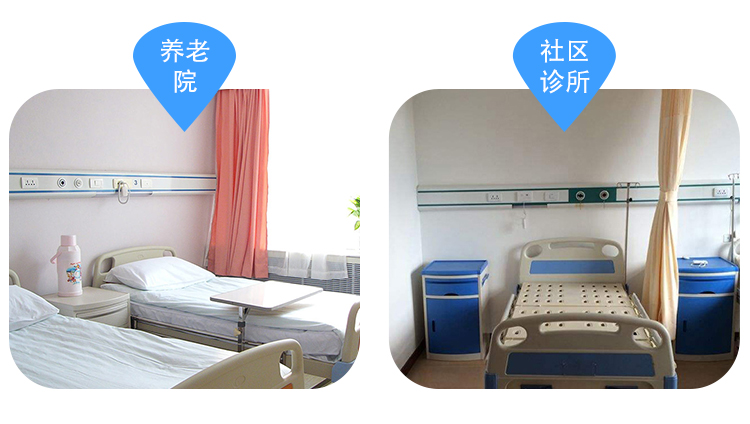
A hospital bed generally refers to a nursing bed designed according to the patient's treatment needs and bed rest habits. It is accompanied by family members and has multiple nursing functions and operation buttons. It can be used safely, such as weight monitoring, back up dining, intelligent turning, negative pressure urine collection and bed alarm monitoring, mobile transportation, rest, rehabilitation (passive movement, standing), medication and infusion, etc. Rehabilitation beds can be used alone or in conjunction with treatment or rehabilitation equipment. The flip over nursing bed is generally not more than 90cm wide and is a single-layer single bed. It is convenient for medical observation and inspection, as well as for the operation and use of family members. It can also be used by healthy people, severely disabled people, the elderly, patients with urinary incontinence, stable or recovering brain injuries for home rehabilitation and treatment, mainly focusing on practicality. The standard configuration of the power bed includes a headboard, a multifunctional bed frame, one bed tail, bed legs, one set of bed board and mattress, a controller, two electric push rods, two left and right folding guards, four insulated silent casters, an integrated dining table, one pressure ulcer prevention air pump tray, a storage rack under the bed, two negative pressure urine collection and bed monitoring alarms, one set of weight monitoring sensors, a linear sliding table and other components. There are distinctions between regular hospital beds, rehabilitation beds, and intelligent turning beds. A hospital bed, also known as a patient bed, medical bed, rehabilitation nursing bed, etc., is a bed used by patients for treatment, rehabilitation, and rest. It is mainly used in major hospitals, township health centers, community health service centers, rehabilitation institutions, and home nursing wards.


.jpg)