







Usage and maintenance
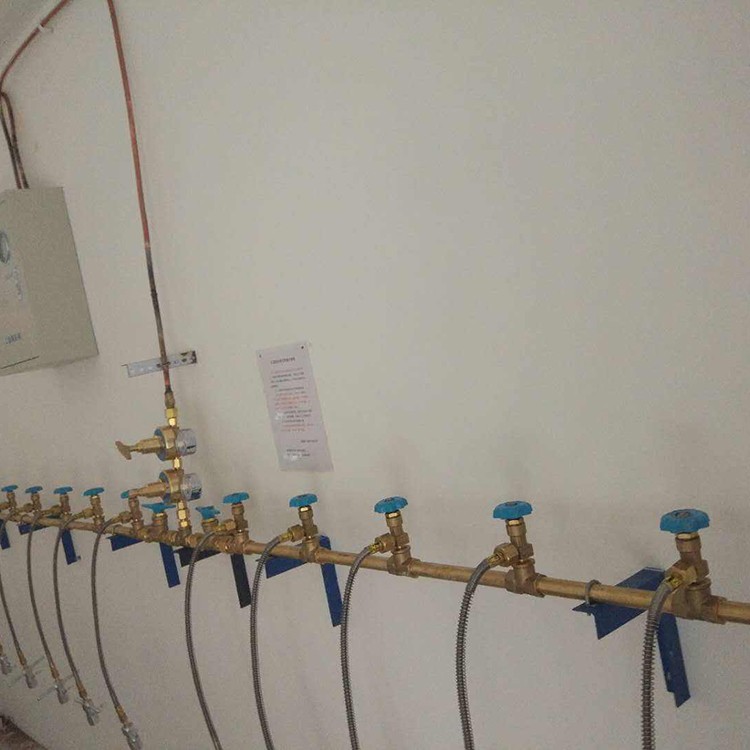
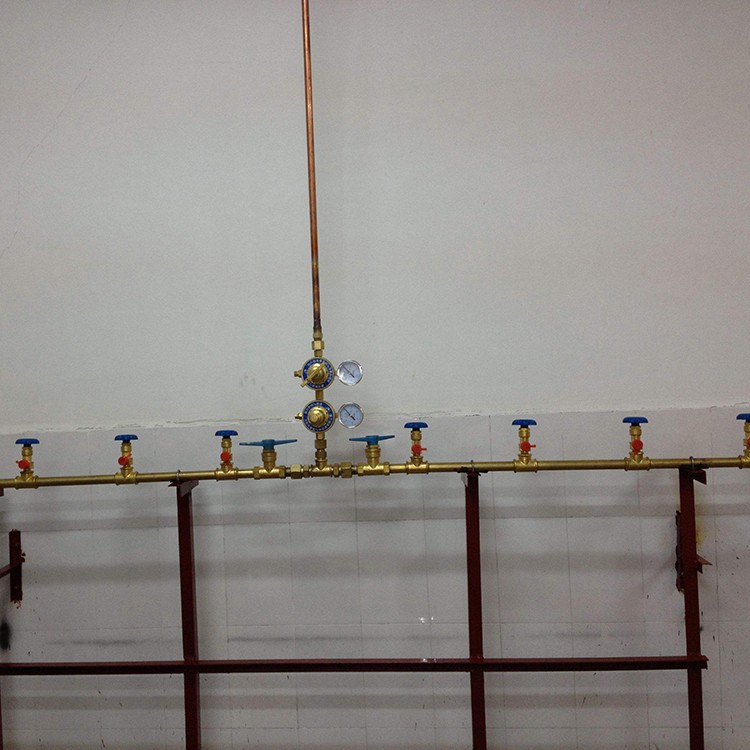
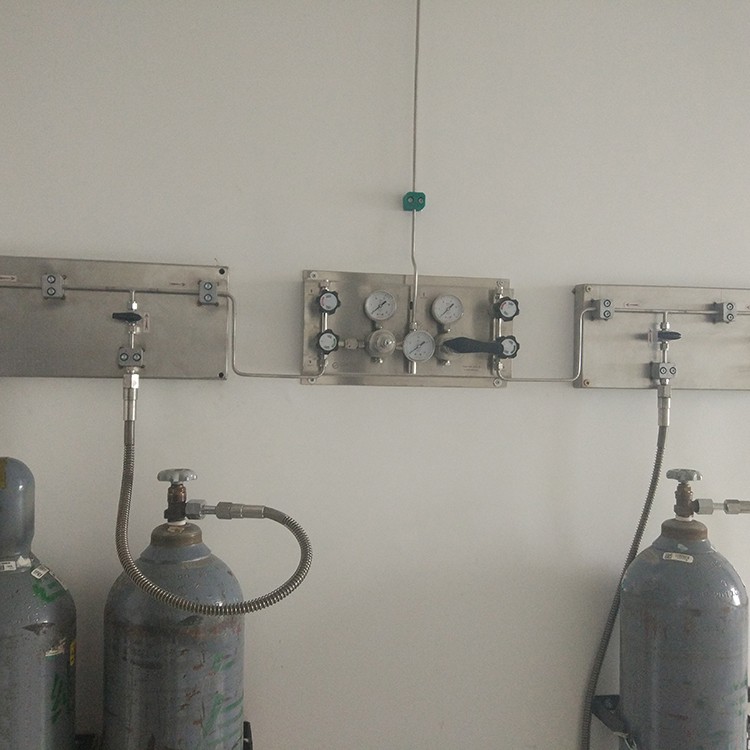
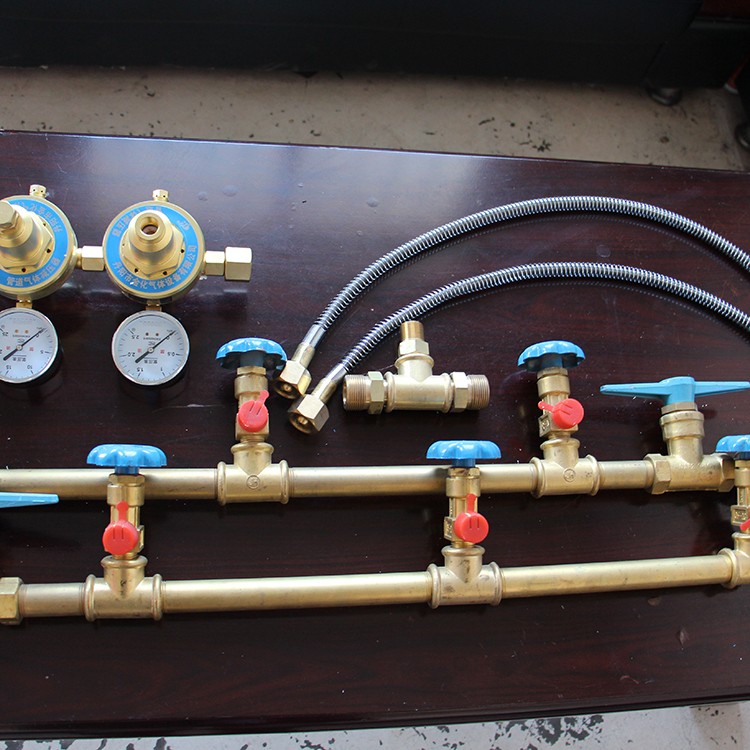
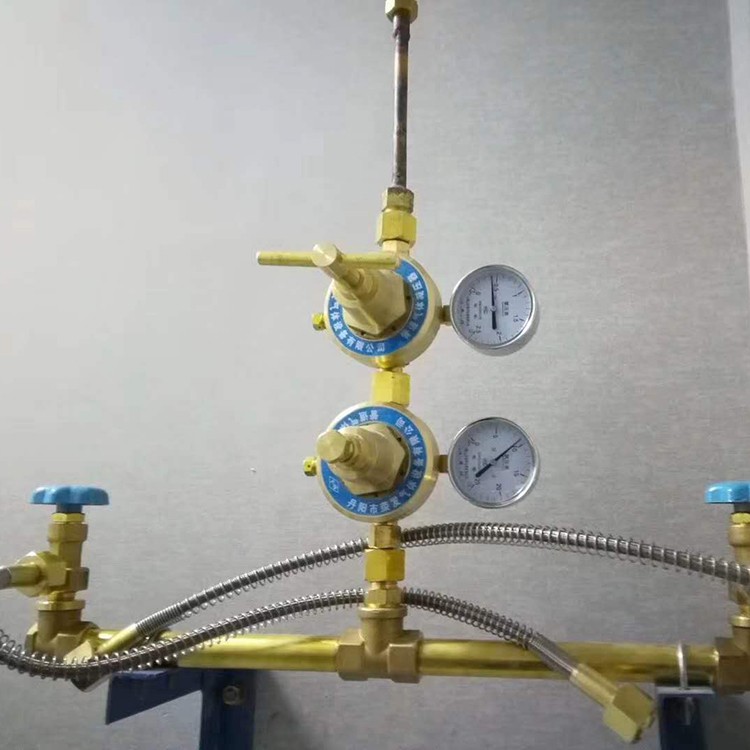
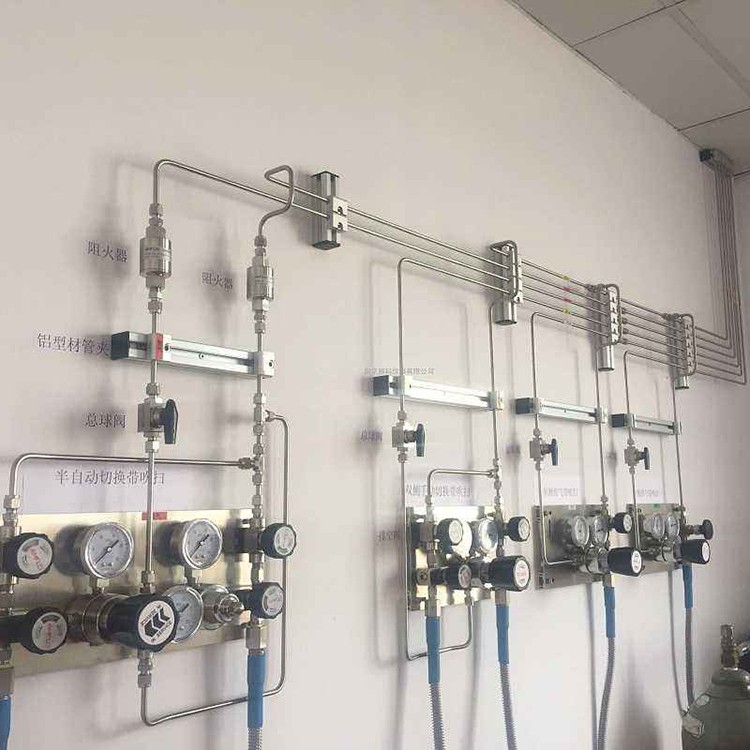
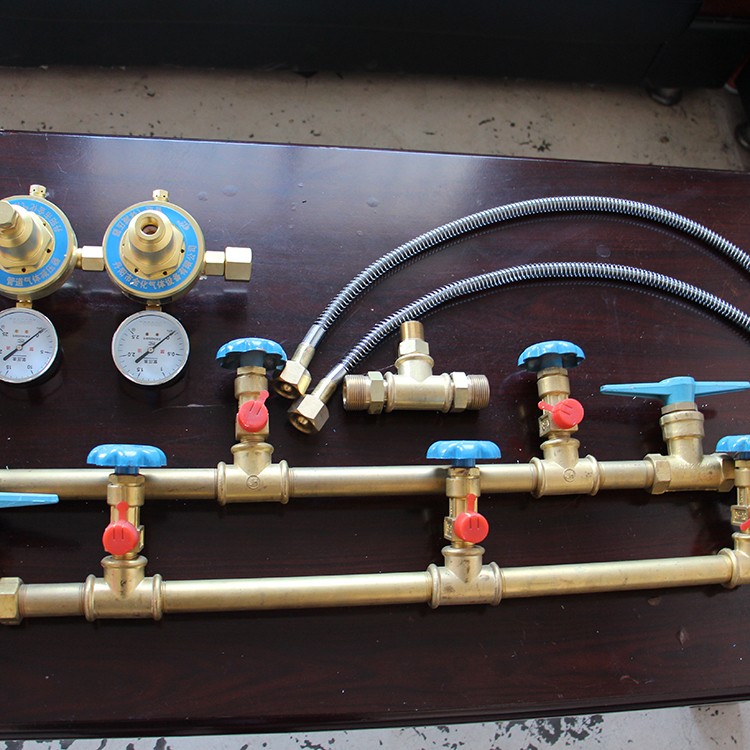
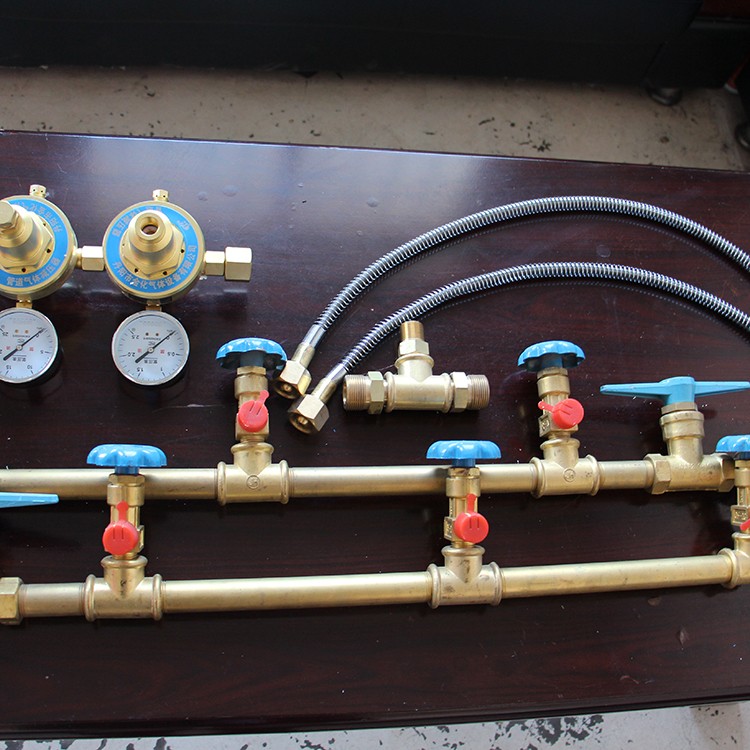
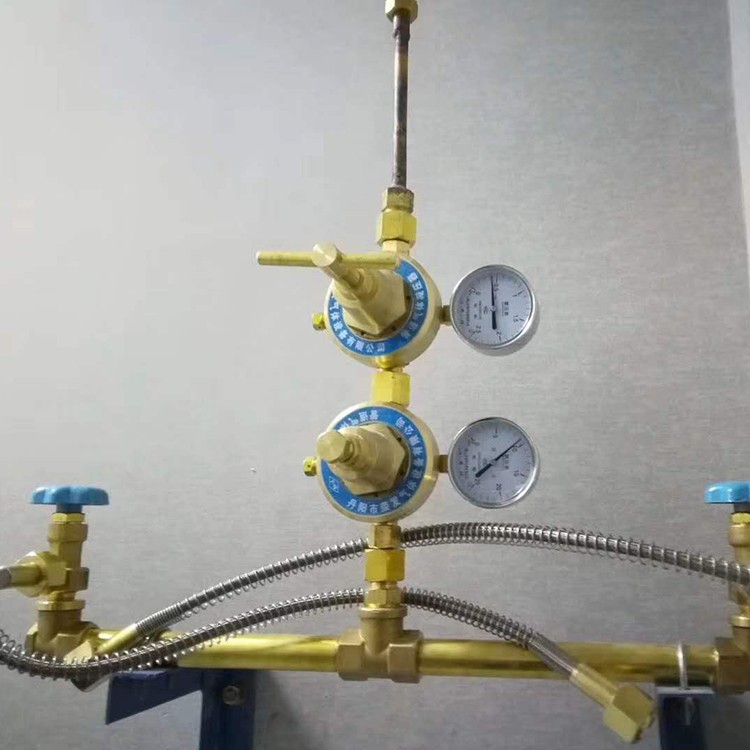
1. Opening: The shut-off valve in front of the pressure reducer should be slowly opened to prevent sudden opening, which may cause the pressure reducer to malfunction due to high pressure impact. The pressure gauge indicates the pressure, then turn the pressure regulator screw clockwise and the low-pressure gauge indicates the required output pressure. Open the low-pressure valve to supply gas to the working point.
2. Stop gas supply, fully loosen the regulator screw of the pressure reducer, and after the low pressure gauge reaches 0, close the shut-off valve to prevent the pressure reducer from being under pressure for a long time.
3. Both the high-pressure and low-pressure chambers of the pressure reducer are equipped with safety valves. When the pressure exceeds the allowable value, the exhaust will automatically open, and when the pressure drops to the allowable value, it will automatically close. Do not operate the safety valve normally.
4. During installation, attention should be paid to the cleanliness of the connecting parts to prevent debris from entering the pressure reducer.
5. Leakage is found in the connecting part, usually due to insufficient tightening force of the thread or damaged gasket. The sealing gasket should be tightened or replaced.
6. If the pressure regulator is found to be damaged or leaking, or if the pressure on the low-pressure gauge keeps rising, or if the pressure gauge cannot return to the 0 position, it should be repaired in a timely manner.
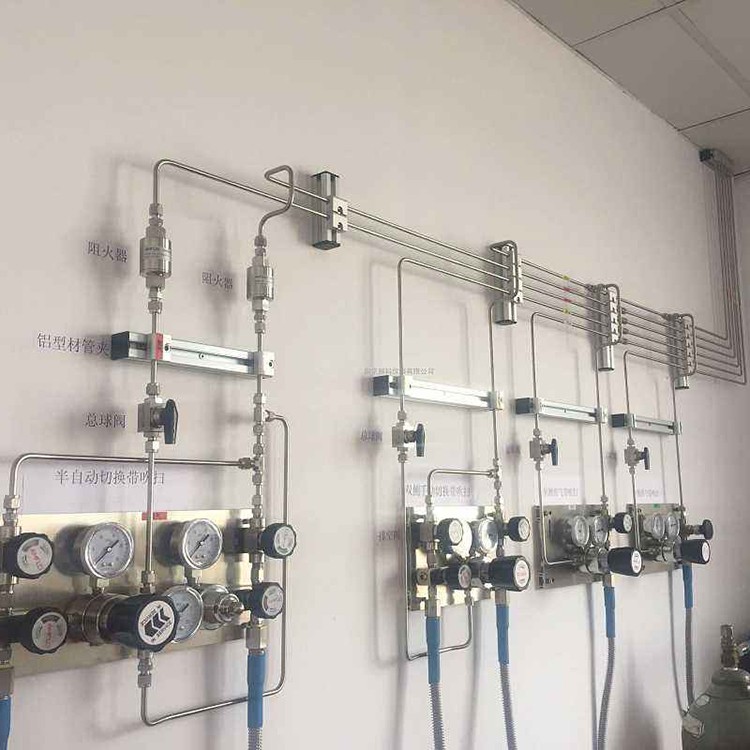
7. The busbar should use one medium according to regulations and should not be mixed to avoid danger.
8. Oxygen busbars are strictly prohibited from coming into contact with grease to prevent combustion and fire.
9. Do not install gas busbars in places with corrosive media.
10. Gas busbars shall not inflate gas cylinders in the opposite direction.


.jpg)