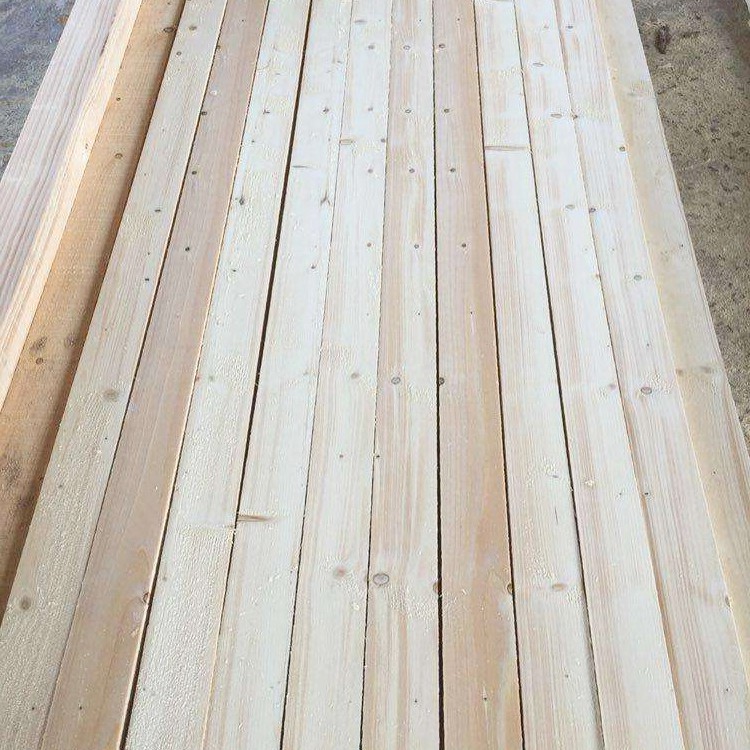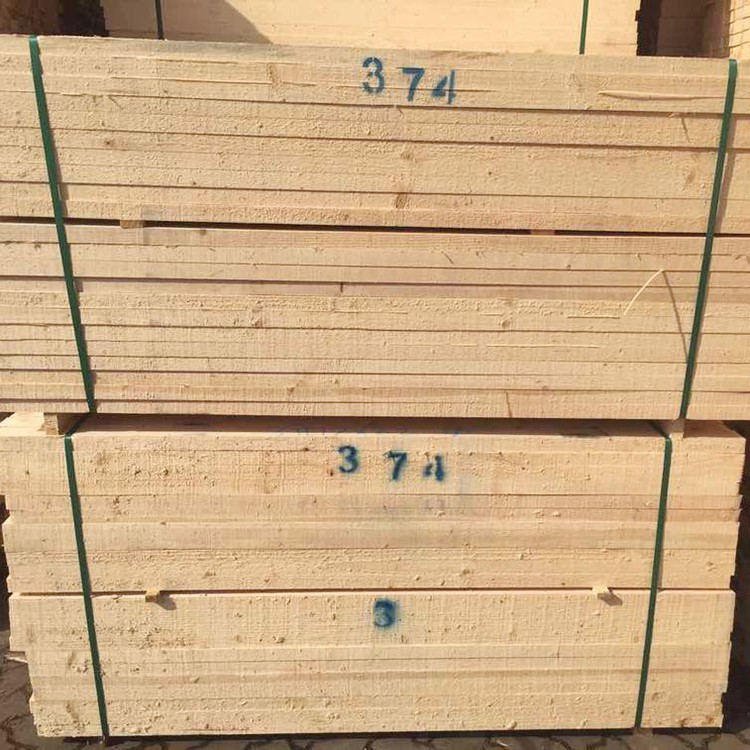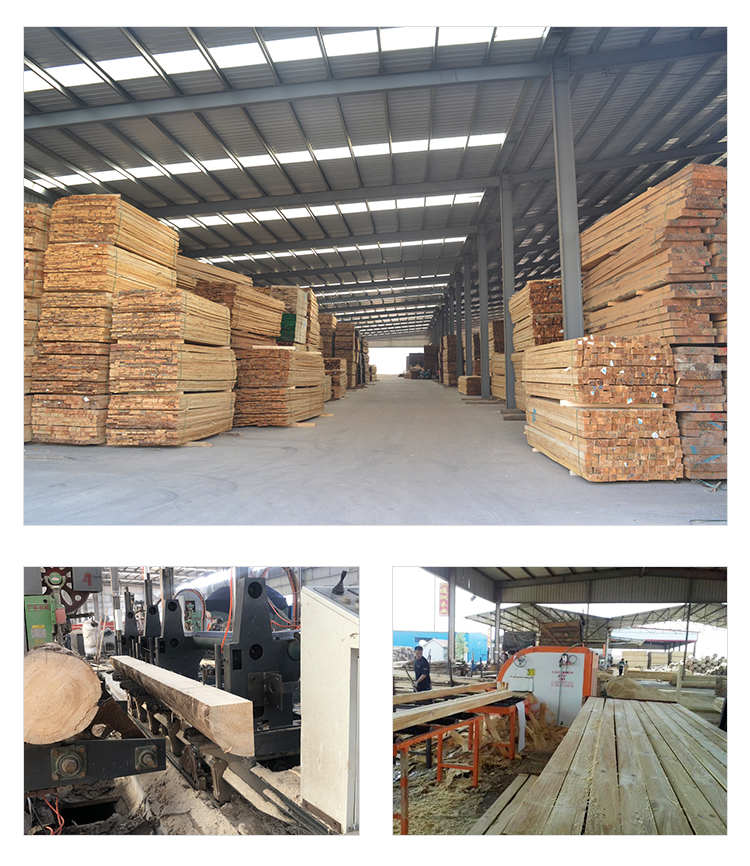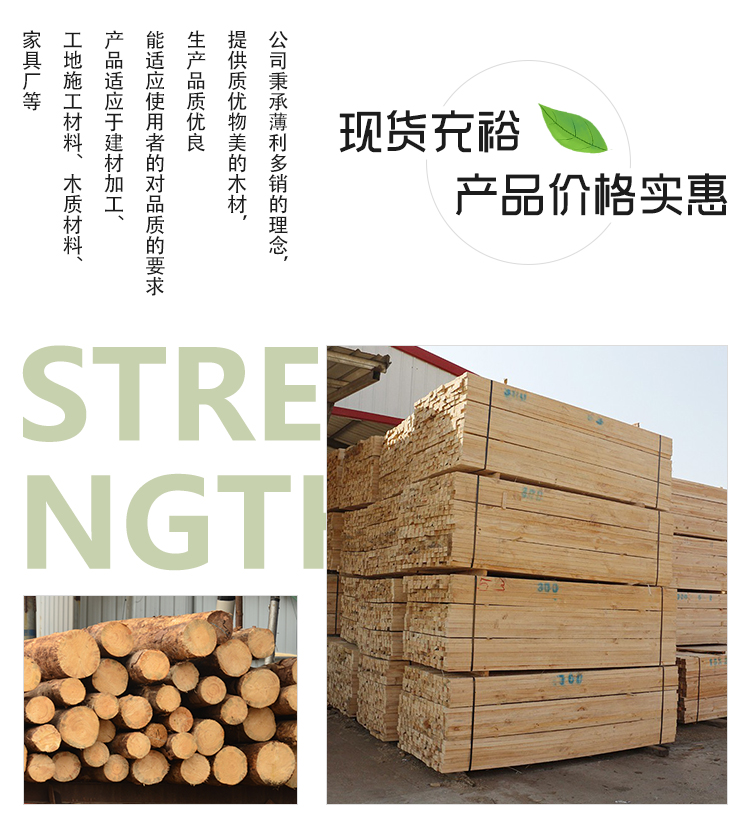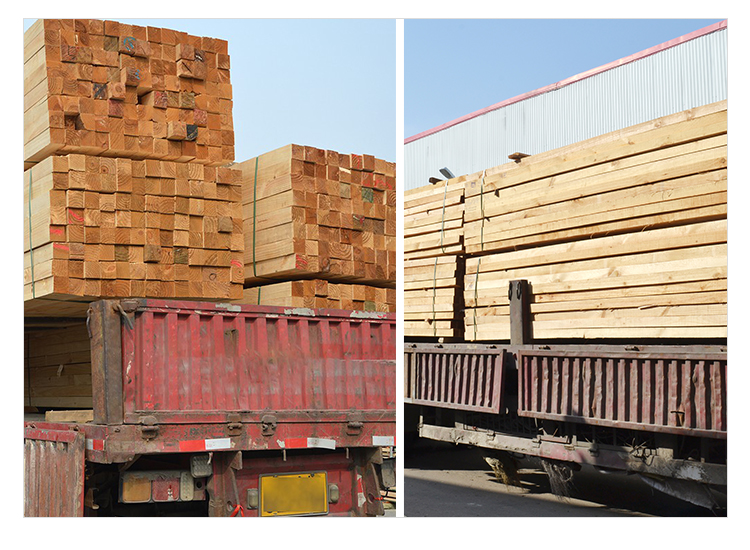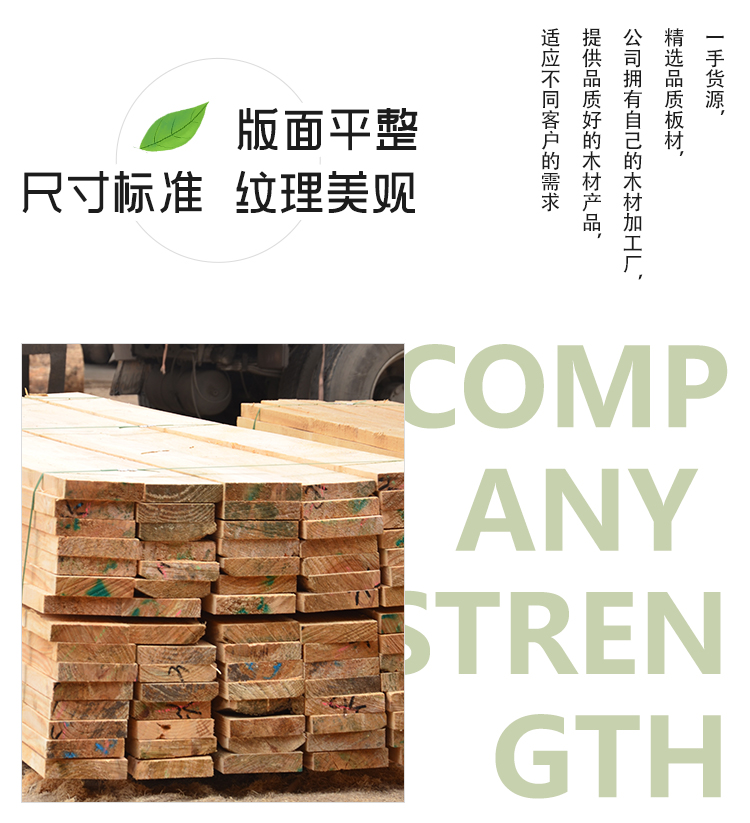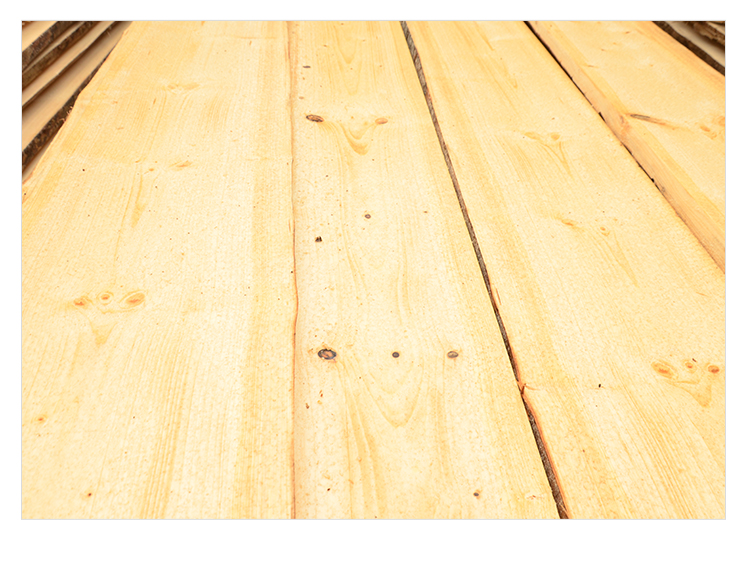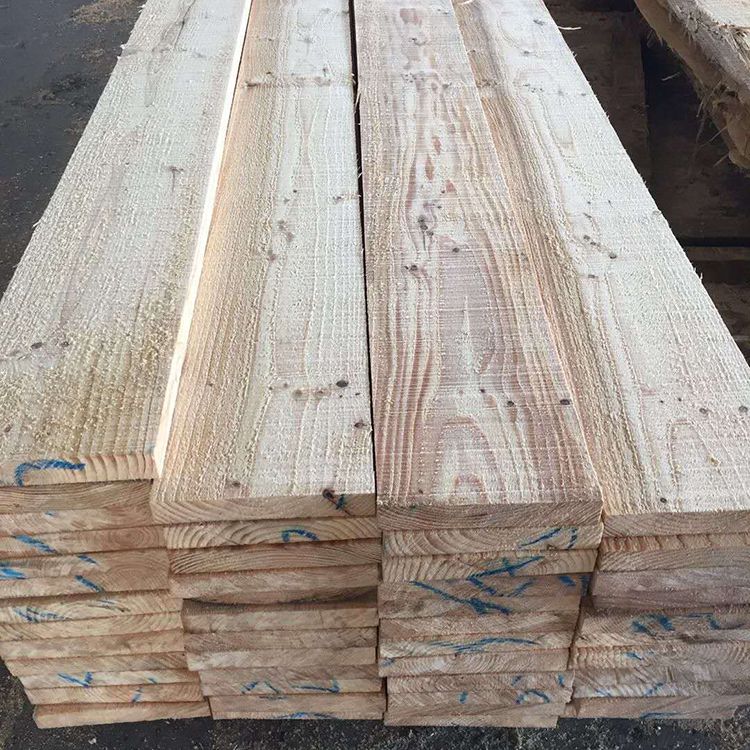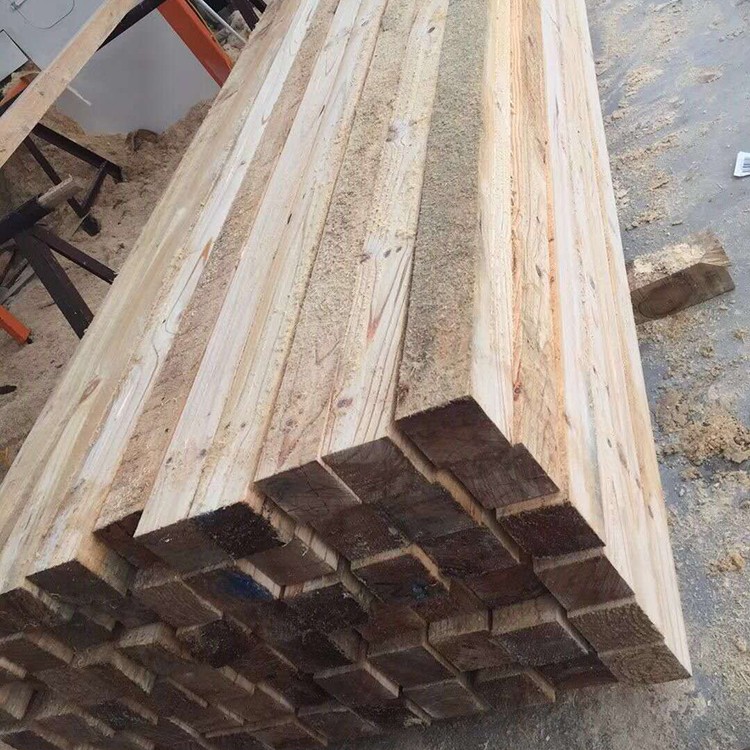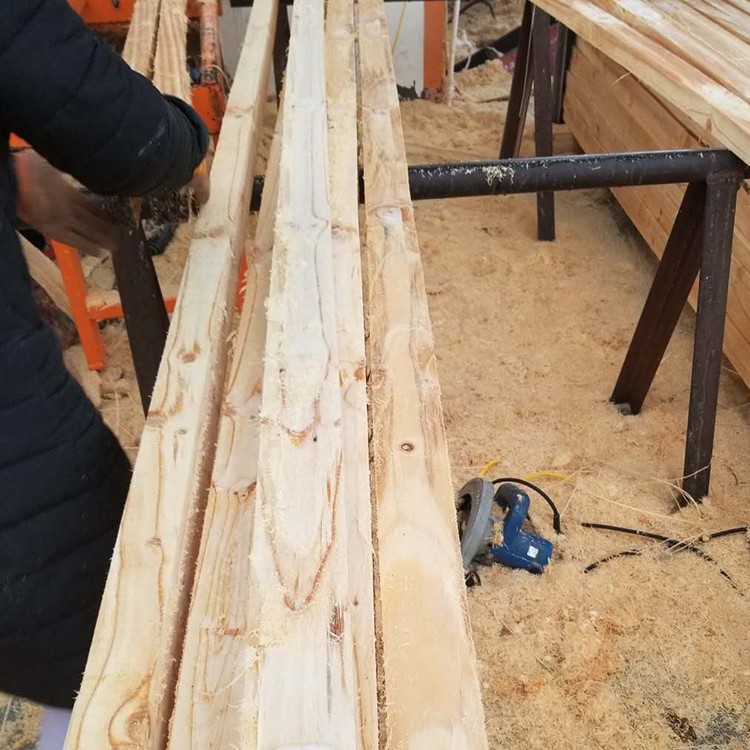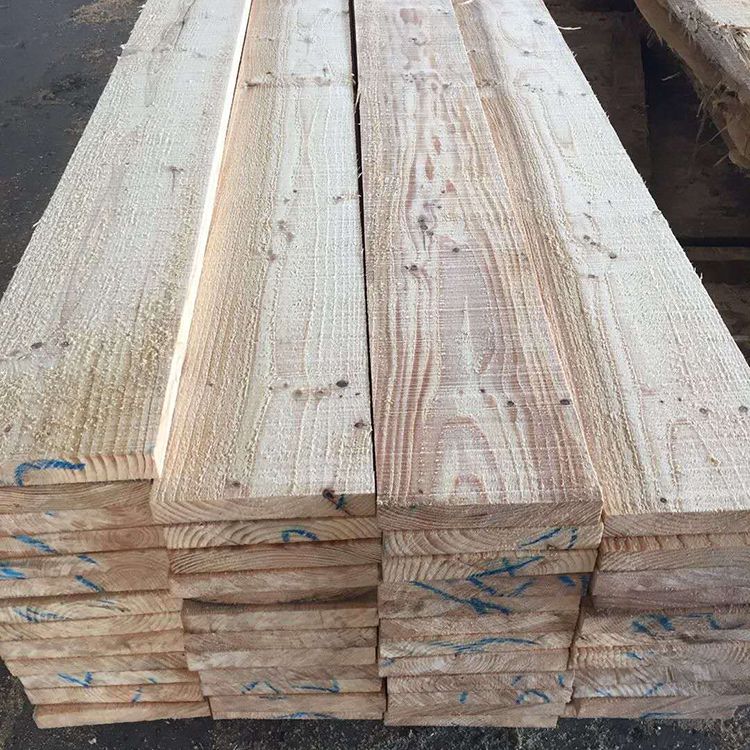

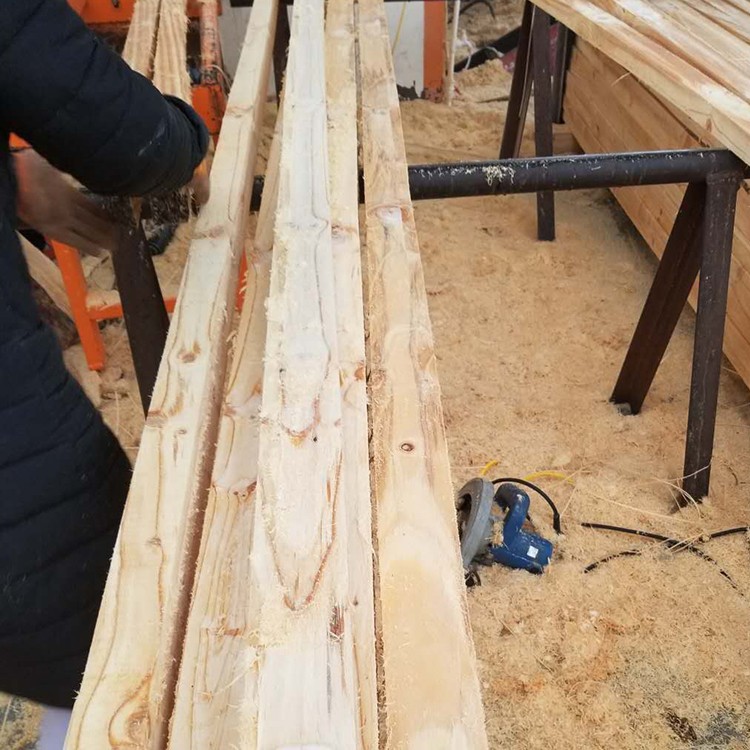







The Australian pine board was completed within one week from mining to product extraction. By using "fresh" wood from the forest farm, the problem of "blurriness" can be eliminated. In addition, notifying the processing of logs can control the size of the produced wood chips, thereby ensuring more consistent precision processing of fibers during the subsequent production process. Another benefit of processing whole logs is the ability to control the peeling process. The allowed bark content in this film specification will reach 0.2%, and it can usually reach 0.1%. Most other manufacturers have a bark content of 1.0%. Trees contain about 60% water. Removing moisture from fibers is crucial for the stability of the finished product. If the humidity is too high, the product will expand; If the humidity is too low, the product will shrink;
Overall, the humidity content of Australian pine board is between 6% and 9%, and the production specifications allow for a thickness difference of 0.2mm and a linear expansion of 1mm. Controlling humidity is also crucial to ensure good heat transfer performance during the pressing process. Heat reacts with the humidity in the board, producing steam to ensure the transfer of heat to important parts of the board. Good heat transfer performance means that the resin is fired well and has excellent physical properties such as internal bonding;
The Australian pine board has been certified through joint certification by Australia, New Zealand, and Japan. At the same time, the environmental protection effect is very good.
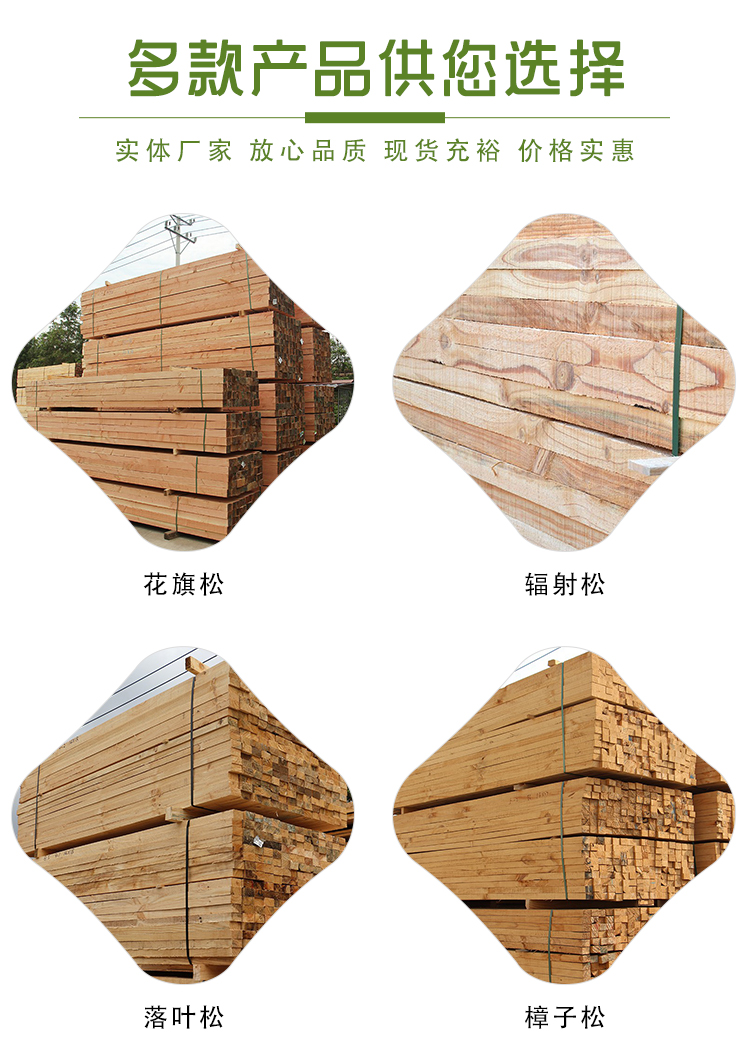
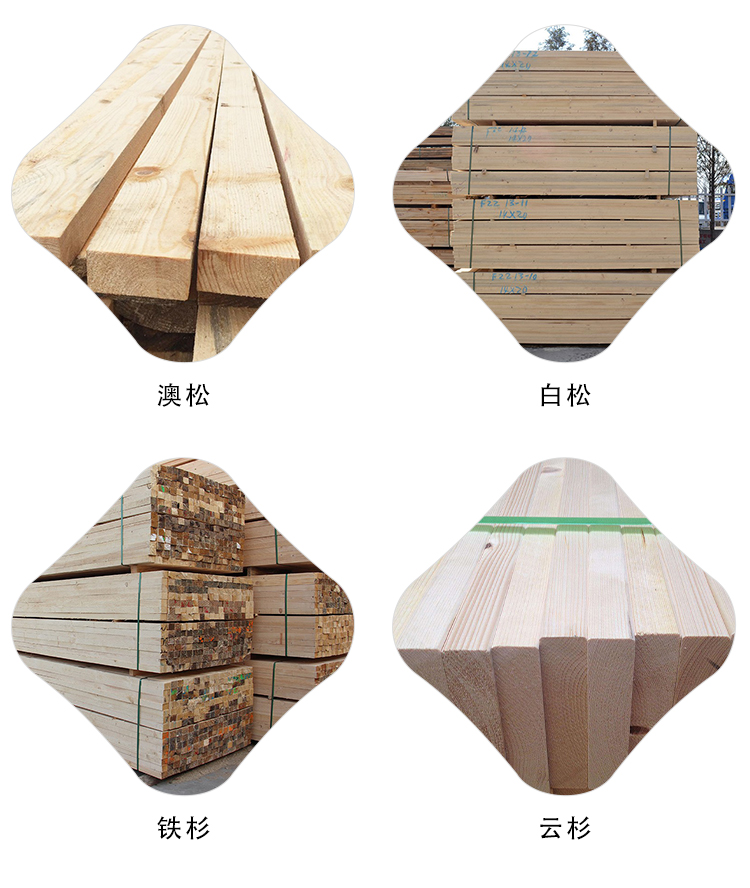
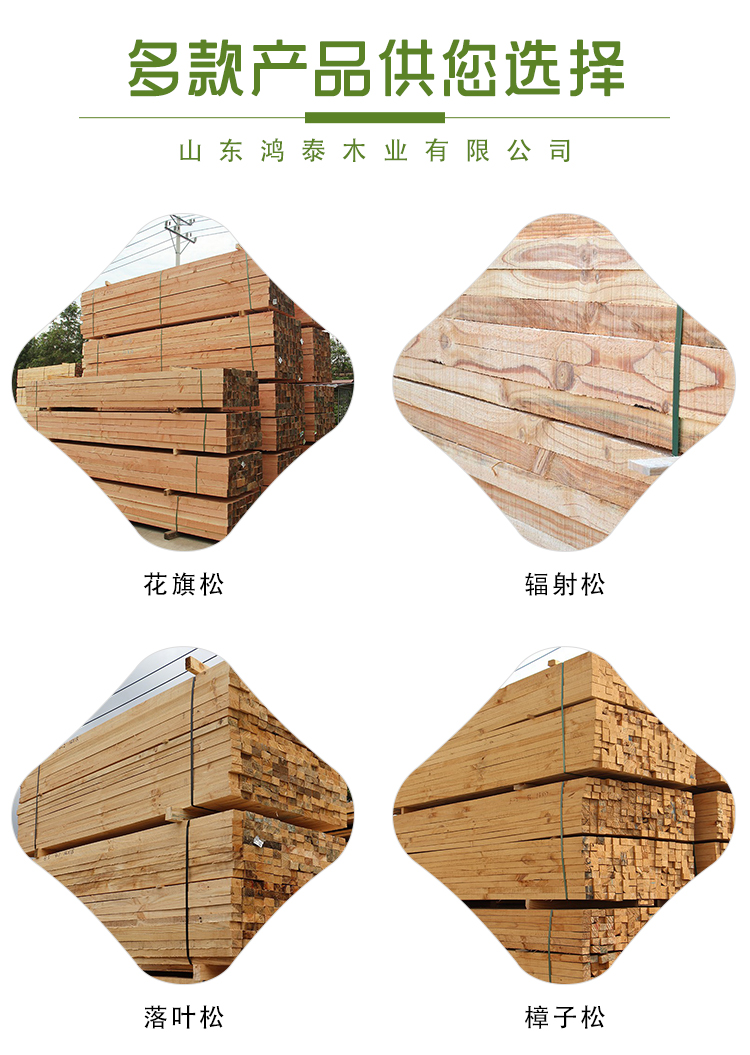
Aosong board is widely used in decoration, furniture, construction, packaging and other industries. It has high hardness, is suitable for making wardrobes and bookcases without deformation (even flooring), has good load-bearing capacity, and has higher fire and moisture resistance than traditional large core boards. The material is very environmentally friendly.

.jpg)