







Morphological characteristics
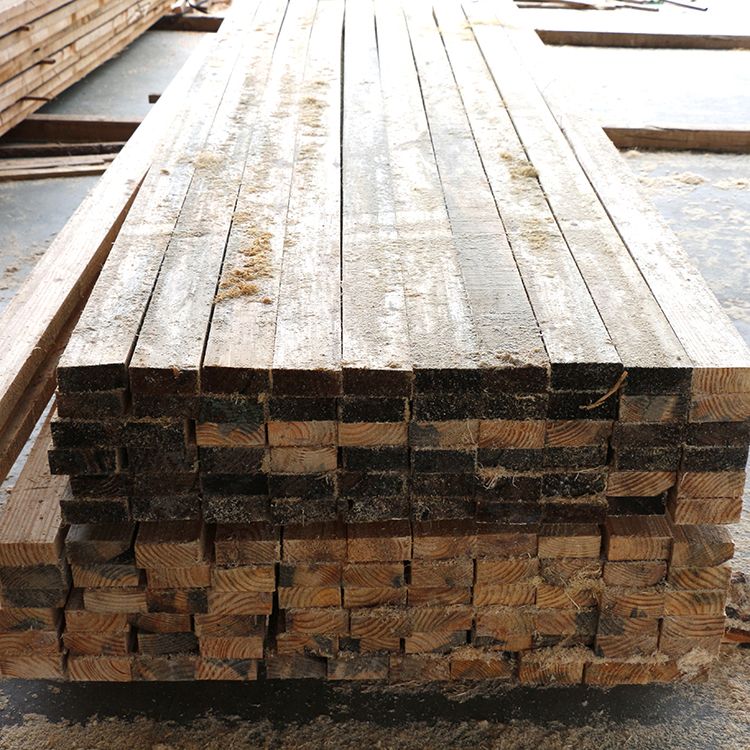
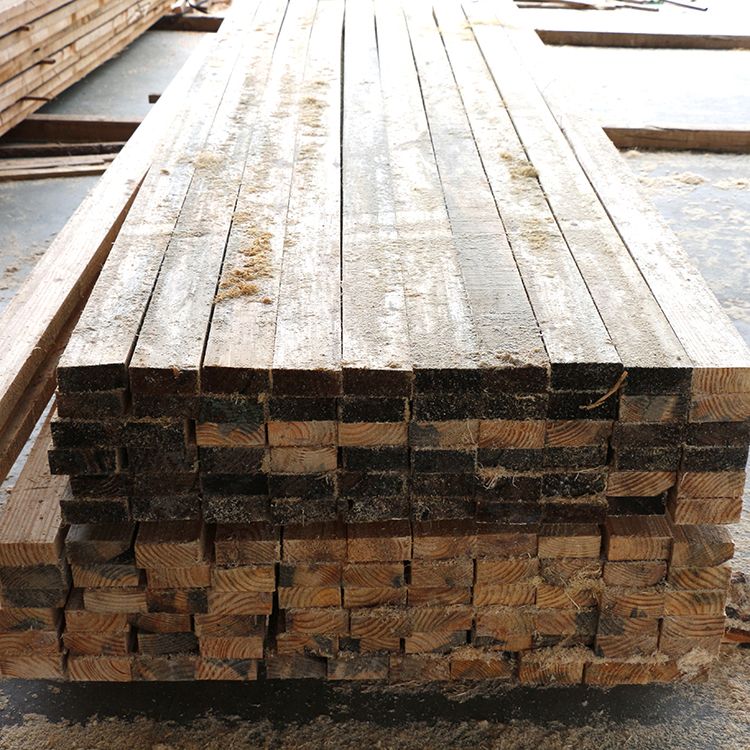
Torch pine is a tree with a height of 30 meters in its place of origin; The bark cracks in scales, almost black, dark gray brown or light brown; Branches grow several rounds per year; Branches are yellow brown or light reddish brown in color; Winter buds are brown, rectangular oval or short cylindrical in shape, with pointed ends and no resin. Needle needles in bundles of 3 needles, sparse needles in bundles of 2 needles, 12-25 centimeters long, about 1.5 millimeters in diameter, hard and straight, blue-green in color; Triangular cross-section, type II subcutaneous layer cells, with three to four layers intermittently distributed in an inverted triangular shape below the epidermal layer. There are usually two resin channels, which are mesogenic.
The cone shaped cone or narrow cone shaped cone is symmetrical at the base, measuring 6-15 centimeters in length, with no or almost no stem, and is dark reddish brown when ripe; The transverse ridge of the scale shield of the seed scales is significantly raised, and the ridge of the scale navel is extended into a spike; The seed is oval in shape, about 6 millimeters long, chestnut brown in color, and the wings are about 2 centimeters long.
Growing Environment
Torch pine is happy with light, warm and humid. In the introduction areas of China, afforestation is generally vertically distributed in low mountains, hills, and hills below 500 meters. If the altitude exceeds 500 meters, the growth will be poor, and if the altitude reaches 800 meters, frost damage will generally occur. Suitable for an annual average temperature of 11.1-20.4 ℃. Mostly distributed in the middle to lower parts and slopes of mountains and hills. The soil requirements are not strict, and it can tolerate dry and barren soil. In addition to carbonate containing soil, it can grow on various soils such as red soil, yellow soil, yellow red soil, yellow brown soil, and Quaternary clay. It can also grow on gravel soil with a clay and gravel content of about 50%, as well as hilly and hilly land with exposed rocks and shallow soil layers. Afraid of water and less tolerant of salt and alkali. But it grows well in soils with deep soil layers, loose texture, and moisture, and prefers acidic and slightly acidic soils. PH 4.5-6.5 is optimal for growth. PH above 7.5, poor growth. According to research and investigation, in areas with deep soil layers and good water and fertilizer conditions such as mountain valleys, lower slopes, and middle and lower parts, the growth of Pinus koraiensis is is very good; In the middle of the slope and on the mountainside, the soil layer thickness is moderate, followed by growth; The ridges and ridges are convex, with shallow and barren soil layers, high gravel content, and poor growth.
Distribution range
Native to southeastern North America. Introduced and cultivated in Lushan, Nanjing, Ma'anshan, Fuyang, Anji, Minhou, Wuhan, Changsha, Guangzhou, Guilin, Nanning, Liuzhou, Wuzhou and other places in China, the plant has grown well. There are 40 perennial trees in the Ming Xiaoling Mausoleum in Nanjing, with a height of 24 meters and a diameter at breast height of 45 centimeters; Introduced afforestation in Ma'anshan, Anhui Province, has shown stronger growth than the local Masson pine and is less susceptible to damage from pine caterpillars. This is a very promising afforestation tree species.