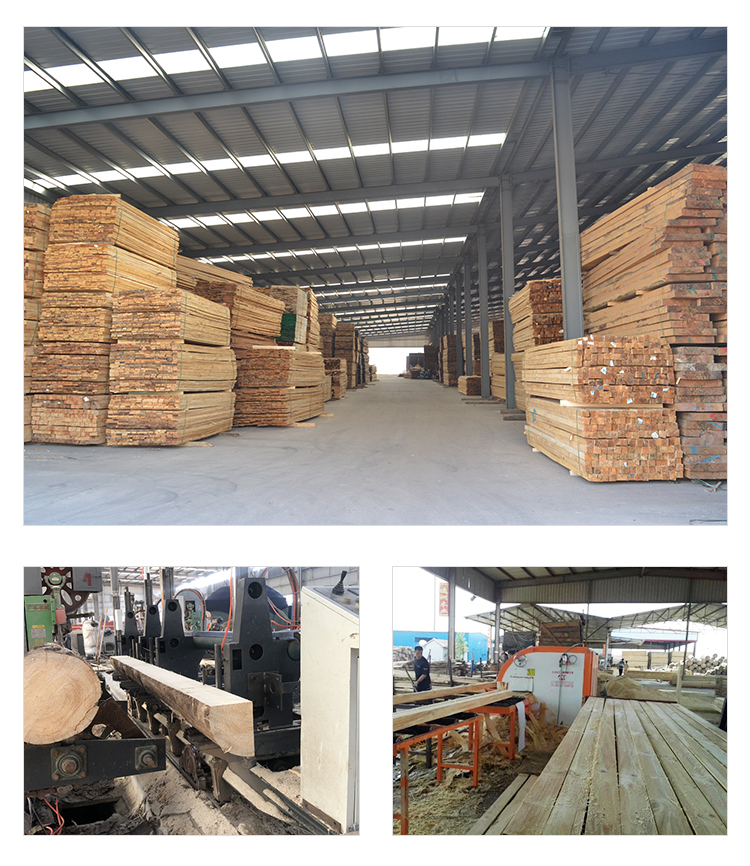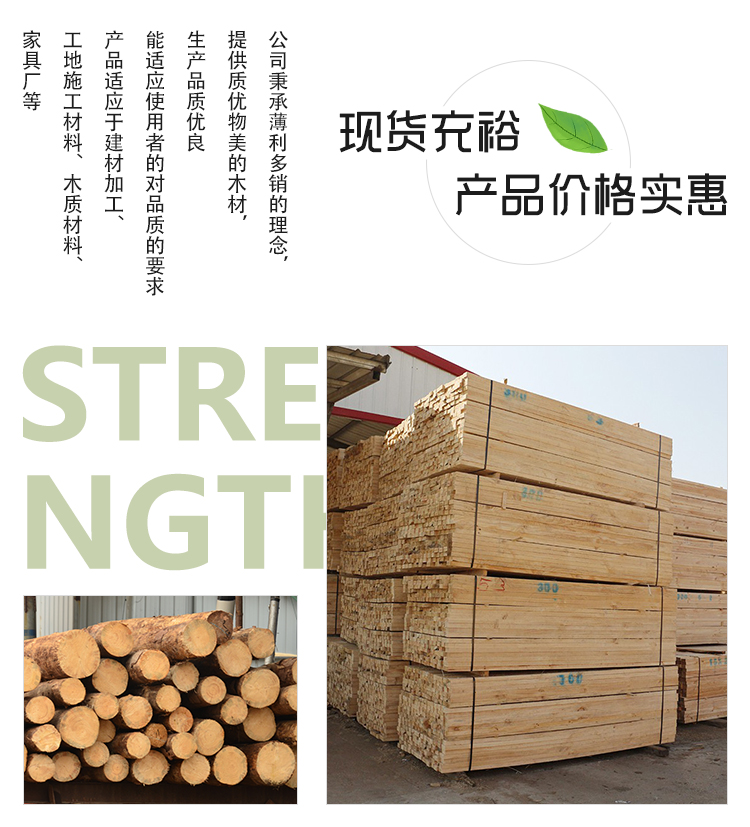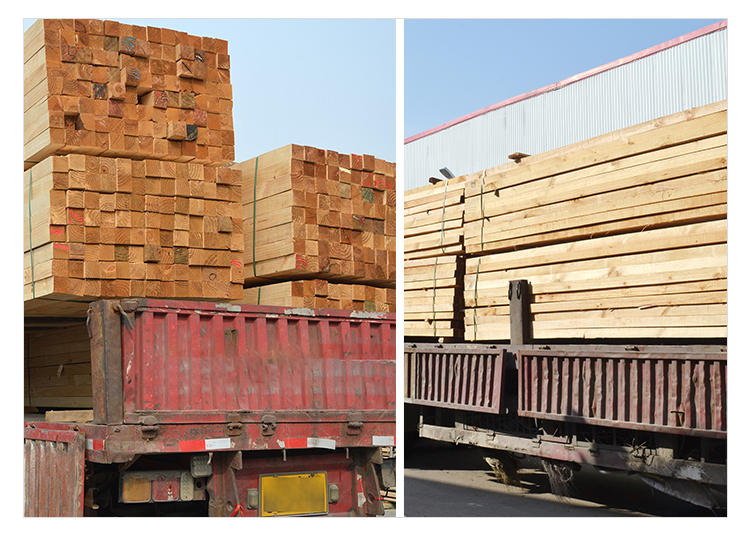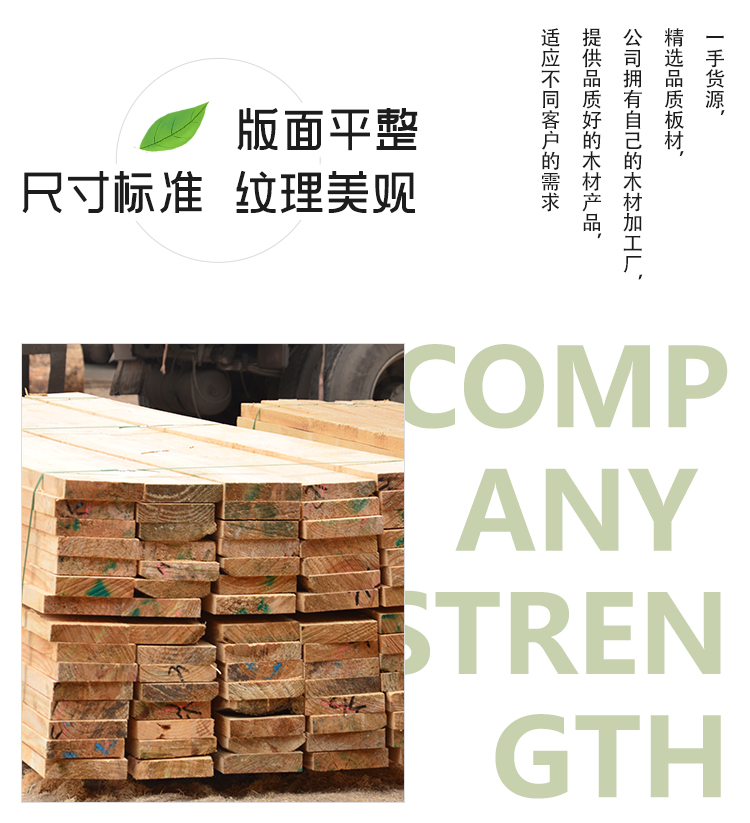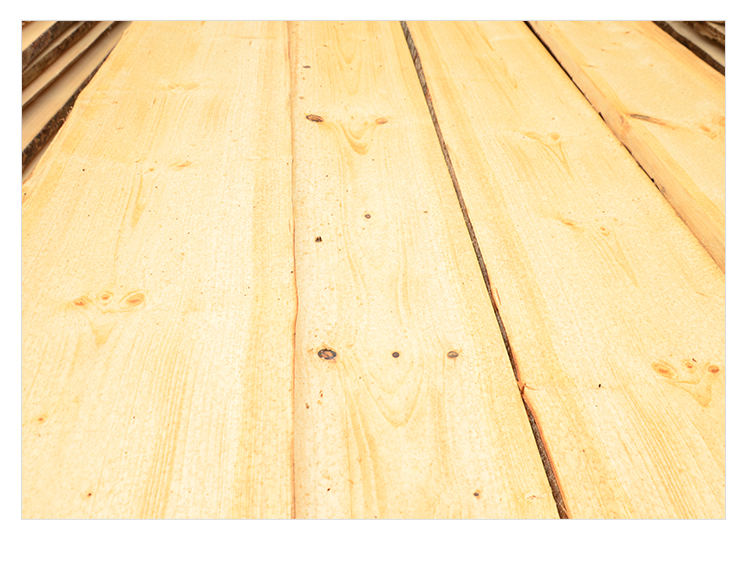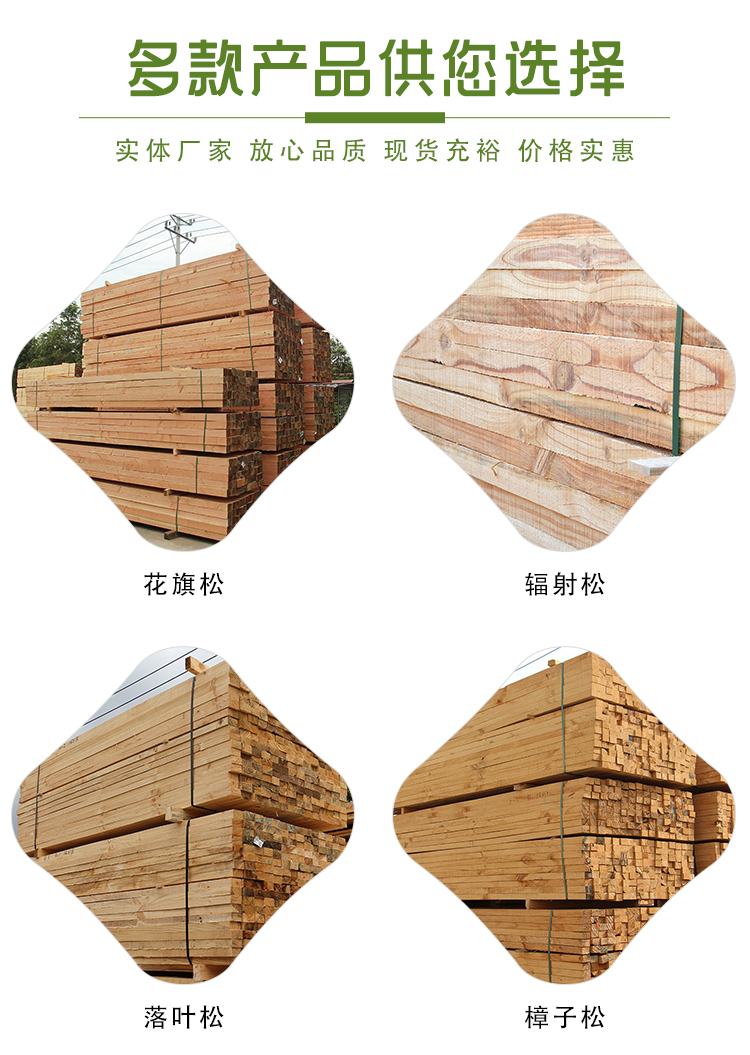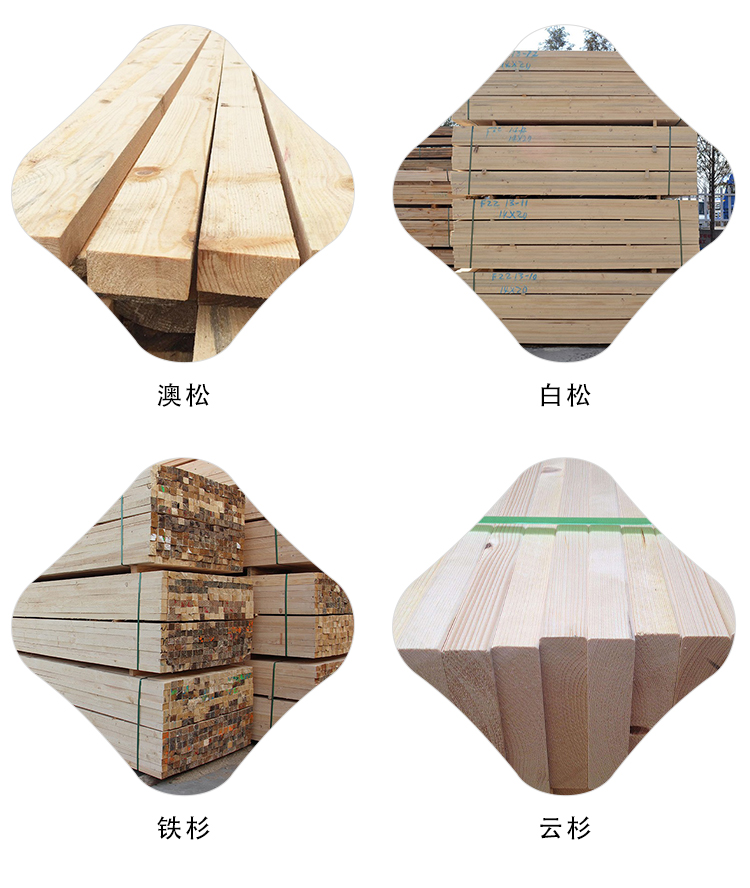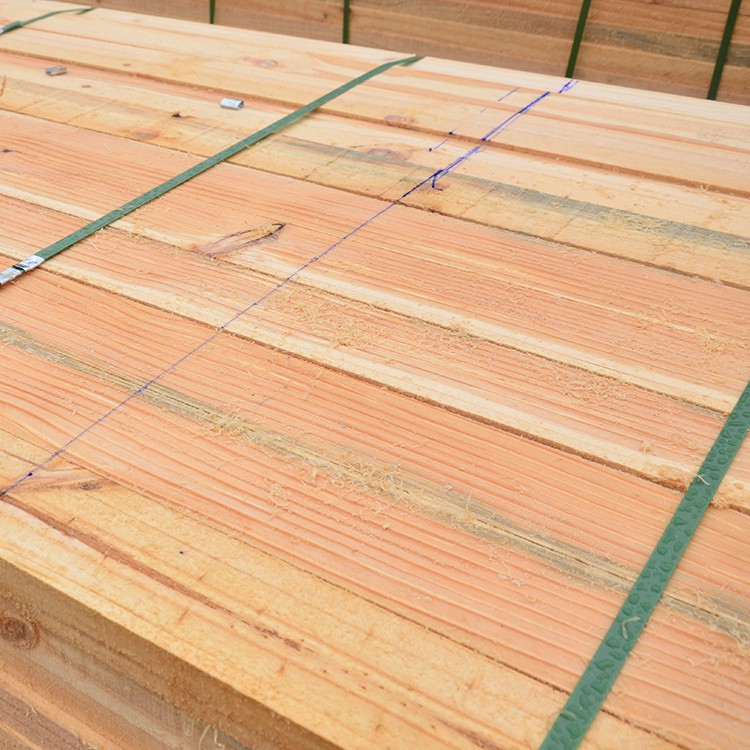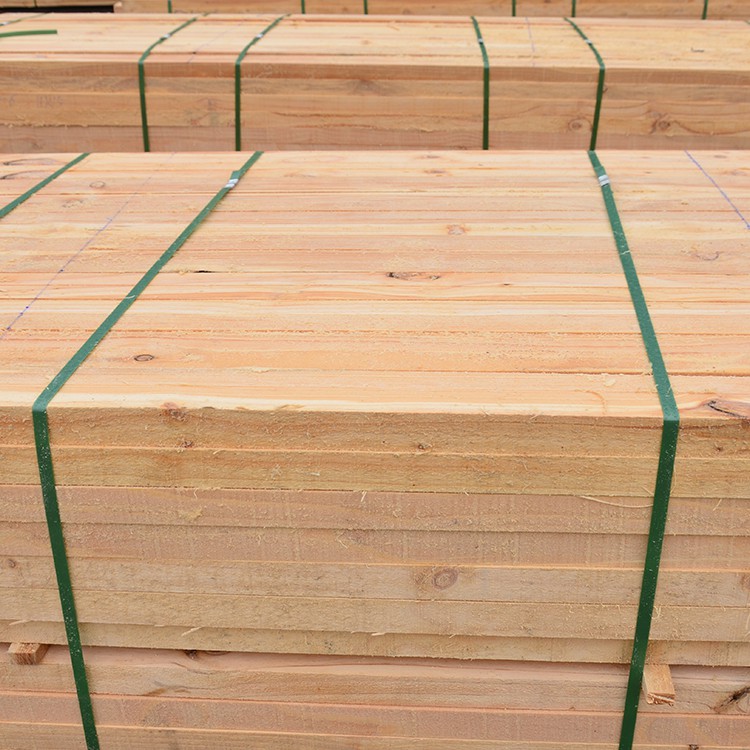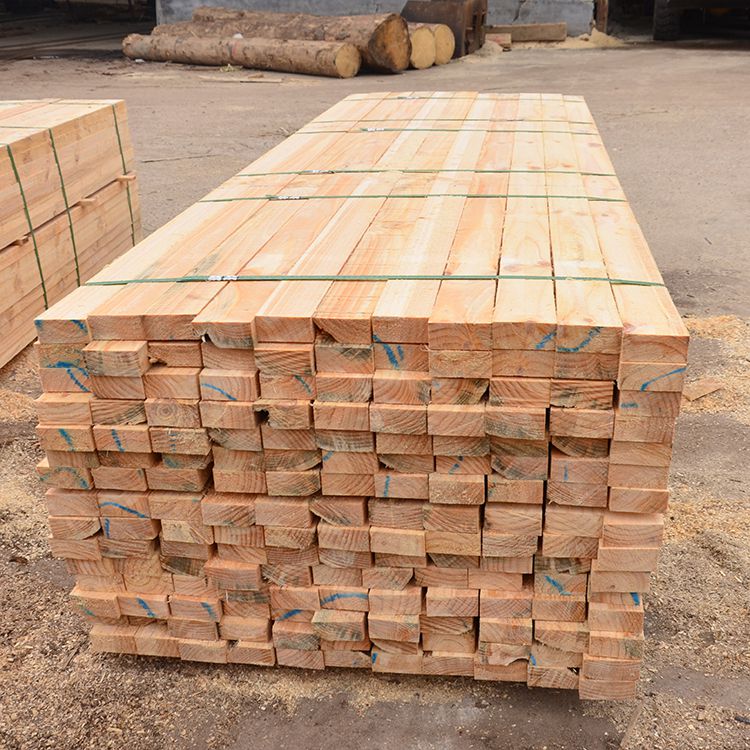

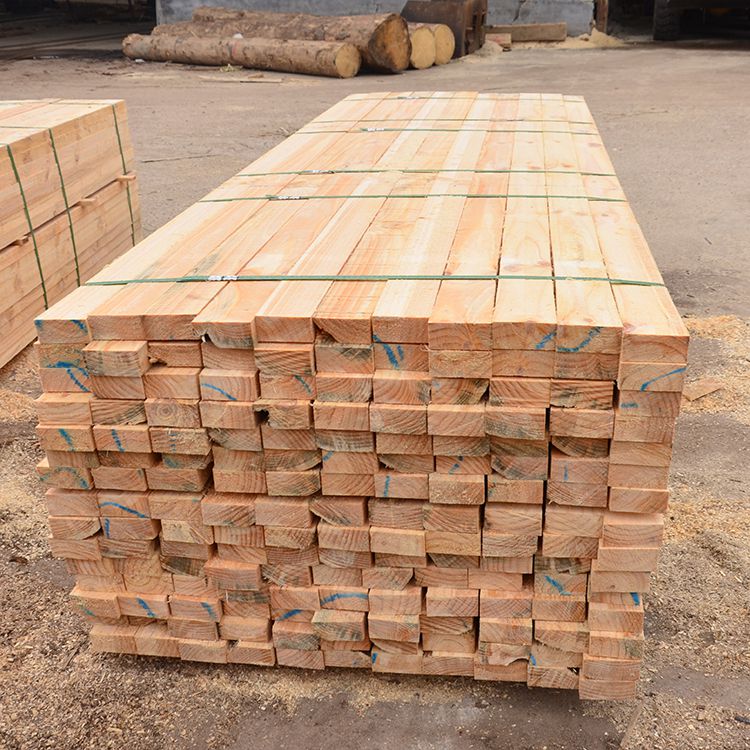
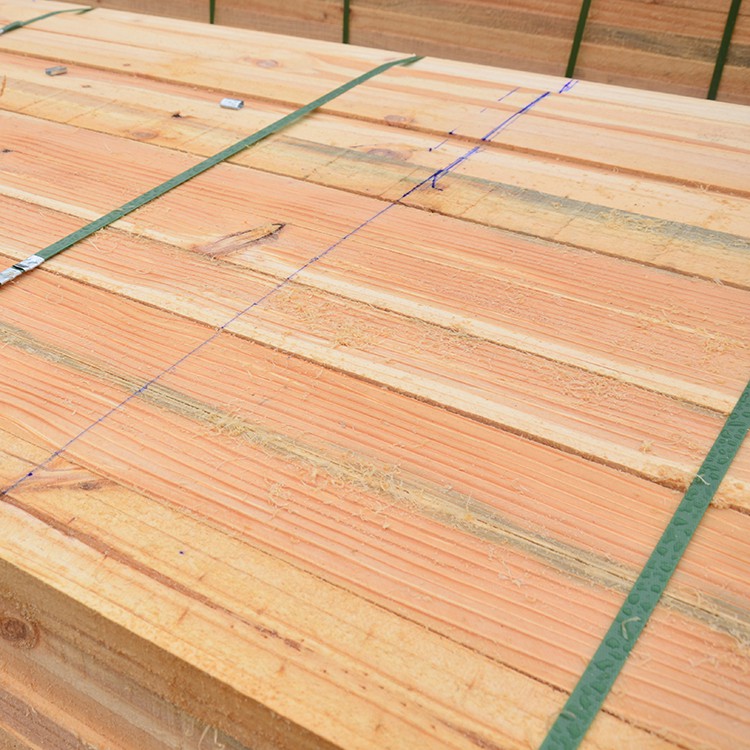
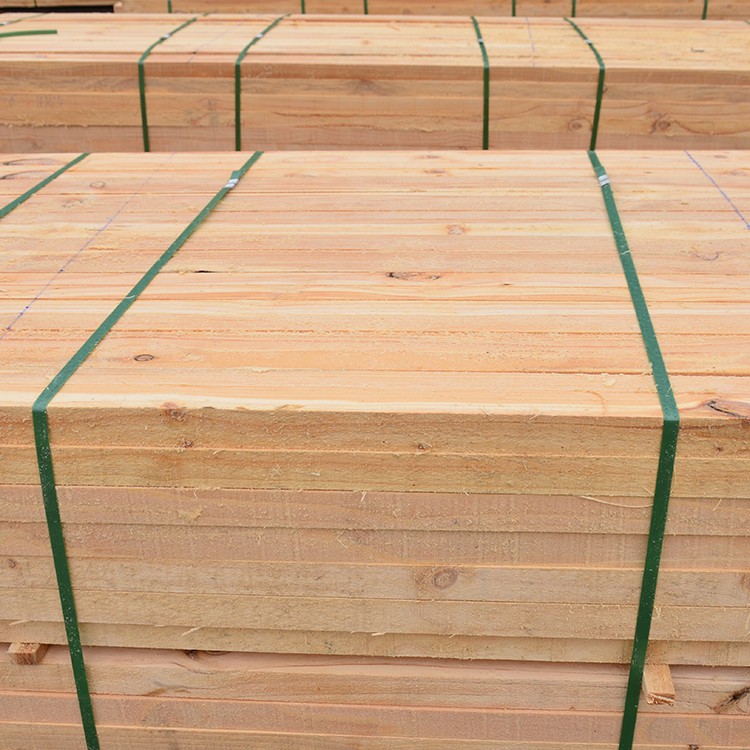








New Zealand radiation pine, also known as New Zealand pine, English name monterey pine , Native to some islands in California, USA. But it does not grow well in its place of origin, with poor stem shape and slow growth rate, and has not received much attention from people. In the 19th century, the New Zealand radiation pine entered New Zealand and, thanks to the island's climate conditions, it successfully settled down and grew exceptionally well. Through modern genetic breeding and intensive management techniques, the yield per unit area of radiation pine plantations in New Zealand has increased by 30% compared to 60 years ago. The radiation pine industry has become one of the country's pillar industries, with forestry workers accounting for approximately 0.56% of the total population. In addition to New Zealand, radiation pine has also achieved good development in Australia, South Africa, Chile, and Spain.
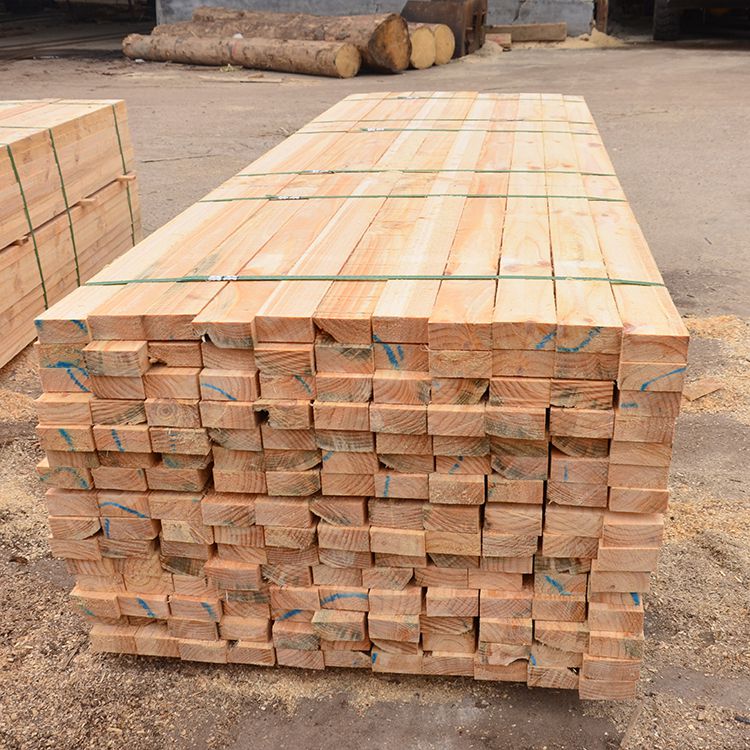
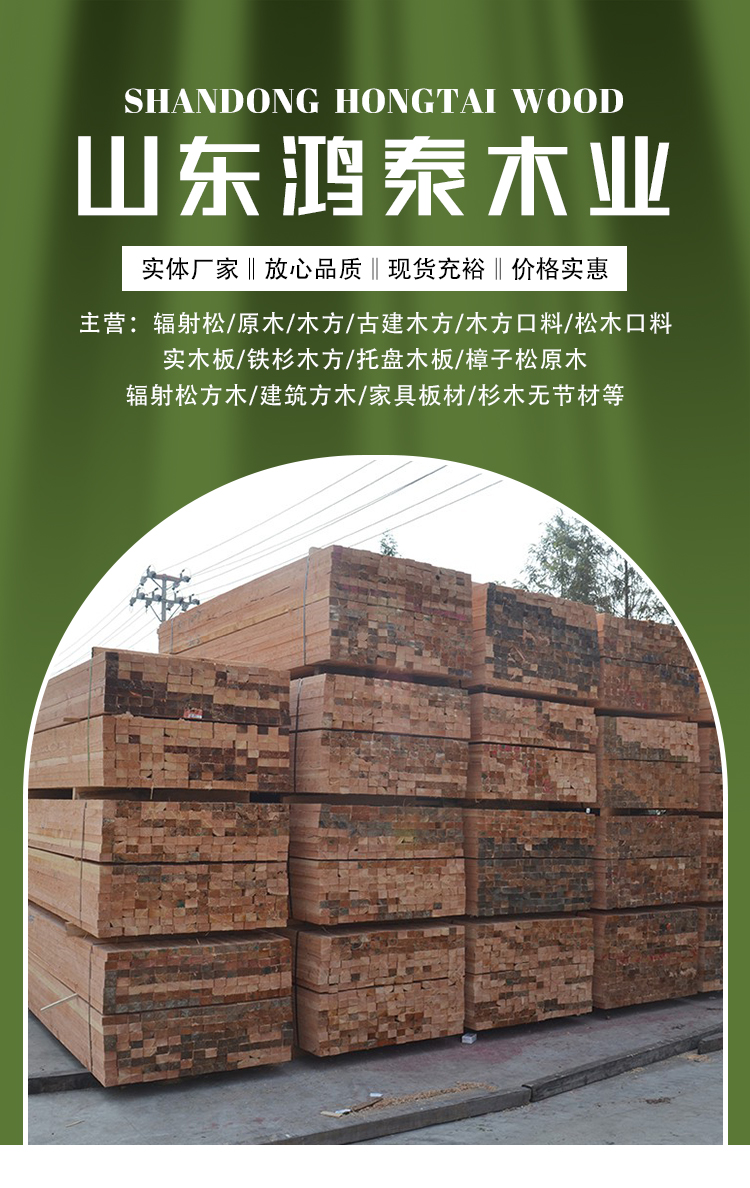
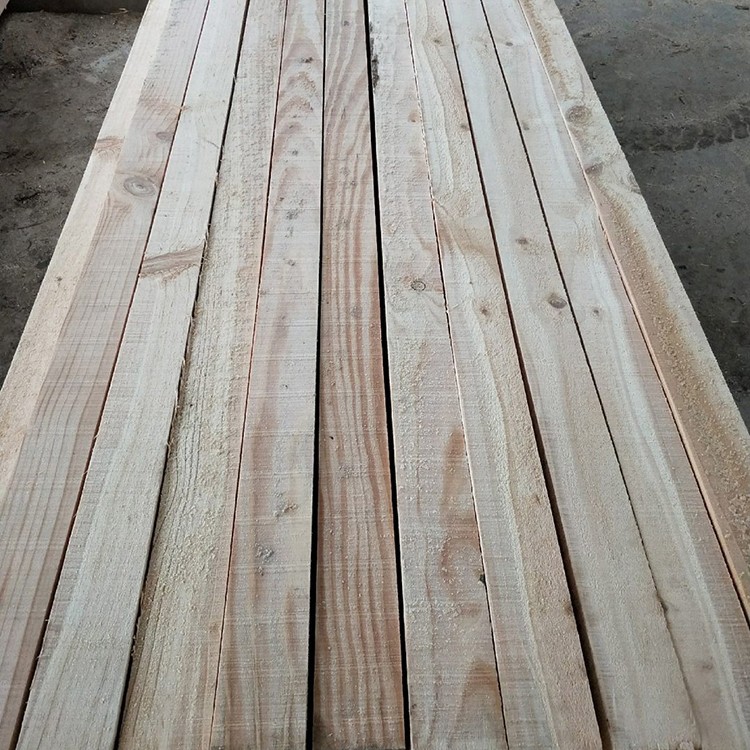
Radiant pine can currently be used in various fields such as construction, artificial boards, papermaking, furniture, railway sleepers, etc.
Growing Environment
Radiant pine is vertically distributed in areas with an altitude of 0-330 meters in its place of origin. The climate in the distribution area is humid, with an annual precipitation of 380 mm~800 mm, an average annual temperature of 16.7 ℃~18.3 ℃, no snow throughout the year, and a frost free period of 300 days. From the situation of introduction and promotion in various countries, it can be seen that the adaptation range of Pinus radiata to climate is much wider than its original region. It can grow in areas with an average temperature of 12 ℃~20 ℃, annual sunshine hours of more than 2000 hours, and annual precipitation of 600 mm~1250 mm (except for winter rain climate, even rain climate is also acceptable, with humid climate being preferred).
Radiant pine has strong adaptability to soil. In the coastal sand dunes of the northern North Island of New Zealand, the radiation pine forest grows well, effectively preventing sandstorms from invading and fixing the moving sand dunes; The central part of the North Island is a famous production area for radiation pine plantations in New Zealand, with most of the soil being volcanic ash; The soils in the southern and northern parts of the North Island are mainly loam and sandy loam. Generally speaking, Radiant Pine is tolerant to poor soil conditions and does not have strict requirements for soil types such as sandy soil, light saline soil, and altitude. Therefore, in addition to timber, it is also a good tree species for greening barren mountains and wastelands.


.jpg)