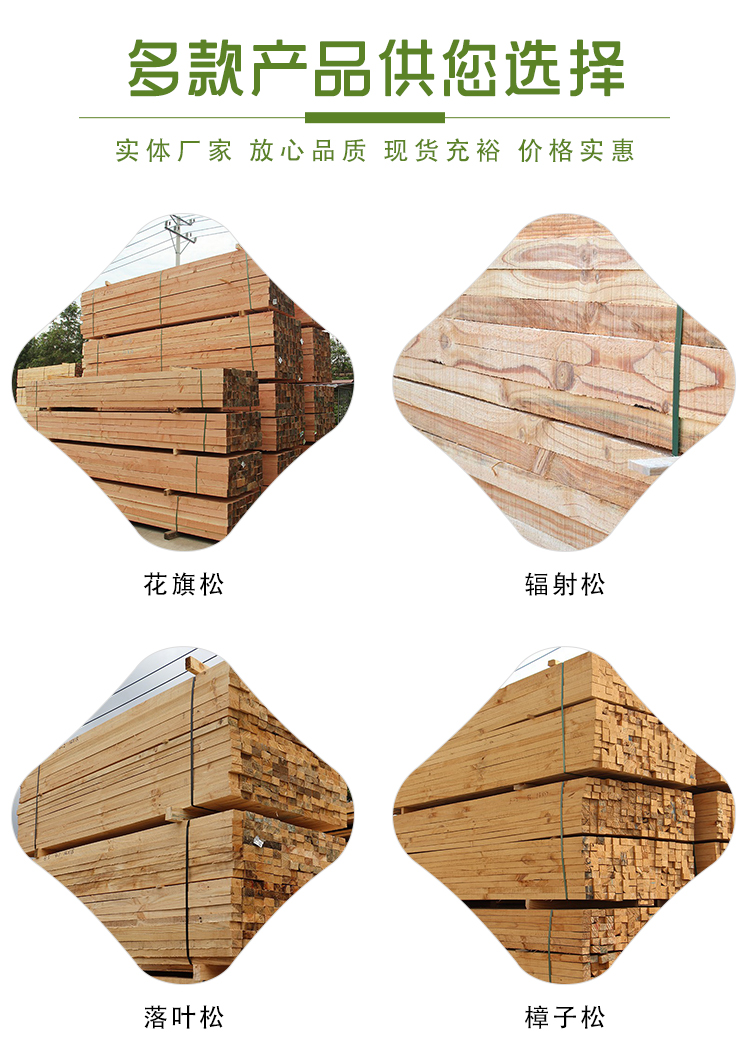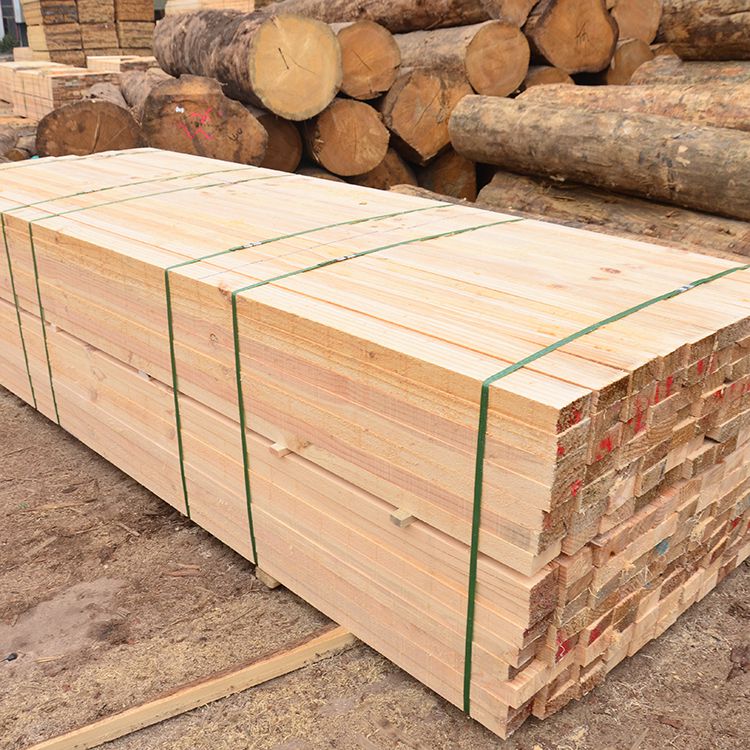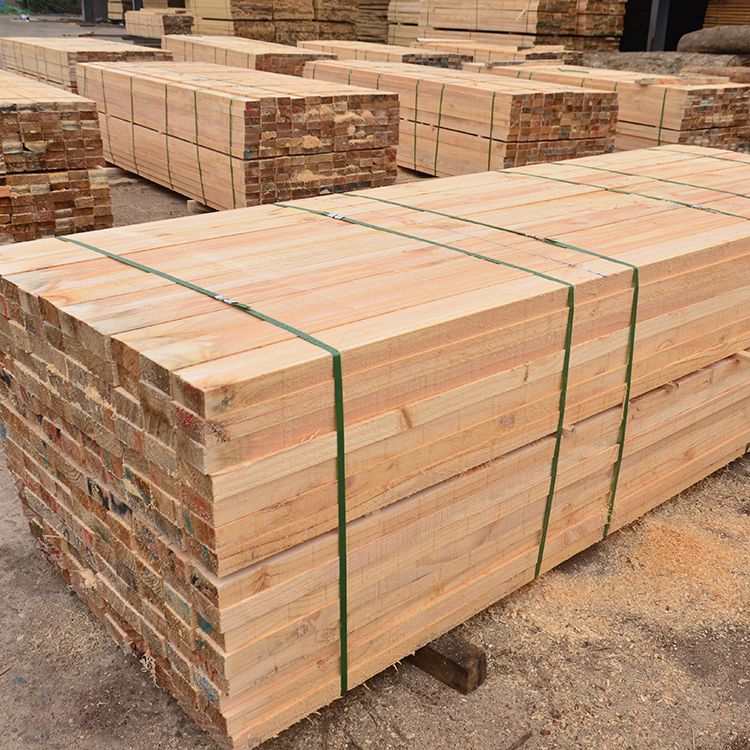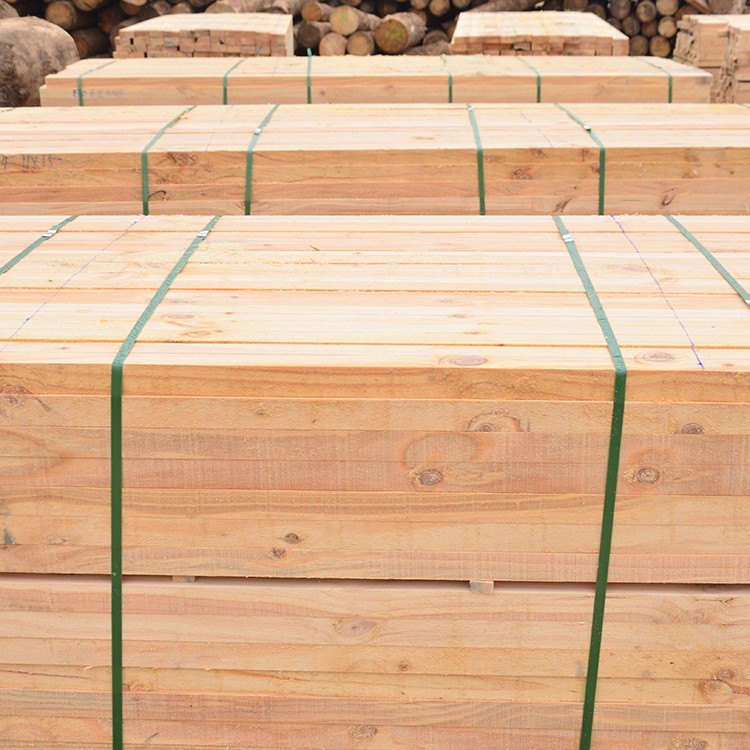







development
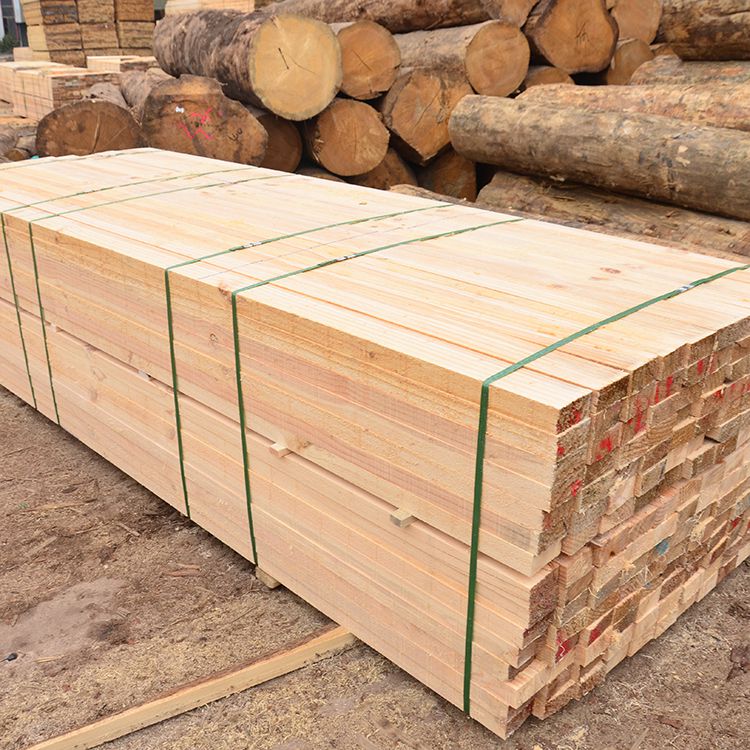
The growth characteristics of New Zealand radiation pine have received attention from people. In the 1920s and 1930s, New Zealand saw the rise of large-scale cultivation of radiation pine plantations. However, the use of modern genetic technology to improve radiata pine is only a matter of recent decades. After decades of continuous efforts, Pinus radiata has become the leading timber species in New Zealand, and timber production has reached a development stage. Various forest products made from Pinus radiata continue to enter the international market, making New Zealand one of the major timber producing countries in the world today. According to statistics, New Zealand has a forest coverage rate of 30%, with a forest area of 8.1 million hectares, including 1.7 million hectares of artificial forests. In artificial forests, the area of radiation pine forests is 1.56 million hectares, accounting for about 92%.
Natural forests are mainly used for landscape beautification, water conservation, and soil and water conservation. Wood production mainly comes from radiation pine plantations, which account for less than 20% of the entire forest area. This means that New Zealand has fundamentally solved the problem of wood supply with less than 6% of the land, and has been praised by the world. Forest products are an important export commodity for New Zealand. According to statistics, 10% of the timber in artificial forests comes from New Zealand. The supply of forest products in New Zealand accounts for 1.1% of the world's forest product trade and 8.8% of the Asia Pacific region; And these forest products come from 0.05% of the world's forest resources, with an annual logging area equivalent to only 0.0009% of the forest. This achievement should be attributed to New Zealand's sustainable management of artificial forests.
Before the 1970s, Chile was a country with a shortage of timber, but since the 1980s, Chile's pine wood has gradually been exported to the international market. The reason for this rapid change is attributed to the promotion of radiation pine. The successful decision of Chilean forestry at that time was to introduce and develop radiation pine and eucalyptus trees, increase forest resources, and improve the production of commercial timber. The Chilean forestry department hired forestry experts from New Zealand for guidance, and after just over 20 years of effort, a miracle finally emerged.
Except for New Zealand and Chile, radiation pine has achieved successful development in Australia, South Africa, and Spain.
According to experts, radiation pine can grow in some areas of China. Moreover, if high-tech intensive management is adopted, its rapid growth characteristics can be fully utilized. By understanding the ecological characteristics of radiation pine species and the natural conditions of relevant provinces and regions, it is preliminarily believed that some areas in Guizhou, Sichuan, Chongqing, and Yunnan in the southwestern region are ideal areas for developing radiation pine in New Zealand. In addition, Hanzhong, western Hubei, and western Hunan south of the Qinling Mountains may also be suitable for the growth of Pinus radiata. Therefore, the approximate distribution line of the Radiant Pine is south of the Qinling Mountains and south of the Yangtze River. The winter in Northeast, North China, and Northwest regions is extremely cold, which is not suitable for the growth of this tree species.
Radiant pine is still a new tree species in China, and its specific geographical distribution and growth characteristics still need further in-depth research.