











Distribution range
Produced in the mountainous areas of the Greater Khingan Range in Heilongjiang Province, China, at an altitude of 400-900 meters, as well as in the sand dune areas west and south of Hailar. Mongolia also has distribution. The type specimen was collected from Mongolia.
Main Value
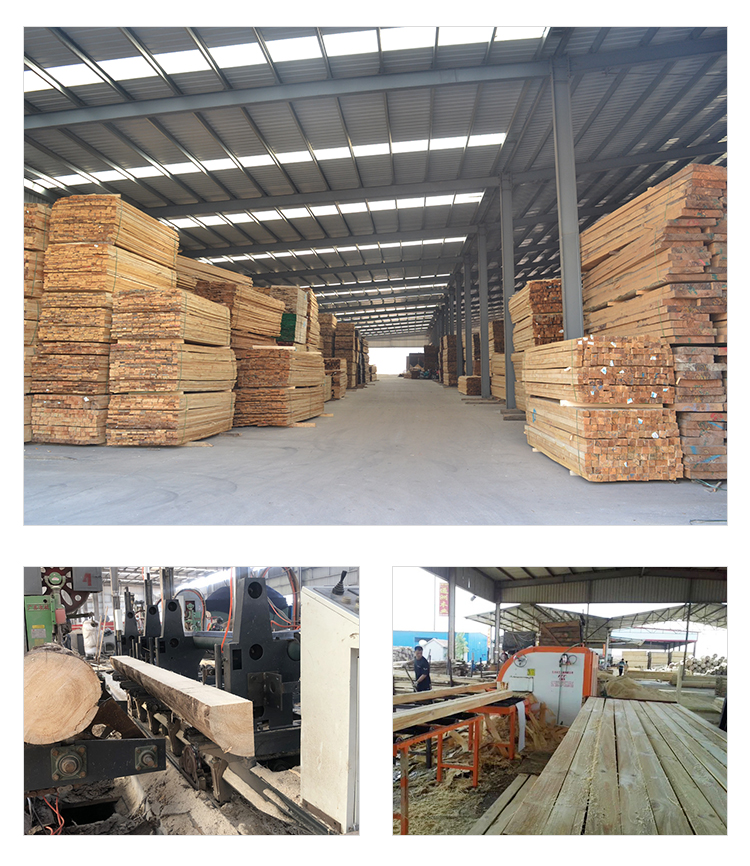
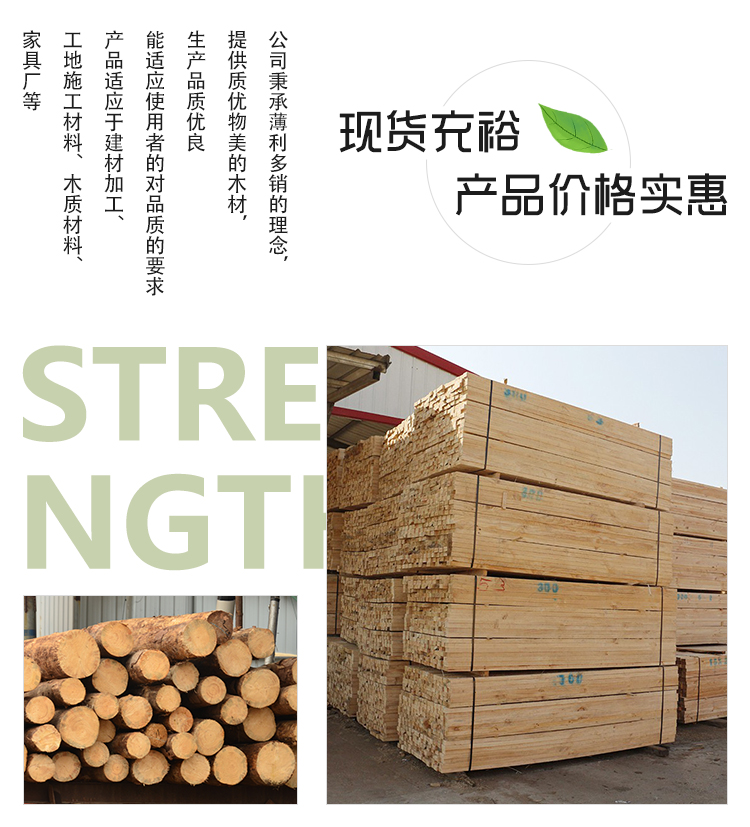
Pinus sylvestris var. mongolica is an excellent tree species for fast-growing timber, protective greening, and soil and water conservation in Northeast China. The material is strong and has a straight texture, making it suitable for use in construction, furniture, and other materials. The trunk can be cut for resin to extract pine pears and turpentine, and the bark can be extracted for glue.
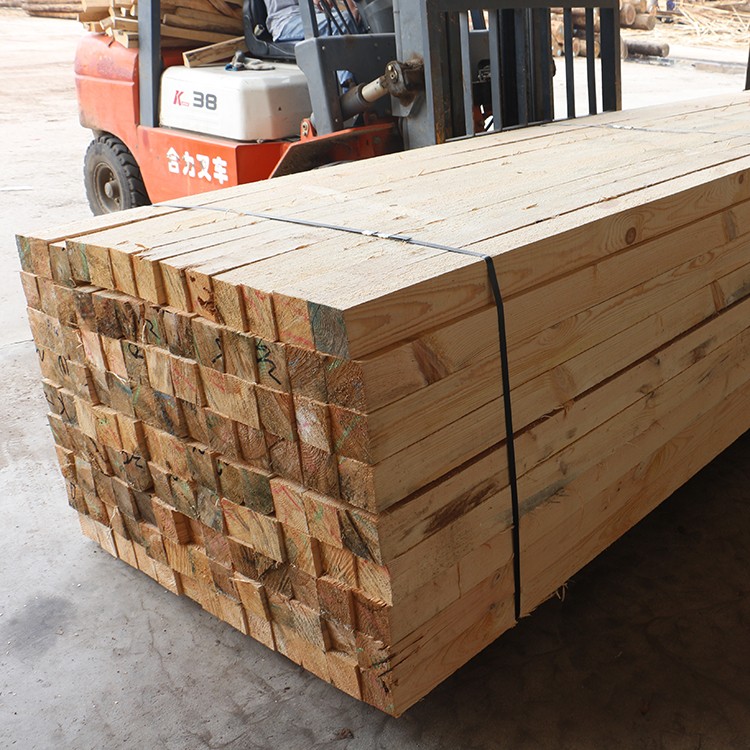
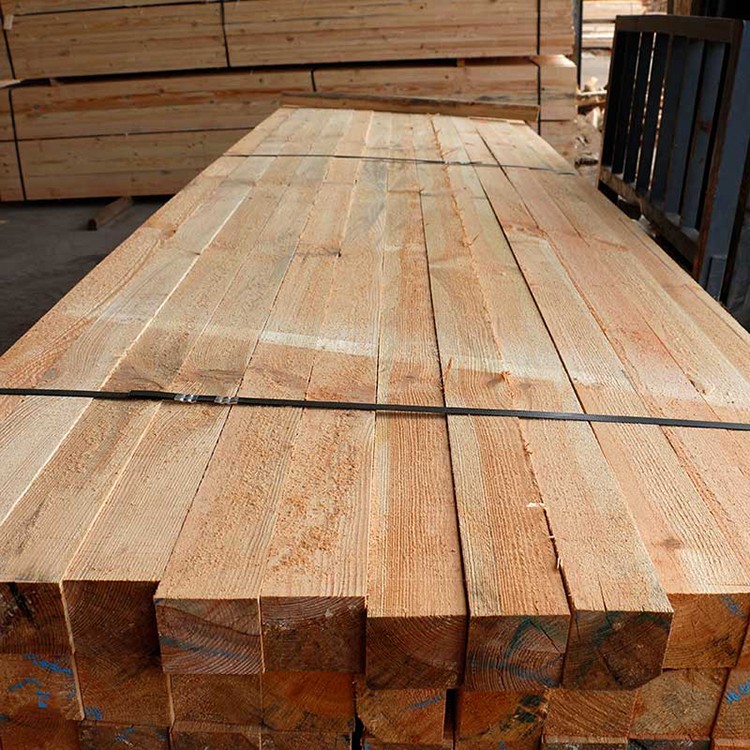
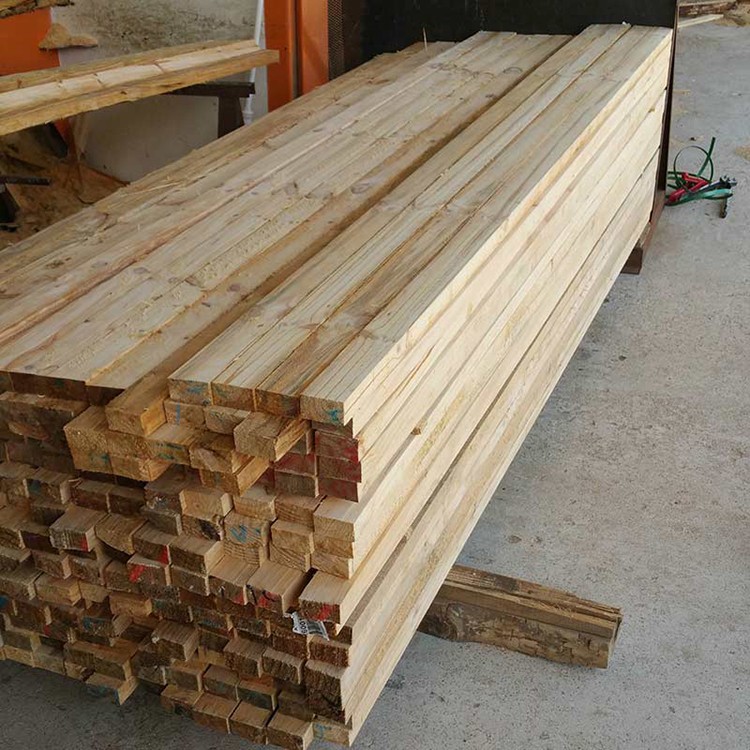
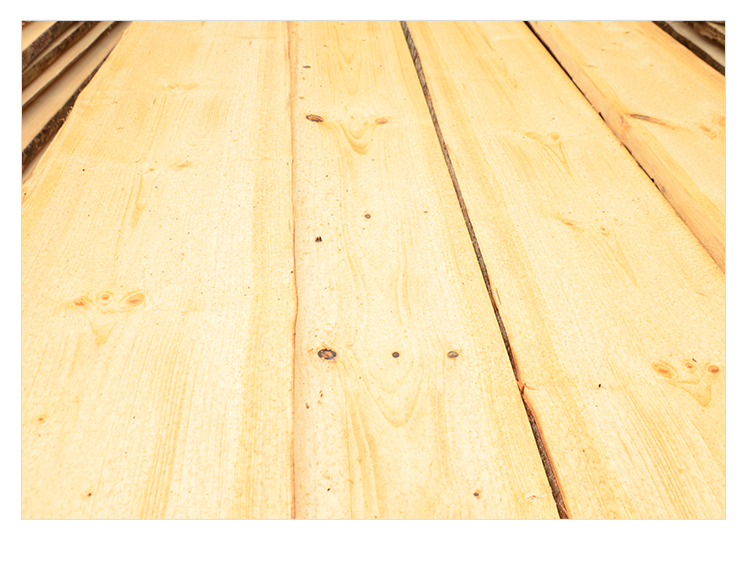
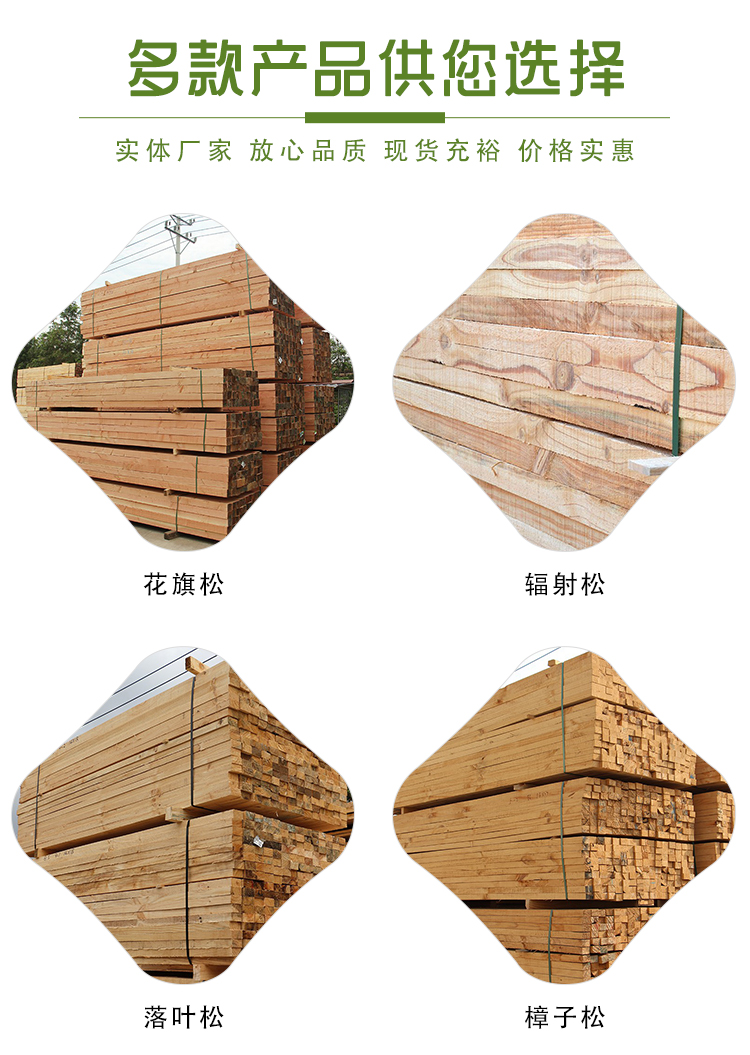
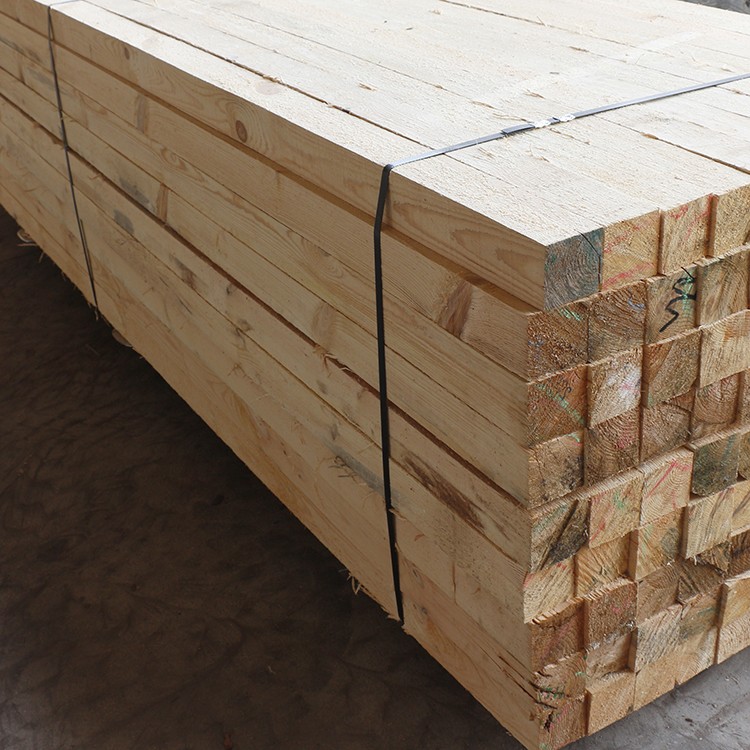
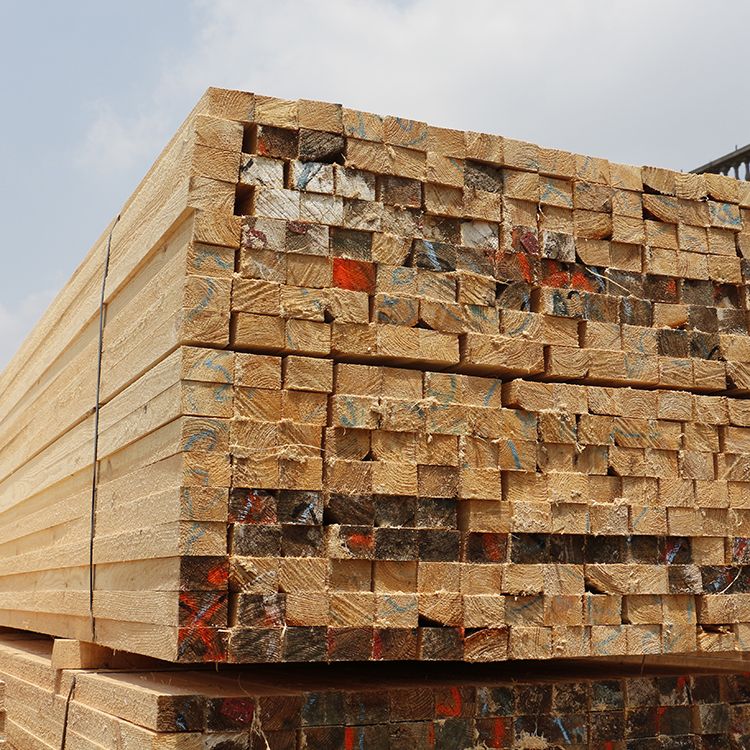
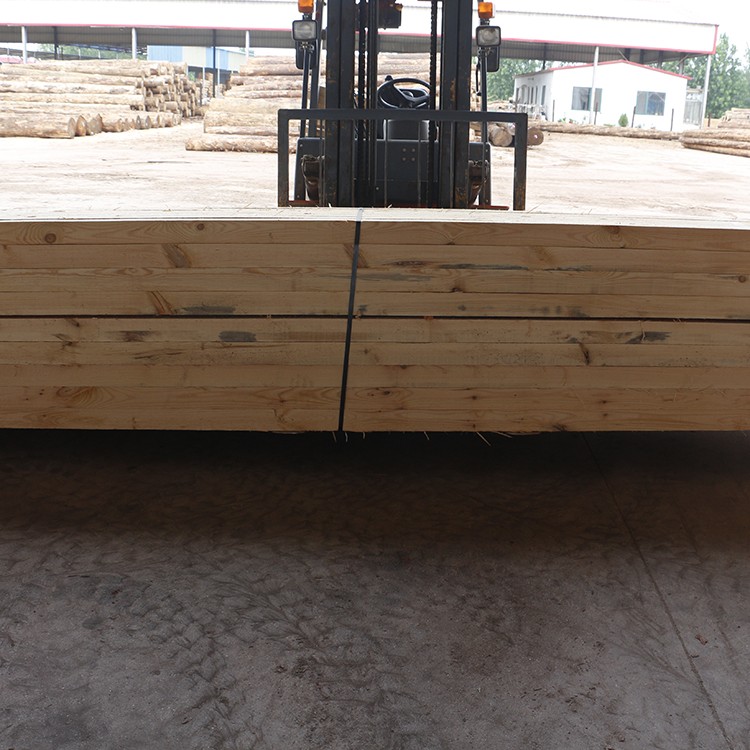
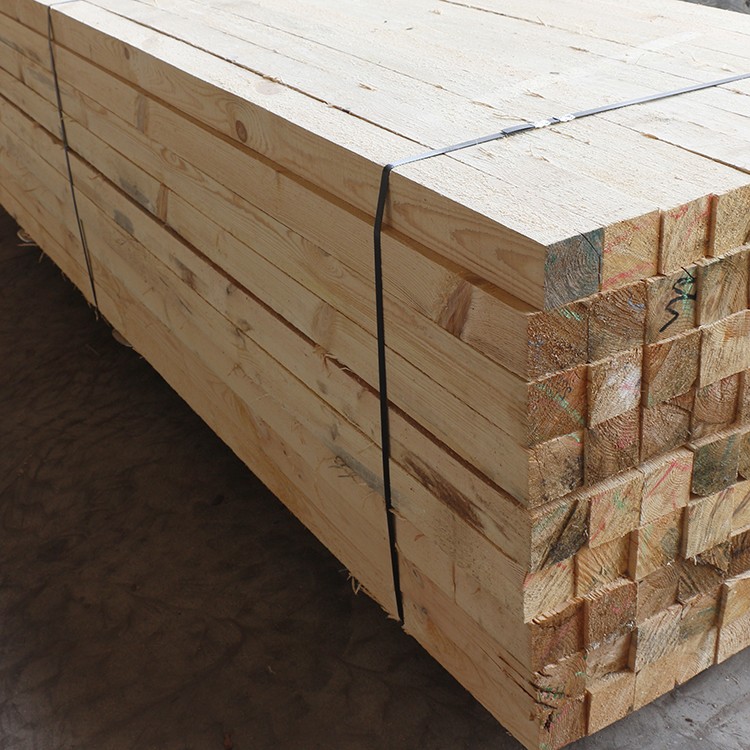
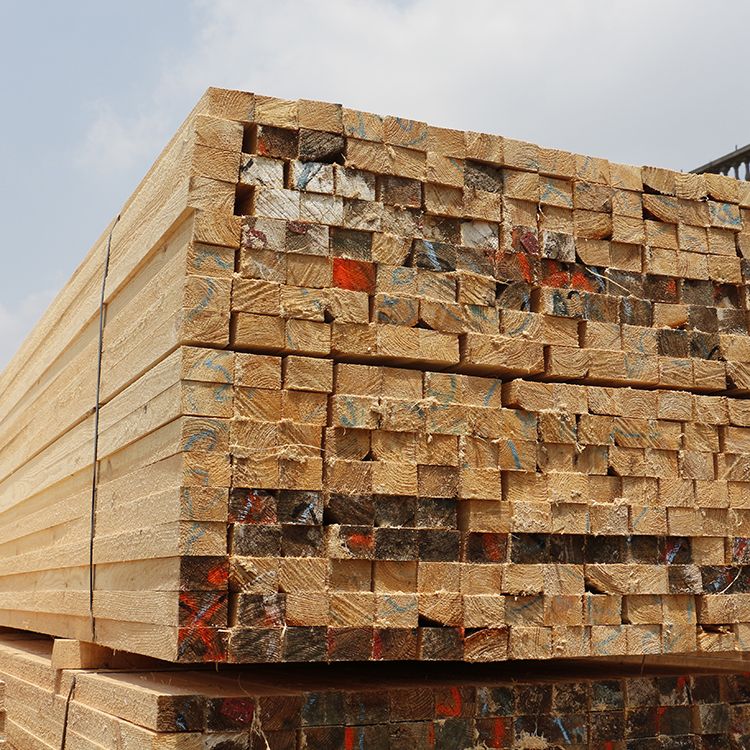
The heartwood is light reddish brown, the sapwood is light yellow brown, the material is fine, the texture is straight, and there is resin. Can be used as materials for construction, sleepers, poles, ships, appliances, furniture, and wood fiber industrial raw materials. The trunk can be cut to extract resin, rosin and turpentine, and the bark can be used to extract tannin extract. Can be used as a garden ornamental and greening tree species. The trees grow quickly, have good materials, and have good adaptability. They can be used as afforestation tree species in the mountainous areas of Daxing'anling in Northeast China and the sandy hills in the west.
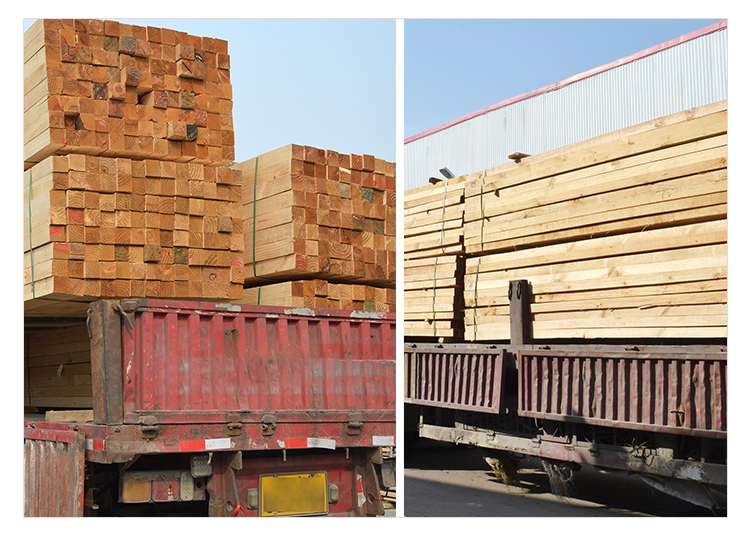
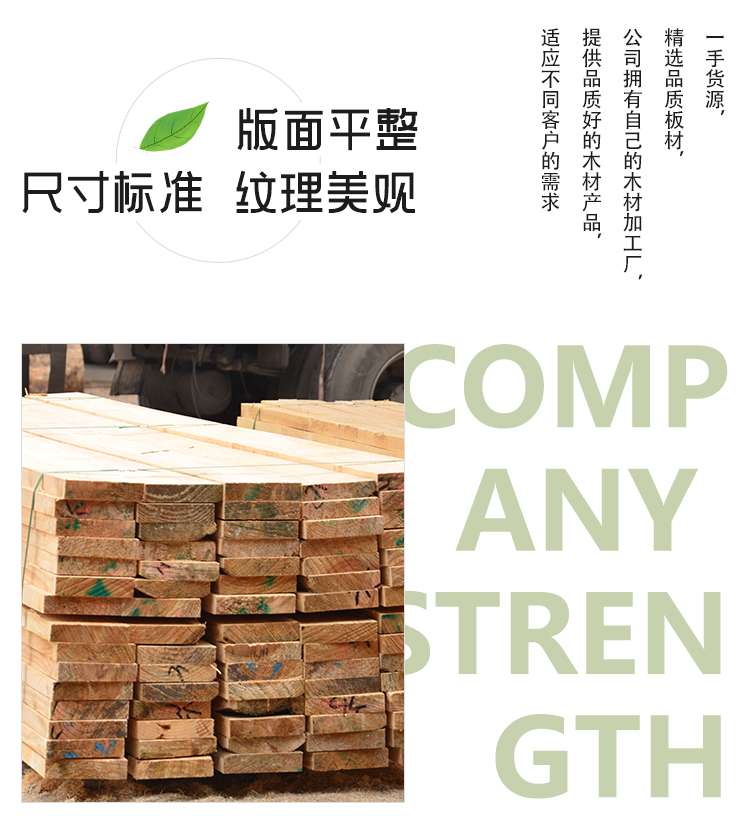
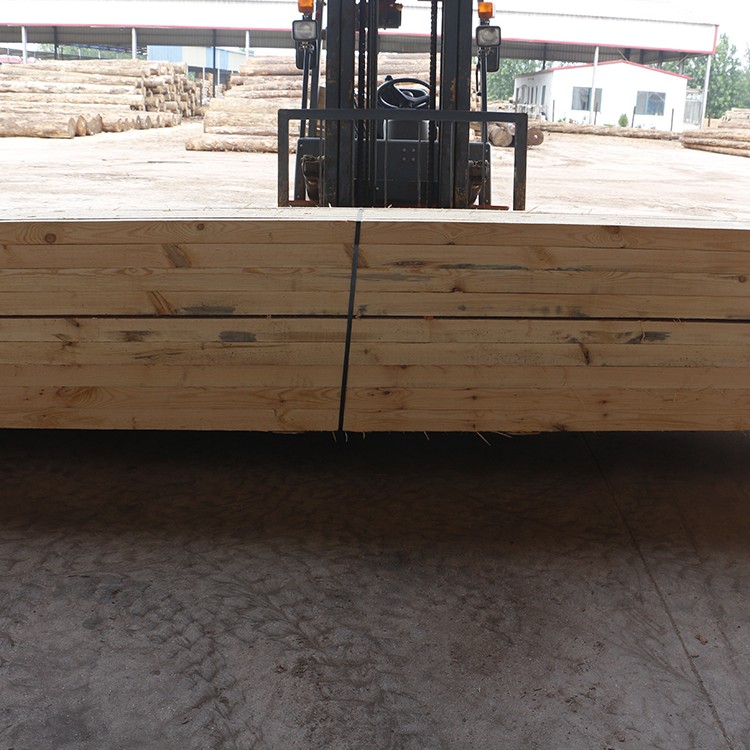
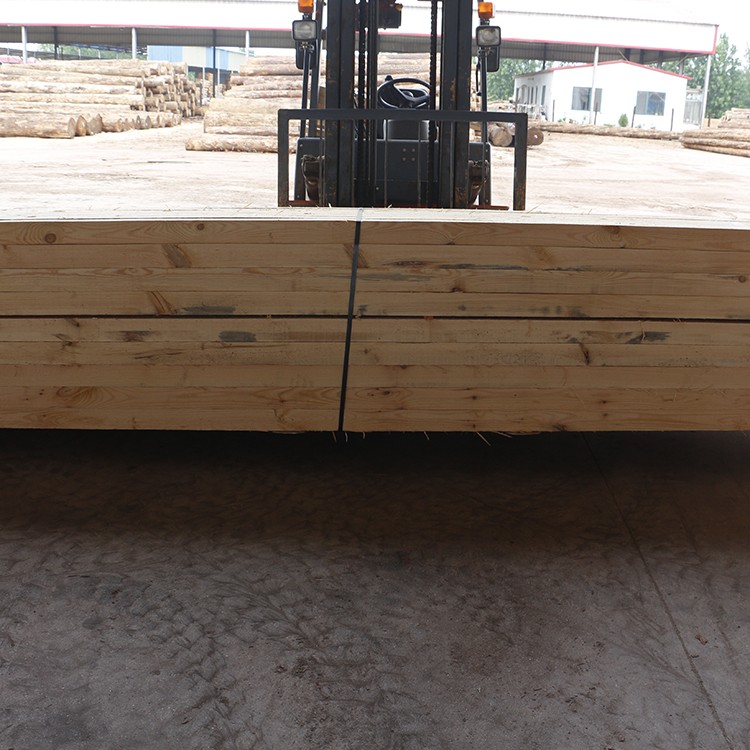
Air dry density 422kg/m3; Wood hardness, moderate density, moderate physical properties, and moderate pore holding force; The texture is fine and straight, the wood grain is clear, and the deformation coefficient is small; Good performance in drying, mechanical processing, and anti-corrosion treatment; The paint and bonding performance are average. Easy to paint and dye after anti-corrosion treatment. It is the main raw material for anti-corrosion wood in China, with a general material specification of 6 meters.
The tree shape and trunk are both aesthetically pleasing and can be used as garden ornamental and greening tree species. Due to its characteristics of cold resistance, drought resistance, barrenness tolerance, and wind resistance, it can be used as the main tree species for protective forests and sand fixation afforestation in the Three North regions. After successful afforestation in sandy areas, with the growth of trees, not only does wind erosion decrease, but there is also an increase in dead branches and leaves, and it has the effect of windproof and sand blocking to change the environment.
The needles of Pinus sylvestris var. mongolica have high nutritional value, with a crude protein equivalent to grass and a high crude fat content of about 5%. They also contain various trace elements and vitamins. The content of carotenoids is 198-344mg/kg. According to measurements, natural camphor pine forests produce 14.27 tons of dry branches and 7.92 tons of dry leaves per hectare, which can be processed into pine needle powder. If 5% to 10% pine needle powder is added to the diet of pigs, sheep, cows, rabbits, and chickens, it can significantly increase livestock yield and promote development. It is a very good feed resource.