







Common Furniture
1. Finnish pine wood furniture
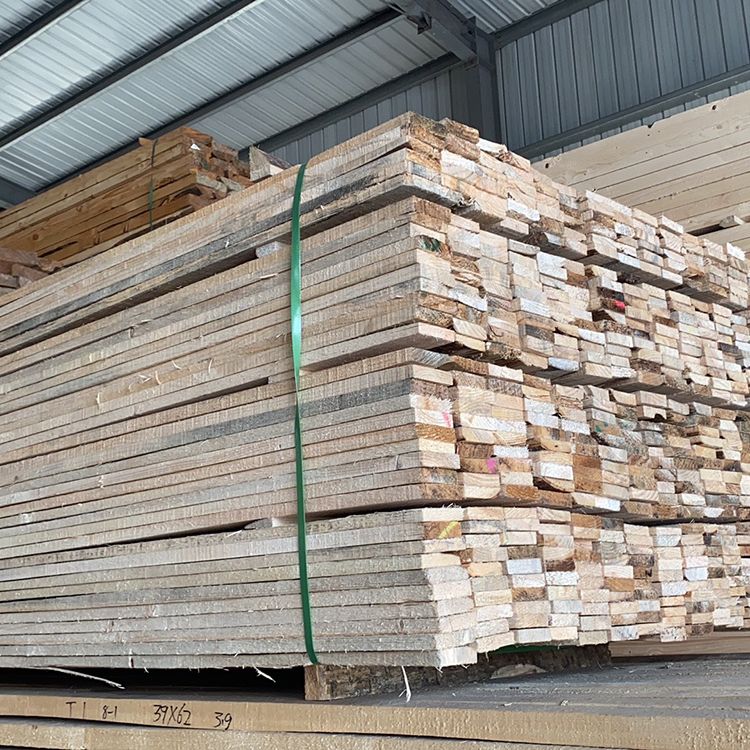
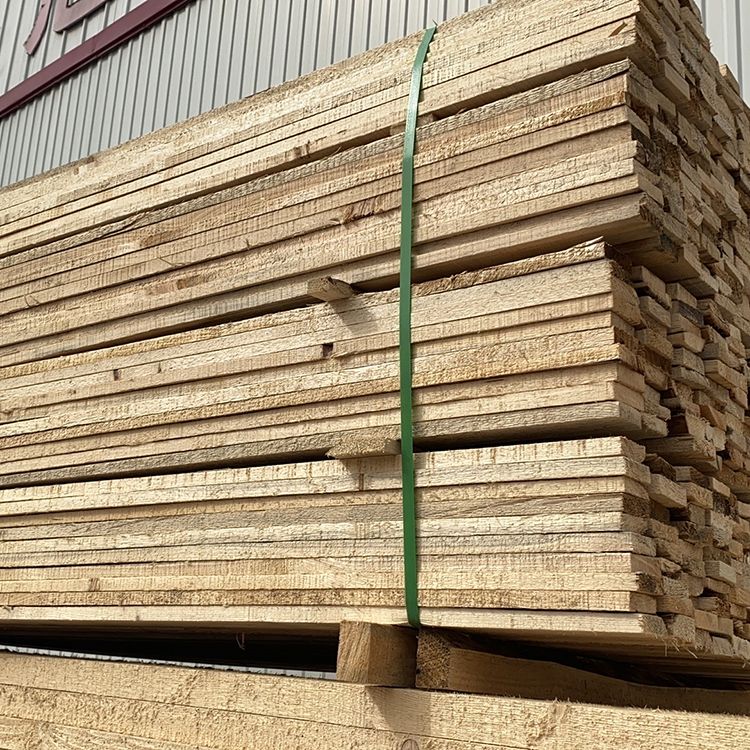
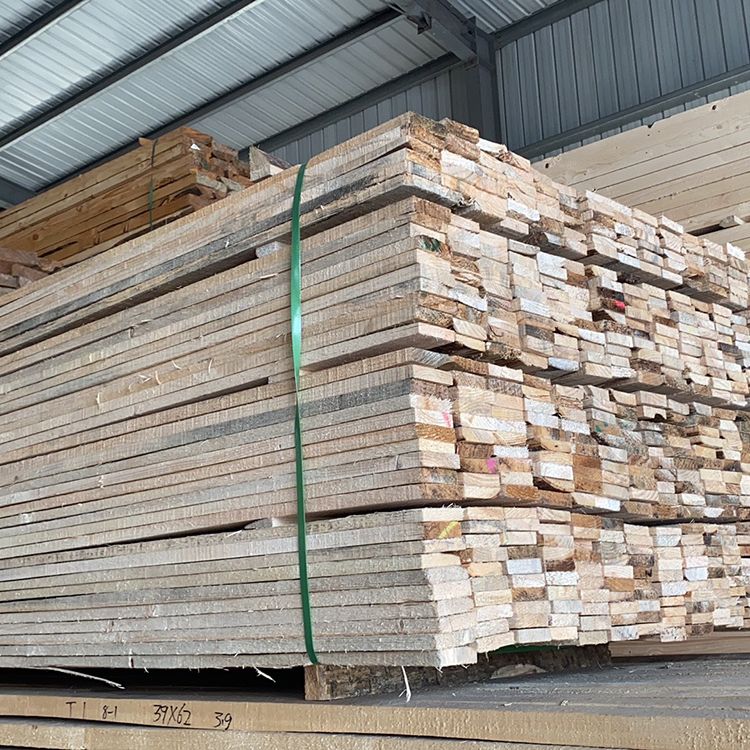
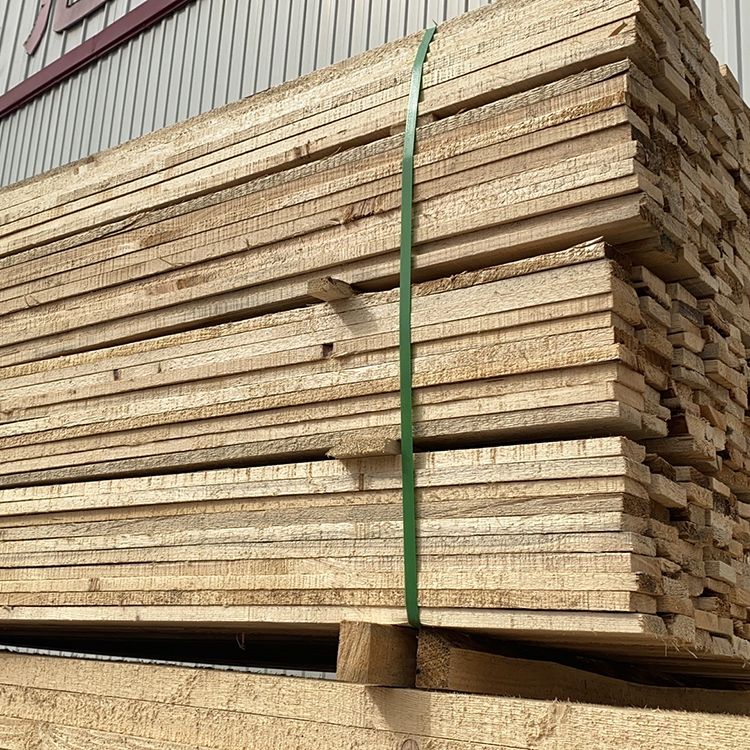
Finnish pine, also known as "Nordic red pine", is an artificial forest tree produced in Finland. Finnish pine grows in cold regions, with a slow growth cycle and good wood stability. It has the characteristics of physical compression resistance, shear resistance, and strong nail holding ability, making it very suitable for making furniture for teenagers and children. After defatting and drying, Finnish pine can be processed into wood that maintains its environmental friendliness and multifunctionality. Furniture made from Finnish pine has a clear texture, delicate and beautiful texture, and is very popular among consumers.
2. New Zealand pine furniture
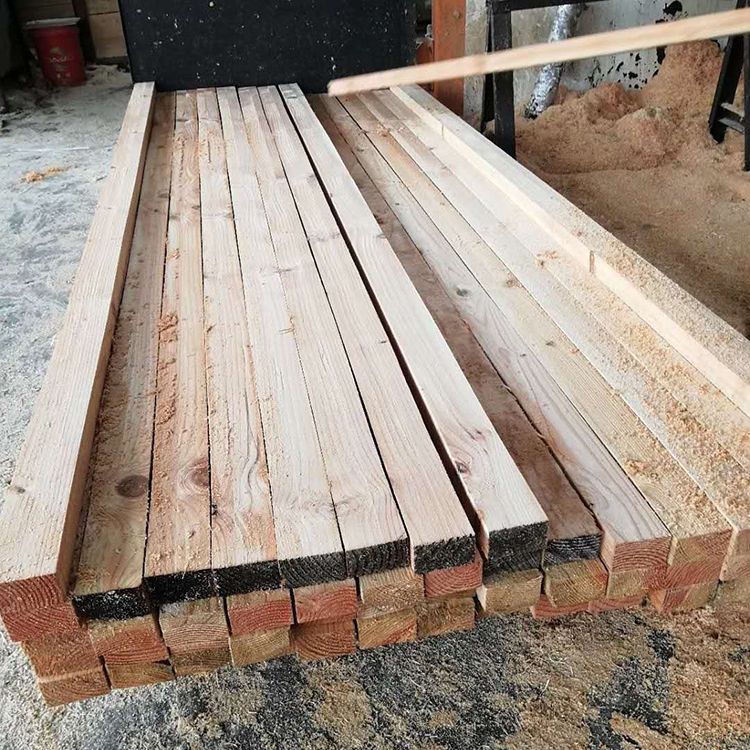
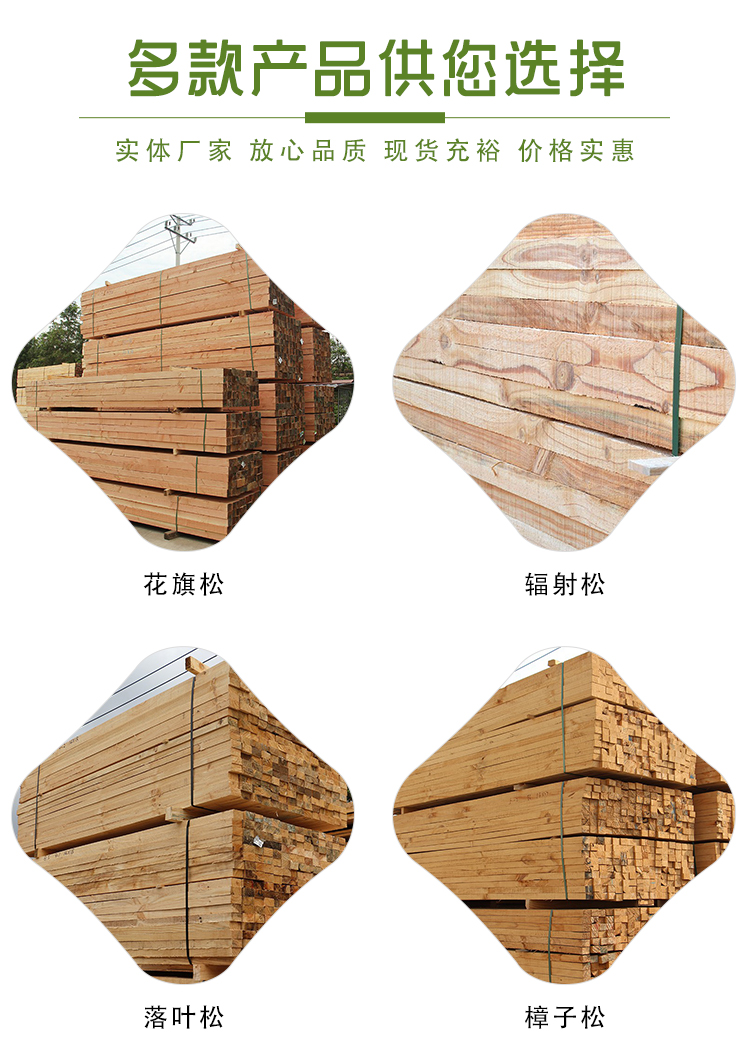
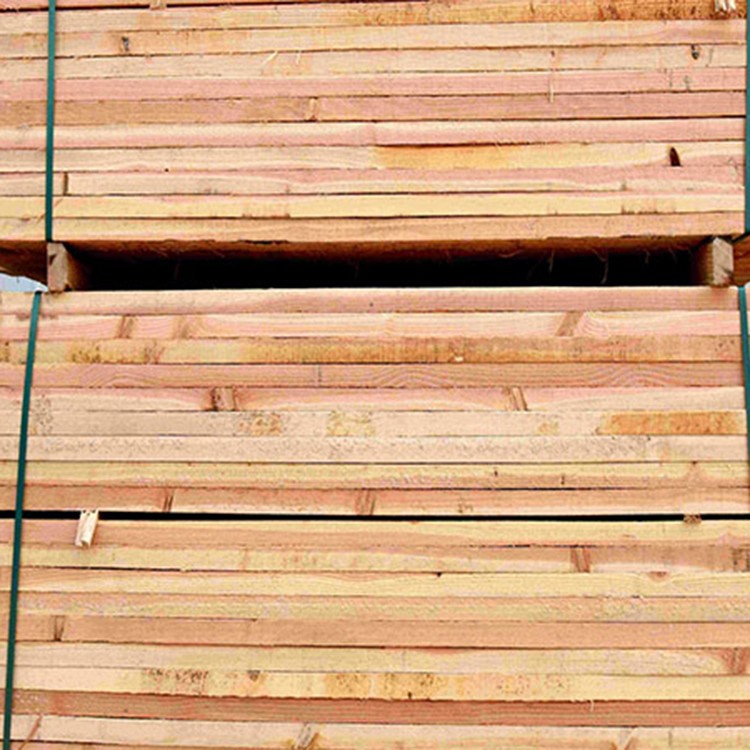
New Zealand pine, also known as radiation pine, is native to California, USA and entered New Zealand in the 19th century. Thanks to the favorable climate conditions of the island nation, this pine tree grows well and has become one of the representatives of New Zealand. The characteristics of New Zealand pine are light yellow color, straight texture, easy drying, small deformation, and outstanding bonding performance, suitable for making furniture and various wooden products.
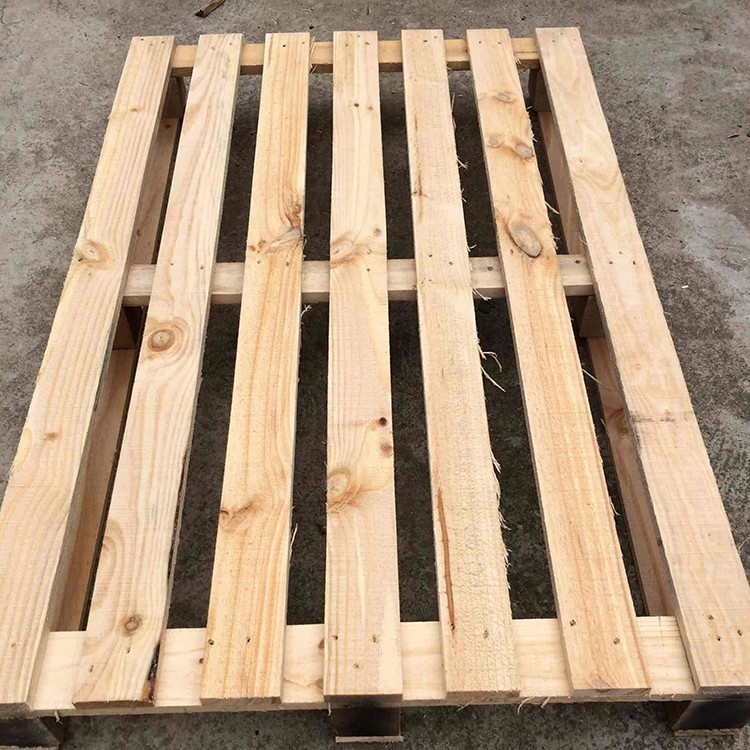
Pine wood furniture can be roughly divided into the following types according to its development history: traditional pine wood furniture, made of pure pine wood, with a design that highlights nature, a simple and square shape, clear lines, and a simple, subtle, and rigorous style. In the era of new trends, it still maintains its antique and elegant style. Modern pine furniture is a combination of pine wood, fabric pine wood, metal, polyurethane plastic, and other materials. In addition, there is another type of finished pine furniture made from injection molds, but it is uniform and does not highlight individuality.
Whether it is traditional or modern, pine furniture pursues a style of innocence, simplicity, simplicity, and practicality. Making the furniture itself sturdy, durable, and long-lasting, modern people choose authentic pine wood furniture, which not only relieves the tense work of modern society, but also separates us from crowded and irritable urban life, catering to the psychological trend of returning to nature and returning to our true selves.