







1. The medical center oxygen supply system consists of gas source, control device, oxygen supply pipeline, oxygen terminal, and alarm device.
2. The gas source can be liquid oxygen or high-pressure oxygen cylinders. When the gas source is a high-pressure oxygen cylinder, 2-20 oxygen cylinders can be selected according to the gas needs. The oxygen cylinders are divided into two groups, one for oxygen supply and the other for backup.
3. The control device includes a gas source switching device, a pressure reducing and stabilizing device, and corresponding valves, pressure gauges, etc.
4. The oxygen supply pipeline transports oxygen from the outlet of the control device to various oxygen consuming terminals.
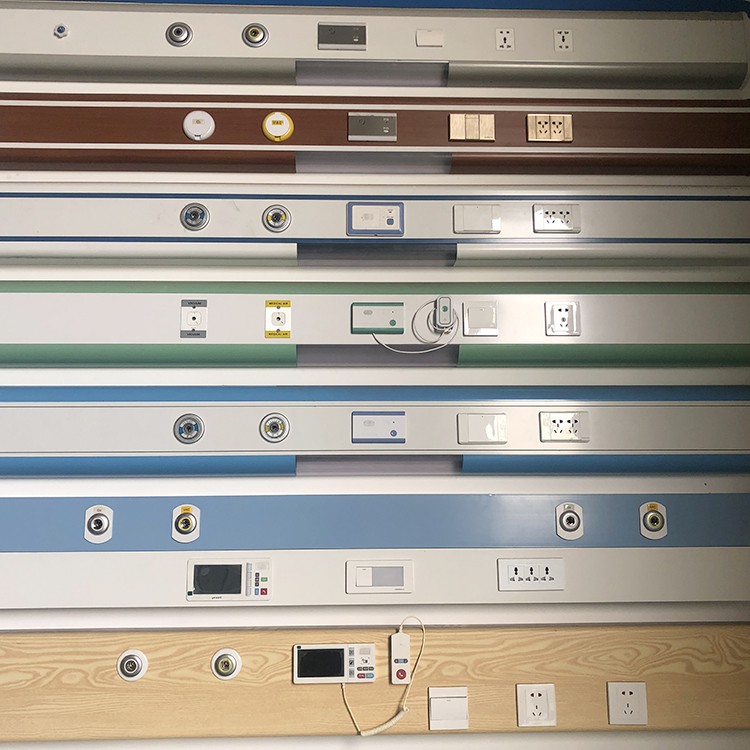
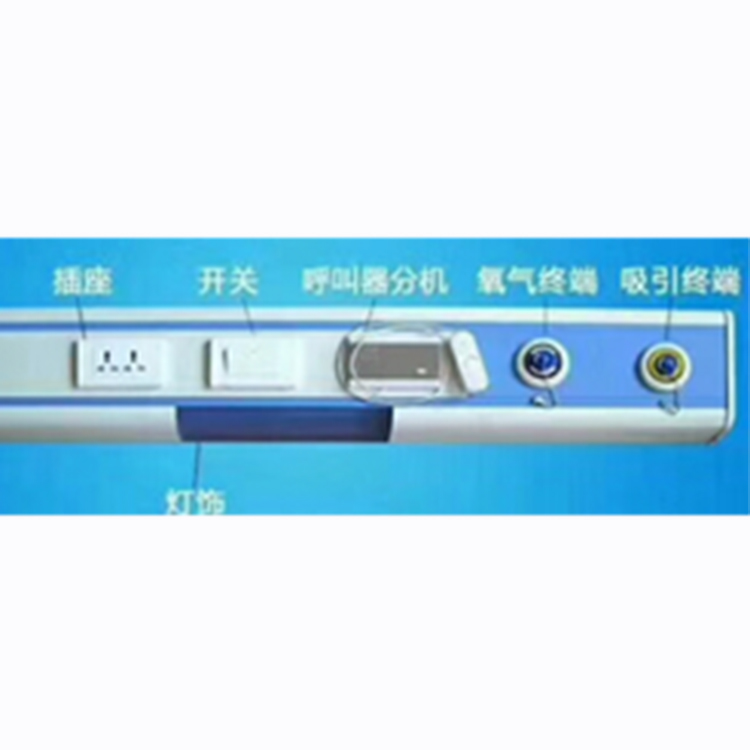
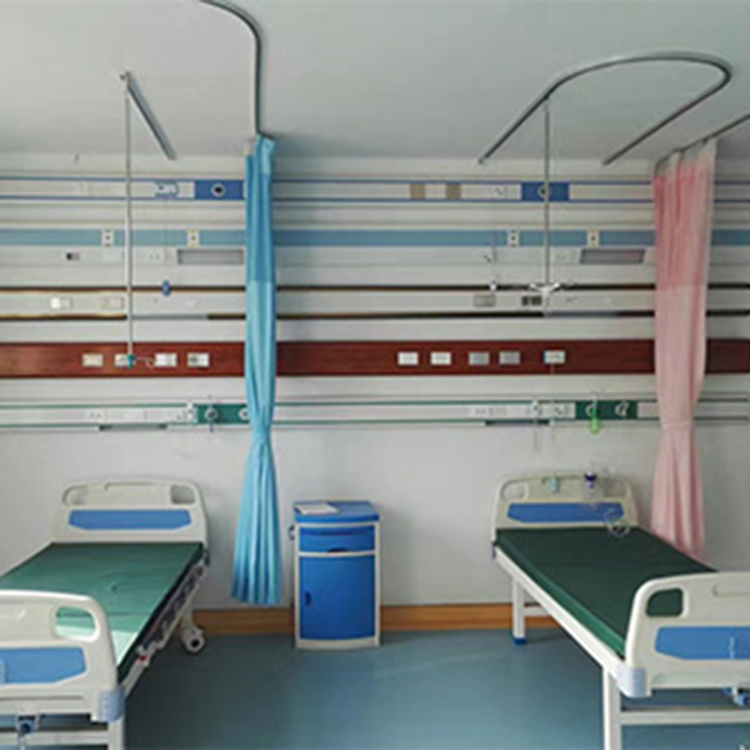
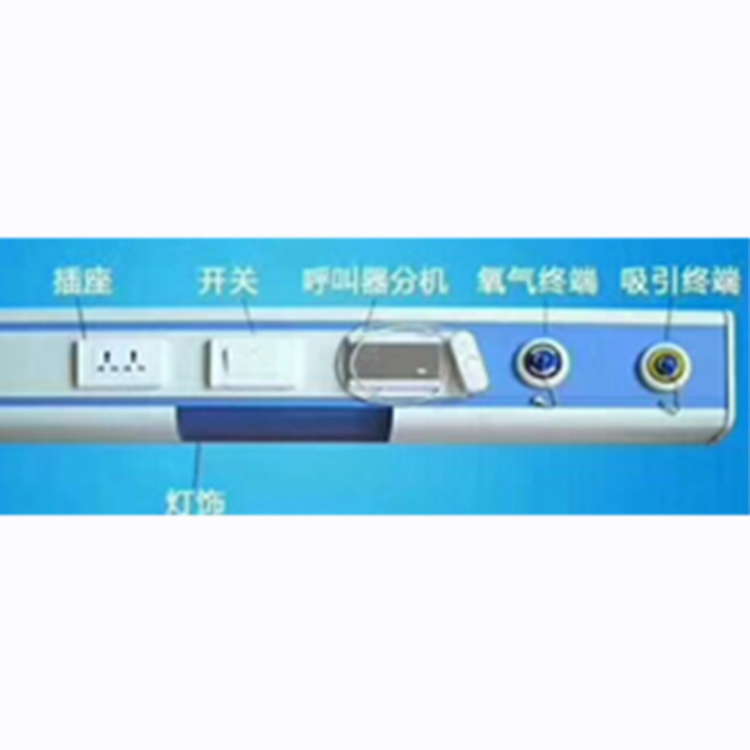
5. Oxygen terminals are located in wards, operating rooms, and other oxygen consuming departments. The oxygen terminal is equipped with a quick plug sealed socket. When in use, simply insert the connector of the oxygen supply equipment (oxygen humidifier, ventilator, etc.) into the socket to provide oxygen and ensure sealing; When not in use, you can unplug the oxygen supply device connector or close the manual valve.
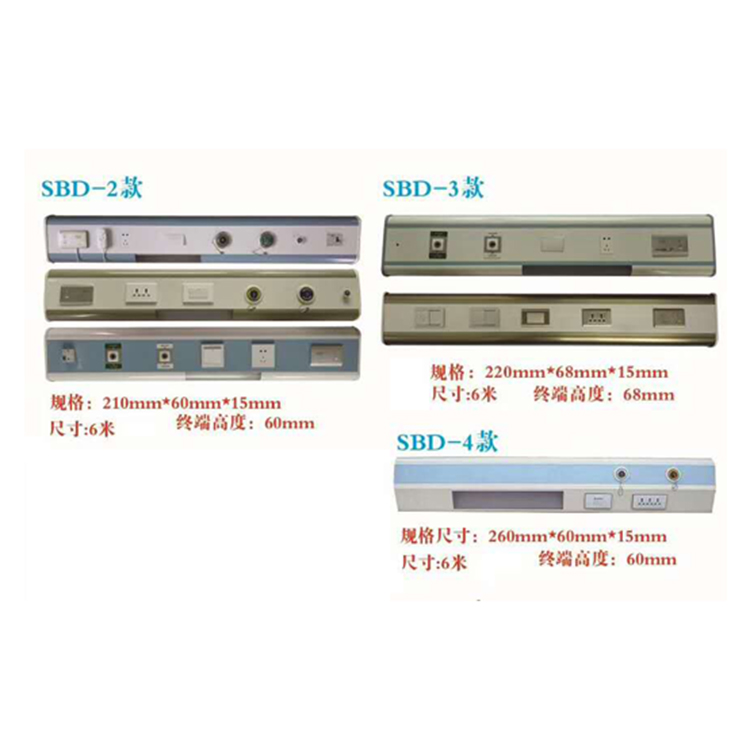
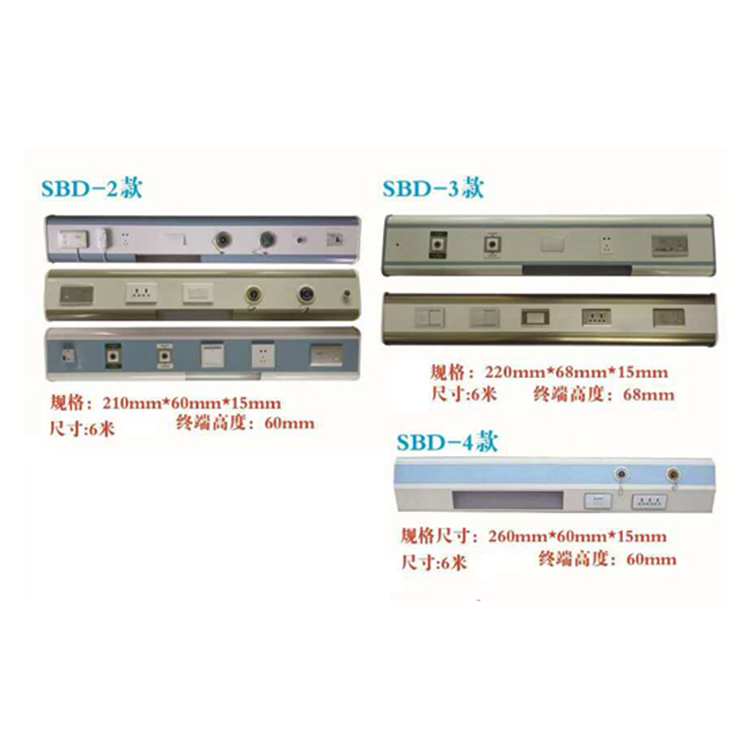
6. According to the different needs of hospitals, oxygen terminals also have different structural forms. Generally installed on the wall, there are two types: concealed installation (embedded inside the wall) and exposed installation (protruding outside the wall and covered with decorative covers); There are several forms of terminals for operating rooms and other wards, including wall mounted, mobile, and suspended tower.
7. The alarm device is installed in the control room, duty room, or other location selected by the user. When the oxygen supply pressure exceeds the upper and lower limits of the applicable pressure, the alarm device can emit sound and light alarm signals to remind relevant personnel to take corresponding measures.