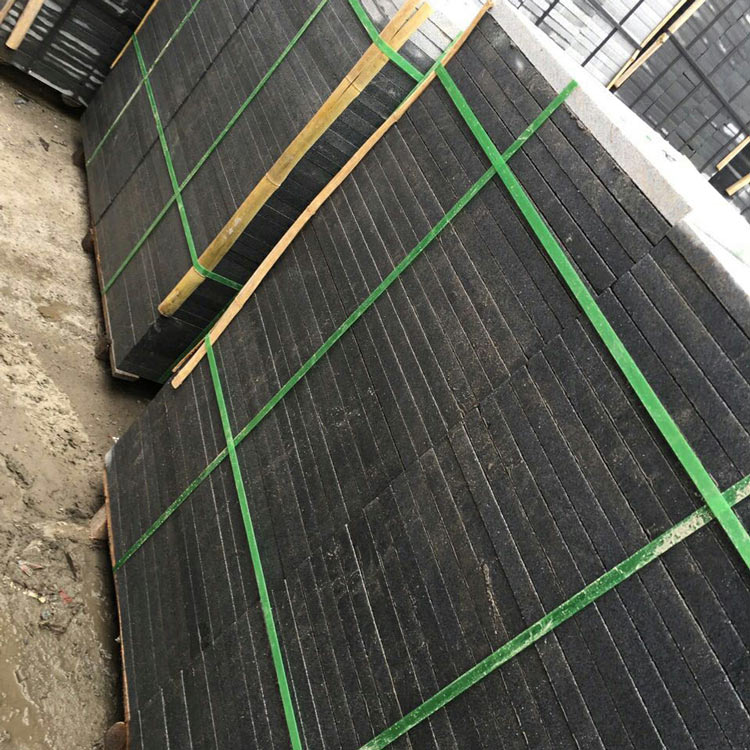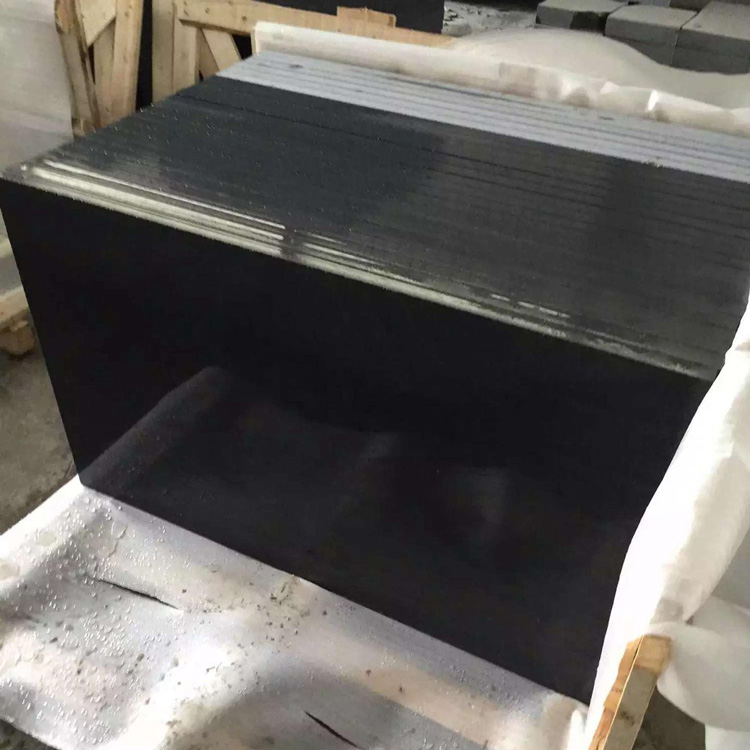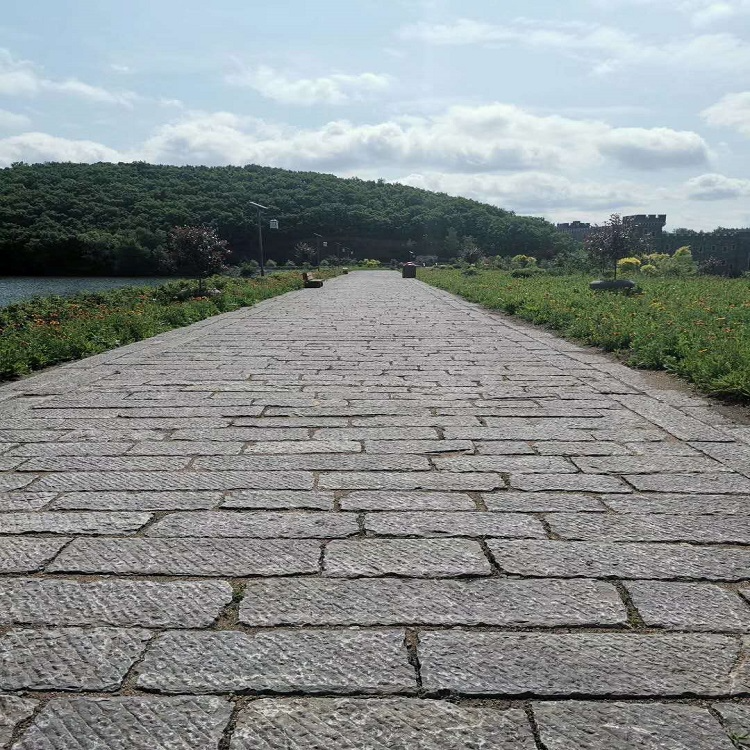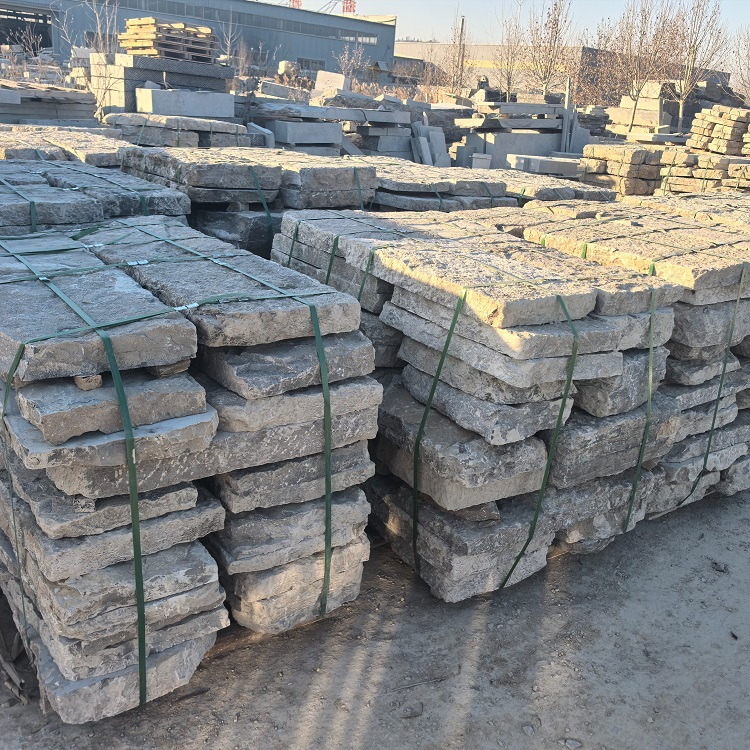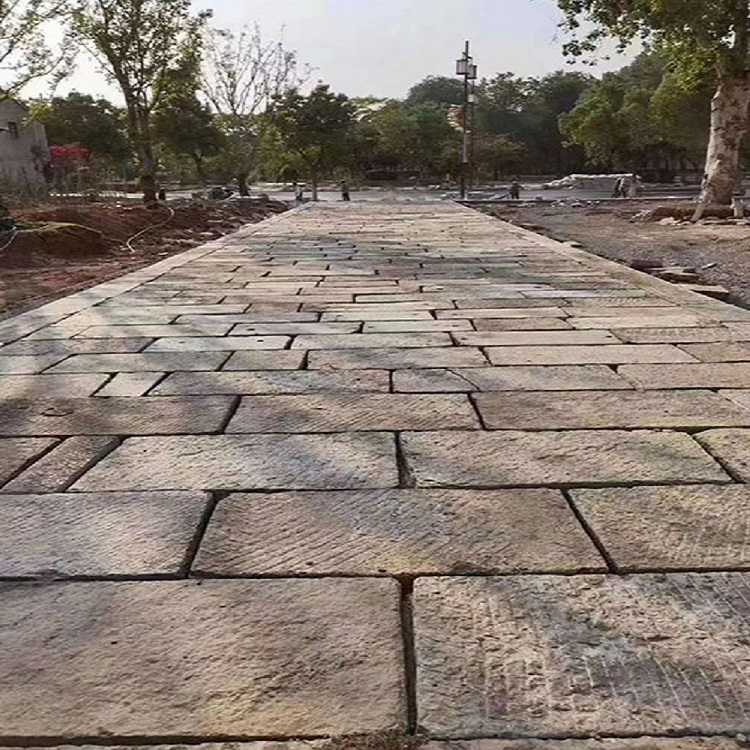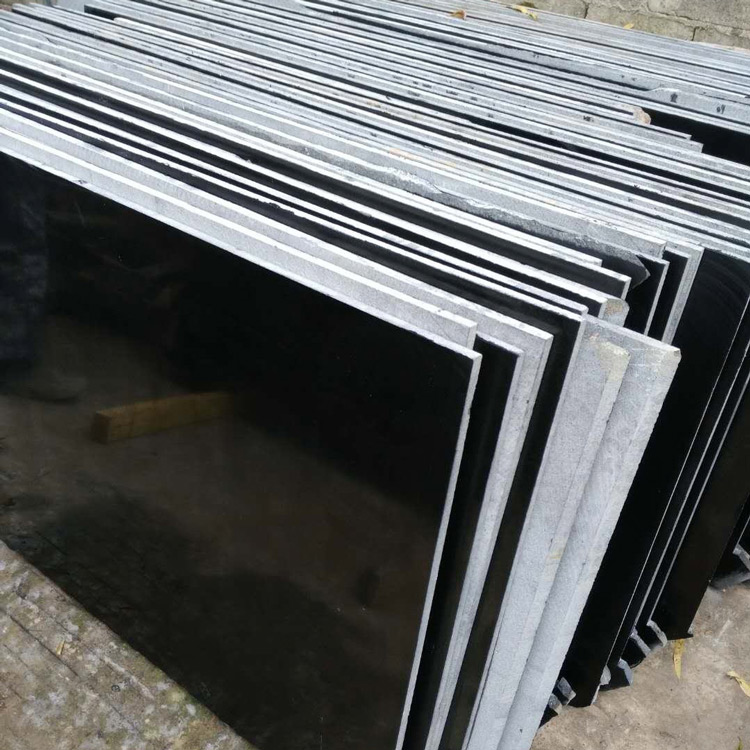


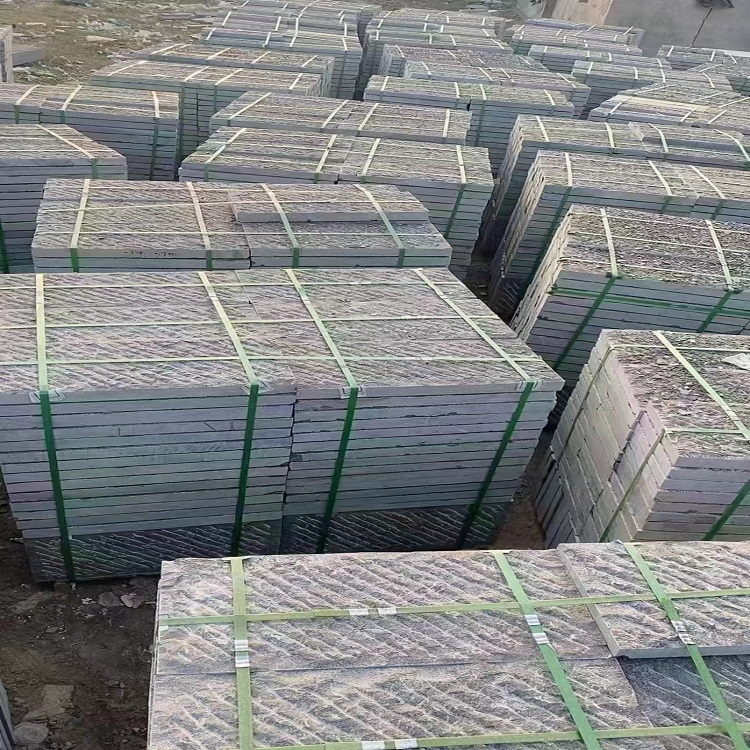
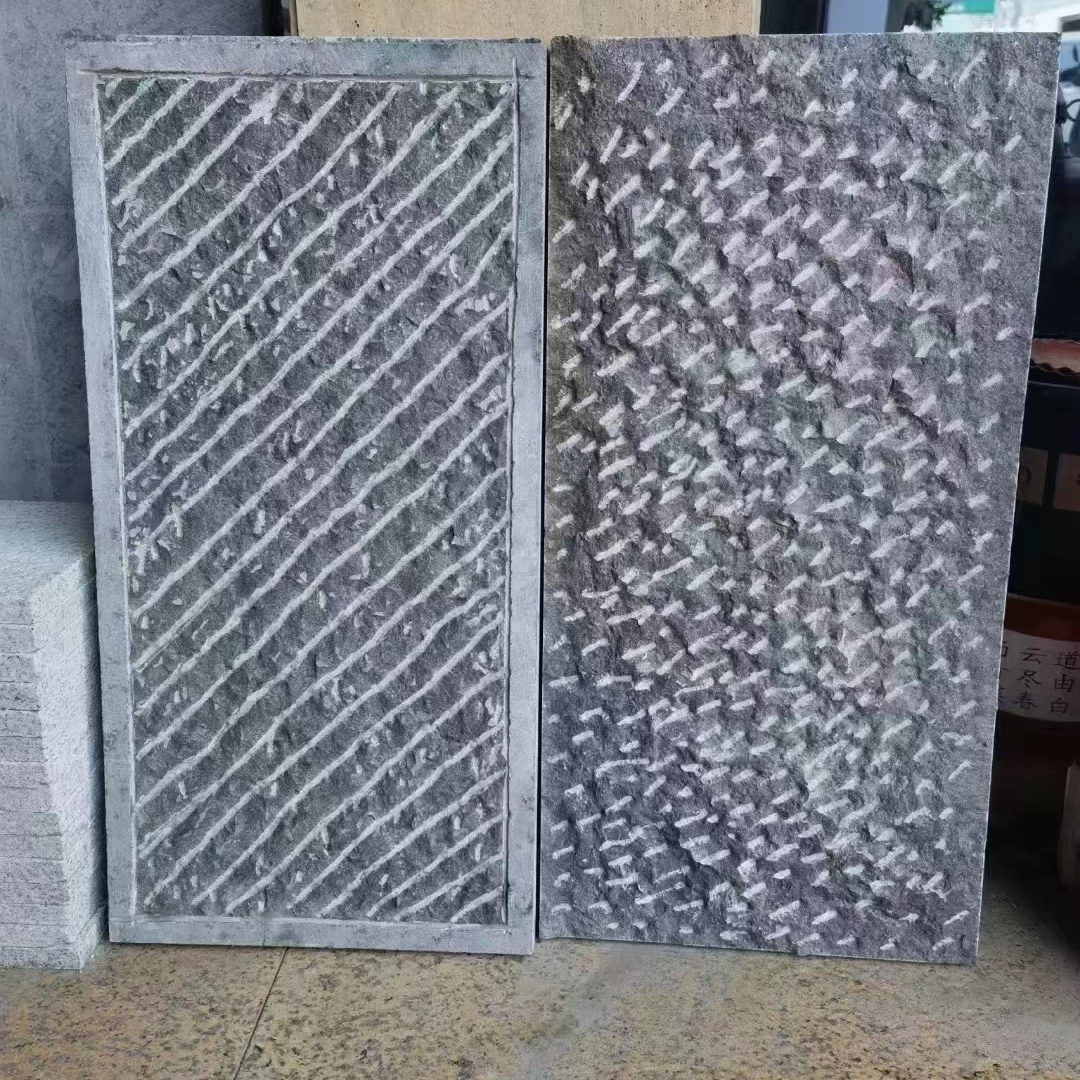
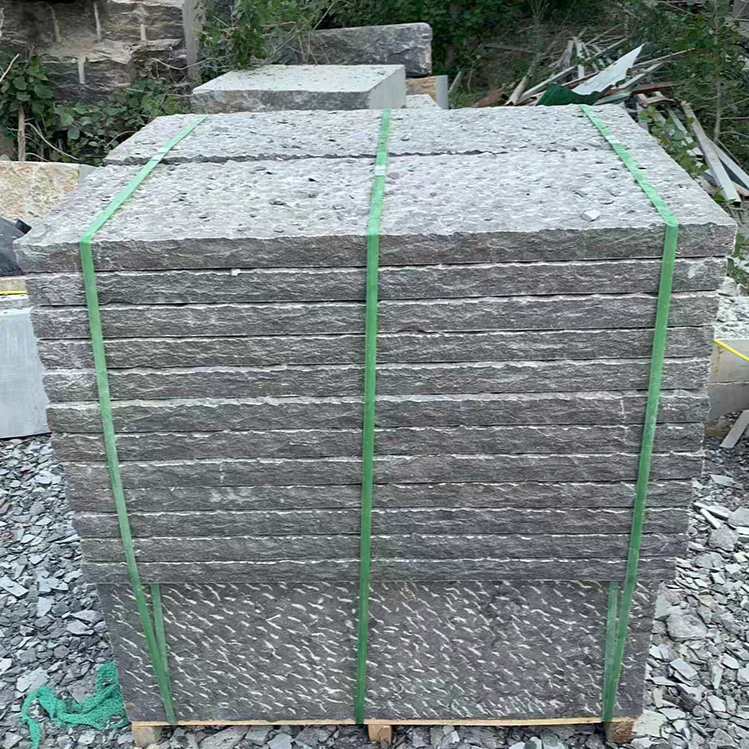
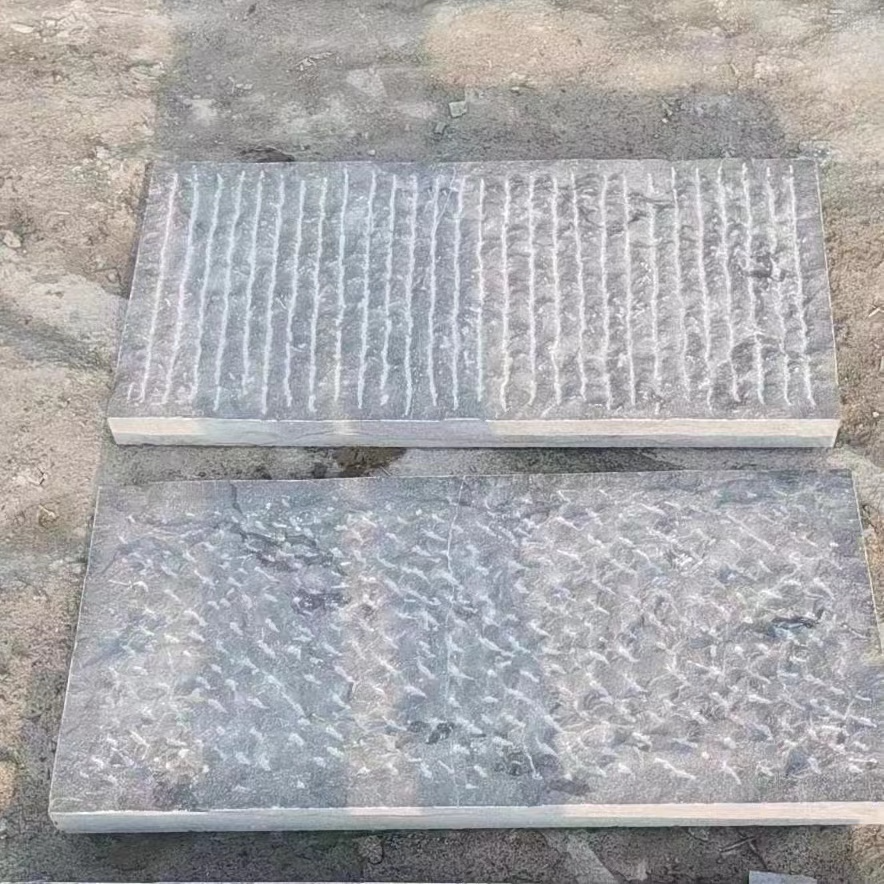
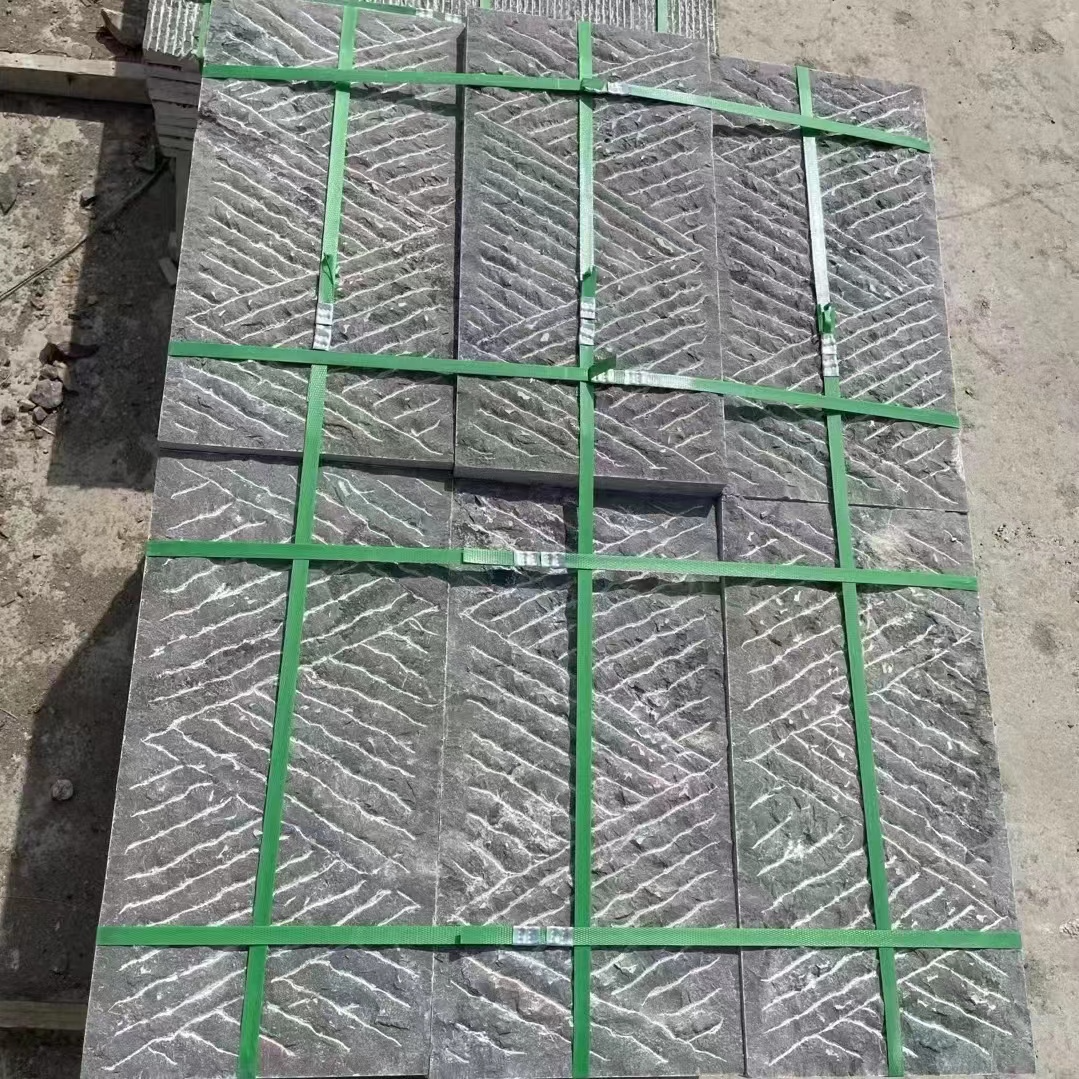





The maintenance of Chinese black stone is something we need to pay attention to. As is well known, Chinese black stone is inevitably contaminated during use. When we use it, we will find that some Chinese black stones are not smooth. This type of stone is difficult to clean, as the pores or microcracks in Chinese black stone become more pronounced after the surface becomes rough, making it easily contaminated and prone to disease. During maintenance, using only curing agents can easily result in a darker color effect on rough surface stones. Therefore, before actual use, more testing should be done to avoid discoloration. In order to make the surface of the stone smooth and sturdy, maintenance can be carried out on it. The stone manufacturing and processing of Chinese black stone manufacturers are almost the same. The difference lies in the later maintenance of the stone. As long as we pay attention, the stone will be sturdy and durable. The maintenance and cleaning of Chinese black is a crucial matter, and we believe that these will have some impact on our lives. However, due to the difficulty, maintenance cannot be taken lightly. Quality and craftsmanship must meet international standards.
1、 The use of "melanin" dye, also known as the coloring process, results in a significant difference in color fixing effect. The coloring process used by stone processing plants involves soaking the original board, while the paved stone can only be coated with "dye" on the surface. The latter generally only lasts for about 3 months.
2、 The use of "polishing protective agent", which involves brushing protective agent on the surface of the stone to restore its color, can only achieve a reduction rate of 70% for the color of black stone. Meanwhile, these two methods only deepen the color of smooth stone and cannot achieve the effect of brightening.
3、 In some major stone producing countries such as India and Brazil, resin is increasingly used to treat black stone, fill the holes on the surface of the stone, and make the surface of the stone look uniform. After cutting and processing, the board is cleaned, roughly ground, heated, and coated with low viscosity black epoxy resin adhesive, such as AKEPOX1010 black (used to enhance the surface effect of the stone by allowing the resin to penetrate). This product can penetrate very fine capillary cracks and holes, enhance adhesion, and ensure the sealing of the natural stone surface. After curing for about 24 hours, these stone slabs can be further ground and polished. Due to the longer curing time of this epoxy resin adhesive, the color of the processed stone will be darker or darker.
In order to process this type of stone within a relatively economical range, it is necessary to strengthen and fix the back of the stone slab. Apply liquid epoxy resin adhesive, such as J Yakobo 2000 or Yakobo 2005, to the entire back of the unprocessed stone slab, then stick the glass fiber back mesh to the adhesive coating, and then apply epoxy resin adhesive. After the reinforcement layer solidifies, the front of the rough board can be filled. Due to the fact that marble and limestone are only suitable for indoor use, these holes and larger surface pores can be filled with fast drying polymer resin products, such as Yakomei marble filling glue 1000 and MS86, which can also be filled with additives that mimic stone structures. The added pigment makes it difficult to distinguish the repaired area from the original surface of the stone. Marble repair glue should be applied to clean and dry stone surfaces. After a few minutes, when these products solidify, the stone can be ground and polished.