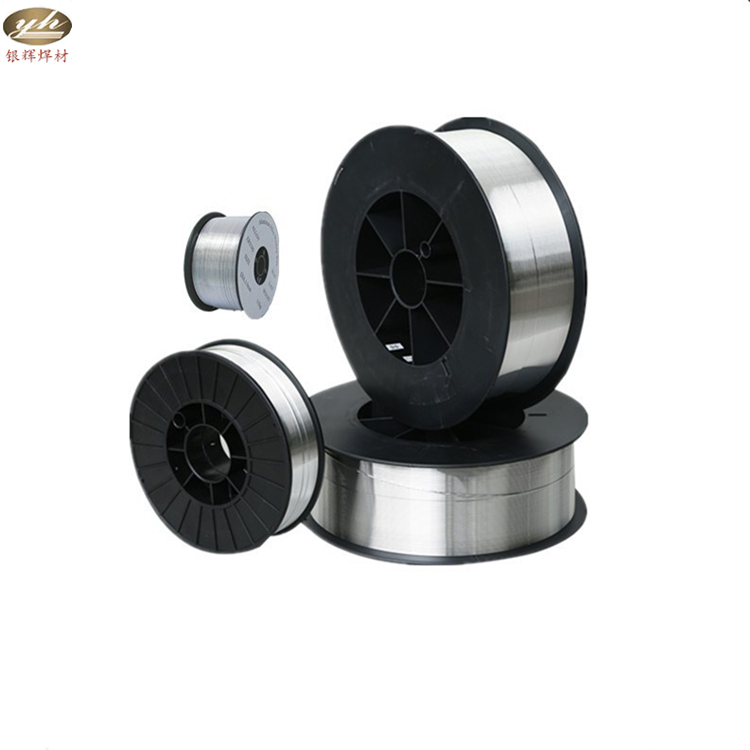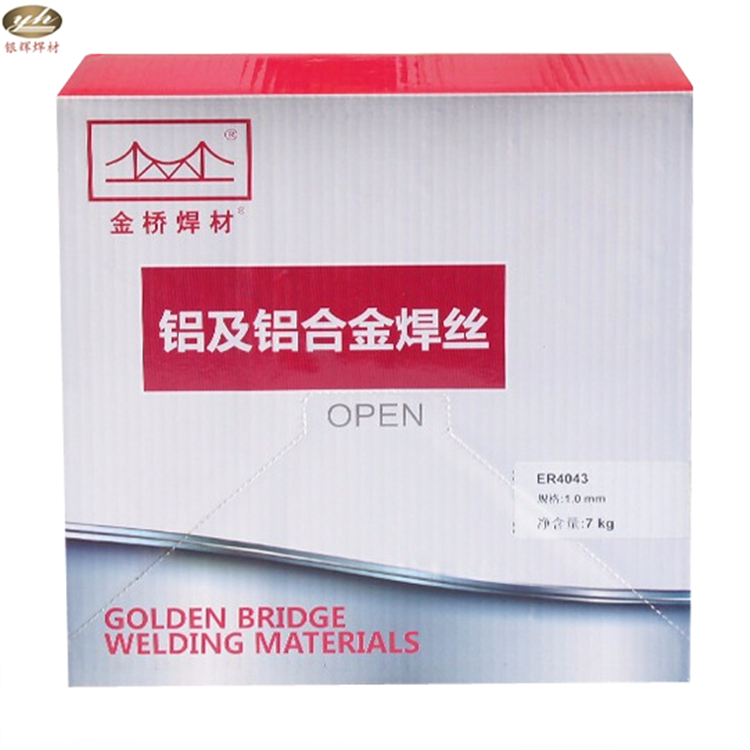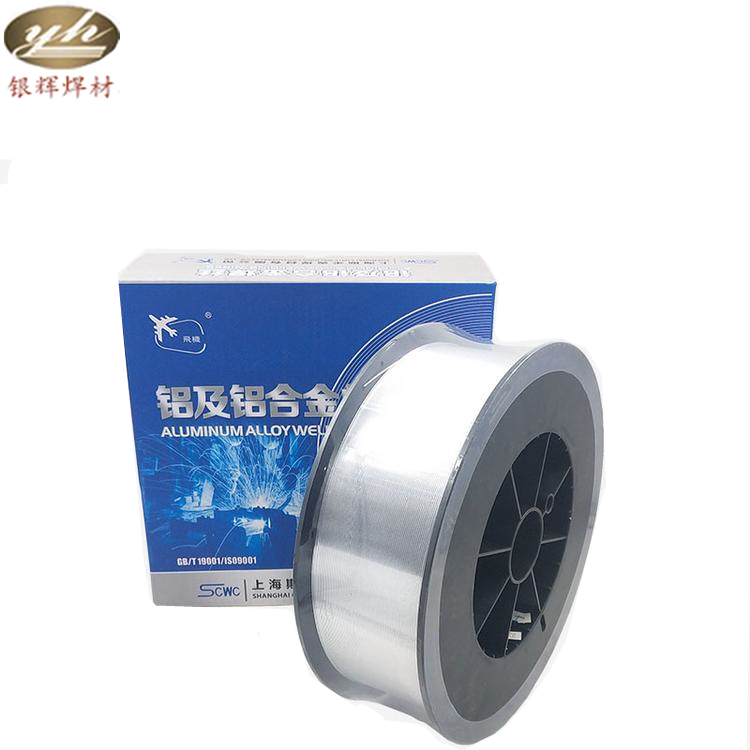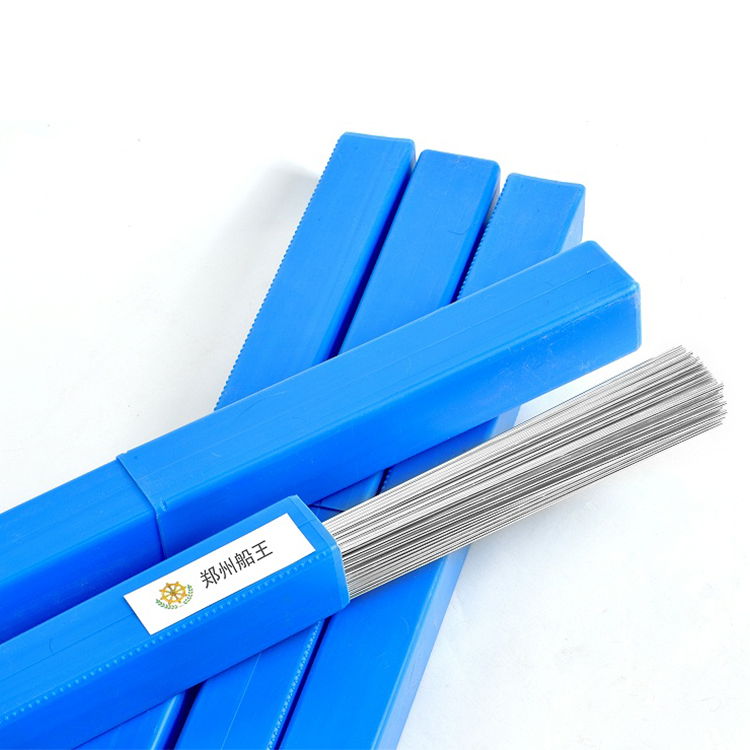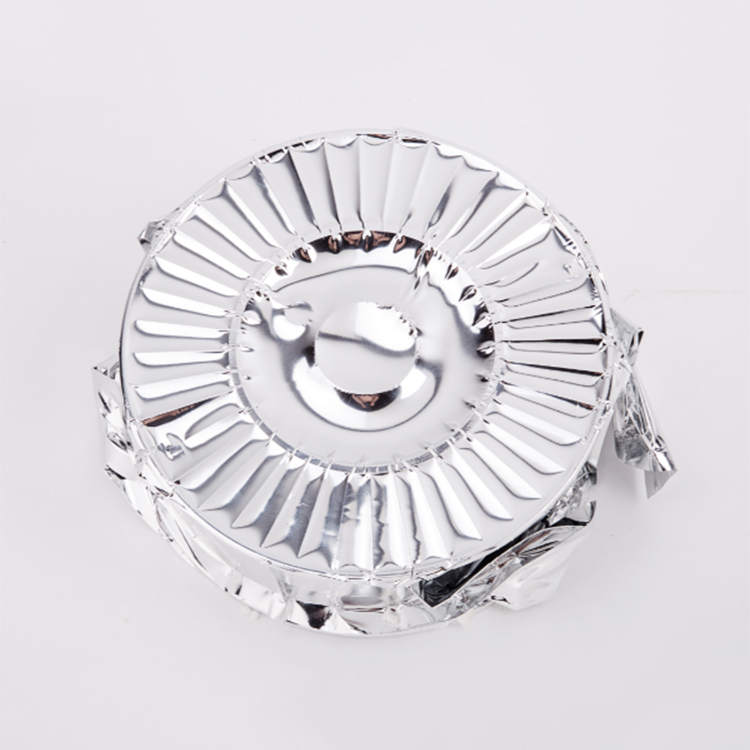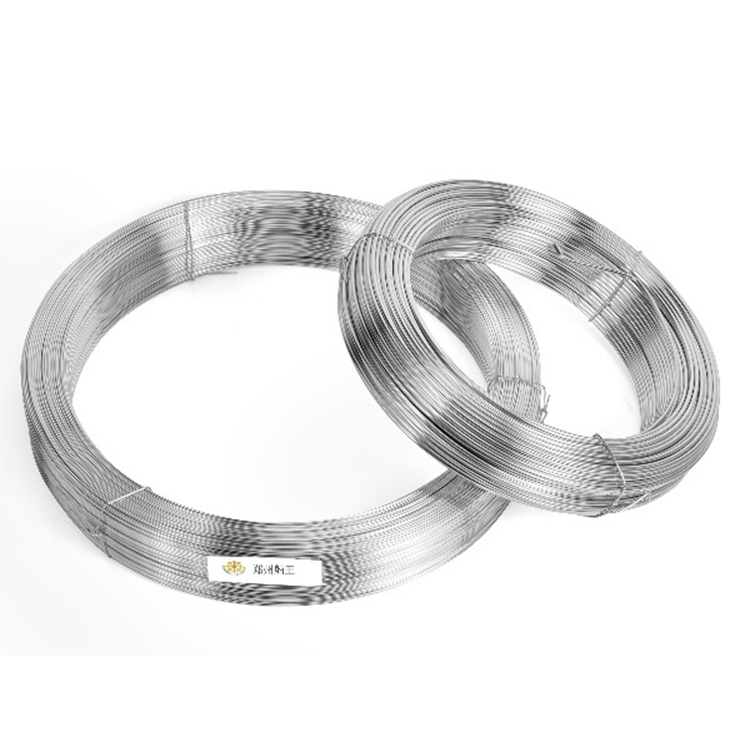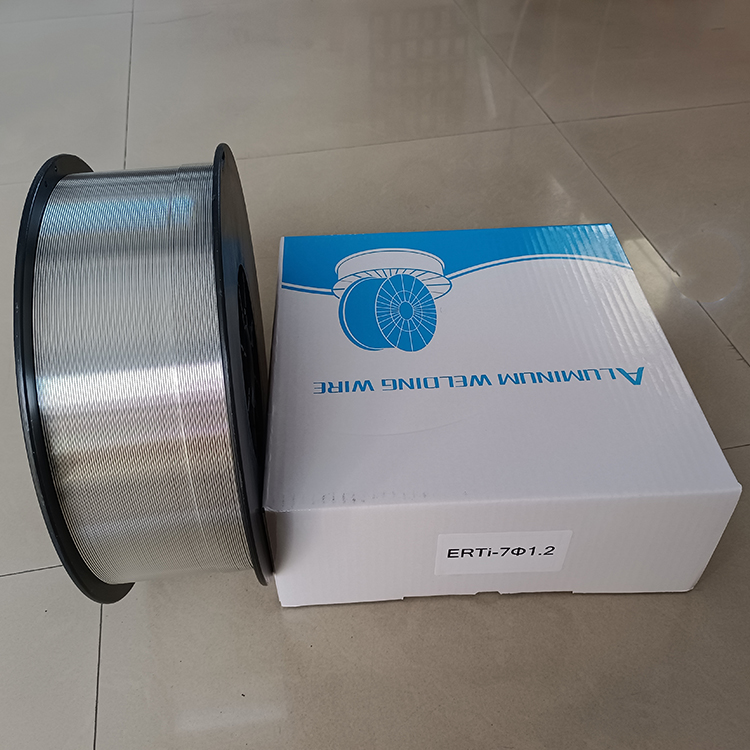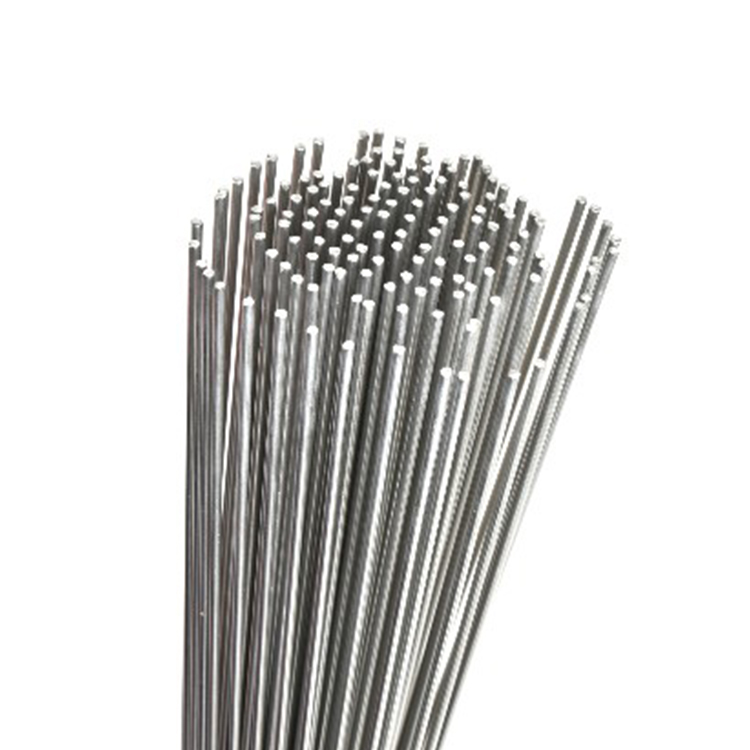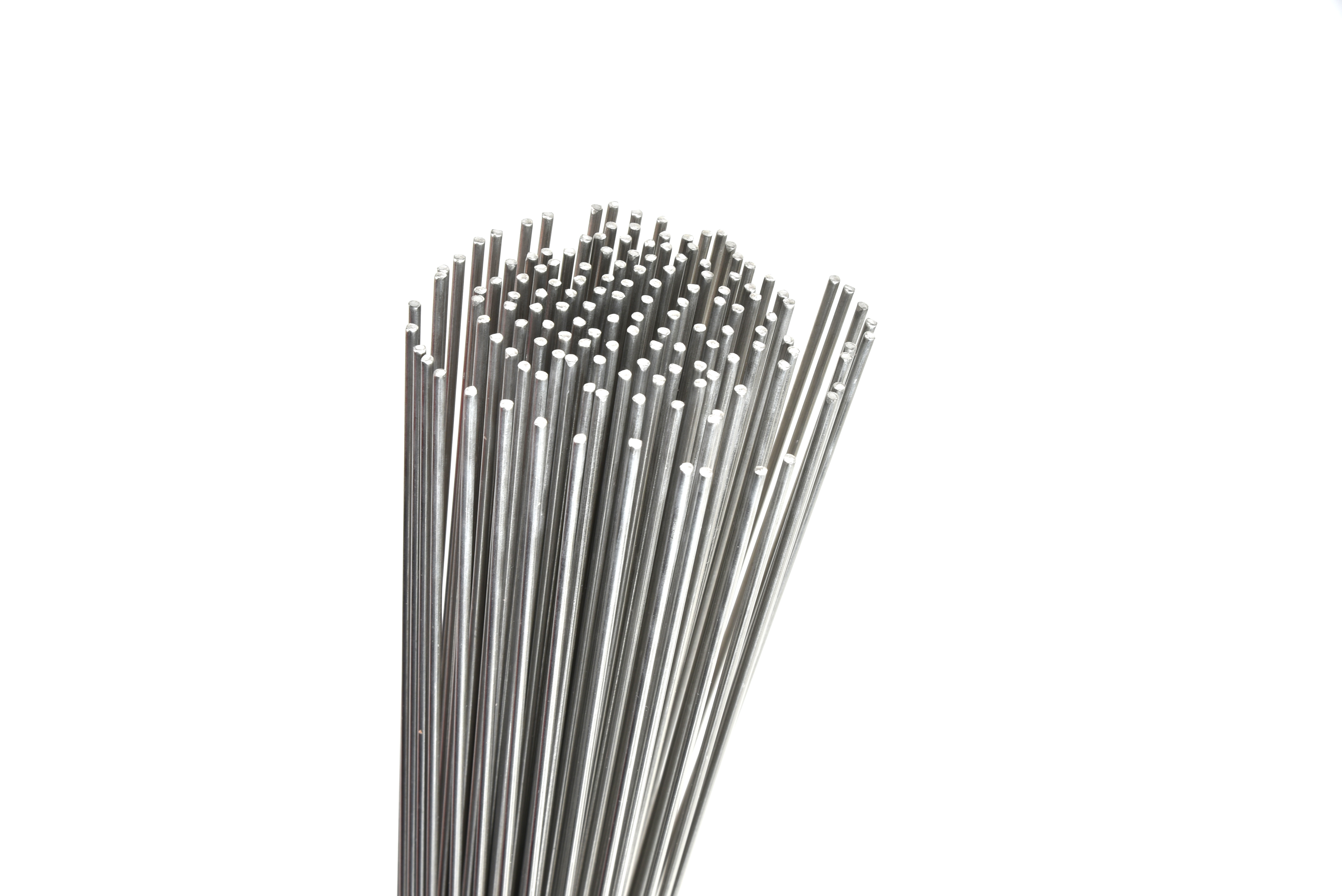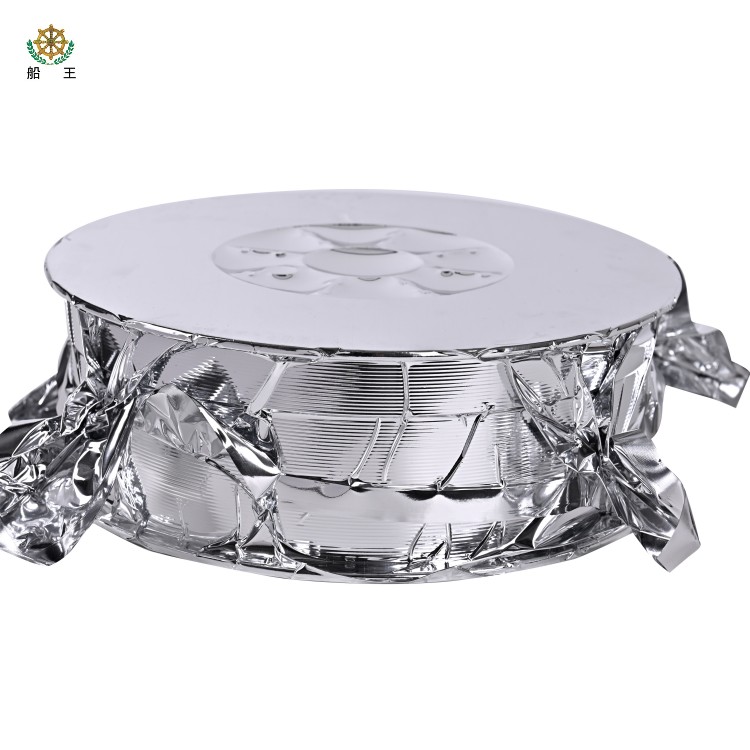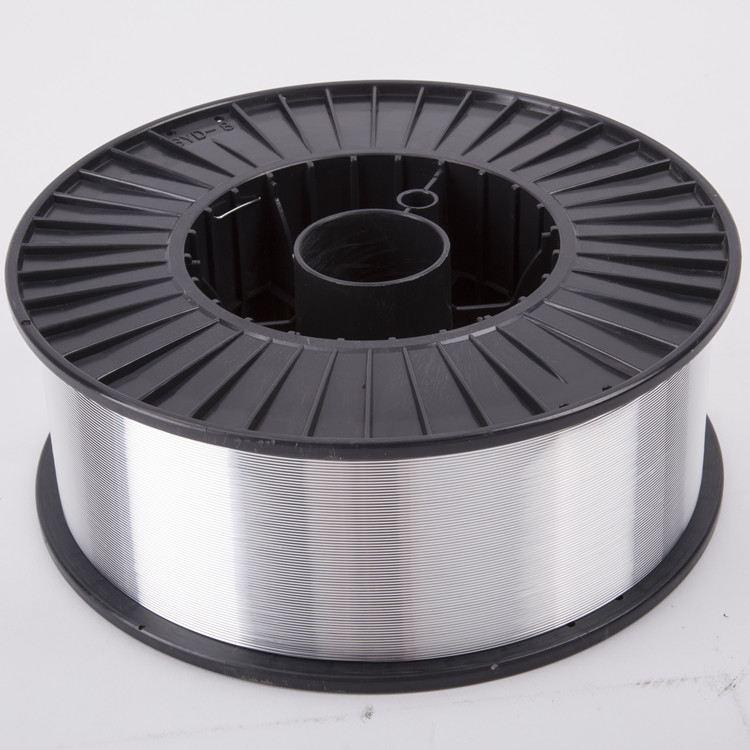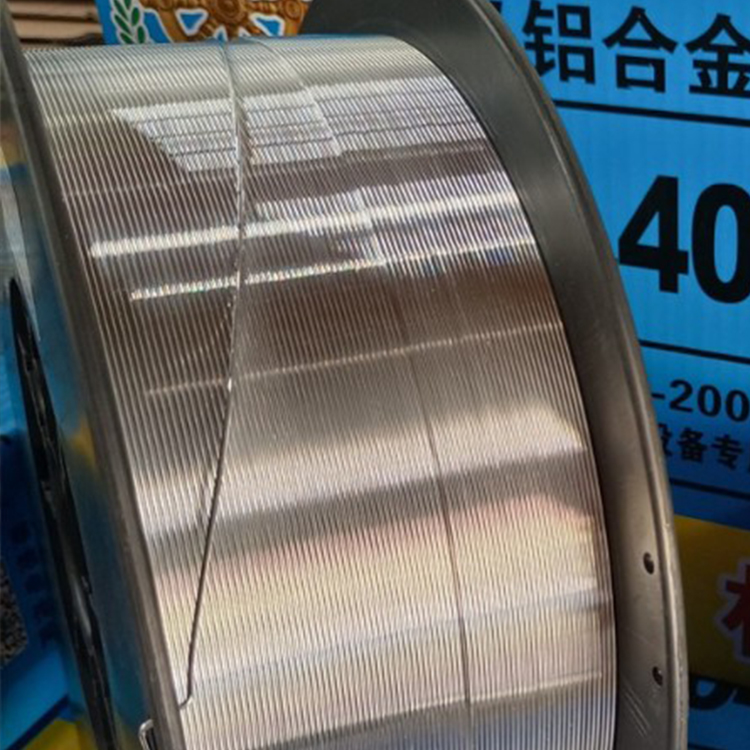


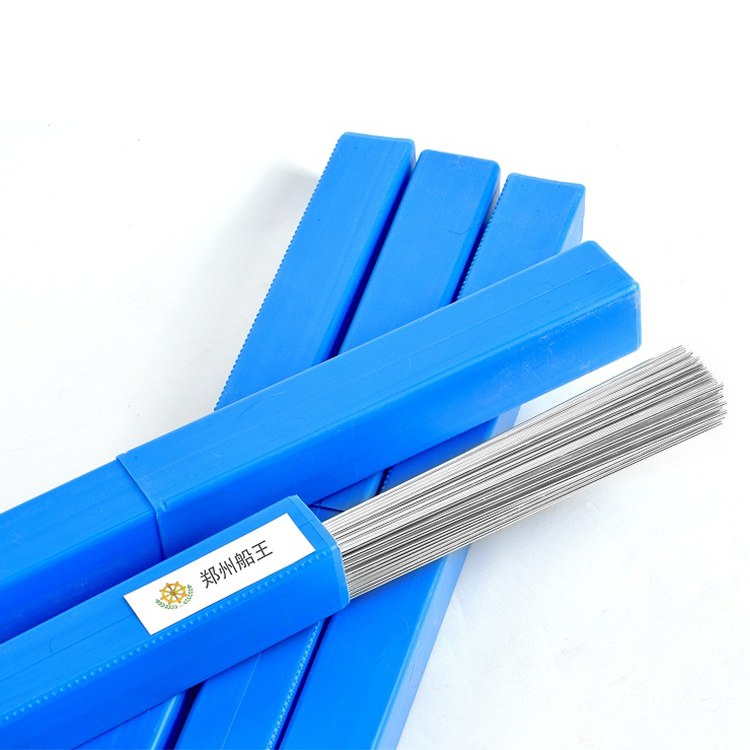
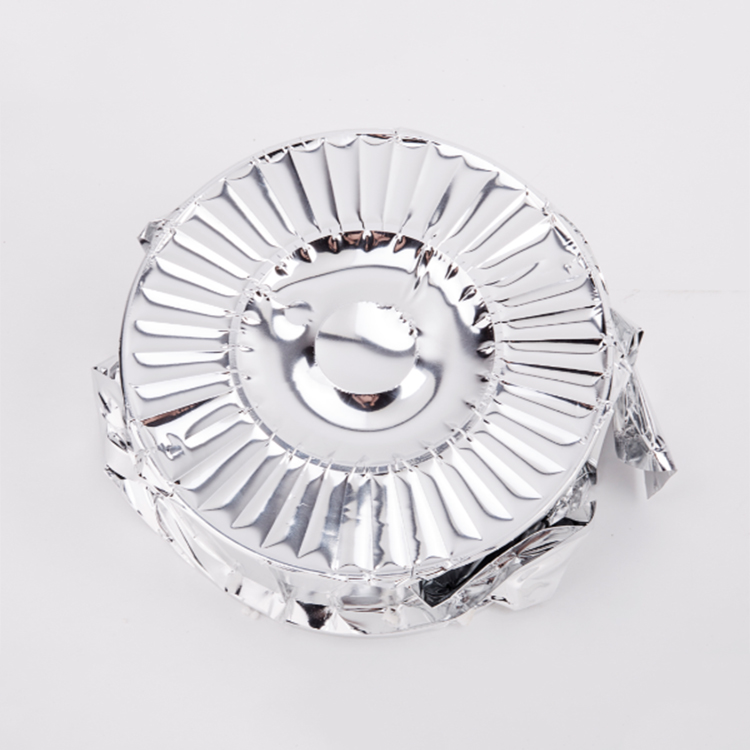
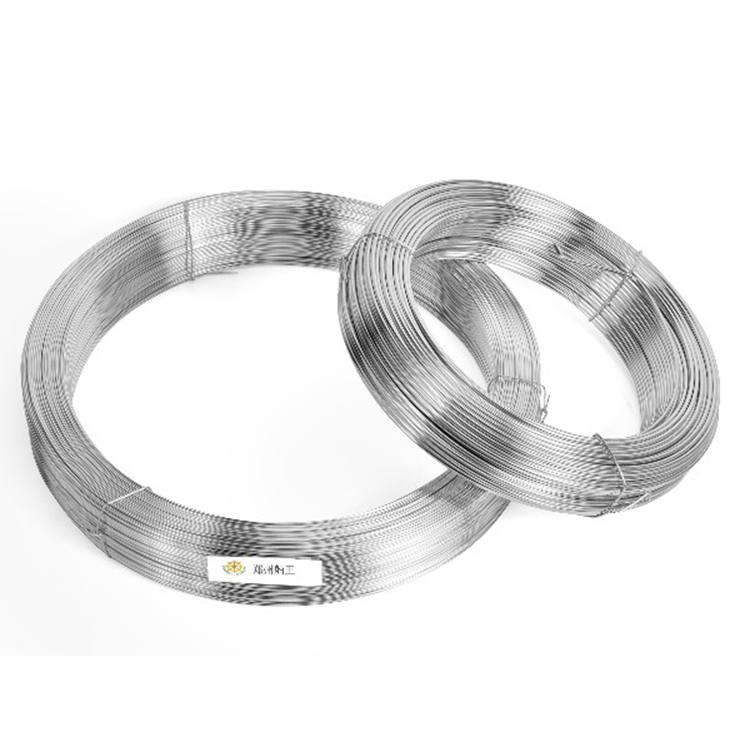
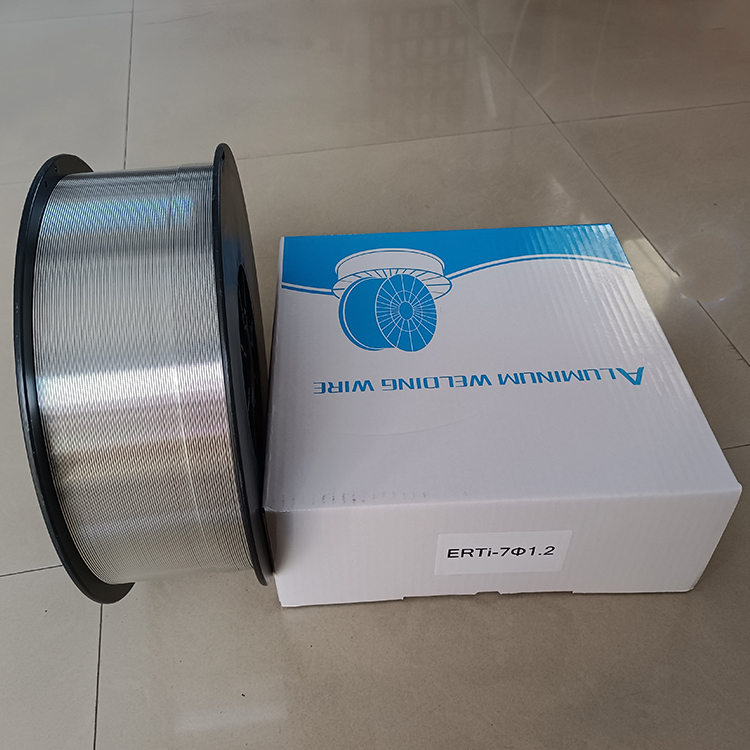
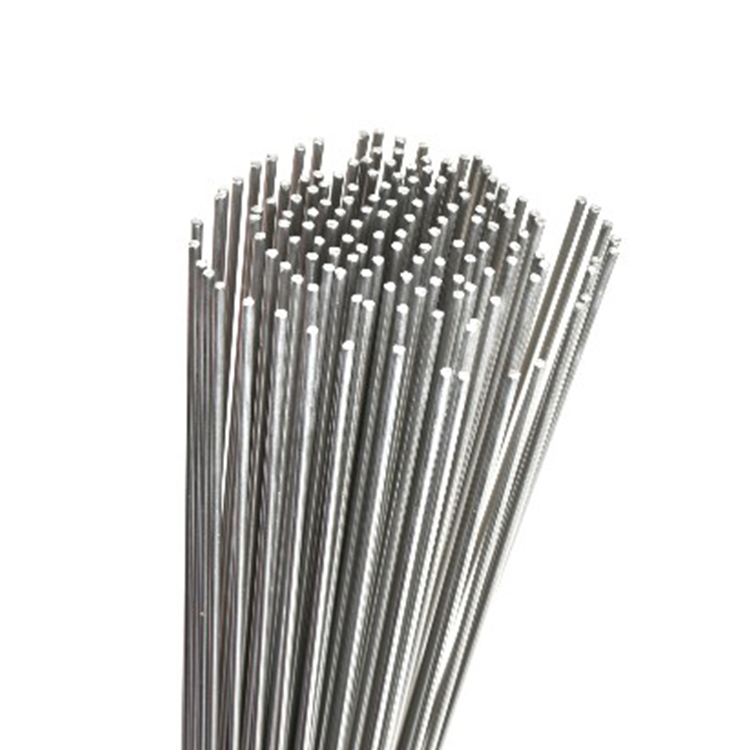





Aluminum alloy welding wire
| grade | GB | AWS | Product Name |
|---|---|---|---|
| S301【1070】 | SAl1070 | - | Pure aluminum welding wire |
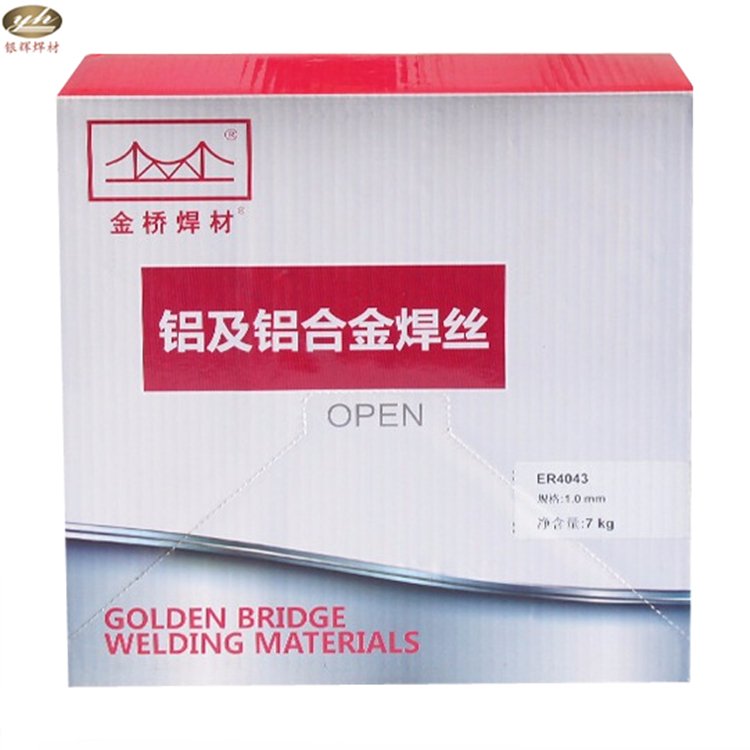
| S311【4043】 | SAl4043 | ER4043 | Aluminum silicon welding wire |
| S321【3103】 | SAl3103 | - | Aluminum manganese welding wire |
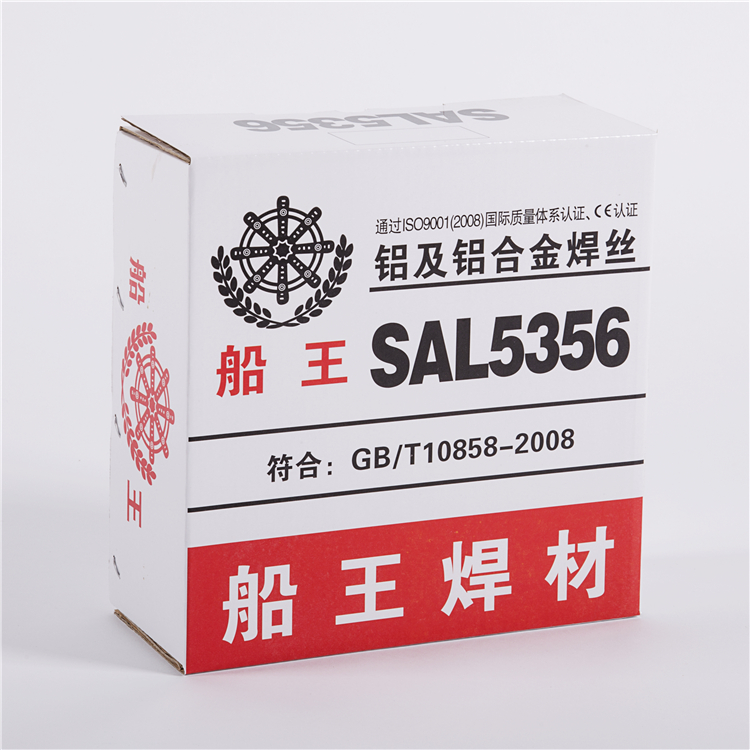
| S331【5356】 | SAl5356 | ER5356 | Aluminum magnesium welding wire |
| 4047【4047】 | SAl4047 | ER4047 | Aluminum silicon welding wire |
| 5183【5183】 | SAl5183 | ER5183 | Aluminum magnesium welding wire |
| 5556【5556】 | SAl5556 | ER5556 | Aluminum magnesium welding wire |
| Straight welding wire (mm) | 1.6, 2.0, 2.5, 3.0, 4.0, 5.0, 6.0 | 5kg/pack |
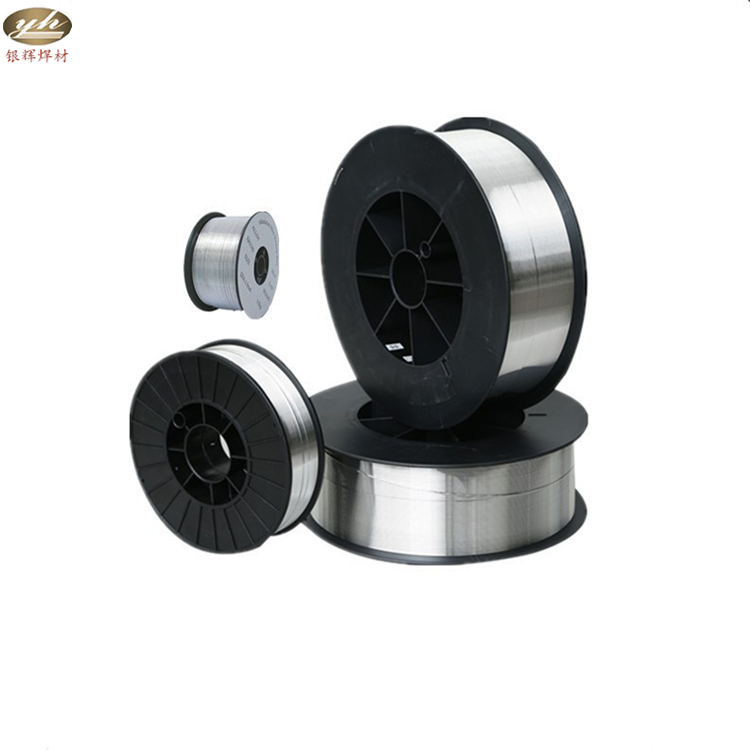
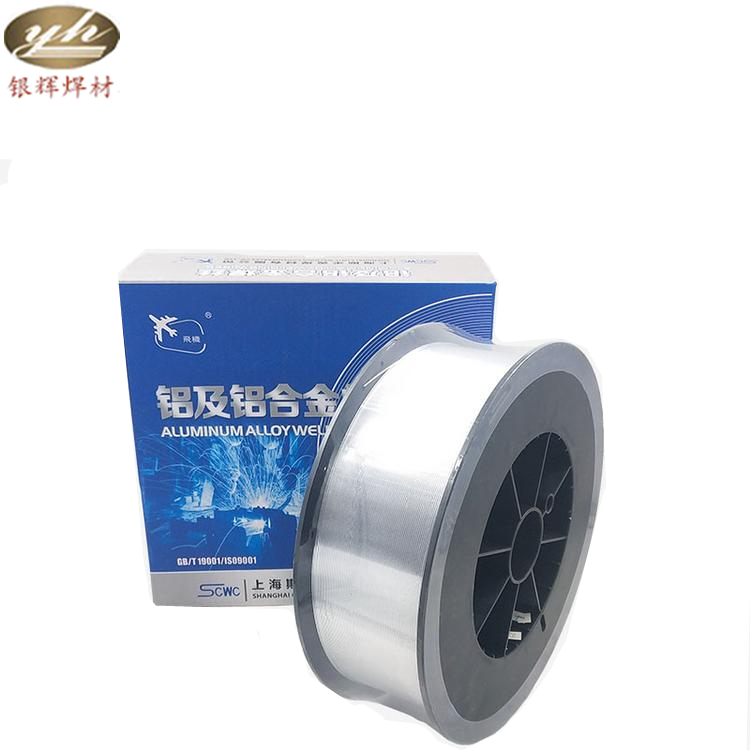
| Disk mounted welding wire (mm) | 0.8, 1.0, 1.2, 1.6, 2.0, 2.4 | 10kg/plate |
Aluminum and aluminum alloy welding wires are widely used as filling materials in aluminum alloy argon arc welding and gas welding. The selection of welding wire should be based on the type of base material, and the requirements for joint crack resistance, mechanical properties, and corrosion resistance should be comprehensively considered. In general, welding aluminum and aluminum alloys uses welding wire with the same or similar grade to the base material composition, which can achieve better corrosion resistance. However, when welding heat treated reinforced aluminum alloys with a high tendency for hot cracking, the selection of welding wire mainly starts with solving crack resistance, and the composition of the welding wire is very different from that of the base material.
Aluminum and aluminum alloy welding wires can be welded using methods such as melting electrode argon arc welding (MIG welding), tungsten electrode argon arc welding (TIG welding), gas welding, and plasma arc welding.
Argon arc welding is a relatively sophisticated method for welding aluminum and aluminum alloys. Due to the protective effect of argon gas and the cathodic crushing effect of argon ions on the oxide film, argon arc welding does not require flux, which avoids the corrosion of the joint by post weld residue. In addition, the argon gas flow during welding flushes the welding area, significantly cooling the joint and improving its microstructure and properties. However, due to the absence of soldering flux, the pre weld cleaning requirements are stricter than other methods. Argon arc welding can use tungsten or melting electrodes, manual or automatic (semi-automatic). The method selection is determined based on the size of the workpiece structure or production conditions. Thin plate structures are generally welded using tungsten electrode manual argon arc welding, while thick plates are welded using melting electrode argon arc welding. During tungsten electrode manual argon arc welding, AC power is generally used, while during melting electrode argon arc welding, DC reverse connection is used.
Recommended welding specifications:
Tungsten inert gas welding (TIG welding)
| Plate thickness or fillet weld size mm | Seam type | Tungsten electrode diameter mm | Welding wire diameter mm | Nozzle size (inner diameter) mm | Protective gas flow rate L/min | Welding current (AC) A | Number of weld beads | Welding speed of each weld bead cm/min |
| 1.2 | I-shaped groove and fillet weld | 1.6 | 1.6 | 6-10 | 9.4 | 40-60 | 1 | 36-46 |
| 1.6 | I-shaped groove and fillet weld | 2.4 | 2.4 | 8-10 | 9.4 | 70-90 | 1 | 18-30 |
| 2.4 | I-shaped groove and fillet weld | 2.4 | 2.4 | 8-10 | 9.4 | 95-15 | 1 | 24-30 |
| 3 | I-shaped groove and fillet weld | 3 | 3 | 10 | 9.4 | 120-140 | 1 | 23-30 |
| 5 | fillet weld | 4 | 4 | 11-12.7 | 11.8 | 160-200 | 1 | 23-30 |
| 5 | V-groove | 4 | 4 | 11-12.7 | 11.8 | 160-180 | 2 | 24-30 |
| 6 | fillet weld | 5 | 5 | 11-12.7 | 14 | 230-250 | 1 | 18-28 |
| 6 | V-groove | 5 | 5 | 11-12.7 | 14 | 200-220 | 2 | 18-28 |
| 10 | V-groove | 5 | 5 | 12.7 | 16.5 | 250-310 | 2-3 | 23-28 |
| 12 | V-shaped or U-shaped groove | 6 | 6 | 16 | 16.5 | 400-470 | 3-4 | 15 |

Melting electrode argon arc welding (MIG welding)