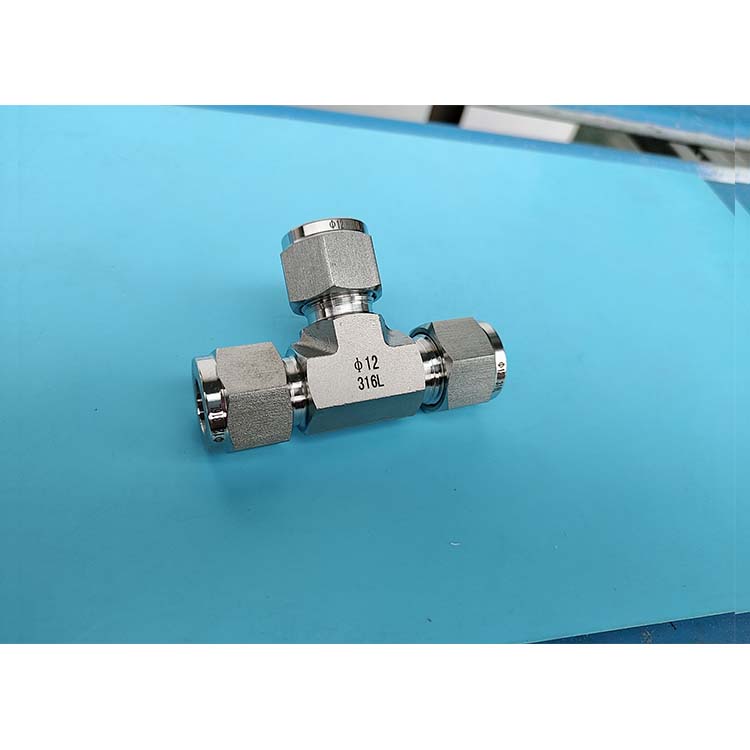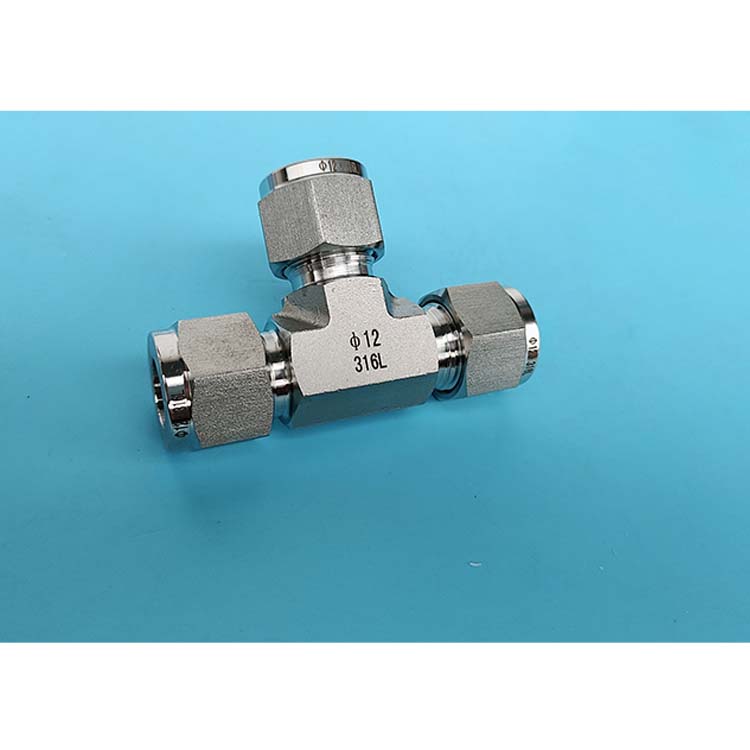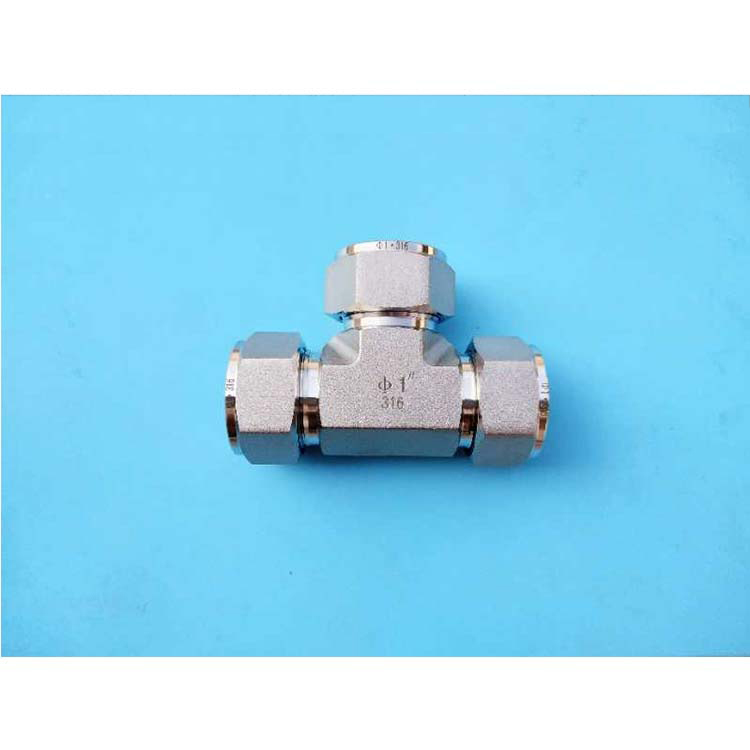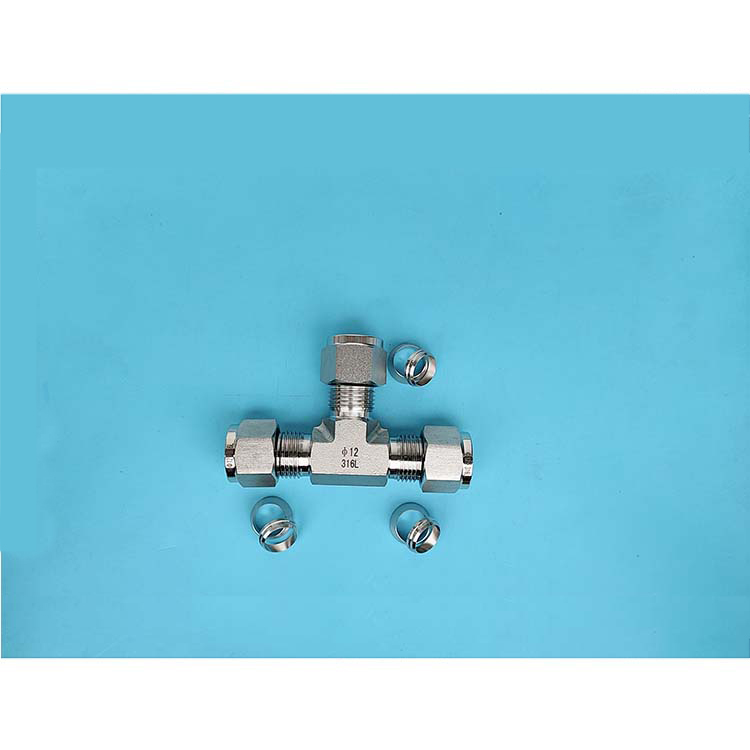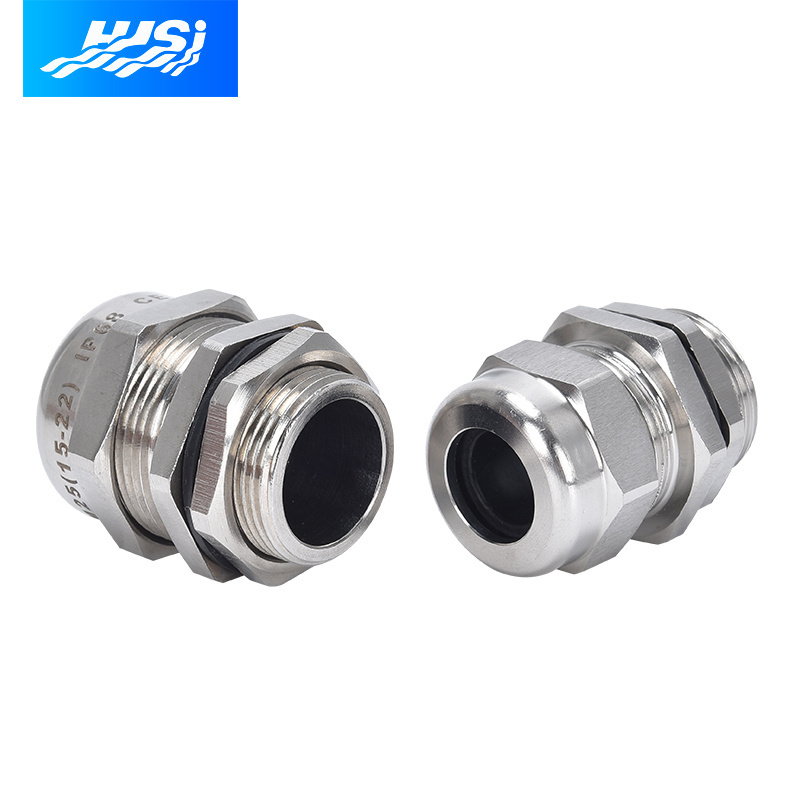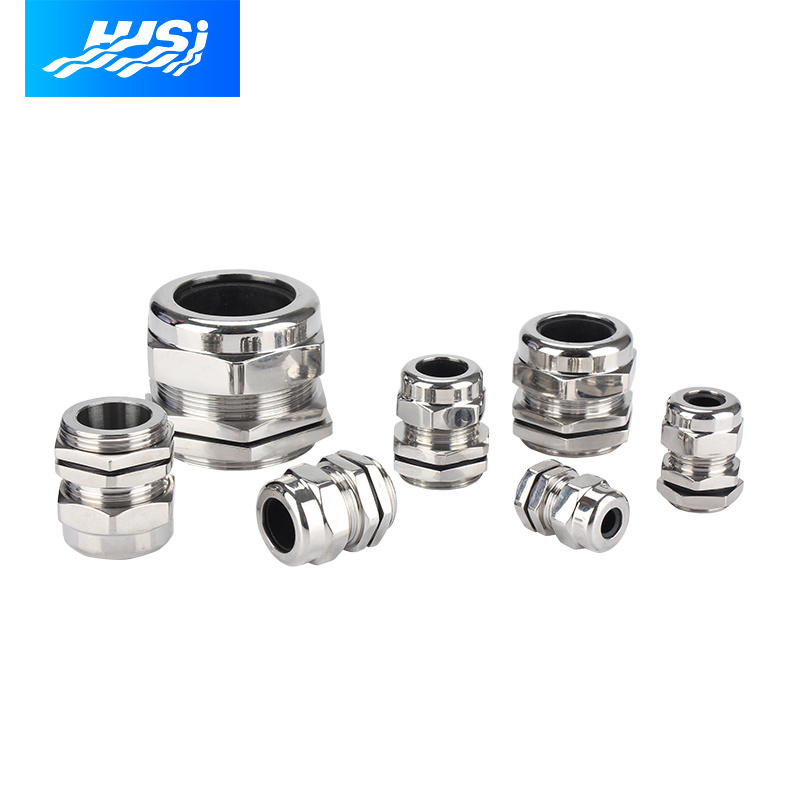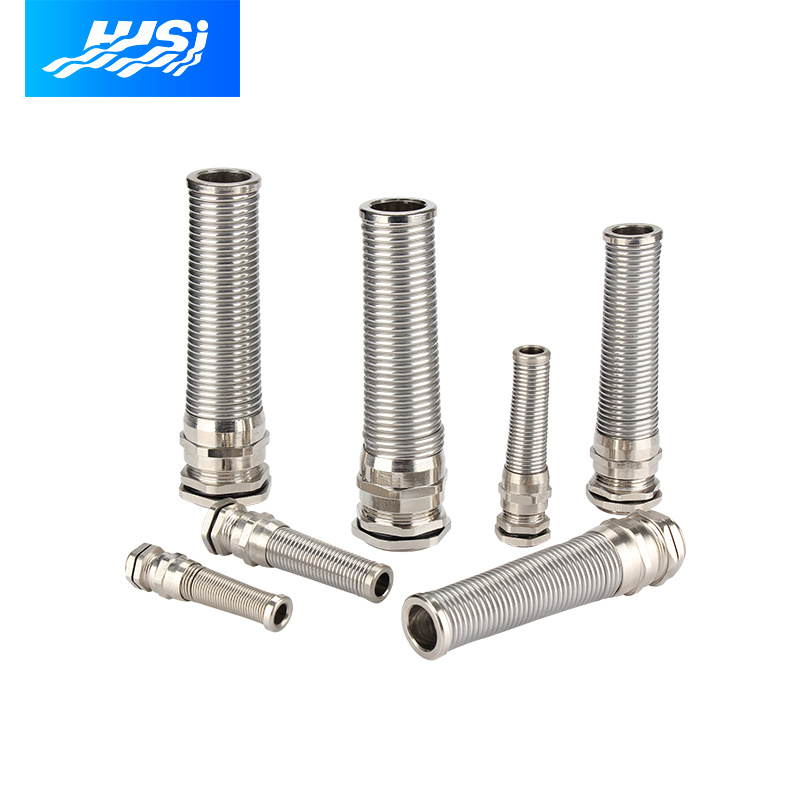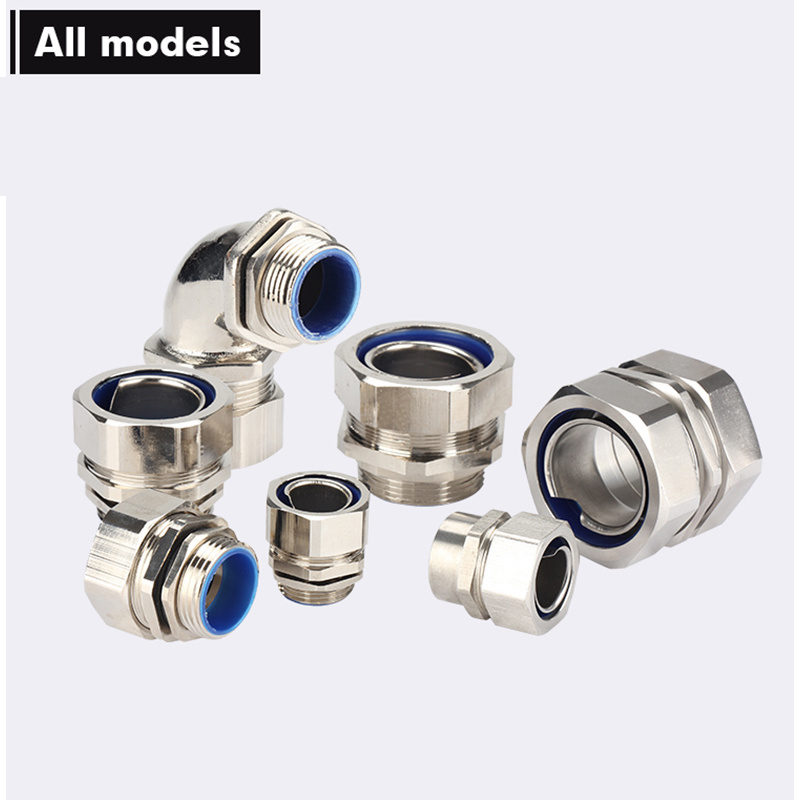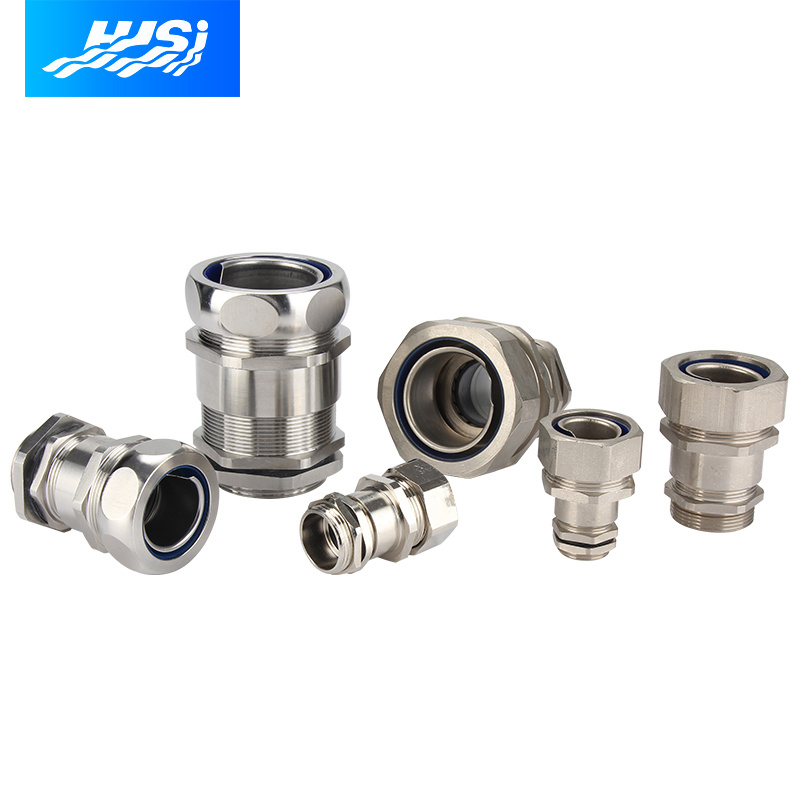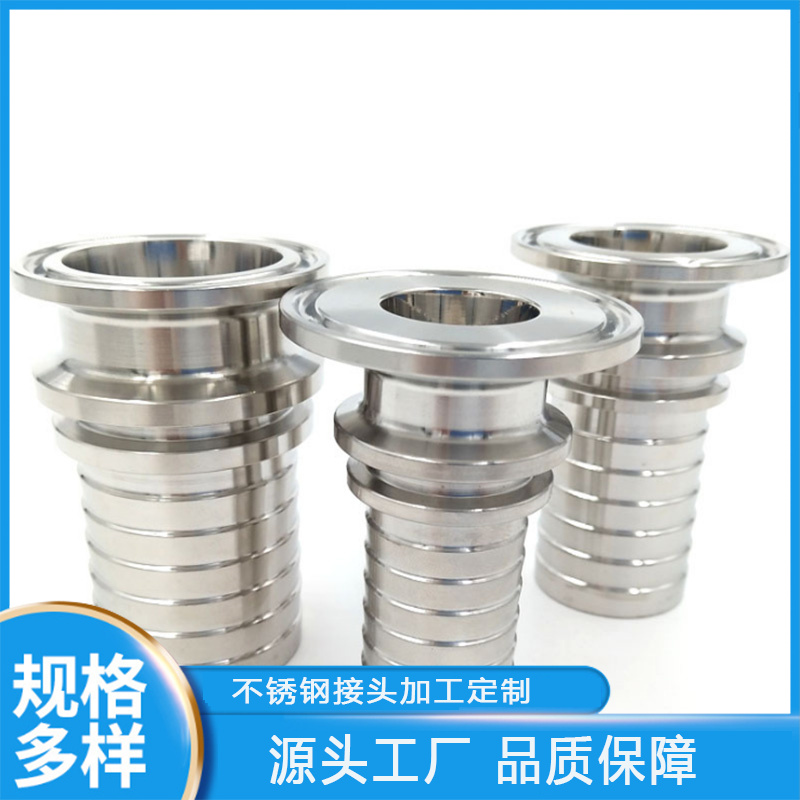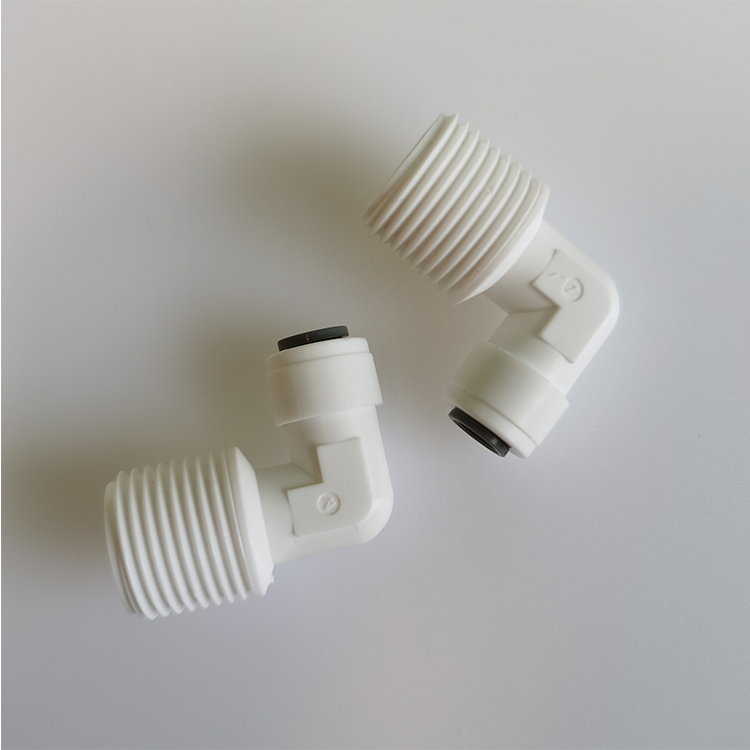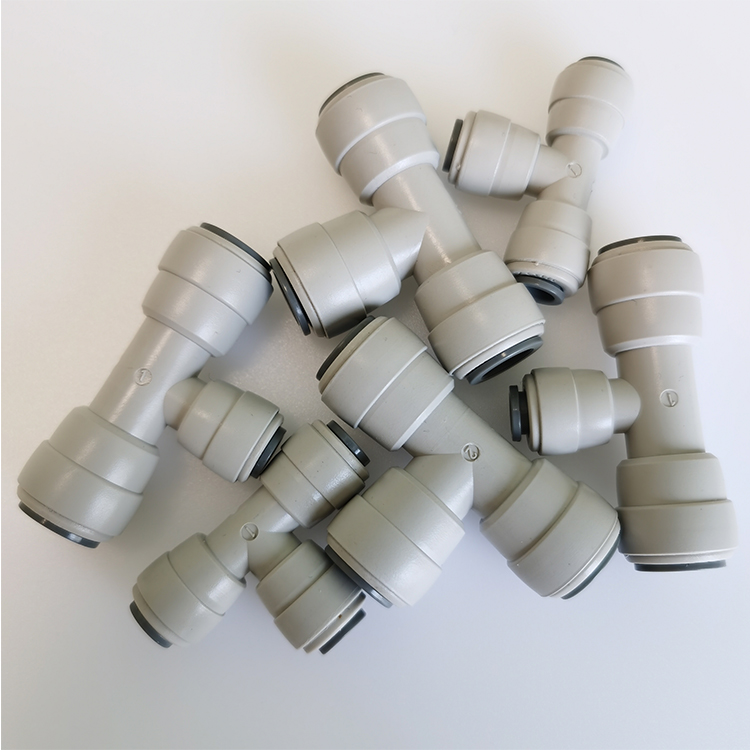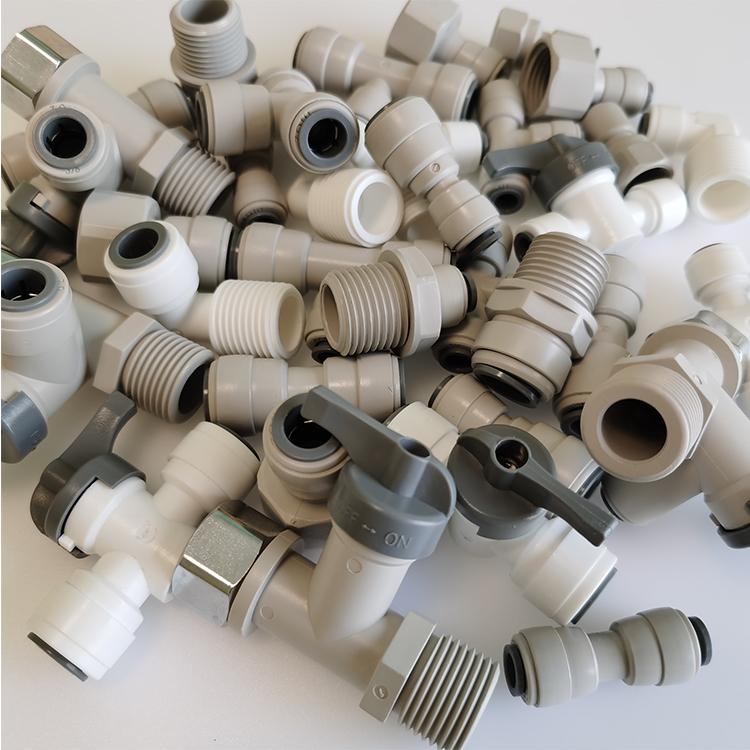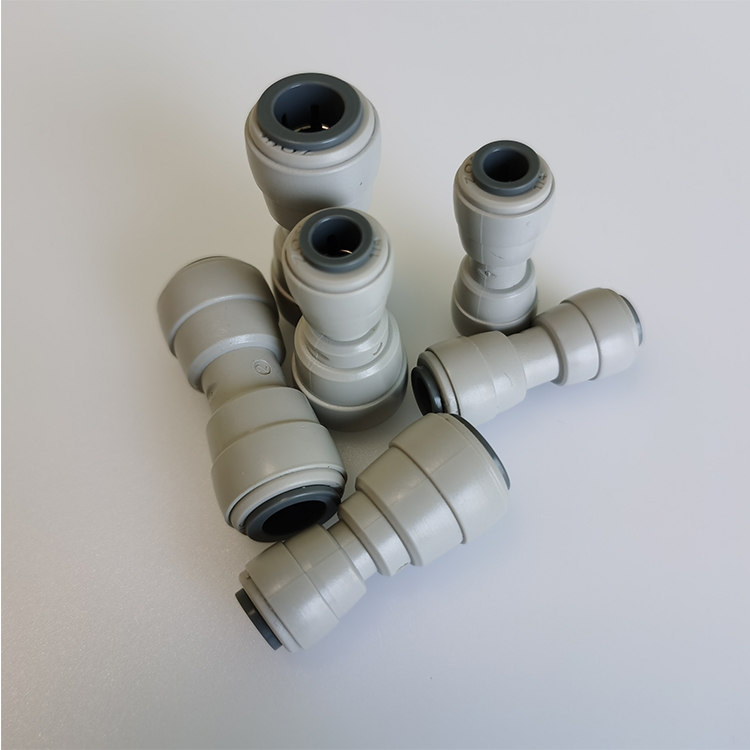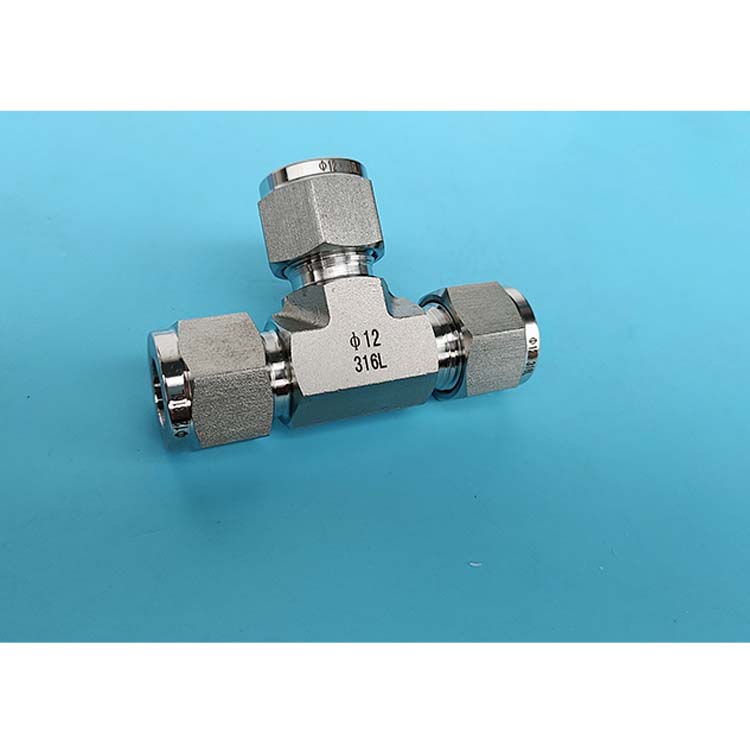

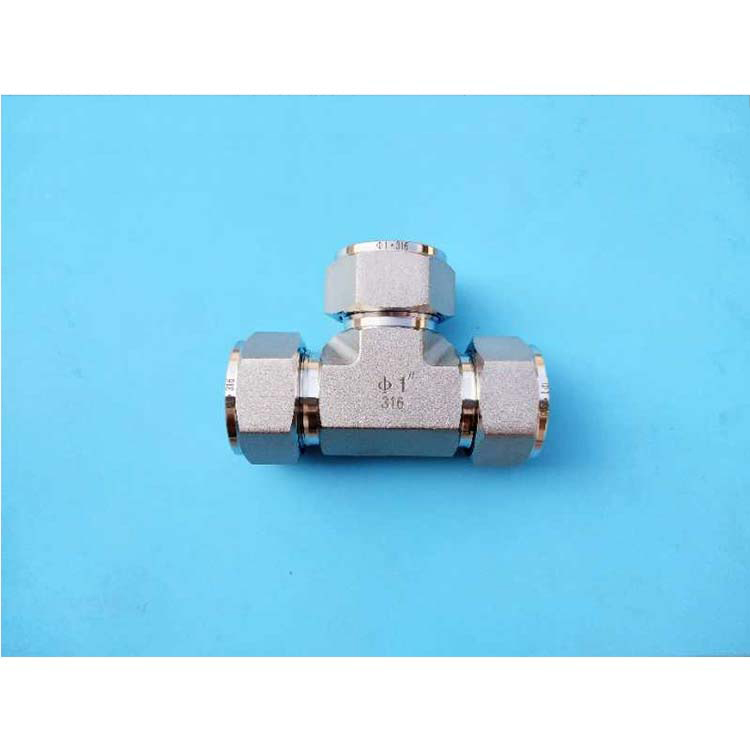
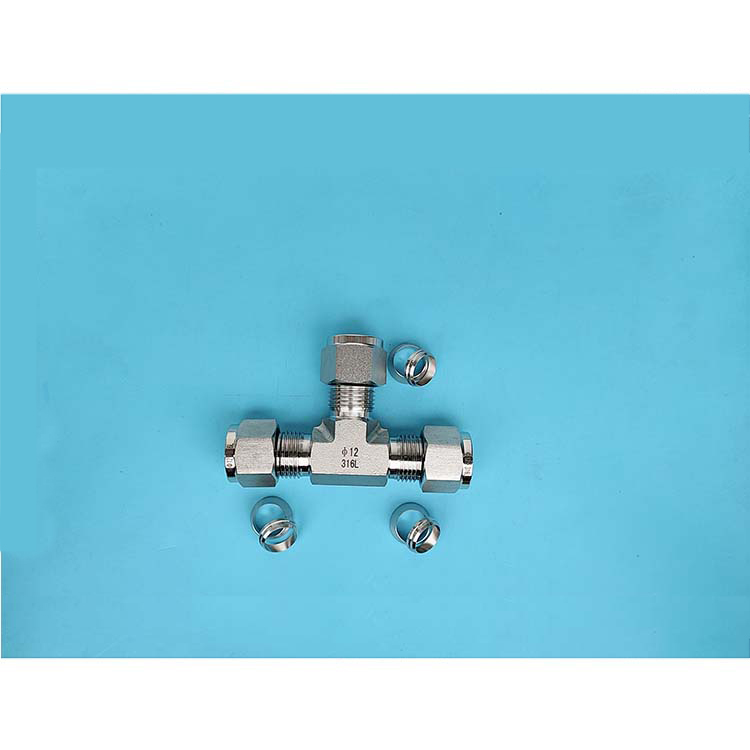


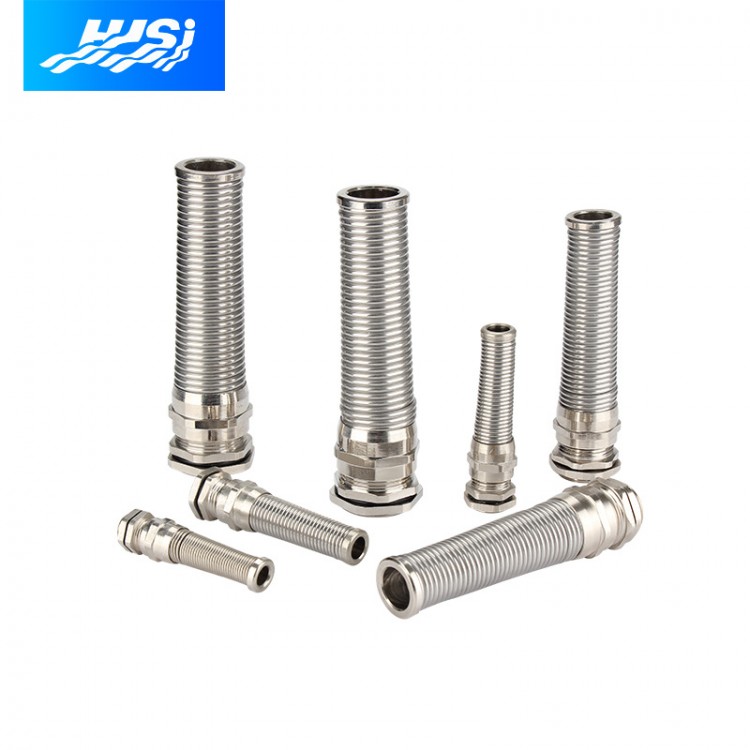
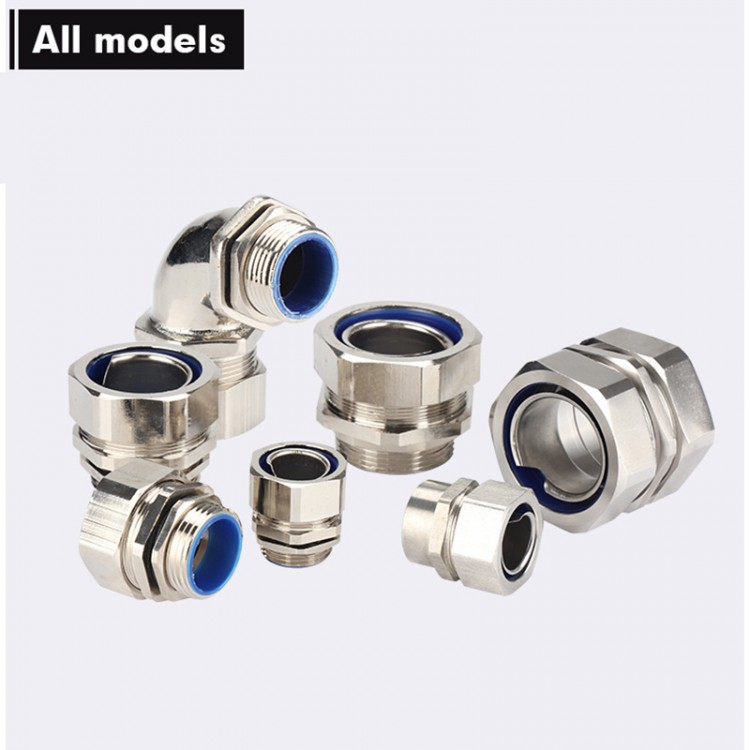
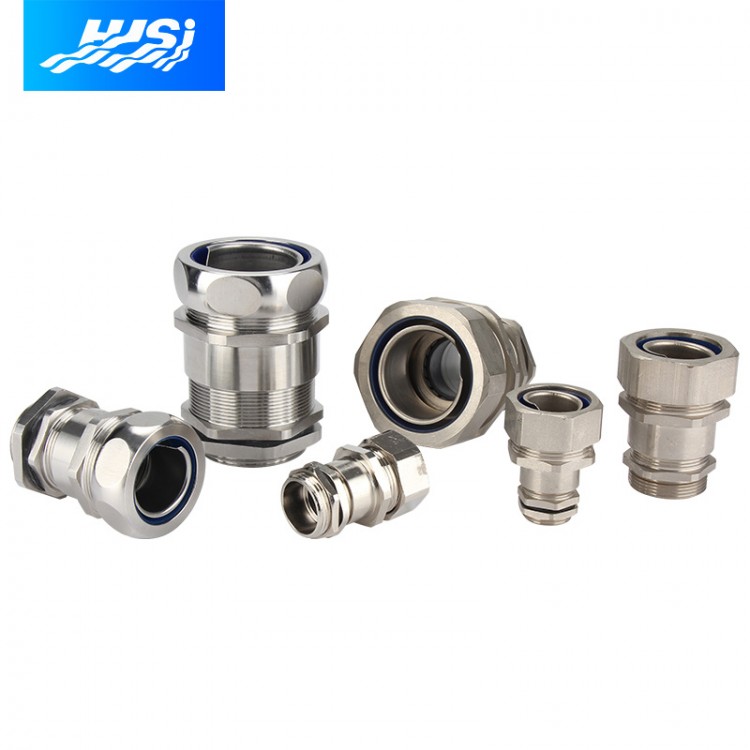





The work of the card sleeve joint is to sequentially complete the following designed actions inside the joint during the process of tightening the nut one and a quarter turns.
1. Through threaded mechanical pushing, the sleeve nut moves forward to push the rear sleeve forward, while the rear sleeve pushes the front sleeve forward.
2. The inward compression front sleeve of the joint body.
3. The front card sleeve joint eliminates the gap between its inner diameter and the outer diameter of the pipe.
4. With the push of the rear card sleeve, the front card sleeve moves forward and inward, and the rear end lifts up, forming a seal with the inclined surface of the joint body.
5. With the greater deformation of the pipe and the increase of the contact surface between the inclined surface of the body and the front sleeve, the greater resistance forces the rear sleeve to move inward, thereby forming two strong supports on the pipe.
6. Tighten the nut of the card sleeve joint one and a quarter turns, and it advances by 1/16 inch (1.52mm), completing the sealing of the joint and tightening the pipe.
Generally speaking, 7-card sleeve joints are connected and sealed by interlocking steel pipes, so higher requirements are needed for connecting steel pipes and copper pipes. Positive errors are generally better, and negative errors result in poor sealing effect. Therefore, an important reason for leakage of card sleeve joints in pipelines is insufficient roundness of the steel pipes, which directly affects the sealing effect.