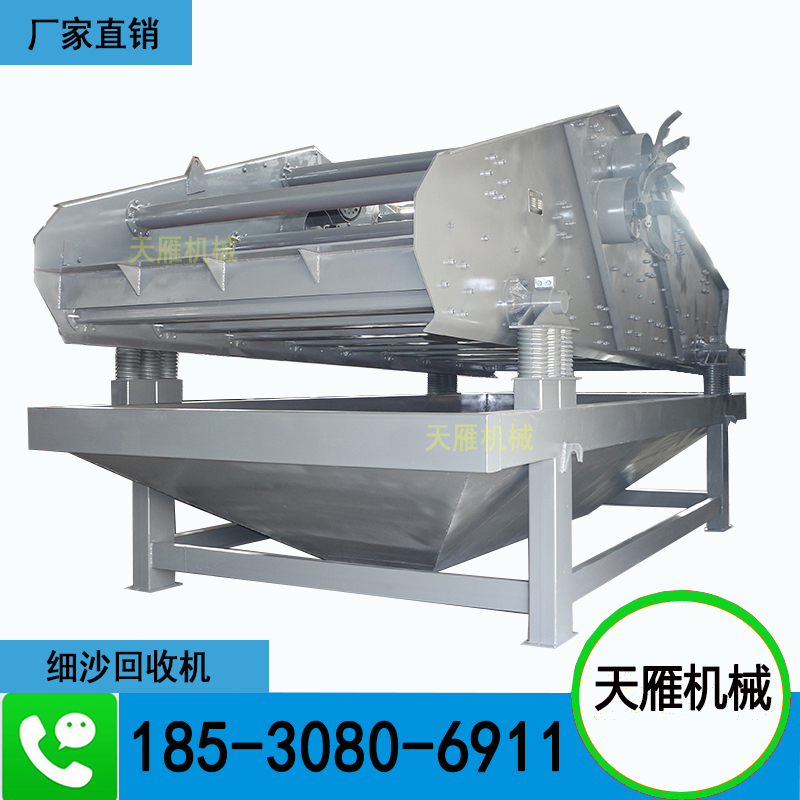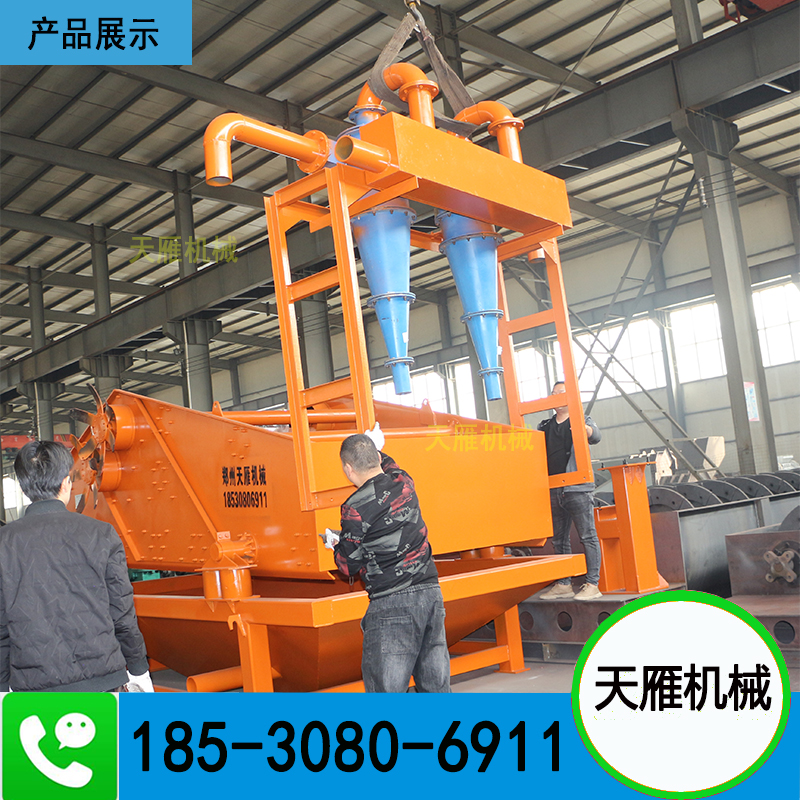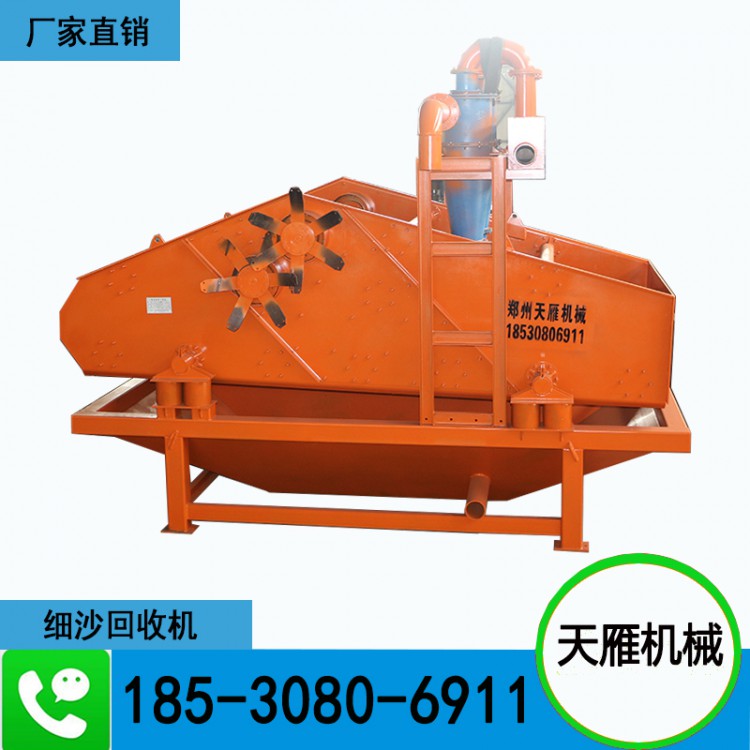
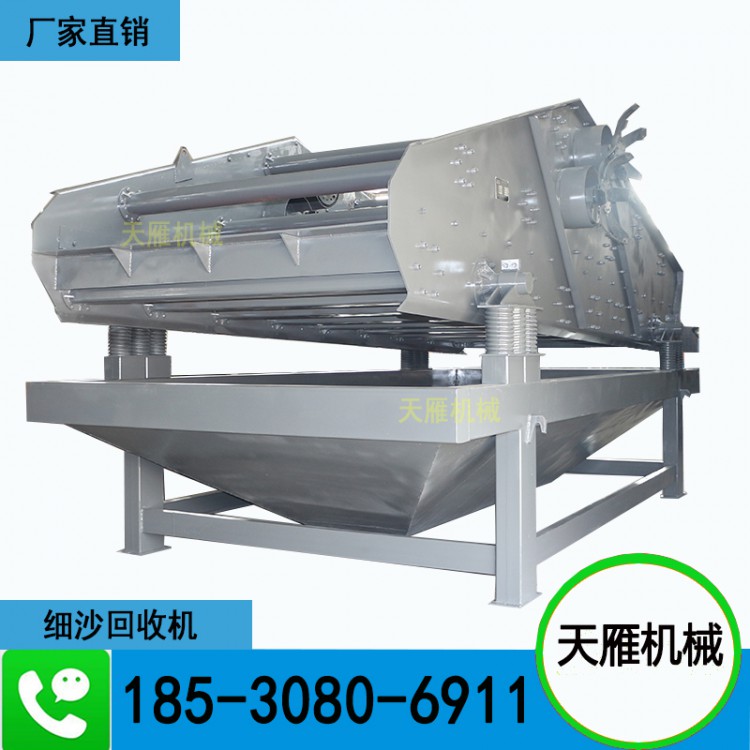


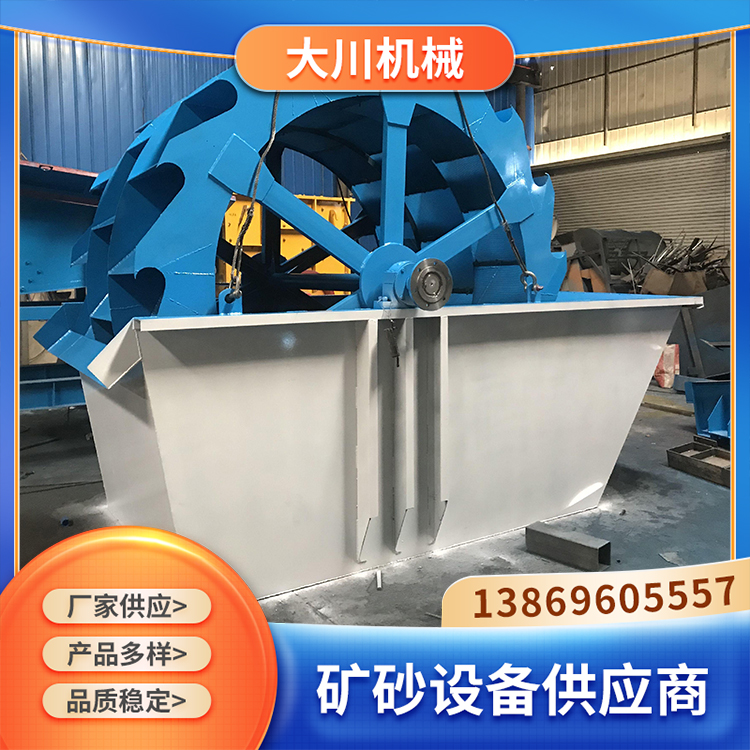
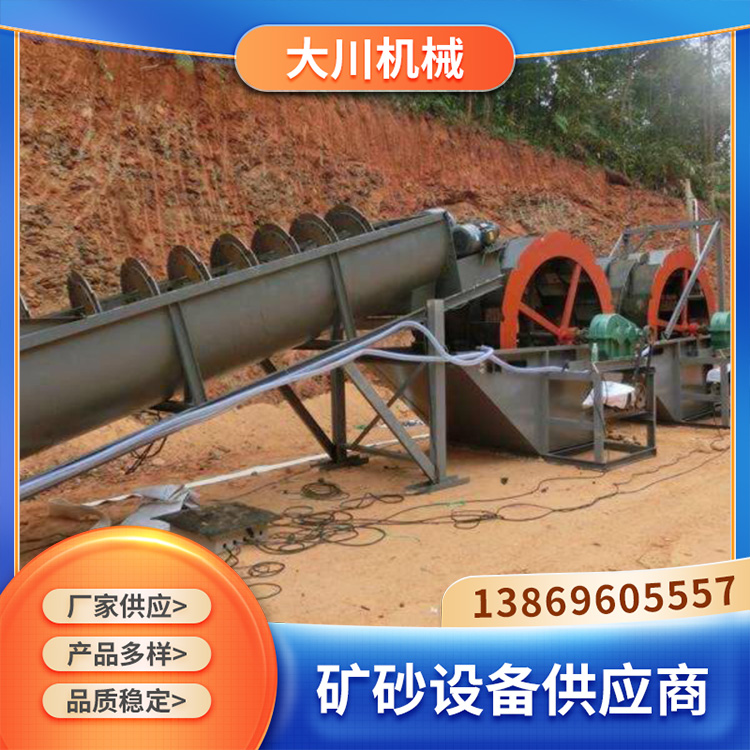







Introduction to fine sand recycling machine:
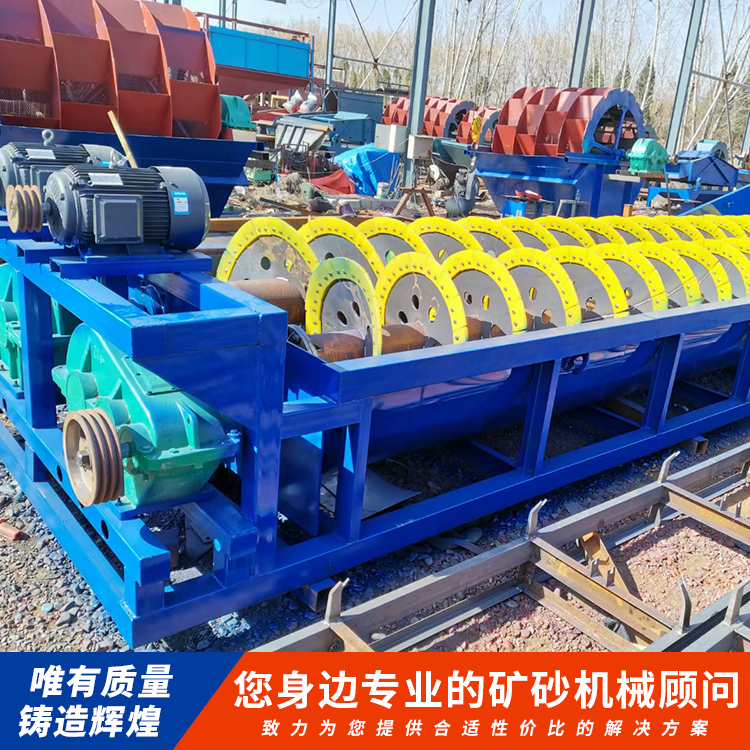
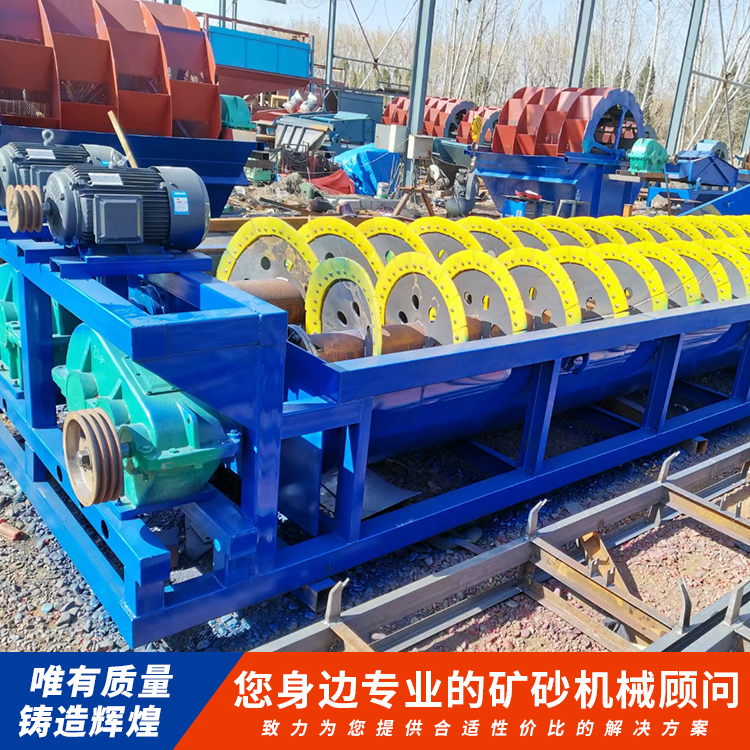
The main function of the fine sand recycling machine is to clean and dehydrate sand and gravel, which is applied in the traditional sand recycling industry to reduce the loss of sand washing machines
A large amount of fine sand is used to improve economic efficiency while reducing the processing cost of tailings and the pollution and damage caused by the loss of fine sand to the environment.
Working Principle:
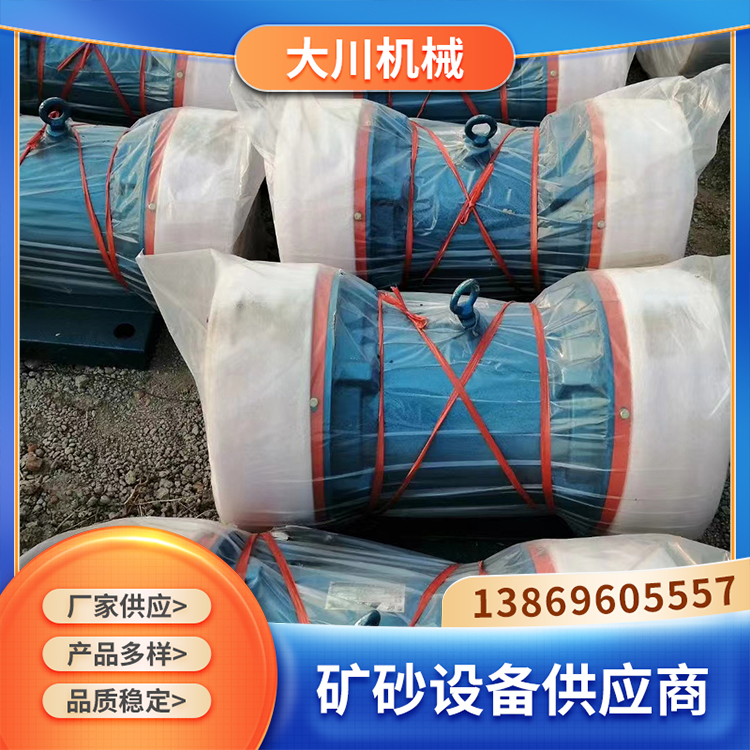
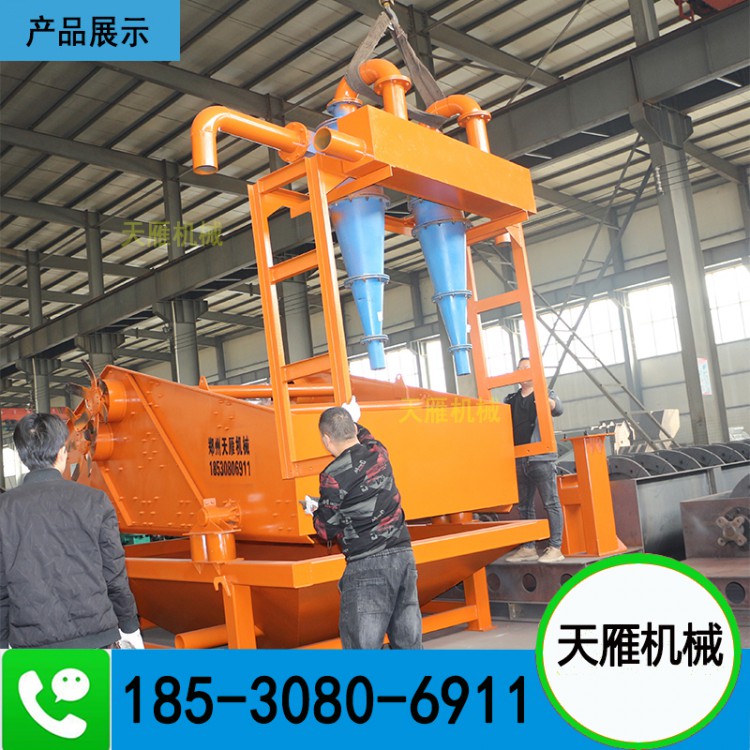
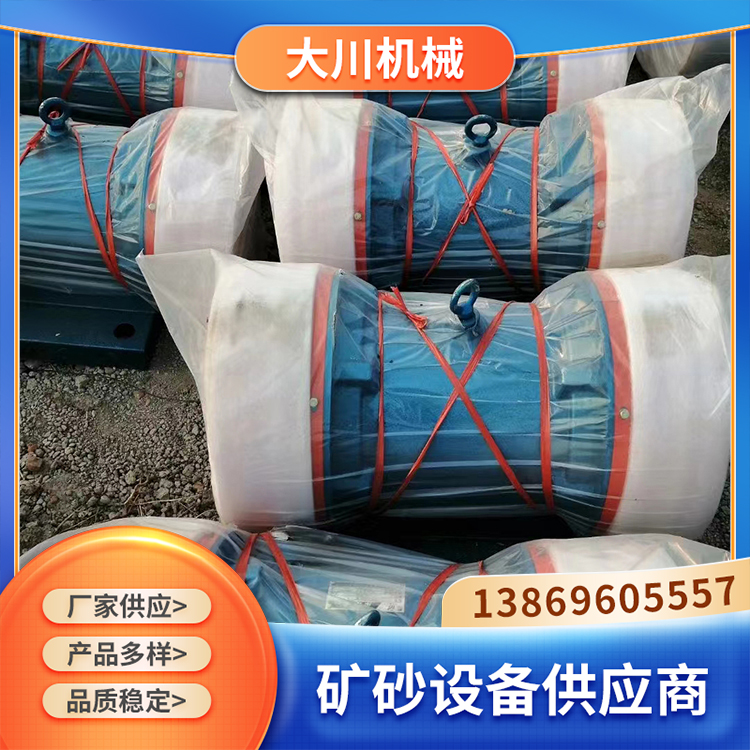
1. Structure: Composed of a motor, sand pump, centrifugal separator, TS linear dewatering screen, cleaning tank, return bin, etc.
2. Working process: The pump transports the sand water mixture to the centrifugal separator. The fine sand concentrated by centrifugation is provided to the vibrating screen through the settling nozzle. After dehydration by the vibrating screen, the fine sand is separated from the water. A small amount of fine sand, mud, etc. is returned to the cleaning tank through the return bin. When the liquid level in the cleaning tank is too high, it is discharged through the discharge port. The weight concentration of the material recovered by the linear dewatering screen is 70% -85%. Adjusting the fineness modulus can be achieved by changing the speed of the sand pump, adjusting the mortar test, adjusting the overflow water volume, and replacing the sand discharge nozzle. Thus completing three functions: cleaning, dehydration, and separation.
Performance Characteristics
1. In the traditional wet processing technology of artificial sand, the spiral sand washing machine is used for mud washing and dewatering of artificial sand, and the loss of fine sand in artificial sand is almost uncontrollable. The use of this fine sand recovery system can reduce the loss of fine sand and control it within 5% -10%, effectively solving the problem of high fineness modulus and low stone powder content of finished sand in artificial aggregate processing systems.
2. The vibrating screen uses polymer polyurethane mesh, which has a longer lifespan than other types of mesh and will not clog the holes.
3. The inner lining of the cyclone is made of polymer polyurethane, which improves the service life of the entire device and can smoothly complete tasks such as slurry concentration and liquid clarification.
4. 85% of the fine particulate materials in the total recyclable emissions have unparalleled technological and economic advantages compared to other equipment.
5. The fine particles are fully recovered, reducing the workload of the sedimentation tank and lowering the cleaning cost of the sedimentation tank.
6. Reduced the stacking time of fine materials, allowing for direct transportation and supply to the market.
7. We can design the same solution according to different user requirements.
Technical Specifications
|
Model number |
Power (KW) |
Specification of separator |
Dehydration sieve specification (mm) |
Dehydration sieve power (kw) |
Processing capacity (m ³/h) |
Weight (kg) |
|
10-25 |
7.5-11 |
250 |
1000*2000 |
1.5*2 |
30-80 |
2600 |
|
10-30 |
11-15 |
300 |
1000*2000 |
1.5*2 |
40-100 |
2750 |
|
12-55 |
15-22 |
550 |
1250*2500 |
2.2*2 |
100-200 |
3820 |
|
12-65 |
18.5-30 |
650 |
1250*2500 |
2.2*2 |
130-260 |
4350 |
|
15-65 |
18.5-30 |
650 |
1500*3000 |
3*2 |
160-290 |
5000 |
|
15-75 |
37-55 |
750 |
1500*3000 |
3*2 |
180-360 |
5710 |


Price Description:Our factory has a wide range of equipment models and complex related processes. We need to understand the customer's production needs before we can determineSelection and quotation.
All prices in this store are virtual prices generated by the system. Please refer to the sales manager's quotation for details.
Inquiry contact: 18530806911 Song