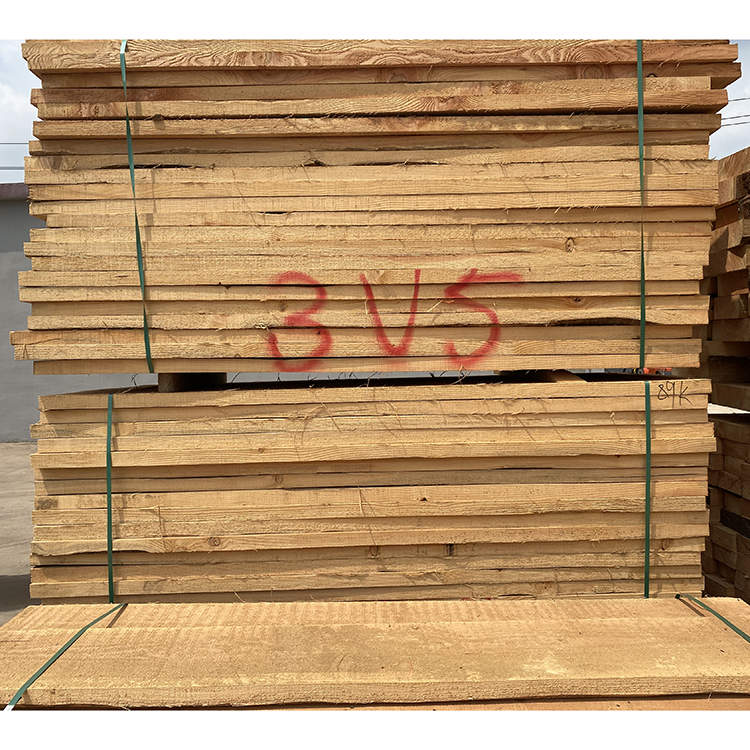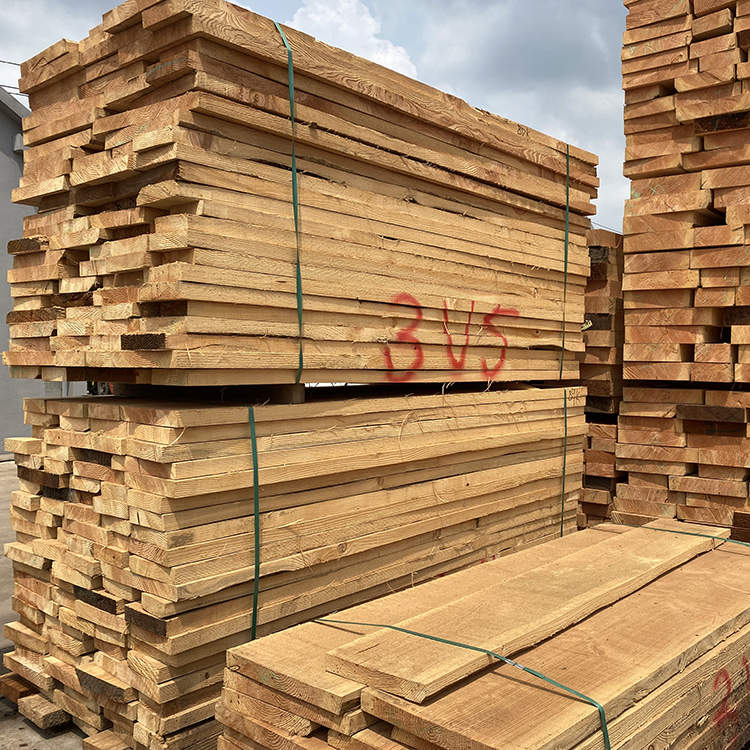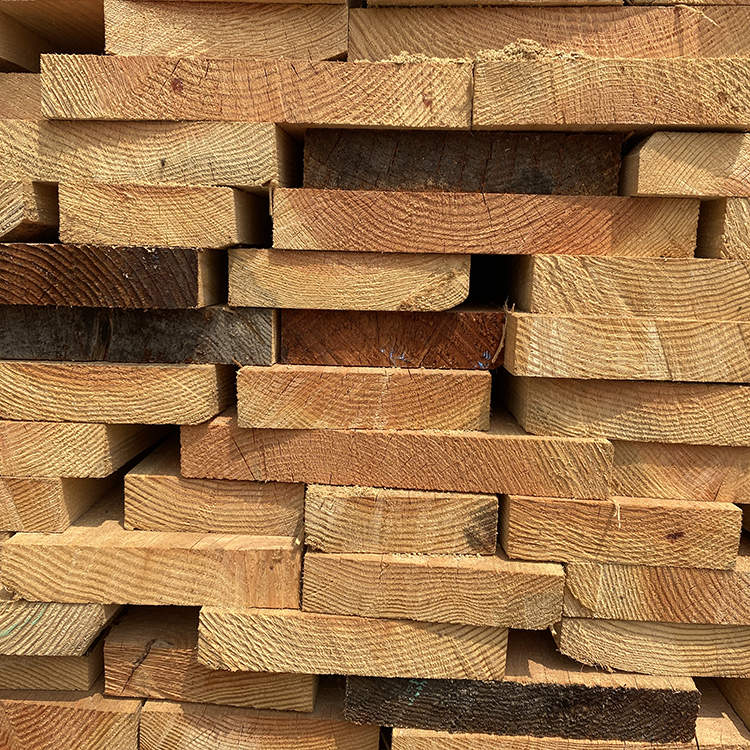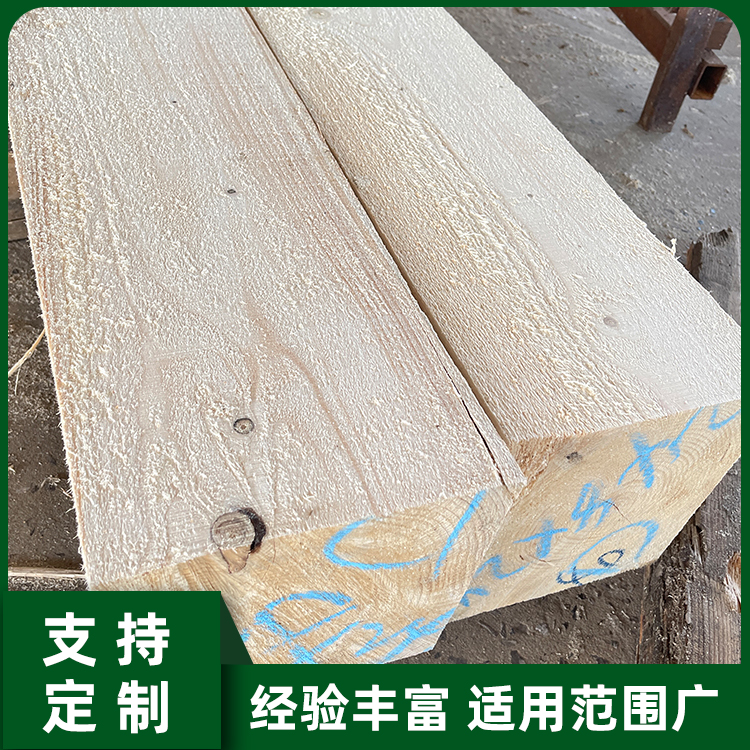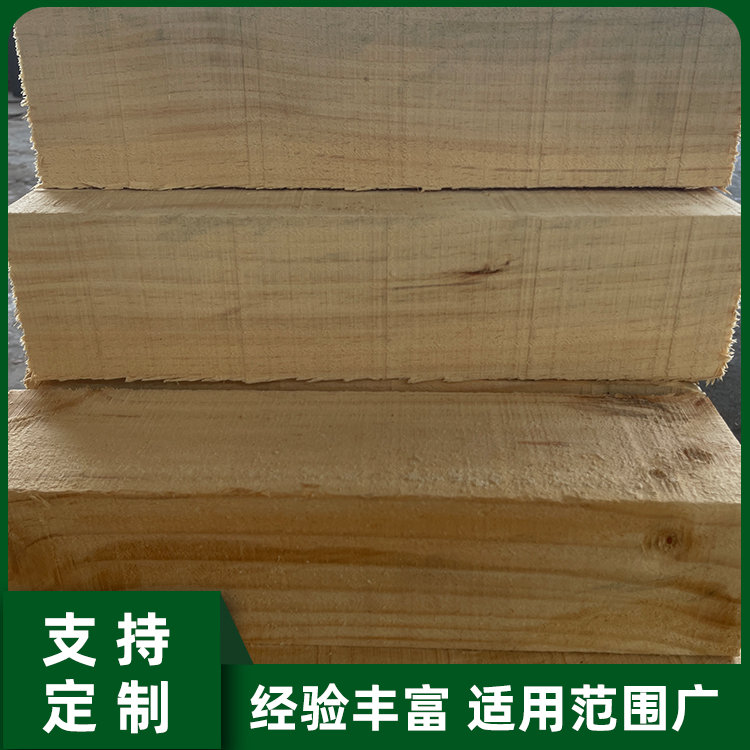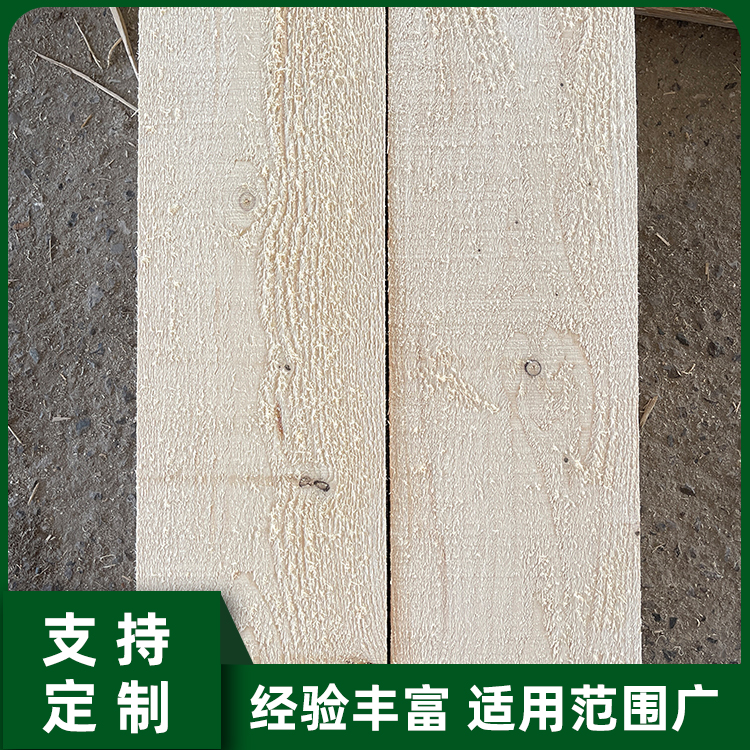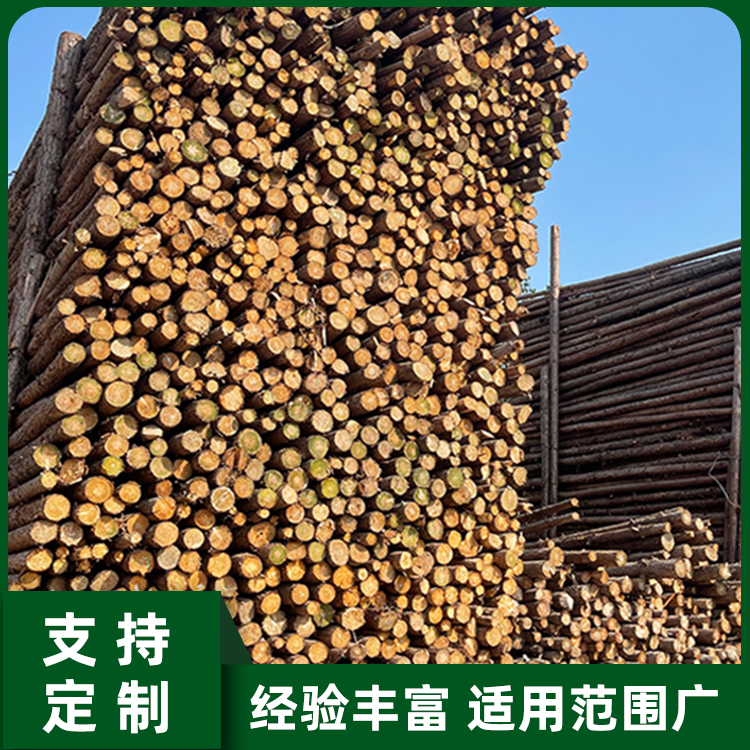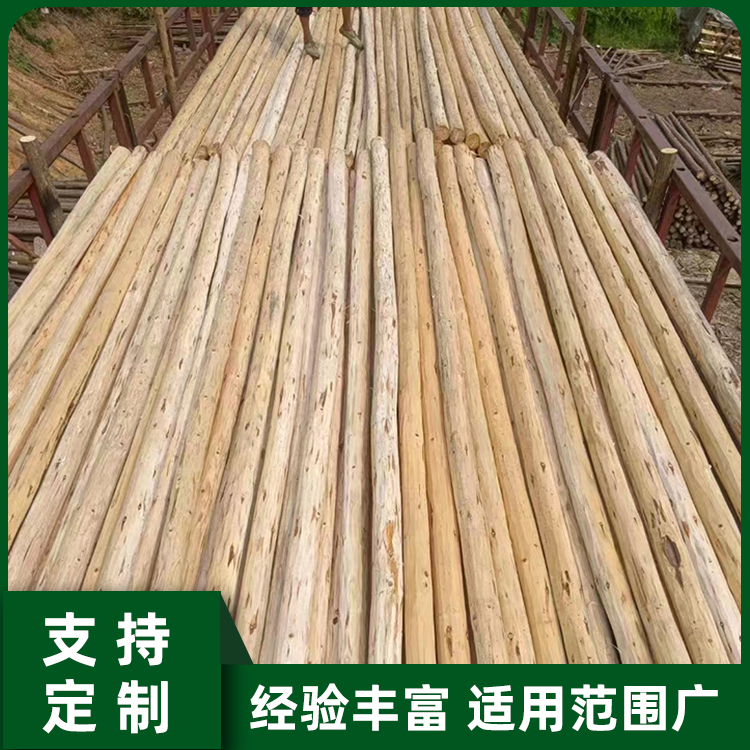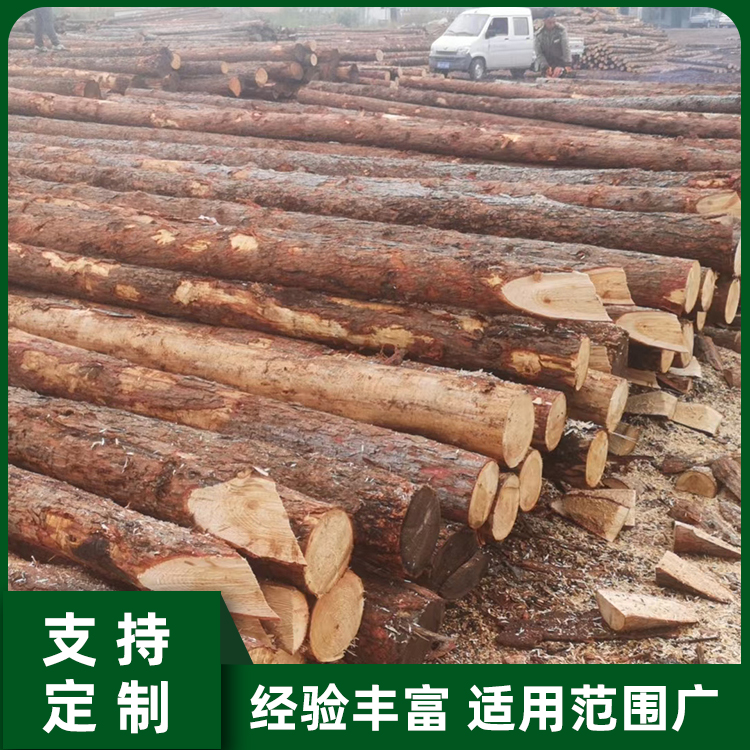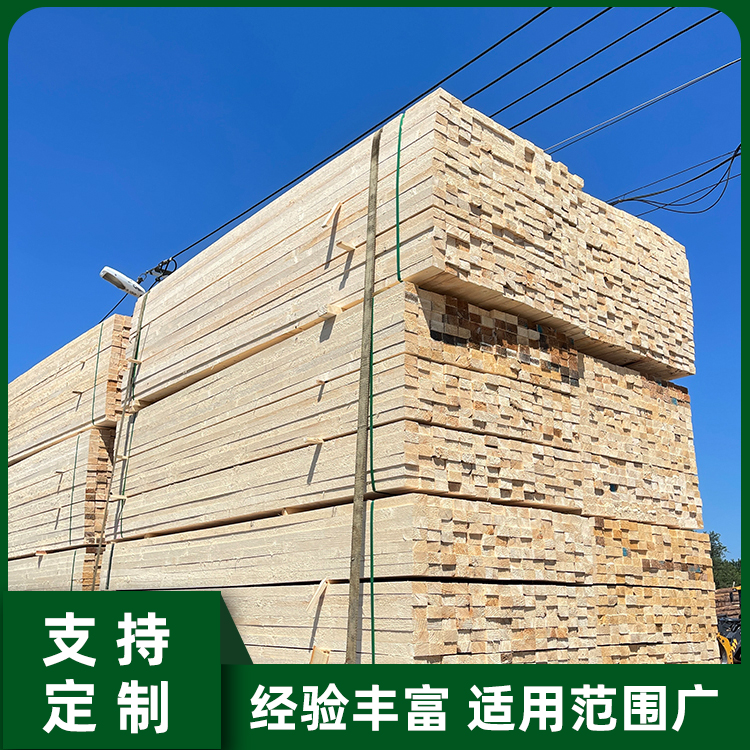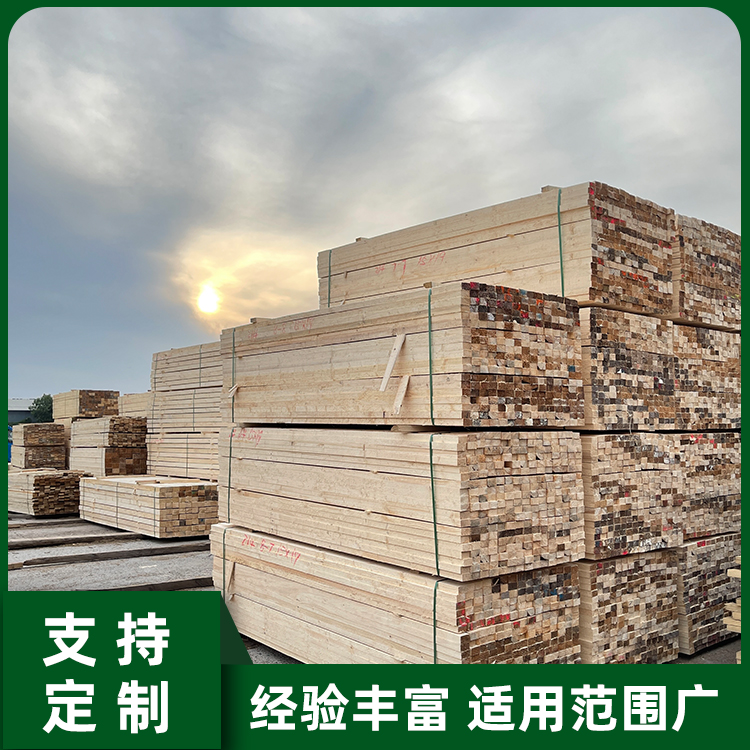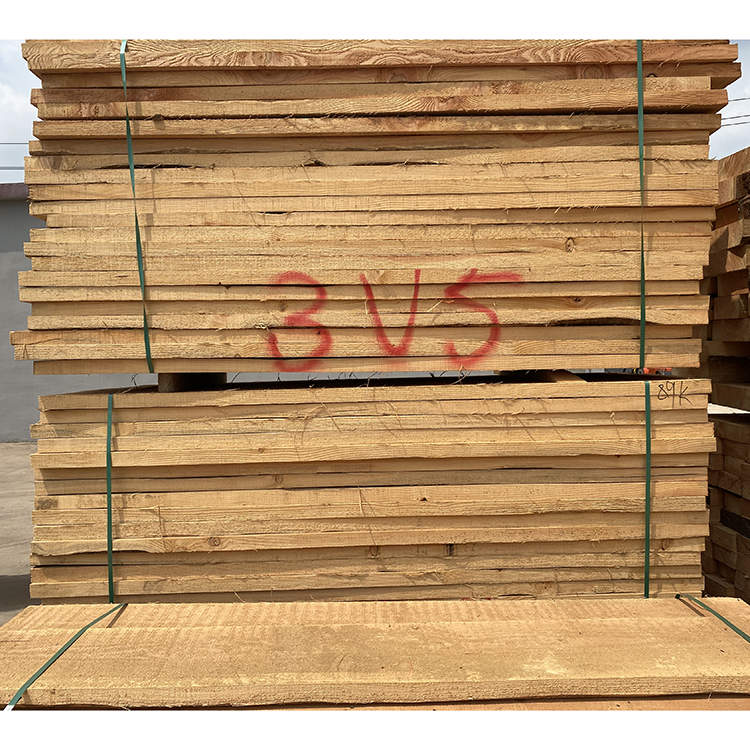

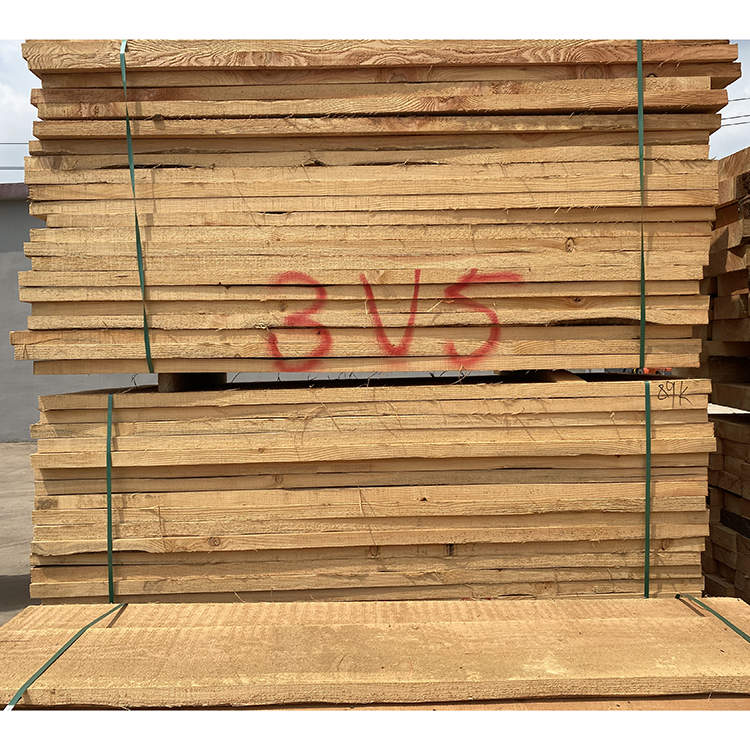

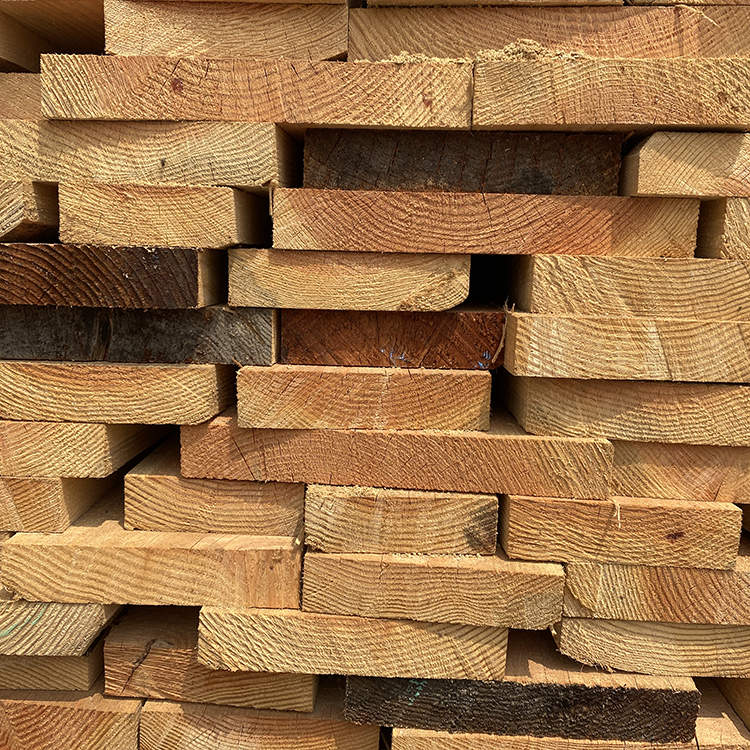


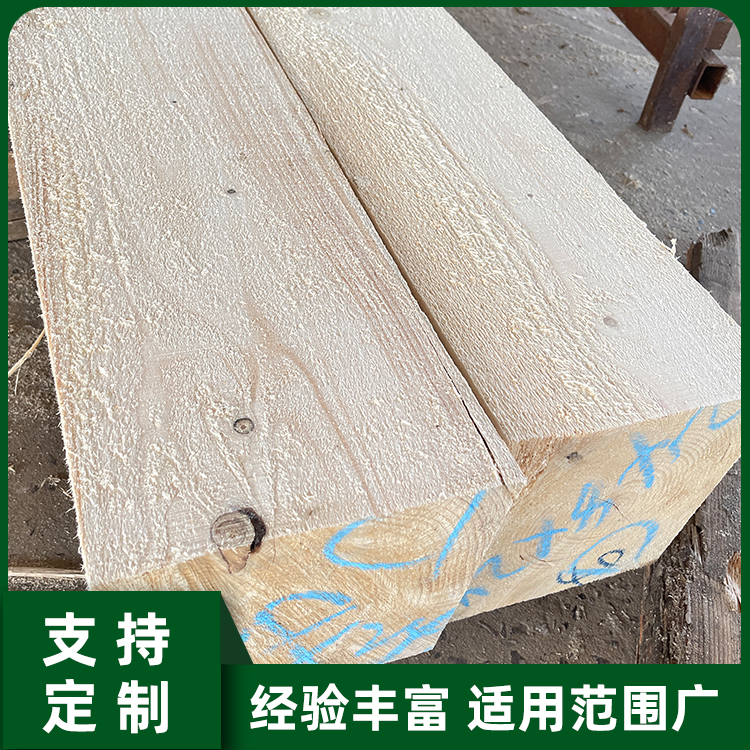
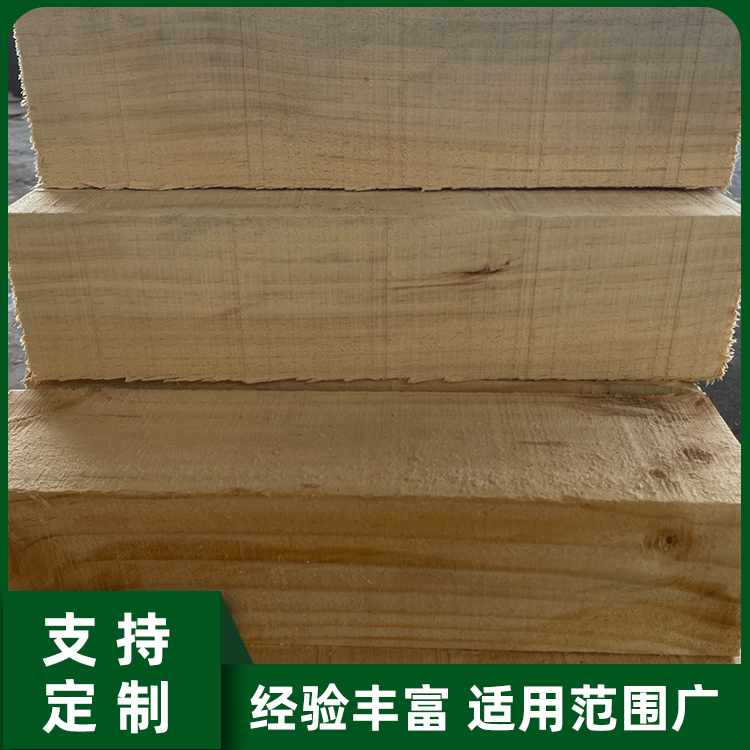
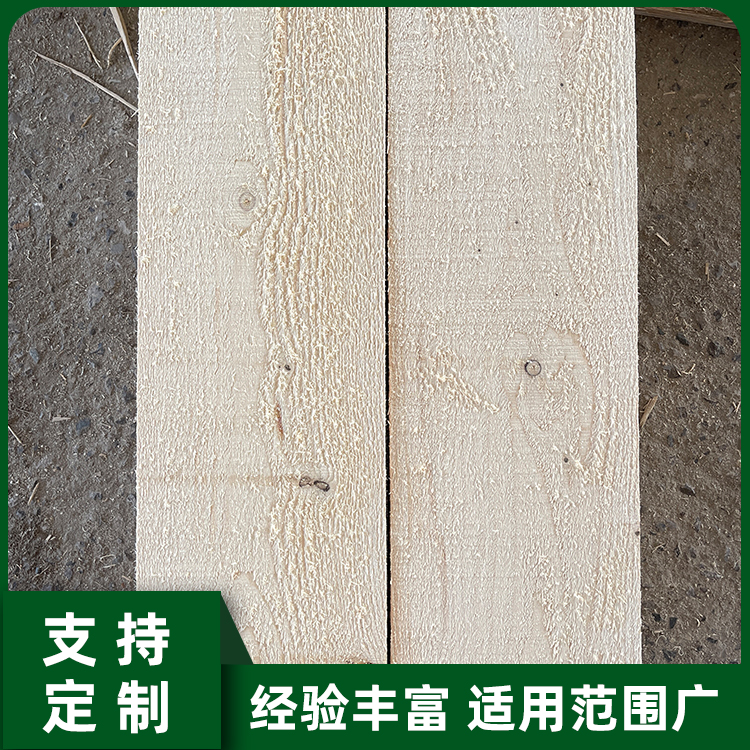
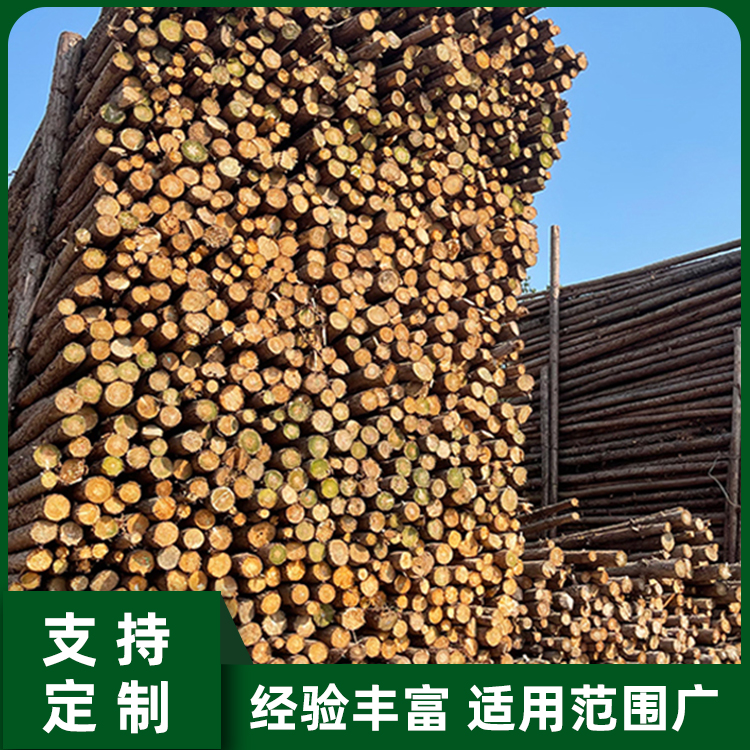





Douglas fir is a type of wood used in construction, with light colored edges and narrow widths, and heartwood ranging from yellow to reddish brown. Early and late woods have distinct colors, with the latter having deeper and sharper bands. This color difference results in different wood grain shapes when sawing flat. The wood texture is fine to medium, with straight lines and non permeable. Douglas fir is one of the strongest commercial cork woods in Canada, with high hardness and strong wear resistance, suitable for places where wear is a factor, such as brackets, bridge components, wooden houses, and commercial buildings.
structural characteristics
Huaqisong is renowned worldwide for its excellent strength to weight ratio. Its high specific gravity provides excellent nail holding and fixing force, making it suitable for making wooden frames used in residential, small commercial, multi story, and industrial buildings.
Among the soft wood tree species in North America, Douglas fir not only has a high elastic modulus, but also has excellent external bending fiber stress, tensile strength along the grain, transverse shear force, transverse compression force, and longitudinal compression force. Because Douglas fir possesses these physical properties, as well as the durability and stability of heartwood, many construction companies around the world use Douglas fir as a standard for evaluating framing wood.
Huaqisong is famous for its structural performance and beautiful appearance. When designing structures that require large wooden beams and long span arches (such as churches, bridges, and sports halls), Douglas fir is a commonly used type of wood. In the construction of residential, commercial, public building structures, tower buildings, and water facilities, laminated beams made of Douglas fir are commonly used as horizontal load-bearing frames for roofs, floors, and pillars. When constructing industrial plants, warehouses, garages, and even building structures that require a beautiful appearance, glued laminated beams are also high-performance building materials.
Appearance level
The Douglas fir has a light rose color and beautiful straight texture, which darkens after being exposed to sunlight. The tough fibers of Douglas fir are not easy to cut or carve by hand, but as long as sharp electric tools and machine tools are used, a smooth cutting surface can be obtained. This type of wood can be processed into various products according to the grain shape, with a surface that is easy to paint and can maintain various dyes and varnishes.
The bark of the tree is thick and deeply cracked into scales. The leaves are strip-shaped, about 1.5-3 centimeters long, with blunt or slightly pointed ends. They are dark green on the top and light on the bottom, with two gray green stomatal bands. The fruit (cone) of the tree is oval shaped and oval in shape, about 8 centimeters long, brown, and shiny. The seed scales are oblique square or nearly rhombic in shape, with bract scales longer than the seed scales. The middle lobes are narrow, long, and gradually pointed, while the lobes on both sides are wider and shorter.
Huaqi pine prefers light, warm and humid climate, and well drained acidic soil, and can withstand winter and spring droughts. The bark has a leopard like pattern, the heartwood is light red, and the sapwood is light yellow with resin. The material is tough, elastic, and has a long shelf life. Wood can be divided into coastal and inland types. Flower flag pine is a good building and appliance material.